Kitchen Gear Essentials: What Do You Actually Need to Start Cooking?
A beginner-friendly explainer about choosing the kitchen tools, materials, and storage habits that make everyday cooking easier without overbuying.
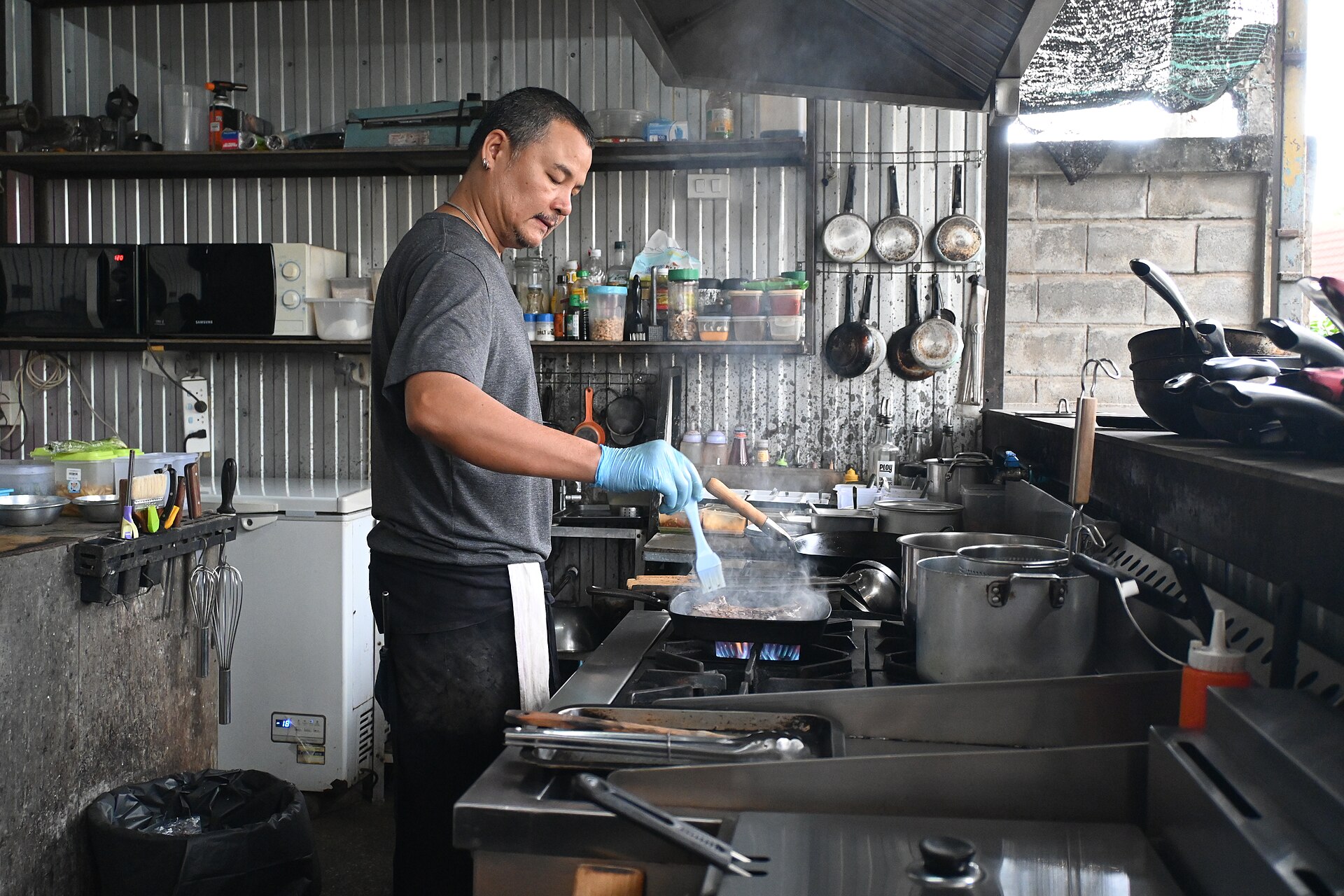
Cover: Flickr · Wikimedia Commons · CC BY-SA 4.0
Question: What kitchen gear does a home cook actually need to start cooking?
Start with a Core Set of Versatile Tools
When first stocking a kitchen, focus on tools that cover the most common tasks. A chef-style knife, a cutting board, a skillet, a saucepan with a lid, and a heat-safe spoon can handle a large share of everyday recipes. Extra gadgets can be added later when a specific task becomes a regular part of your routine. Beginning with a small core set helps you learn what actually matches your cooking style. Choosing tools with comfortable handles that fit your hand is part of avoiding strain and frustration. Simple designs are often easier to clean and store.
Understanding Common Materials
Common kitchen gear is made from stainless steel, carbon steel, cast iron, aluminum, ceramic, wood, plastic, or silicone, and each has strengths and limits. Stainless steel is durable and resists rust but can be harder to cook with if heat is uneven. Cast iron holds heat well but needs drying and occasional oiling. Wooden and plastic cutting boards are both common, and some cooks like having separate boards for different ingredients. Nonstick coatings can make certain foods easier to release but require gentle utensils and careful cleaning. The best choice depends on how you cook, how much maintenance you are comfortable with, and what is easiest for you to store.
Knives and Cutting Surfaces
A sharp knife is actually safer to handle than a dull one, because it needs less pressure and is less likely to slip. A sturdy cutting board that does not move around under pressure gives you more control. Some cooks choose wooden or plastic boards; both can be cleaned effectively when cared for properly. Separating boards for different food groups, for example raw meats versus ready-to-eat produce, is a common way to reduce the chance of cross-contact. When not in use, knives should be stored so the edge is not rubbing against other metal tools. A knife rack, a blade guard, or a dedicated drawer are common solutions. Learning basic knife grips and cutting techniques makes everyday prep faster and more comfortable.
Storage and Organization
How you store kitchen gear affects how often you use it and how clean it stays. Tools used daily should be within easy reach, while specialty items can live in higher or deeper cabinets. Hanging pans, pegboards, jars for utensils, and drawer dividers are all simple organizing ideas. The goal is not a perfect design but a setup where you can see what you have and put things away without stacking hazards. Storing lids with their pots, keeping knives in protective slots, and letting pans dry thoroughly can extend their useful life. Decluttering before you buy new gear helps prevent duplicates and wasted space.