What Belongs in a Beginner's Kitchen Gear Set?
A practical, source-informed overview of versatile kitchen tools, food-safety basics, storage, and maintenance for people setting up a first kitchen.
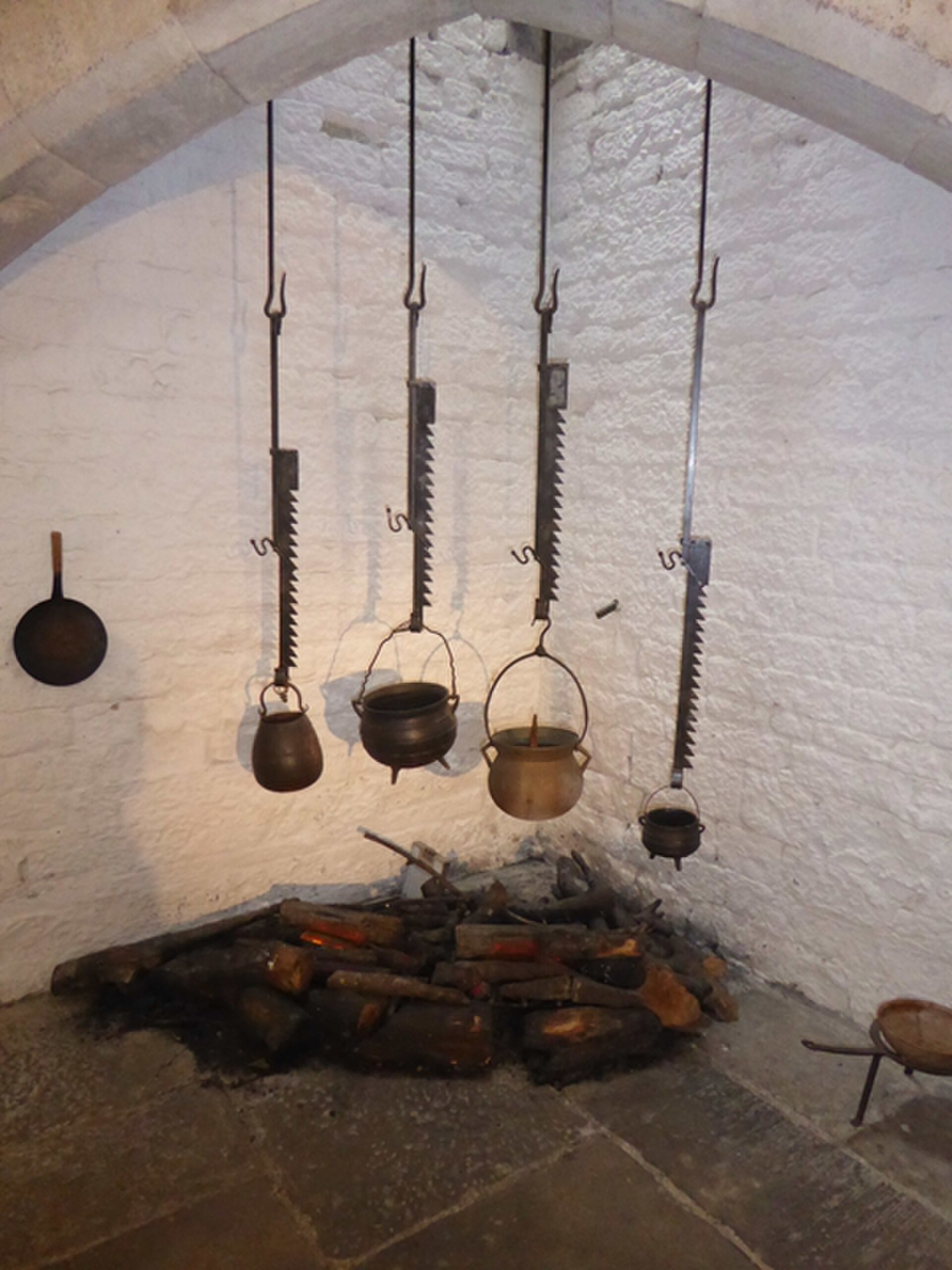
Cover: Geograph Britain and Ireland · Wikimedia Commons · CC BY-SA 2.0
Question: What should a beginner cook keep in a basic home kitchen?
Start With Versatile Tools
A basic kitchen does not need a dedicated gadget for every task. Begin with items that support common cooking methods: a skillet or pan, a saucepan, a sheet pan, mixing bowls, a colander, tongs, a spatula, measuring tools, and at least one knife and cutting board. The exact mix depends on what you cook, available storage, and how much maintenance you are willing to do. Look for gear that feels comfortable to handle and is easy to clean according to the manufacturer's instructions.
Include Food-Safety Basics
Public food-safety guidance emphasizes clean surfaces, separation of raw foods, thorough cooking, and safe chilling. For kitchen gear, that makes a food thermometer, separate or thoroughly cleaned cutting boards, and suitable storage containers especially useful. Follow official guidance from public-health agencies rather than relying on appearance or time alone.
Plan Storage and Workflow
Store frequently used tools within easy reach and keep less-used specialty items out of prime space. Group similar items, use clear containers where helpful, and leave enough counter space for safe food preparation. Before buying a new item, consider where it will live, whether it duplicates something you already own, and whether it will be easy to clean and maintain.
Maintain Gear and Add Slowly
Read care instructions for knives, cookware, and containers; proper cleaning and drying can help equipment last. Replace items that are damaged or no longer cleanable, and add specialty gear only after a recurring need becomes clear. A smaller, well-maintained set is often easier to use than a crowded drawer of single-purpose tools.
Use Public Resources for Decisions
For food safety and storage questions, consult public-health agencies and extension services. For gear choices, compare manufacturer instructions, warranty details, and independent reviews; no single material or tool is best for every kitchen.