What Should Home Cooks Consider When Choosing Kitchen Gear?
A question-led overview of how intended use, materials, storage, cleaning, and repairability shape kitchen-gear choices and everyday care.
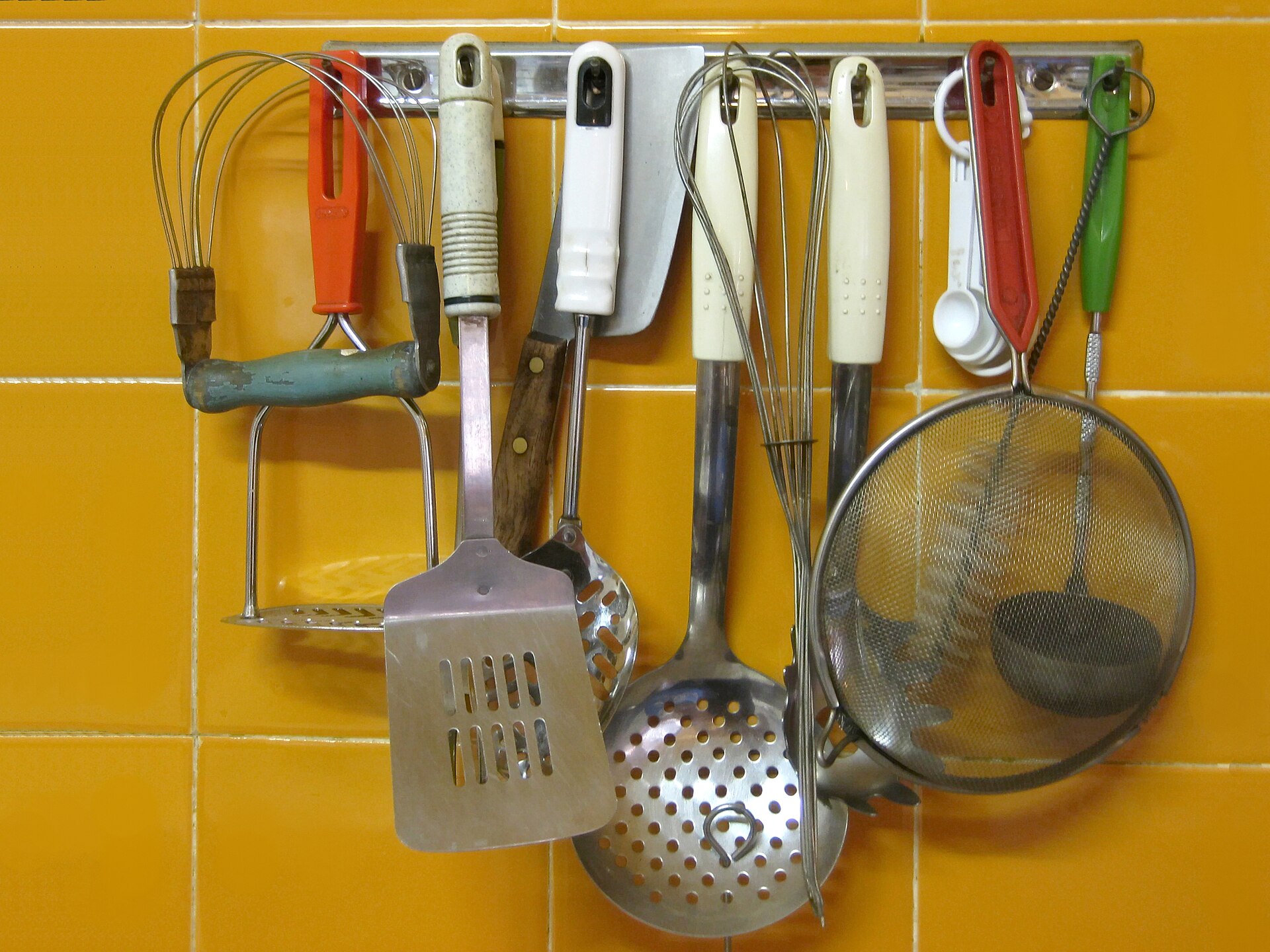
Cover: Utensils (Flickr) · Wikimedia Commons · CC BY-SA 2.0
Question: What should home cooks consider when choosing and caring for kitchen gear?
Why start with the task instead of the tool?
Kitchen gear makes more sense when it is matched to actual cooking habits, available space, and cleaning routines. A piece that suits one household may be a poor fit for another because of weight, size, handle shape, or storage needs. A useful first question is not which item is most popular, but what job it needs to do and how often it is likely to be used.
Which material and construction questions matter?
Cookware, knives, utensils, and boards differ in weight, heat response, surface care, and compatibility with other tools. Labels and manufacturer guidance can clarify whether an item is suitable for a particular heat source, whether it needs special cleaning, and whether replacement parts are available. For coated or composite items, condition of the surface and care requirements are worth checking before purchase.
How should storage and organization influence choices?
Storage affects whether gear is easy to use and easy to care for. Cabinet depth, drawer space, ventilation, and the weight of items can all shape what works well in a kitchen. Thinking about where an item will live before buying it can reduce clutter and make routine cleaning and access more manageable.
What does routine care look like?
Cleaning and drying routines vary by material, so manufacturer instructions and public food-safety guidance are useful starting points. Seams, handles, cracks, scratches, and worn surfaces can make items harder to clean or maintain. General food-safety resources emphasize clean surfaces, separation of raw foods, and careful handling of utensils and boards.
When is repair or replacement reasonable?
Some kitchen items can be sharpened, rehandled, reseasoned, or fitted with replacement parts, while others may be difficult to repair. Age, condition, availability of parts, and whether the item still meets the household’s needs are practical considerations. Repair can be sensible for well-made gear, but worn or damaged food-contact surfaces deserve careful review.
What is the takeaway?
A balanced approach is to match gear to real use, check care requirements before buying, plan for storage, follow cleaning guidance, and maintain or repair items where practical. Public food-safety and consumer guidance can help frame decisions without replacing manufacturer instructions or local advice.