Which Kitchen Tools Are Actually Worth Keeping on Hand?
A practical, non-prescriptive explainer on choosing everyday kitchen gear by focusing on routine tasks, food-safety basics, measurement needs, and simple maintenance.
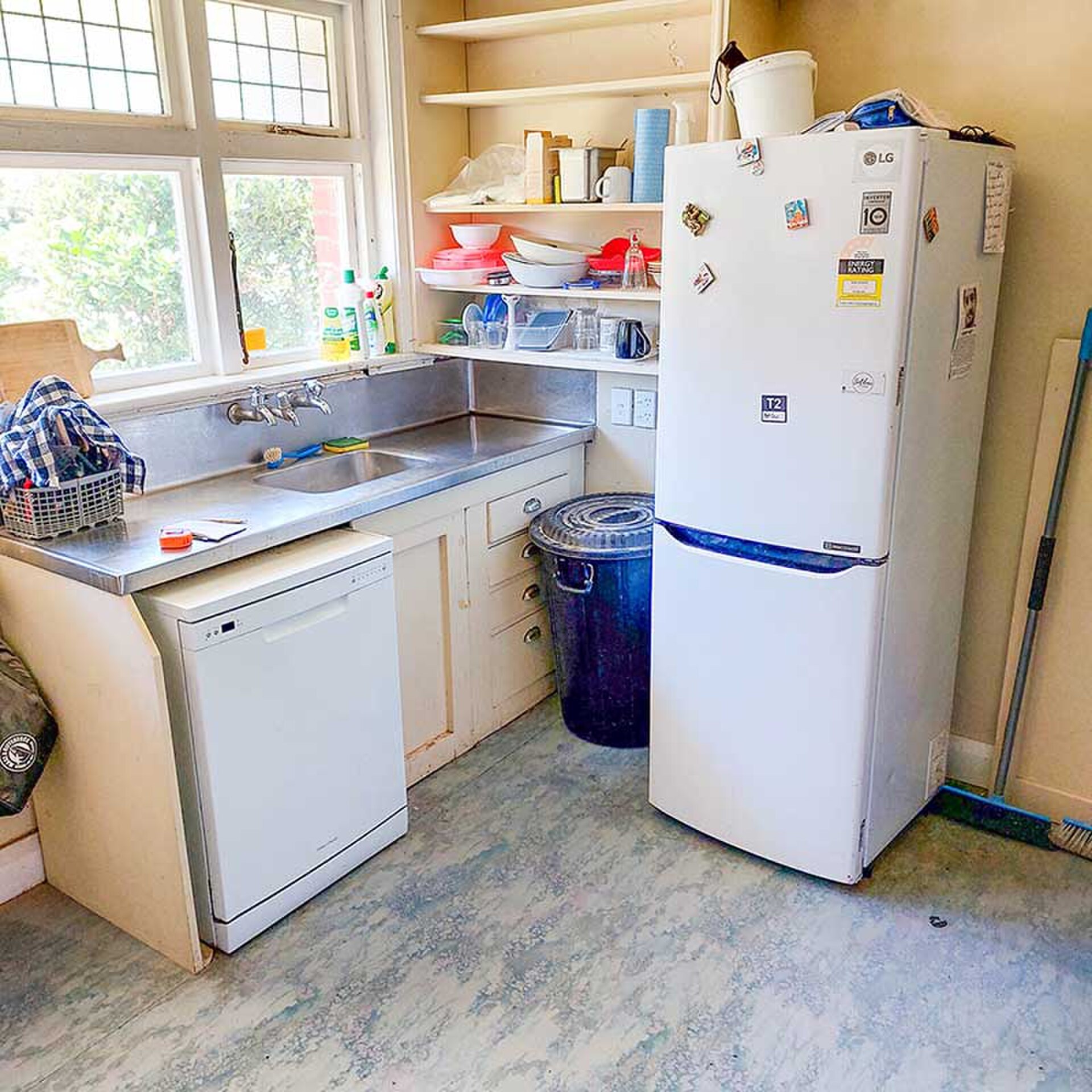
Cover: Southern Plumbing · Wikimedia Commons · CC BY-SA 4.0
Question: Which kitchen tools are actually worth keeping on hand?
Start with the tasks you repeat
There is no universal must-have list for every kitchen. A more useful approach is to look at the meals and prep tasks you repeat most often. If you chop vegetables often, a sturdy cutting board and a comfortable knife matter more than specialty gadgets. If you often make soups or sauces, a saucepan, stirring spoon, and mixing bowl may earn their space. The goal is not to buy the longest list of tools, but to keep a small set that supports your actual routine.
Keep food-safety tools visible
Some kitchen gear is less about style and more about basic food handling. Public food-safety guidance from USDA FSIS and FoodSafety.gov highlights the role of clean surfaces, clean utensils, and a food thermometer in everyday cooking. Keeping these items easy to reach makes them more likely to be used. Easy-to-clean cutting boards, a food thermometer, and simple cleaning supplies are practical examples of gear that supports common kitchen routines without promising specific outcomes.
Measurement tools reduce guesswork
Measuring cups, measuring spoons, and a kitchen scale can help with consistency, especially when following recipes. Volume measures are common for liquids and small ingredients, while a scale can be useful when a recipe calls for weighing ingredients. You do not need every measurement tool at once; choose the ones that match the recipes you actually make. Think of measurement gear as support for repeatability, not as a requirement for every meal.
Storage and maintenance matter as much as purchase
A tool that is hard to store or clean may end up unused. Before bringing in new kitchen gear, consider where it will live, whether it fits your storage space, and how it should be cared for. Drying items thoroughly, following manufacturer care guidance, and checking for worn handles, loose parts, or damaged surfaces can help you decide when to repair or replace something. Simple, repairable tools often fit everyday kitchens better than collections of single-purpose gadgets.
Use a simple decision rule
A helpful question is: does this tool support a task I do often, and can I store and care for it easily? If the answer is unclear, waiting before buying can prevent clutter. If the tool solves a recurring problem and fits your kitchen, it may be worth keeping. This approach keeps the focus on usefulness, maintenance, and food-safety basics rather than on trends or a long checklist of gear.