
Photos from current listings. Actual item, color, and included accessories may vary.
Espresso Machine Buying Guide
Espresso machines span from compact 51mm pressurized portafilter units to 58mm commercial-style group heads with dual boilers, and that group-head and boiler architecture—not brand marketing—dictates shot quality, temperature stability, and longevity. The core trade-off is between convenience and thermal control: pressurized baskets forgive grind errors while unpressurized 58mm systems require a capable grinder and disciplined dosing. Separation is simple—buy a 9-bar OPV-regulated machine with a standard 58mm group or a proven thermoblock if you want repeatable espresso; treat unregulated 15–20 bar pumps and battery-powered portables as travel/novelty tools, not daily drivers.
Median $229.00 · New & pre-owned listings
Key takeaways
- Group head diameter sets accessory compatibility: 58mm commercial groups accept standard baskets, tampers, and distribution tools; 51mm pressurized groups limit upgrades and mask puck flaws.
- Pump regulation matters more than peak pressure: a 9-bar OPV delivers stable extraction pressure, while unregulated 15–20 bar vibratory pumps spike and produce channeling and bitterness.
- Boiler architecture drives temperature stability: dual boilers brew and steam simultaneously at independent temperatures; single boilers and thermoblocks require recovery time between shots and steam.
At a glance
- Category
- Coffee Makers & Espresso
- Last updated
- Nov 28, 2026
Current offers
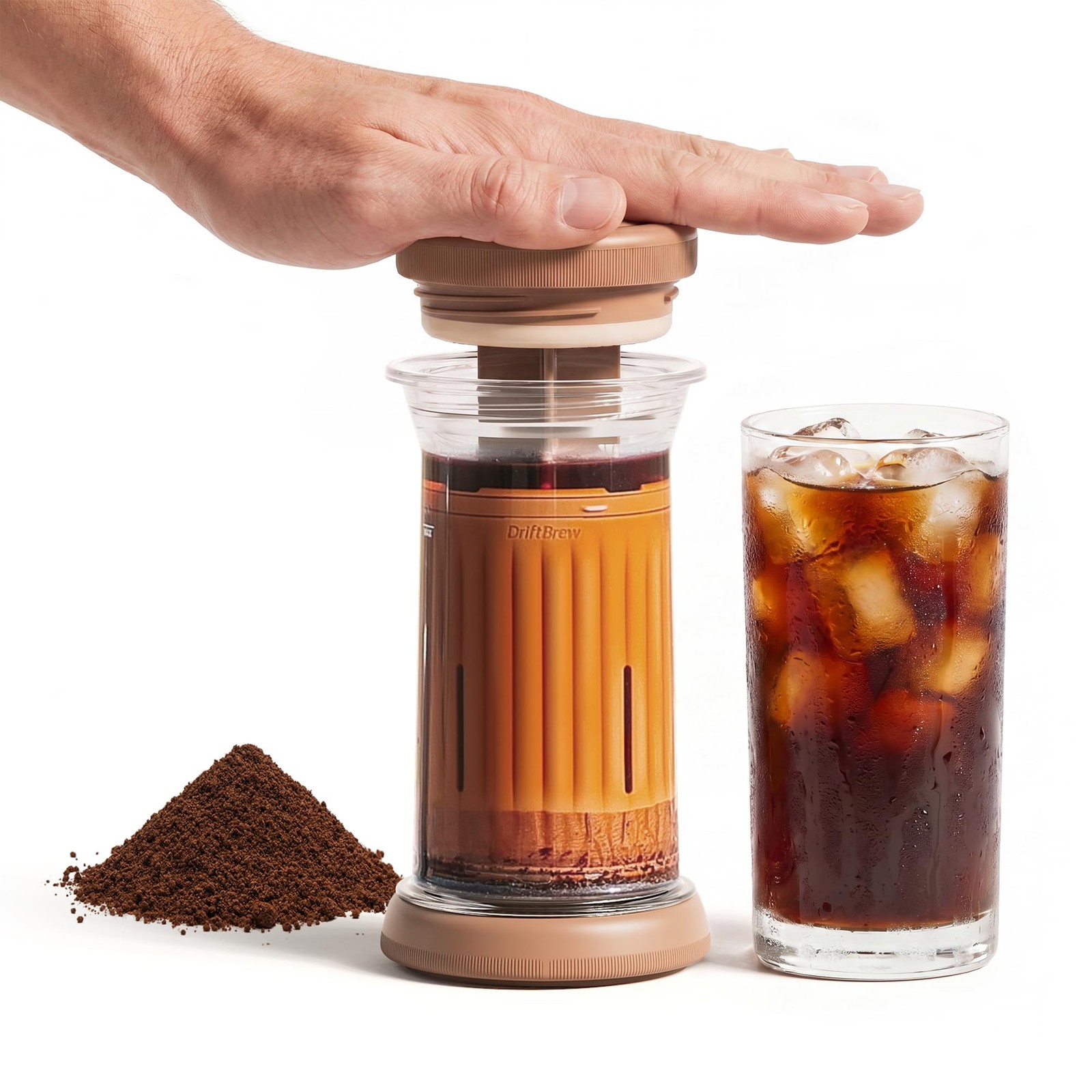 Camping Coffee Maker 8oz Portable Cold Brew & Espresso - Travel Brewing Gear$31.99View on eBay
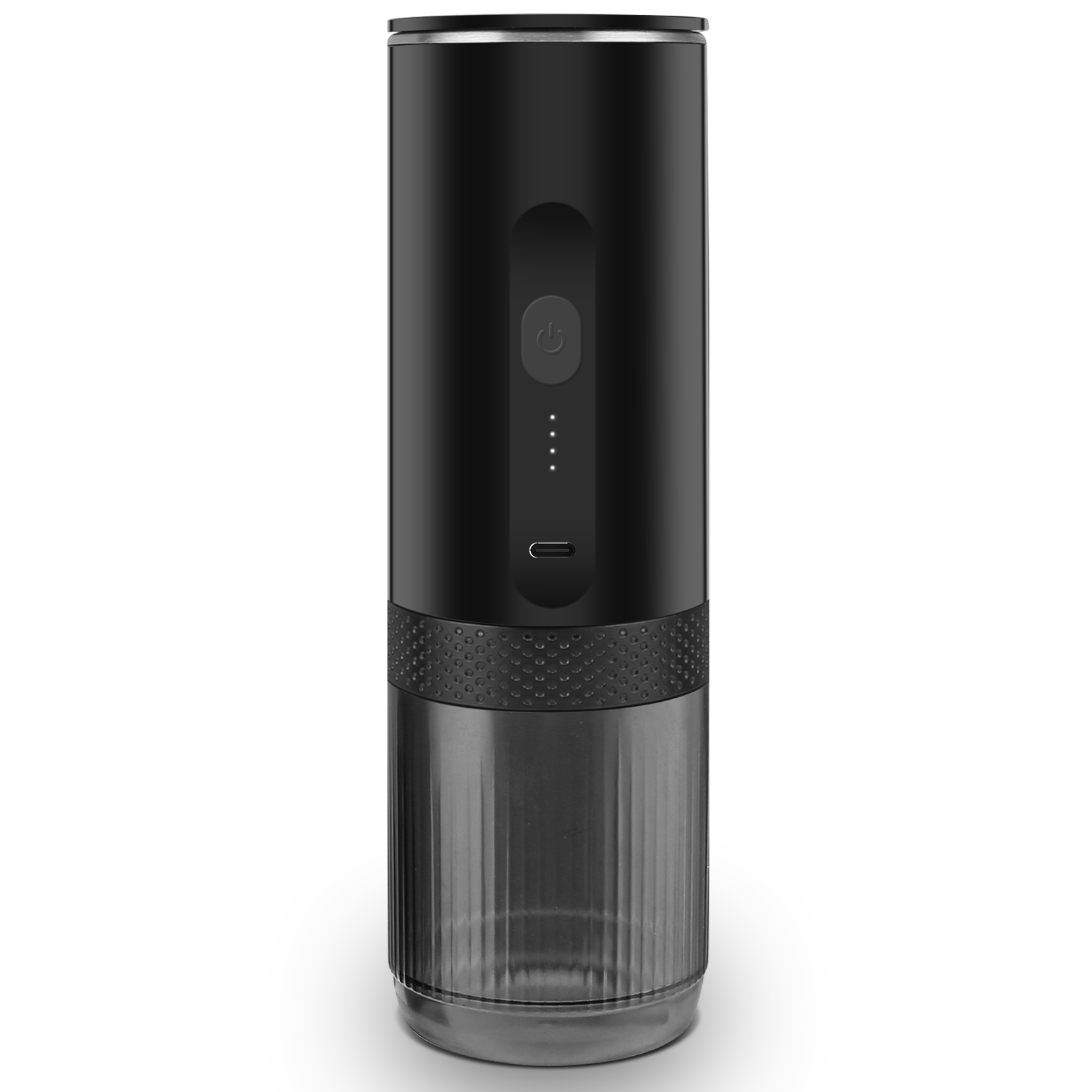 Plum Chef Portable Espresso Machine, 15Bar Pump Pressure Wireless Travel Coffee Maker With Self-Heating, 7500mAh Battery, 2-in-1 For Ground Nespresso Capsules, For Camping Car Home Office$54.99View on Mallflare
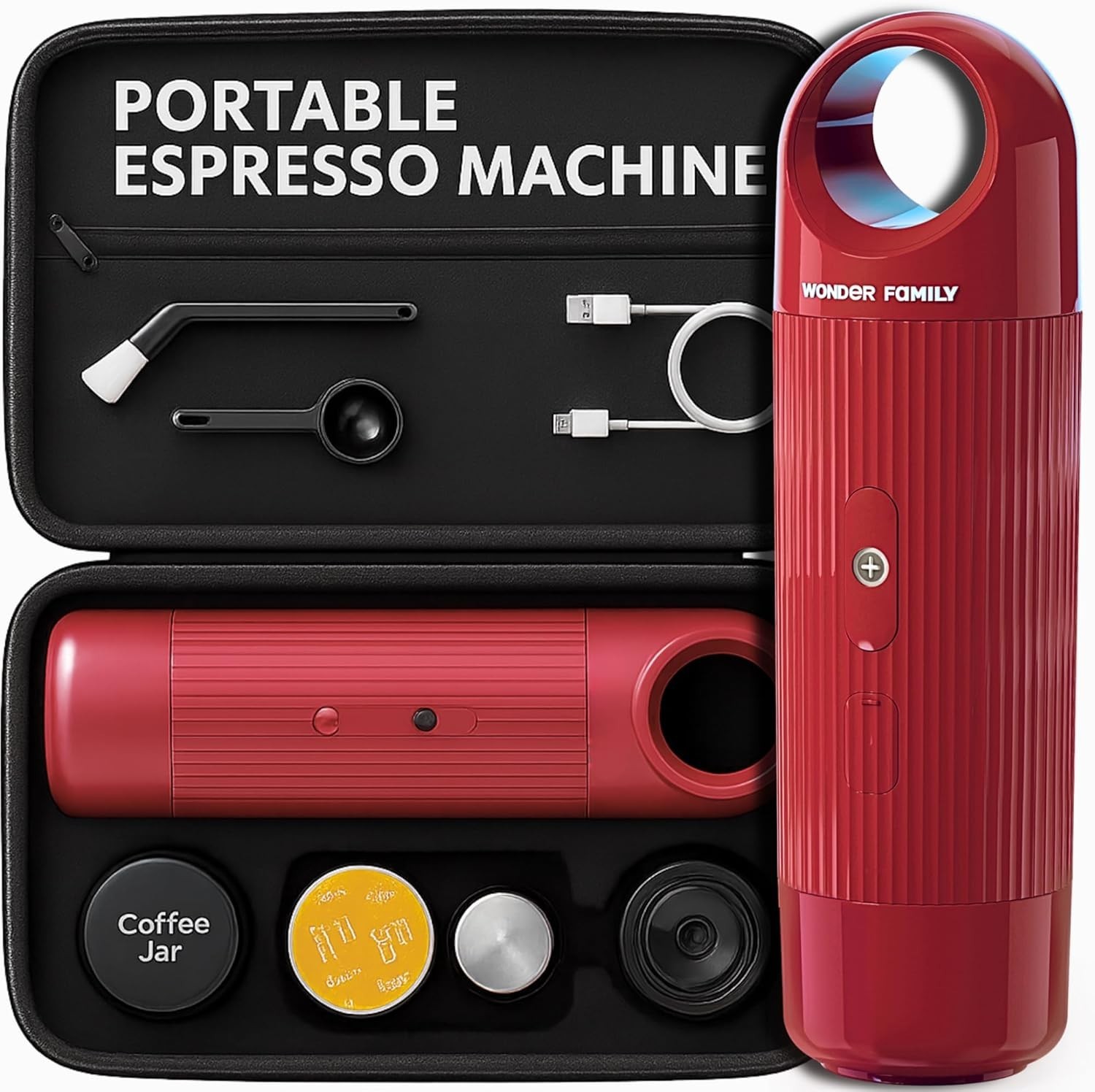 Portable Espresso Machine Travel Coffee Maker for Pods & Grounds Mini 5 Cup Make$34.99View on eBay
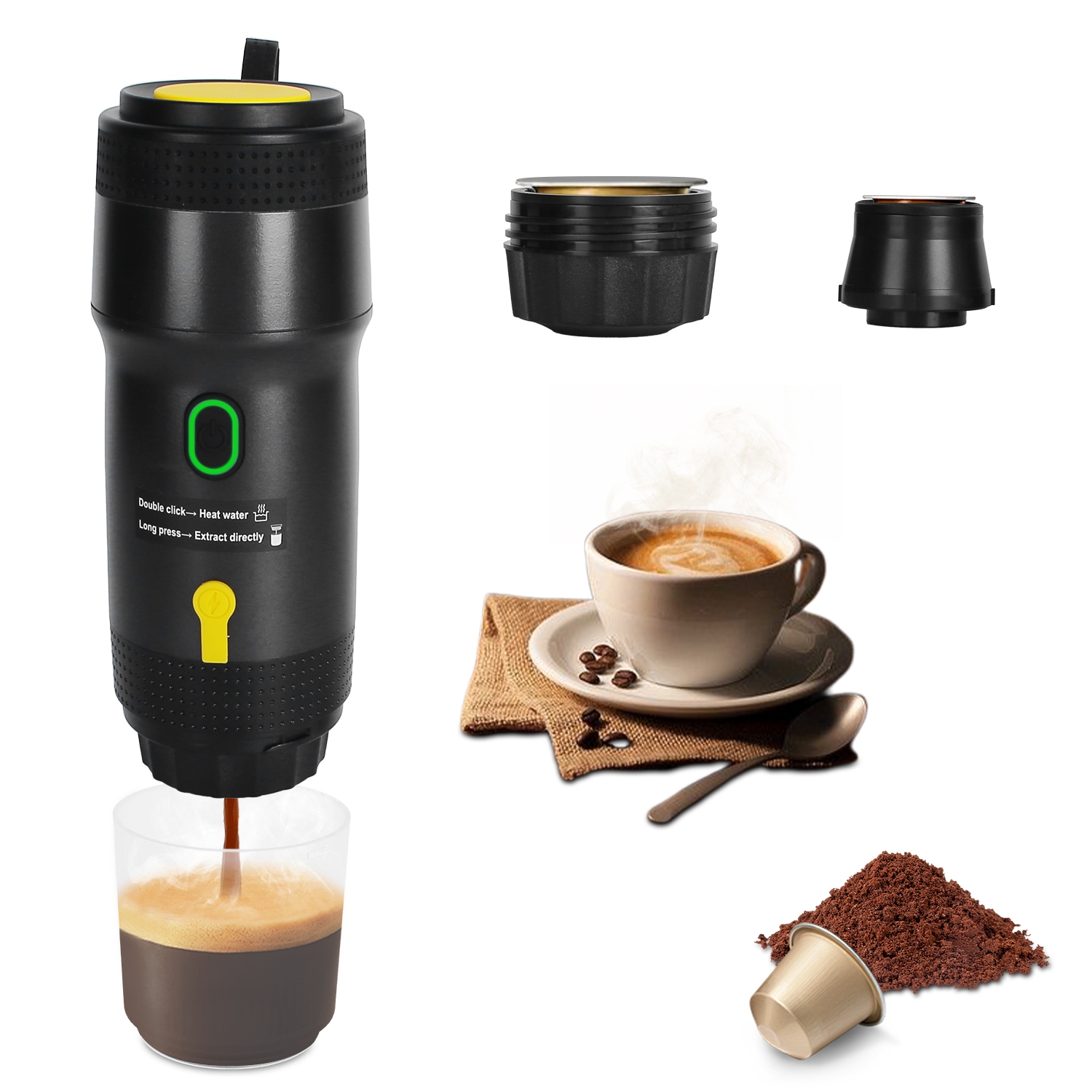 1Pc Portable Electric Espresso Machine Cordless Coffee Maker Self Heating Car With Anti Dry Burn Fit For Ground NS DG Capsules For Car Camping Hiking RV Home Office$55.99View on Mallflare
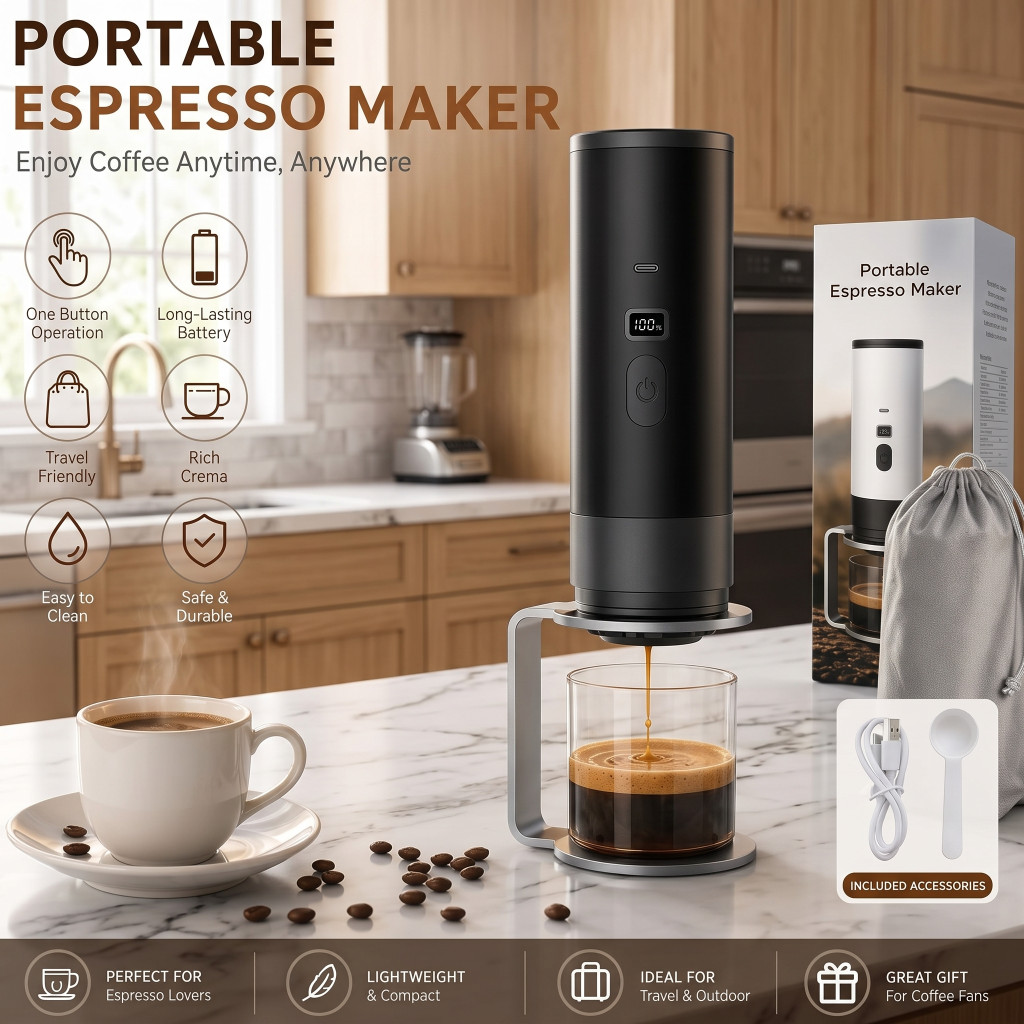 Portable Electric Espresso Maker - 3 in 1 Travel Coffee Machine for Camping US$45.58View on eBay
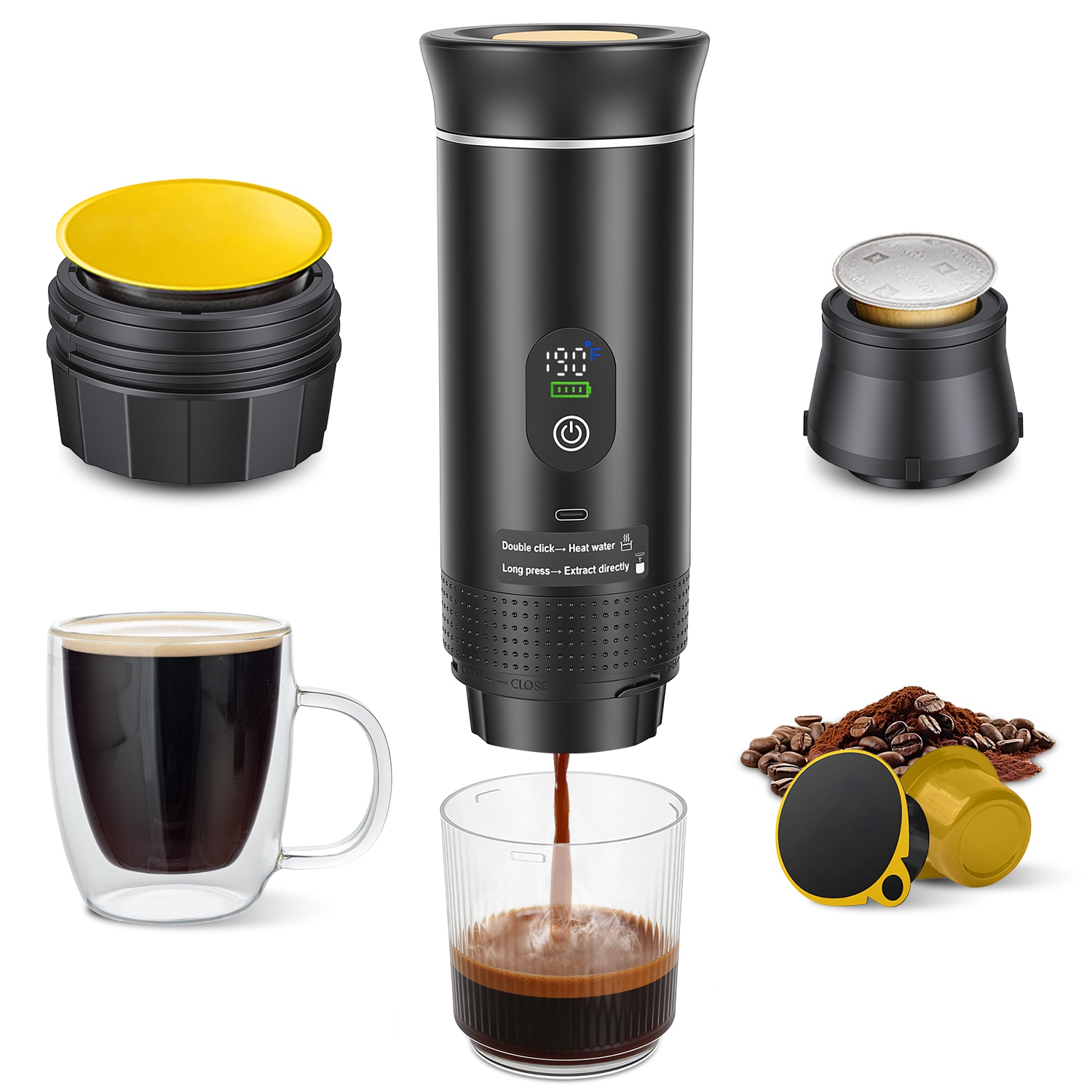 3 In 1 Portable Espresso Machine Cordless Mother Day Self Heating Coffee Maker With 7500mAh Battery 20Bar Pressure Anti Dry Burn Fit For Ground Capsules For Camping Hiking RV Home$73.99View on Mallflare
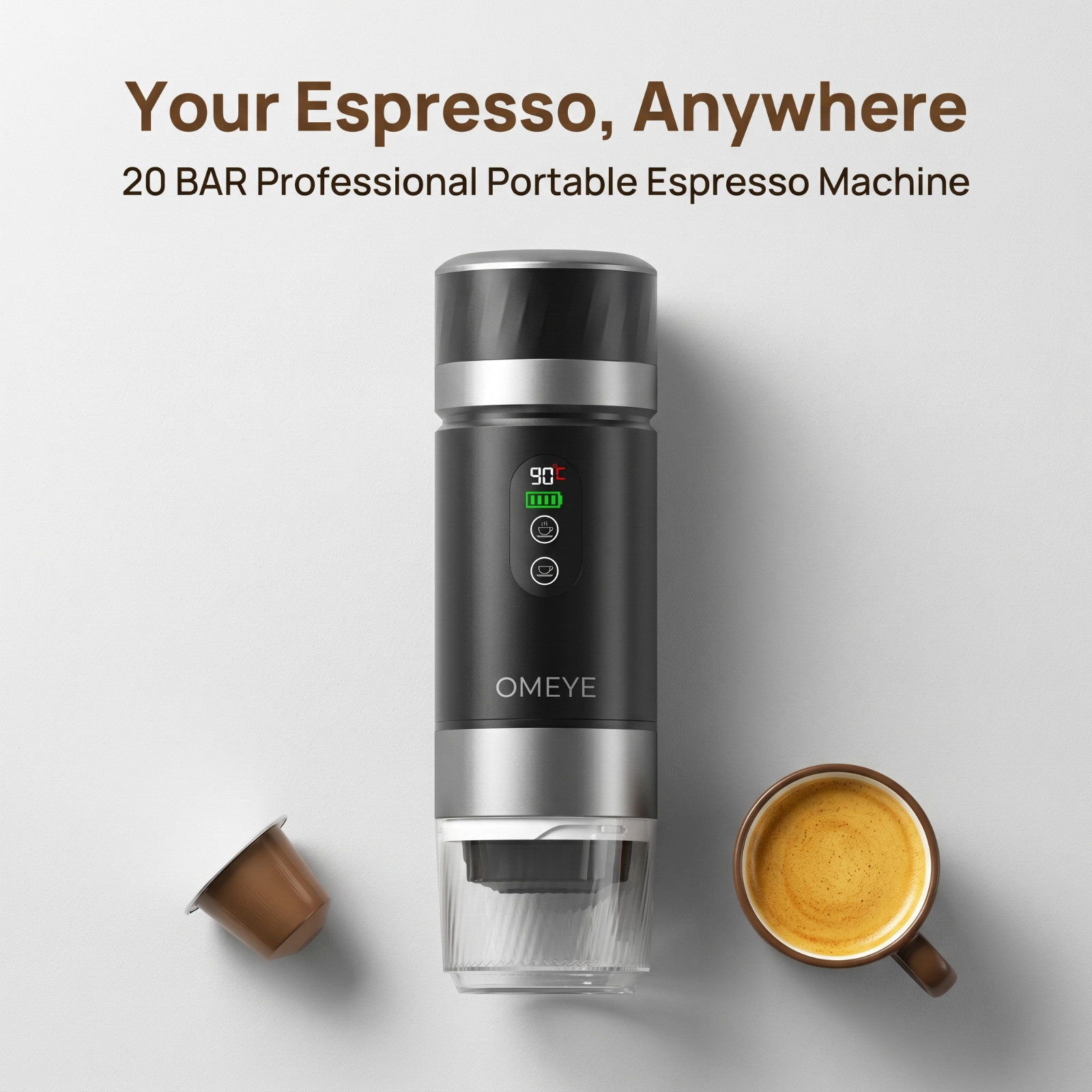 OMEYE Portable Espresso Maker 20 Bar Battery USB-C Capsule Ground Coffee$69.99View on eBay
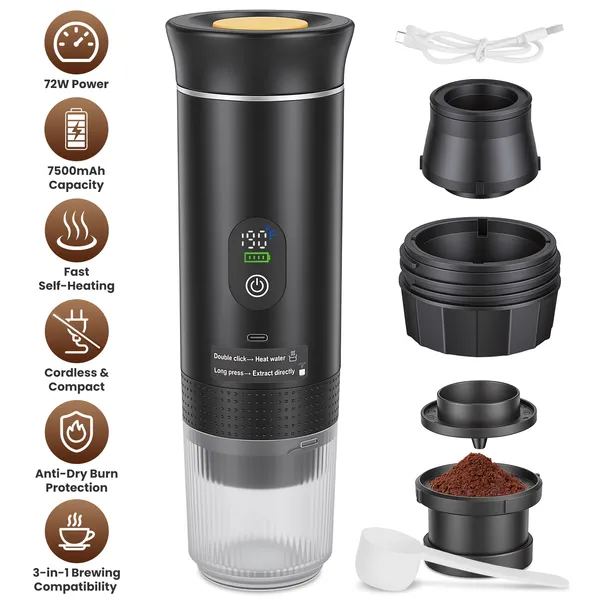 3-in-1 Portable Espresso Machine Cordless Self-Heating Coffee Maker With 7500mAh Battery 20Bar Pressure Anti-Dry Burn Fit For Ground Coffee&NS&DG Capsules For Camping Hiking RV Home Office$89.99View on Mallflare
 CALPHALON COMPACT ESPRESSO MACHINE, HOME ESPRESSO MACHINE WITH MILK - STAINLESS$88.09View on eBay
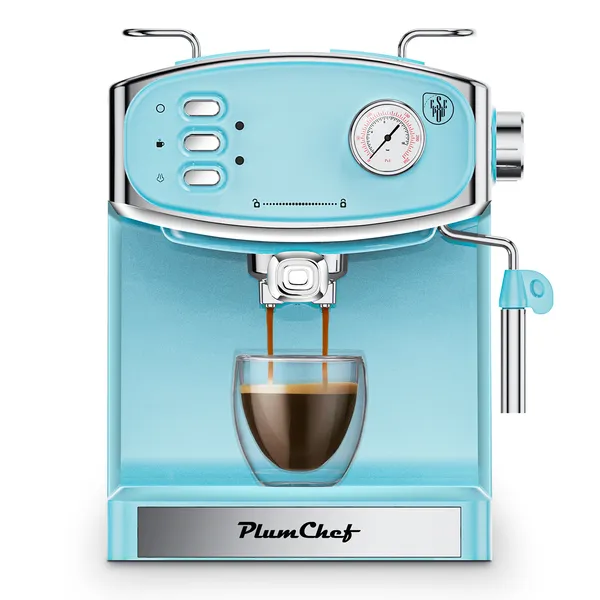 20 Bar Espresso Machine For Home- Professional Compact Maker With Milk Frother Steam Wand, Pressure Gauge & 54oz Large Water Tank, Low Noise Fast Brewing For Cappuccino, Latte$96.99View on Mallflare
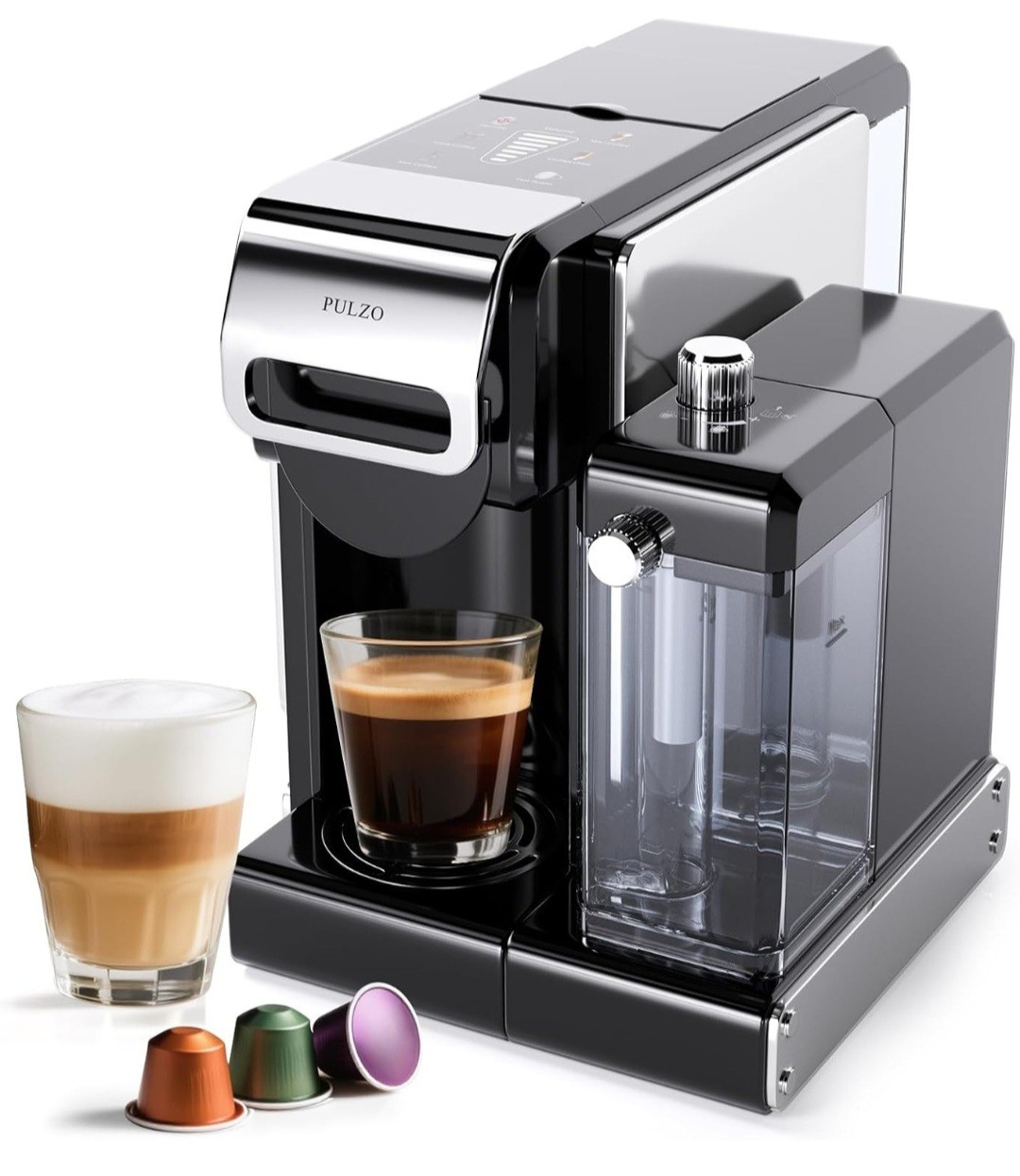 PULZO Espresso Machine Automatic Milk Frother Capsule Coffee Maker Latte Cappucc$113.90View on eBay
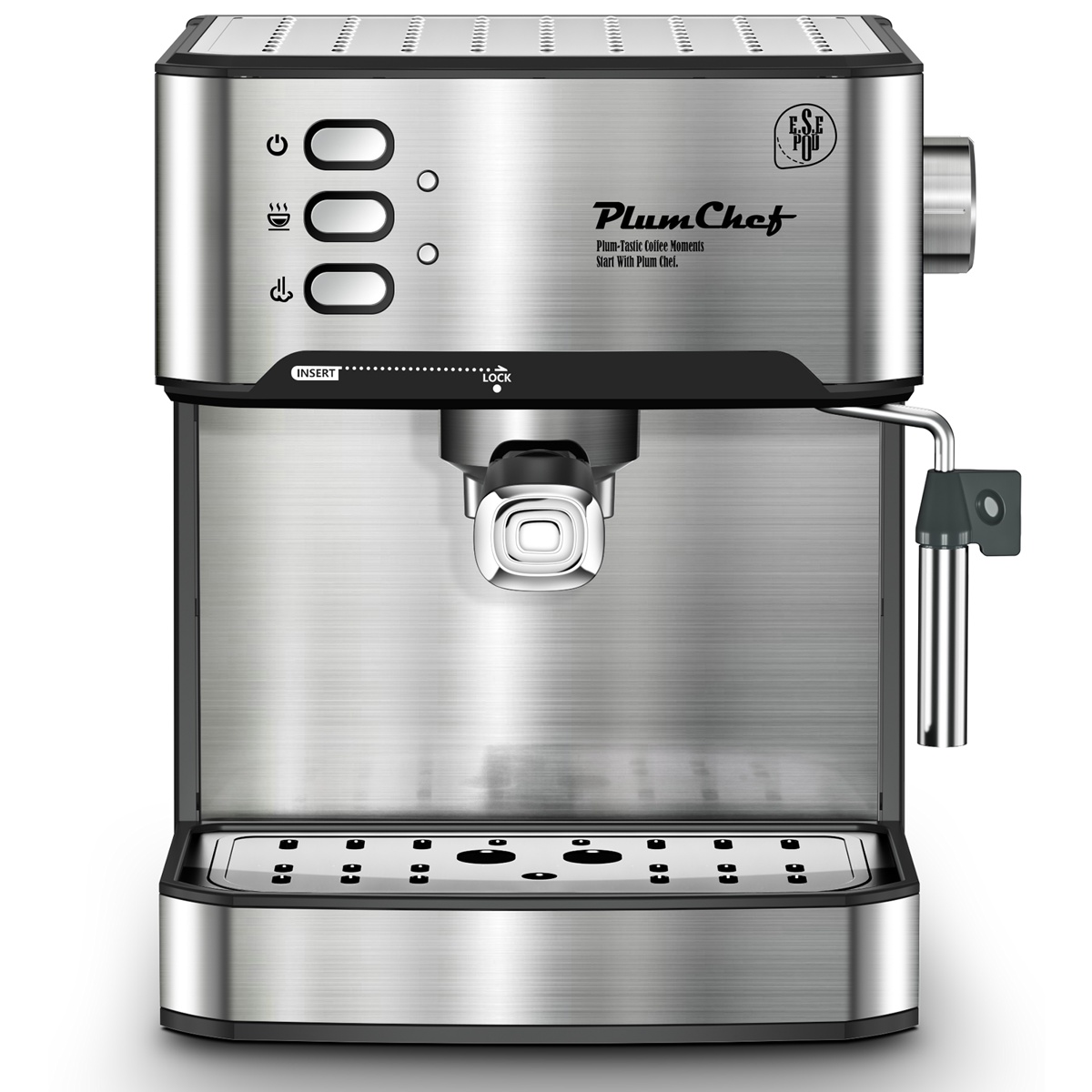 20 Bar Espresso Machine With Milk Frother, Single & Double Shot, ESE Pod Compatible, Visual Display Of Pressure, Removable Water Tank, Cappuccino, Latte, Machiato$98.99View on Mallflare
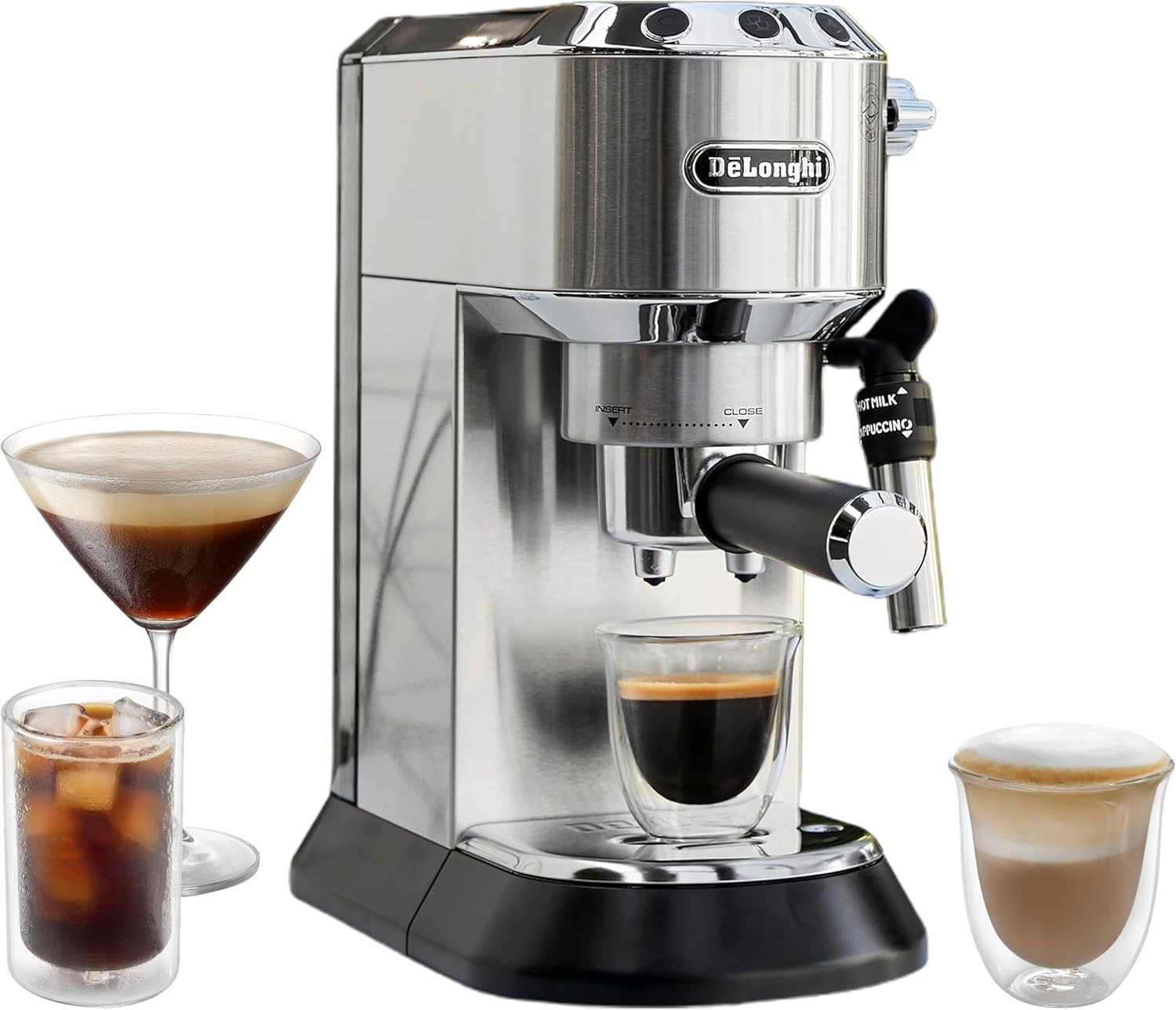 Delonghi EC685M Dedica Automatic Espresso Cappuccino Maker Machine 35oz Metallic$119.99View on eBay
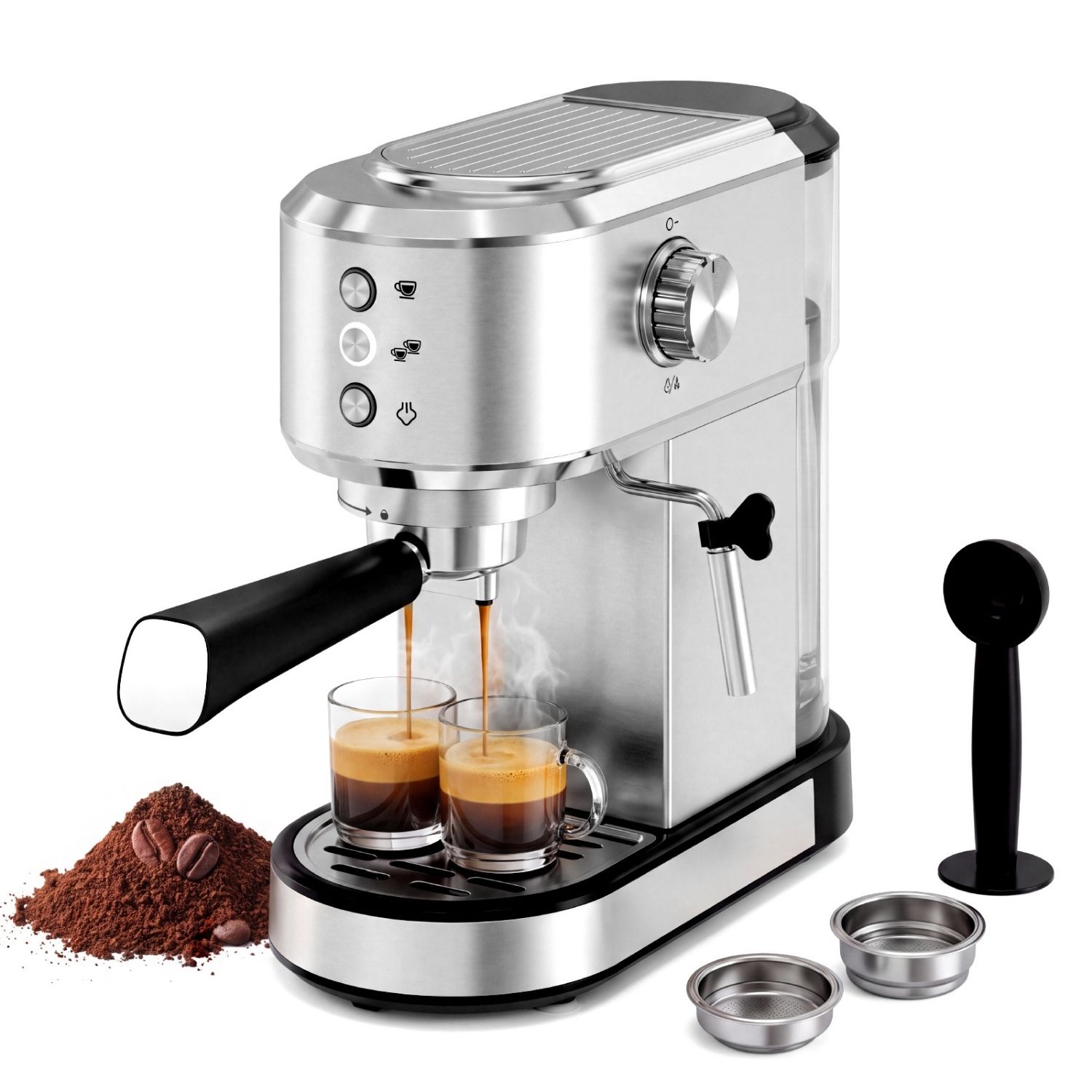 20 Bar Espresso Machine, 1350W Boiler, Steam Wand, Water Tank, Stainless Steel, Compact Coffee Maker For Home Barista$101.99View on Mallflare
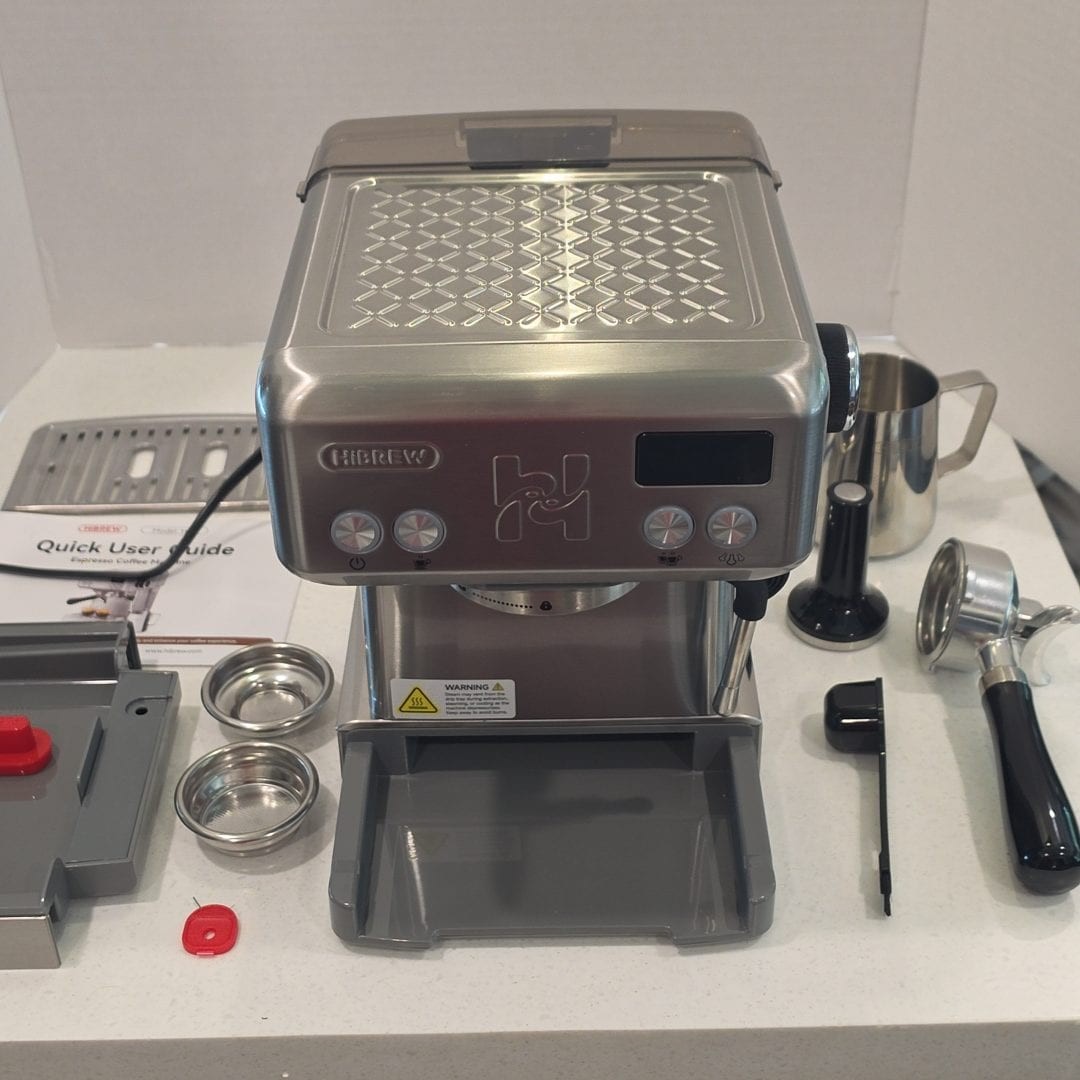 HIBREW H10 Espresso Machine 58mm Commercial Group Head Stainless Steel$147.00View on eBay
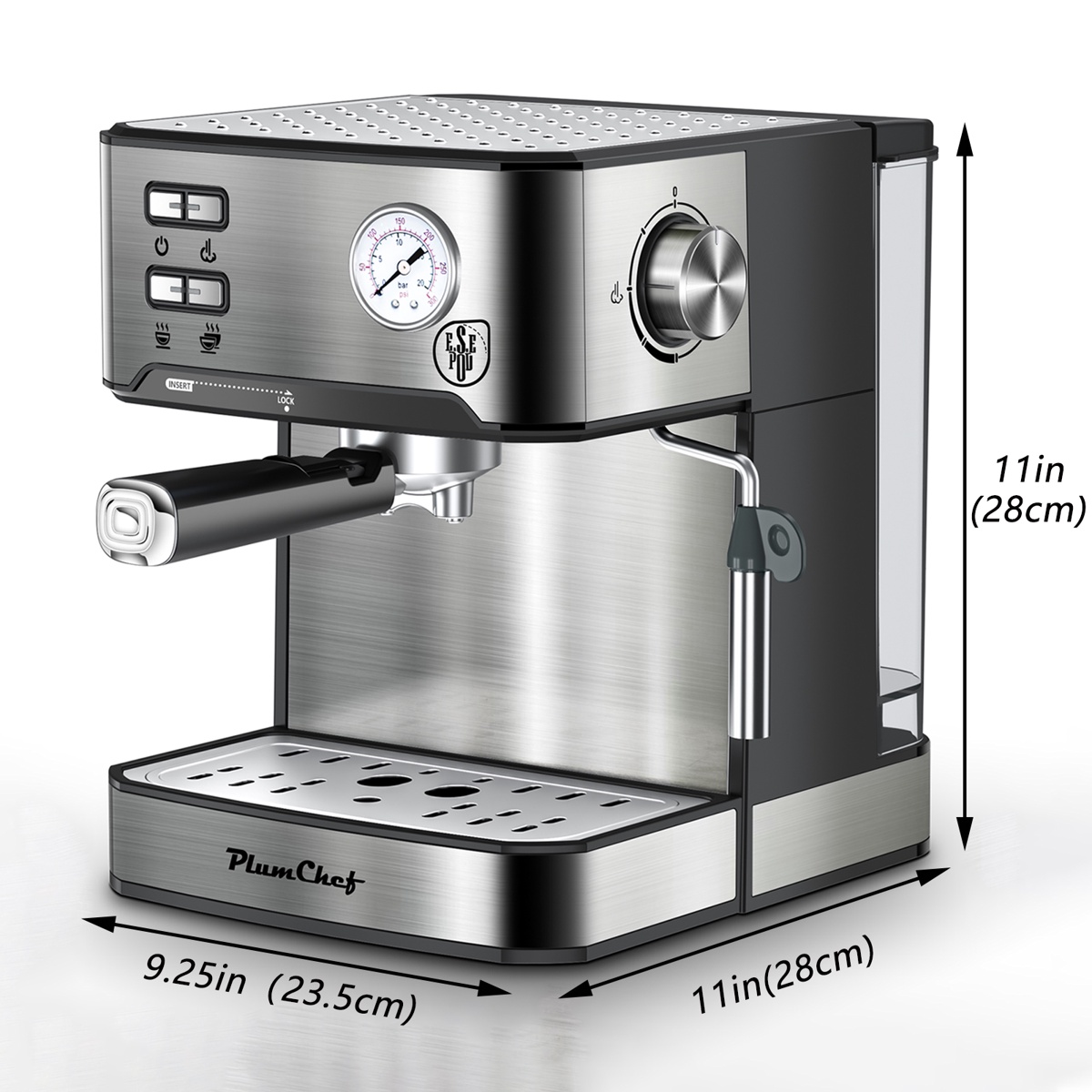 20 Bar Professional Espresso Machine With Milk Frother, Single Double Shot, ESE Pod Compatible, Visual Display Of Pressure, Removable Water Tank For Cappuccino, Latte, Machiato For Home Barista$104.99View on Mallflare
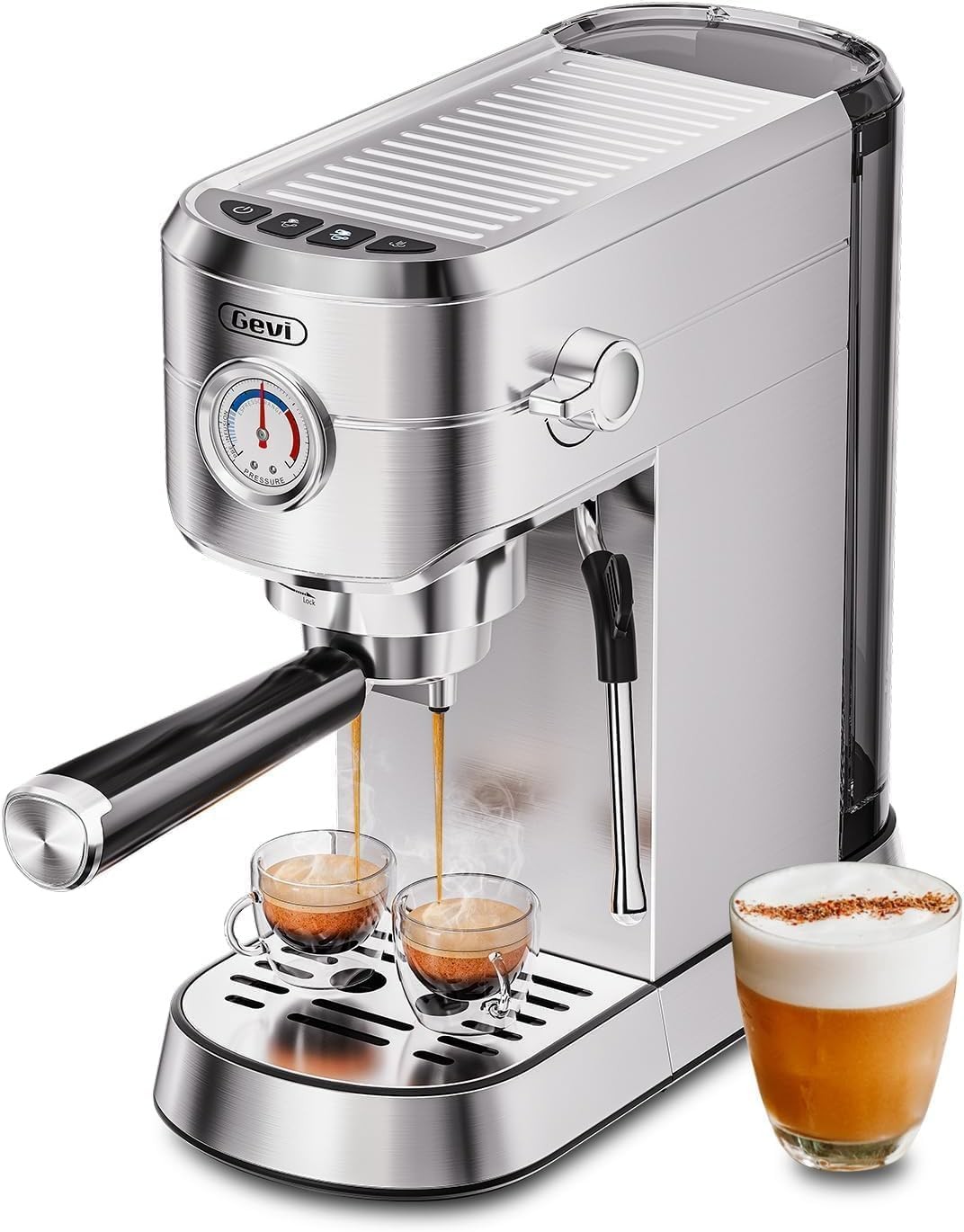 20 Bar Compact Espresso Machine For Home, Latte、cappuccino Coffee Maker$200.21New · Last checked Nov 23, 2026View on eBay
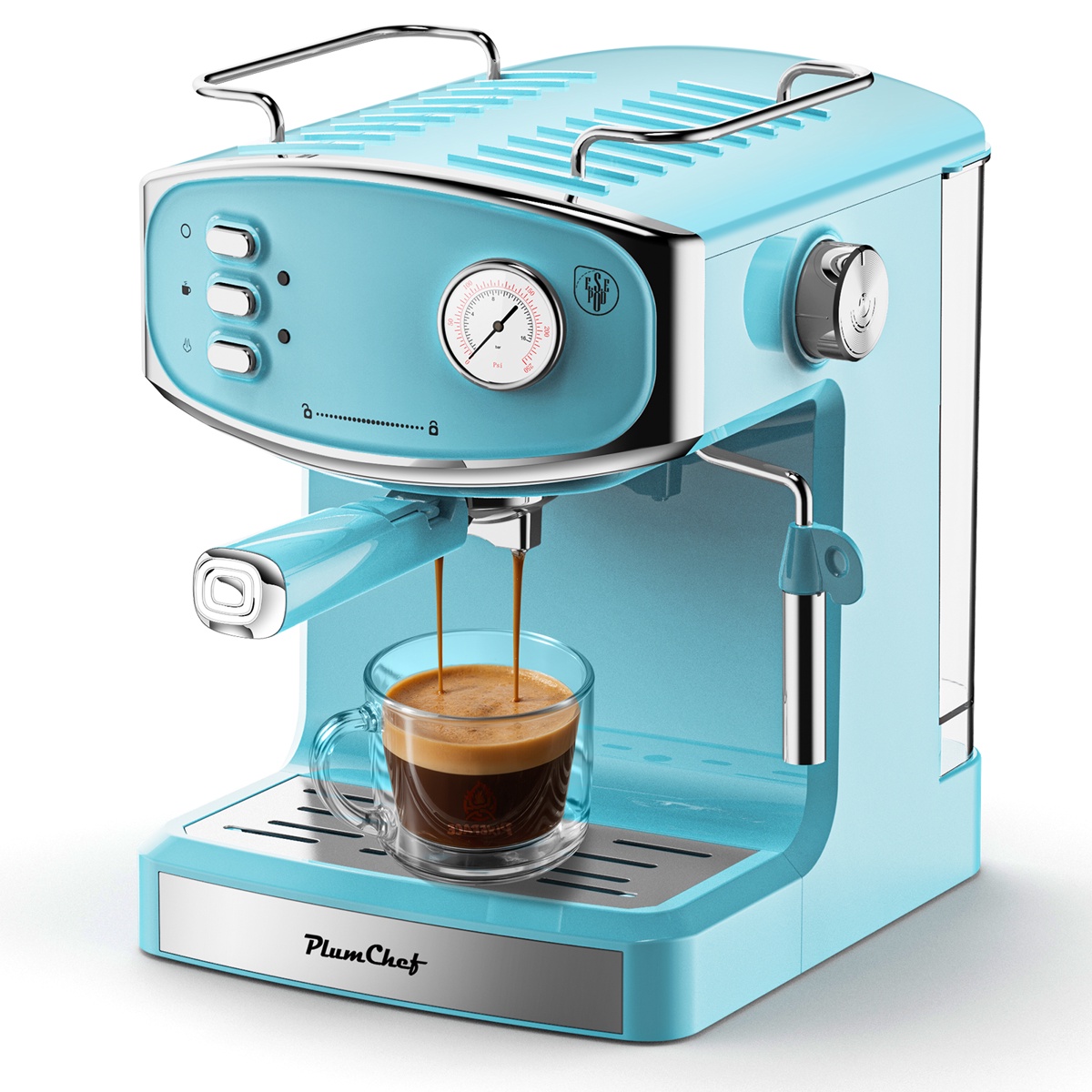 20 Bar Espresso Machine - Professional Compact Maker With Milk Frother, 54oz Large Water Tank, Low Noise, For Cappuccino, Latte, Blue$104.99View on Mallflare
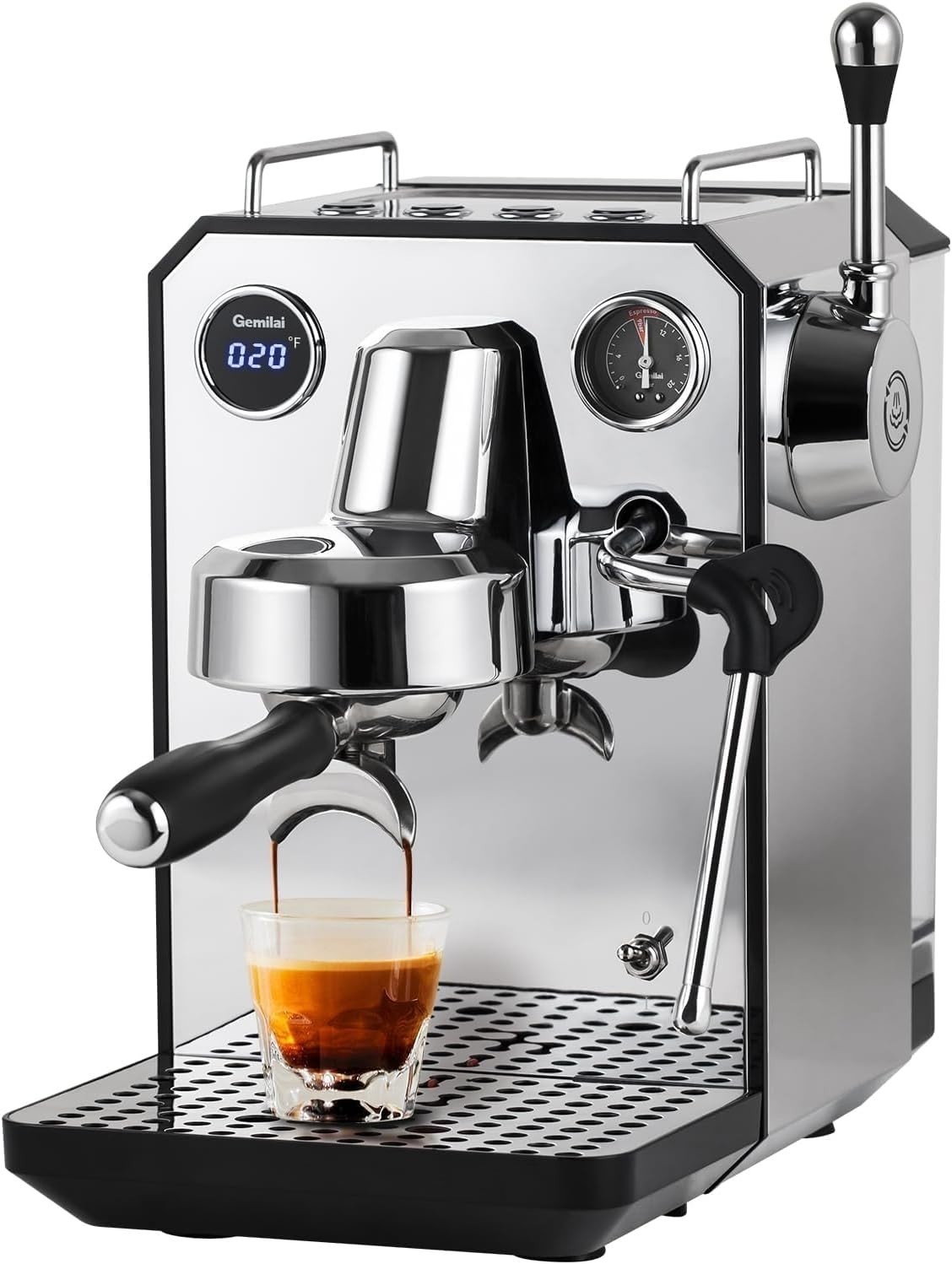 Gemilai Owl G3006 Espresso Machine 58Mm Commercial Group Head & PID Temp Control$219.00Open box · Last checked Nov 23, 2026View on eBay
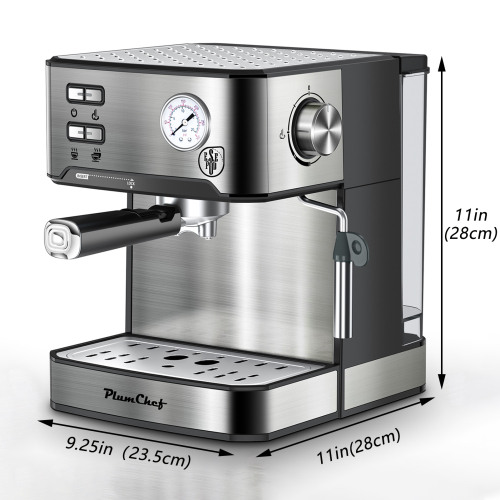 20 Bar Professional Espresso Machine With Milk Frother, Single & Double Shot, ESE Pod Compatible, Pressure Display, Removable Water Tank For Cappuccino, Latte, & Macchiato Home Barista Edition$130.99View on Mallflare
Highlights
- Group head diameter sets accessory compatibility: 58mm commercial groups accept standard baskets, tampers, and distribution tools; 51mm pressurized groups limit upgrades and mask puck flaws.
- Pump regulation matters more than peak pressure: a 9-bar OPV delivers stable extraction pressure, while unregulated 15–20 bar vibratory pumps spike and produce channeling and bitterness.
- Boiler architecture drives temperature stability: dual boilers brew and steam simultaneously at independent temperatures; single boilers and thermoblocks require recovery time between shots and steam.
- Power source defines capability: AC 120V machines deliver sustained heater wattage for back-to-back shots; 7500mAh battery portables trade thermal mass and pressure consistency for cordless portability.
Best use cases
- Daily home espresso for milk drinks: pick a dual-boiler or heat-exchange machine with a 58mm group and steam wand; skip single-thermoblock pod hybrids that cannot steam and brew at once.
- Small kitchens and apartments: choose a compact thermoblock unit under 12 inches wide with a 51mm pressurized basket if counter depth is tight; skip full-size dual boilers that need clearance for cup warming and plumbing.
- Camping, RV, and car travel: a 7500mAh self-heating portable with capsule and ground compatibility is the correct pick; do not expect it to replace a 9-bar AC machine for daily espresso quality.
- Budget-first buyers learning espresso: a 51mm pressurized single-boiler with OPV is the entry tier; skip unregulated 20-bar budget machines with no OPV because grind inconsistency will dominate every shot.
Buying tips
- Demand a 9-bar OPV or adjustable pressure valve; unregulated 15–20 bar pumps are a spec-sheet inflation tactic, not an extraction advantage.
- Match portafilter size to your upgrade path: 58mm for standard baskets and tampers, 51mm only if you accept pressurized baskets and limited accessory choice.
- For milk drinks, require a steam wand with a dedicated boiler or thermoblock; panarello-style frothers aerate but cannot produce microfoam for latte art.
- Check water tank capacity against daily volume: 54oz classes suit 4–6 shots; smaller tanks mean refills mid-session and temperature recovery delays.
Specs
| Group Head | 58mm commercial vs 51mm pressurized |
|---|---|
| Pump Regulation | 9-bar OPV vs unregulated 15–20 bar |
| Boiler Type | Dual boiler vs single/thermoblock |
| Power Source | AC 120V vs 7500mAh portable |
Related searches
What to check before buying
- Measure counter width, depth, and overhead clearance; compact machines need roughly 8–12 inches of width and clearance to load the water tank from the top or rear.
- Confirm 120V AC outlet placement and circuit load if the machine shares a kitchen circuit with a grinder and kettle.
- Verify the machine includes the correct basket type (pressurized vs non-pressurized) and that your grinder can achieve espresso-fine consistency for non-pressurized use.
- For portables, confirm capsule compatibility (original Nespresso-style vs DG) and whether ground coffee requires a separate basket accessory.
FAQ
Data sources: eBay / Amazon listings and product attribute feeds. Updated Nov 28, 2026.
Some links on this page are affiliate links. If you buy after clicking one, we may earn a commission at no extra cost to you. This does not change which products appear here or their order. Affiliate disclosure.