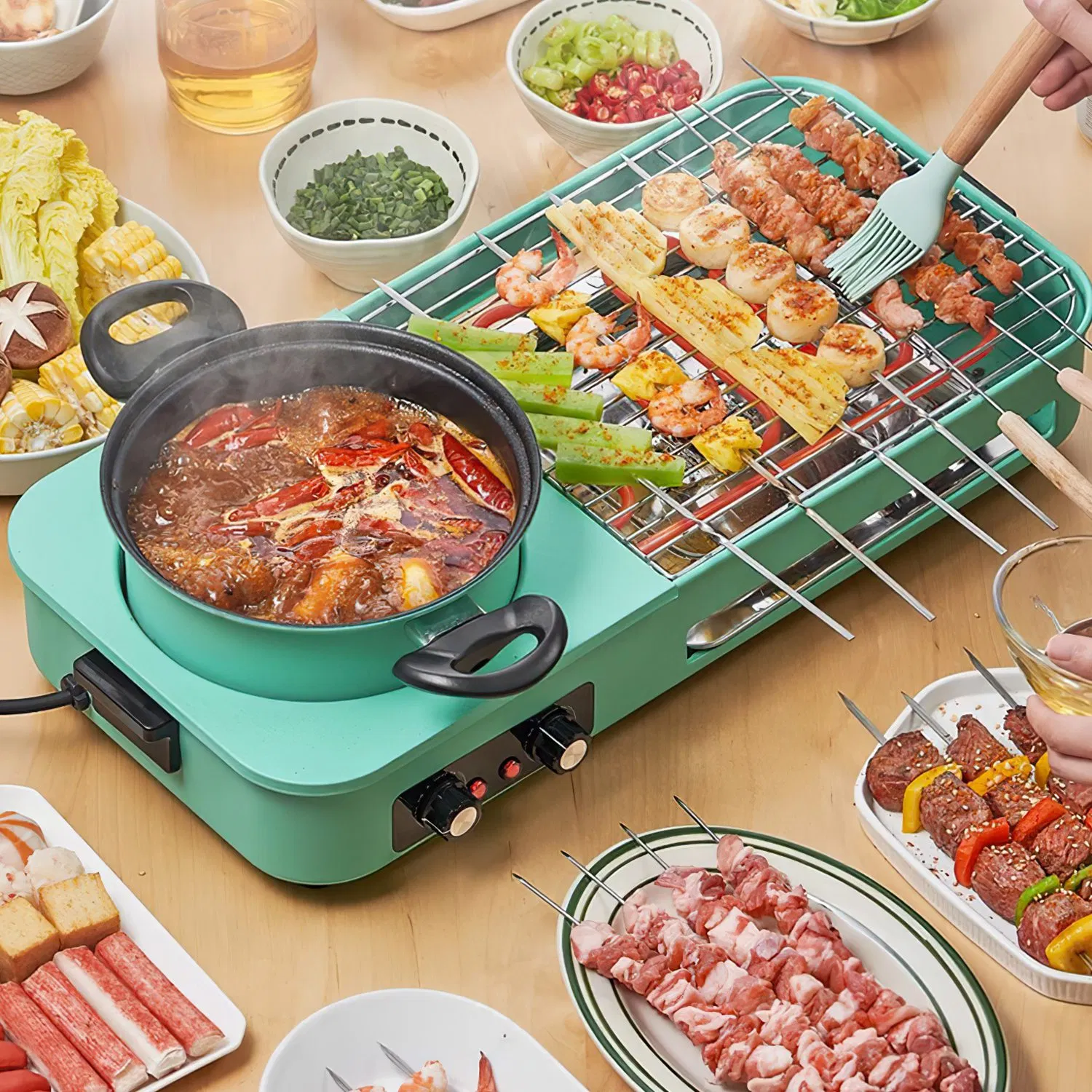

Photos from current listings. Actual item, color, and included accessories may vary.
Portable Electric Cooking Pot Buying Guide
A portable electric cooking pot is a self-contained, plug-in appliance that combines a heating element, thermostat, and cooking vessel in one transportable unit, letting you boil, simmer, and sometimes fry from a standard wall outlet. The primary trade-off is between heating power and vessel thermal mass versus true portability and safety: low-wattage plastic-body pots are light and cheap but slow and prone to scorching, while higher-wattage stainless or ceramic-coated pots heat faster and last longer but demand adequate counter clearance and a dedicated circuit. The decision rule is simple: buy a pot with a thermostatically controlled element rated at least 1000 W for boiling, a removable or non-stick-lined food-grade vessel, and a lid with a steam vent; skip any pot that lacks automatic shutoff or a grounded plug.
Key takeaways
- Heating power tiers split the segment: 600–800 W pots suit reheating and simmering, while 1000–1500 W units are needed for a rolling boil and faster meal prep.
- Vessel construction determines durability: stainless-steel or ceramic-coated interiors resist scratching and staining, whereas bare aluminum or thin non-stick coatings degrade under repeated high-heat cycles.
- Temperature control separates usable models: mechanical dial thermostats cycle within a wide band (±15–20 °F), while digital or bimetallic-click controls hold tighter ranges for precise simmering.
At a glance
- Category
- Electric Hot Pots
- Last updated
- Nov 28, 2026
Current offers
Highlights
- Heating power tiers split the segment: 600–800 W pots suit reheating and simmering, while 1000–1500 W units are needed for a rolling boil and faster meal prep.
- Vessel construction determines durability: stainless-steel or ceramic-coated interiors resist scratching and staining, whereas bare aluminum or thin non-stick coatings degrade under repeated high-heat cycles.
- Temperature control separates usable models: mechanical dial thermostats cycle within a wide band (±15–20 °F), while digital or bimetallic-click controls hold tighter ranges for precise simmering.
- Safety architecture is non-negotiable: grounded three-prong plugs, automatic thermal cutoffs, and cool-touch handles distinguish legitimate appliances from unlisted dropship units.
Best use cases
- Best fit: dorm rooms, office desks, and hotel rooms with a 120 V outlet and at least 1000 W capacity — choose a stainless interior pot with a locking lid and automatic shutoff for boiling water and instant noodles.
- Best fit: RV and car-camping setups with a 12 V-to-120 V inverter or campsite hookup — pick a compact 600–800 W pot with a low-profile base and mechanical controls that draw less surge current.
- Wrong fit: high-altitude or large-batch cooking (more than 1.5 qt) — skip low-wattage plastic pots and move to a 1200 W+ stainless model or a dedicated multi-cooker.
- Wrong fit: induction-cooktop-only kitchens or ungrounded two-prong outlets — portable electric pots require a grounded 120 V receptacle; do not use adapter plugs.
Buying tips
- Match wattage to circuit: 120 V × 15 A = 1800 W maximum per circuit, so a 1500 W pot leaves little headroom — avoid running a kettle or microwave on the same breaker.
- Choose interior material by use: stainless steel (304 food-grade) for boiling and acidic foods, ceramic non-stick for eggs and sauces, and avoid uncoated aluminum for tomato-based recipes.
- Verify cord length and plug type: a 3-ft grounded cord with a NEMA 5-15P plug fits most countertops; short 1-ft cords force risky extension-cord use near water.
- Capacity math: 1.5 qt (1.4 L) is the practical minimum for a single serving of pasta or soup; 2–2.5 qt models handle two servings but need a 10-inch burner-free footprint.
Specs
| Heating Power | 600–1500 W (1000 W+ for boiling) |
|---|---|
| Interior Material | 304 stainless / ceramic non-stick |
| Capacity Range | 1–2.5 qt (0.9–2.4 L) |
| Safety Features | Auto shutoff + grounded 3-prong plug |
Related searches
What to check before buying
- Measure your counter or desk footprint and overhead clearance: most pots need 8–10 inches of diameter and 4–6 inches of headroom for steam venting.
- Confirm your outlet is a grounded three-prong 120 V receptacle within cord reach — never use a two-prong adapter or an ungrounded extension cord.
- Check vessel interior dimensions against your usual batch size: a 6-inch-deep, 1.5 qt pot fits one ramen block plus broth without boiling over.
- Ensure the pot's lid and handles are cool-touch and the base has non-slip feet; avoid models with exposed heating coils on the exterior.
FAQ
Data sources: eBay / Amazon listings and product attribute feeds. Updated Nov 28, 2026.
Some links on this page are affiliate links. If you buy after clicking one, we may earn a commission at no extra cost to you. This does not change which products appear here or their order. Affiliate disclosure.