
Photos from current listings. Actual item, color, and included accessories may vary.
Electric Kettle Buying Guide
Electric kettles are countertop water boilers defined by two core architectures: simple cordless jug kettles with a concealed element and base, or temperature-controlled gooseneck pour-over kettles with PID electronics. The primary trade-off is heating speed and capacity versus temperature precision and pour control, while body material determines durability, weight, and whether the water contacts only steel or also plastic and glass. The decision rule: buy a 304 or 316 stainless-steel-lined kettle with an exposed or concealed metal element and a thermal cutoff for daily boiling, and step up to a PID gooseneck only if you brew pour-over coffee or delicate tea where ±1–5°F control matters.
Median $244.39 · New & pre-owned listings
Key takeaways
- Body material tiers: 304 stainless steel is the standard food-grade liner; 316 stainless adds molybdenum for better corrosion resistance in travel and hard-water use; glass bodies are borosilicate but add weight and breakage risk.
- Heating power scales with voltage: 120V North American kettles typically draw 1200–1500W and boil 1L in roughly 4–6 minutes; 220–240V models reach 2000–3000W and boil faster but are not interchangeable across plug standards.
- Temperature control separates tiers: basic kettles switch off at a fixed boil; variable models use a PID or thermistor to hold set points (often 104–212°F) within ±1–5°F, which is essential for green tea and pour-over coffee.
At a glance
- Category
- Electric Kettles
- Last updated
- Nov 28, 2026
Current offers
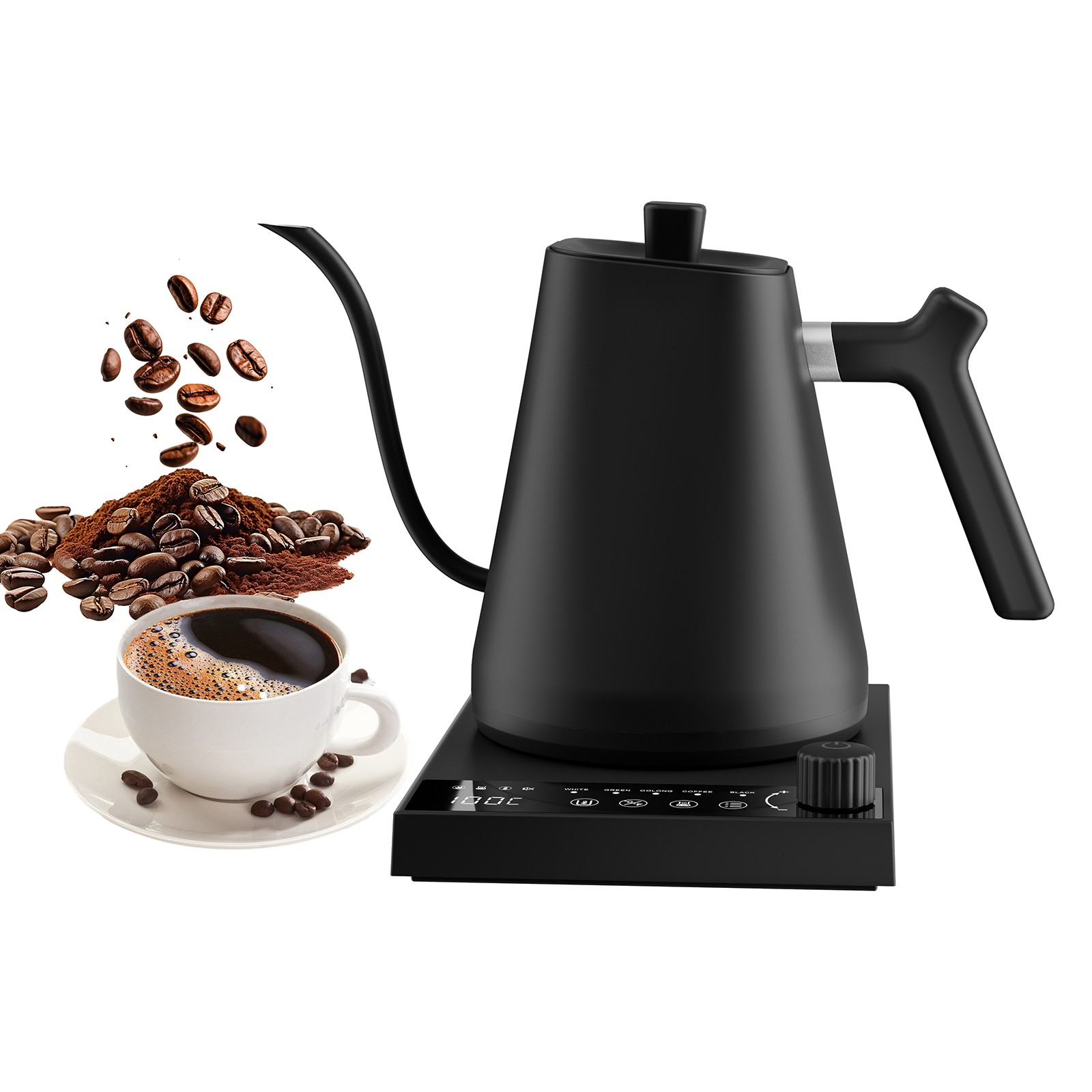 Electric Gooseneck Kettle Coffee & Teapot Quick Heating with Temperature Control$48.93View on eBay
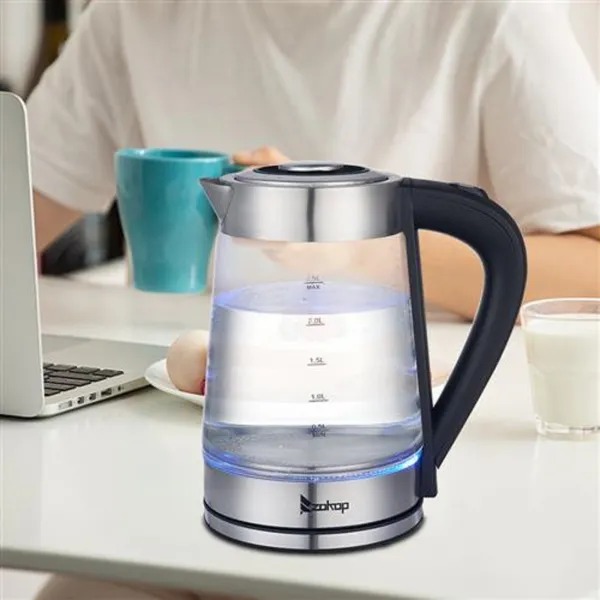 HD-250 110V 1200W 2.5L Electric Kettle With Blue Glass$30.99View on Mallflare
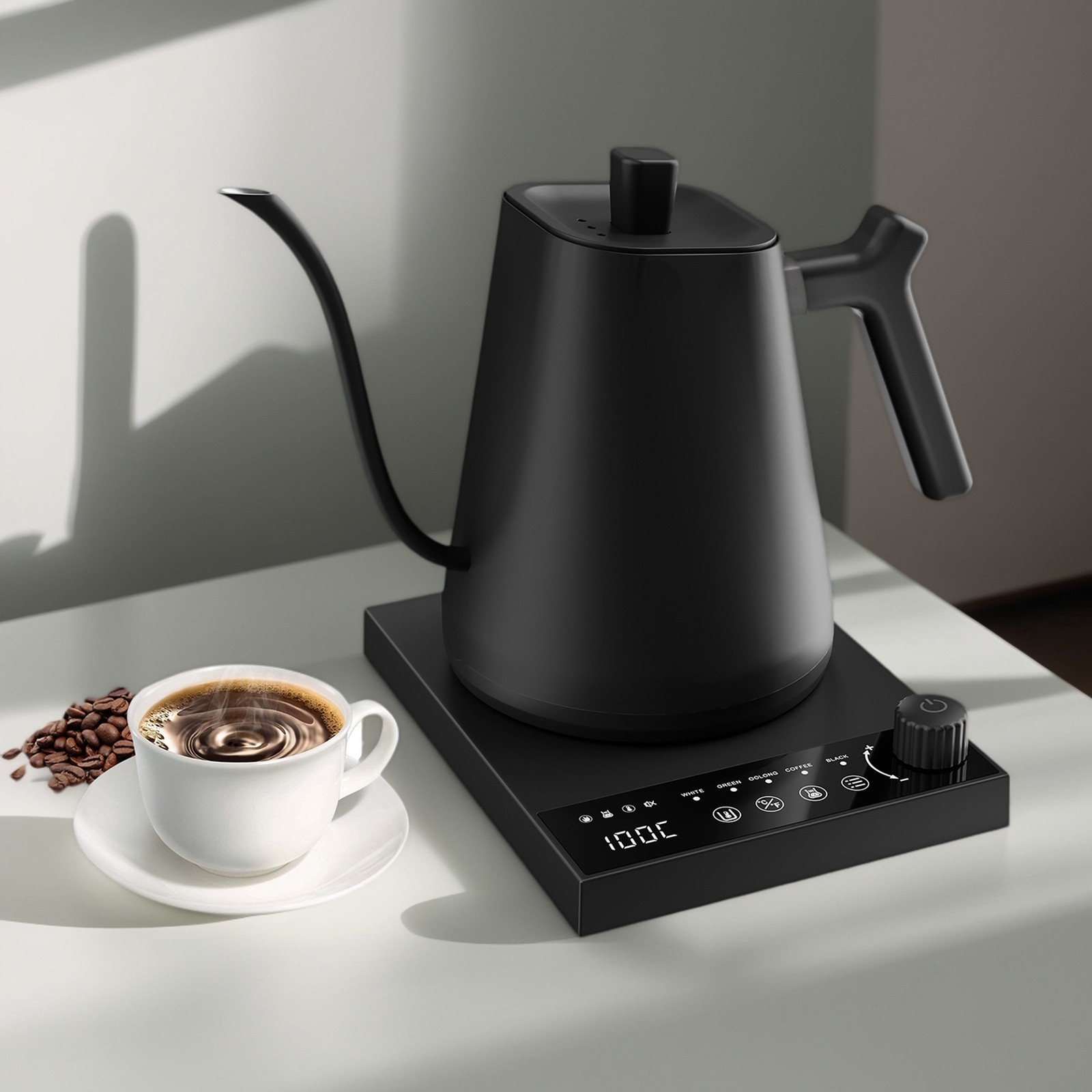 Electric Gooseneck Kettle, ±1°F Temperature Control, 304 Stainless Steel Inner$49.99View on eBay
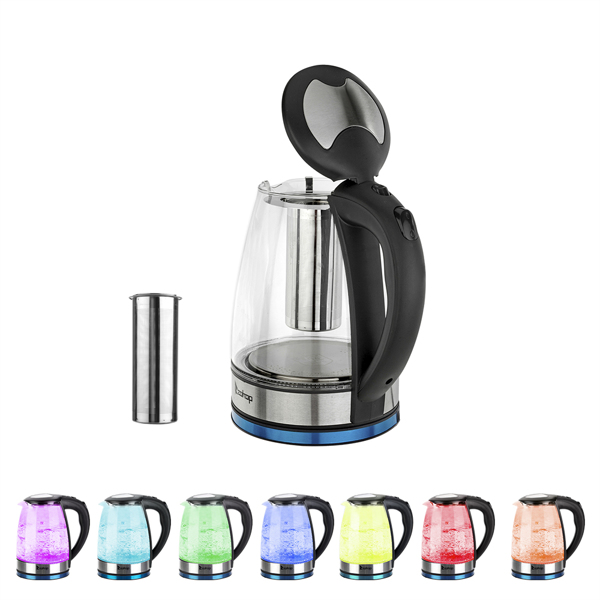 American Standard Electric Kettle 120V, 1200W With Filter Screen And Inner Steel Cover$43.99View on Mallflare
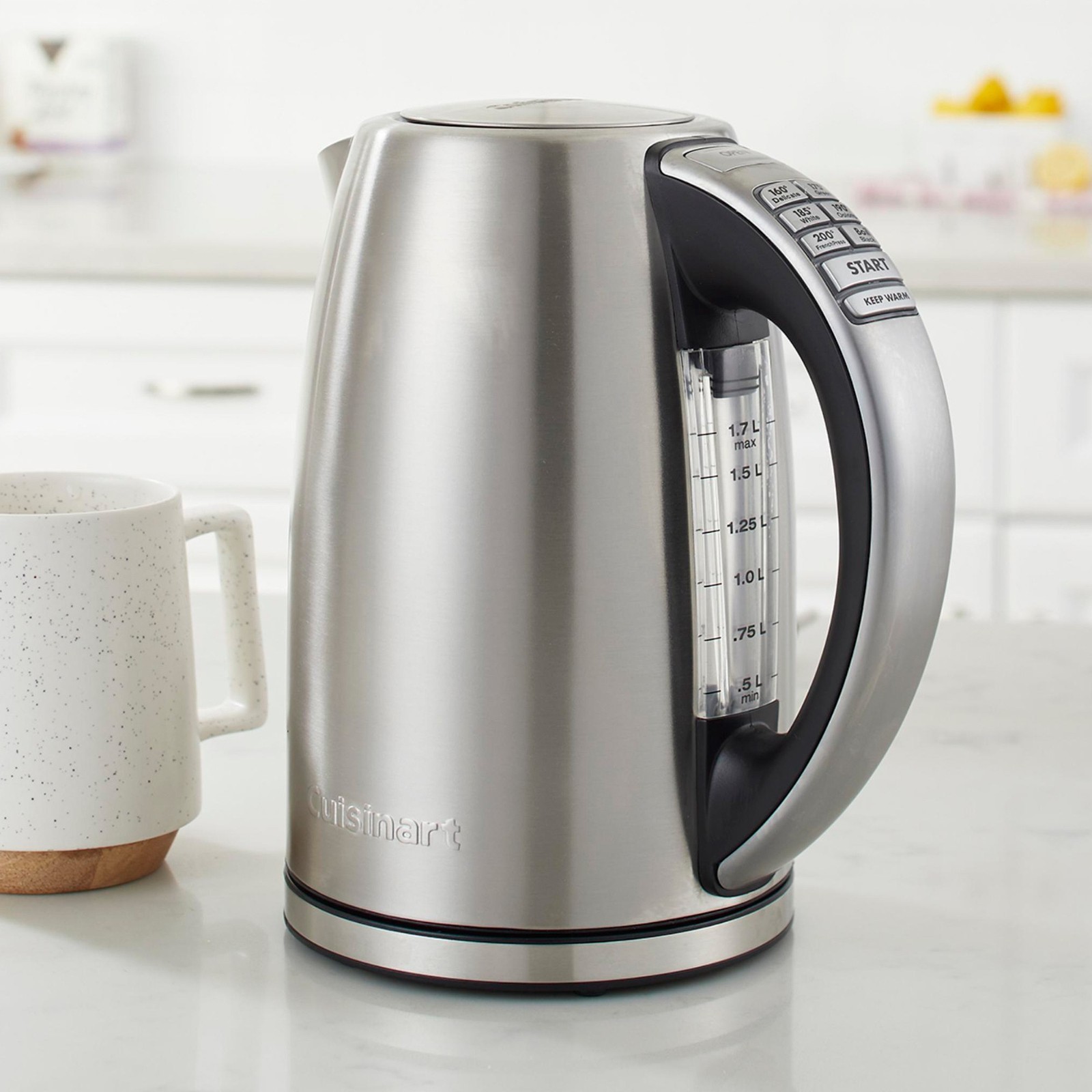 Cuisinart PerfecTemp Electric Tea Kettle Stainless Steel 1.7L$70.00View on eBay
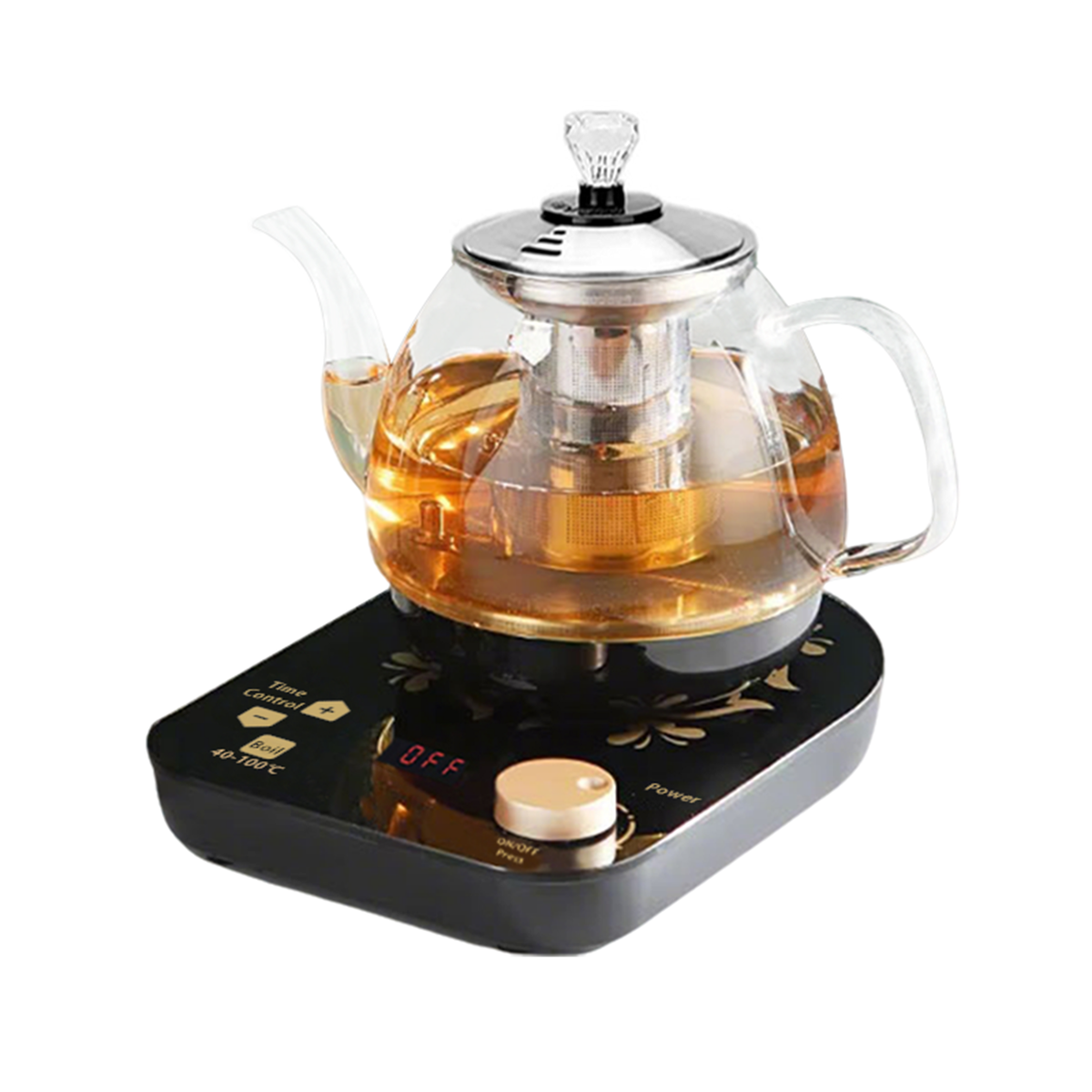 Professional multi-functional glass teapot | 800ml fast heating, cooking and brewing integrated electric kettle with stainless steel filter$83.99View on Mallflare
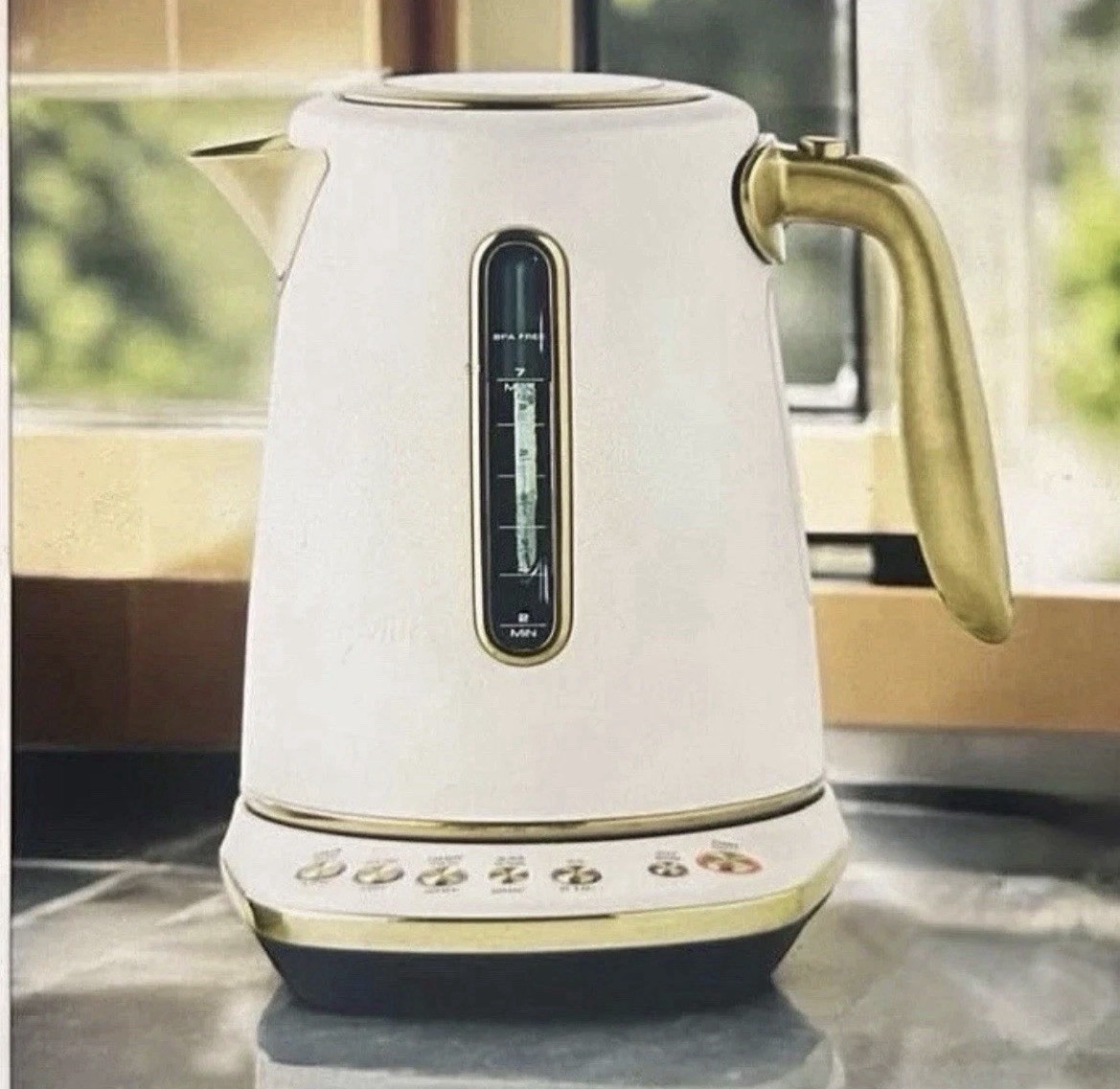 Breville Smart Kettle Luxe Sea Salt Brass Variable Temp Electric Tea Kettle New$208.95Open box · Last checked Nov 17, 2026View on eBay
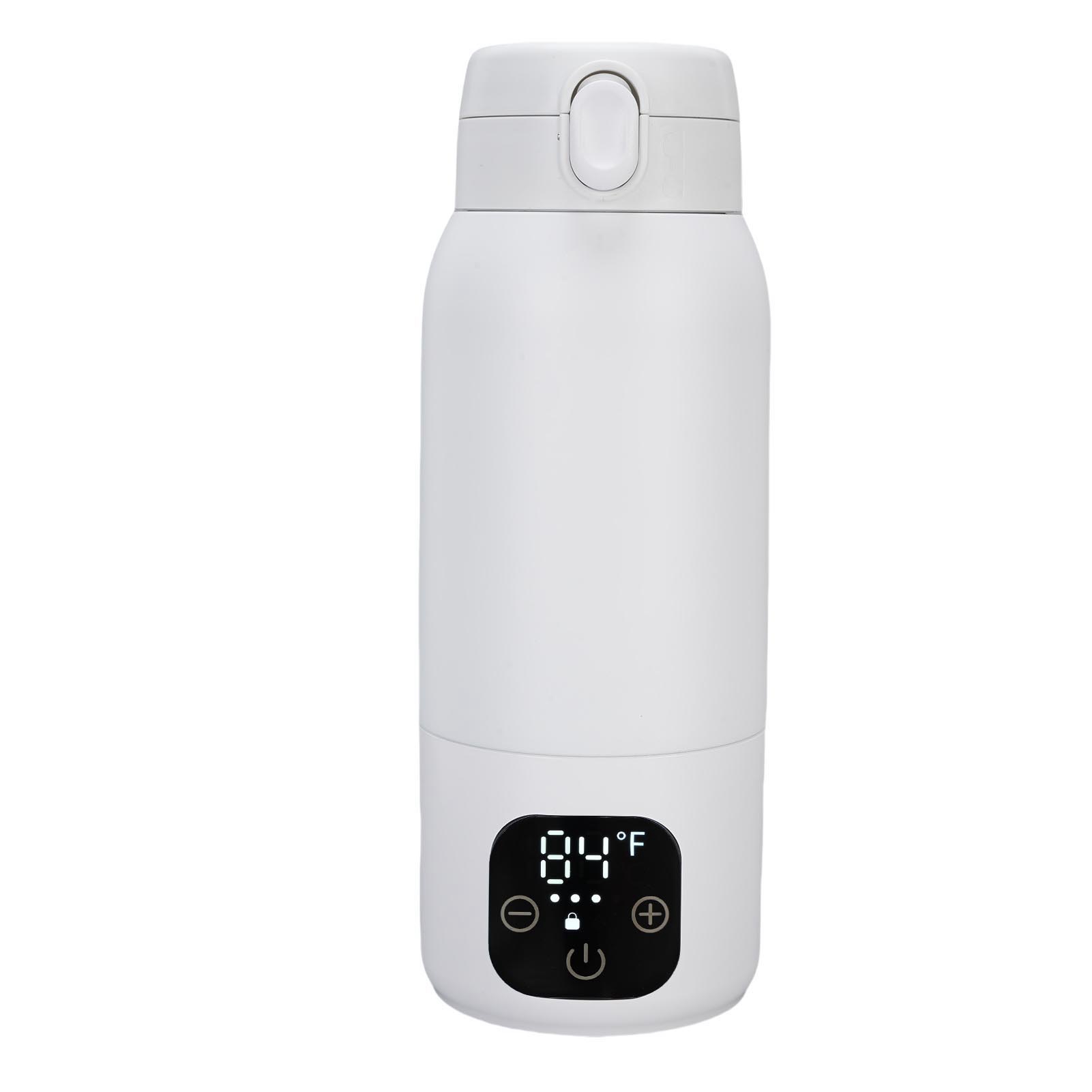 Travel Electric Kettle Cordless 500ml 316 Stainless Steel USB Portable Small Water Heater Coffee For Tea Milk$108.99View on Mallflare
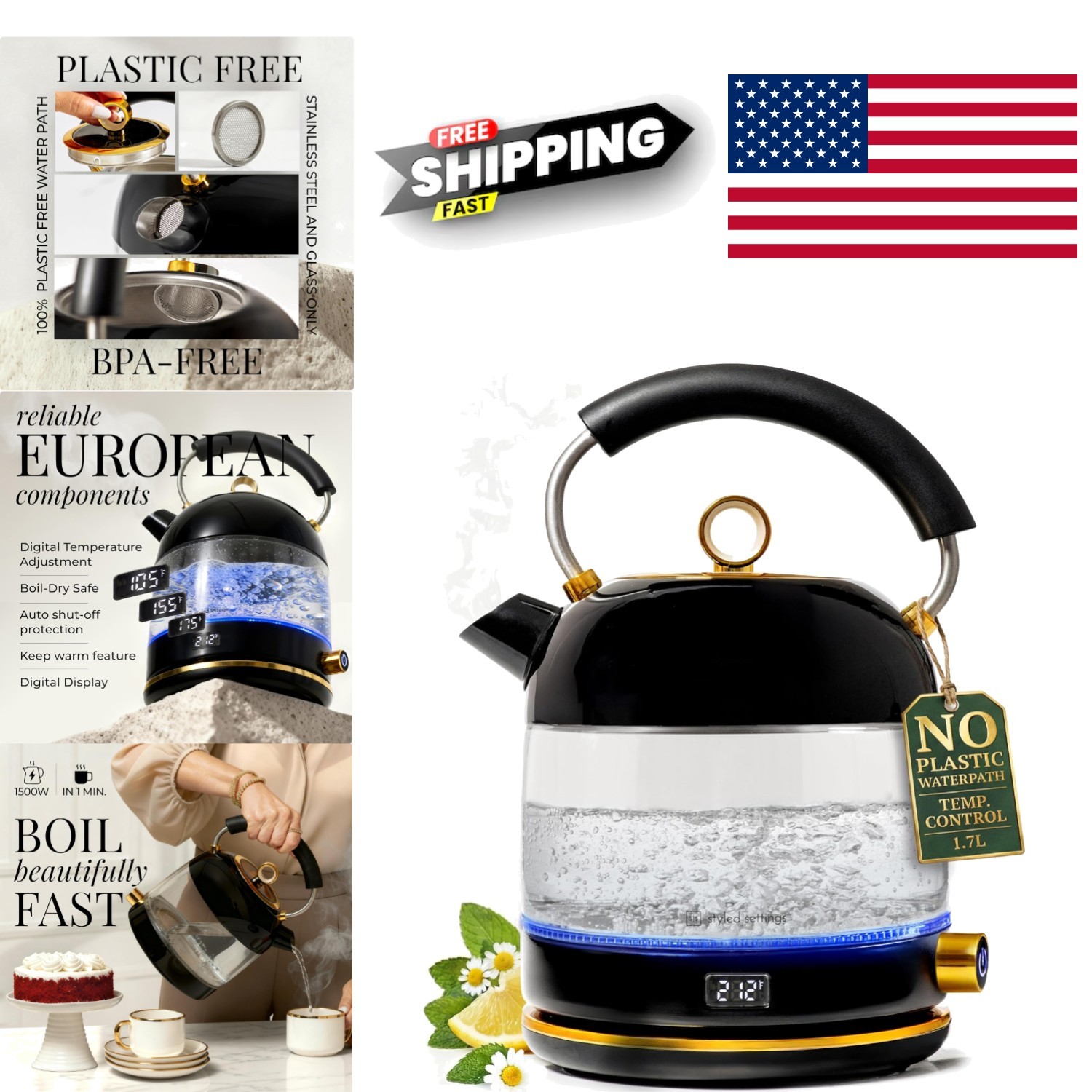 Cordless Electric Kettle 1500 Watts Auto Shut Off Keep Warm Function Black Gold$208.99New · Last checked Nov 27, 2026View on eBay
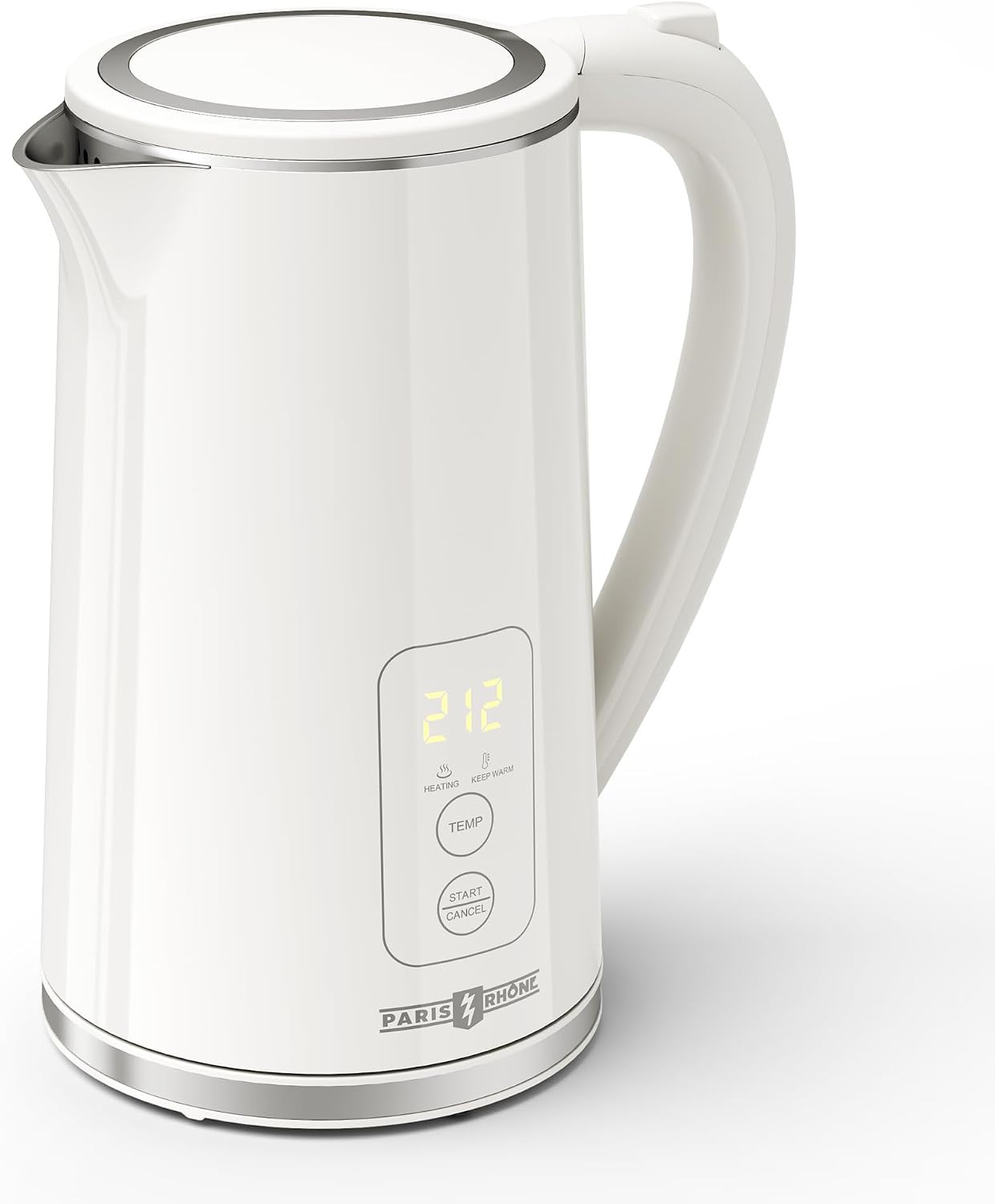 Electric Kettle with Temperature Control, 1.7L Tea Kettle$208.99New · Last checked Nov 16, 2026View on eBay
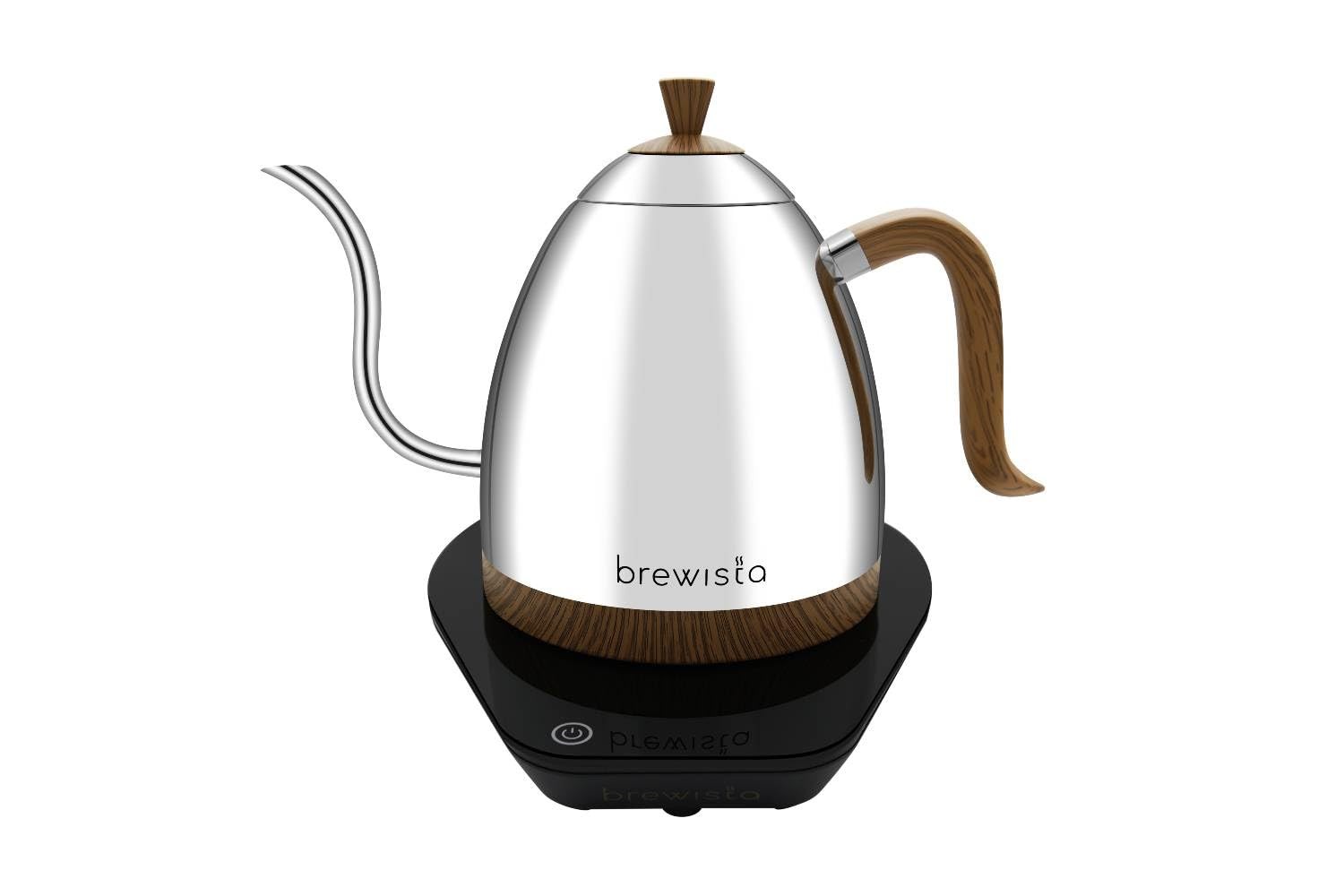 1L Artisan Electric Gooseneck Kettle Water Boiler LCD Precise Temp Control$213.85New · Last checked Nov 17, 2026View on eBay
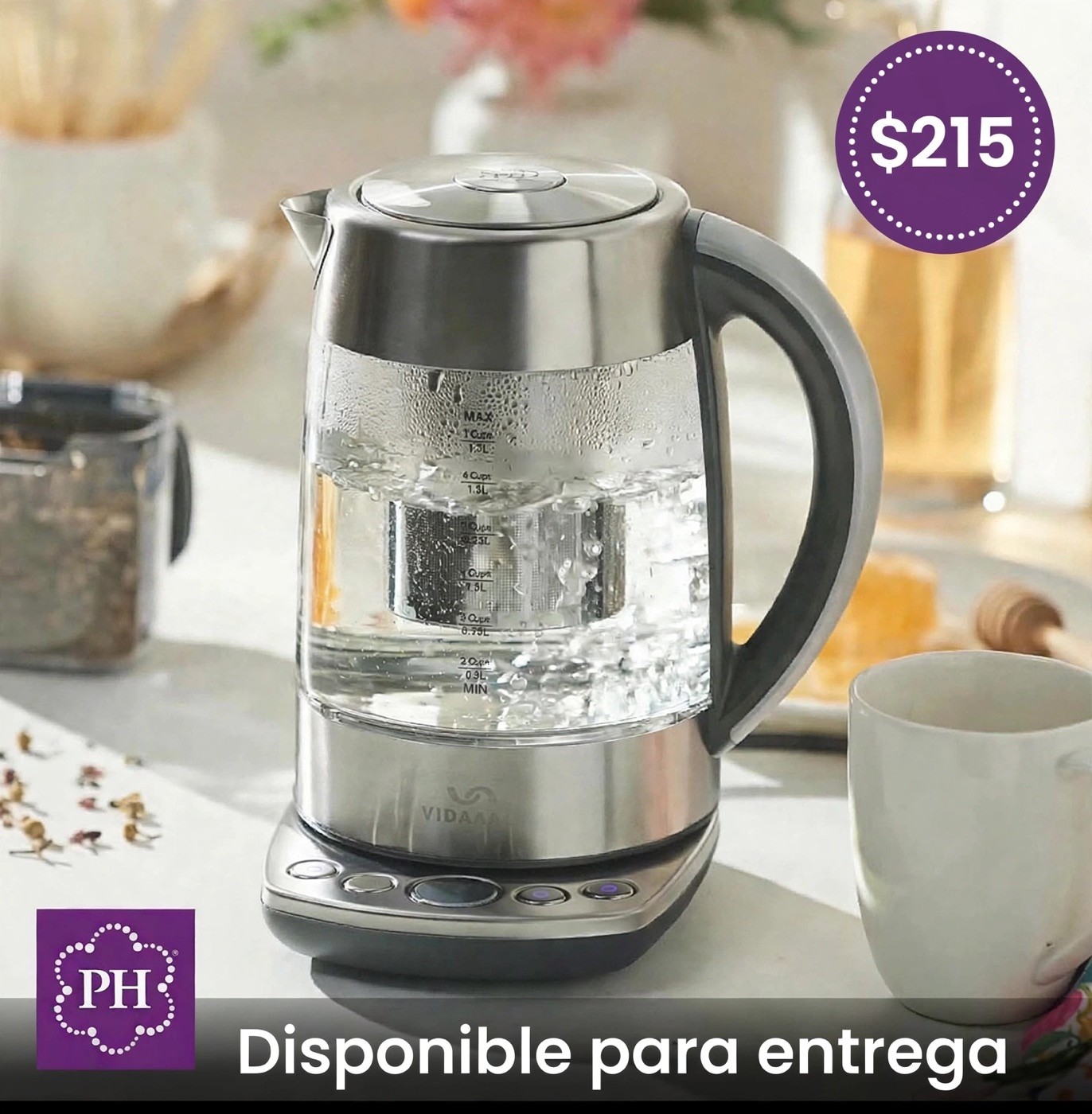 Princess House Electric Kettle$215.00New · Last checked Nov 16, 2026View on eBay
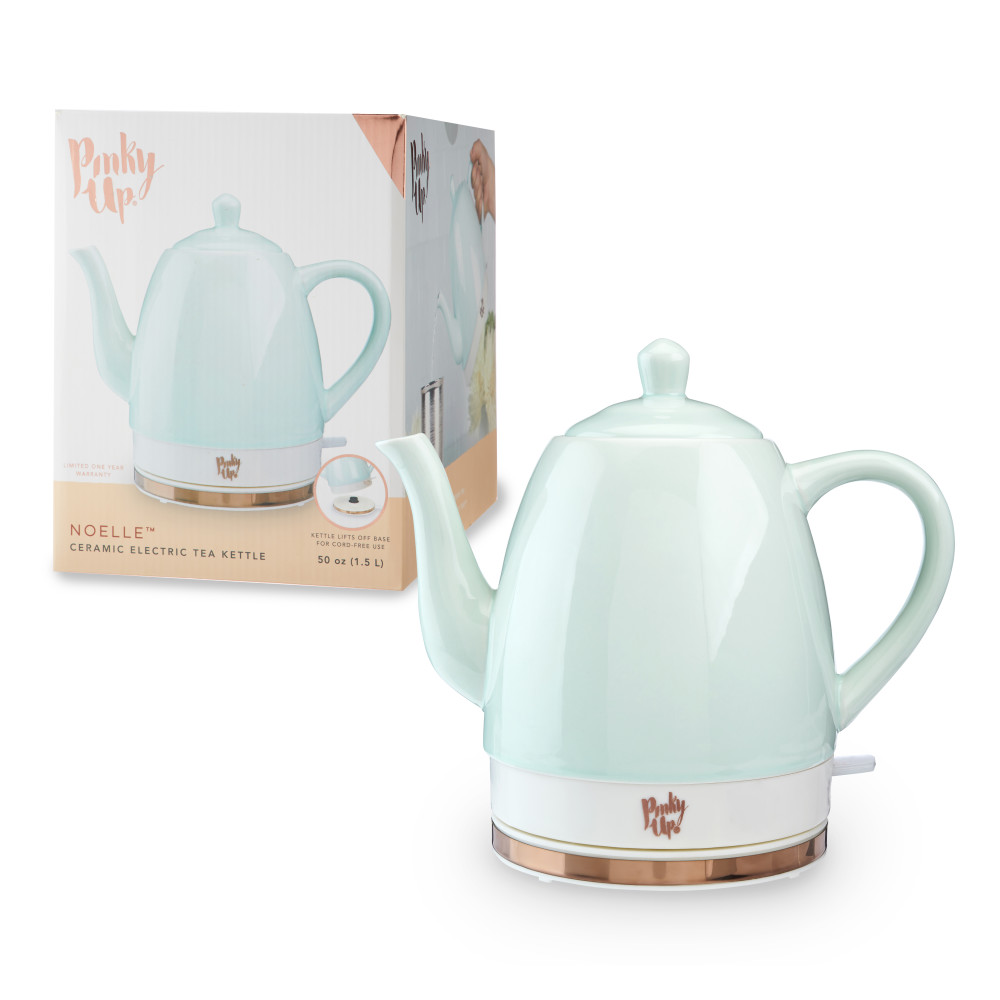 Pinky Up Noelle 1.5 L Ceramic Electric Tea Kettle$215.96New · Last checked Nov 26, 2026View on eBay
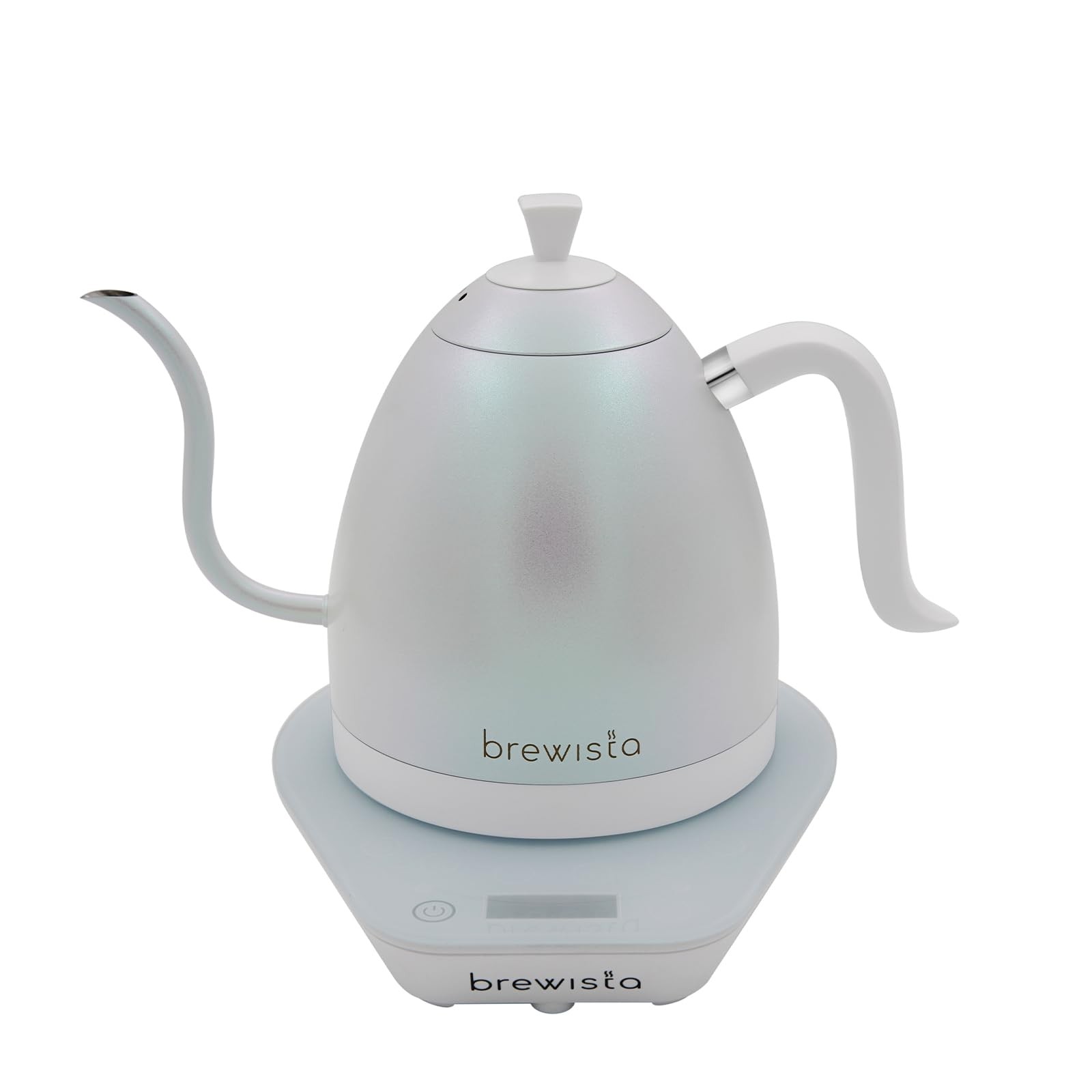 Artisan Electric Gooseneck Kettle, Water Boiler with LCD Panel, Precise Tempe...$223.57New · Last checked Nov 26, 2026View on eBay
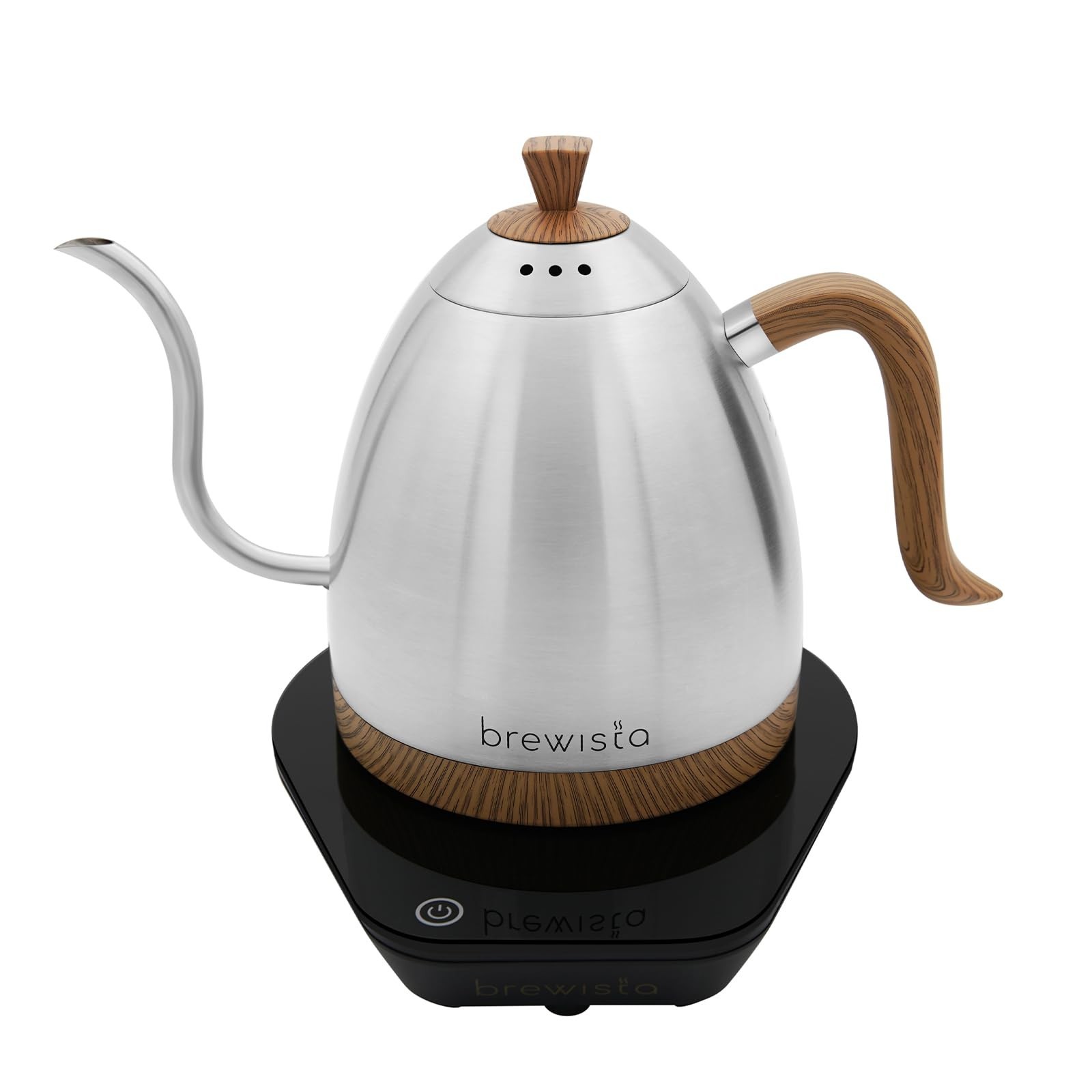 Brewista Artisan Electric Gooseneck Kettle, Water Boiler with LCD Panel, Prec...$228.64New · Last checked Nov 26, 2026View on eBay
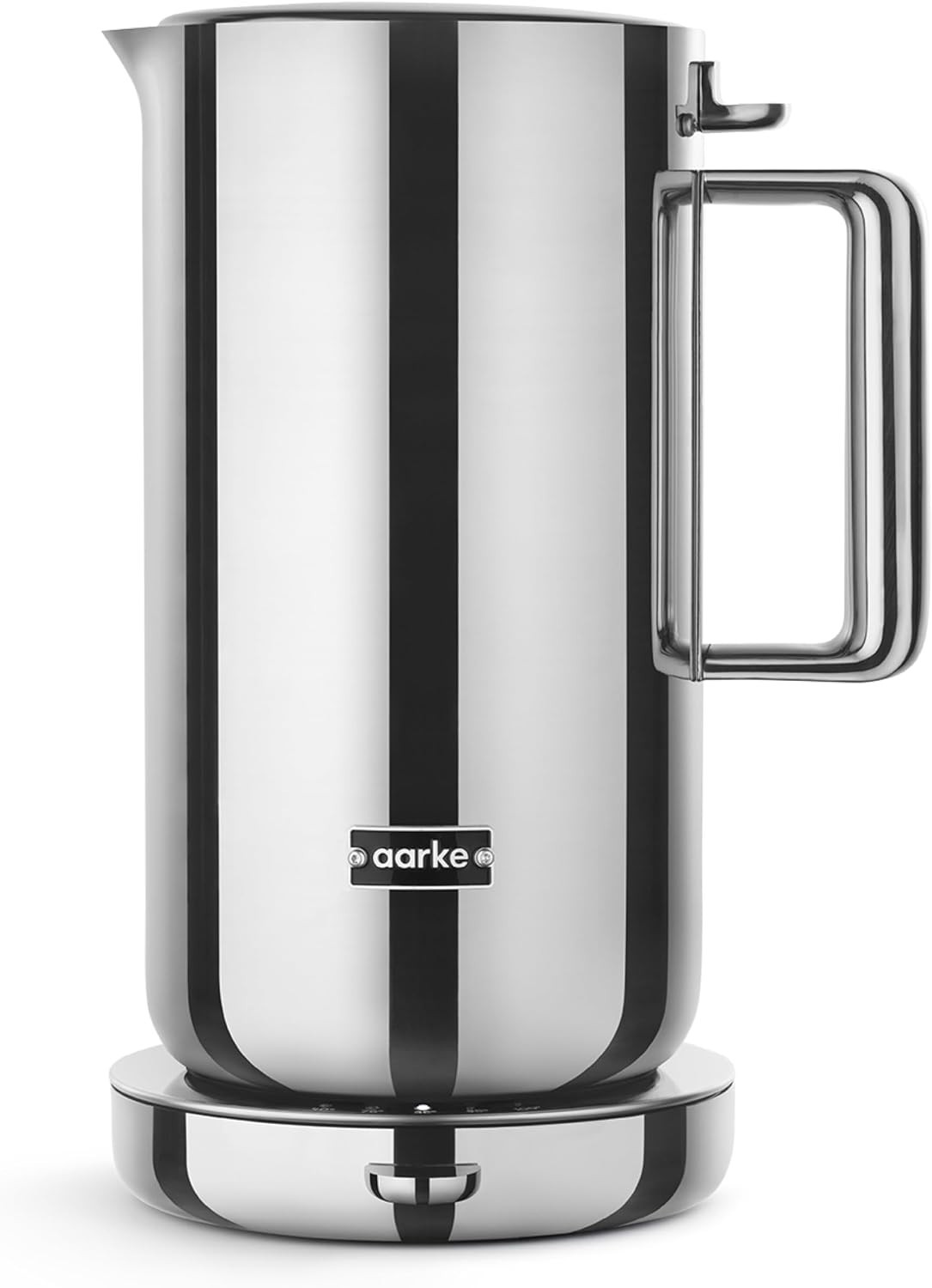 Aarke Kettle - Electric Stainless Steel Tea Kettle 1.2L (40oz), Steel -FREE SHIP$229.00New · Last checked Nov 16, 2026View on eBay
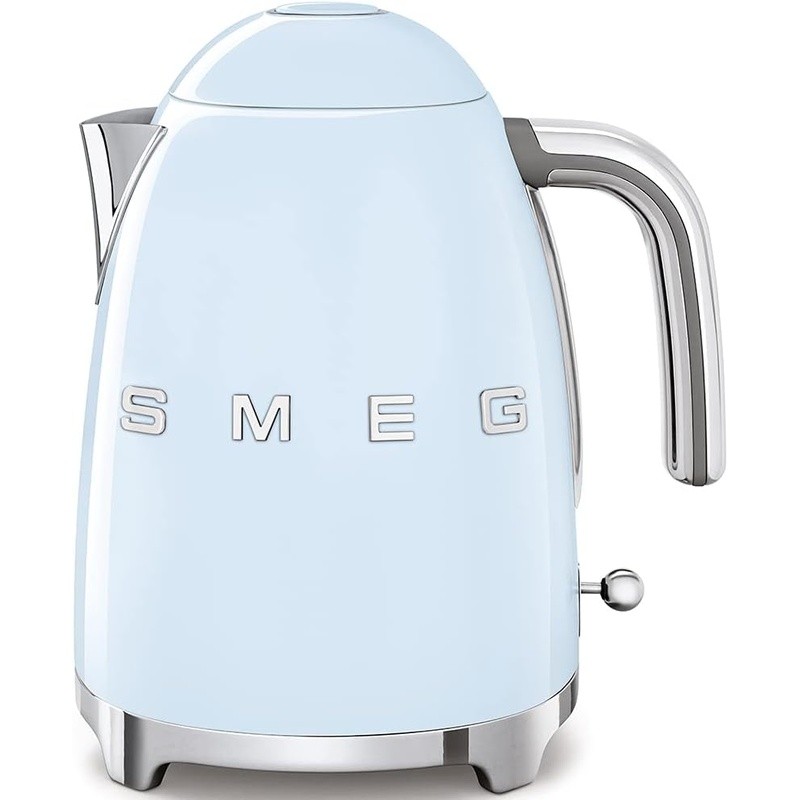 360˚ Swivel Electric Kettle Auto Shutoff Water Level Indicator Steam Release New$234.59New · Last checked Nov 26, 2026View on eBay
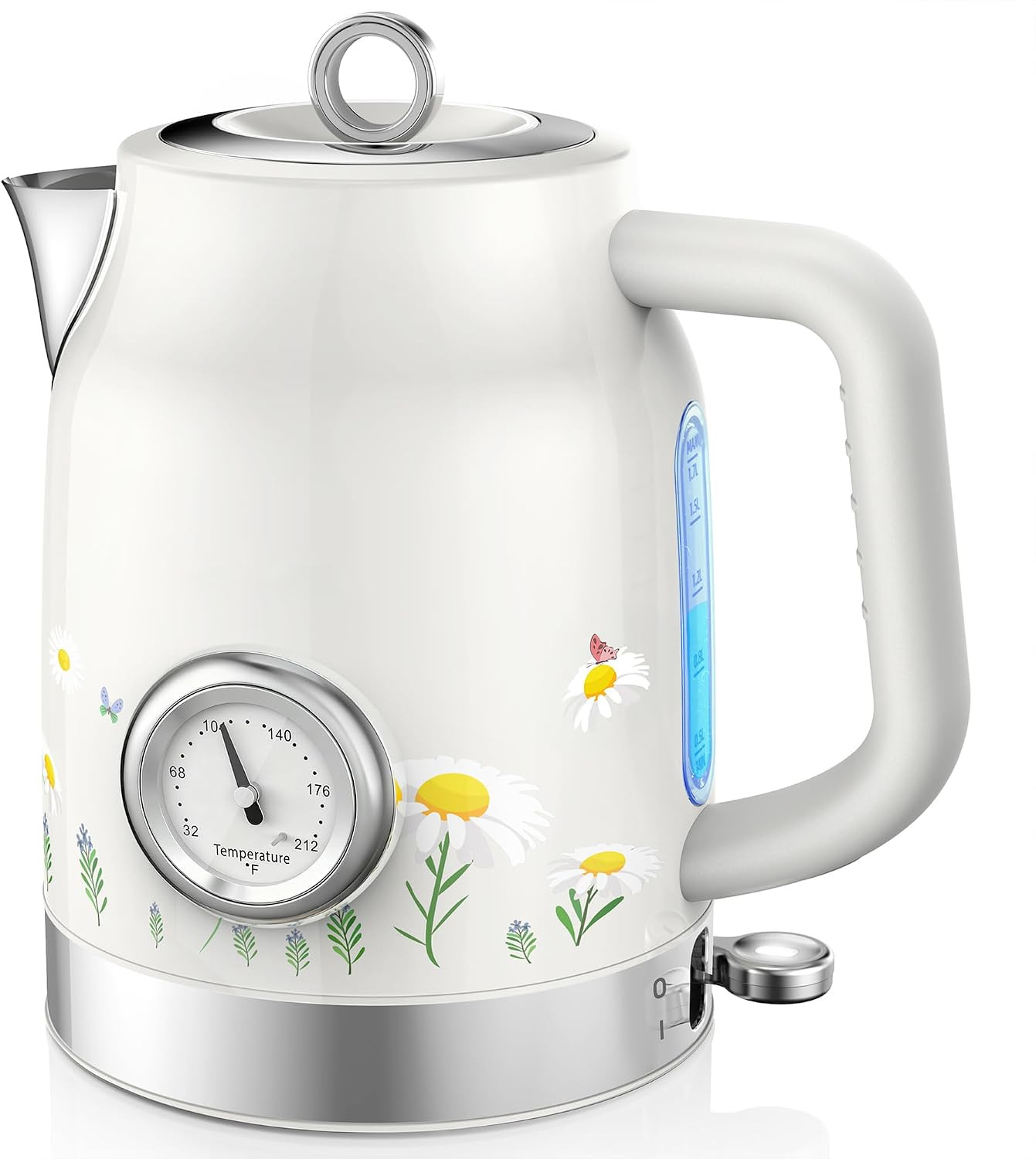 Electric Kettle with Thermometer, 57Oz Hot Water Pot$243.99New · Last checked Nov 17, 2026View on eBay
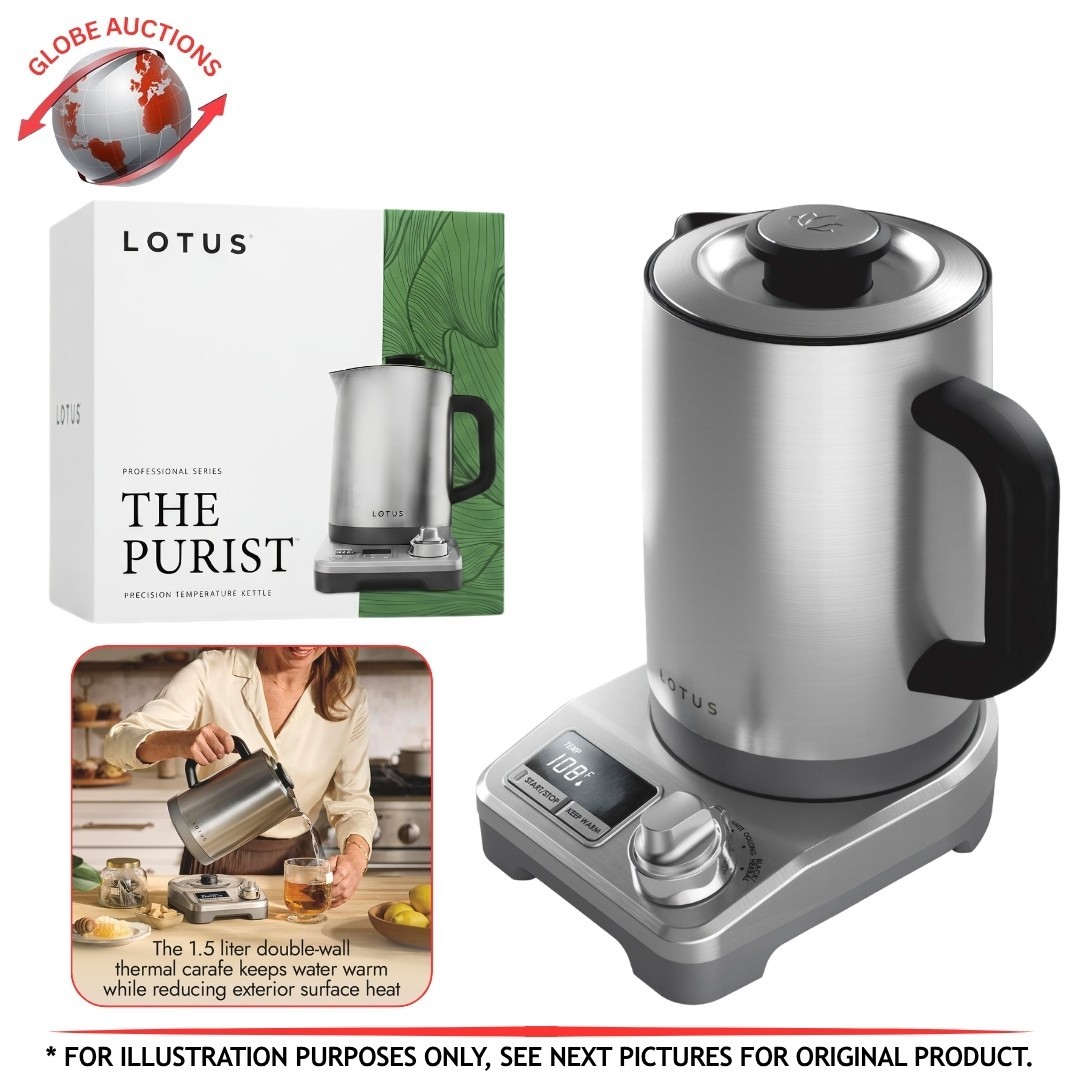 Lotus (WOLF Revived) Purist Precise Temperature Electric Kettle 1.5-L$244.78New · Last checked Nov 17, 2026View on eBay
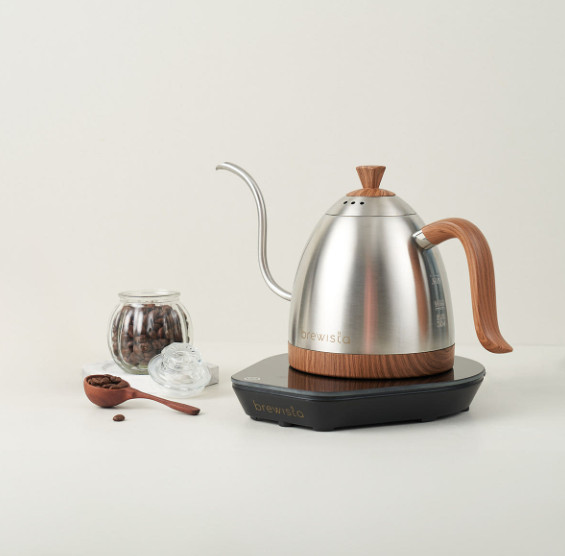 Brewista Artisan Pro Gooseneck Electric Kettle 600ml 1500W | 220V 60Hz$245.99New · Last checked Nov 17, 2026View on eBay
Highlights
- Body material tiers: 304 stainless steel is the standard food-grade liner; 316 stainless adds molybdenum for better corrosion resistance in travel and hard-water use; glass bodies are borosilicate but add weight and breakage risk.
- Heating power scales with voltage: 120V North American kettles typically draw 1200–1500W and boil 1L in roughly 4–6 minutes; 220–240V models reach 2000–3000W and boil faster but are not interchangeable across plug standards.
- Temperature control separates tiers: basic kettles switch off at a fixed boil; variable models use a PID or thermistor to hold set points (often 104–212°F) within ±1–5°F, which is essential for green tea and pour-over coffee.
- Gooseneck spouts use a narrow, curved outlet for a slow, controlled pour; standard jug spouts pour fast and are better for filling pots and French presses than for precision coffee brewing.
Best use cases
- Best fit for daily tea and instant coffee: a 1.5–1.7L cordless stainless jug kettle with concealed element and auto shutoff — pick this and skip gooseneck models unless you also brew pour-over.
- Best fit for pour-over coffee and specialty tea: a PID gooseneck kettle with ±1–5°F temperature hold and a 0.8–1L capacity; skip large 1.7L jug kettles that overshoot temperature and pour too fast.
- Best fit for travel, dorms, and single servings: a 500ml 316 stainless cordless kettle or USB-powered heater; skip full-size 1.7L kettles that are too bulky and draw more power than many travel outlets allow.
- Wrong fit: glass-bodied kettles for heavy daily use or clumsy kitchens — borosilicate resists thermal shock but chips and cracks; choose stainless if durability is the priority.
Buying tips
- Match capacity to servings: 0.5L for one to two cups, 0.8–1L for pour-over sessions, 1.5–1.7L for families and entertaining; a 1.7L kettle takes noticeably longer to boil than a 1L at the same wattage.
- Check the voltage and plug standard before buying: 120V/1200–1500W for North America, 220–240V/2000–3000W elsewhere; a 120V kettle on a 240V supply will fail, and vice versa.
- Insist on a 304 or 316 stainless-steel water-contact surface and a concealed or exposed metal element; plastic-lined and plastic-bodied kettles can impart taste and degrade with repeated boiling.
- For temperature control, look for stated accuracy (±1°F is premium, ±5°F is adequate) and a hold function; fixed-boil kettles cannot be used for green tea or delicate coffee.
Specs
| Body Material | 304/316 steel, glass, or plastic |
|---|---|
| Heating Power | 1200–1500W (120V) / 2000–3000W (240V) |
| Temperature Control | Fixed boil vs PID ±1–5°F hold |
| Capacity Range | 0.5L travel to 1.7L family |
Related searches
What to check before buying
- Measure your counter clearance and outlet reach: a cordless kettle needs its base within cord length of a grounded outlet, and gooseneck models need headroom for the handle and lid.
- Confirm your home voltage and plug type (NEMA 5-15 in North America) matches the kettle's rating; never use a voltage converter for a heating appliance.
- Check the water-contact material and element type: 304/316 stainless and a metal element are the durability baseline; glass and plastic bodies are secondary.
- Decide whether you need a temperature hold and ±1–5°F accuracy (pour-over, green tea) or a simple boil-and-shutoff (daily tea, French press, cooking).
FAQ
Data sources: eBay / Amazon listings and product attribute feeds. Updated Nov 28, 2026.
Some links on this page are affiliate links. If you buy after clicking one, we may earn a commission at no extra cost to you. This does not change which products appear here or their order. Affiliate disclosure.