
Photos from current listings. Actual item, color, and included accessories may vary.
Manual Citrus Press Juicer Buying Guide
Manual citrus press juicers are lever- or screw-driven tools that extract juice from halved citrus without electricity, ranging from compact handheld squeezers to tall countertop cast-iron presses. The core trade-off is leverage and frame rigidity versus counter footprint and fruit-size clearance: light aluminum or plastic handheld models flex and crack under grapefruit pressure, while heavy cast-iron or reinforced steel lever presses deliver commercial-duty force but demand a stable, tall countertop. The decision rule is simple: buy a cast-iron or heavy-gauge stainless lever press with a wide cup and long handle for daily grapefruit or pomegranate work, and a compact handheld squeezer only for occasional lemon and lime wedges.
Median $62.99
Key takeaways
- Cast iron and heavy-gauge stainless steel frames resist bending at the pivot; thin aluminum and plastic handheld presses deform under grapefruit force and shorten service life.
- Lever-press geometry multiplies hand force through handle length and pivot placement, so a long handle with a reinforced fulcrum yields more cup pressure than a short screw press.
- Tall 15-inch and 19-inch countertop models clear a full pint glass or pitcher beneath the spout, while compact handheld presses require a separate bowl and two-hand operation.
At a glance
- Category
- Food Preparation
- Last updated
- Nov 27, 2026
Current offers
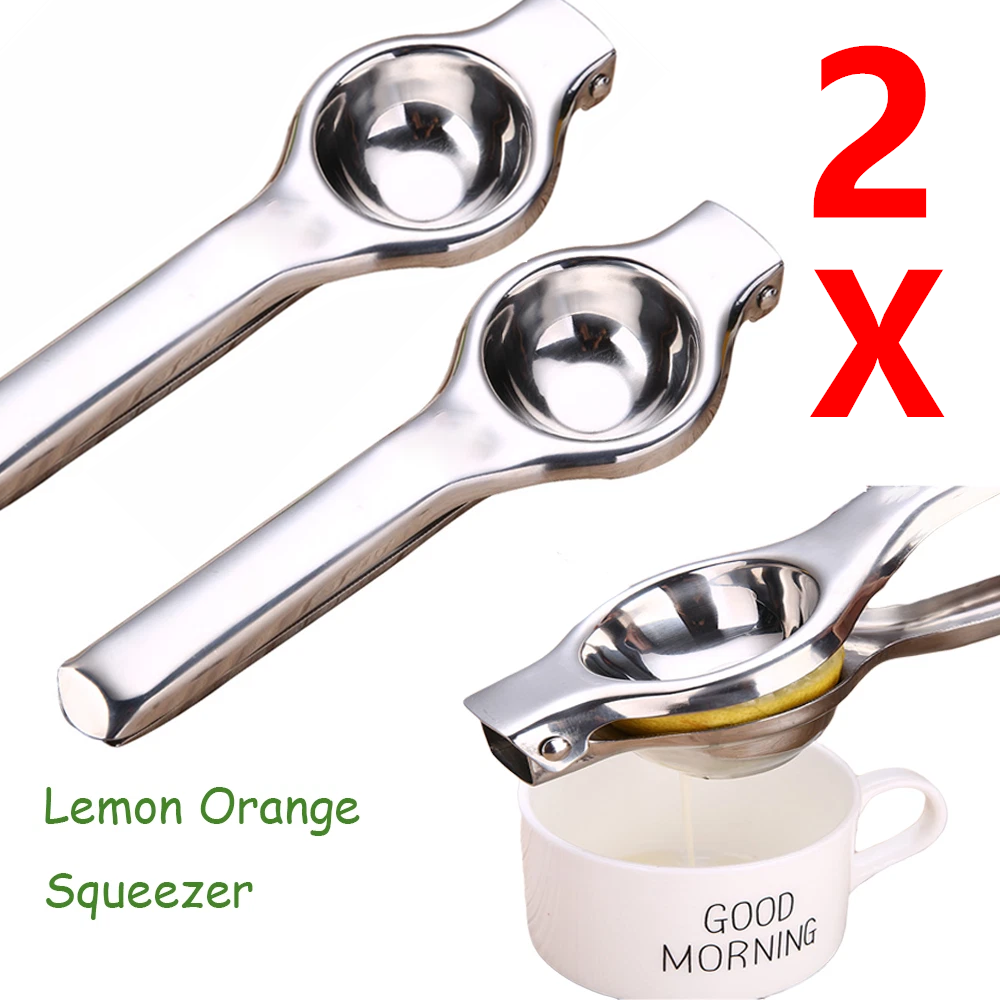 Manual Lemon Squeezer Heavy Duty Stainless Steel Press Hand Lime Citrus Juicer$13.99View on Mallflare
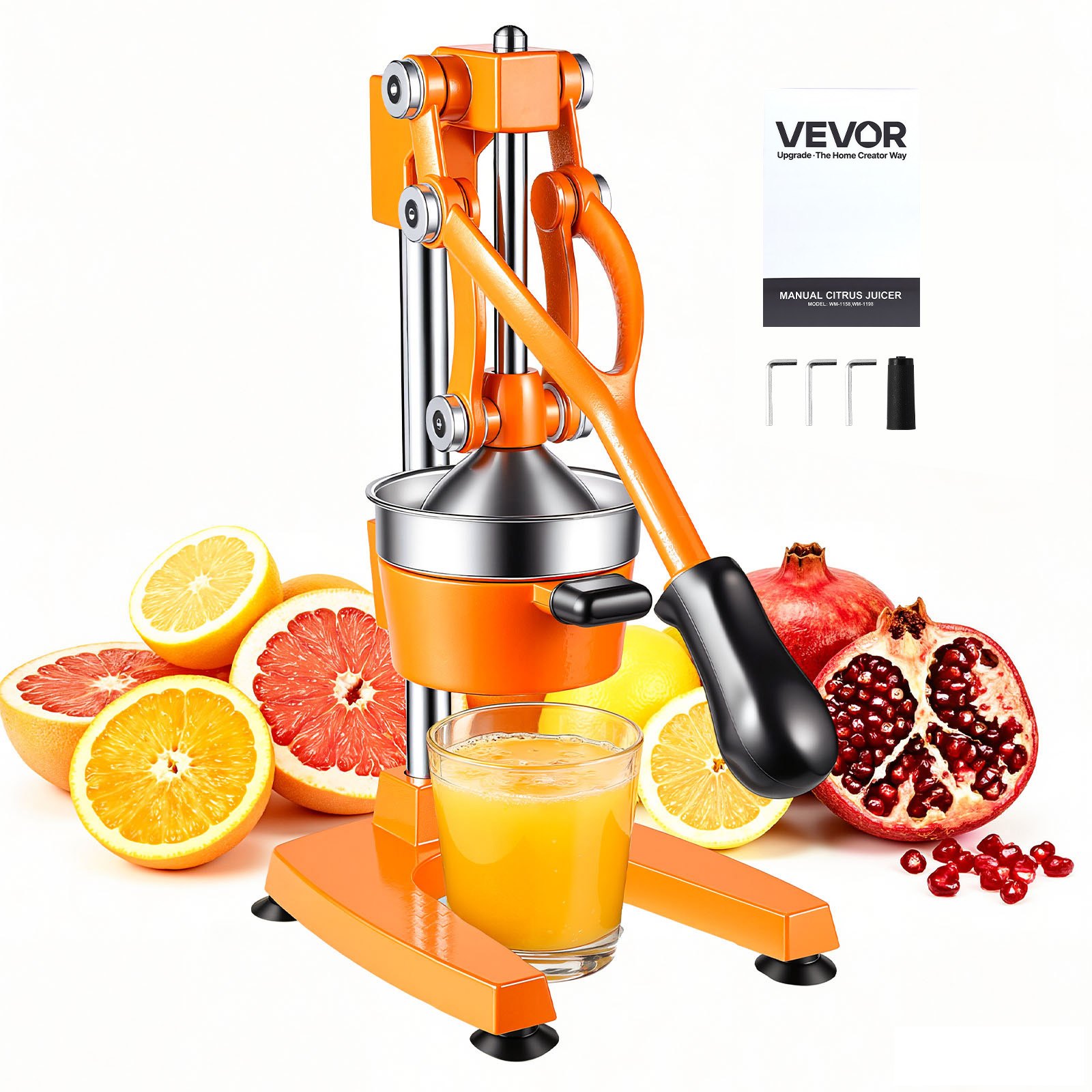 Manual Citrus Juicer, 15" Tall Hand Press Orange Fresh Juice Extractor for Lemon Pomegranate Grapefruit, Heavy-Duty Cast Iron, Easy to Clean, Home & Commercial Use$61.99View on Mallflare
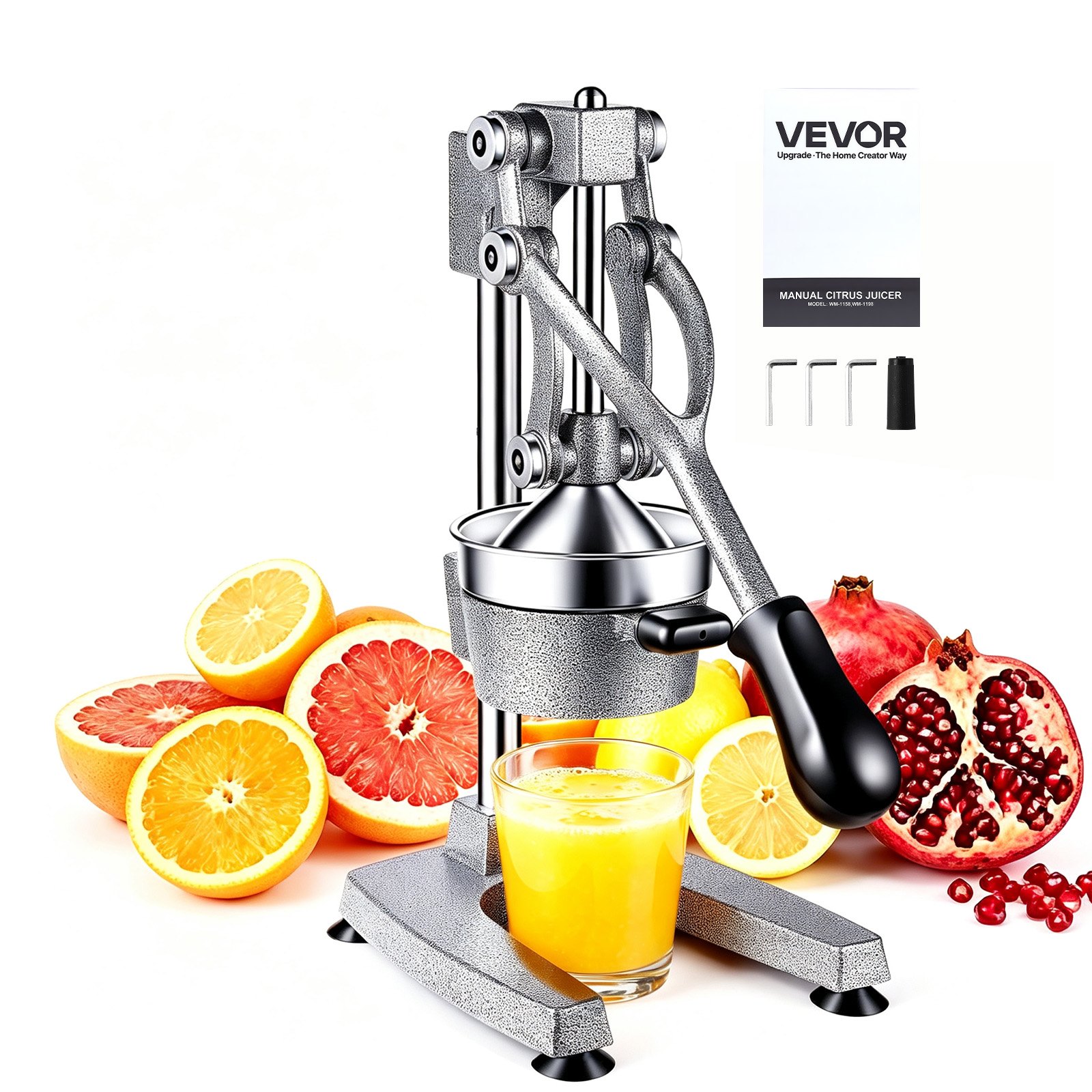 Manual Citrus Juicer, 15" Tall Hand Press Orange Fresh Juice Extractor for Lemon Pomegranate Grapefruit, Heavy-Duty Cast Iron, Easy to Clean, Home & Commercial Use, Silver Gray$61.99View on Mallflare
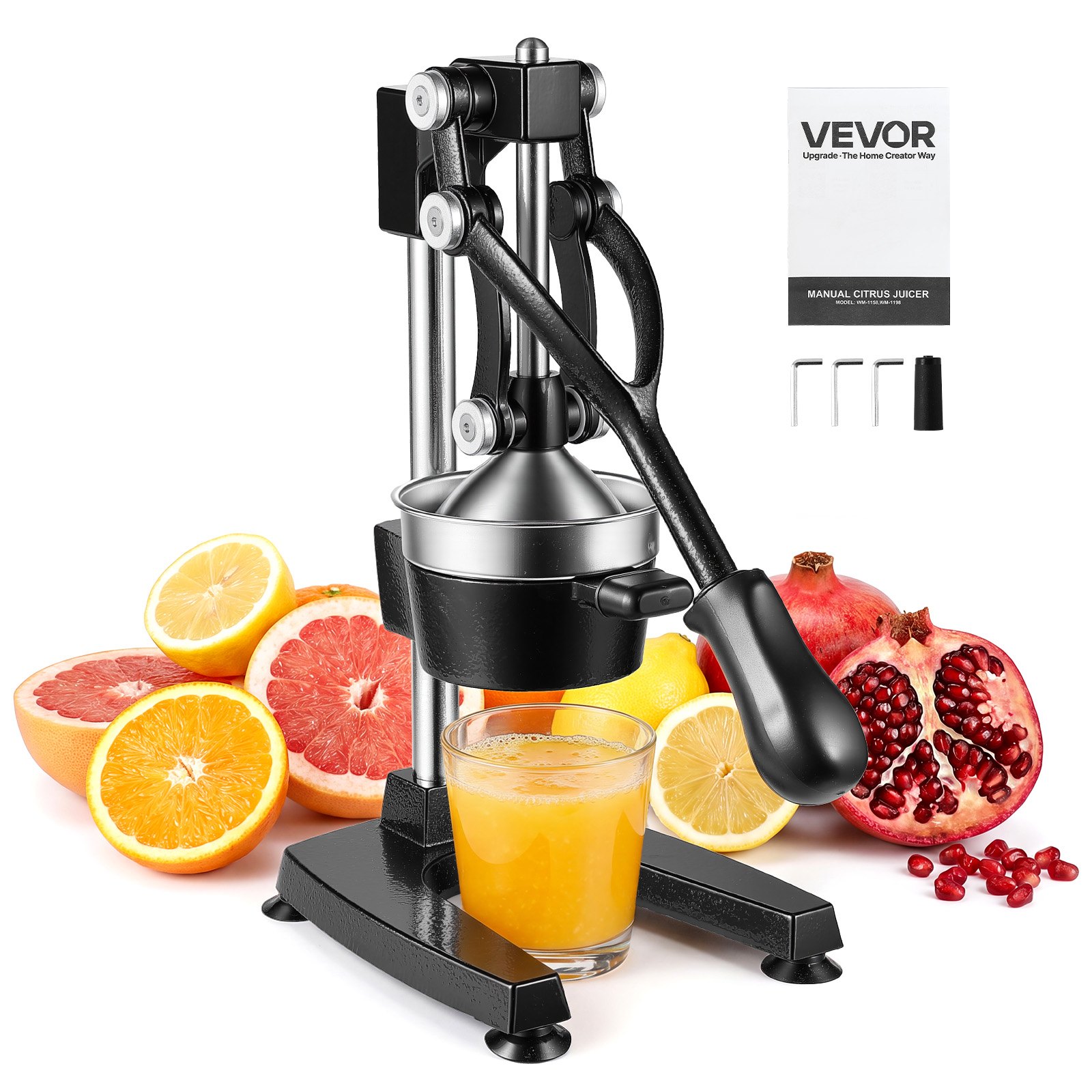 Manual Citrus Juicer, 15" Tall Hand Press Oranges Fresh Juice Extractor for Lemon Pomegranate Grapefruit, Heavy-Duty Cast Iron, Easy to Clean, Home & Commercial Use, Black$62.99View on Mallflare
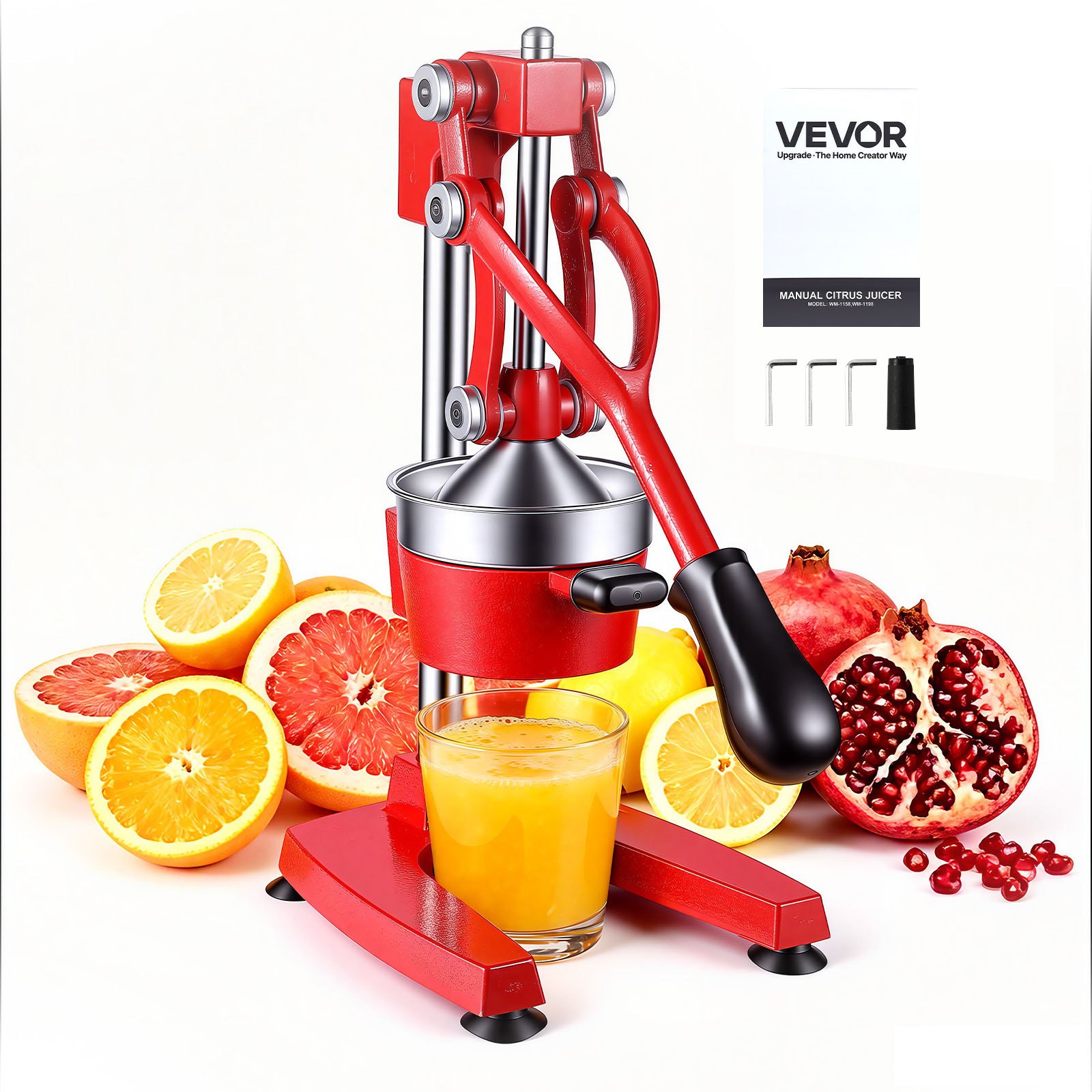 Manual Citrus Juicer, 15" Tall Hand Press Orange Fresh Juice Extractor for Lemon Pomegranate Grapefruit, Heavy-Duty Cast Iron, Easy to Clean, Home & Commercial Use, Red$62.99View on Mallflare
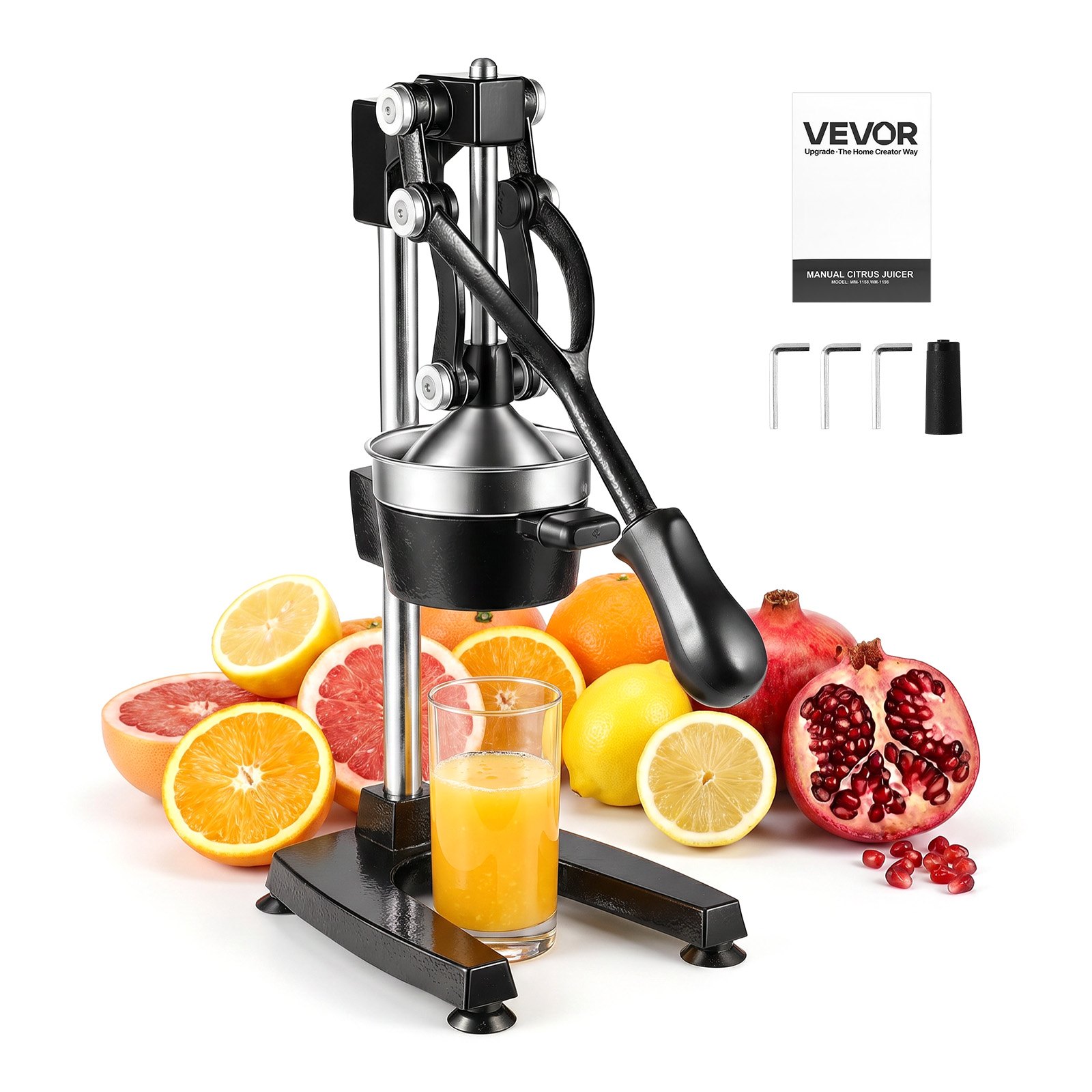 Manual Citrus Juicer, 19" Tall Hand Press Oranges Fresh Juice Extractor for Lemon Pomegranate Grapefruit, Heavy-Duty Cast Iron, Easy to Clean, Home & Commercial Use, Black$64.99View on Mallflare
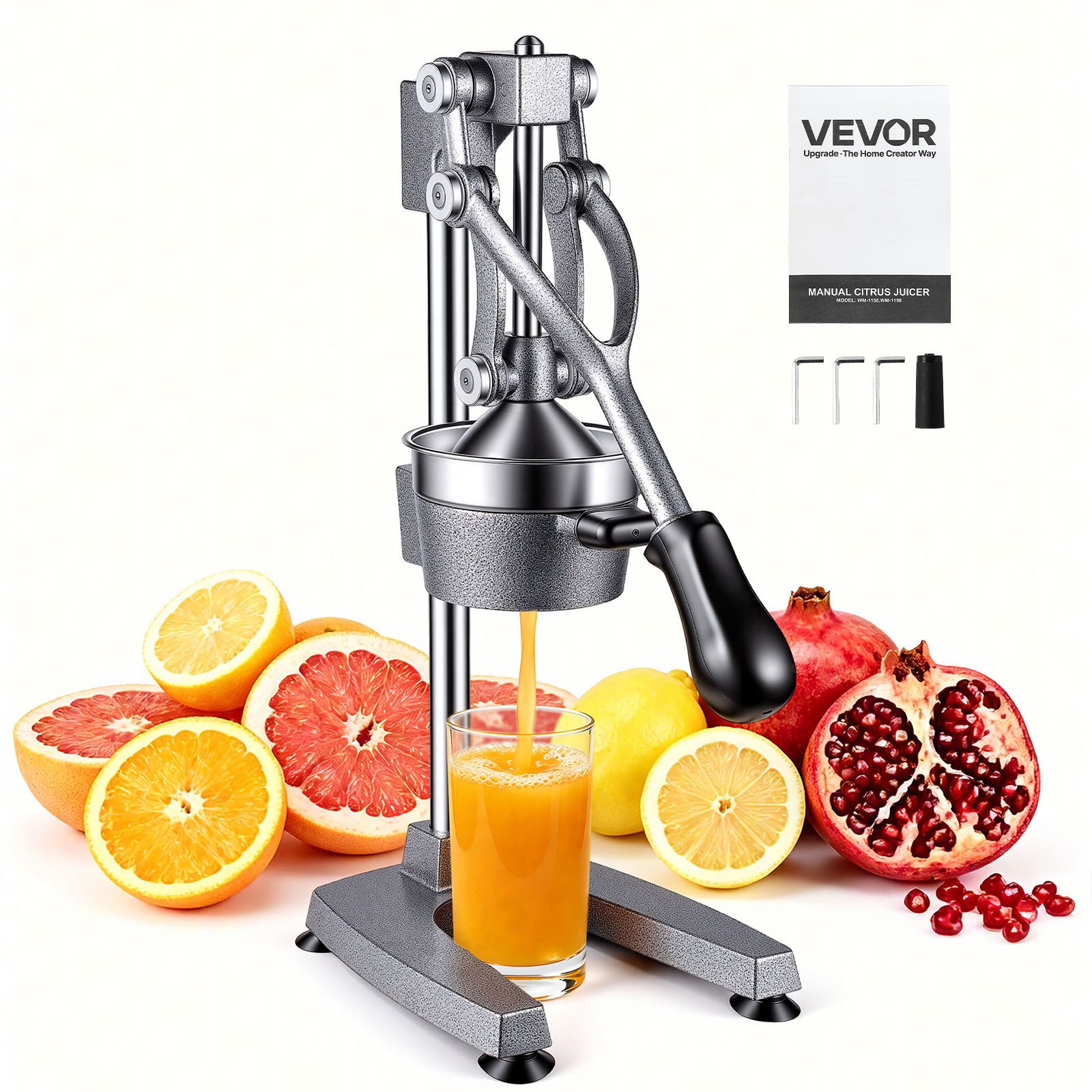 Manual Citrus Juicer, 19" Tall Hand Press Orange Fresh Juice Extractor for Lemon Pomegranate Grapefruit, Heavy-Duty Cast Iron, Easy to Clean, Home & Commercial Use, Silver Gray$65.99View on Mallflare
Highlights
- Cast iron and heavy-gauge stainless steel frames resist bending at the pivot; thin aluminum and plastic handheld presses deform under grapefruit force and shorten service life.
- Lever-press geometry multiplies hand force through handle length and pivot placement, so a long handle with a reinforced fulcrum yields more cup pressure than a short screw press.
- Tall 15-inch and 19-inch countertop models clear a full pint glass or pitcher beneath the spout, while compact handheld presses require a separate bowl and two-hand operation.
- Cup and strainer hole sizing controls pulp and seed retention: wider perforations pass more pulp for orange juice, tighter slots block seeds and fine pulp for clear lemon and lime juice.
Best use cases
- Best fit: daily orange and grapefruit juice for a household — choose a 15-inch or 19-inch cast-iron lever press with a wide cup and long handle for low-effort, high-volume extraction.
- Best fit: bar or cafe service with high daily volume — pick extra-large commercial-grade cast iron with a reinforced pivot and a stable base plate that resists rocking under repeated cycles.
- Wrong fit: occasional lemon wedges or travel use — skip the tall cast-iron press and choose a compact handheld stainless squeezer; a countertop lever press is overkill and hard to store.
- Wrong fit: pomegranate or soft-fruit arils — a citrus press crushes arils unevenly; use a dedicated pomegranate press or screw juicer for consistent yield and less bitterness.
Buying tips
- Match press height to your tallest vessel: 15-inch models clear standard pint glasses, while 19-inch models clear quart pitchers and tall tumblers without tilting.
- Choose cast iron for maximum leverage and stability on a countertop; choose heavy-gauge stainless for rust resistance in wet, acidic environments and easier cleaning.
- Check cup diameter against your largest fruit: a cup under 3 inches struggles with large grapefruit, while a 3.5-inch or wider cup seats halved citrus securely without slipping.
- Prefer a lever arm with a reinforced pivot and a broad base plate; narrow bases tip under hard pressing, and weak pivots are the first failure point on budget presses.
Specs
| Frame Material | Cast iron vs heavy-gauge stainless |
|---|---|
| Press Type | Lever press vs handheld squeezer |
| Height Tier | 15 in countertop vs 19 in tall |
| Cup Capacity | 3 in standard vs 3.5 in+ wide |
Related searches
What to check before buying
- Measure your countertop clearance and vessel height: a 19-inch press needs roughly 2 feet of vertical space plus room to swing the handle.
- Confirm the base footprint fits your counter and has a non-slip pad or suction feet; cast-iron presses are heavy and can scratch stone surfaces without a mat.
- Check that the cup, strainer, and drip tray are removable and dishwasher-safe or easy to rinse; cast iron bodies should be wiped dry, not soaked.
- Verify the handle grip material and length relative to your hand strength; a long handle reduces effort, but a slippery grip becomes unsafe when wet with juice.
FAQ
Data sources: eBay / Amazon listings and product attribute feeds. Updated Nov 27, 2026.
Some links on this page are affiliate links. If you buy after clicking one, we may earn a commission at no extra cost to you. This does not change which products appear here or their order. Affiliate disclosure.