
Photos from current listings. Actual item, color, and included accessories may vary.
Vegetable Chopper Heavy Duty Buying Guide
Heavy-duty vegetable choppers are manual or electric prep tools built to withstand dense roots, fibrous stalks, and daily volume without frame flex or blade dulling. The core trade-off is between stamped, riveted consumer frames with thin blades and reinforced, welded or die-cast frames with full-tang stainless blades and high-torque mechanisms. The decision rule: buy only models with a metal-on-metal cutting interface, a reinforced base or suction lock, and blade steel rated for repeated contact—skip any chopper relying on plastic pivot pins or spot-welded handles.
Median $54.99
Key takeaways
- Blade steel grade separates durable from disposable: 420J2 stainless resists staining but dulls on dense carrots; 5Cr15MoV or 440C holds an edge through repeated root-vegetable cycles.
- Frame construction dictates lifespan: stamped riveted arms flex and crack at pivot points; welded steel or die-cast aluminum frames with through-bolted pivots survive commercial-volume chopping.
- Mechanism torque and gearing matter for electric models: direct-drive brushed motors stall on dense produce; gear-reduced or brushless DC motors maintain cutting force without overheating.
At a glance
- Category
- Food Preparation
- Last updated
- Nov 27, 2026
Current offers
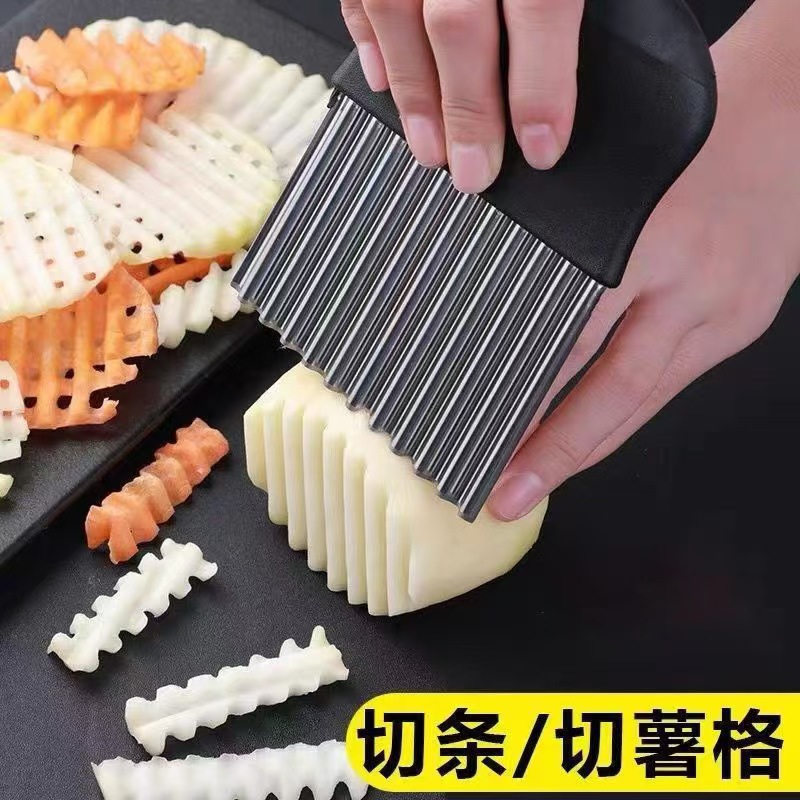 Large Crinkle Cutter - French Fry Slicer - Potato Knife Fruit Vegetable Wavy Chopper - Stainless Steel Blade Cutting Tool$9.99View on Mallflare
 Vegetable Fruit Salad Onion Garlic Food Hand Chopper Cutter Slicer Peeler Dicer$20.99View on Mallflare
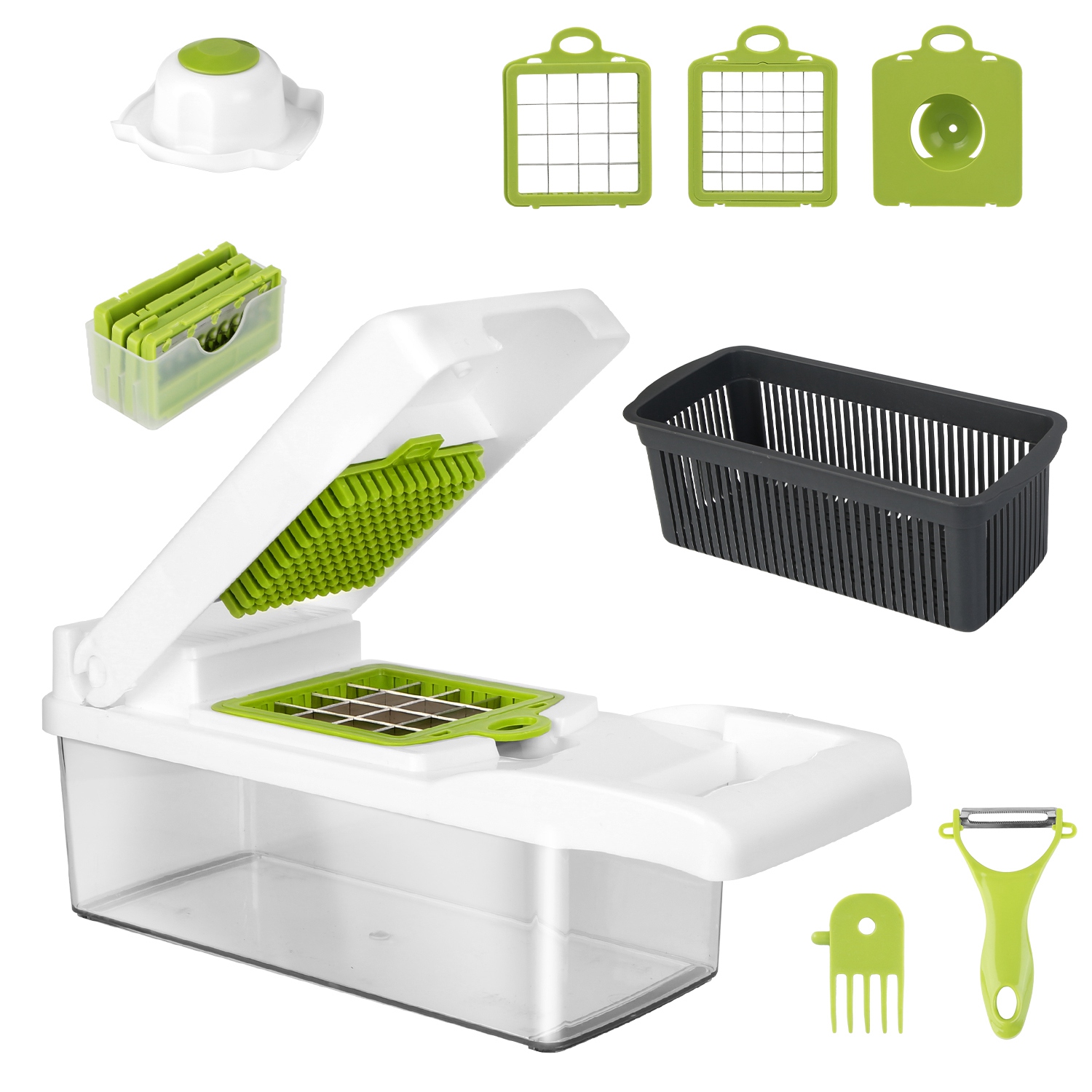 1Set 12 In 1 Vegetable Chopper With Container Kitchen Food Slicer Dicer Grater Peeler Egg Separator Hand Protector For Onion Salad Potato$29.99View on Mallflare
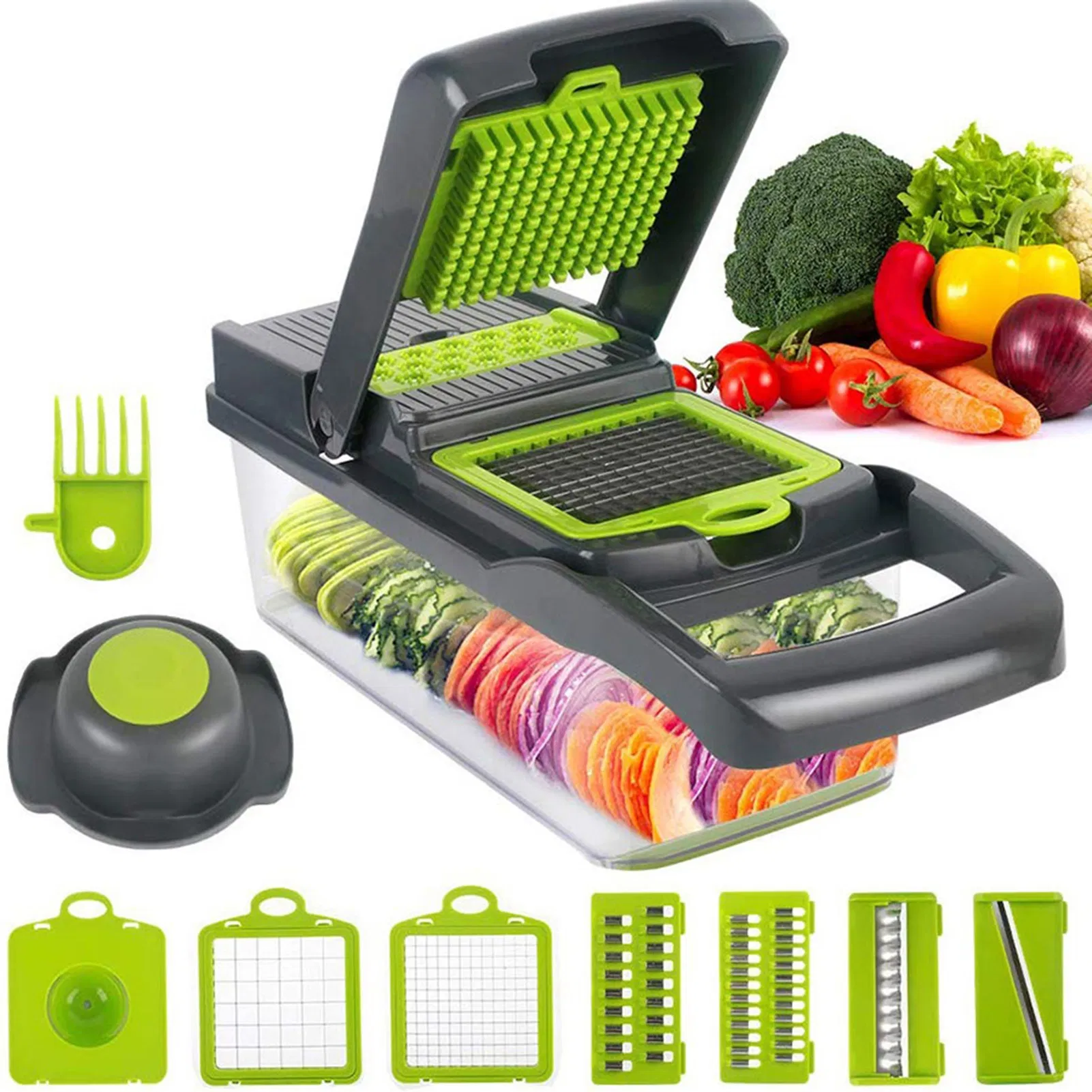 Vegetable Chopper Dicer with Container | Cheese Grater Mandoline Slicer Cabbage Shredder French Fry Cutter Stainless Steel for Veggie Onion Potato Fruit Food, Manual Hand Cooking Gadget for Kitchen$30.99View on Mallflare
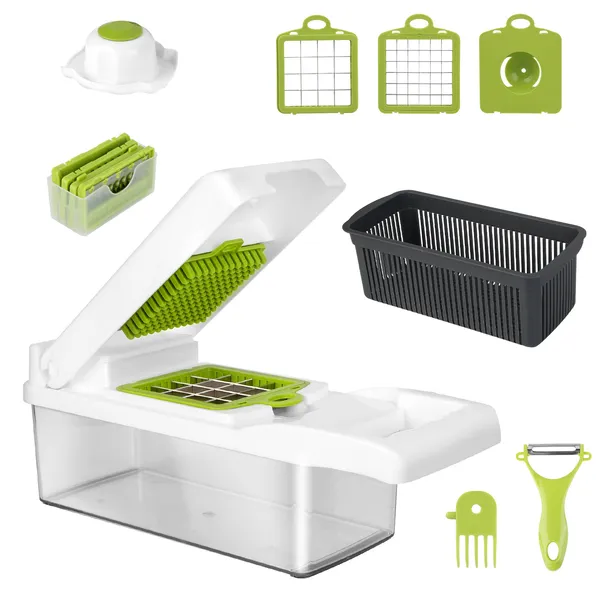 12 In 1 Vegetable Chopper With Container Kitchen Food Slicer Dicer Grater$31.99View on Mallflare
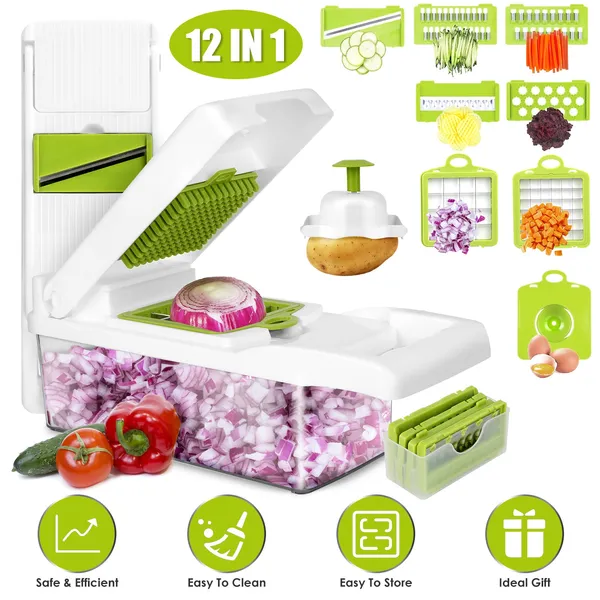 12 In 1 Vegetable Chopper With Container Kitchen Food Slicer Dicer Grater Peeler Egg Separator Hand Protector For Onion Salad Potato GPCT2055Pro$31.99View on Mallflare
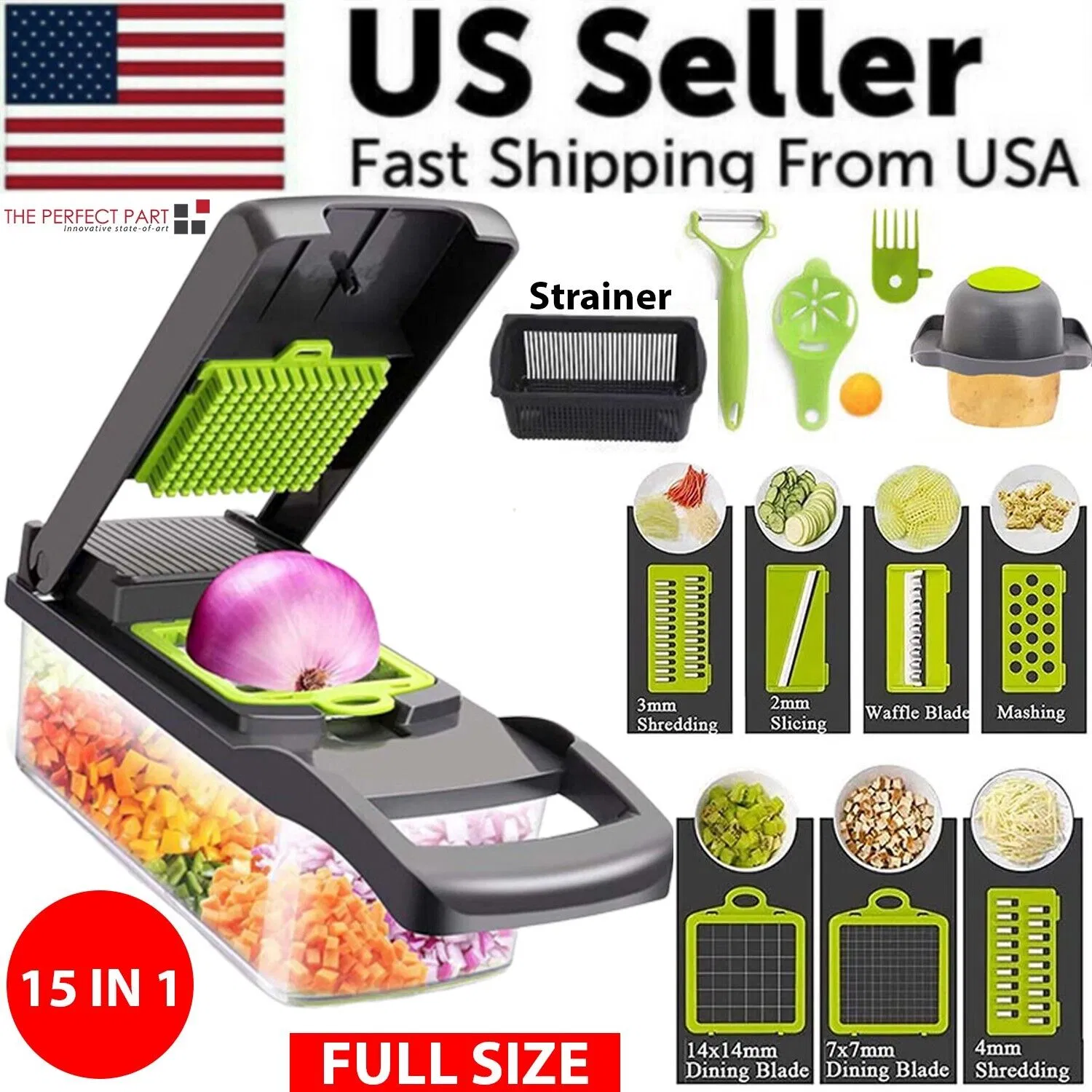 15-In-1 Vegetable Fruit Chopper Cutter Food Onion Veggie Dicer Slicer Kitchen$36.99View on Mallflare
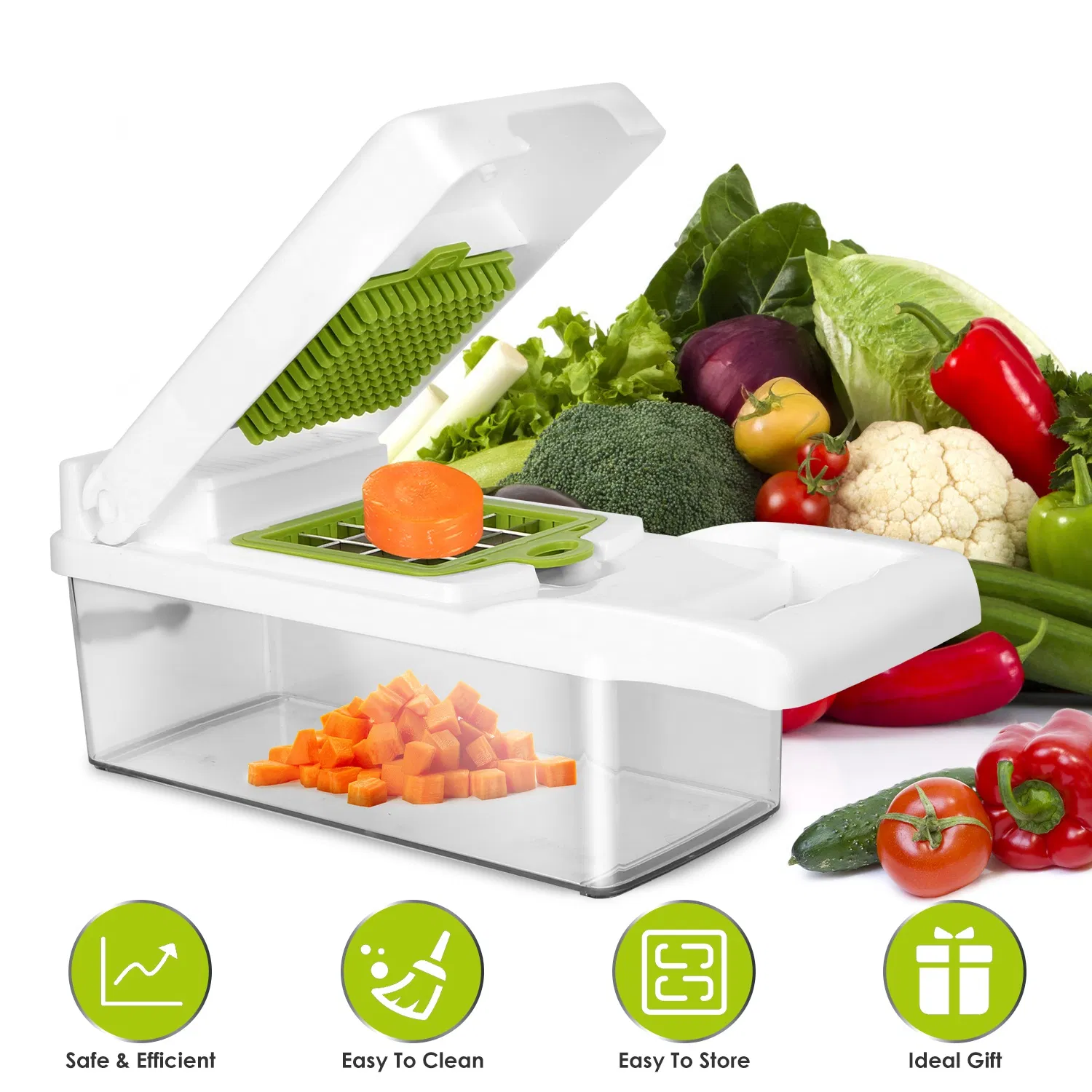 12 in 1 Vegetable Chopper, Multifunctional Food Slicer Dicer Grater with Hand Protector, Egg Separator & Peeler, Kitchen Veggie Cutter for Onion, Cheese, Fruit$37.99View on Mallflare
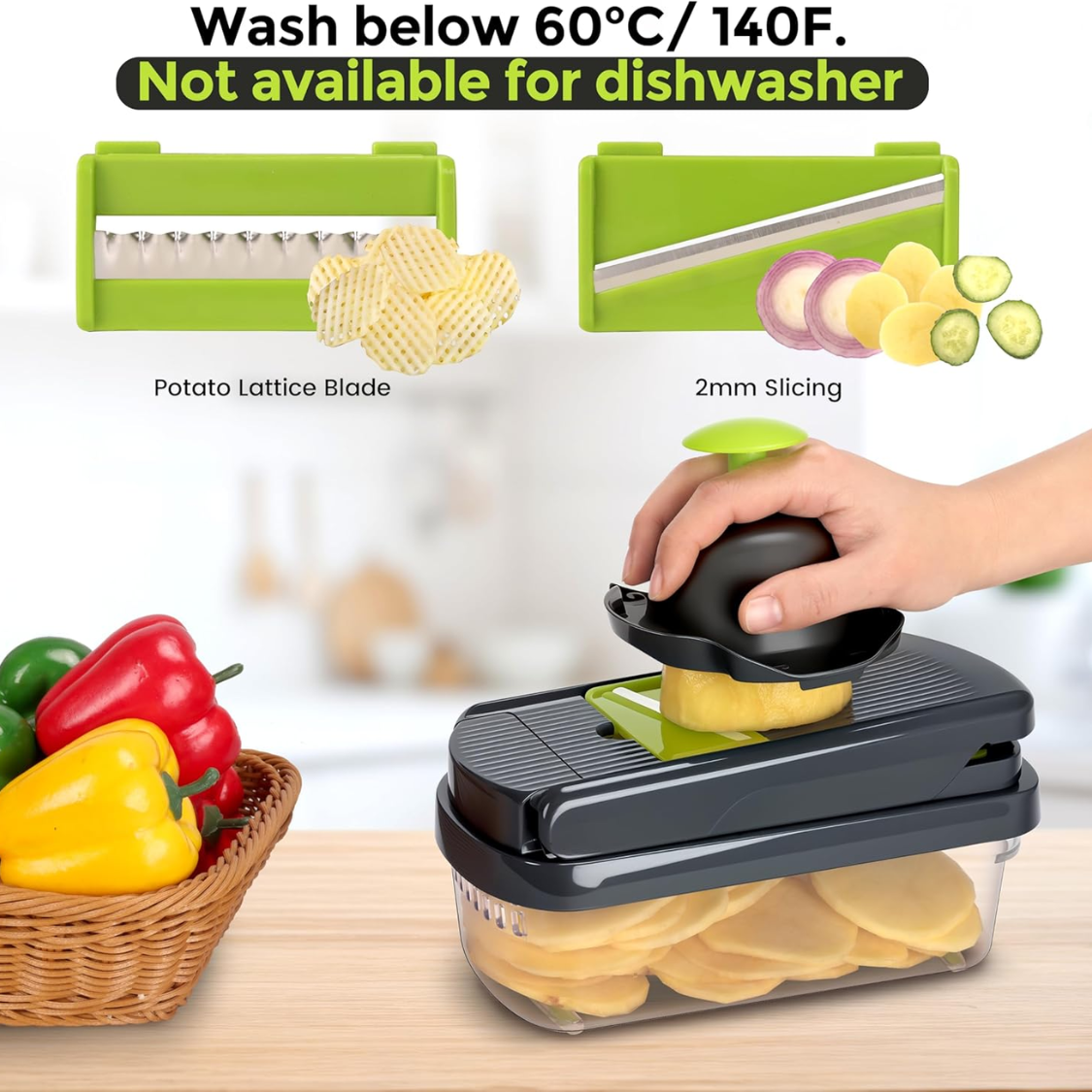 Vegetable Chopper, 12 In 1 Food Veggie Cutter With Container 7 Sharp Blades Dice, Slice, Shred And Grate For Salads, Onions And Meal Prep A Non-Slip Base And Drain Basket$50.99View on Mallflare
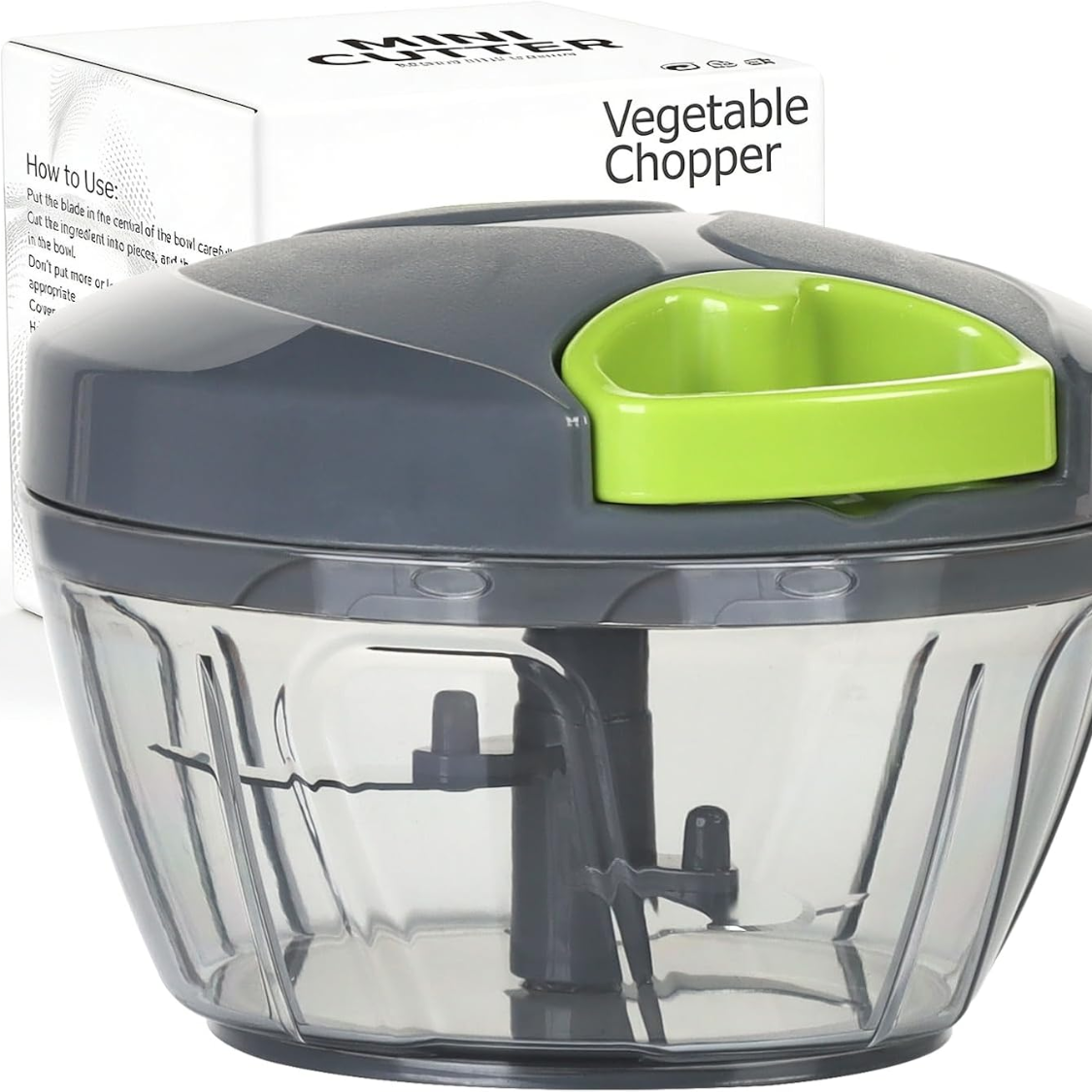 Manual Pull String Food Chopper, 500ml Vegetable Cutter & Garlic Mincer, Grey$52.99View on Mallflare
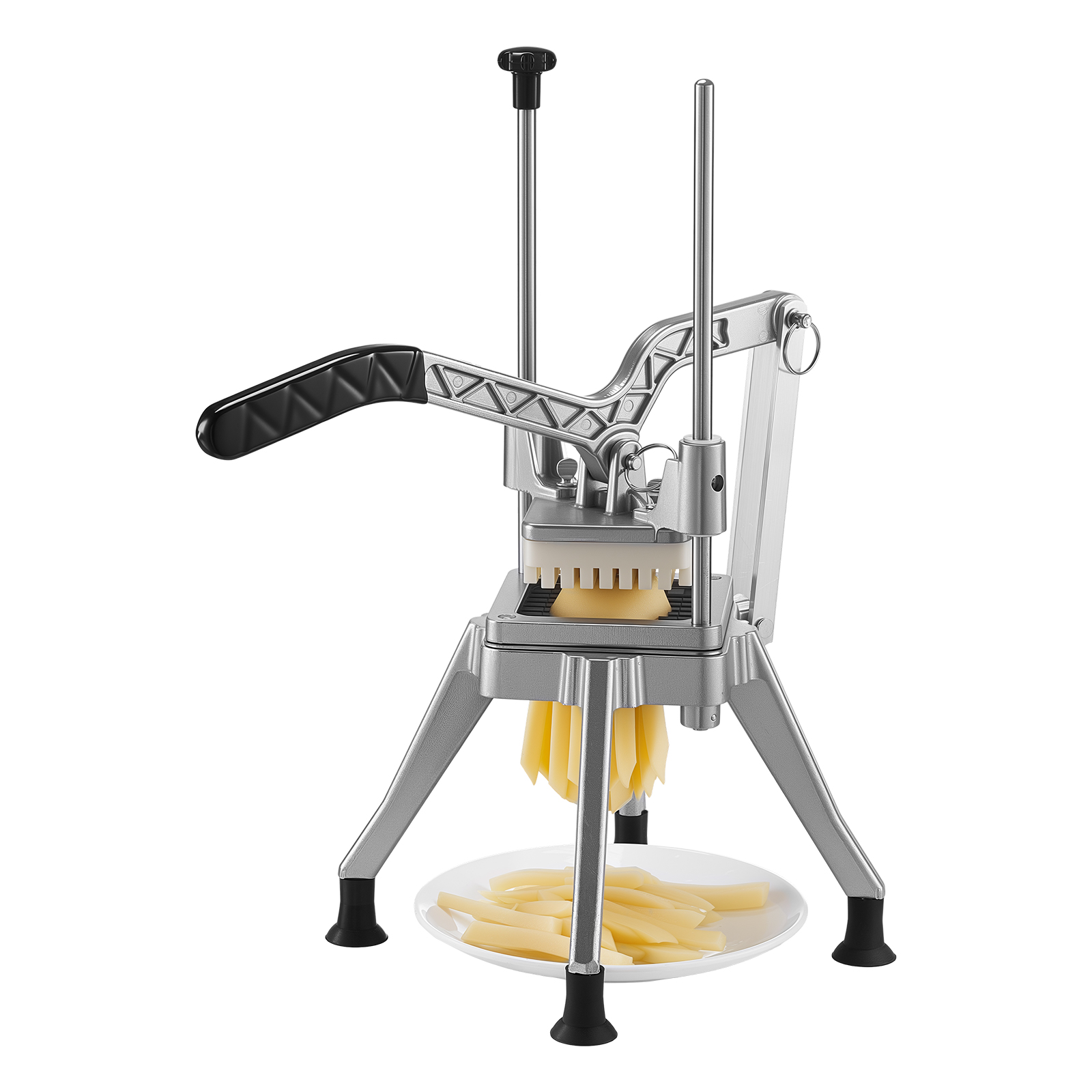 French Fry Cutter, 3/8" Blade Commercial Vegetable Chopper, Lever-Action Dicer With Ergonomic Handle, Stainless Steel Potato Slicer For Classic Cut Fries, Onion, Carrots, Bell Pepper$52.99View on Mallflare
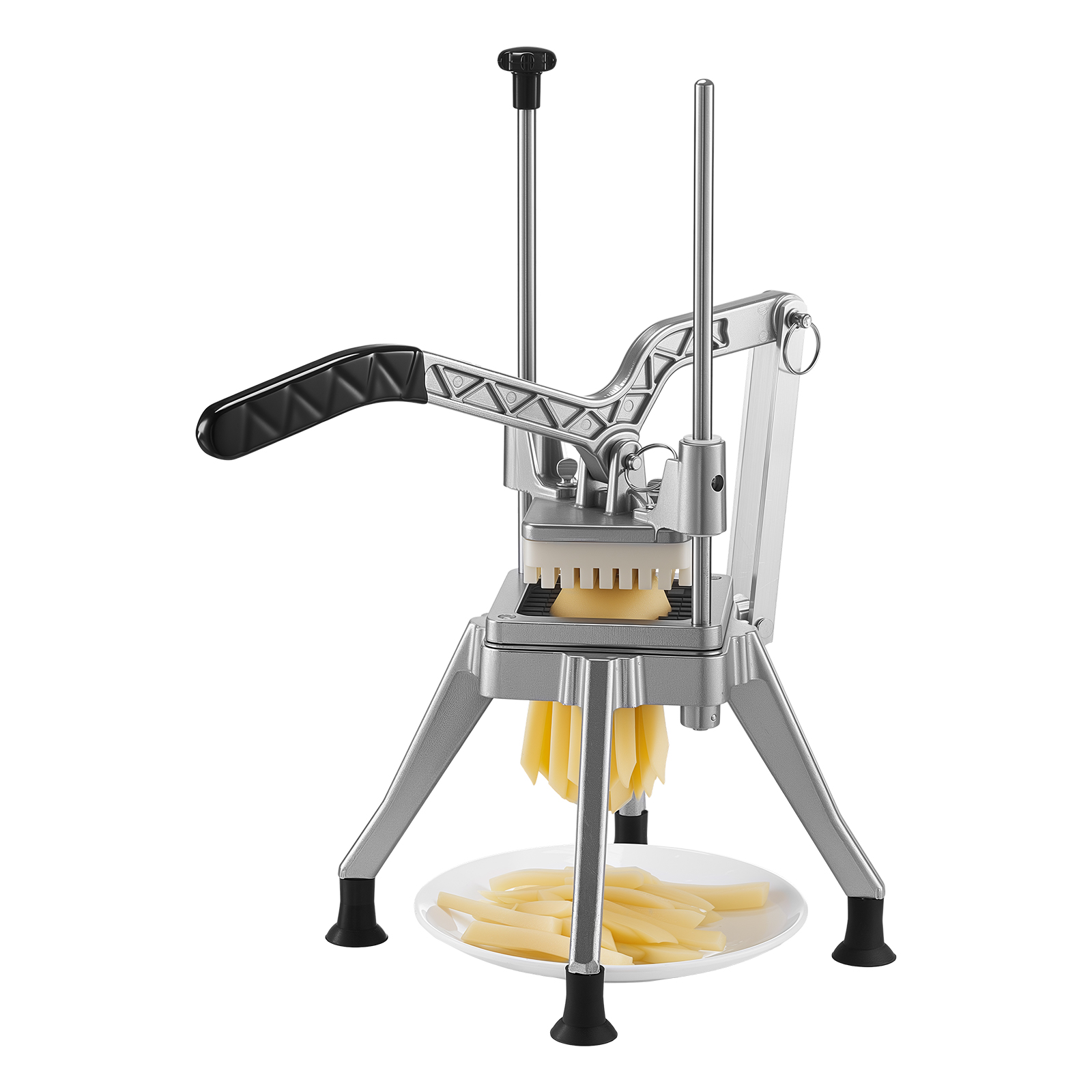 French Fry Cutter, 1/4" Blade Commercial Potato Chopper, Lever-Action Vegetable Dicer With Ergonomic Handle, Stainless Steel Slicer For Thin Cut Fries, Onion, Carrots, Bell Pepper$56.99View on Mallflare
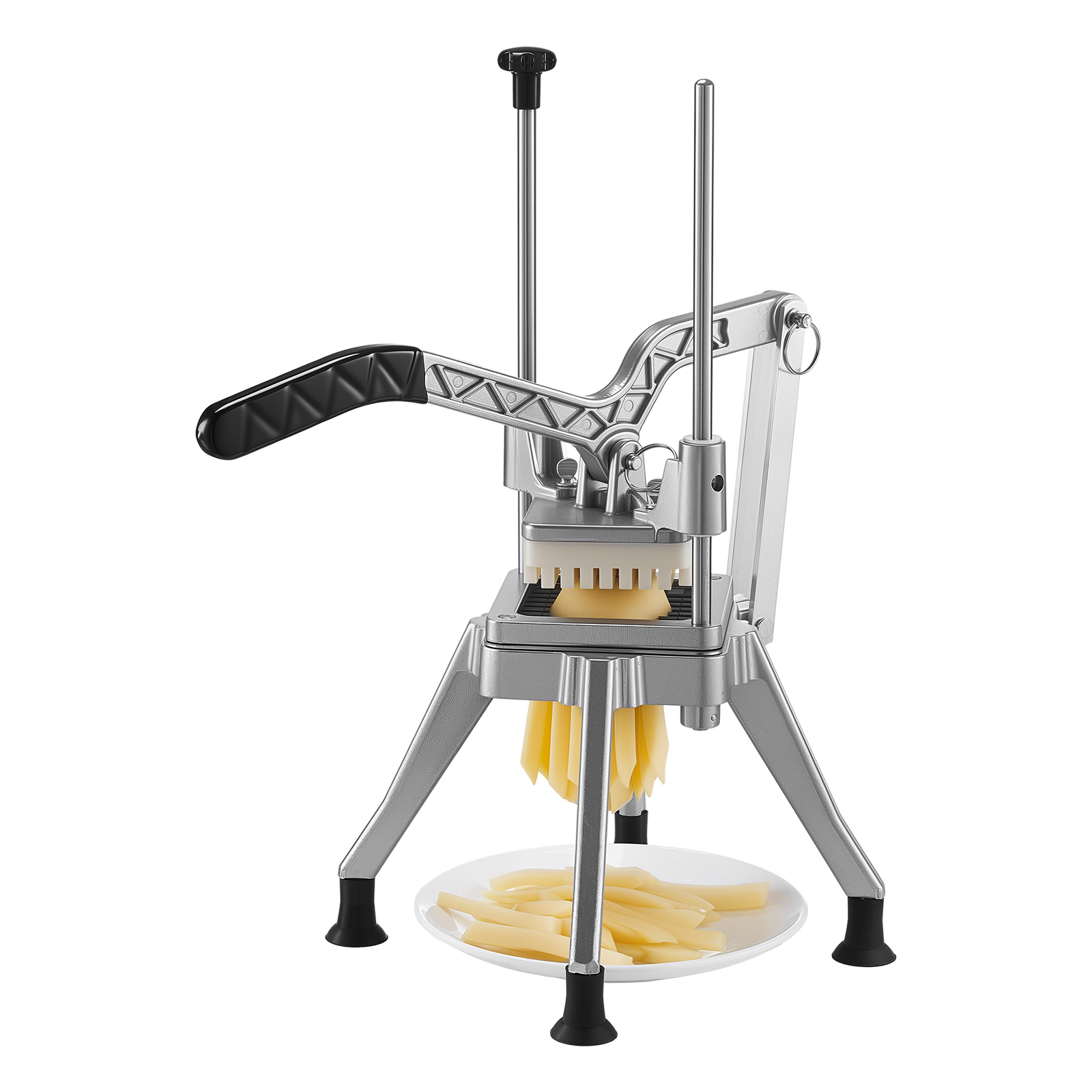 French Fry Cutter, 1/2" Blade Commercial Vegetable Chopper, Lever-Action Dicer With Ergonomic Handle, Stainless Steel Potato Slicer For Thick Cut Fries, Onion, Carrots, Bell Pepper$63.99View on Mallflare
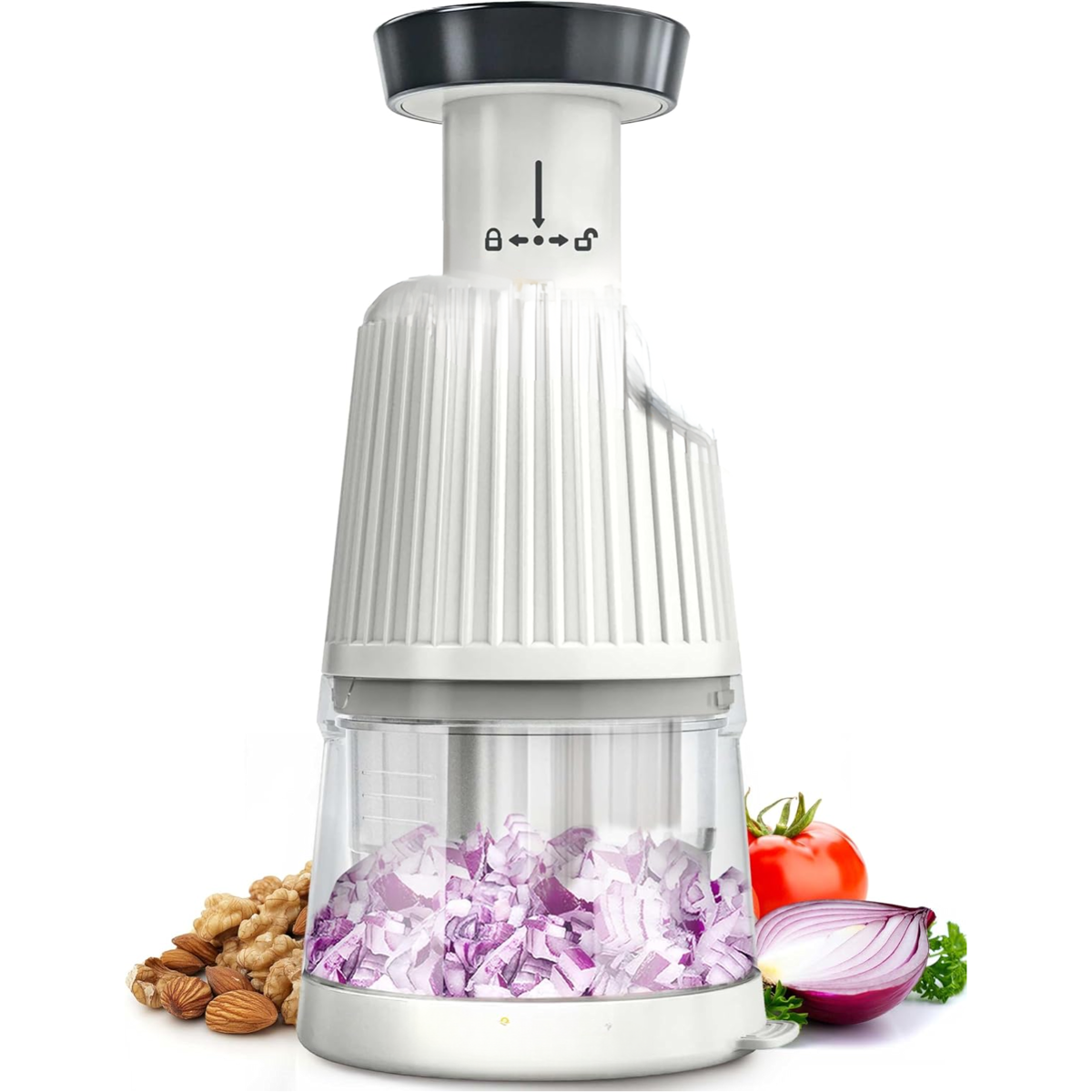 Push Food & Vegetable Chopper, Manual Dicing Cutter For Easy Kitchen Prep$63.99View on Mallflare
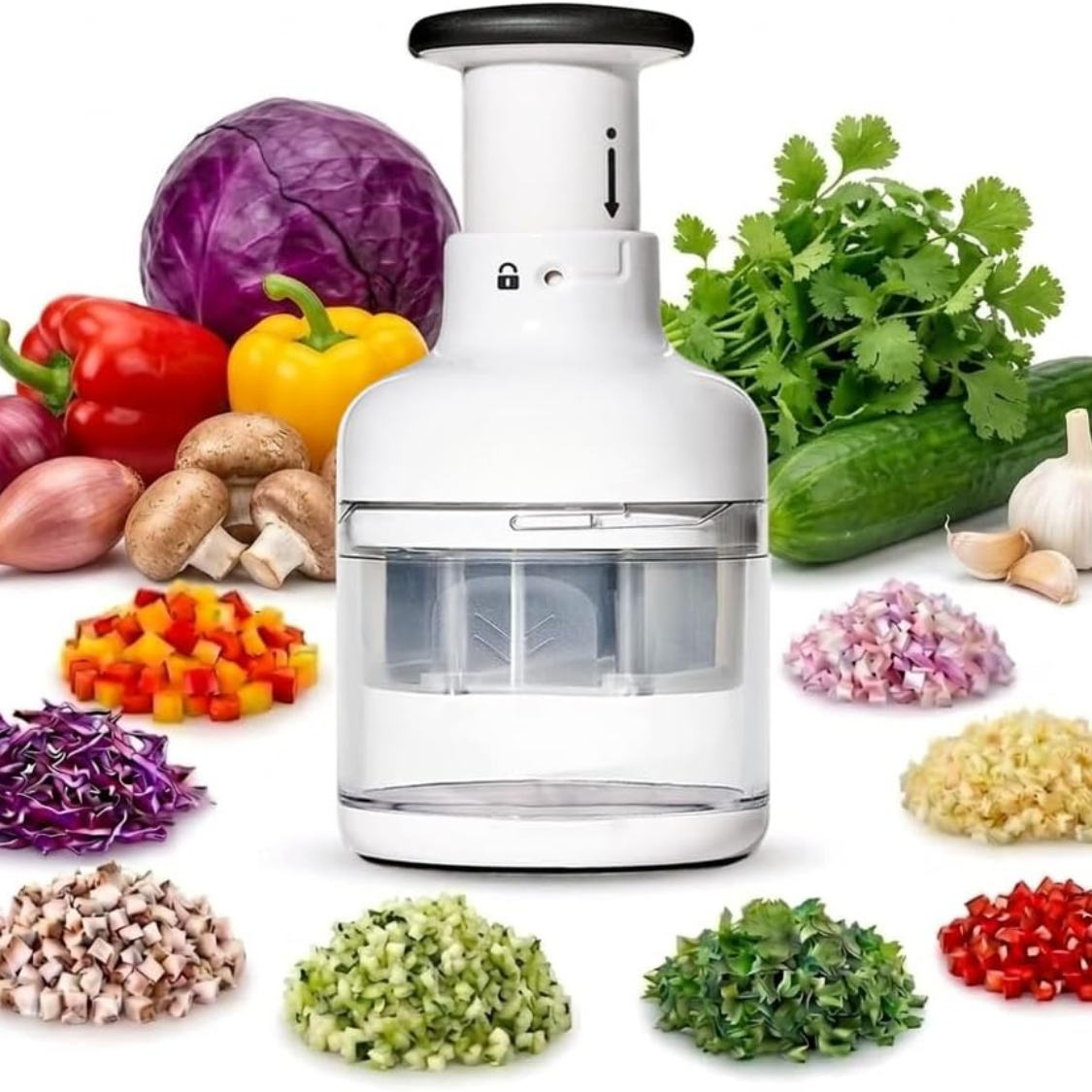 Manual Vegetable, Nut & Garlic Chopper With Container And Lid, Kitchen Food Prep Tool$63.99View on Mallflare
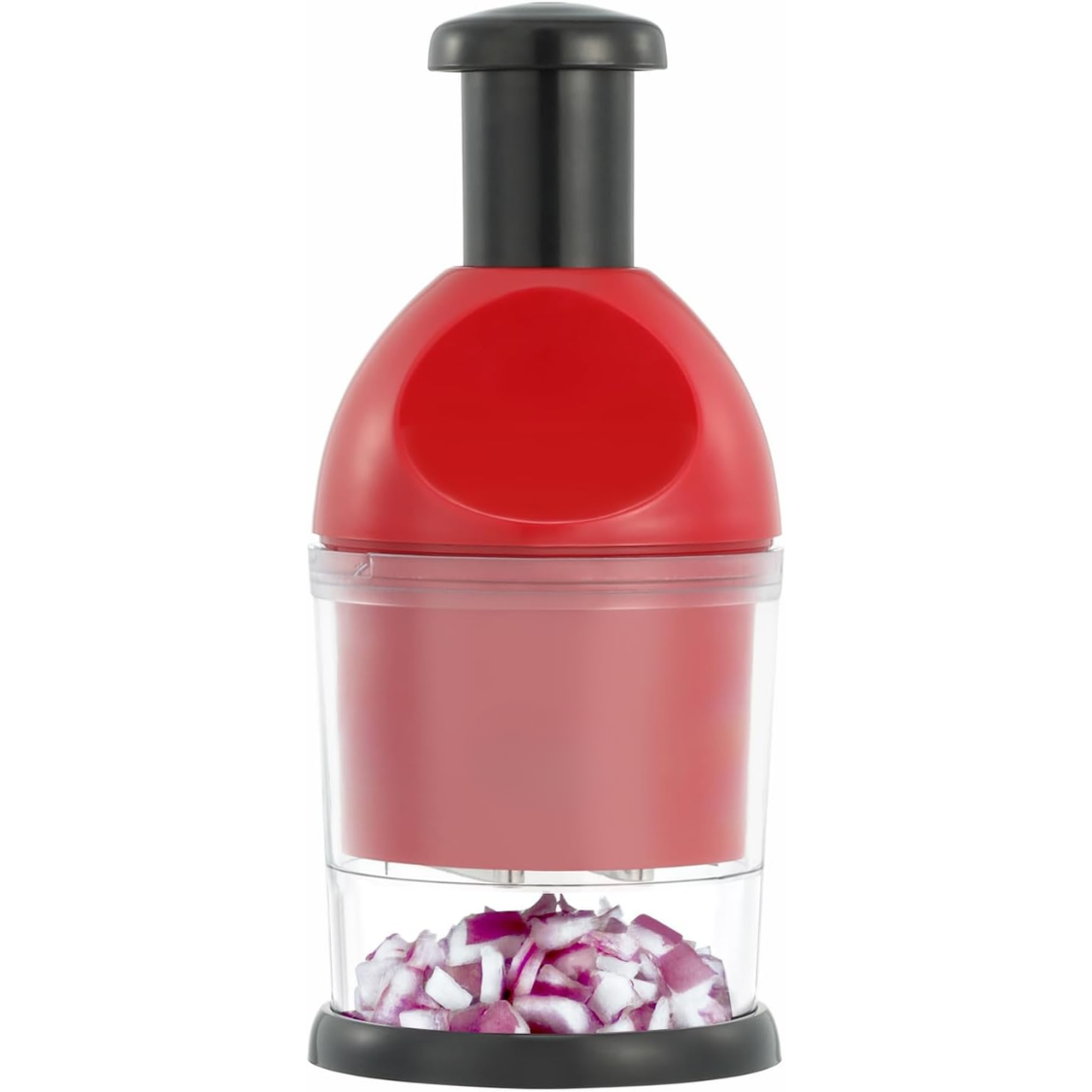 Manual Hand Food Chopper, Easy Clean Vegetable & Onion Cutter, Dishwasher Safe, Red$67.99View on Mallflare
 Food Chopper, Manual Hand Vegetable Easy Clean, Dishwasher Safe Slap Onion Cutter For Veggies, Garlic, Nuts & Salads$67.99View on Mallflare
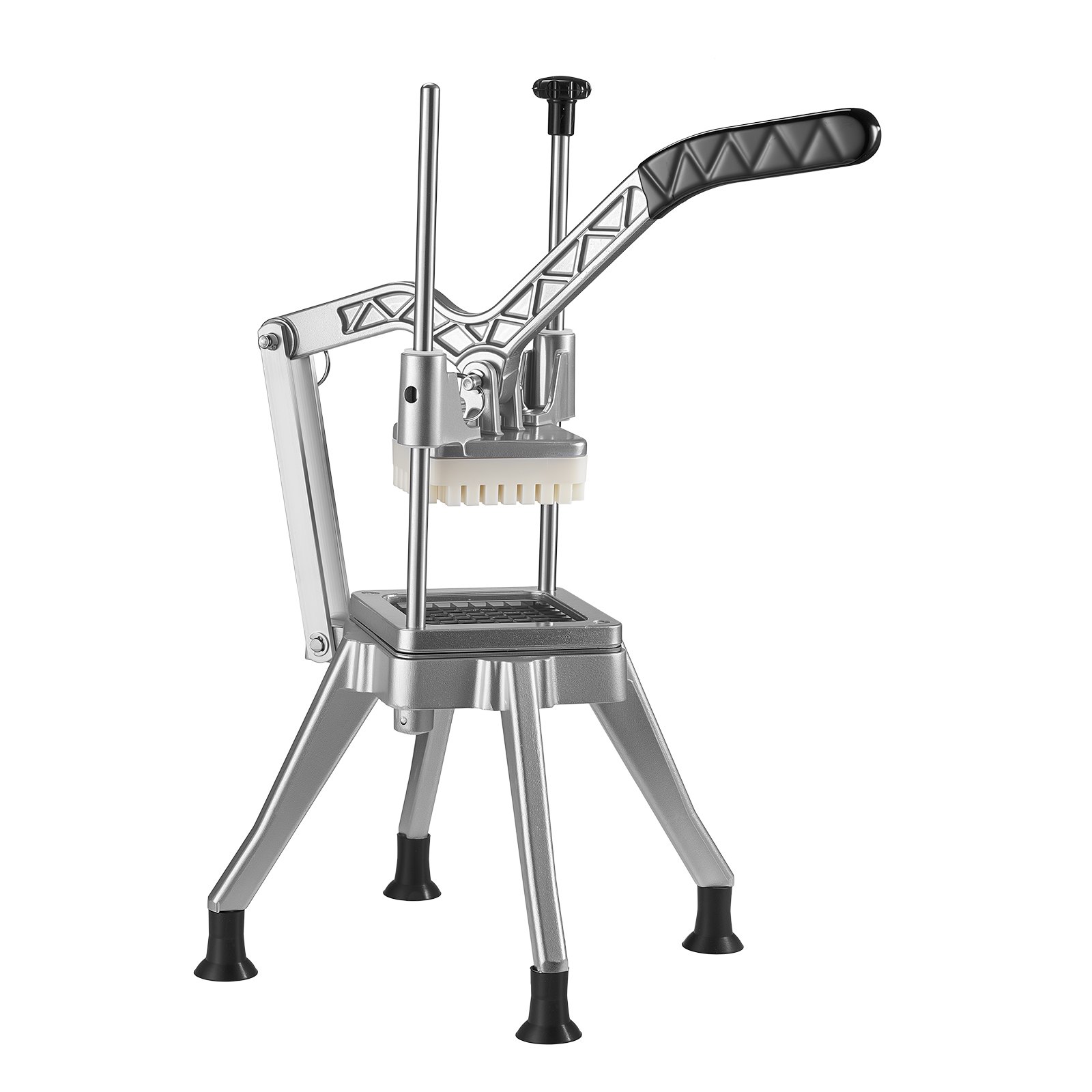 French Fry Cutter, Commercial Vegetable Chopper With 4 Blades (1/2", 3/8", 1/4" & 6-Wedge Corer), Lever Stainless Steel Potato Slicer For Home Thick, Regular & Thin Fries Cut, Onion, Fruit$72.99View on Mallflare
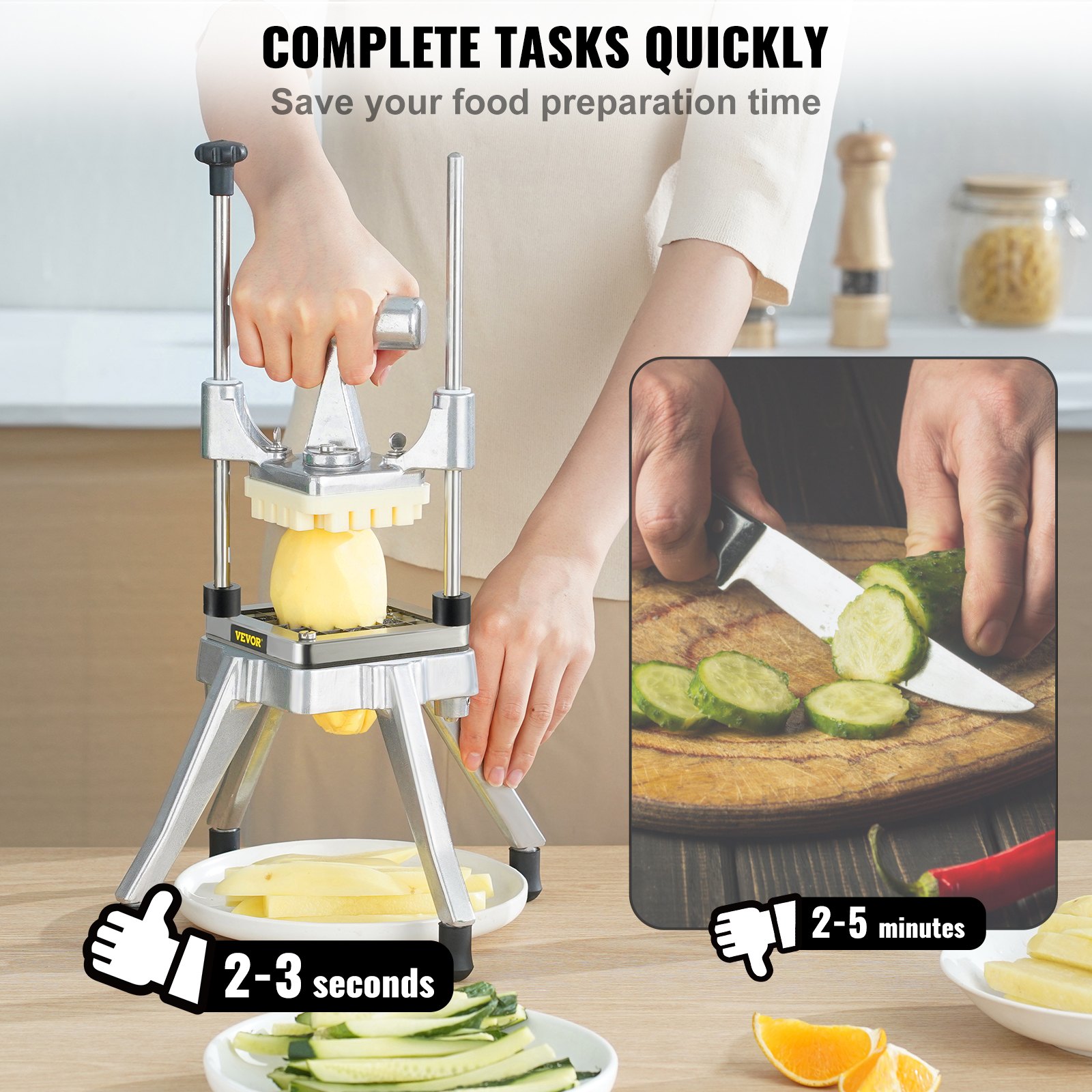 Commercial Vegetable Fruit Chopper, Stainless Steel French Fry Cutter With 4 Blades$88.99View on Mallflare
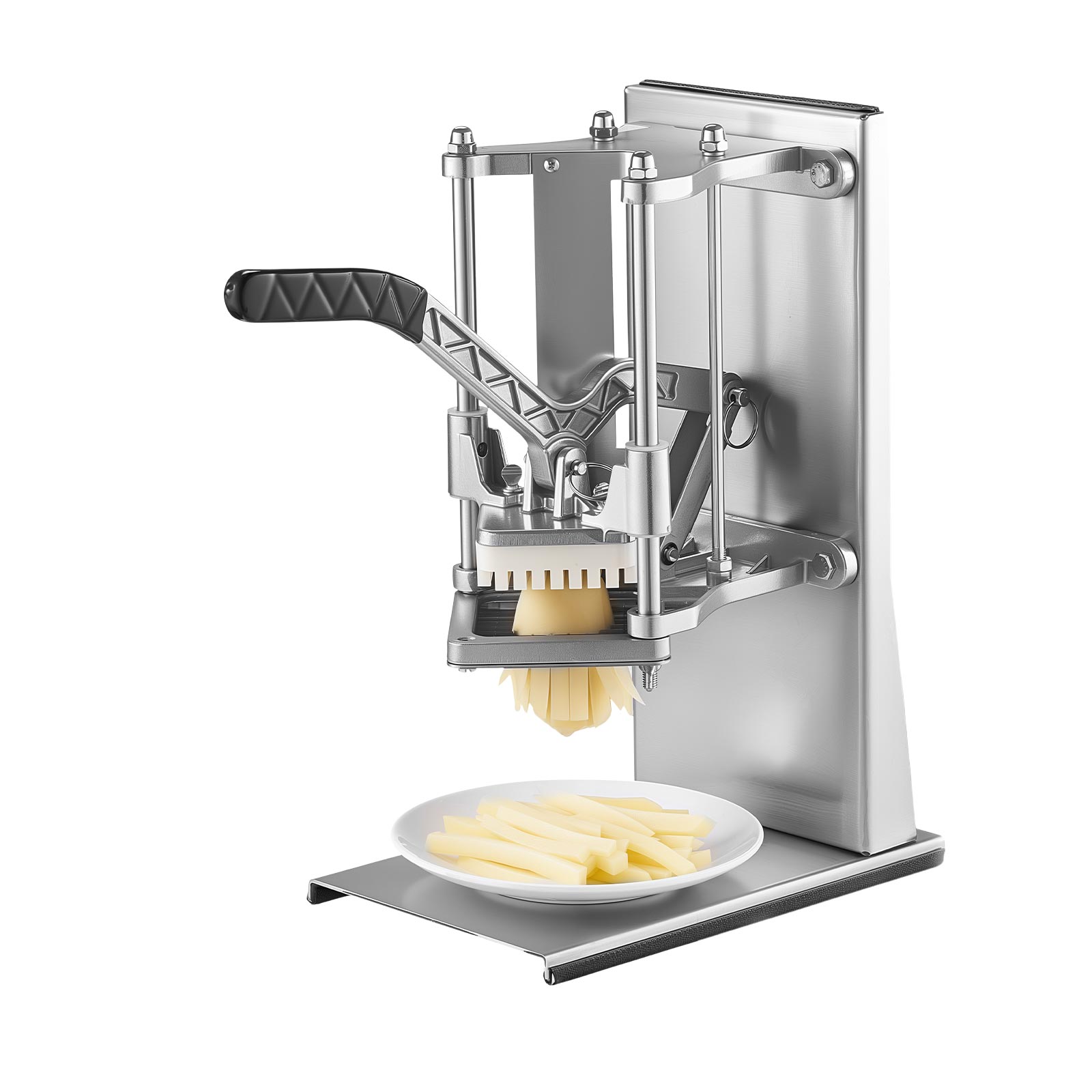 French Fry Cutter, Commercial Vegetable Chopper With 4 Blades - 1/4", 3/8", 6-Wedge Slicer & Apple Corer - Wall Mount Stainless Steel Potato For Home & Restaurant Use$101.99View on Mallflare
Highlights
- Blade steel grade separates durable from disposable: 420J2 stainless resists staining but dulls on dense carrots; 5Cr15MoV or 440C holds an edge through repeated root-vegetable cycles.
- Frame construction dictates lifespan: stamped riveted arms flex and crack at pivot points; welded steel or die-cast aluminum frames with through-bolted pivots survive commercial-volume chopping.
- Mechanism torque and gearing matter for electric models: direct-drive brushed motors stall on dense produce; gear-reduced or brushless DC motors maintain cutting force without overheating.
- Blade count and configuration affect output: single-blade press choppers excel at onion and pepper dicing; multi-blade grid inserts (1/4-inch to 1/2-inch) produce uniform cubes but require higher press force on firm produce.
Best use cases
- Best fit: daily home cooks chopping onions, peppers, and root vegetables—choose a manual press chopper with a welded steel frame and 5Cr15MoV blade grid; skip plastic-body models with riveted arms.
- Wrong fit: high-volume meal prep or small commercial kitchens—manual presses fatigue operators; step up to a gear-driven electric chopper with a brushless motor and metal drive coupling.
- Best fit: small kitchens with limited counter space—a compact manual chopper with a suction-lock base and nested blade storage; skip bulky electric models that demand dedicated counter footprint.
- Wrong fit: frozen or fibrous produce like ginger and tough squash—standard press choppers strain; select a model rated for dense produce with a reinforced pivot and full-tang blade, or pre-cut fibrous items.
Buying tips
- Match blade steel to produce density: 420J2 is adequate for soft vegetables; choose 5Cr15MoV or 440C for carrots, potatoes, and regular onion dicing to avoid rapid dulling.
- Verify frame construction details: look for welded steel or die-cast aluminum frames with through-bolted pivots; stamped riveted arms are the primary failure point under heavy loads.
- For electric models, confirm motor type and gearing: brushless DC motors with gear reduction deliver consistent torque on dense produce; direct-drive brushed motors stall and overheat.
- Check blade grid compatibility and replacement availability: standard 1/4-inch and 1/2-inch grids should be user-replaceable; proprietary or non-replaceable blade assemblies turn the chopper into a disposable item.
Specs
| Blade Steel | 420J2 vs 5Cr15MoV vs 440C |
|---|---|
| Frame Construction | Welded steel / die-cast vs stamped |
| Drive Type | Manual press vs brushless electric |
| Blade Grid Size | 1/4-inch vs 1/2-inch replaceable |
Related searches
What to check before buying
- Measure available counter or storage space: manual press choppers need 8–12 inches of vertical clearance for the lever arm; electric models require a dedicated footprint plus cord reach to an outlet.
- Confirm base stability for your countertop: suction-lock bases require a smooth, non-porous surface; textured or butcher-block counters need a model with a weighted non-slip base instead.
- Verify voltage and plug standard for electric choppers: North American models are 120V/60Hz with Type A/B plugs; confirm compatibility before ordering for other regions.
- Check blade and grid replacement parts availability: ensure the manufacturer or a standard third-party supplier offers replacement blade grids in your desired cut size before committing to a model.
FAQ
Data sources: eBay / Amazon listings and product attribute feeds. Updated Nov 27, 2026.
Some links on this page are affiliate links. If you buy after clicking one, we may earn a commission at no extra cost to you. This does not change which products appear here or their order. Affiliate disclosure.