
Photos from current listings. Actual item, color, and included accessories may vary.
Food Processor With Juicer Buying Guide
A food processor with juicer combines a wide-bowl chopping/shredding workbowl with a dedicated juice extraction path—either a citrus press cone or a centrifugal/fine-mesh basket—so one base motor drives both prep and juice tasks. The core trade-off is motor torque and bowl-seal durability versus seal-integrity compromises in combo units, since juicing loads are far wetter and more continuous than chopping. Decision rule: buy a combo only when the juicer is a secondary job (citrus or small batches of hard produce) and the processor is the primary tool; if juicing is the main task, a standalone centrifugal juicer plus a basic chopper outperforms any combo at the same build tier.
Median $377.39 · New & pre-owned listings
Key takeaways
- Combo architectures fall into two types: citrus-press combos (cone or lever arm over the feed tube) and basket/extractor combos (fine-mesh centrifugal or masticating basket inside or beside the workbowl).
- Motor class determines juicing viability: brushed universal motors in the 500–800 W range handle chopping and citrus but overheat on continuous centrifugal juicing; brushless or induction-drive bases above ~1000 W sustain extraction loads.
- Bowl and juice-container seals are the first failure point—look for double-lip silicone gaskets and bayonet-lock lids rather than press-fit lids, which weep pulp slurry under centrifugal pressure.
At a glance
- Category
- Food Processors & Choppers
- Last updated
- Nov 27, 2026
Current offers
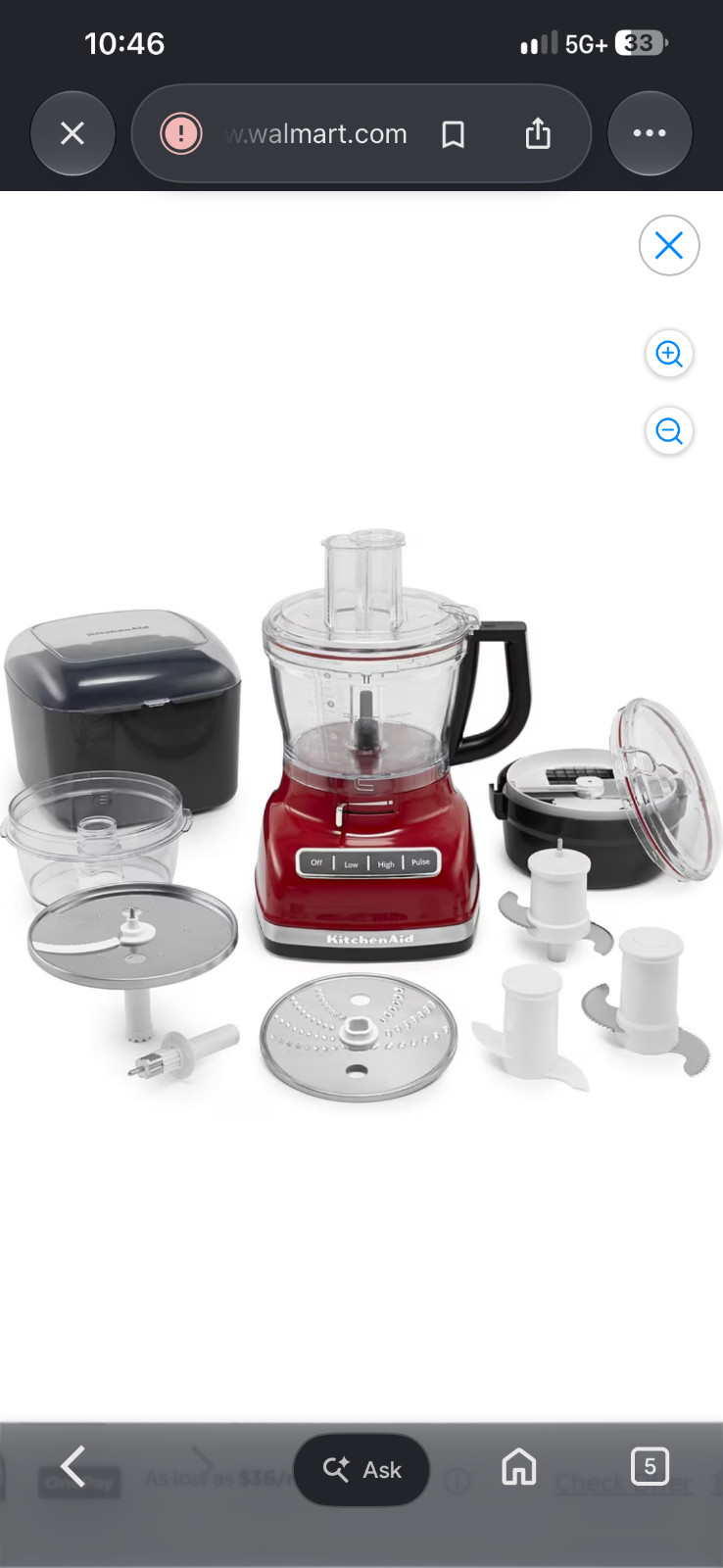 KitchenAid 14-Cup Food Processor with Dicing Kit Empire Red - New in Box$200.00New · Last checked Nov 26, 2026View on eBay
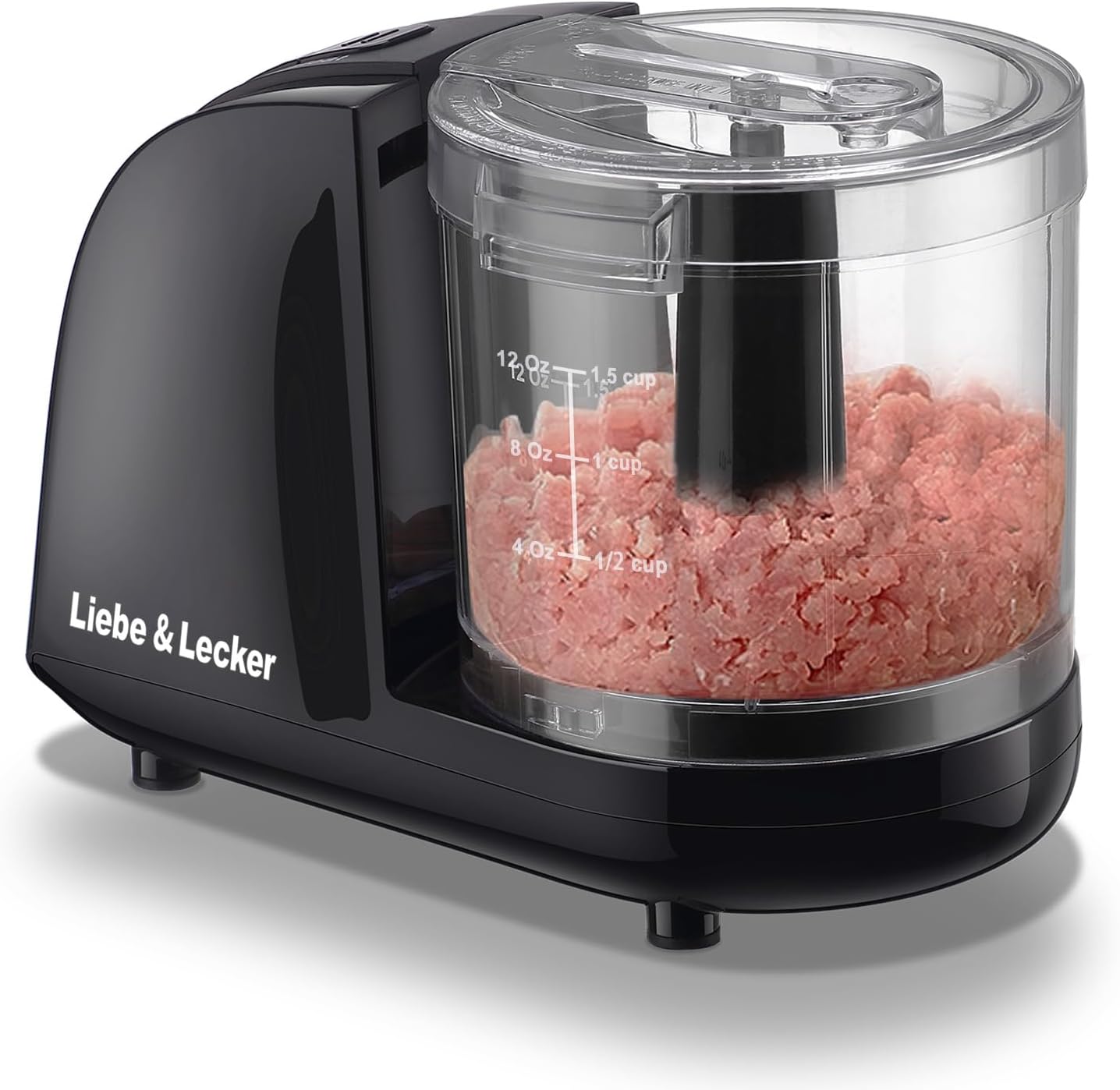 Mini Food Processor, 1.5 Cup Electric Chopper, Compact Prep Machine For Vegetables, Fruits, Garlic, Herbs & Nuts$70.99View on Mallflare
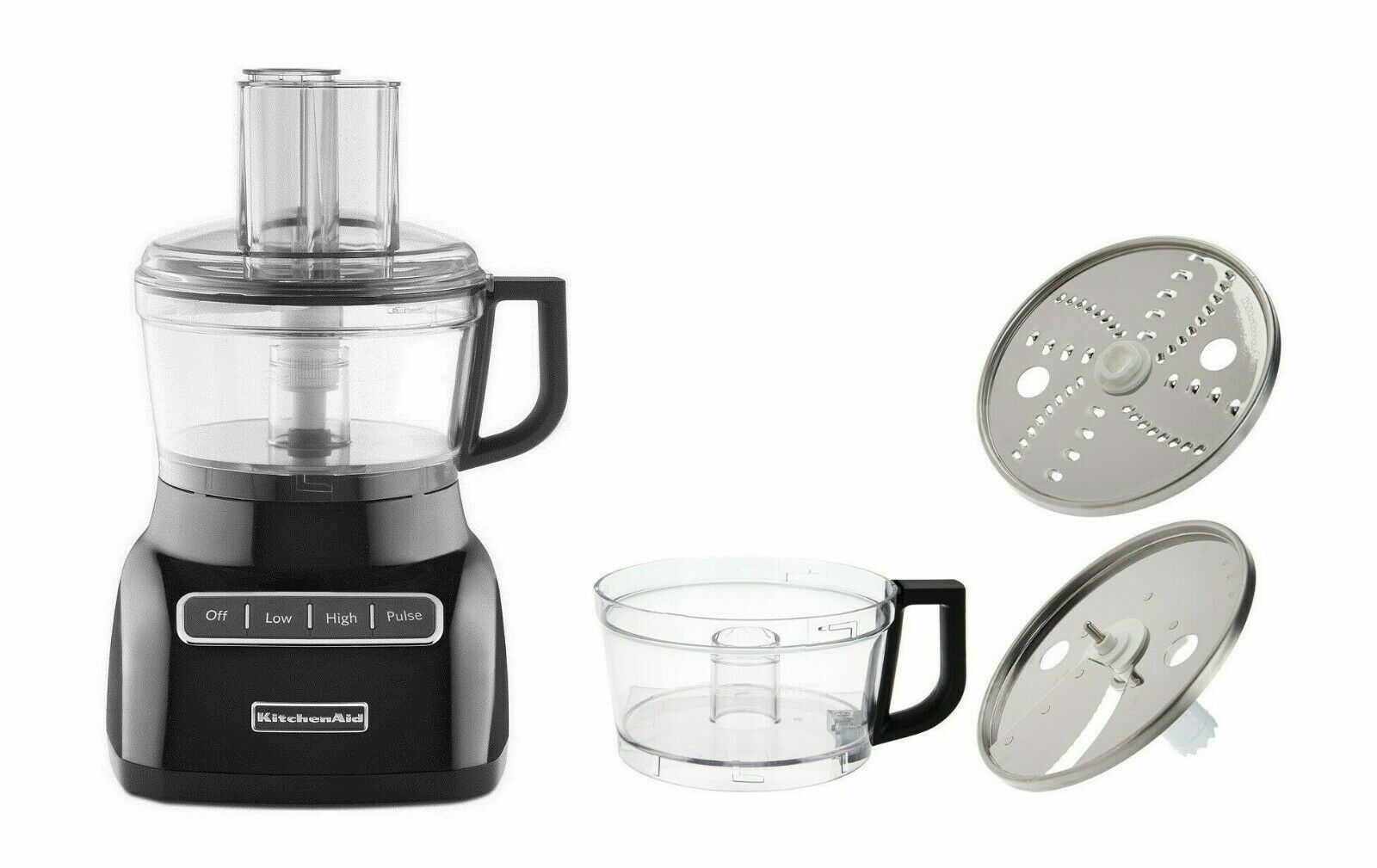 KitchenAid R-KFP0711 7Cup Food Processor w/ Exact Slice System Contour Silver$259.90Used · Last checked Nov 26, 2026View on eBay
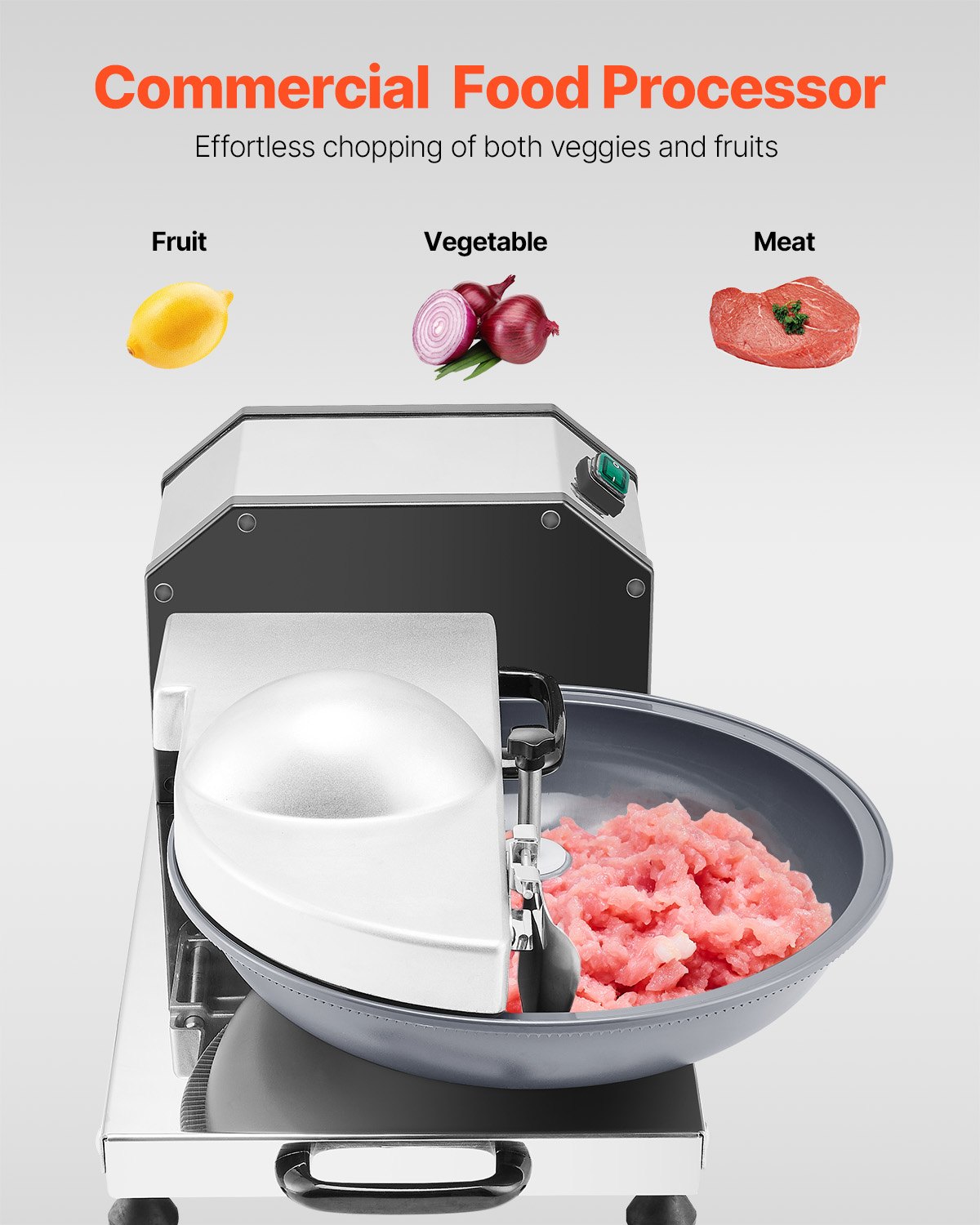 Food Processor Vegetable Chopper 3000RPM Food-Grade Stainless Steel Blender$468.99View on Mallflare
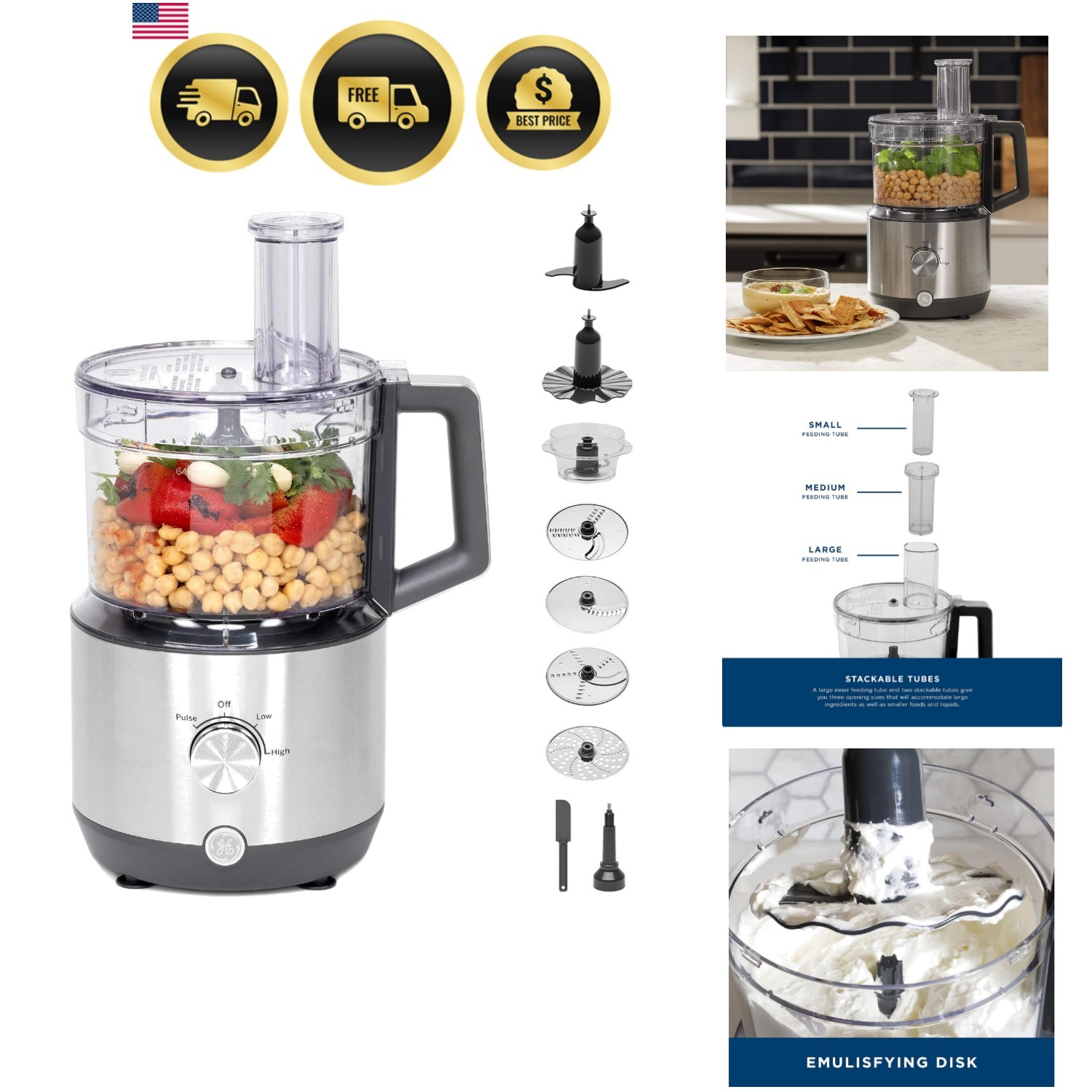 Food Processor, Lar 12-Cup Vetable Chopper for Shredding, Mincing, Dicing & K...$277.98New · Last checked Nov 26, 2026View on eBay
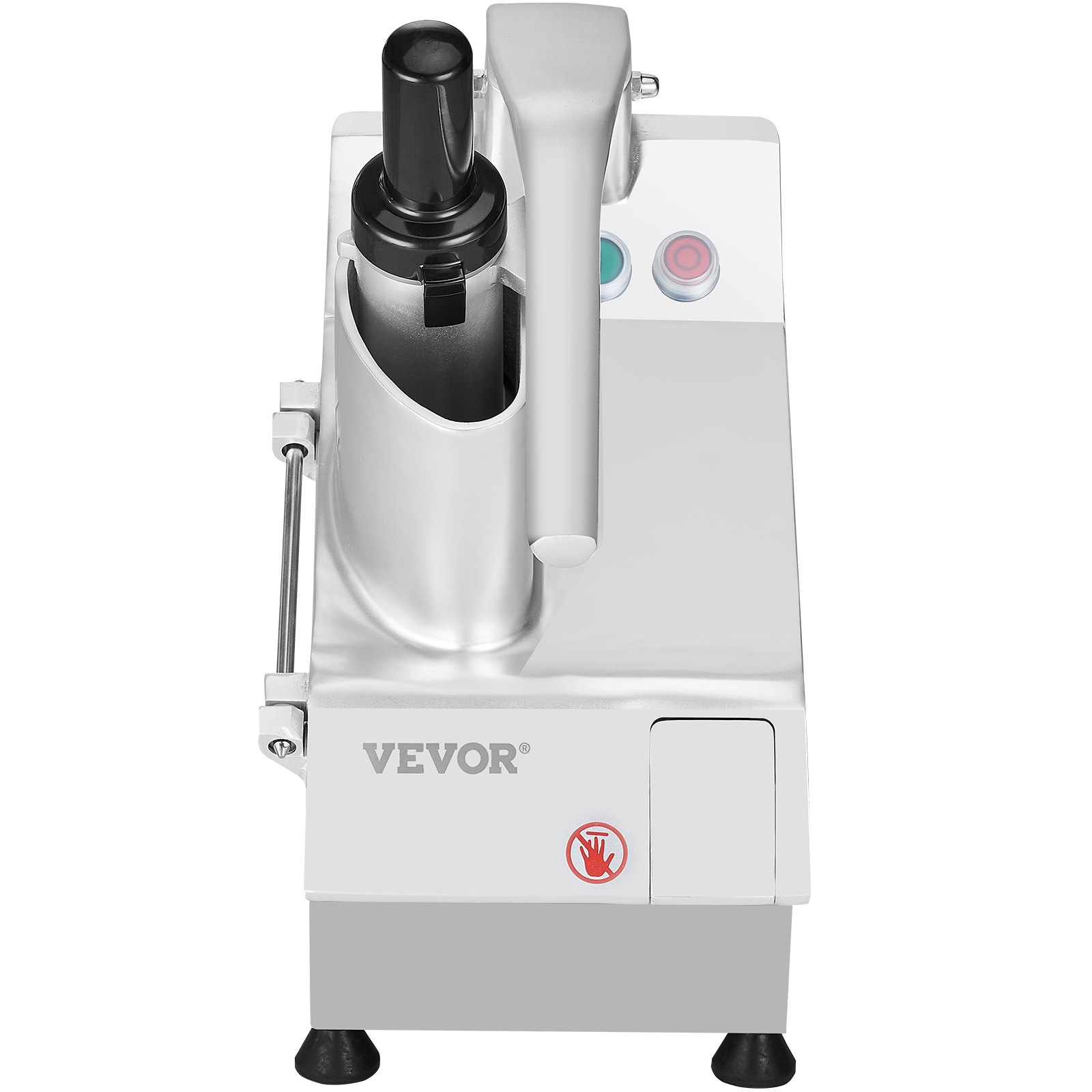 Food Processor Vegetable Chopper W/ 6 Blades Food-Grade Stainless Steel Blender$586.99View on Mallflare
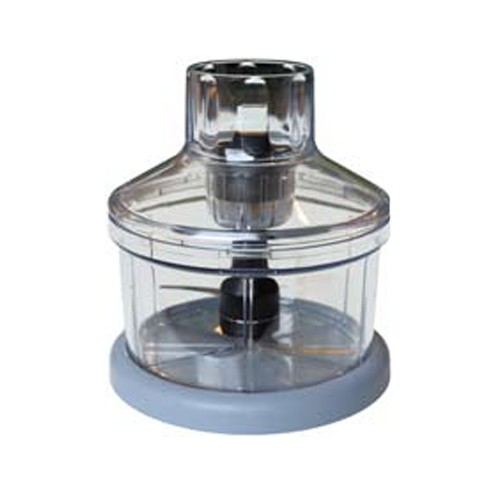 Dynamic AC518 .8 L Mini Pro Food Processor$319.50New · Last checked Nov 26, 2026View on eBay
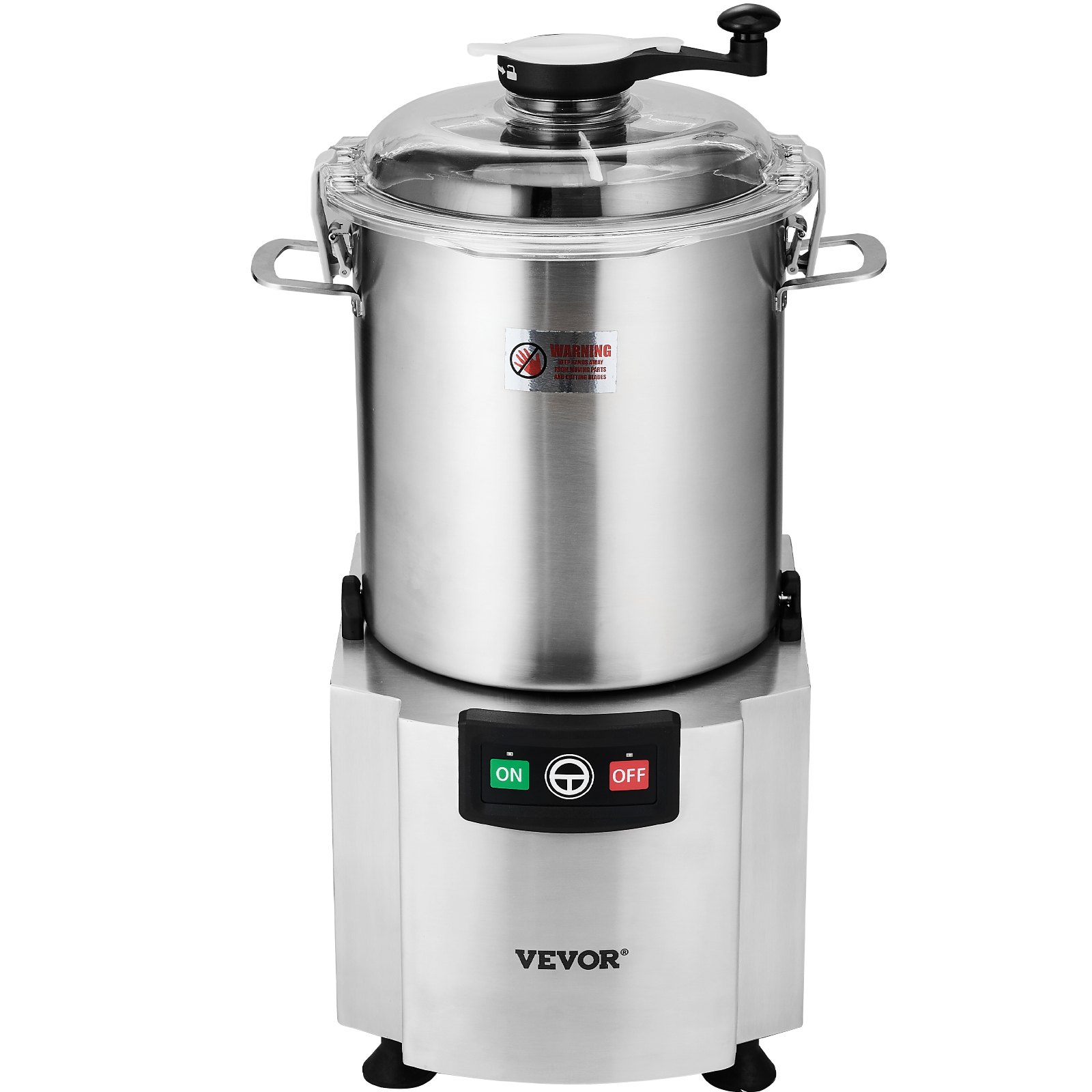 Food Processor Vegetable Chopper 19 Quart Food-Grade Stainless Steel Blender$796.99View on Mallflare
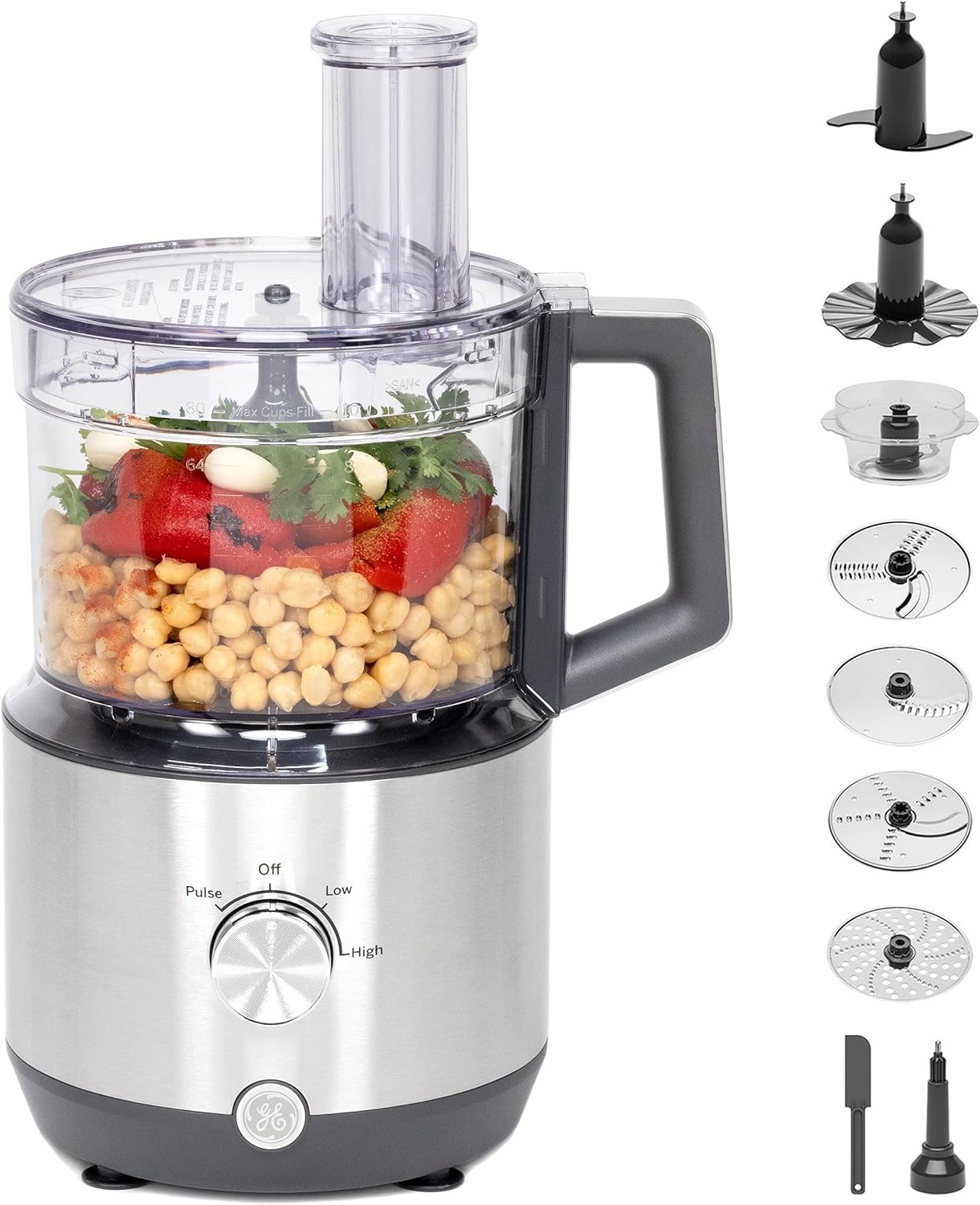 GE 12-Cup Food Processor Vegetable Chopper Dough Maker 550W with 9 Attachments$347.50New · Last checked Nov 26, 2026View on eBay
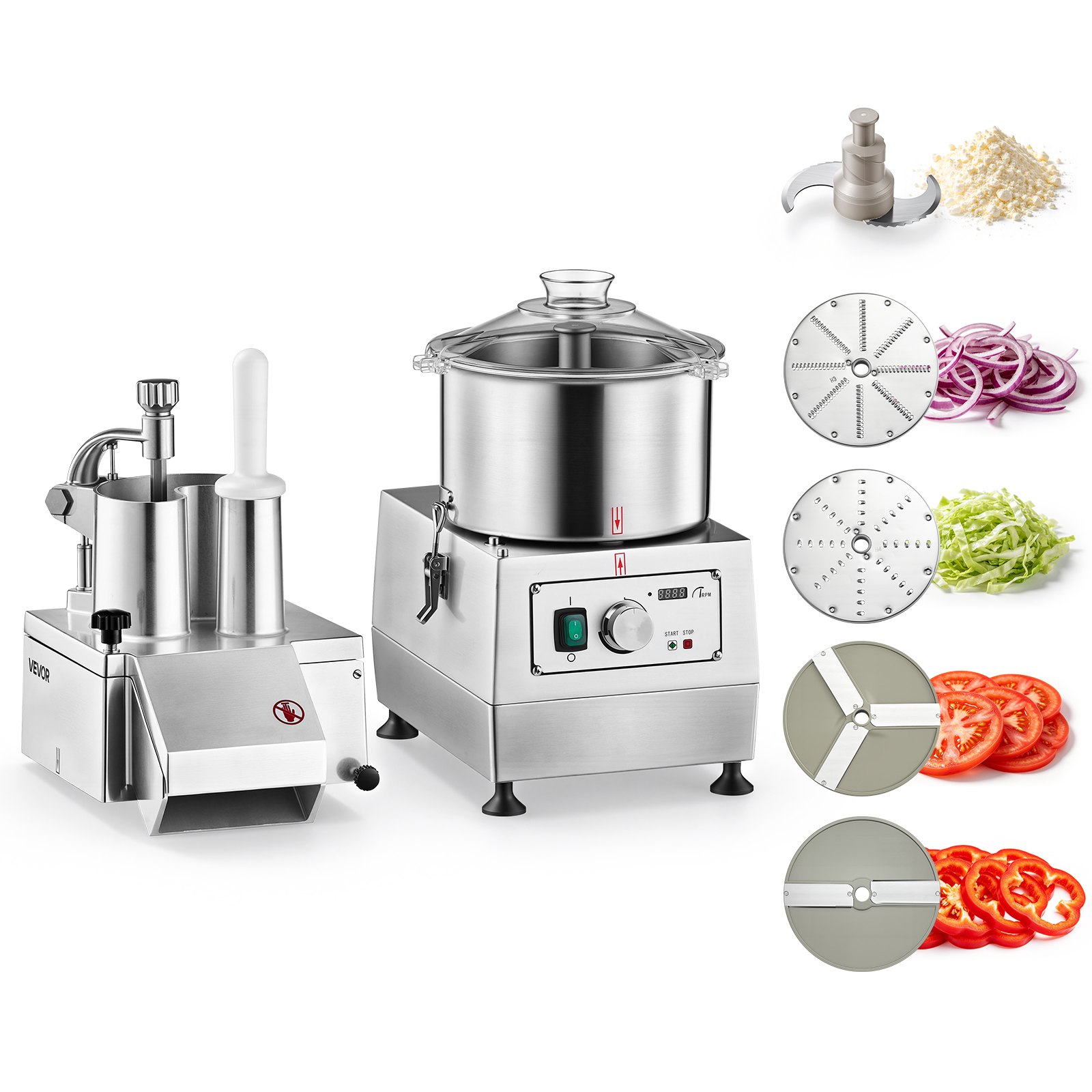 Continuous Feed Combination Food Processor 3.7 qt 3.5 L Capacity 750W, for Chopping Vegetables, 4 Discs, 3 mm/4 mm Shreds, 2 mm Slices, Veggie Slicer with Food-Grade Stainless Steel Bowl$972.99View on Mallflare
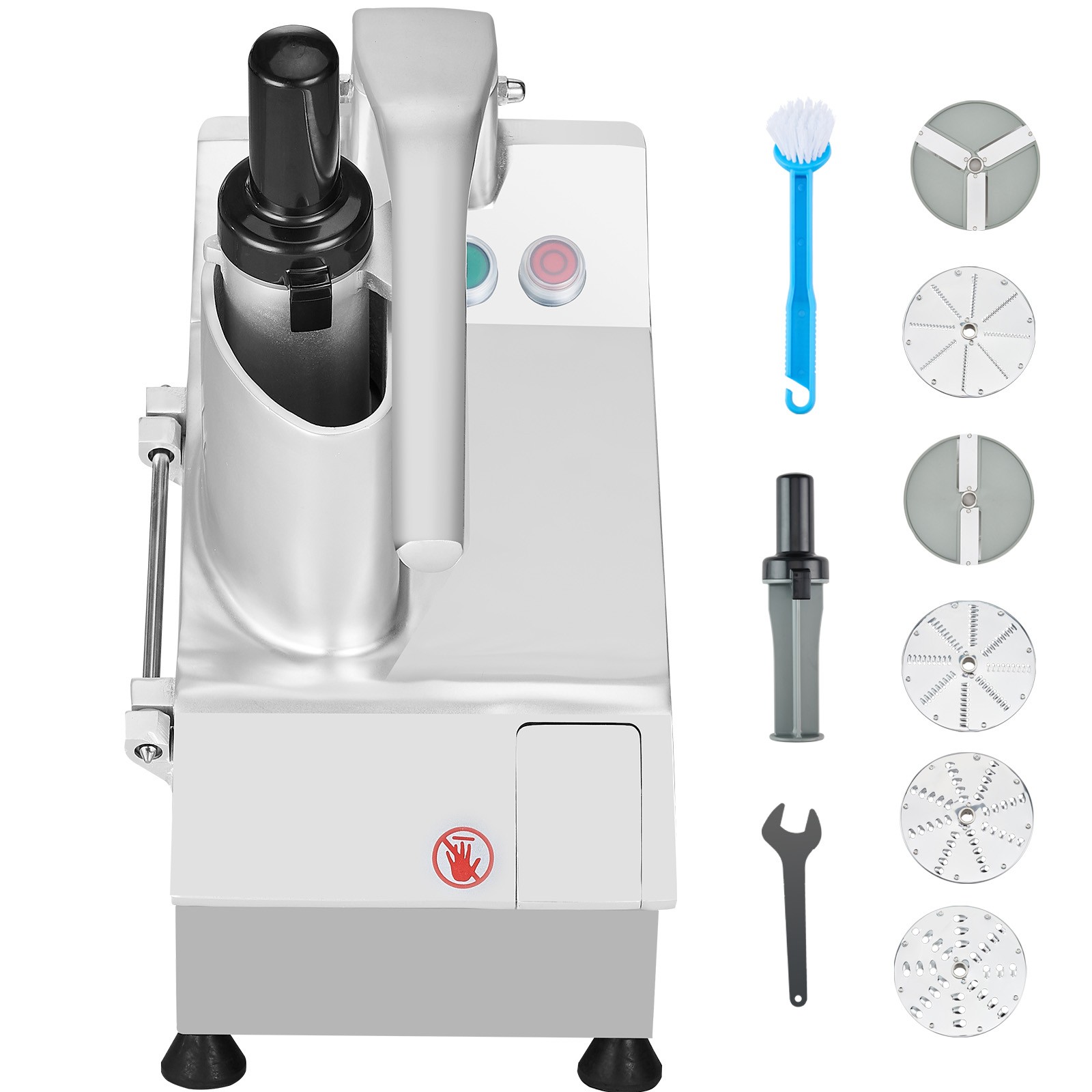 Uimoso Vegetable Chopper and Food Processor with 6 Stainless Steel Blades$375.59New · Last checked Nov 16, 2026View on eBay
- Food Processor Vegetable Chopper w/ 6 Blades Food-Grade Stainless Steel Blender$379.19New · Last checked Nov 16, 2026View on eBay
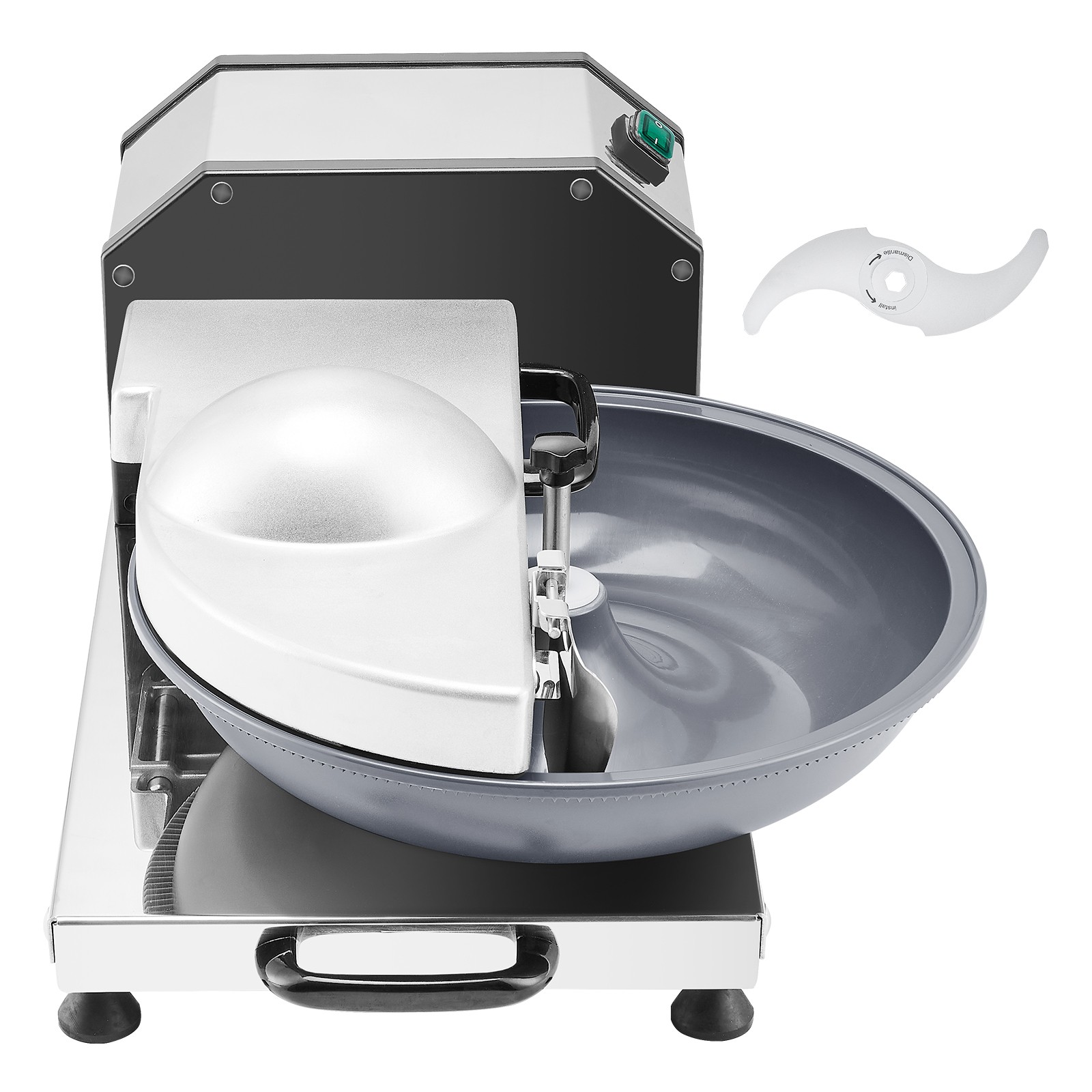 Food Processor Vegetable Chopper 3000RPM Food-Grade Stainless Steel Blender$379.90New · Last checked Nov 16, 2026View on eBay
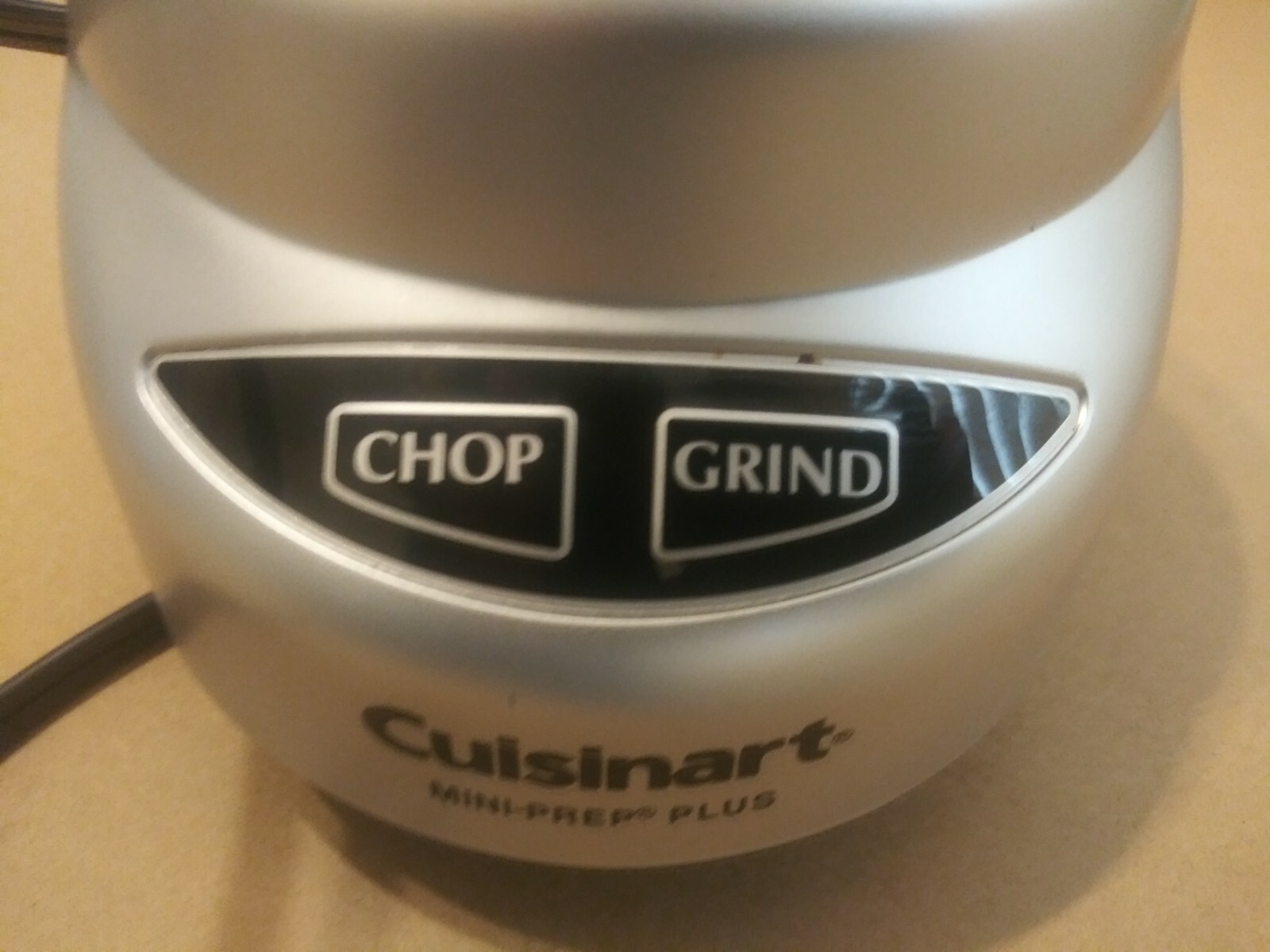 Cuisinart Mini Prep Plus Food Processor Chrome/Nickel MOTOR BASE Parts DLC-2A$2,007.99Used · Last checked Nov 26, 2026View on eBay
Highlights
- Combo architectures fall into two types: citrus-press combos (cone or lever arm over the feed tube) and basket/extractor combos (fine-mesh centrifugal or masticating basket inside or beside the workbowl).
- Motor class determines juicing viability: brushed universal motors in the 500–800 W range handle chopping and citrus but overheat on continuous centrifugal juicing; brushless or induction-drive bases above ~1000 W sustain extraction loads.
- Bowl and juice-container seals are the first failure point—look for double-lip silicone gaskets and bayonet-lock lids rather than press-fit lids, which weep pulp slurry under centrifugal pressure.
- Feed-tube diameter is the practical throughput spec: 3 in (75 mm) wide-mouth tubes accept whole apples and citrus; 1.5–2 in (38–50 mm) tubes force pre-cutting and negate the combo's speed advantage.
Best use cases
- Best fit: a household that chops, slices, and shreds weekly and wants occasional citrus juice—pick a citrus-press combo with a 3 in feed tube and at least 800 W; skip basket-extractor combos that add cost without continuous-duty support.
- Best fit: small-batch hard-produce juicing (carrots, beets, apples) alongside dough and puree work—choose a basket combo with a stainless fine-mesh screen and a motor rated for continuous extraction; skip if you juice more than a liter daily.
- Wrong fit: daily large-volume juicing of leafy greens or soft fruit—a standalone masticating juicer plus a separate chopper yields better yield and longer motor life than any combo; skip combo units for this workflow.
- Wrong fit: heavy dough mixing—combo bases prioritize juice-basket gearing and often lack the low-speed torque and dough-blade geometry of dedicated processors; choose a processor-first design with a dough mode instead.
Buying tips
- Match motor wattage to the juicing type: 500–700 W is adequate for citrus press combos and light chopping; 1000 W+ with continuous-duty rating is the threshold for centrifugal basket extraction.
- Check bowl capacity math: a 10–12 cup (2.4–2.8 L) workbowl suits 2–4 person households; juicing combos add a separate pulp/juice container, so confirm counter depth for two vessels.
- Prioritize stainless-steel fine-mesh screens over nylon or coated screens—stainless resists pulp abrasion and acidic juice staining, which degrade coated screens within a season of regular use.
- Verify blade and disc material: hardened stainless (e.g., 420-grade) blades hold an edge through ice and fibrous produce; stamped mild-steel blades dull and tear rather than cut, stressing the motor.
Specs
| Juicer Type | Citrus press vs centrifugal basket |
|---|---|
| Motor Power | 500-700 W chopping / 1000 W+ juicing |
| Workbowl Capacity | 10-12 cup (2.4-2.8 L) for 2-4 people |
| Feed Tube Diameter | 3 in (75 mm) wide-mouth vs 1.5-2 in |
Related searches
What to check before buying
- Measure counter depth and height clearance for the base plus juice container and pulp bin—combo units run deeper than a processor alone, and lid hinges need vertical clearance.
- Confirm your electrical standard: North American 120 V/60 Hz versus European 220–240 V/50 Hz—combo motors are voltage-specific and warranty-voided across regions without a transformer.
- Check feed-tube diameter against your typical produce: 3 in (75 mm) for whole apples and citrus; anything smaller means pre-cutting every item.
- Verify companion parts availability at purchase: replacement juice screens, pulp containers, and lid gaskets are the wear items, and combo units with unique screen geometry are hard to source later.
FAQ
Data sources: eBay / Amazon listings and product attribute feeds. Updated Nov 27, 2026.
Some links on this page are affiliate links. If you buy after clicking one, we may earn a commission at no extra cost to you. This does not change which products appear here or their order. Affiliate disclosure.