
Photos from current listings. Actual item, color, and included accessories may vary.
Heavy Duty Food Processor Buying Guide
Heavy-duty food processors are built around continuous-duty motors, metal gearing, and heat-managed housings that survive dense doughs, hard cheeses, and daily use without stalling or cracking. The core trade-off is motor architecture and gear-train material: induction or brushless DC motors with all-metal drives cost more but deliver torque for minutes, not seconds, while brushed motors with plastic gearboxes are light-use compromises. The decision rule is simple: for stiff dough or constant chopping, buy a processor rated for continuous duty with a metal drive coupling and overload protection; for light chopping, any standard unit is sufficient.
Median $377.39 · New & pre-owned listings
Key takeaways
- Induction motors run quieter and tolerate longer continuous loads than universal brushed motors, which rely on airflow and thermal cutouts during heavy use.
- All-metal or metal-reinforced gear trains and drive couplings survive dough and hard-food torque; nylon or plastic gears strip under repeated heavy loads.
- Overload and thermal protection circuits are the durability marker: they prevent motor burnout but should reset automatically rather than requiring a fuse replacement.
At a glance
- Category
- Food Processors & Choppers
- Last updated
- Nov 27, 2026
Current offers
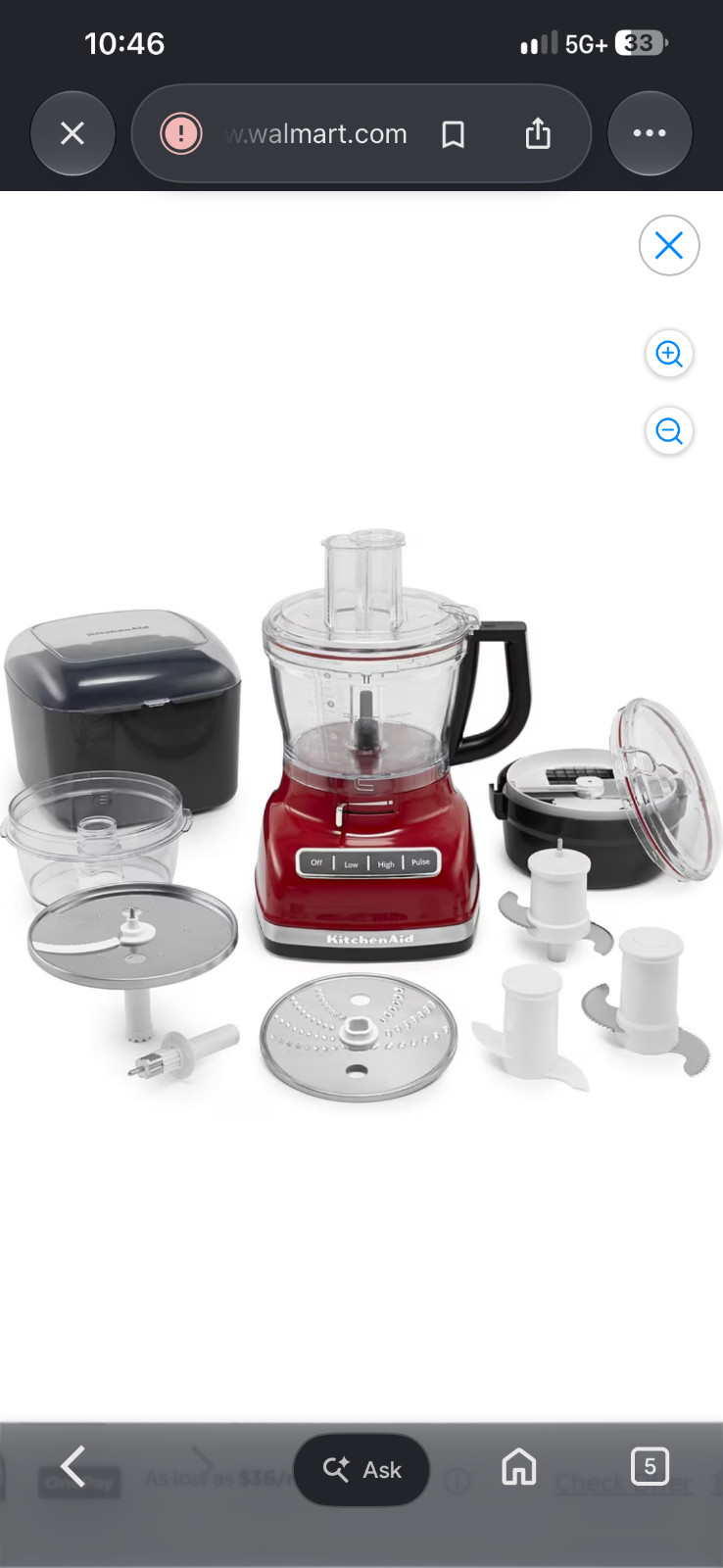 KitchenAid 14-Cup Food Processor with Dicing Kit Empire Red - New in Box$200.00New · Last checked Nov 26, 2026View on eBay
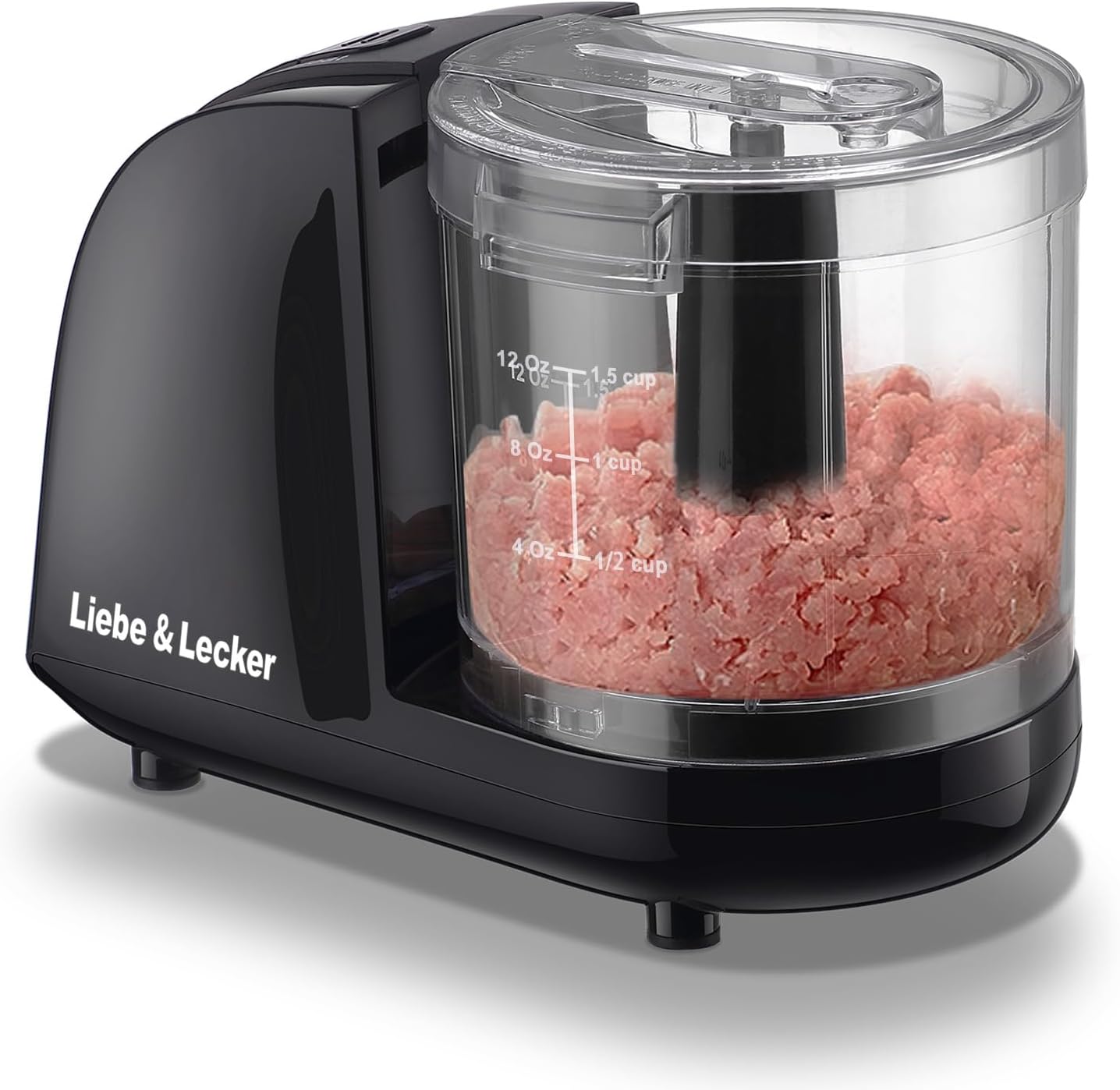 Mini Food Processor, 1.5 Cup Electric Chopper, Compact Prep Machine For Vegetables, Fruits, Garlic, Herbs & Nuts$70.99View on Mallflare
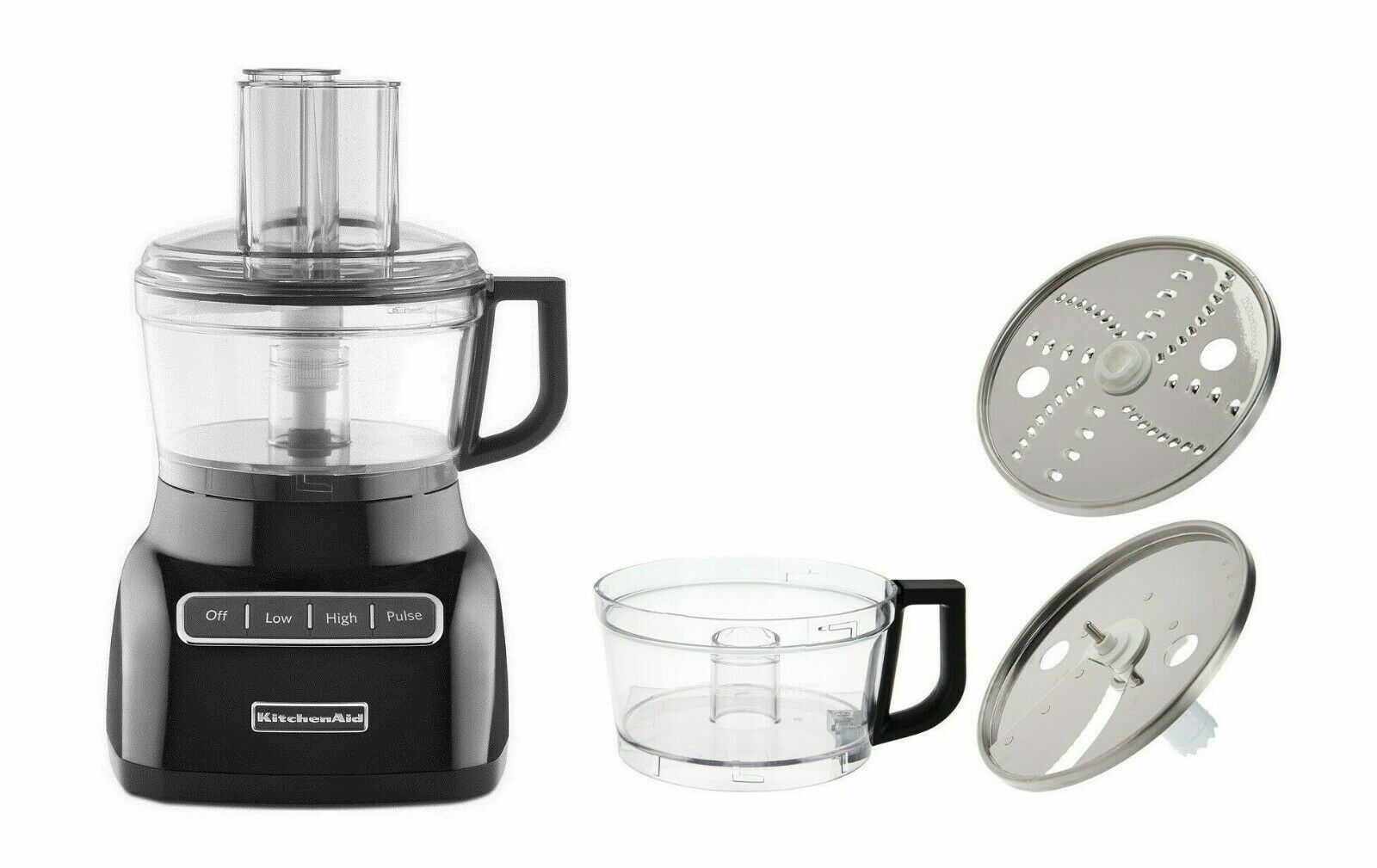 KitchenAid R-KFP0711 7Cup Food Processor w/ Exact Slice System Contour Silver$259.90Used · Last checked Nov 26, 2026View on eBay
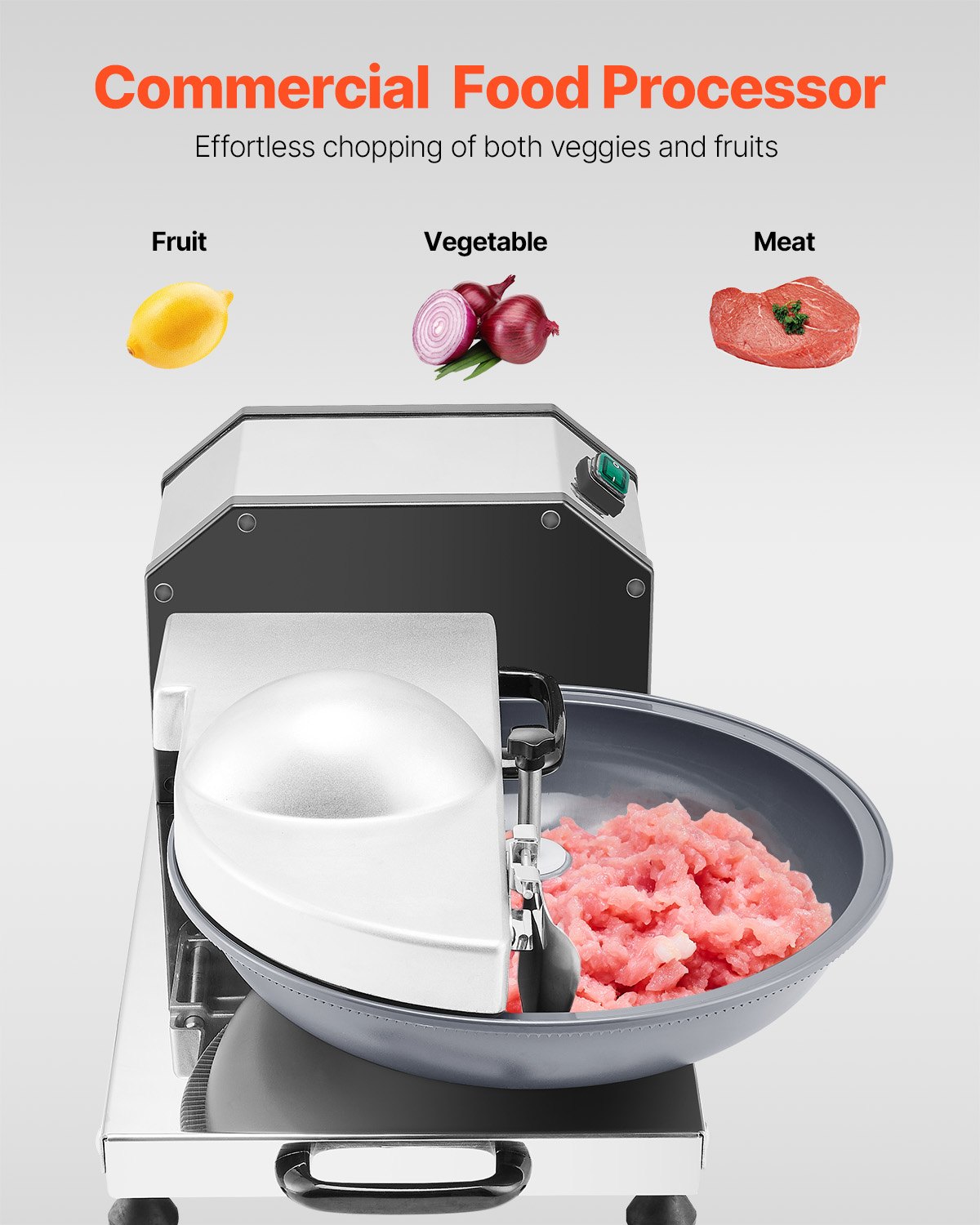 Food Processor Vegetable Chopper 3000RPM Food-Grade Stainless Steel Blender$468.99View on Mallflare
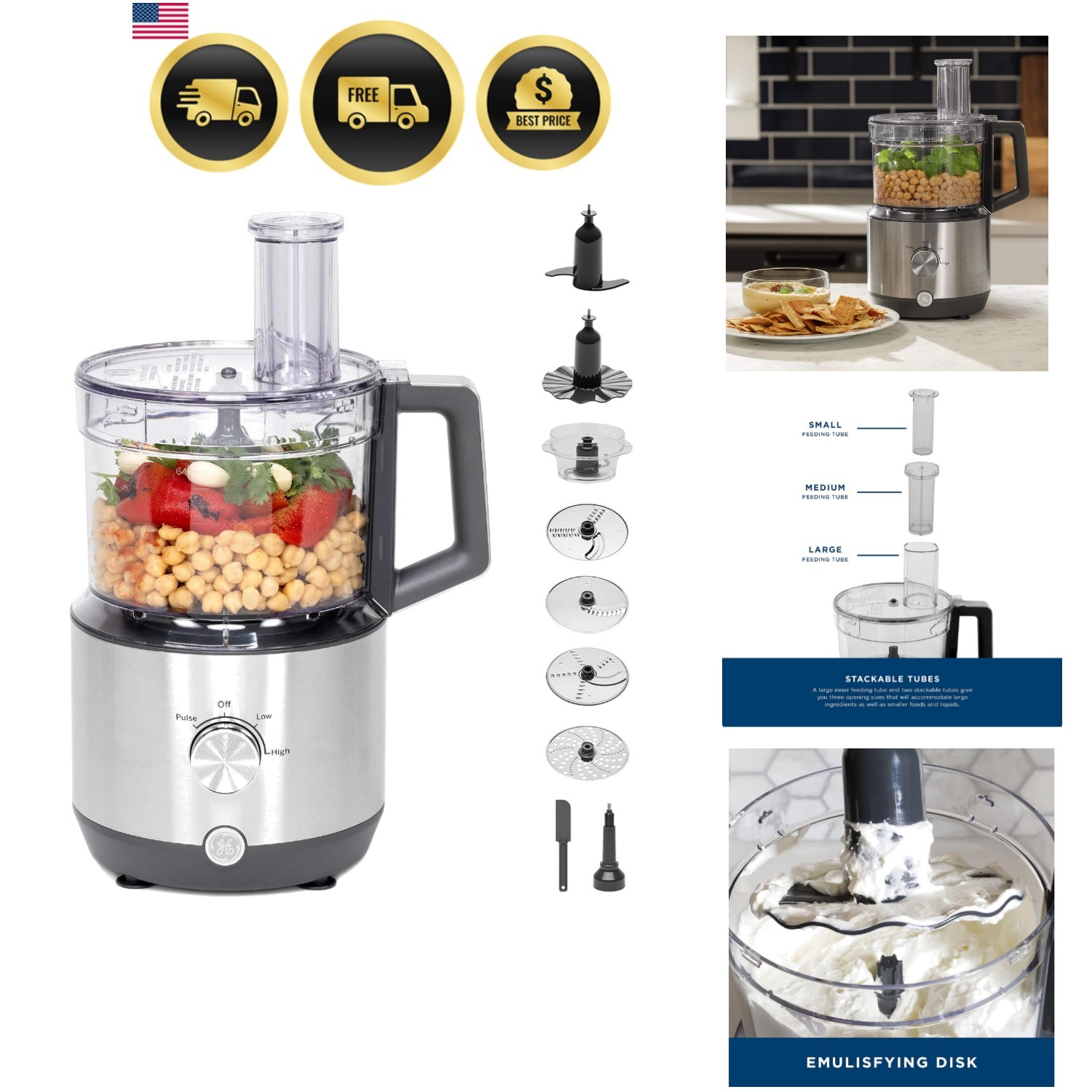 Food Processor, Lar 12-Cup Vetable Chopper for Shredding, Mincing, Dicing & K...$277.98New · Last checked Nov 26, 2026View on eBay
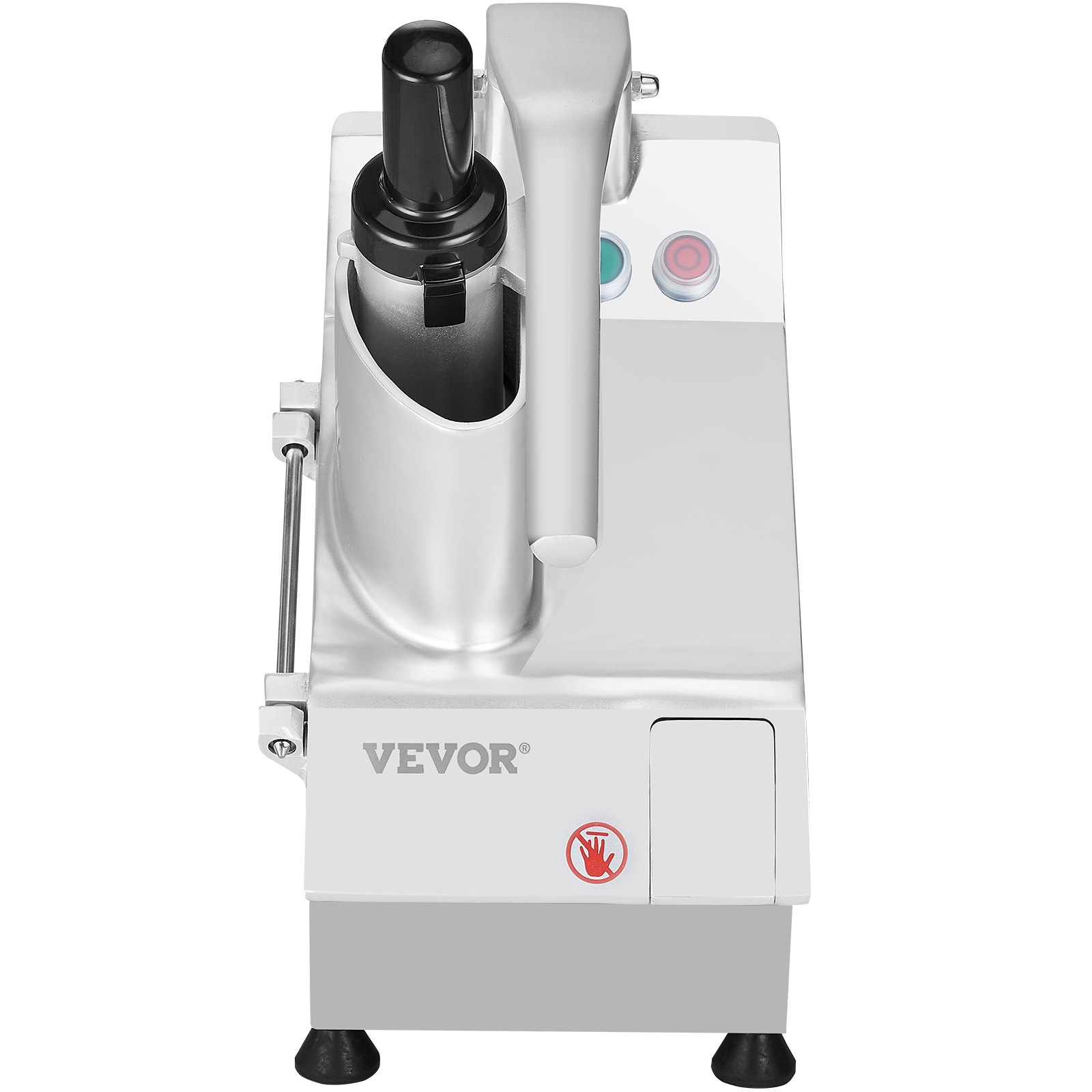 Food Processor Vegetable Chopper W/ 6 Blades Food-Grade Stainless Steel Blender$586.99View on Mallflare
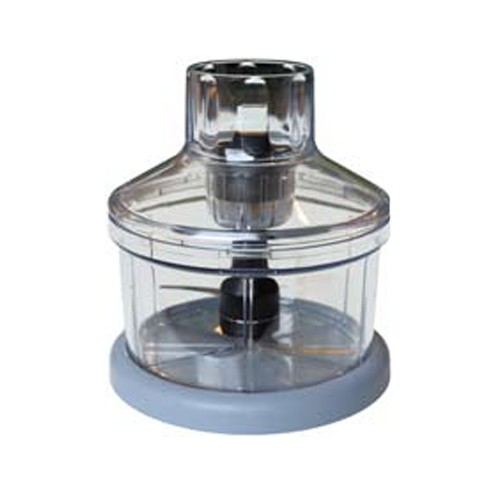 Dynamic AC518 .8 L Mini Pro Food Processor$319.50New · Last checked Nov 26, 2026View on eBay
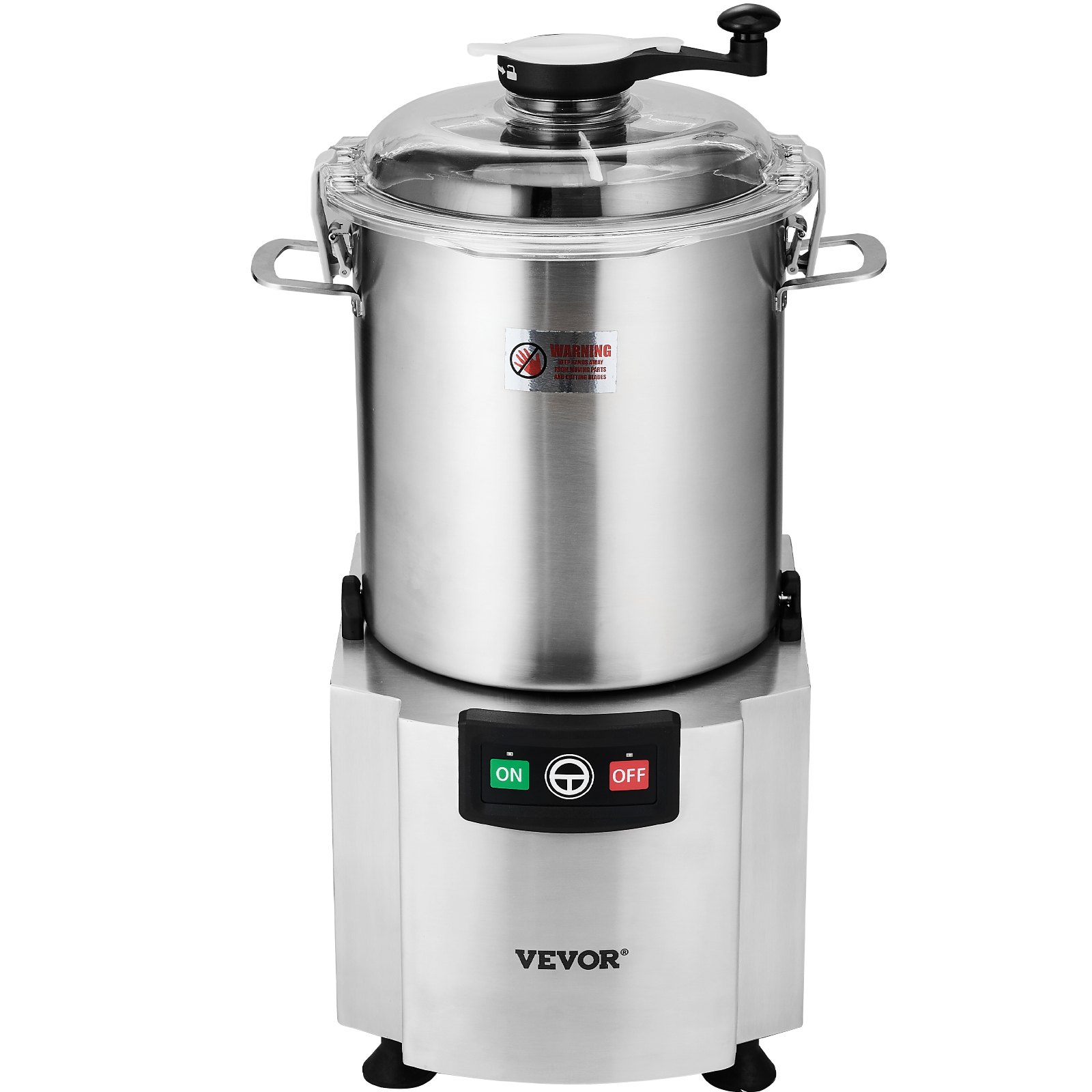 Food Processor Vegetable Chopper 19 Quart Food-Grade Stainless Steel Blender$796.99View on Mallflare
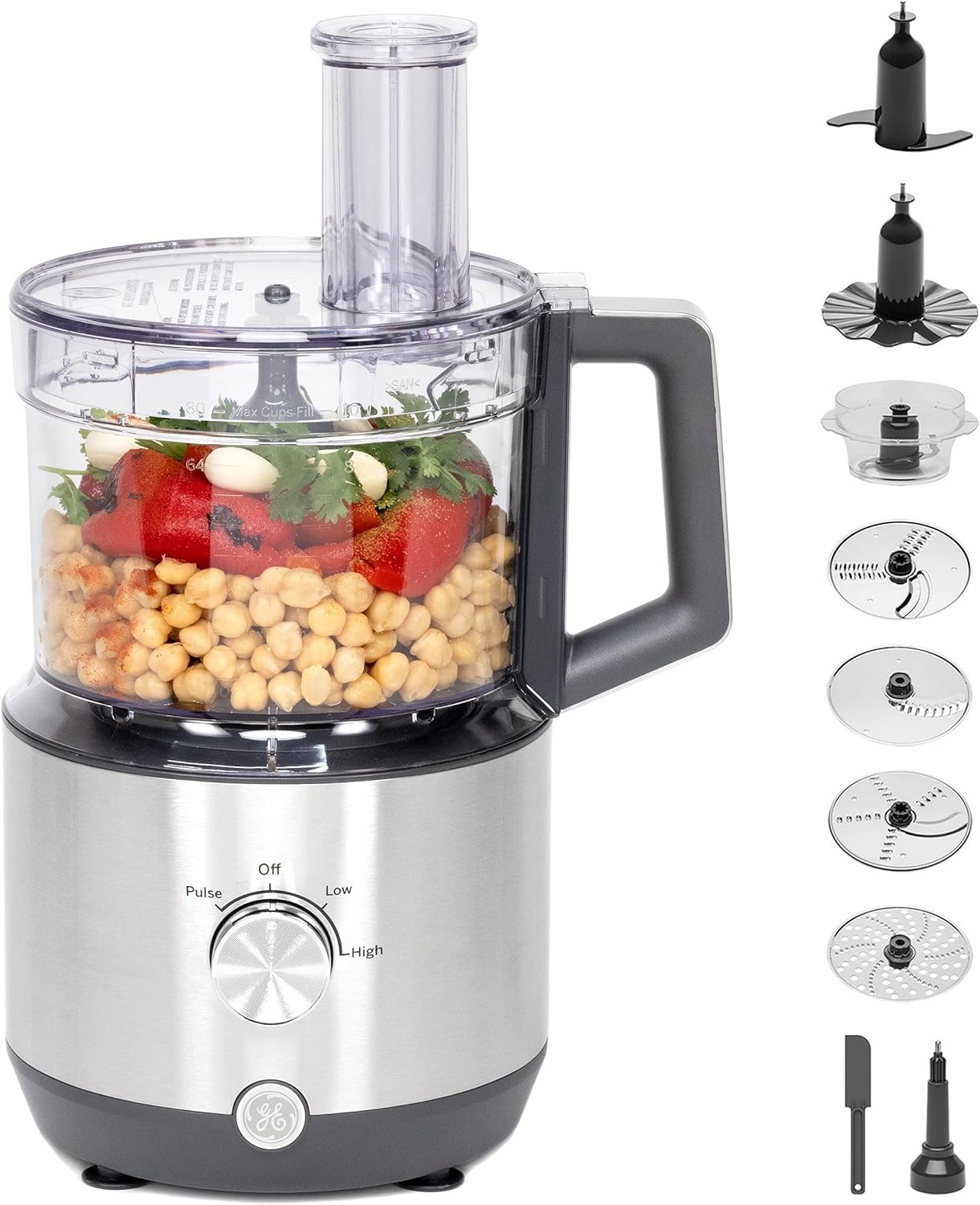 GE 12-Cup Food Processor Vegetable Chopper Dough Maker 550W with 9 Attachments$347.50New · Last checked Nov 26, 2026View on eBay
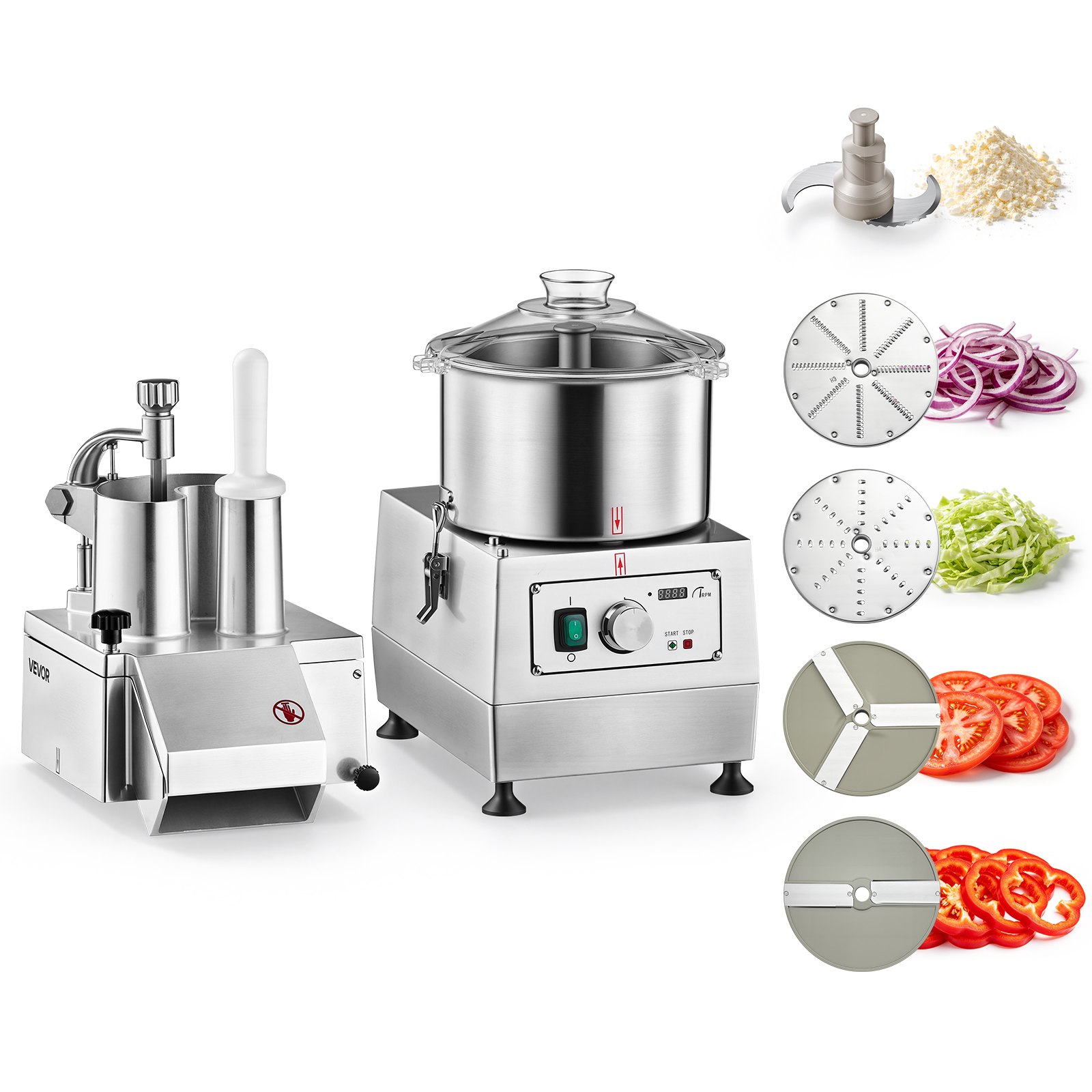 Continuous Feed Combination Food Processor 3.7 qt 3.5 L Capacity 750W, for Chopping Vegetables, 4 Discs, 3 mm/4 mm Shreds, 2 mm Slices, Veggie Slicer with Food-Grade Stainless Steel Bowl$972.99View on Mallflare
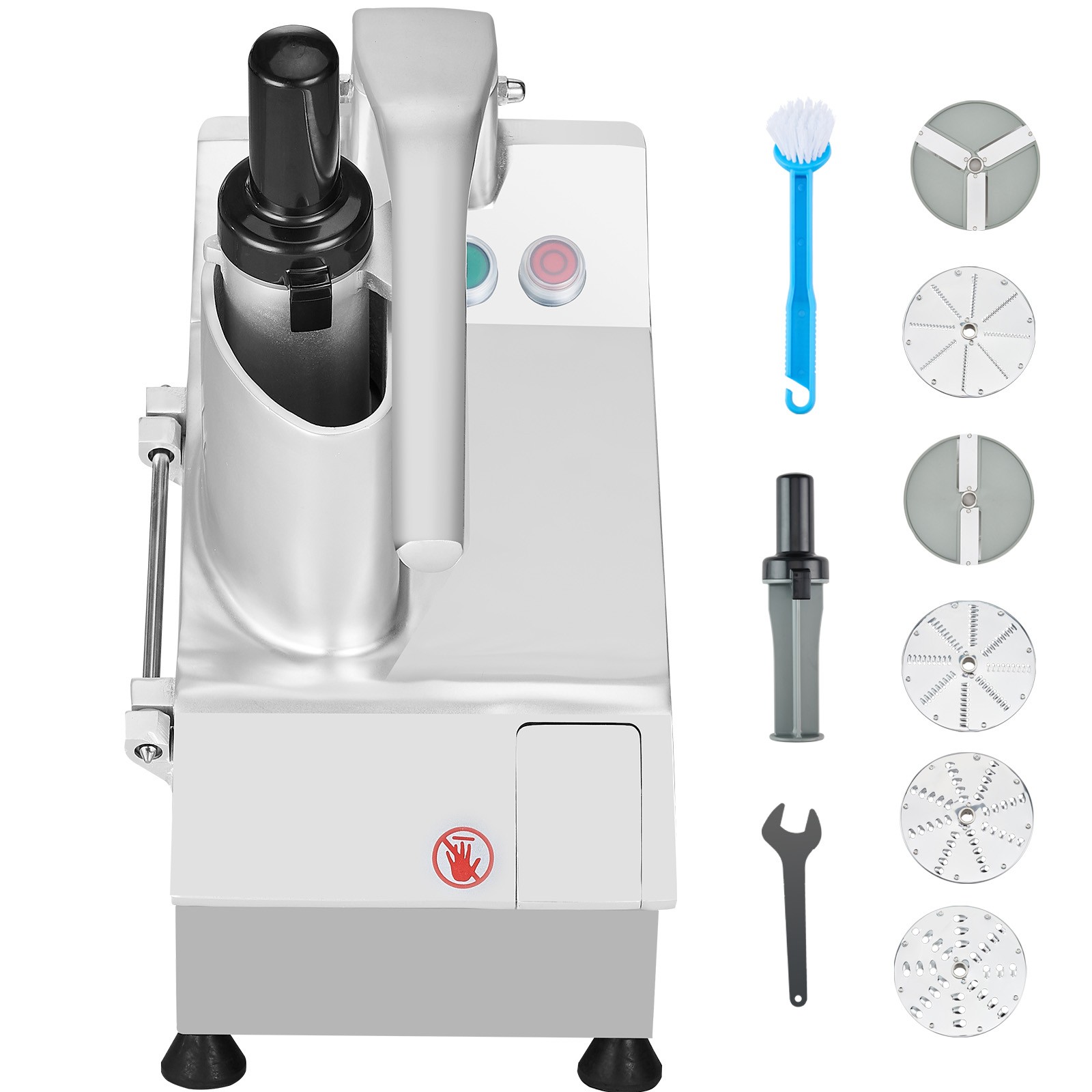 Uimoso Vegetable Chopper and Food Processor with 6 Stainless Steel Blades$375.59New · Last checked Nov 16, 2026View on eBay
- Food Processor Vegetable Chopper w/ 6 Blades Food-Grade Stainless Steel Blender$379.19New · Last checked Nov 16, 2026View on eBay
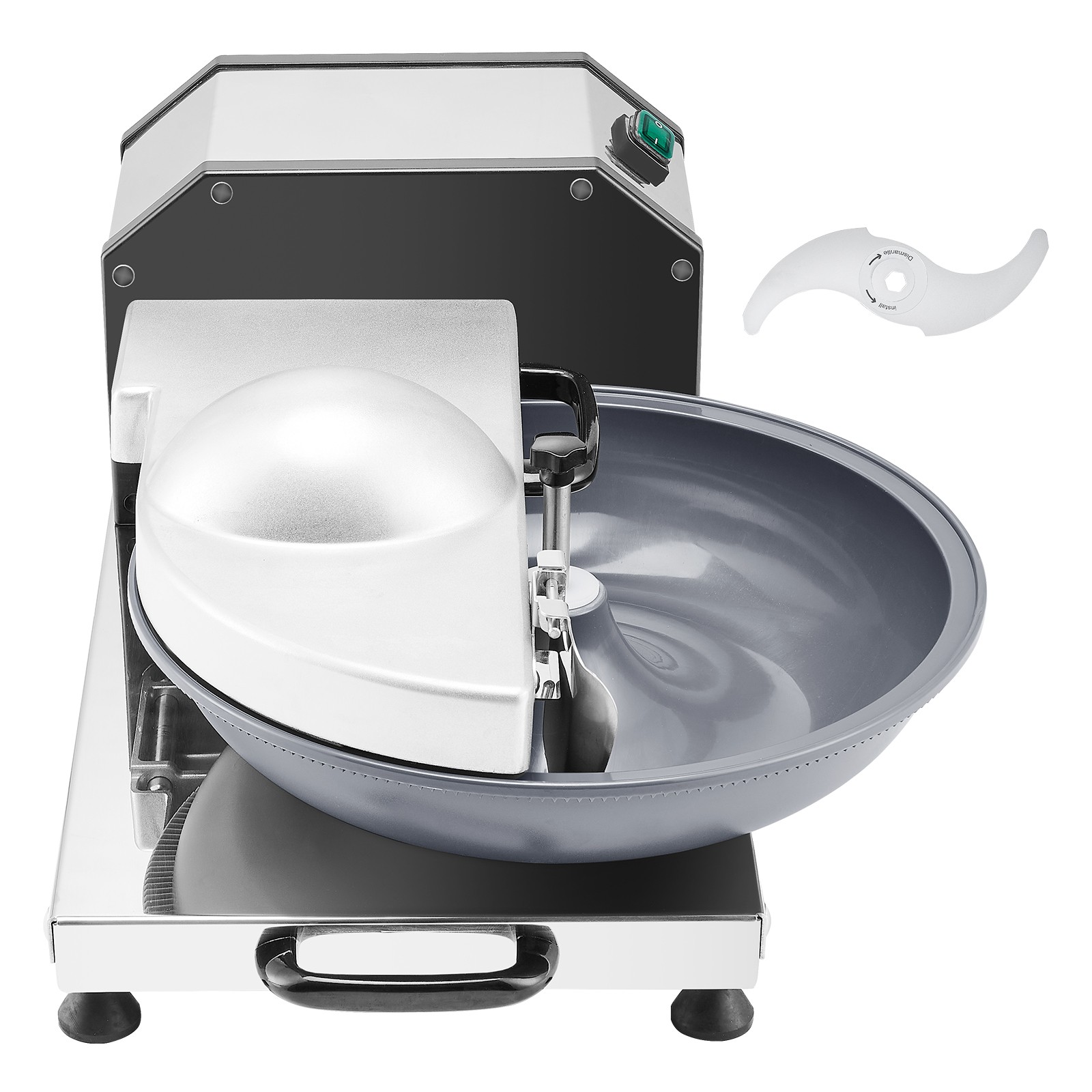 Food Processor Vegetable Chopper 3000RPM Food-Grade Stainless Steel Blender$379.90New · Last checked Nov 16, 2026View on eBay
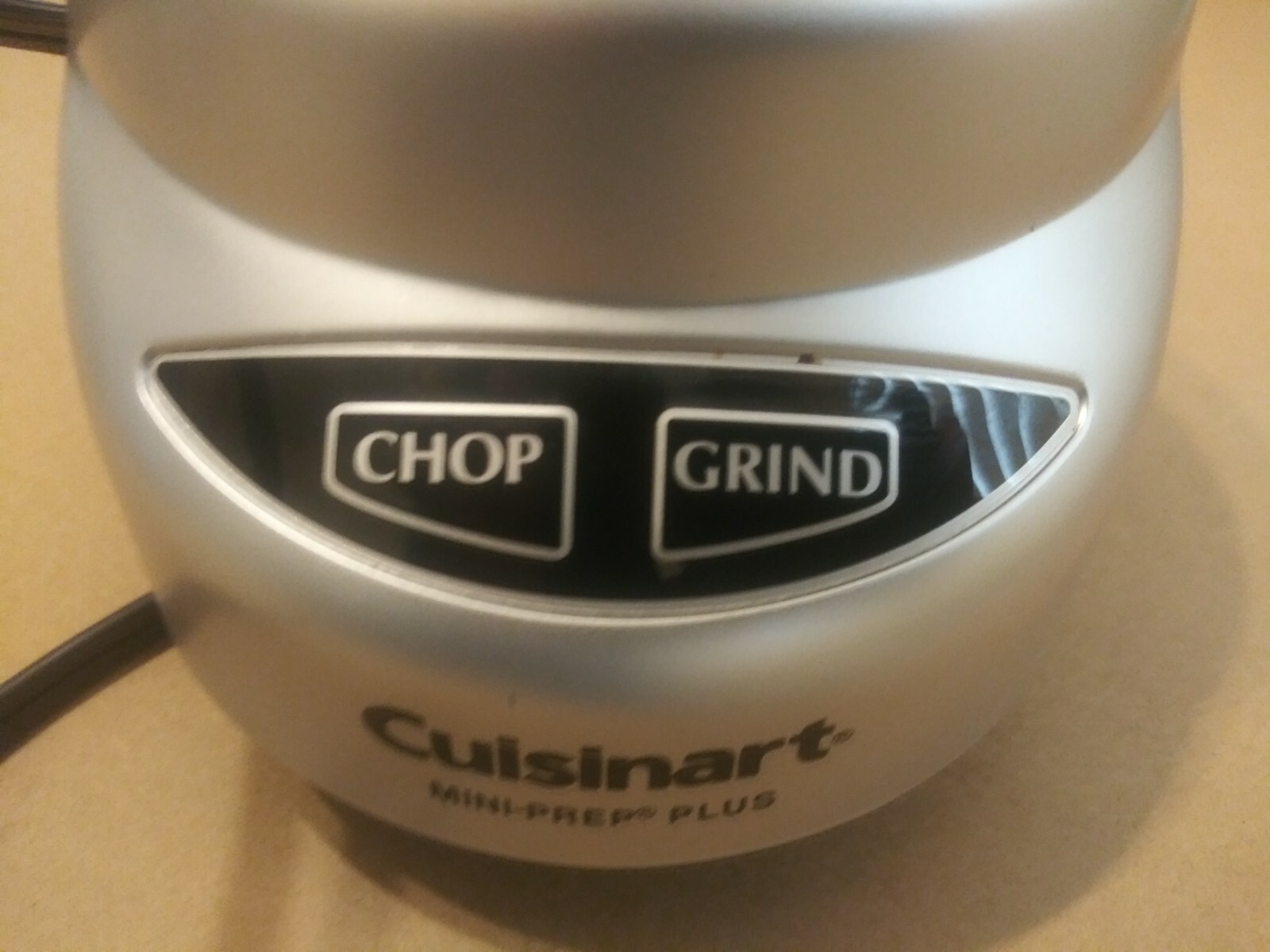 Cuisinart Mini Prep Plus Food Processor Chrome/Nickel MOTOR BASE Parts DLC-2A$2,007.99Used · Last checked Nov 26, 2026View on eBay
Highlights
- Induction motors run quieter and tolerate longer continuous loads than universal brushed motors, which rely on airflow and thermal cutouts during heavy use.
- All-metal or metal-reinforced gear trains and drive couplings survive dough and hard-food torque; nylon or plastic gears strip under repeated heavy loads.
- Overload and thermal protection circuits are the durability marker: they prevent motor burnout but should reset automatically rather than requiring a fuse replacement.
- Bowl and blade standards matter: BPA-free Tritan or glass bowls with wide feed chutes and stainless-steel S-blades handle volume and reduce prep, while thin bowls flex and crack.
Best use cases
- Daily dough and hard-food prep (bread, nut butter, cheese): choose a continuous-duty induction or brushless motor with an all-metal drive and a large feed chute; skip brushed light-duty models.
- Batch cooking and family chopping: pick a mid-tier direct-drive model with a 3–4 L bowl, stainless S-blade, and reversible shredding disc; avoid mini-chopper capacity.
- Light weekly chopping and sauces: a standard brushed-motor processor or chopper is adequate; skip premium heavy-duty tiers unless volume grows.
- Commercial-style or frequent large batches: select a processor with a thermal-protected motor rated for extended run time, a sealed gearbox, and serviceable parts; avoid consumer models with plastic couplings.
Buying tips
- Match bowl volume to batch size: 1–2 L for singles, 3–4 L for families, 4 L+ for batch cooking; undersized bowls force motor rest cycles.
- Check motor type: induction or brushless DC for heavy duty; universal brushed motors are fine only for short pulses and light chopping.
- Confirm the drive coupling is metal or metal-reinforced; plastic couplings are the first failure point under dough and hard-food loads.
- Verify blade and disc material: stainless steel S-blades and discs resist bending and staining; coated or thin steel dulls and chips.
Specs
| Motor Type | Induction vs brushless vs brushed |
|---|---|
| Drive Coupling | Metal vs plastic / reinforced |
| Bowl Capacity | 1–4 L+ (family to batch) |
| Continuous Rating | Thermal-protected / duty cycle |
Related searches
What to check before buying
- Measure counter clearance and cabinet height: heavy-duty models with tall bowls need 40–45 cm of vertical space and a stable, dry surface.
- Confirm electrical compatibility: voltage and plug type must match your region; induction motors may require a grounded outlet and higher wattage circuit.
- Check bowl and blade compatibility with accessories: extra discs, dough blades, and storage cases must match the model's coupling and bowl size.
- Plan storage for discs and blades: heavy-duty sets include multiple discs; ensure drawer or cabinet space and safe blade storage.
FAQ
Data sources: eBay / Amazon listings and product attribute feeds. Updated Nov 27, 2026.
Some links on this page are affiliate links. If you buy after clicking one, we may earn a commission at no extra cost to you. This does not change which products appear here or their order. Affiliate disclosure.