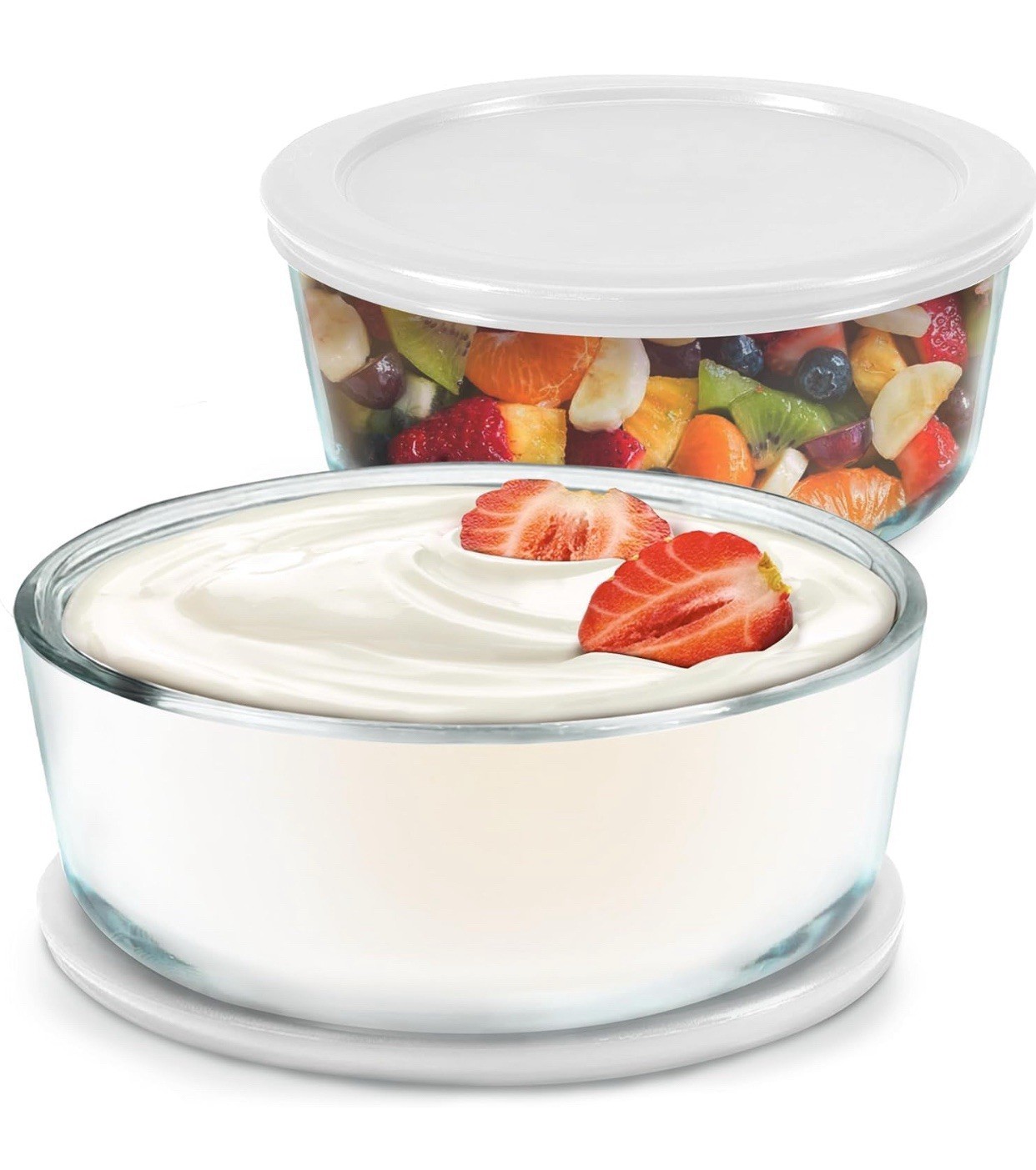

Photos from current listings. Actual item, color, and included accessories may vary.
Ultimate Yogurt Container Buying Guide
The Ultimate Yogurt Container segment covers reusable glass vessels engineered for fermenting, straining, and storing homemade yogurt, where the core trade-off is between airtight fermentation control and everyday durability. A true yogurt container must be wide-mouth for inoculation and scooping, use non-reactive glass, and seal hard enough to hold a stable warm environment. Buyers should prioritize borosilicate or tempered glass, a gasket-sealed lid, and quart-scale capacity; skip thin soda-lime jars with friction-fit lids, which crack under thermal shock and leak during whey separation.
Key takeaways
- Borosilicate glass (low thermal expansion ~3.3) survives the 110-115°F fermentation window and rapid chilling without stress fractures; soda-lime glass is prone to thermal shock.
- Wide-mouth 3.5-4 inch openings allow direct inoculation, stirring, and spooning of thick set yogurt; narrow-neck jars make straining and cleaning impractical.
- Silicone-gasket clamp or screw lids create the airtight seal needed for anaerobic fermentation and prevent fridge odors from migrating into cultured dairy.
At a glance
- Category
- Food Storage & Containers
- Status
- Listings available
- Last updated
- Nov 27, 2026
Current offers
Highlights
- Borosilicate glass (low thermal expansion ~3.3) survives the 110-115°F fermentation window and rapid chilling without stress fractures; soda-lime glass is prone to thermal shock.
- Wide-mouth 3.5-4 inch openings allow direct inoculation, stirring, and spooning of thick set yogurt; narrow-neck jars make straining and cleaning impractical.
- Silicone-gasket clamp or screw lids create the airtight seal needed for anaerobic fermentation and prevent fridge odors from migrating into cultured dairy.
- One-quart (32 oz / ~950 mL) capacity matches standard home-yogurt starter ratios and fits most yogurt-maker wells and fridge door shelves.
Best use cases
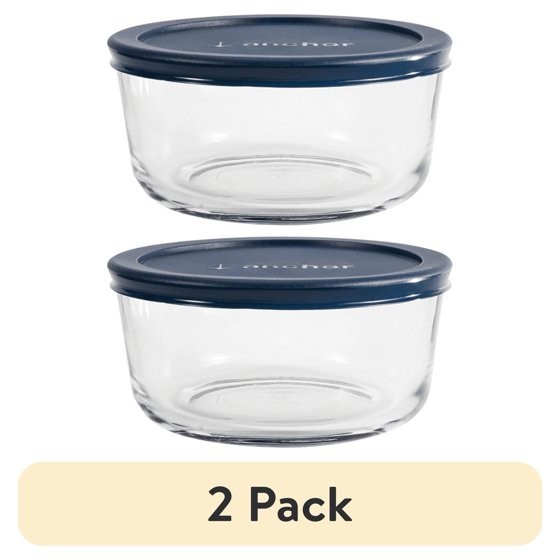
- Best fit: buy the 2-pack quart glass set if you batch ferment weekly and need one jar culturing while the other chills or strains.
- Best fit: choose wide-mouth glass with measurement markings if you portion starter by volume and want to monitor whey separation during Greek-style straining.
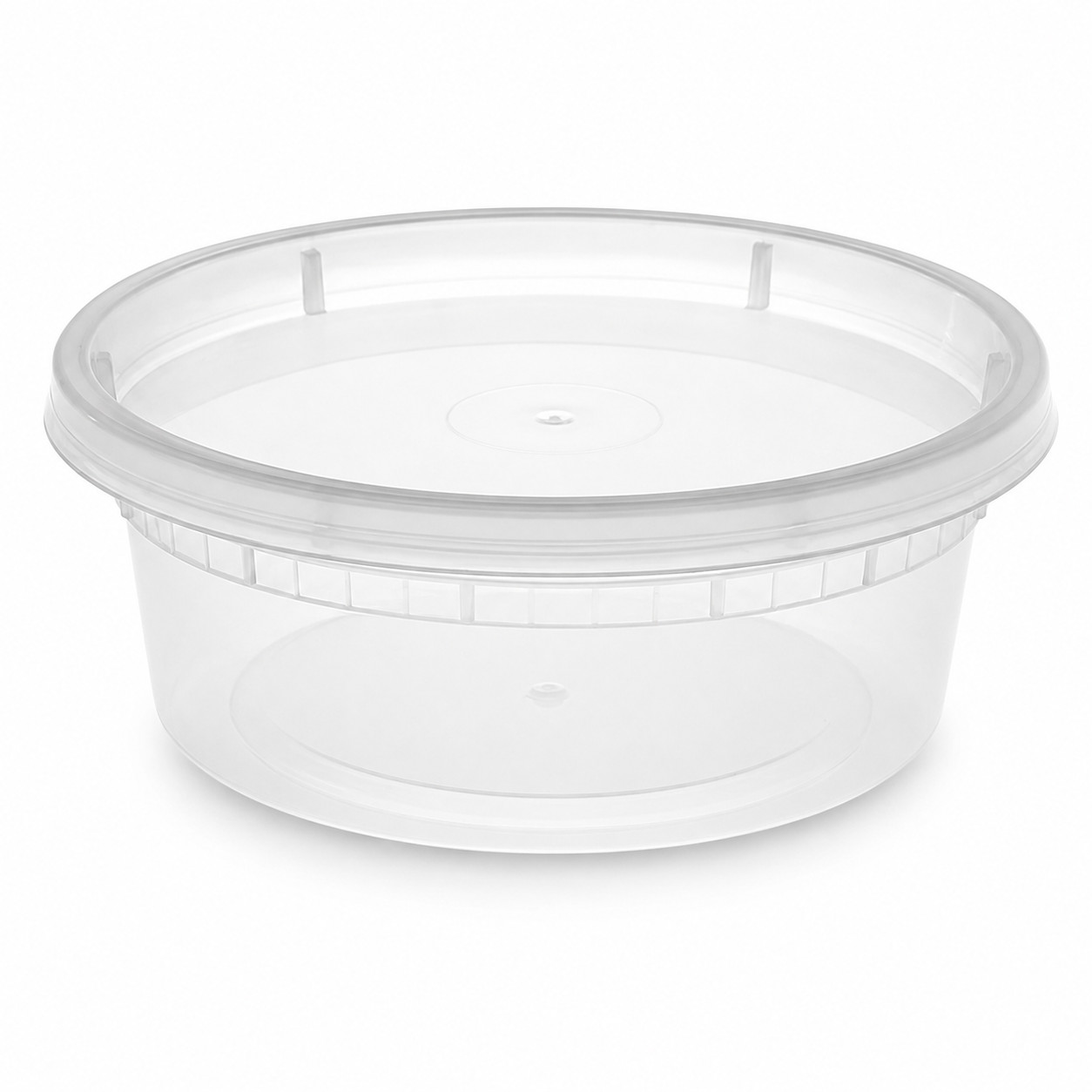
- Wrong fit: skip glass quart jars if your routine is single-serve grab-and-go; smaller 8-16 oz lidded cups or squeezable pouches suit lunchbox use better.
- Wrong fit: avoid any yogurt container marketed for oven use beyond 300°F; most yogurt jars are fermentation vessels, not bakeware, and lids are not oven-safe.
Buying tips
- Match capacity to your starter math: 1 quart (32 oz) cultures about 1 quart of milk with 2-4 tbsp starter; a 2-pack lets you run back-to-back batches without washing mid-cycle.
- Demand borosilicate or tempered glass explicitly; if the listing only says 'glass,' assume soda-lime and limit thermal swings to avoid cracking.
- Check lid construction: a removable silicone gasket in a clamp or screw band seals better and is replaceable, while glued-in gaskets fail first and render the jar leaky.
- Confirm the jar diameter fits your yogurt maker or incubator well; wide-mouth quart jars are typically 3.5-4 inches across and need a matching footprint.
Specs
| Glass Type | Borosilicate vs Soda-Lime |
|---|---|
| Capacity | 1 qt / 32 oz per jar |
| Mouth Style | Wide-mouth 3.5-4 in |
| Lid Seal | Silicone gasket clamp/screw |
Alternatives to compare
Related searches
What to check before buying
- Measure your fridge shelf clearance and yogurt-maker well: a 1-quart wide-mouth jar stands roughly 6.5-7 inches tall with the lid on.
- Verify your incubator or oven accepts quart jars; many dedicated yogurt makers ship with smaller 6-8 oz cups and need a water-bath setup for quart vessels.
- Confirm lid and gasket are dishwasher-safe on the top rack and that the glass is marked microwave-safe if you warm milk directly in the jar.
- Check that replacement lids or gaskets are sold separately; clamp and screw-band lids are serviceable, snap-on plastic lids are not.
FAQ
Data sources: eBay / Amazon listings and product attribute feeds. Updated Nov 27, 2026.
Some links on this page are affiliate links. If you buy after clicking one, we may earn a commission at no extra cost to you. This does not change which products appear here or their order. Affiliate disclosure.