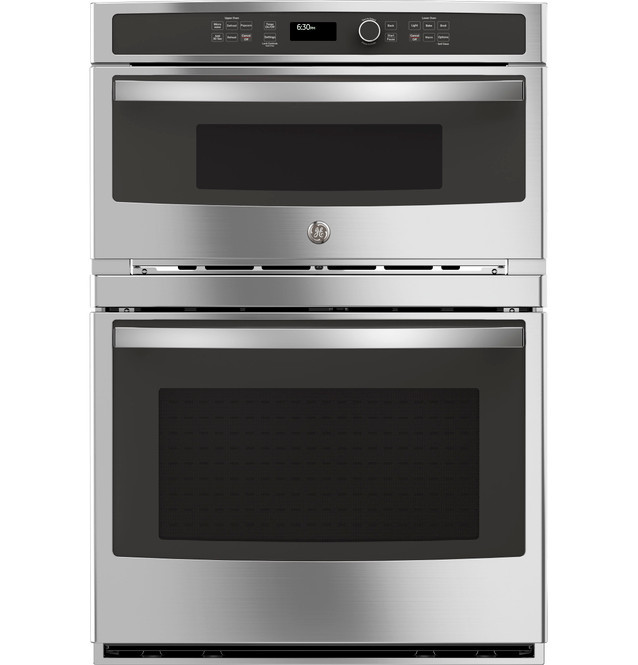

Photos from current listings. Actual item, color, and included accessories may vary.
Microwave Oven Buying Guide
A microwave oven is a resonant cavity magnetron appliance that heats food via 2.45 GHz dielectric excitation; the core trade-off is between cheap single-magnetron, low-wattage units with thin mild-steel cavities and inverter-powered, higher-wattage units with reinforced enamel or stainless-steel interiors. The decisive rule: if you need even defrosting, door durability, or multi-year service life, buy an inverter model with a stainless or enamel-coated cavity rated at least 1,000 W; otherwise, a basic 700–900 W rotary-dial unit is a legitimate secondary or light-use compromise.
Key takeaways
- Magnetron power splits output tiers: sub-900 W units heat unevenly and lack browning; 1,000–1,250 W inverter models deliver linear power for thawing and sensor cooking.
- Cavity material grades separate durability tiers: mild-steel with acrylic enamel chips and rusts; stainless-steel or ceramic-enamel-lined cavities resist grease and scratch degradation.
- Inverter vs transformer architecture: traditional transformer units cycle full-power on/off; inverter boards output variable low wattage, critical for delicate defrosting.
At a glance
- Category
- Home Ranges, Ovens & Cooktops
- Last updated
- Nov 28, 2026
Current offers
Highlights
- Magnetron power splits output tiers: sub-900 W units heat unevenly and lack browning; 1,000–1,250 W inverter models deliver linear power for thawing and sensor cooking.
- Cavity material grades separate durability tiers: mild-steel with acrylic enamel chips and rusts; stainless-steel or ceramic-enamel-lined cavities resist grease and scratch degradation.
- Inverter vs transformer architecture: traditional transformer units cycle full-power on/off; inverter boards output variable low wattage, critical for delicate defrosting.
- Door and latch durability hinges on metal-to-metal interlock switches and sealed wave-guide covers; plastic latch tabs are the most common failure point in budget units.
Best use cases
- Best for primary-kitchen reheating, defrosting, and steaming: pick a 1,000–1,200 W inverter countertop microwave with a 1.2–1.5 cu ft stainless cavity and sensor cooking; skip low-wattage dial units that scorch edges.
- Best for built-in or over-the-range integration: choose a trim-kit-compatible model with matched depth and rear-vent or top-vent conversion; skip standard countertop depth units that protrude past cabinetry.
- Best for light-duty dorms, offices, or secondary use: choose a 700–900 W manual-dial unit with a 0.7–0.9 cu ft cavity; skip large-family inverter models only if counter space and budget are the binding constraints.
- Wrong-fit: do not use a microwave for actual baking or browning; pick a toaster oven or range oven if you need crisping, Maillard reactions, or dry-heat roasting.
Buying tips
- Match cavity volume to household size: 0.7–0.9 cu ft for one to two people, 1.1–1.5 cu ft for families; below 0.7 cu ft cannot fit dinner plates or a rotating turntable larger than 10 in.
- Check exterior width, depth, and height against your cutout or shelf: countertop units typically run 19–24 in wide and 12–20 in deep, so measure the landing zone plus 4 in rear clearance for vents.
- Prefer stainless-steel or ceramic-enamel cavities over painted mild steel; also verify a removable glass turntable and a sealed wave-guide cover for cleanability and rust prevention.
- Select power tier by task: 700–900 W for reheating and popping, 1,000–1,200 W inverter for defrosting and sensor cooking, and 1,250 W+ for large-volume or commercial-adjacent use.
Specs
| Power Output | 700-1,250 W; inverter above 1,000 W |
|---|---|
| Cavity Material | Stainless steel / ceramic enamel vs painted steel |
| Cavity Volume | 0.7-1.5 cu ft; 1.2+ cu ft family |
| Power Architecture | Inverter vs transformer cycling |
Related searches
What to check before buying
- Measure the cutout or shelf width, depth, and height plus a minimum 3–4 in rear and side clearance for ventilation before selecting a countertop or built-in trim kit.
- Verify the electrical circuit: most microwaves draw 10–15 A on a dedicated 120 V/60 Hz circuit; confirm the outlet is not shared with high-draw appliances.
- Confirm door swing and hinge side match your counter layout, and that the turntable diameter clears your largest plates (typically 10–12 in for 1.2 cu ft units).
- For over-the-range or built-in installs, verify the trim kit part number matches the model and that top or rear venting can be converted to match your duct path.
FAQ
Data sources: eBay / Amazon listings and product attribute feeds. Updated Nov 28, 2026.
Some links on this page are affiliate links. If you buy after clicking one, we may earn a commission at no extra cost to you. This does not change which products appear here or their order. Affiliate disclosure.