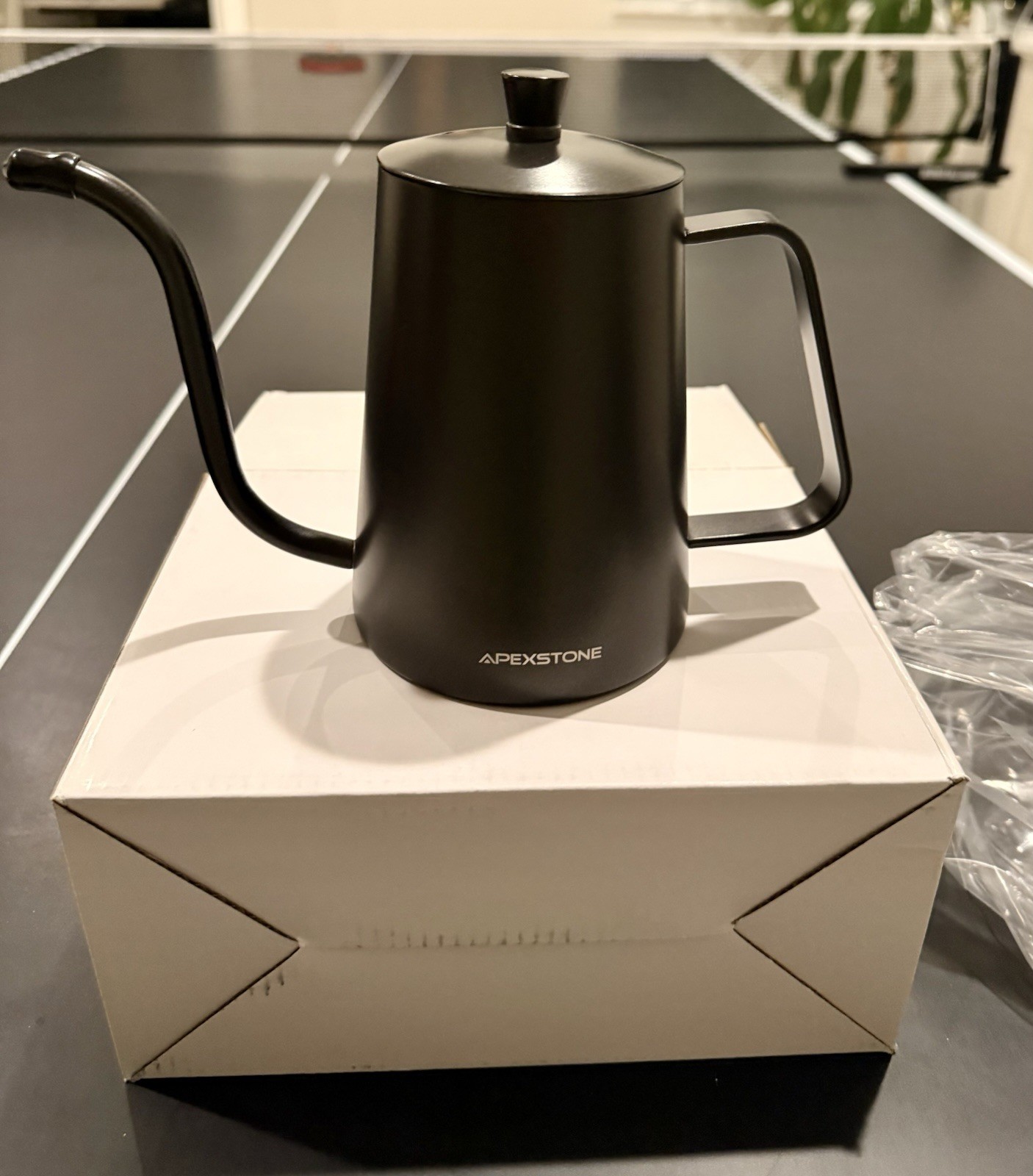

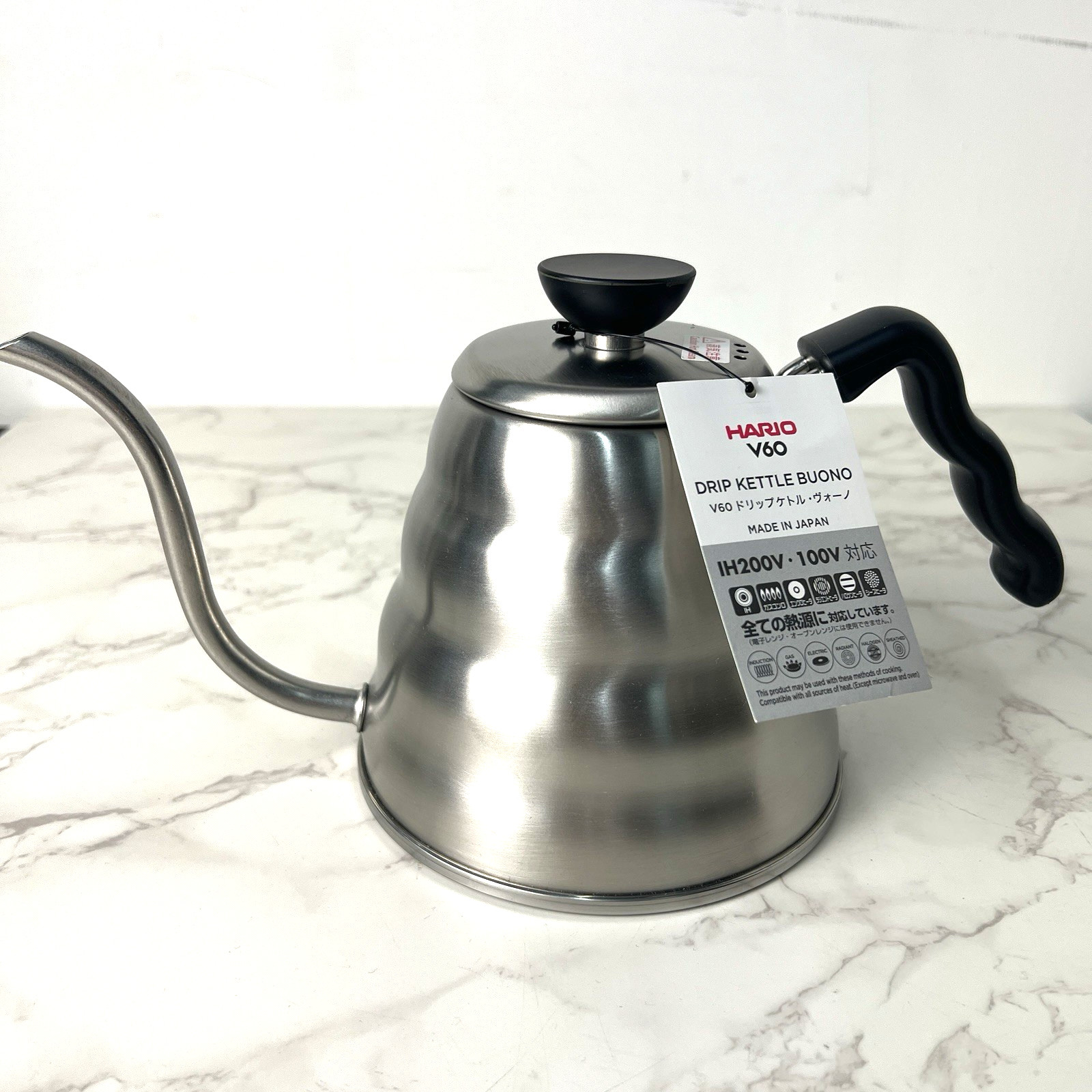
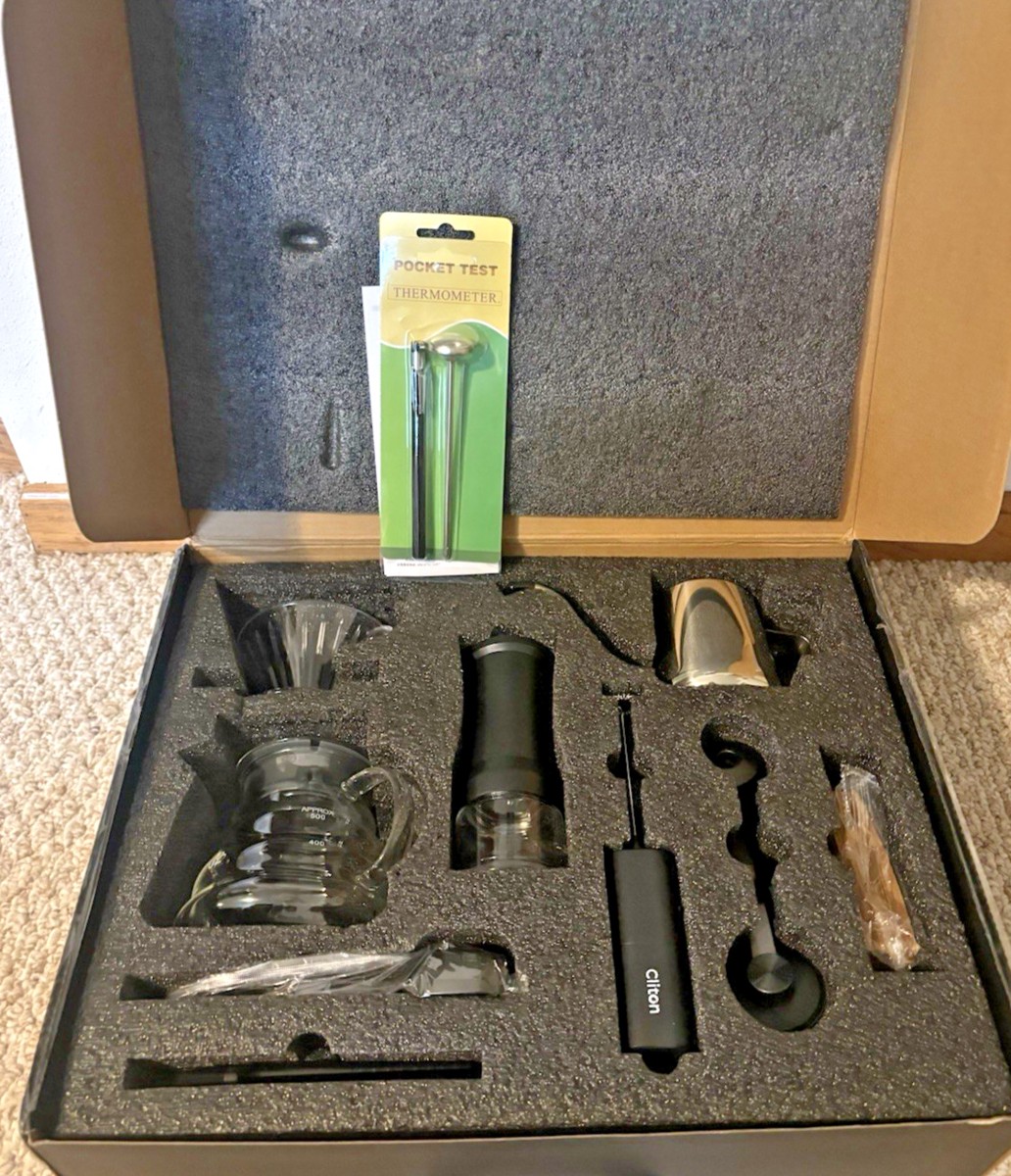
Photos from current listings. Actual item, color, and included accessories may vary.
Gooseneck Kettle Buying Guide
A gooseneck kettle is a manual brewing vessel with a long, narrow spout that gives you precise control over pour rate and direction for pour-over coffee. The primary trade-off is between stovetop simplicity and electric temperature control: stovetop kettles are durable and inexpensive but require a separate thermometer, while electric models add variable temperature and hold settings at higher cost and with more failure points. Choose electric if you want repeatable temperature; choose stovetop if you prioritize durability, induction compatibility, and low maintenance.
Median $38.00
Key takeaways
- Spout geometry: a true gooseneck has a 6–10 mm inner diameter and a gentle S-curve; wider spouts pour too fast and defeat the purpose of controlled extraction.
- Material grade: 304 stainless steel is the standard for food safety and rust resistance; 201-grade or thin-gauge steel dents easily and can impart metallic taste over time.
- Electric models split into variable-temperature (PID control, ±1°C) and preset/single-temperature (often 100°C only); only variable-temp models support the 88–96°C range most pour-over recipes require.
At a glance
- Category
- Pour-Over & Manual Brewing
- Last updated
- Nov 23, 2026
Current offers
Highlights
- Spout geometry: a true gooseneck has a 6–10 mm inner diameter and a gentle S-curve; wider spouts pour too fast and defeat the purpose of controlled extraction.
- Material grade: 304 stainless steel is the standard for food safety and rust resistance; 201-grade or thin-gauge steel dents easily and can impart metallic taste over time.
- Electric models split into variable-temperature (PID control, ±1°C) and preset/single-temperature (often 100°C only); only variable-temp models support the 88–96°C range most pour-over recipes require.
- Capacity: 0.6–1.0 L suits 1–4 cups; 1.2 L and larger are for batch brewing or serving, but add weight and reduce pour precision when full.
Best use cases
- Best fit: variable-temperature electric gooseneck (0.9–1.0 L, 304 stainless, PID control) for daily pour-over brewers who want repeatable 90–96°C water without a separate thermometer.
- Best fit: stovetop gooseneck in 304 stainless with a flat base for induction, gas, or electric coils—ideal for off-grid, camping, or buyers who already own a thermometer and want a kettle that lasts decades.
- Wrong fit: preset single-temperature electric kettles (100°C only) for light-roast pour-over—you cannot hit the 88–93°C range without awkward cooling transfers; skip unless you only brew dark roasts or tea.
- Wrong fit: 1.2 L+ kettles for single-cup V60 or Kalita Wave brewing—the weight when full makes fine pour control harder; choose 0.6–0.9 L instead.
Buying tips
- Match spout to brewer: V60 and Chemex benefit from a slow, narrow gooseneck (6–8 mm); Kalita Wave and flat-bed brewers tolerate slightly faster flow, but stay under 10 mm for control.
- For electric, confirm variable temperature range starting at 40–60°C and holding within ±1–2°C; preset models that only boil are not suitable for specialty pour-over.
- Check base compatibility: stovetop kettles need a flat, magnetic base for induction; electric kettles need the correct voltage/plug for your region (120V US vs 220–240V EU/UK).
- Prefer 304 stainless over 201 or coated aluminum; welded spouts are more durable than press-fit, and a counterbalanced handle reduces wrist fatigue during long pours.
Specs
| Kettle Type | Stovetop vs Electric (variable-temp) |
|---|---|
| Spout Inner Diameter | 6–9 mm for controlled pour |
| Body Material | 304 stainless steel (food-grade) |
| Capacity Range | 0.6–1.0 L for 1–4 cups |
Related searches
What to check before buying
- Measure your brewer and carafe: a 0.9 L kettle fills a standard 1–4 cup pour-over setup; a 1.2 L kettle may overfill small servers.
- Confirm your stove type (induction, gas, electric coil, ceramic) and whether the kettle base is magnetic; non-magnetic bases will not work on induction.
- For electric models, verify the plug type and voltage match your outlet; a 220V kettle will not work on 120V without a converter.
- Check handle and lid ergonomics: a tight-fitting lid and heat-resistant handle are essential for controlled pouring and safe handling.
FAQ
Data sources: eBay / Amazon listings and product attribute feeds. Updated Nov 23, 2026.
Some links on this page are affiliate links. If you buy after clicking one, we may earn a commission at no extra cost to you. This does not change which products appear here or their order. Affiliate disclosure.