
Photos from current listings. Actual item, color, and included accessories may vary.
Plant Based Milk Maker Buying Guide
Plant-based milk makers are countertop appliances that blend, heat, and filter nuts, grains, and seeds into fresh milk, replacing cartons and cheesecloth. The core trade-off is between high-torque blending with fine filtration (for smooth, sediment-free milk) and convenience features like auto-cooking and self-cleaning. Durable models use stainless-steel or Tritan pitchers and metal-free filtration; compromises show up as plastic pitchers, weak motors that leave grit, and poor lid seals.
Median $72.50
Key takeaways
- Motor torque determines grind fineness: high-torque brushless or geared motors handle soaked almonds and oats without stalling, while low-wattage units leave coarse sediment.
- Filtration architecture separates smooth from gritty: stainless-steel mesh baskets or multi-stage filters yield carton-like texture; single nylon bags produce pulp and require double straining.
- Heating and auto-cook cycles gelatinize oats and deactivate enzymes for creamier texture, but plastic pitchers can retain odors and degrade with repeated hot cycles.
At a glance
- Category
- Specialty Kitchen Appliances
- Last updated
- Nov 28, 2026
Current offers
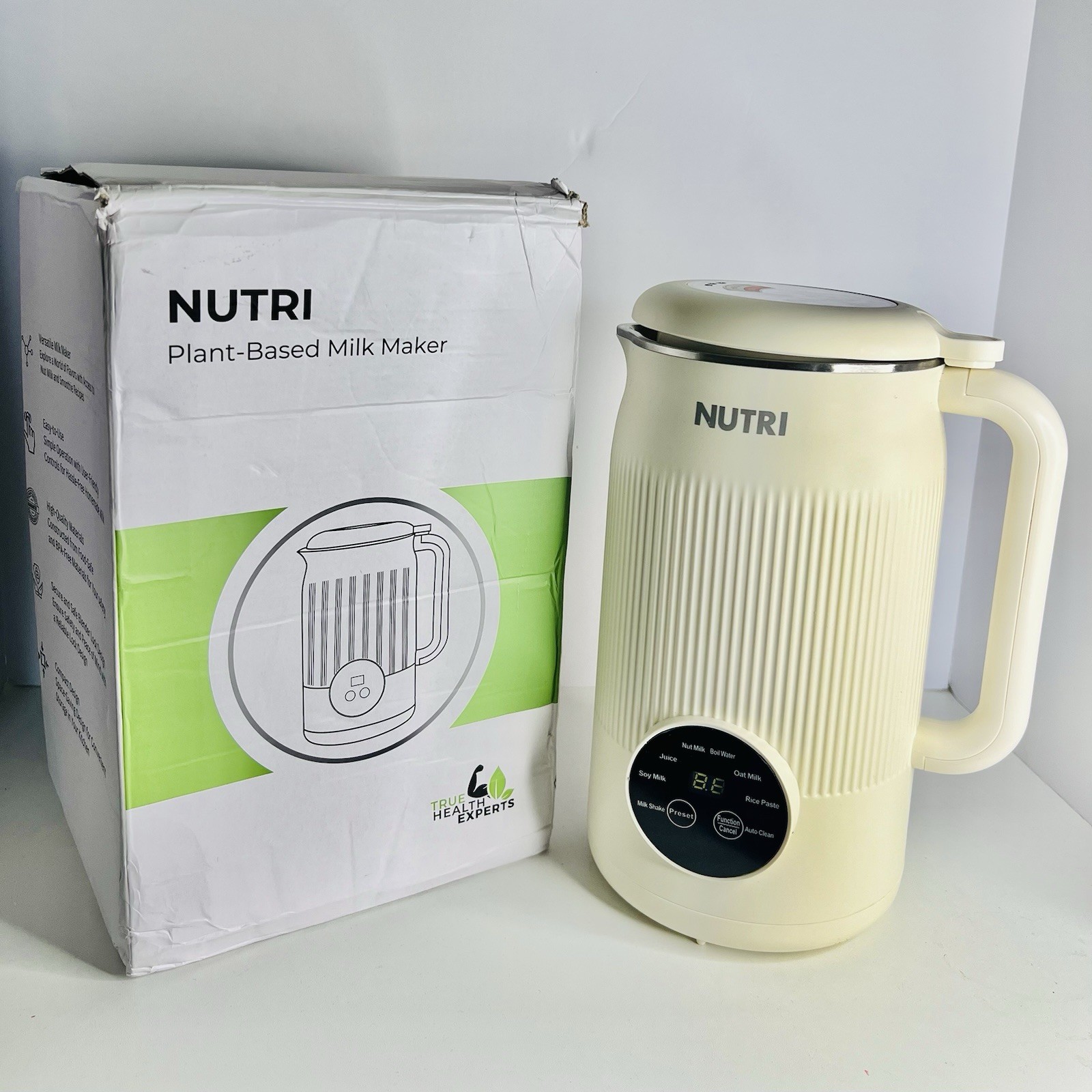 NUTRI Plant Based Nut Soy Oat Milk Maker - 32 oz - 8 In 1 Functionality$24.00View on eBay
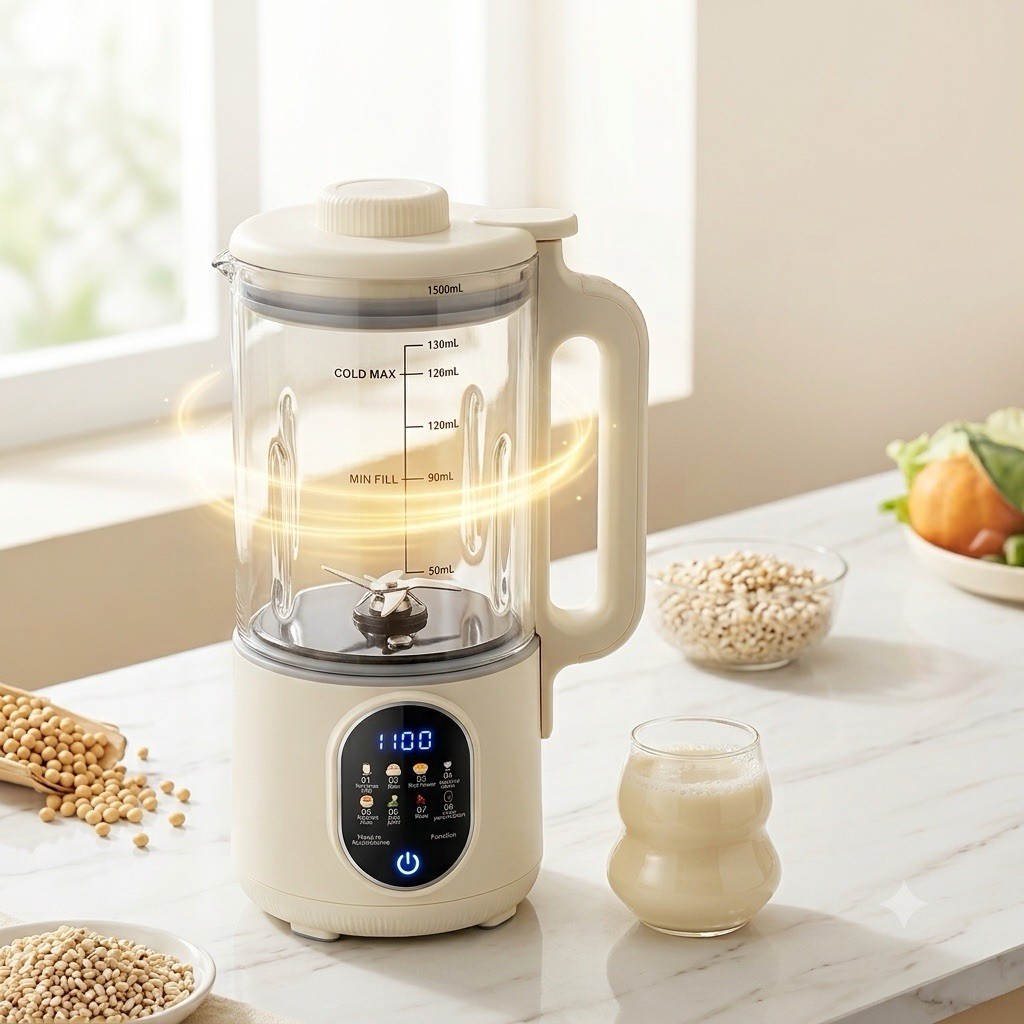 50oz Nut Milk Maker Machine, 8 In 1 Automatic Plant Based Milk Maker w/ 20Blades$39.90View on eBay
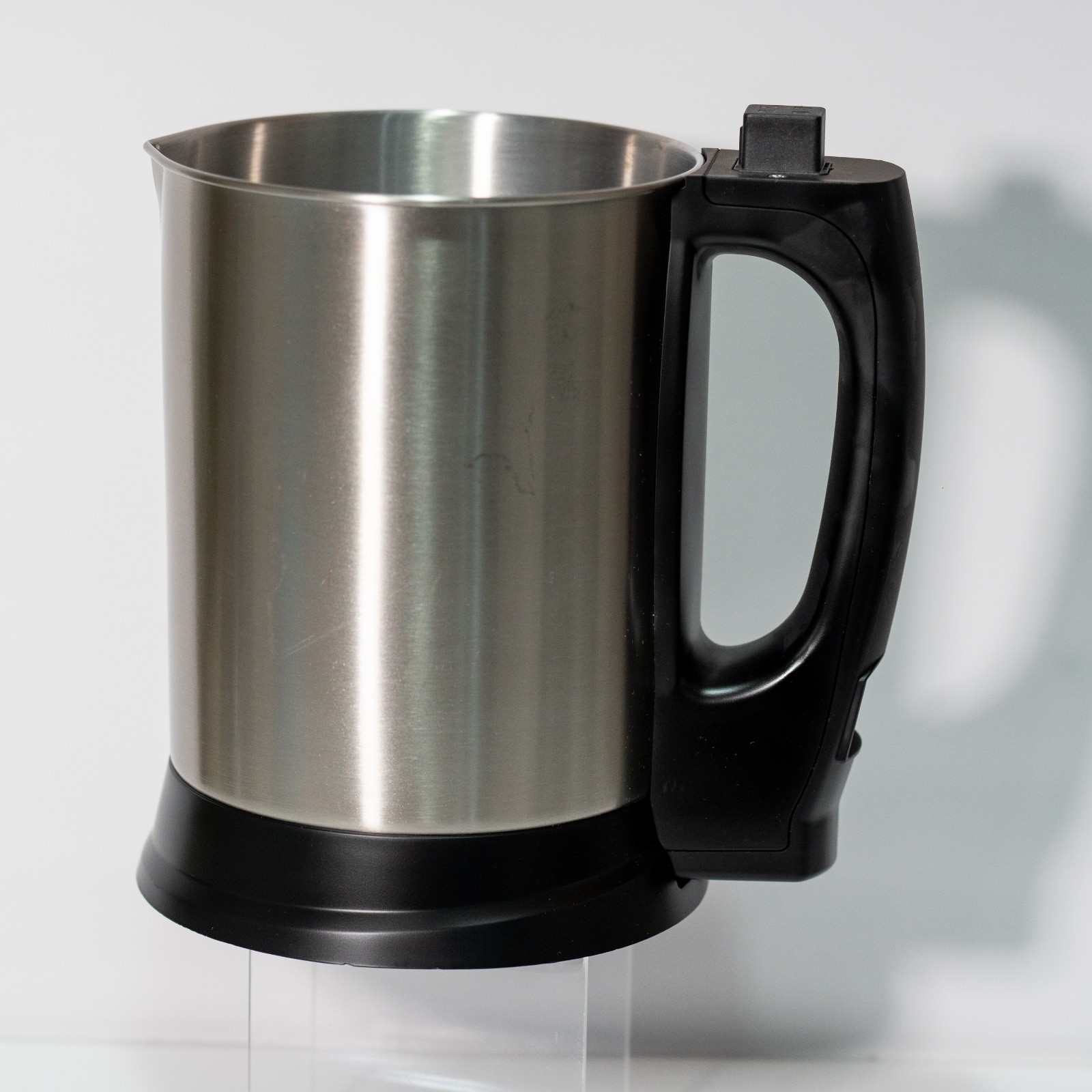 Almond Cow Plant-Based Homemade Milk Maker Base Only Open Box New!$39.95View on eBay
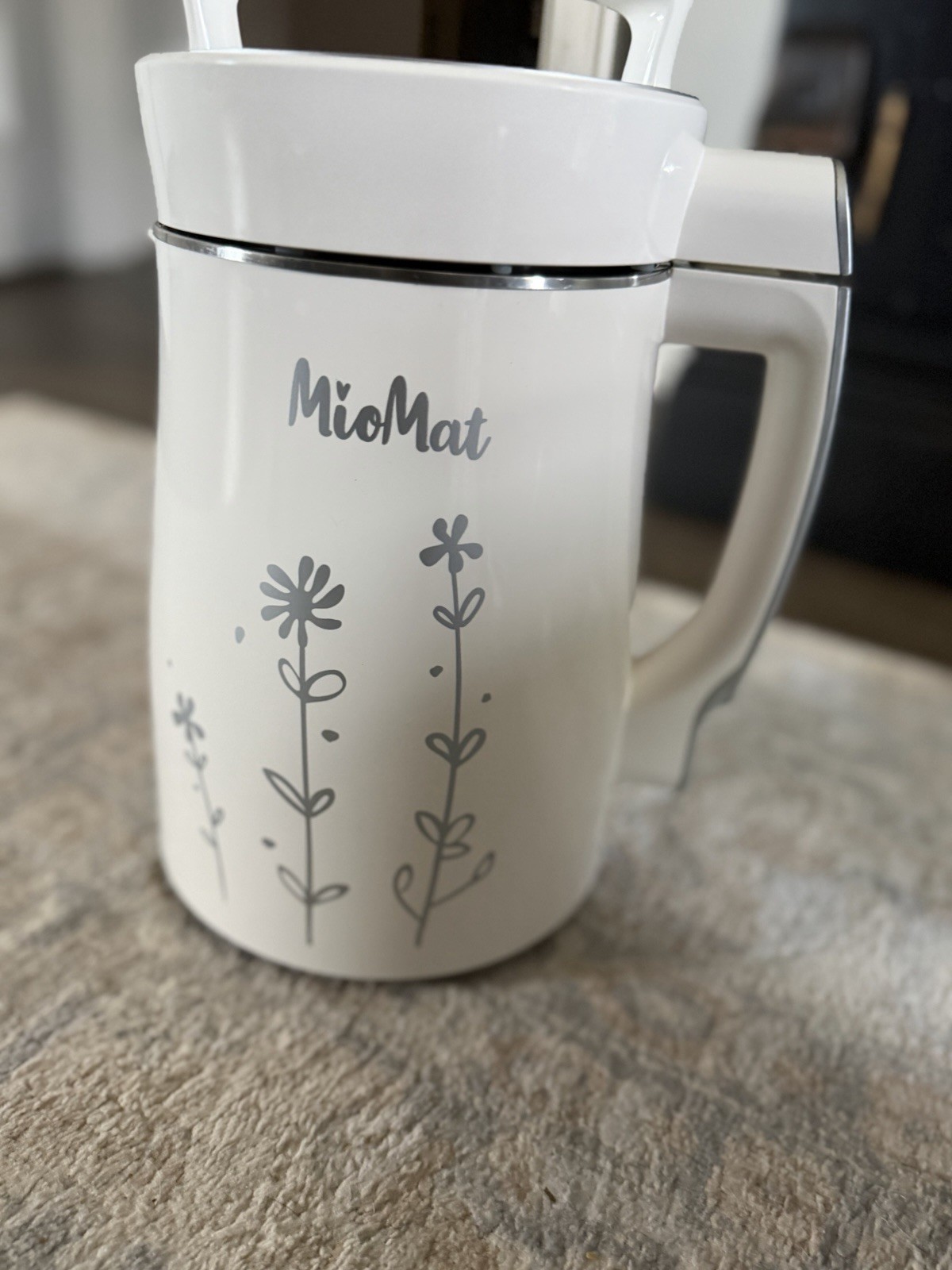 MioMat Classic 8-in-1 Plant-Based Milk Maker with Original Accessories$50.00View on eBay
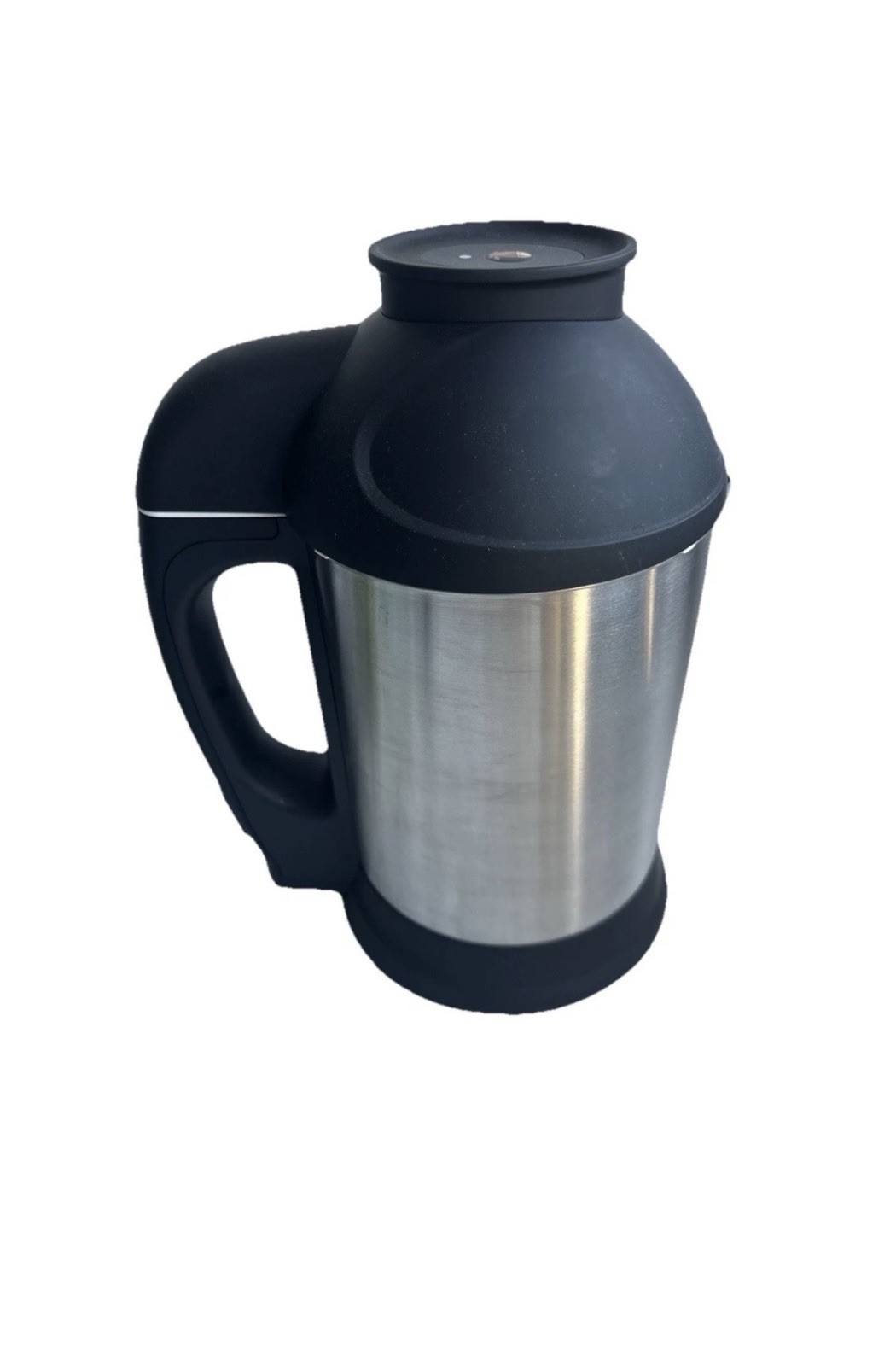 Almond Cow The Milk Maker - Plant-Based Milk Maker 120V Stainless Steel Great$52.00View on eBay
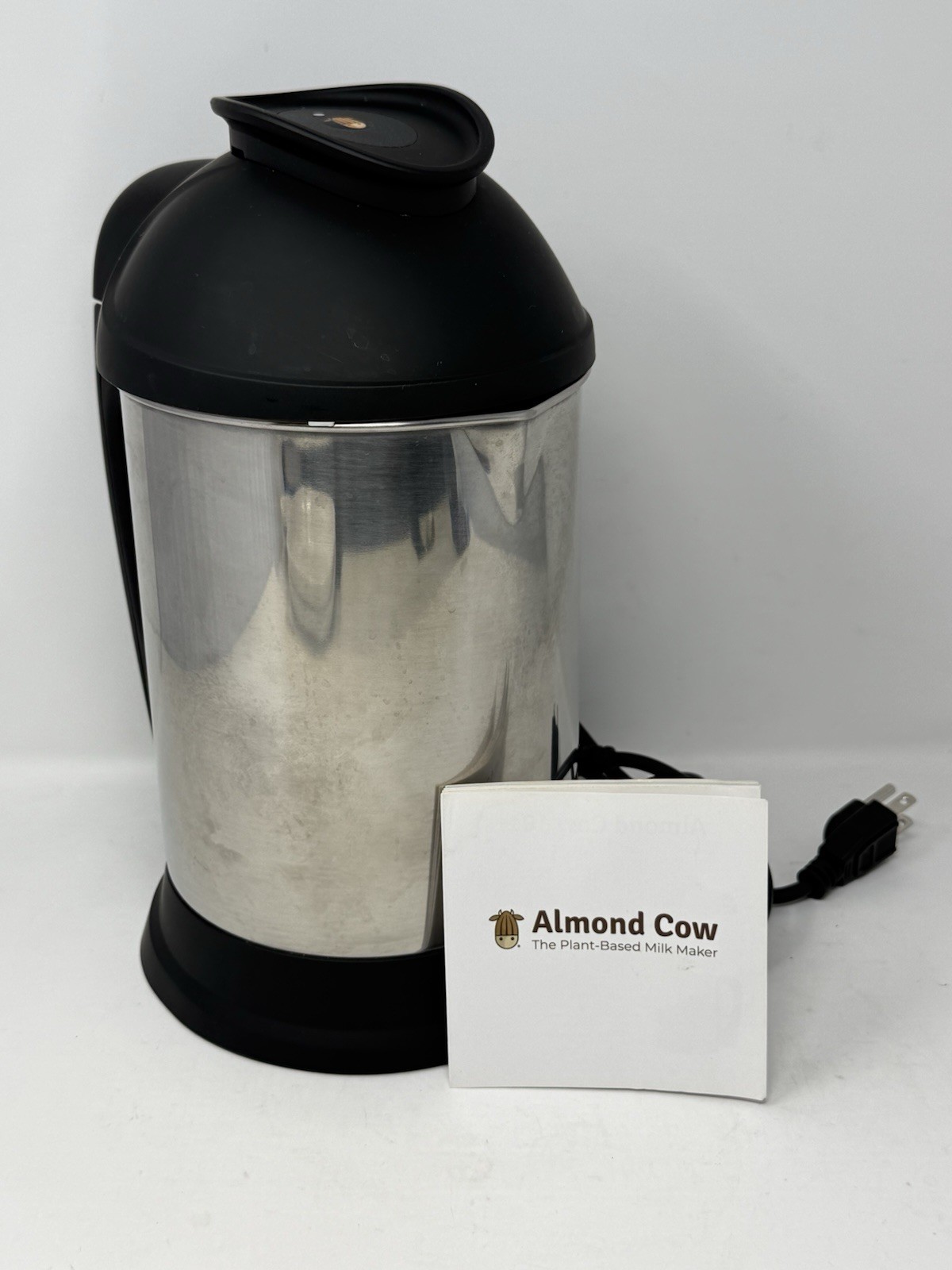 Almond Cow Plant Based Milk Maker Machine Stainless Steel - Tested Works$57.99View on eBay
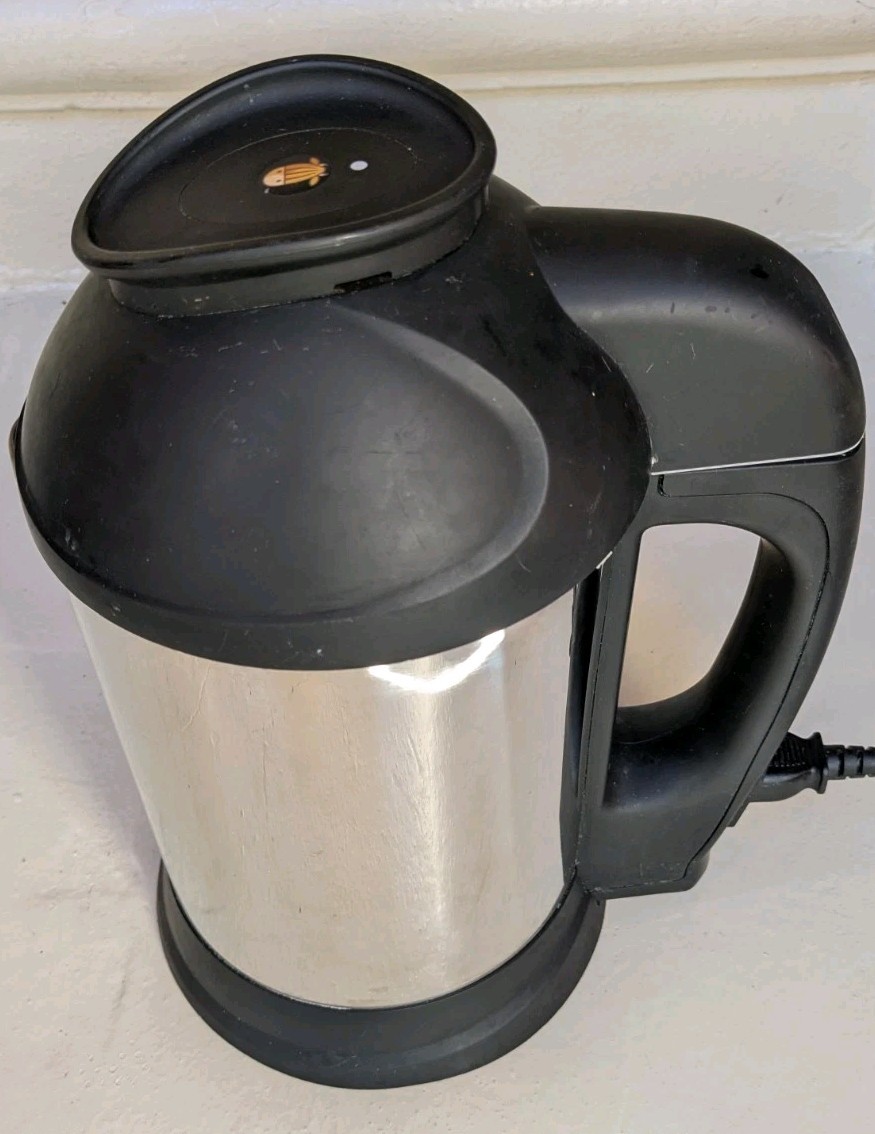 Almond Cow The Plant Based Vegan Milk Maker Machine$59.99View on eBay
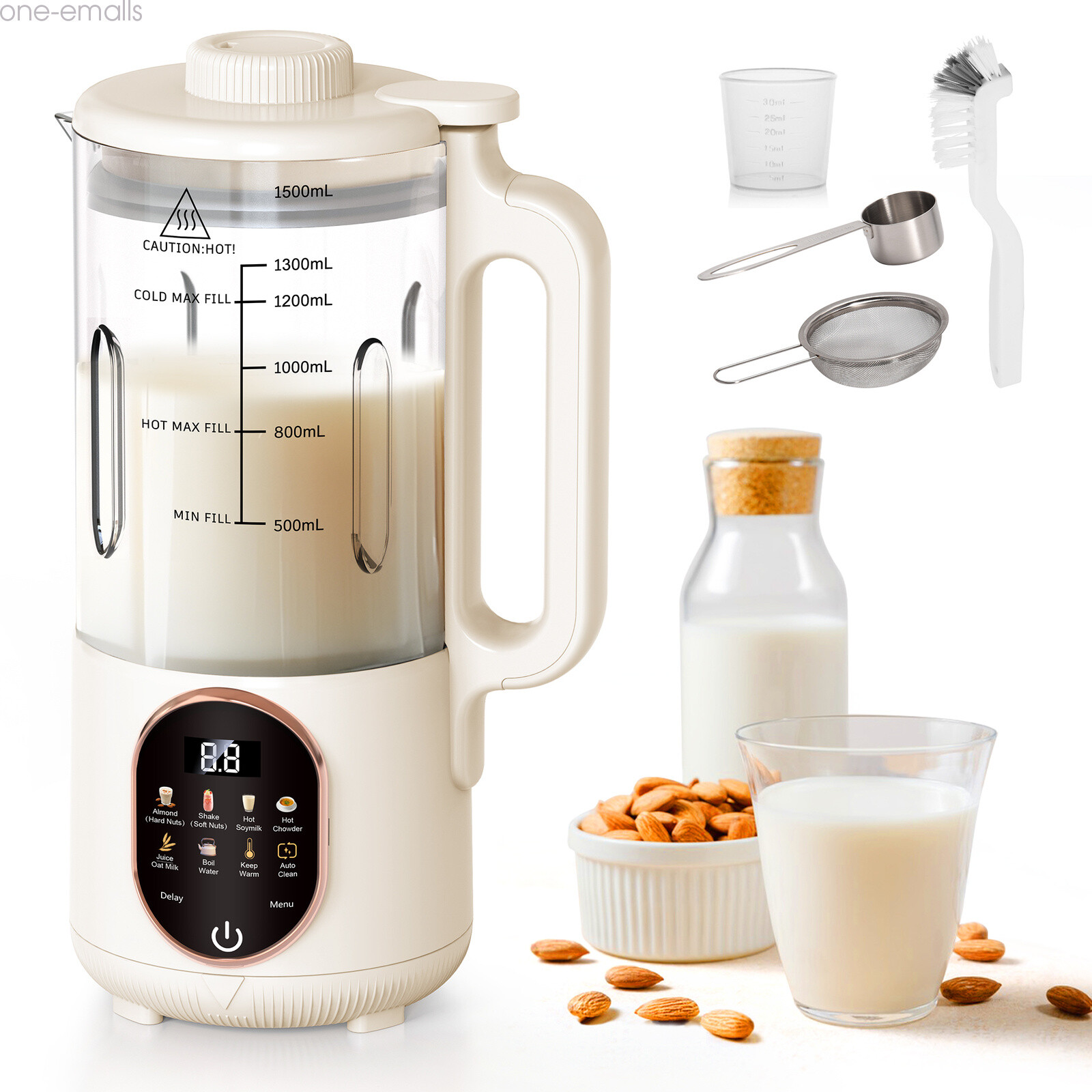 50oz Nut Milk Maker Machine, 10 in1 Automatic Plant Based Milk Maker w/ 20Blades$59.99View on eBay
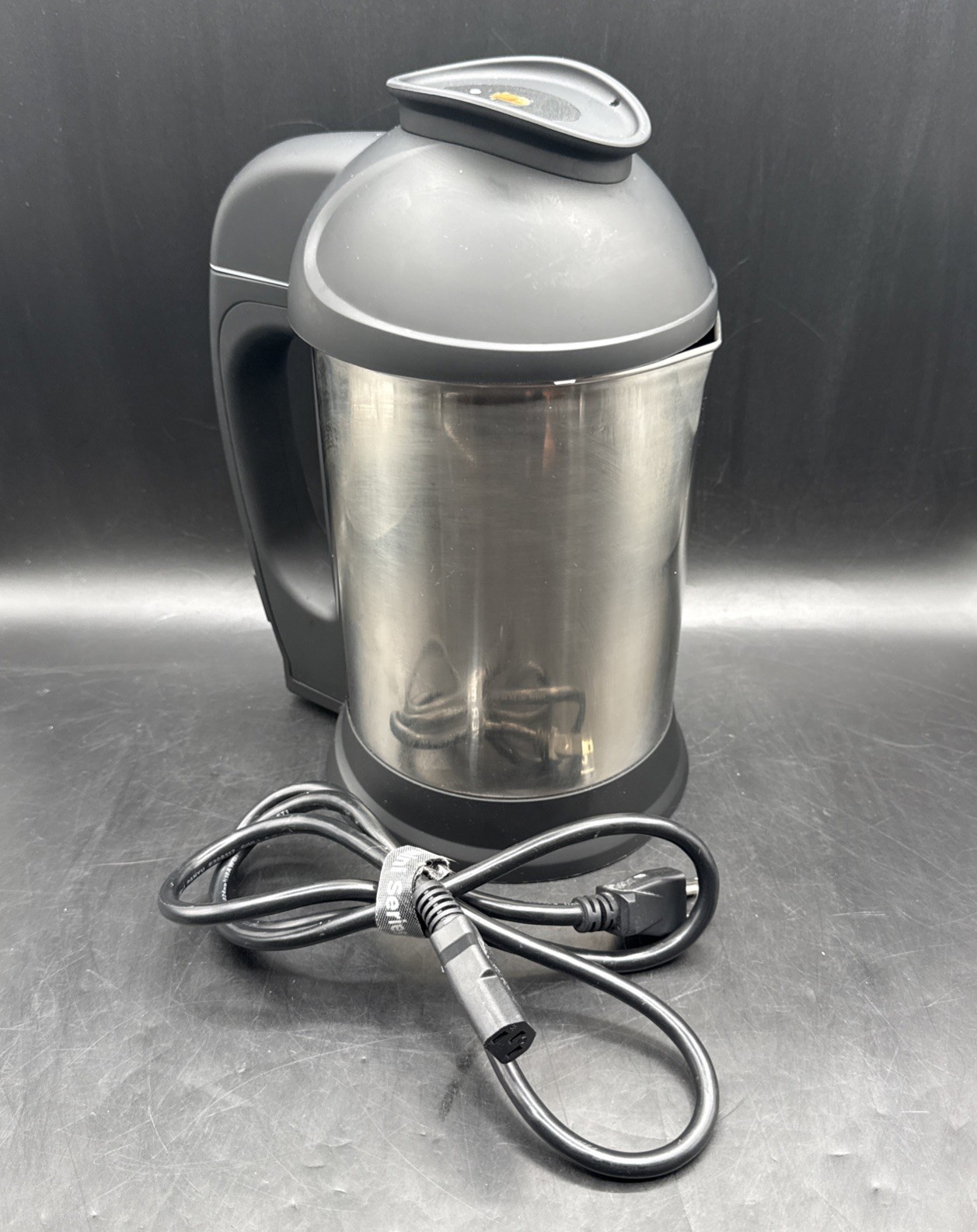 Almond Cow Plant Based Milk Maker Machine Stainless Steel - With Power Cord$64.87View on eBay
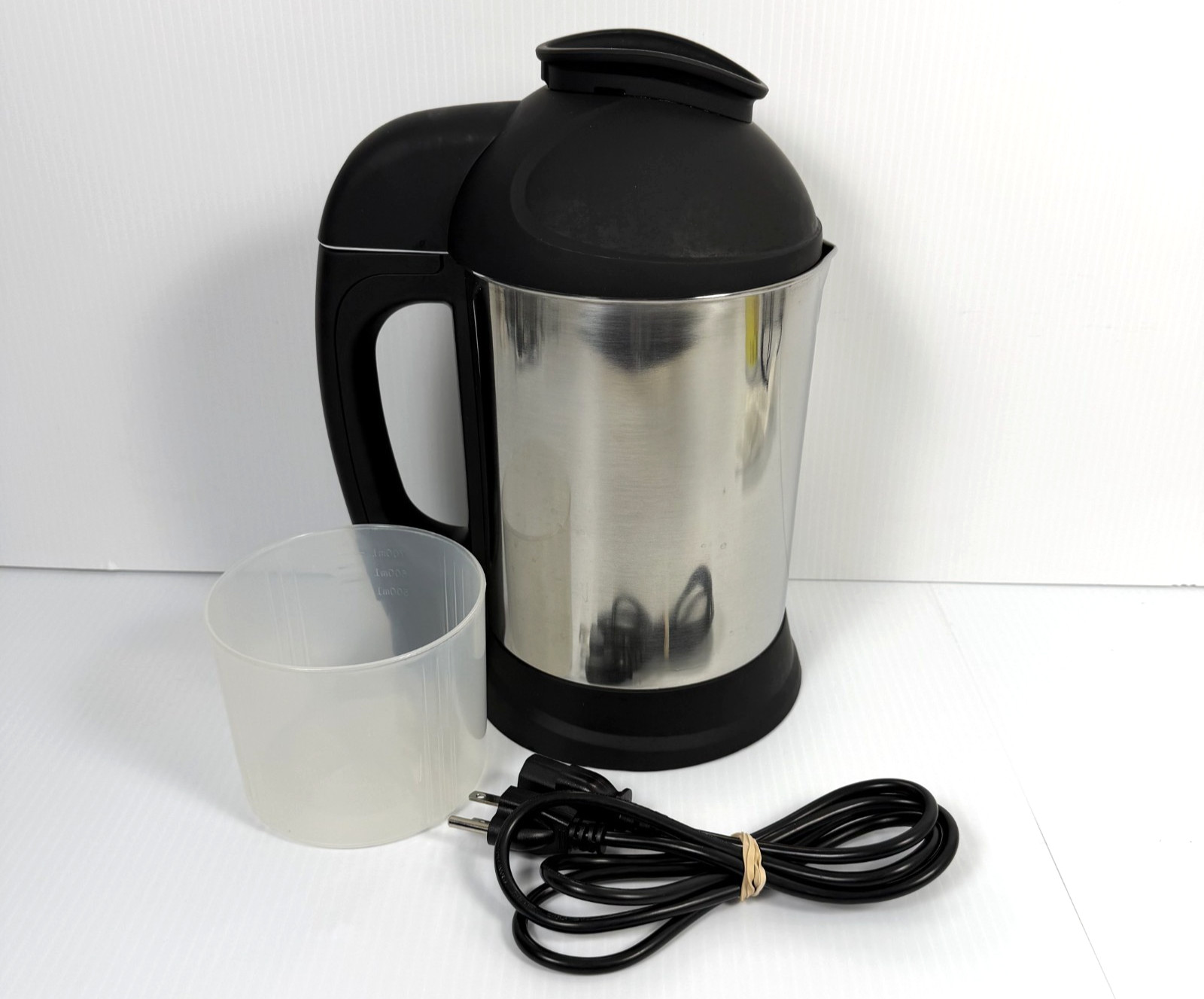 Almond Cow Plant Based Milk Maker Silver Stainless Electric Blender WORKING$64.99View on eBay
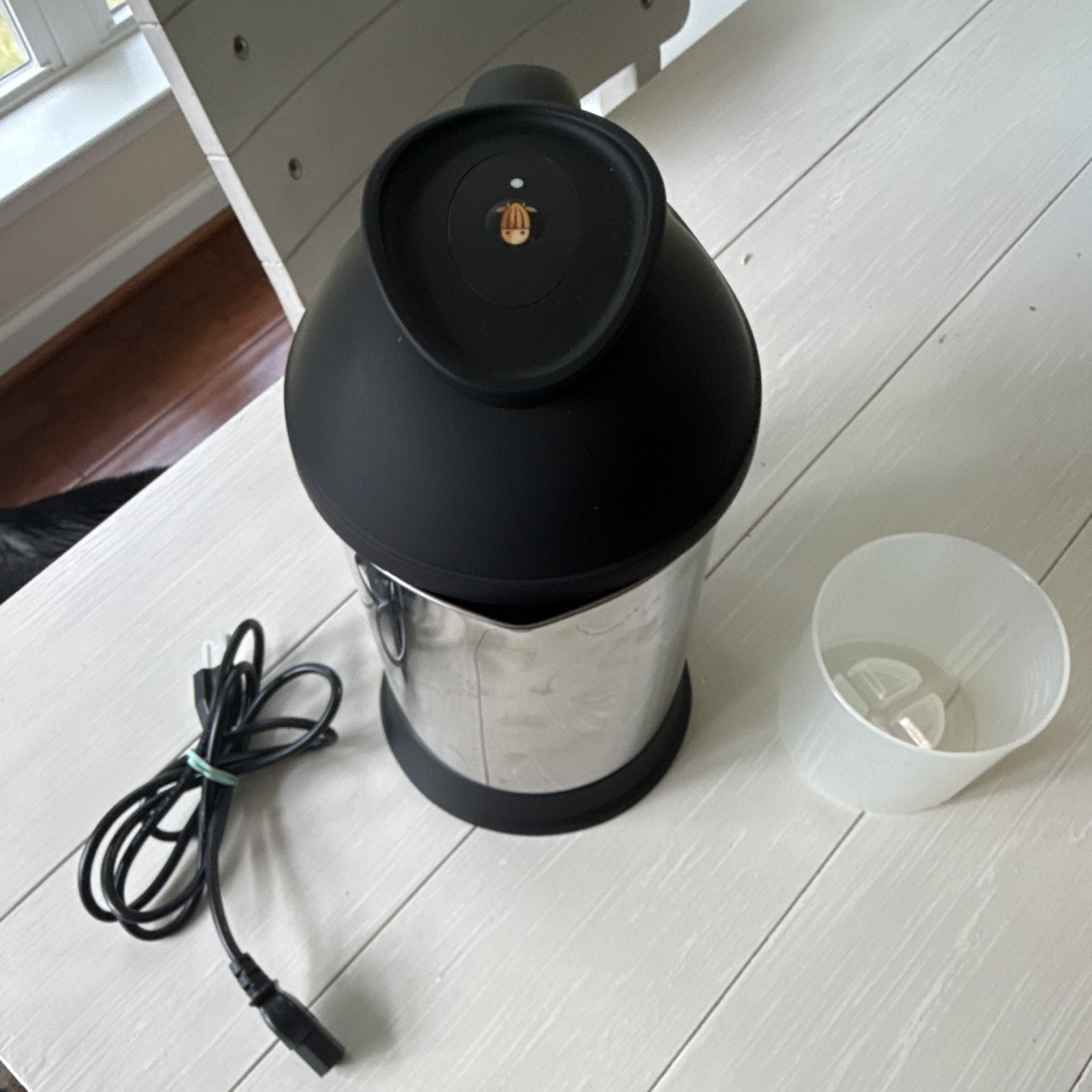 Almond Cow Nut Milk Maker Machine, Plant-Based Milk Maker for Almond Oat Cashew$69.99View on eBay
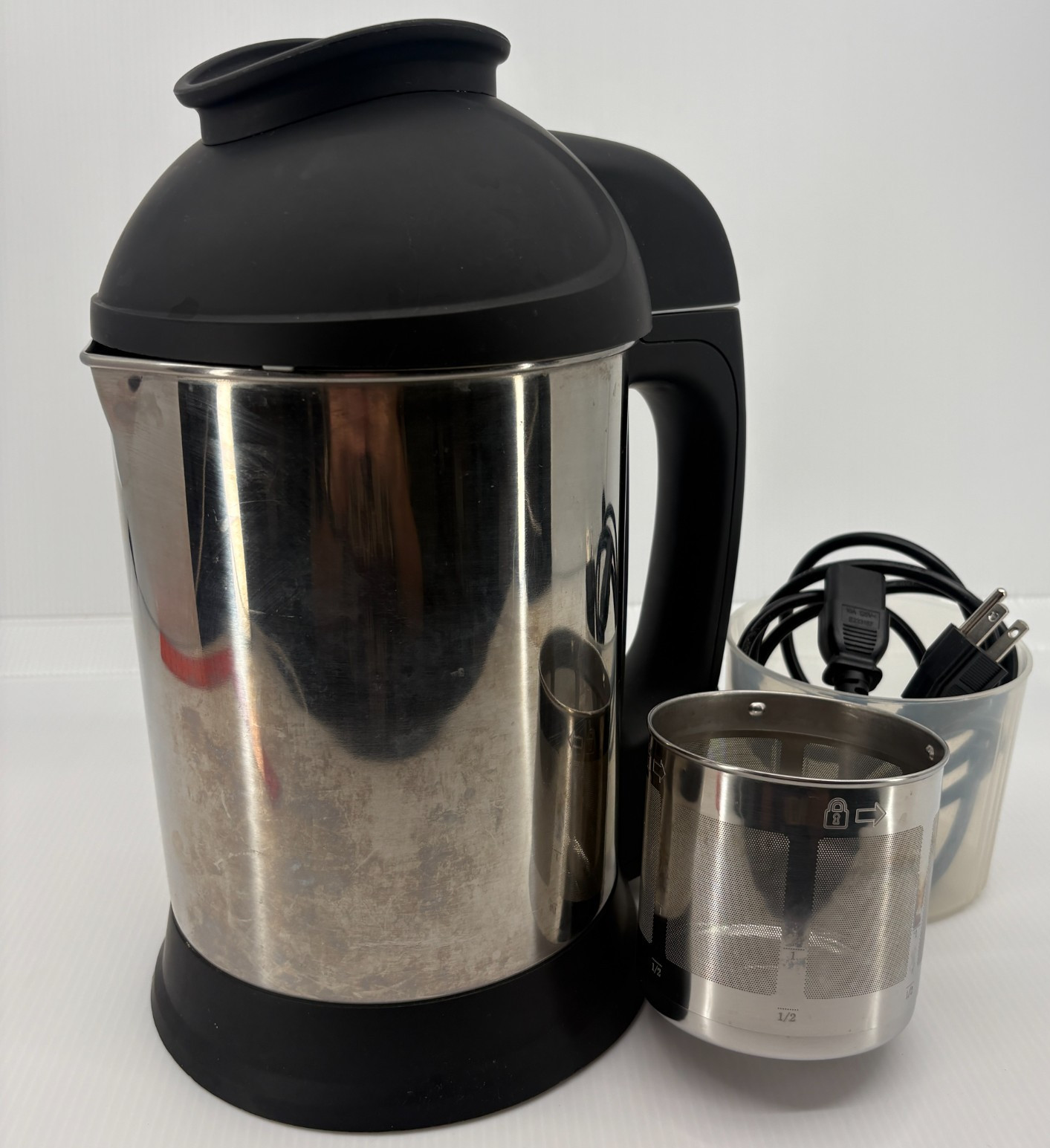 Almond Cow Nut Milk Maker Machine, Plant-Based Milk Maker for Almond Oat Cashew$70.00View on eBay
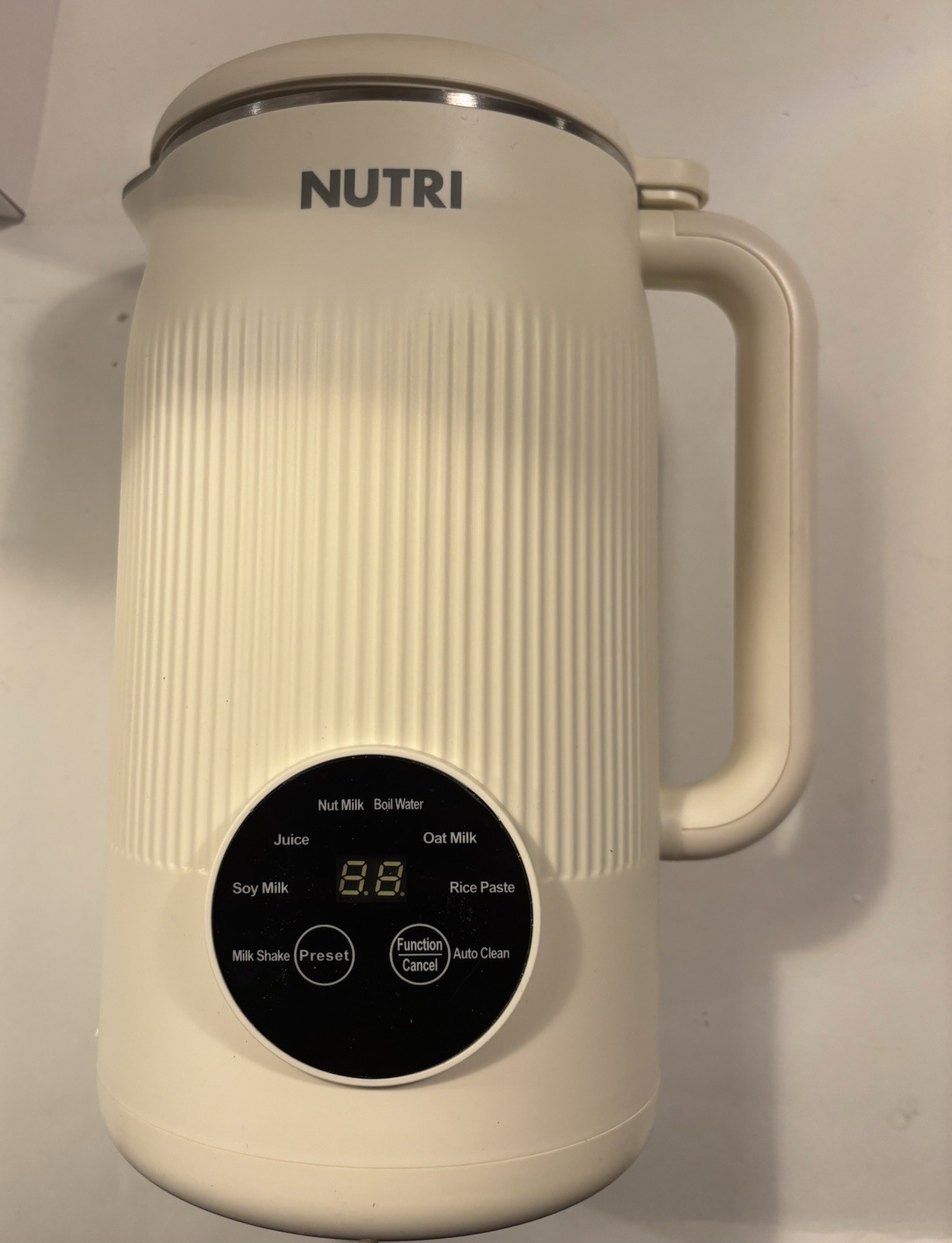 NUTRI Plant-Based Milk Maker Open Box, Mint$75.00View on eBay
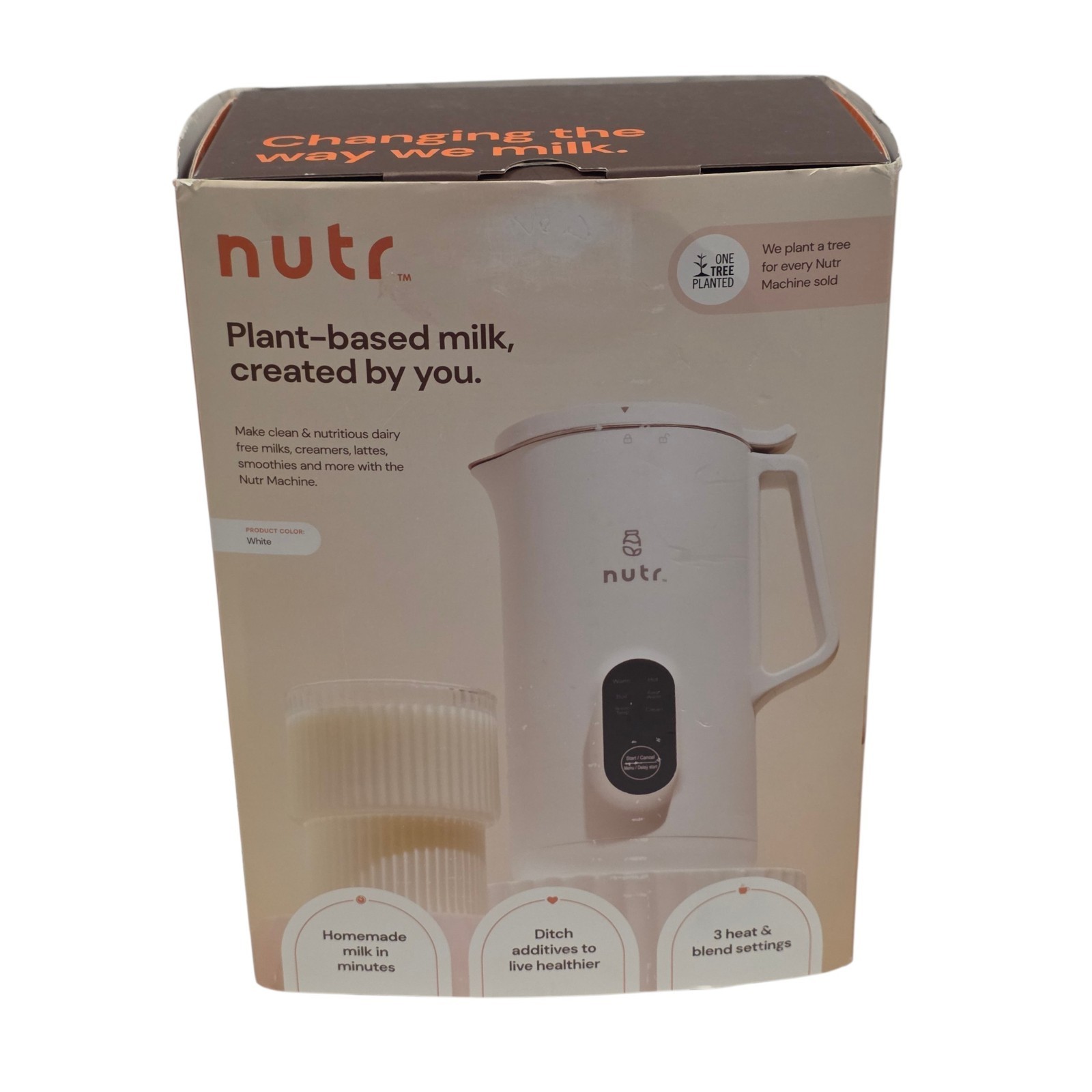 NUTR Nut Milk Maker Plant Based Milk Maker 350ml - Color White - Open Box$80.00View on eBay
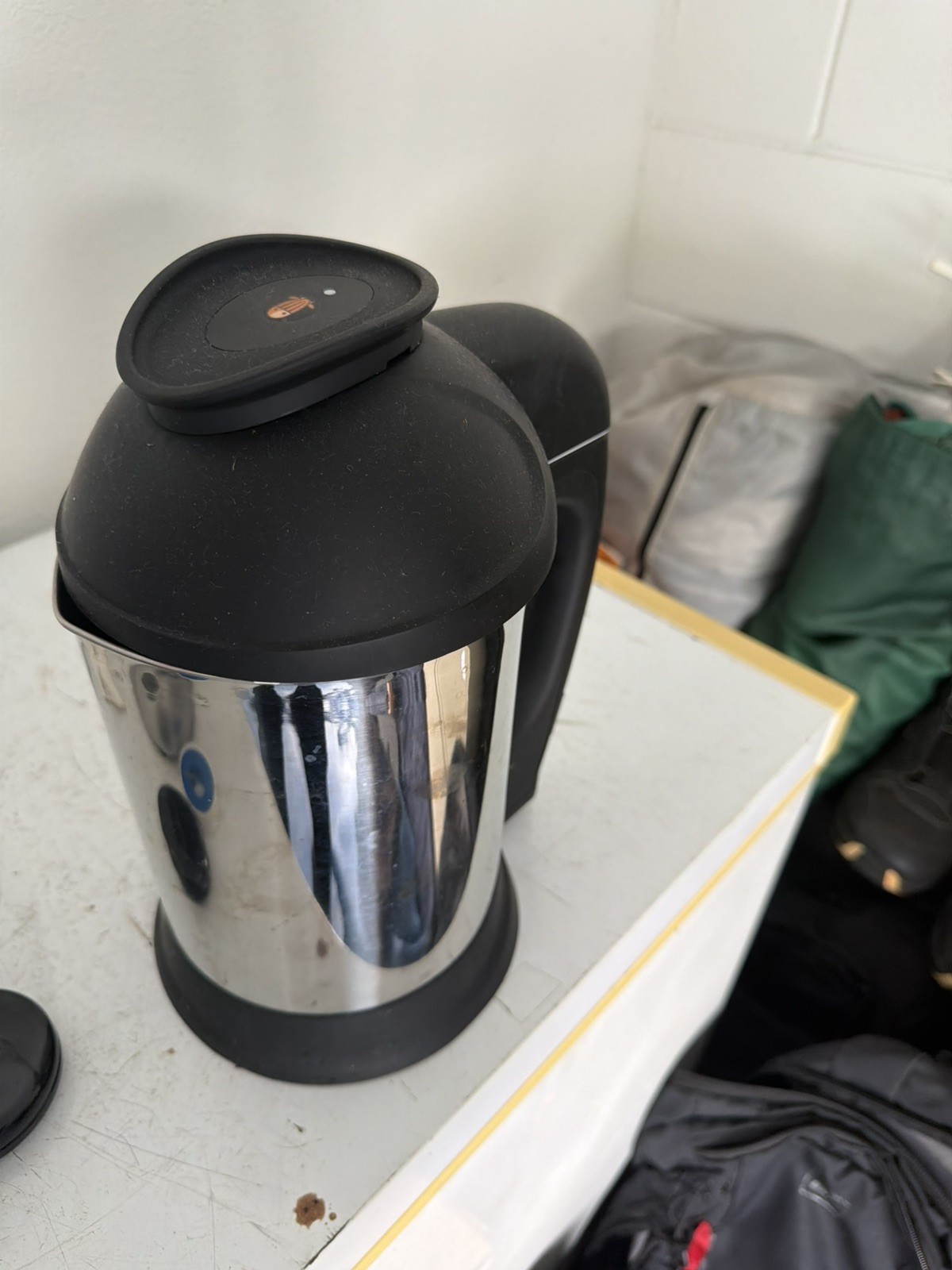 Almond Cow Plant-Based Milk Maker Stainless Steel w/ Filter Basket & Power Cord$84.99View on eBay
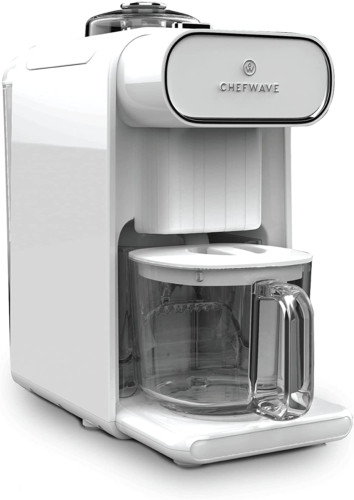 ChefWave Milkmade Dairy Alternative Vegan Milk Maker with 6 Plant-Based Programs$89.99View on eBay
- ChefWave Milkmade Dairy Alternative Vegan Milk Maker with 6 Plant-Based Auto$107.99View on eBay
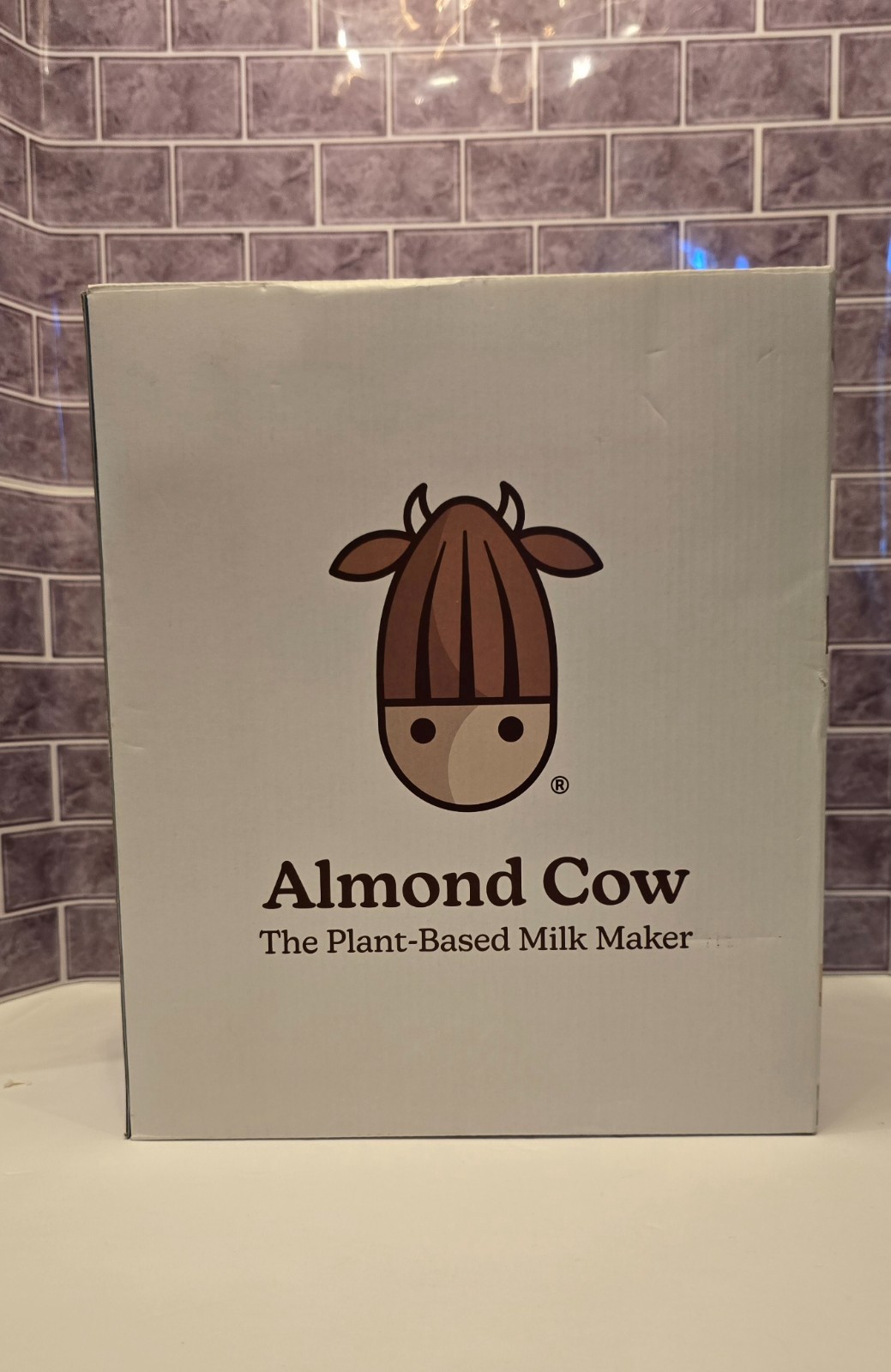 Almond Cow Milk Maker Plant-Based Milk System *Brand New*$114.00View on eBay
- OPEN BOX ChefWave Milkmade Vegan Milk Maker 6 Plant-Based Programs Auto Clean Wh$128.99View on eBay
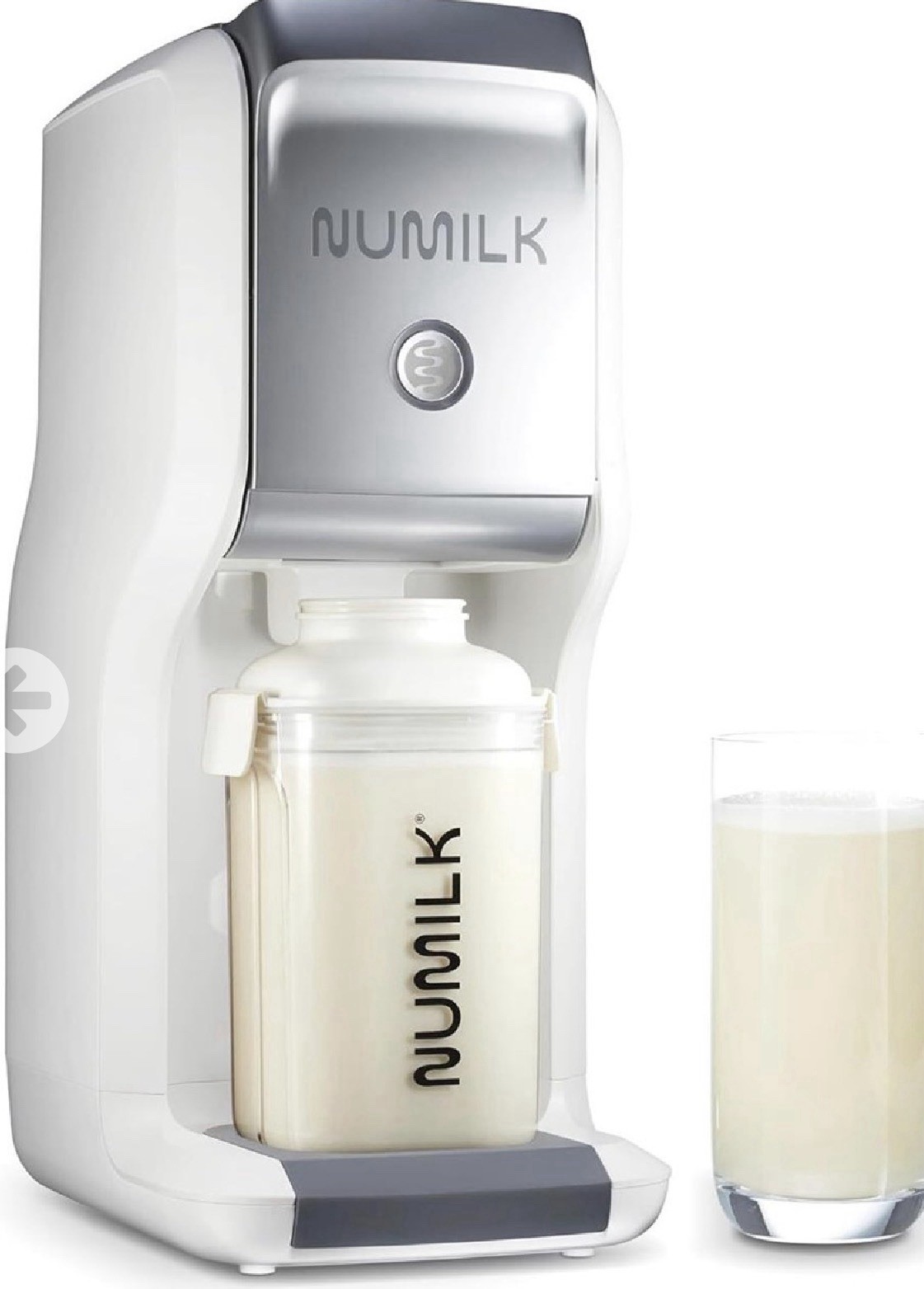 Numilk Home Machine - 32oz Nut Milk Maker Plant-Based Milk$129.99View on eBay
Highlights
- Motor torque determines grind fineness: high-torque brushless or geared motors handle soaked almonds and oats without stalling, while low-wattage units leave coarse sediment.
- Filtration architecture separates smooth from gritty: stainless-steel mesh baskets or multi-stage filters yield carton-like texture; single nylon bags produce pulp and require double straining.
- Heating and auto-cook cycles gelatinize oats and deactivate enzymes for creamier texture, but plastic pitchers can retain odors and degrade with repeated hot cycles.
- Capacity tiers cluster around 20 oz single-serve and 50 oz family batches; choose based on fridge storage and how much milk you drink weekly, not on max fill alone.
Best use cases
- Best fit: daily almond or oat milk drinkers should pick a heated, auto-cook model with a stainless mesh filter and at least 40 oz capacity to batch twice weekly.
- Best fit: single-serve smoothie and nut-milk users should choose a compact 20 oz unit with a Tritan or stainless pitcher and simple one-button cycle.
- Wrong fit: buyers wanting silky, carton-identical milk should skip unheated blender-style makers with nylon bags; they leave grit and require stovetop straining.
- Wrong fit: large households should avoid 20 oz single-serve units; batch size forces daily runs and the motor overheats with back-to-back cycles.
Buying tips
- Match capacity to weekly consumption: 20 oz suits one to two glasses; 40–50 oz batches cover a family for two to three days in the fridge.
- Prioritize stainless-steel mesh or multi-stage filtration over nylon bags; finer mesh means less pulp and no secondary straining.
- Choose heated auto-cook models for oats and soy; raw blending suits almonds and cashews but leaves starchier grains thin and separated.
- Check pitcher material: stainless steel or Tritan resists heat and odor; thin plastic cracks and clouds after repeated hot cycles.
Specs
| Motor Type | High-torque brushless vs geared brushed |
|---|---|
| Filtration | Stainless mesh vs nylon bag |
| Capacity Tier | 20 oz single-serve / 40-50 oz family |
| Pitcher Material | Stainless steel / Tritan vs plastic |
Related searches
What to check before buying
- Measure counter clearance and cabinet height: most makers need 12–16 inches of vertical space with the lid open.
- Confirm 120V/60Hz plug standard for North American outlets; 220–240V models need a step-up transformer.
- Verify the pitcher and filter are fully removable and dishwasher-safe; hand-wash-only mesh clogs and shortens filter life.
- Check batch size against your fridge pitcher: 50 oz output needs a 2-quart container with headroom for settling.
FAQ
Data sources: eBay / Amazon listings and product attribute feeds. Updated Nov 28, 2026.
Some links on this page are affiliate links. If you buy after clicking one, we may earn a commission at no extra cost to you. This does not change which products appear here or their order. Affiliate disclosure.