
Photos from current listings. Actual item, color, and included accessories may vary.
Coffee Cup Buying Guide
Coffee cups span four distinct material families—ceramic, borosilicate glass, double-wall stainless, and plastic—and the primary trade-off is thermal retention versus chemical inertness and durability under daily heat cycles. Choose ceramic or borosilicate for flavor neutrality and dishwasher/microwave tolerance, and double-wall stainless or thick soda-lime glass for insulation or visual appeal. The clear decision rule: any cup marketed for hot coffee must be tempered or borosilicate, must not be a thin soda-lime novelty glass, and must state a capacity in fluid ounces or milliliters you can match to your brewer's yield.
Median $25.74 · New & pre-owned listings
Key takeaways
- Borosilicate glass (low thermal expansion ~3.3) resists thermal shock from boiling water; thin soda-lime novelty glasses can crack on sudden heat.
- Double-wall stainless vacuum cups retain heat significantly longer than single-wall ceramic, but metal rims and interiors can mute aromatics and are not microwave-safe.
- Ceramic mugs are microwave- and dishwasher-safe and flavor-neutral; stoneware and porcelain differ in porosity and chip resistance based on firing temperature.
At a glance
- Category
- Tableware, Drinkware & Serving
- Last updated
- Nov 27, 2026
Current offers
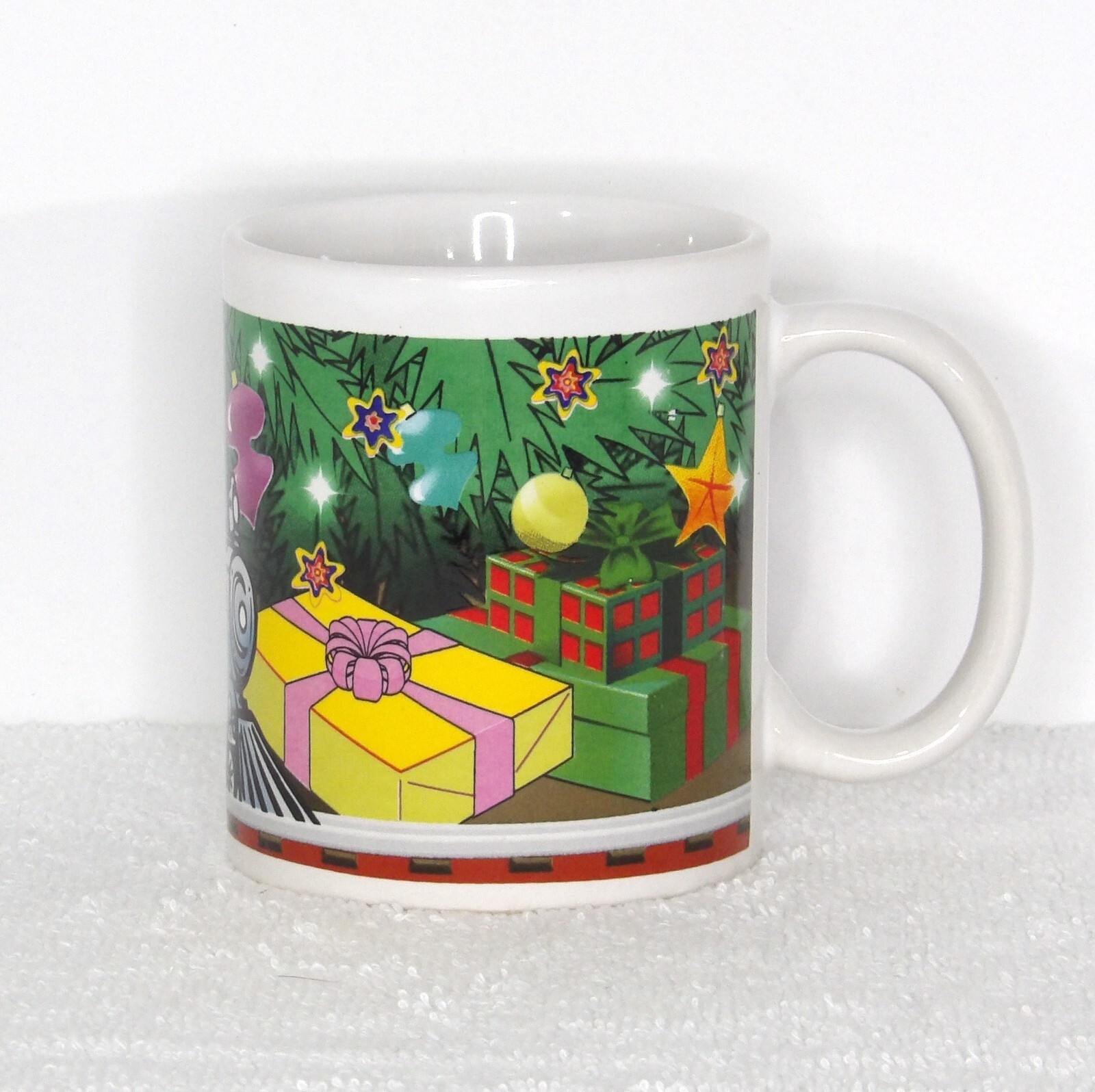 Houston Harvest Gift Products Christmas Tree Train and Presents Coffee Mug$9.00View on eBay
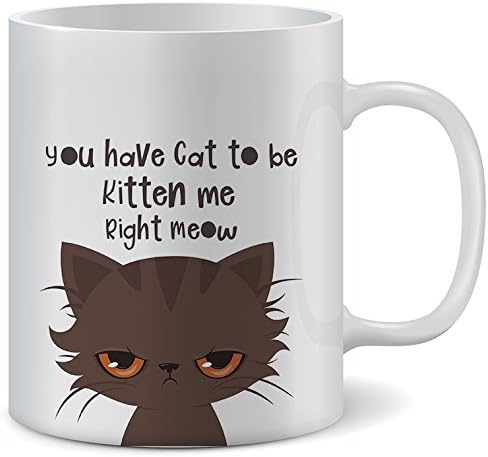 Funny Cat Mug - You Have Cat To Be Kitten Me Right Meow | Premium Coffee Mugs With Cat Sayings | 11 Ounce Ceramic A Great Birthd$11.99View on Mallflare
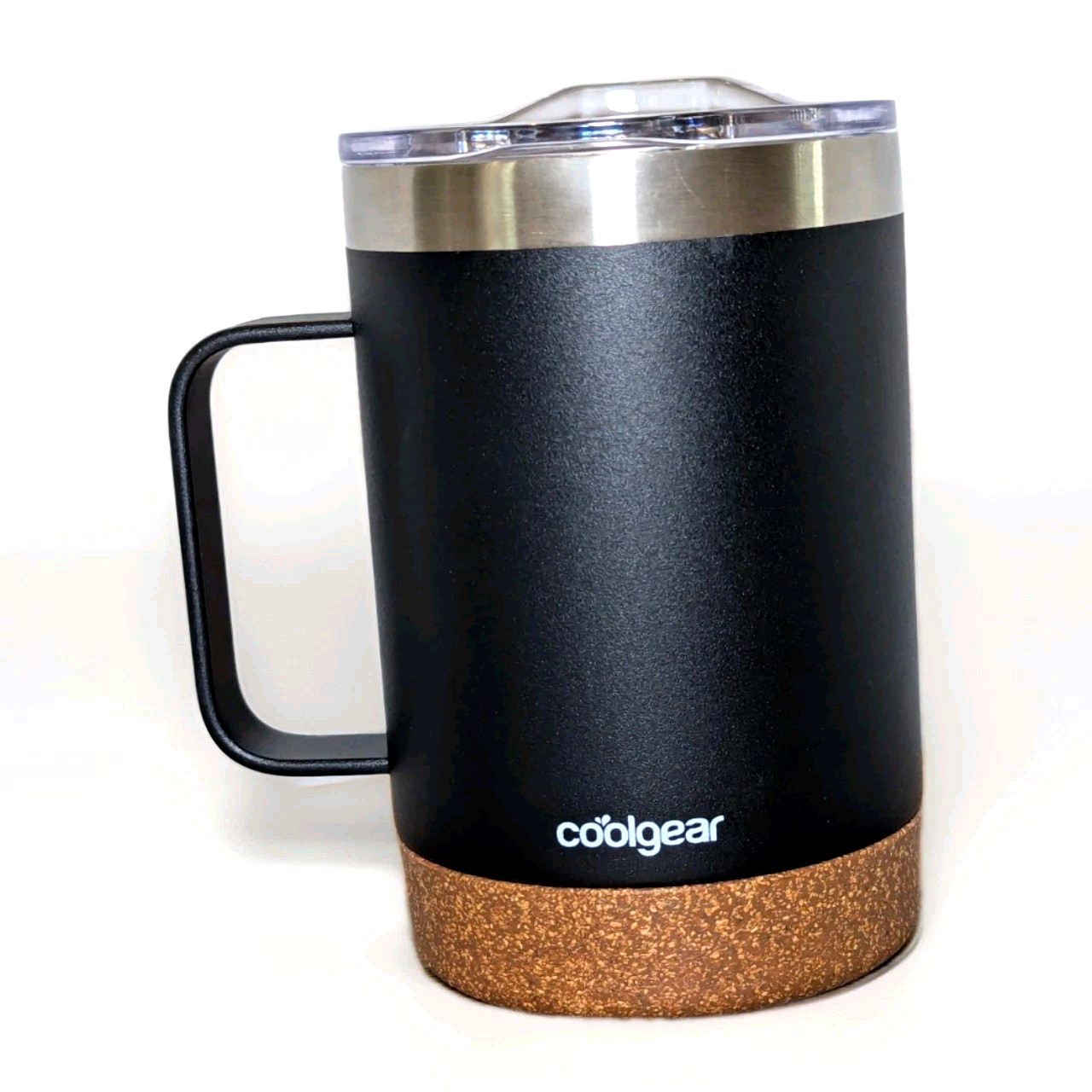 Cool Gear Black Coffee Mug Slider Lid Stainless Steel Double Wall Insulation NEW$16.73Last checked Nov 22, 2026View on eBay
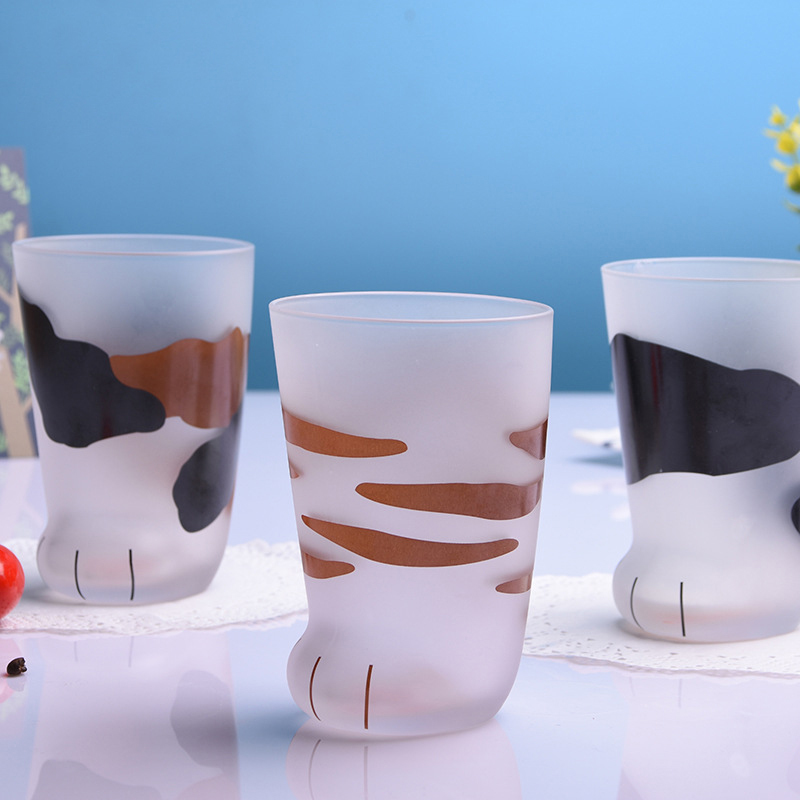 Creative Cute Cat Paws Glass Tiger Mug Office Coffee Mug Tumbler Personality Breakfast Milk Porcelain Cup Gift$11.99View on Mallflare
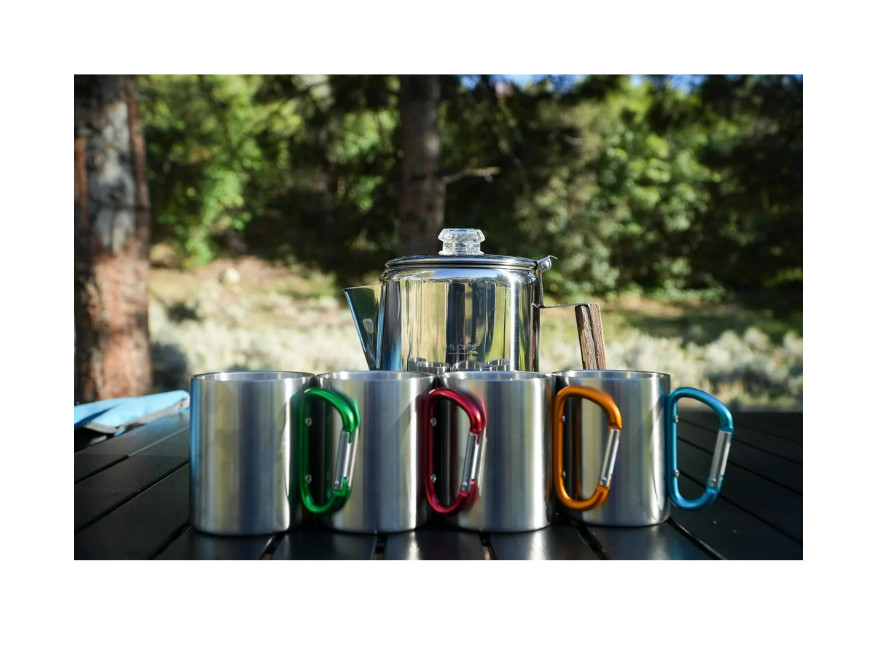 Alpine Mountain Gear Stainless Steel Coffee Mugs Set For Home & Outdoor 5 pcs$22.60View on eBay
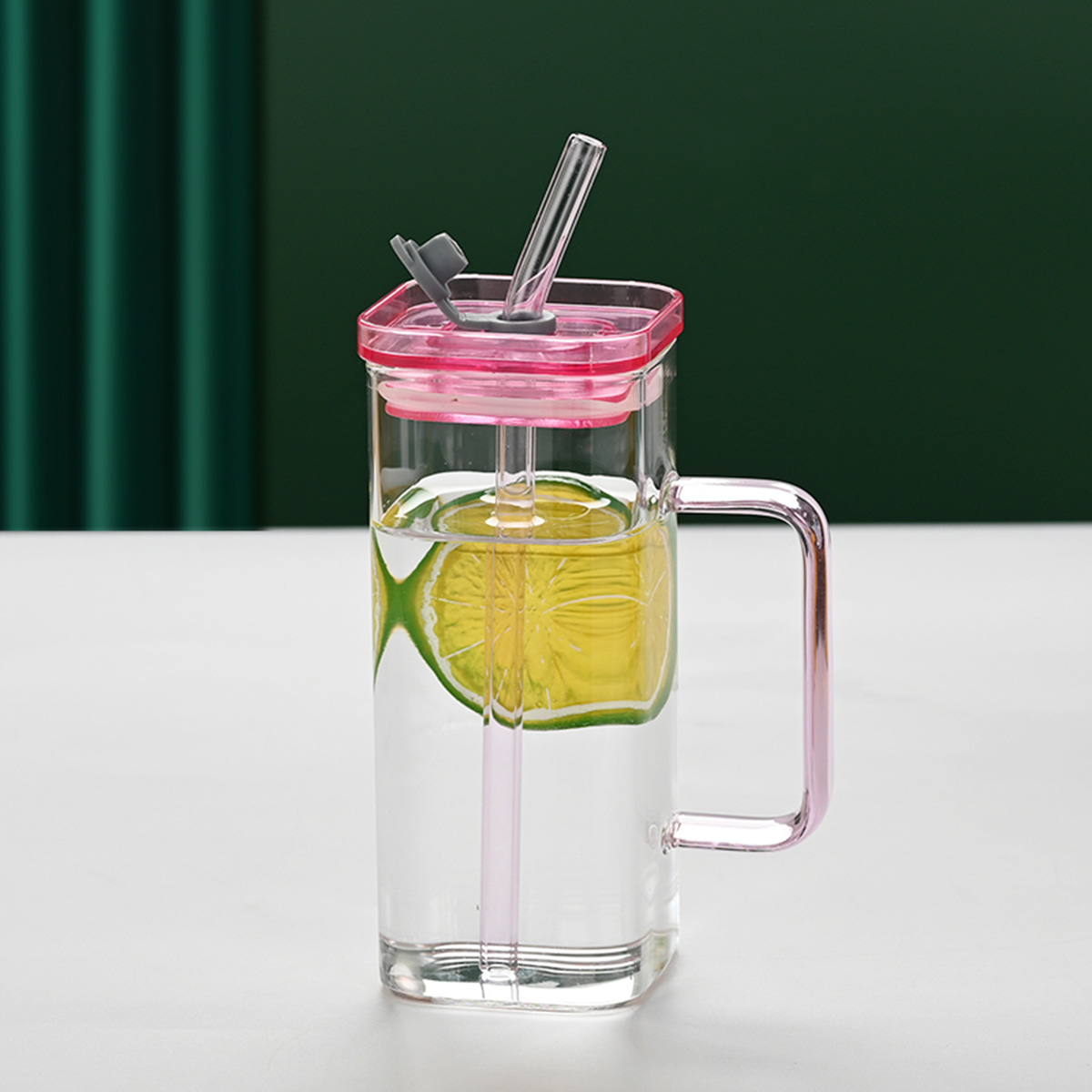 1 Pcs Pink Glass Straw Cup, 6 Colors Square Cup With And Lid, High Borosilicate Cup, Milk Cup, Juice Cup, Cold Drink Cup, Coffee Cup, Tea Cup, Office Cup, Gift Cup$13.99View on Mallflare
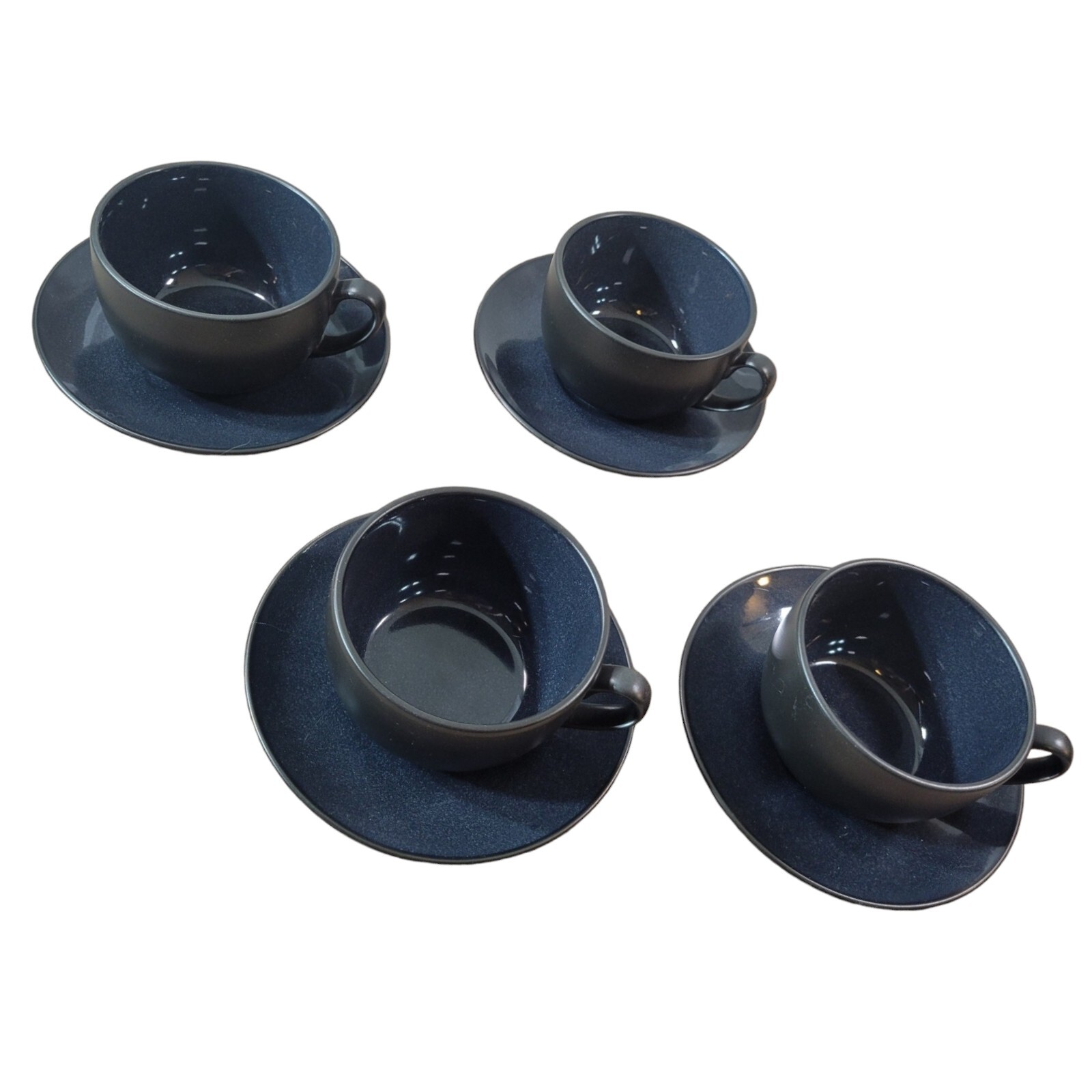 Caban Speckled Blue Gray Coffee Cup and Saucer Set of 4$24.00View on eBay
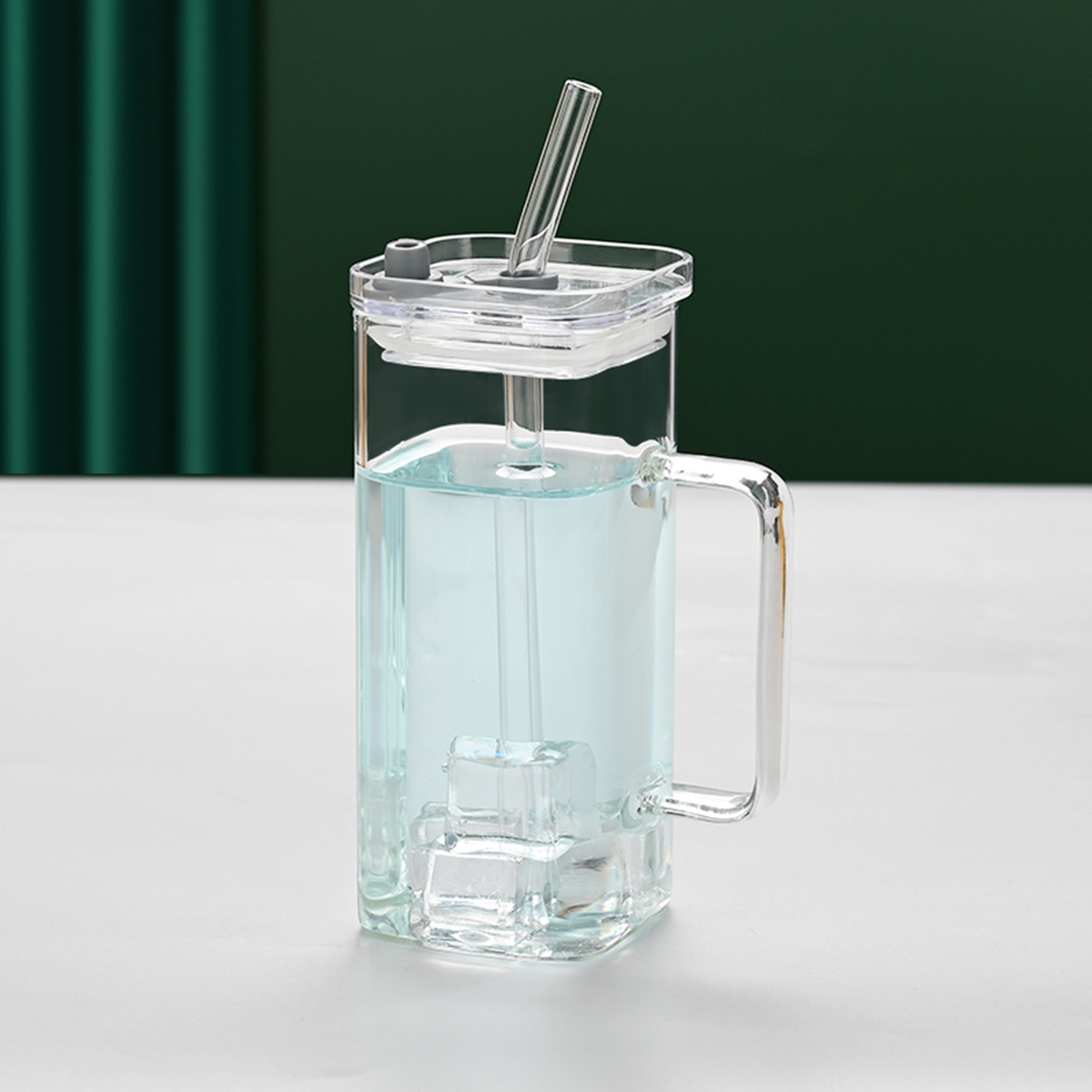 1 Pcs Transparent Glass Straw Cup, 6 Colors Square Cup With And Lid, High Borosilicate Cup, Milk Cup, Juice Cup, Cold Drink Cup, Coffee Cup, Tea Cup, Office Cup, Gift Cup$13.99View on Mallflare
 Jared Goff Coffee Mug (11oz, 15oz), Detroit Lions Football Fan Gear$24.59View on eBay
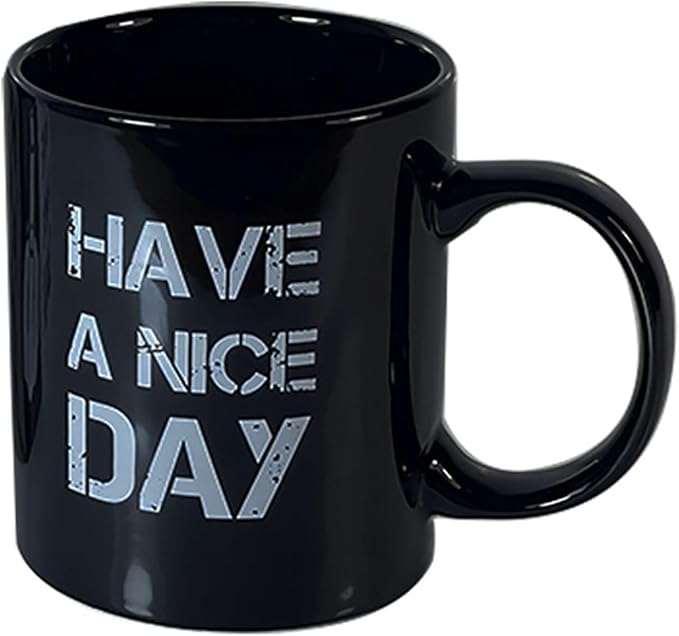 Middle Finger Coffee Cup With 3D Funny Inside Up Yours Mug Gag Gifts For Family For Best April Fool's Day, Valentine's Day$13.99View on Mallflare
 Shaquille O'Neal Coffee Mug (11oz, 15oz), Basketball Fan Gear$24.59View on eBay
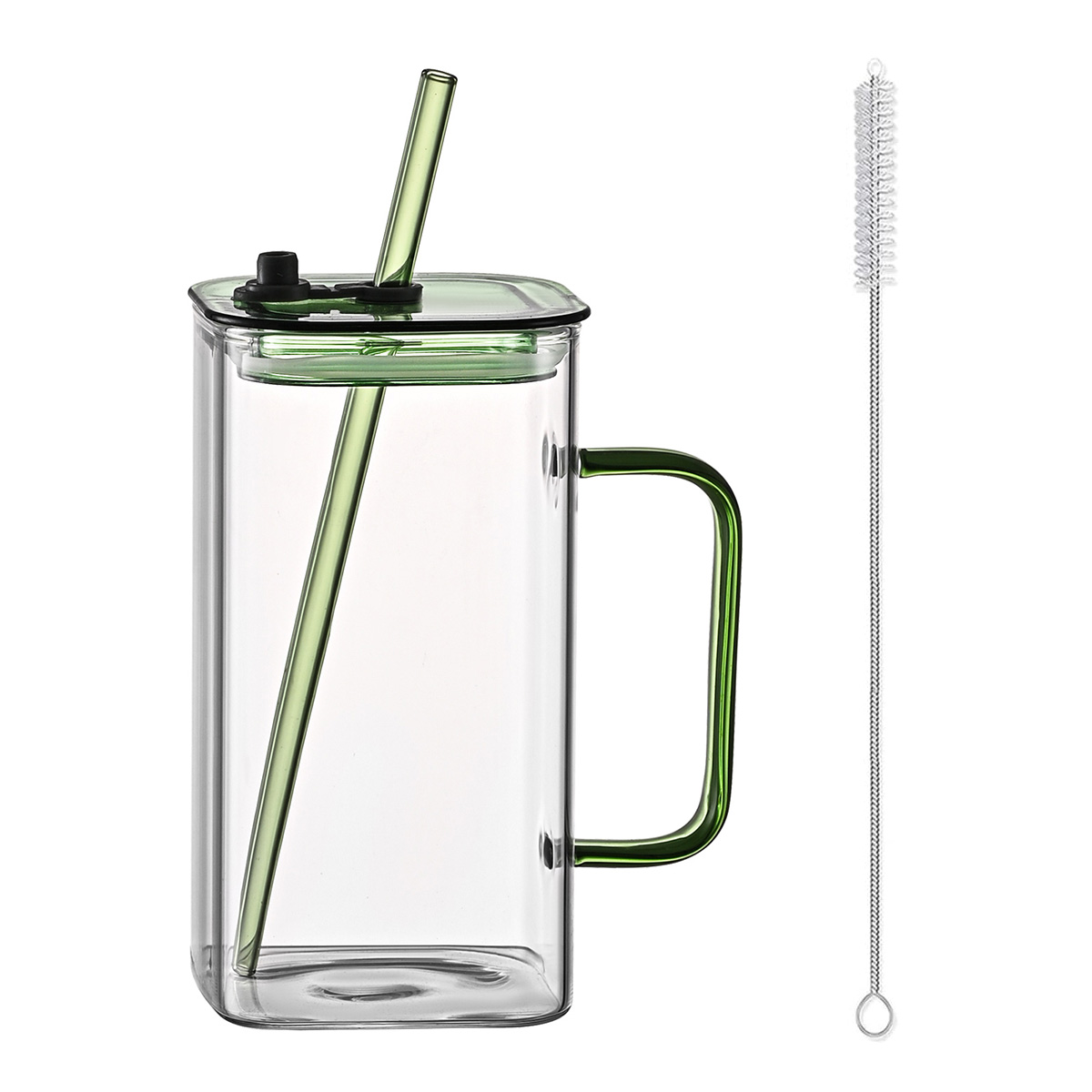 1 Pcs Green Glass Straw Cup, 4 Colors Square Cup With And Lid, High Borosilicate Cup, Milk Cup, Juice Cup, Cold Drink Cup, Coffee Cup, Tea Cup, Office Cup, Gift Cup$17.99View on Mallflare
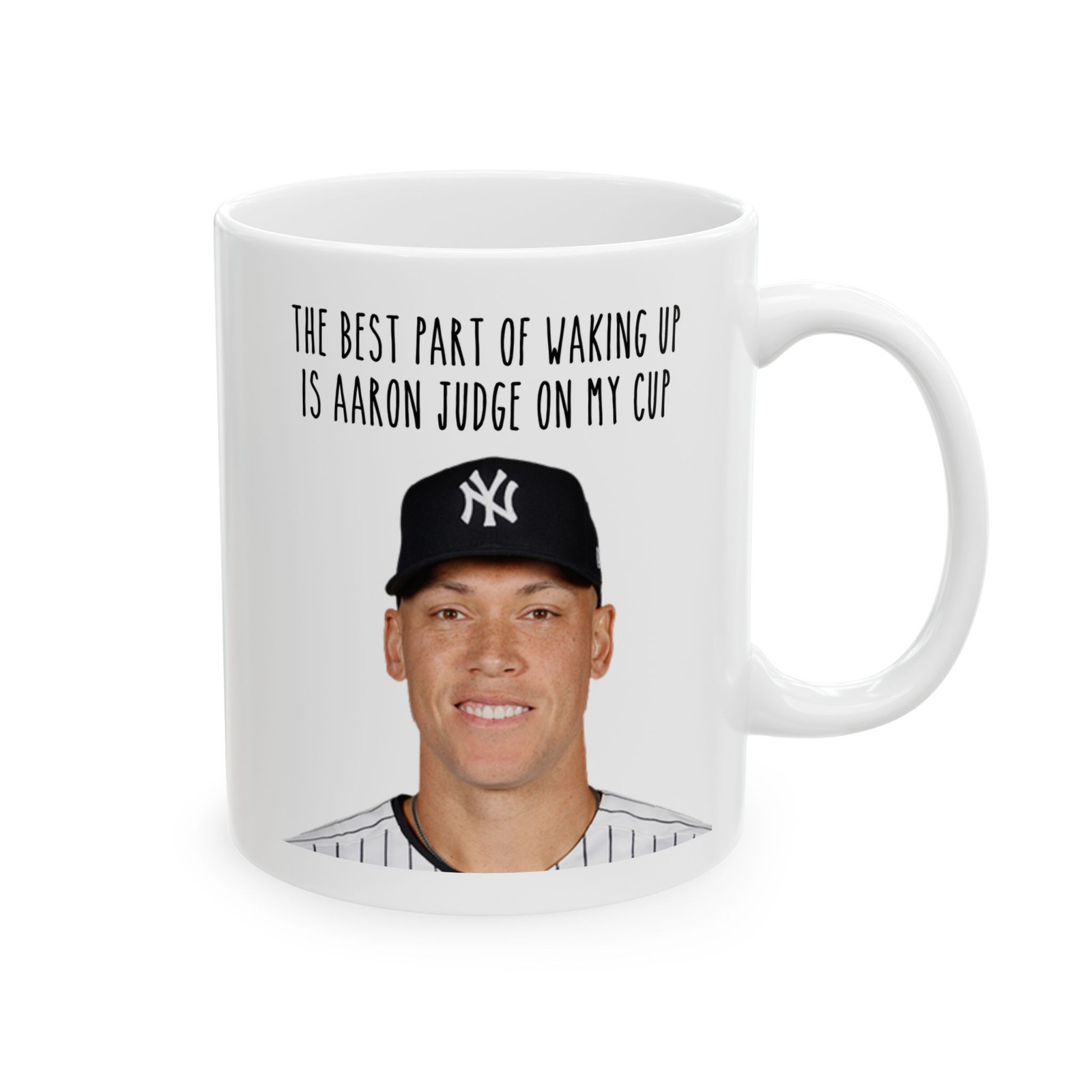 "Aaron Judge On My Cup" Coffee Mug (11oz, 15oz), New York Yankees Baseball Gear$25.49Last checked Nov 22, 2026View on eBay
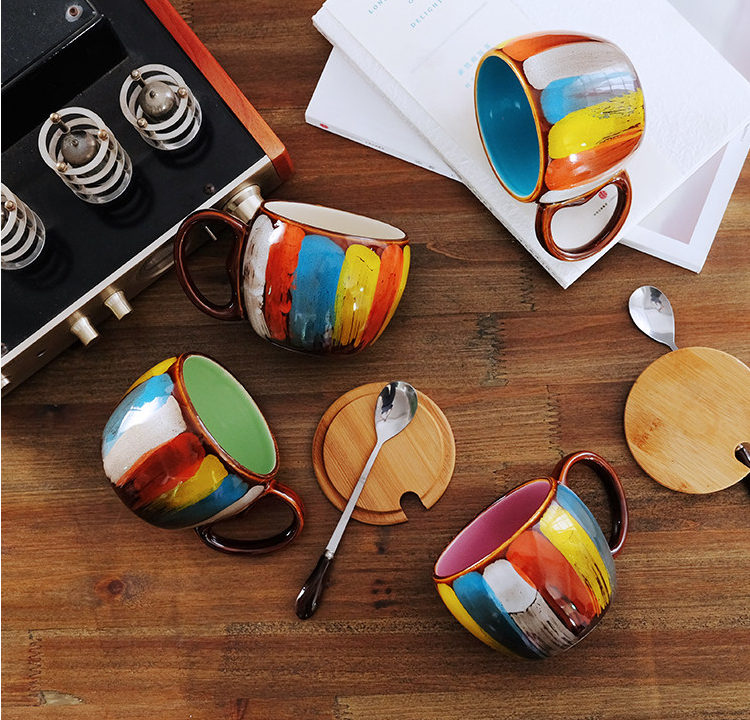 Creative ceramic cup milk cup water cup coffee cup breakfast cup couple cup to cup mug with lid spoon$17.99View on Mallflare
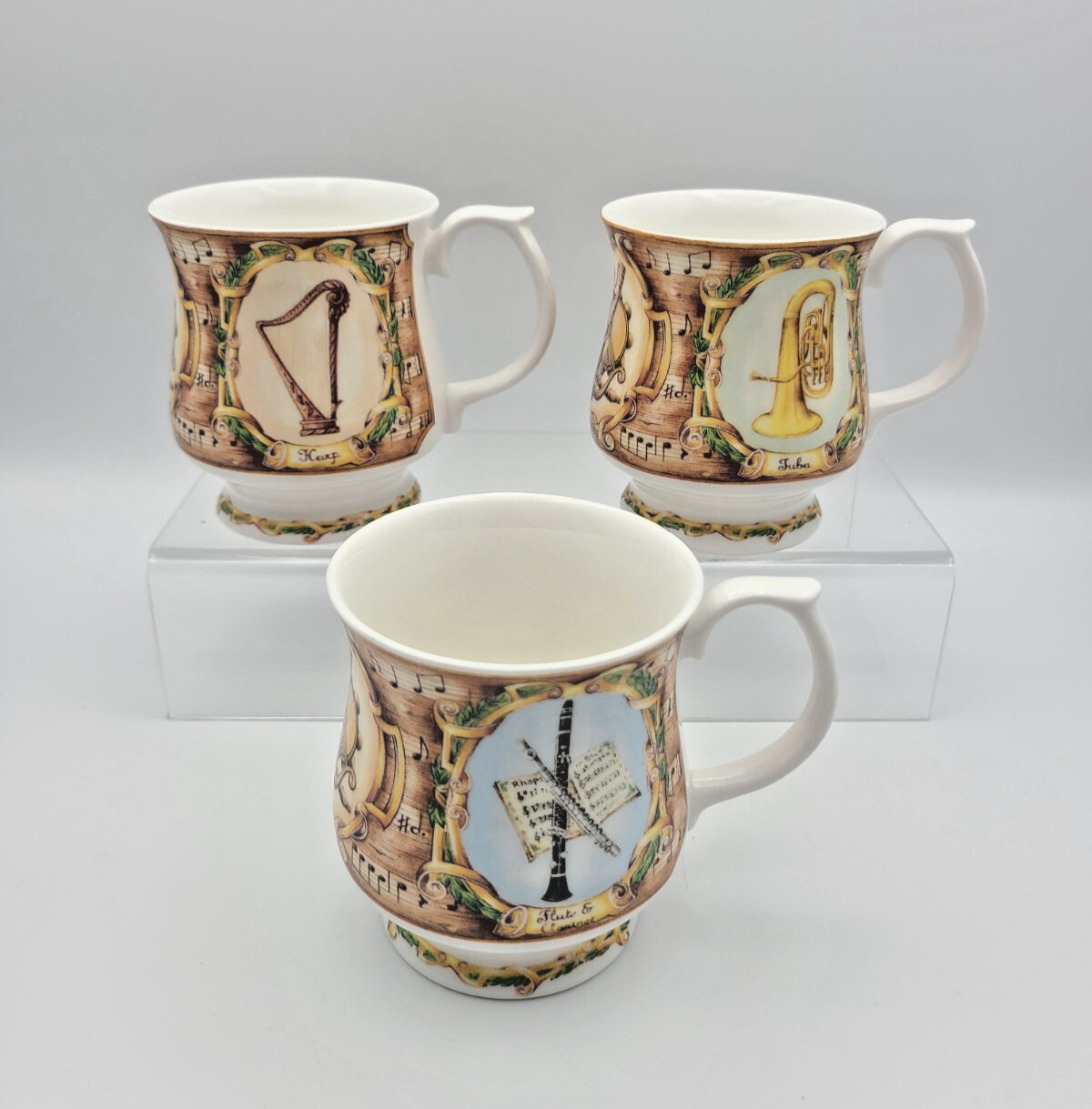 Coffee Mug Set QUEEN'S CONCERTO Strings Woodwind Brass Made in India Set of 3$25.99View on eBay
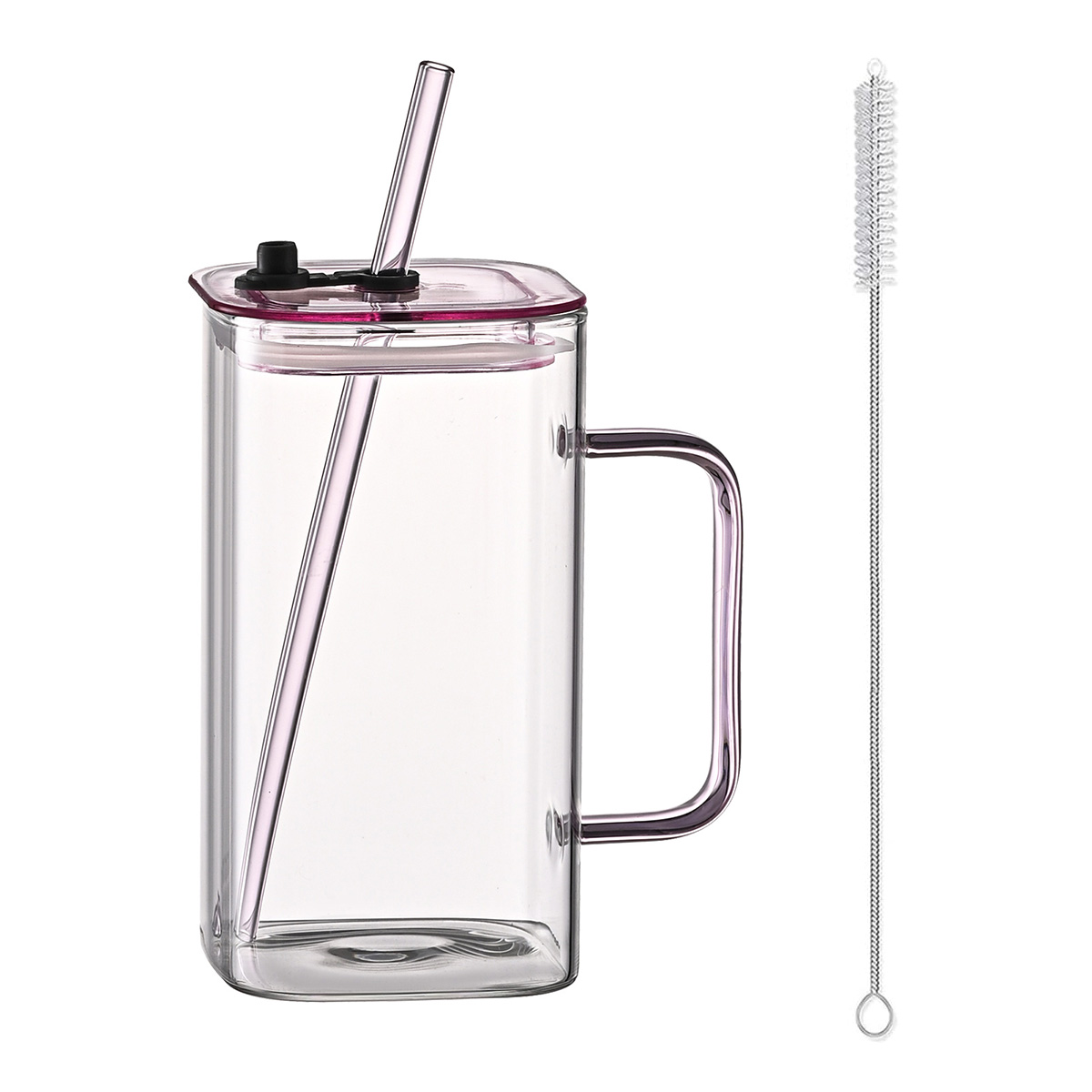 1 Pcs Pink Glass Straw Cup, 4 Colors Square Cup With And Lid, High Borosilicate Cup, Milk Cup, Juice Cup, Cold Drink Cup, Coffee Cup, Tea Cup, Office Cup, Gift Cup$17.99View on Mallflare
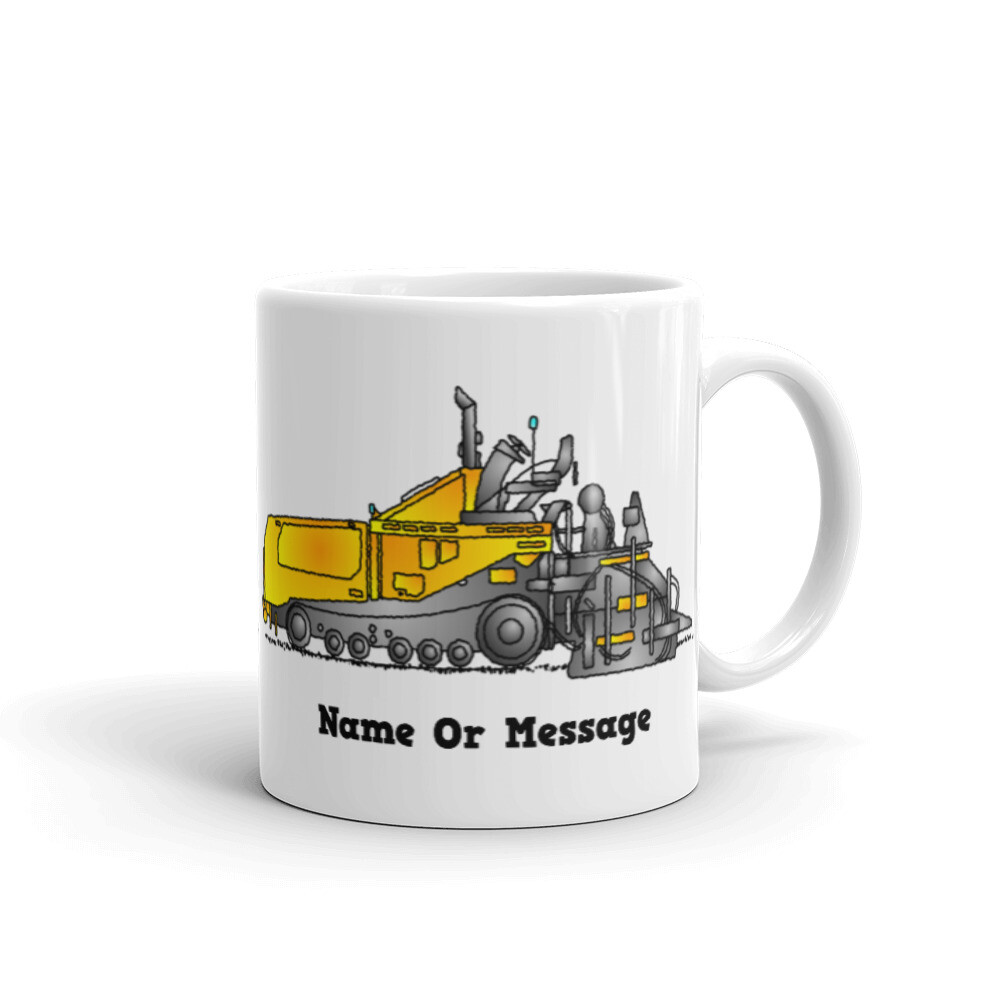 Personalized Asphalt Paver Mug. Ceramic Coffee Mug with Yellow Asphalt Paver$28.00View on eBay
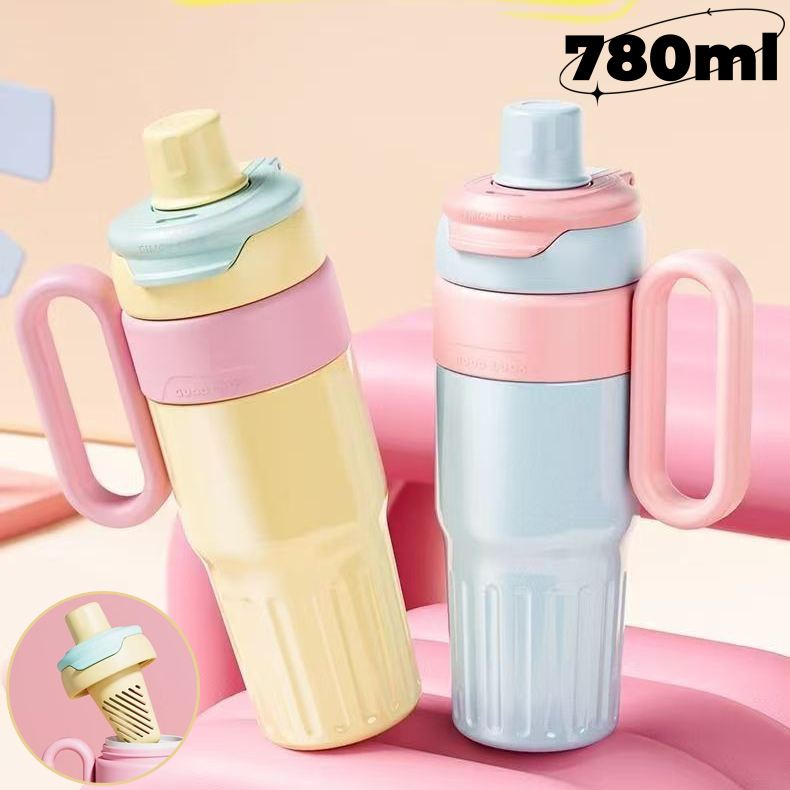 780ml Gradient Double Drink Thermal Cup Stainless Steel With Lid Coffee Cup Thermos Large Capacity Straw Cup For Male And Female$18.99View on Mallflare
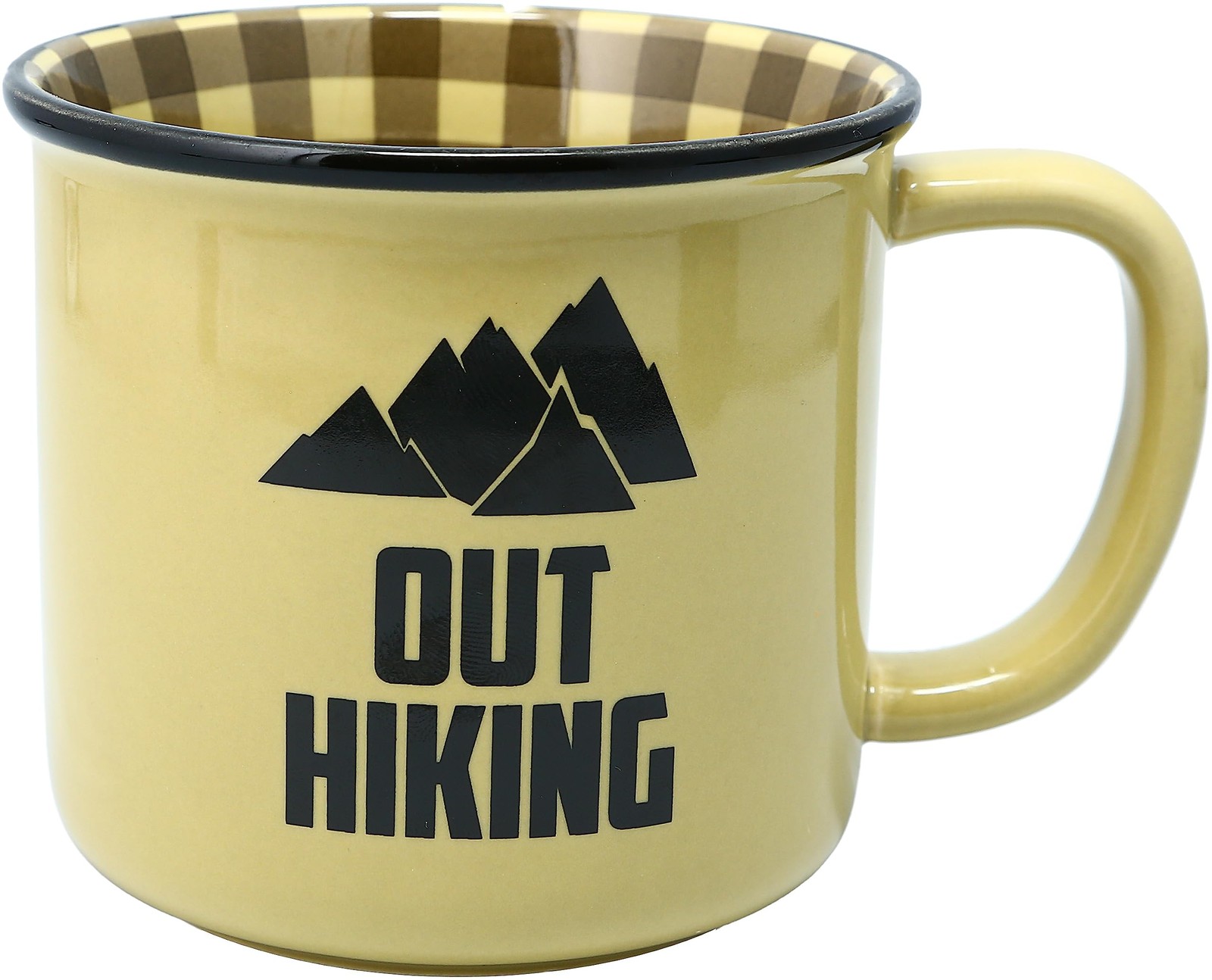 Pavilion "Out Hiking" 18oz Coffee Mug, Outdoorsy Hiking & Camping Gift$28.64View on eBay
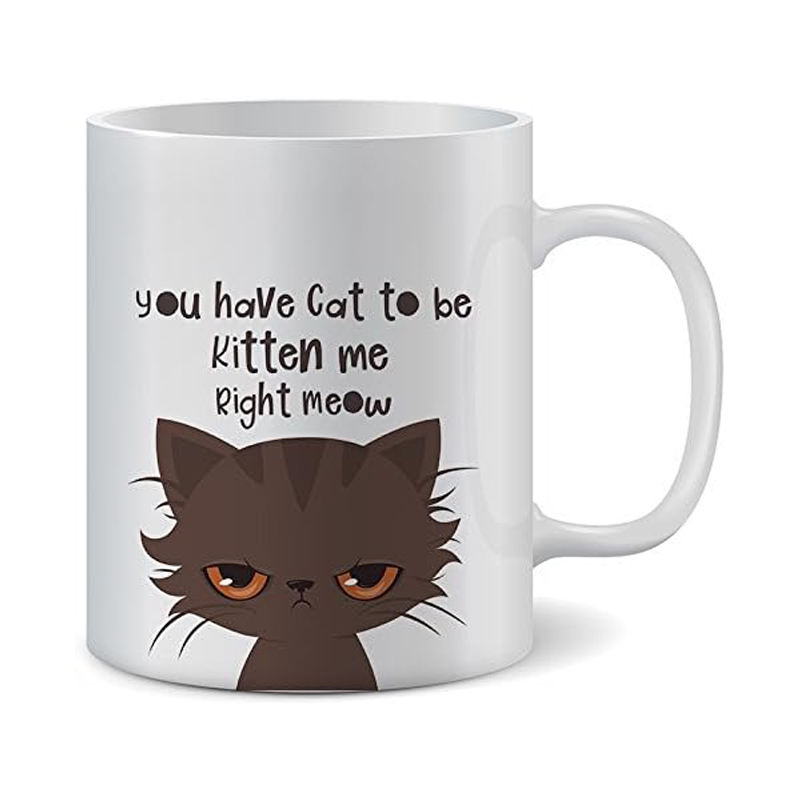 Funny Novelty Coffee Mug For Men And Women You Have Cat To Be Kitten Cat Lovers And Tea Cup 325ml$18.99View on Mallflare
Highlights
- Borosilicate glass (low thermal expansion ~3.3) resists thermal shock from boiling water; thin soda-lime novelty glasses can crack on sudden heat.
- Double-wall stainless vacuum cups retain heat significantly longer than single-wall ceramic, but metal rims and interiors can mute aromatics and are not microwave-safe.
- Ceramic mugs are microwave- and dishwasher-safe and flavor-neutral; stoneware and porcelain differ in porosity and chip resistance based on firing temperature.
- Standard mug capacities cluster at 8 oz (espresso/cortado), 11 oz (drip/pourover), 15 oz (large coffee), and 20 oz (travel); match cup volume to brewer yield plus milk.
Best use cases
- Desk and office sipping: pick an 11–15 oz ceramic mug or borosilicate glass with a lid; skip double-wall stainless if you reheat in a microwave.
- Commuting and travel: choose a sealed double-wall stainless vacuum cup with a threaded or gasketed lid; skip open-top glass cups and ceramic mugs in bags.
- Espresso, cortado, and flat white: use a 6–8 oz thick-walled ceramic demitasse or 210 ml glass with handle; skip 15–20 oz mugs that dilute ratio and cool espresso fast.
- Cold brew, iced lattes, and smoothies: pick high-borosilicate glass with a straw and lid; skip unlined metal cups for acidic citrus drinks if lining quality is unknown.
Buying tips
- Match capacity to brew yield: a 15 g pourover yields ~250 ml, so a 10–12 oz cup is right; a 20 oz mug suits 16 oz drip plus milk.
- For hot liquids, choose borosilicate, tempered glass, or glazed high-fired ceramic; avoid thin soda-lime decorative glasses and unglazed earthenware.
- Double-wall stainless keeps drinks hot 4–6 hours but is hand-wash preferred; ceramic and borosilicate are top-rack dishwasher safe.
- Check lid and handle ergonomics: wide 3.5–4 inch rims suit latte art and mugs; narrow 2.5–3 inch rims retain heat longer for black coffee.
Specs
| Material | Ceramic, borosilicate glass, stainless, plastic |
|---|---|
| Capacity Range | 2–20 oz (60–600 ml) |
| Heat Retention | Ceramic 20–30 min / Vacuum 4–6 hr |
| Dishwasher Safe | Ceramic & glass yes; double-wall no |
Related searches
What to check before buying
- Measure your brewer's output in ounces or milliliters and pick a cup at least 20% larger to leave room for milk and foam.
- Confirm the cup is labeled microwave-safe if you reheat coffee; stainless steel and metal-rimmed glass are not microwave-safe.
- Check dishwasher tolerance: glazed ceramic and borosilicate are typically safe; gold-rimmed, hand-painted, and double-wall stainless usually are not.
- Verify lid seal type for travel: threaded gasket lids survive bags; press-fit or silicone-stopper lids are for desk use only.
FAQ
Data sources: eBay / Amazon listings and product attribute feeds. Updated Nov 27, 2026.
Some links on this page are affiliate links. If you buy after clicking one, we may earn a commission at no extra cost to you. This does not change which products appear here or their order. Affiliate disclosure.