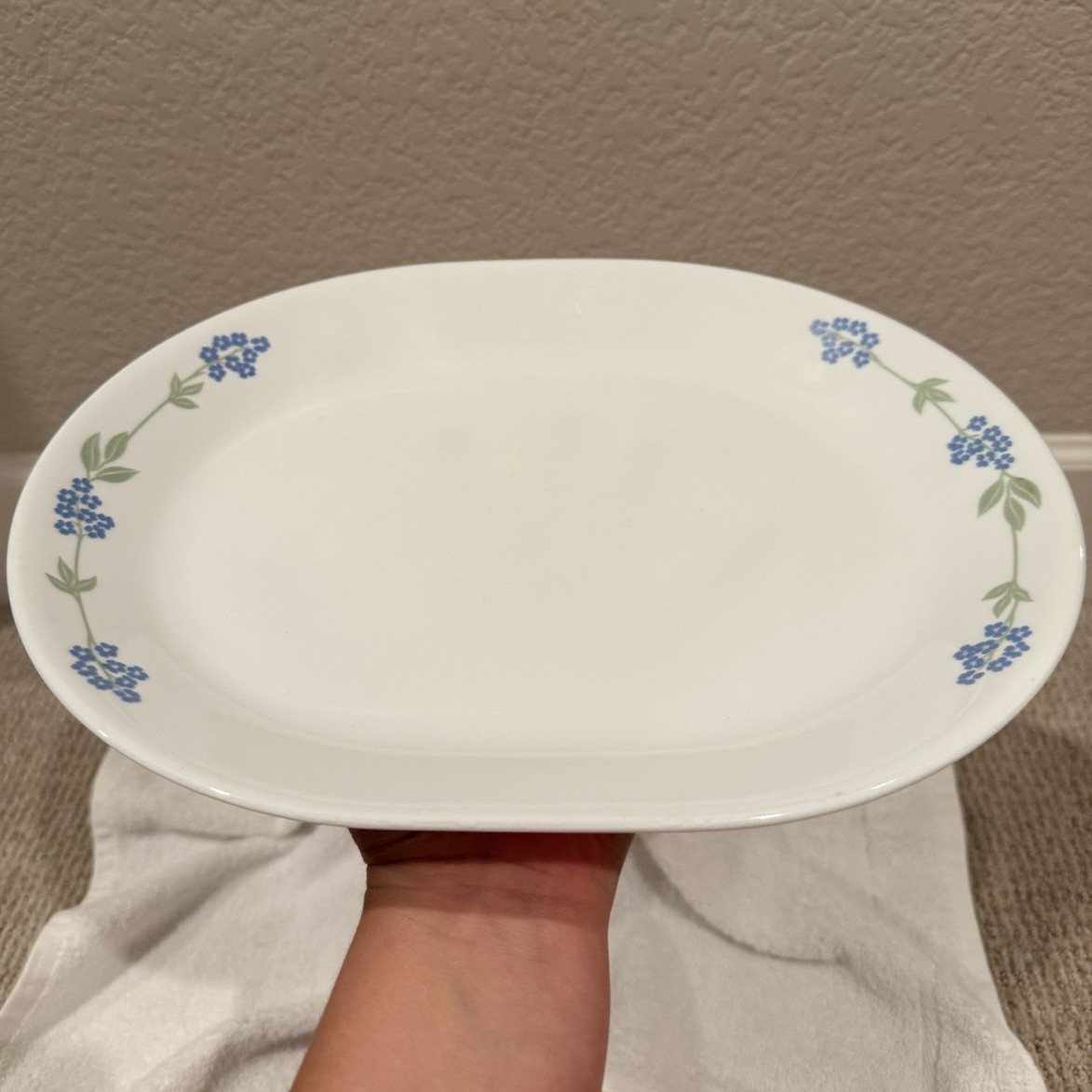

Photos from current listings. Actual item, color, and included accessories may vary.
Glass Plate Set Buying Guide
A glass plate set is a coordinated group of plates made from soda-lime, tempered, or borosilicate glass, used for dining, serving, and display. The core trade-off is between thermal shock resistance and impact durability: tempered soda-lime handles daily use but can shatter into cubes, while borosilicate resists temperature swings but chips more easily. Buy tempered or borosilicate sets with fully fused rims for everyday durability; skip annealed decorative glass for daily dining.
Key takeaways
- Tempered soda-lime glass (heat-strengthened) survives drops up to 1.5 m onto tile but shatters into blunt cubes; borosilicate resists 150°C thermal shock but chips at rims.
- Fully tempered glass is 4–5× stronger than annealed glass; look for 'tempered' or 'heat-strengthened' labeling, not just 'glass'.
- Plate thickness of 4–6 mm balances durability and weight; under 3 mm is decorative-only and prone to rim chips.
At a glance
- Category
- Tableware, Drinkware & Serving
- Last updated
- Nov 28, 2026
Current offers
Highlights
- Tempered soda-lime glass (heat-strengthened) survives drops up to 1.5 m onto tile but shatters into blunt cubes; borosilicate resists 150°C thermal shock but chips at rims.
- Fully tempered glass is 4–5× stronger than annealed glass; look for 'tempered' or 'heat-strengthened' labeling, not just 'glass'.
- Plate thickness of 4–6 mm balances durability and weight; under 3 mm is decorative-only and prone to rim chips.
- Fully fused or fire-polished rims resist chipping 2–3× better than ground or cut rims; avoid rough, unpolished edges.
Best use cases
- Daily family dining: choose 8–12 piece tempered soda-lime sets with fire-polished rims; skip thin borosilicate for impact-heavy use.
- Serving and entertaining: pick large oval platters and 10–12 inch plates in tempered glass; skip small saucers as primary serveware.
- Decorative display or light use: vintage amber or patterned glass is fine for dry foods; skip it for hot liquids or dishwasher cycles.
Buying tips
- Match plate diameter to use: dinner plates 10–11 in, salad plates 7–8 in, serving platters 12–16 in; smaller plates force double servings.
- Choose tempered glass for dishwasher and microwave safety; annealed decorative glass can craze or break under thermal cycling.
- For stackability, select rimless or shallow-couped profiles; deep-couped plates waste cabinet height and tip in stacks.
- Verify set composition: a '12-piece set' typically means 4 dinner, 4 salad, 4 bowls; confirm plate counts, not just total pieces.
Specs
| Glass Type | Tempered soda-lime vs borosilicate |
|---|---|
| Plate Thickness | 4–6 mm durable / <3 mm decorative |
| Rim Style | Fire-polished vs ground/cut |
| Set Composition | 8–12 pc (dinner/salad/bowl mix) |
Related searches
What to check before buying
- Measure cabinet shelf height and plate diameter: stacks of 10–11 in plates need 12 in clearance; deep platters need vertical storage.
- Confirm dishwasher clearance: standard racks fit plates up to 11.5 in diameter; oversized platters require bottom-rack or hand washing.
- Check microwave wattage and plate thermal rating: tempered soda-lime is microwave-safe; metallic-decorated or annealed glass is not.
- Verify flat, level shelf space for stacked plates; glass plates need 2–3 in of stack height per 4 plates to avoid rim stress.
FAQ
Data sources: eBay / Amazon listings and product attribute feeds. Updated Nov 28, 2026.
Some links on this page are affiliate links. If you buy after clicking one, we may earn a commission at no extra cost to you. This does not change which products appear here or their order. Affiliate disclosure.