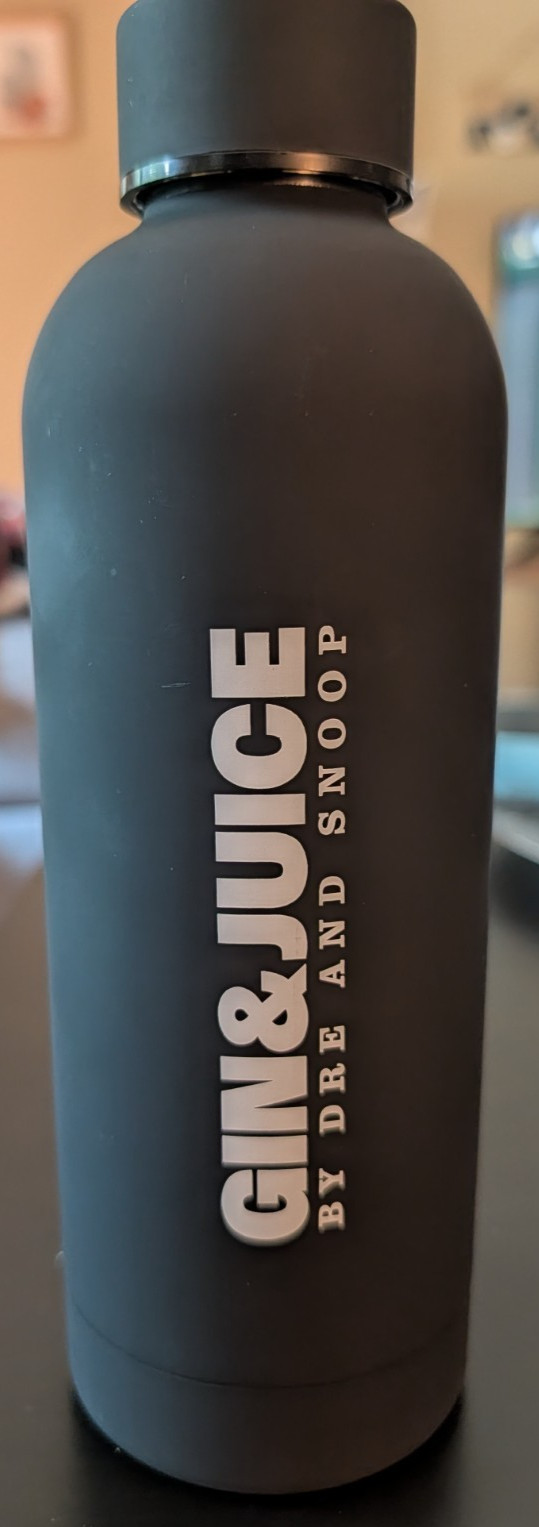

Photos from current listings. Actual item, color, and included accessories may vary.
Metal Water Bottle Buying Guide
Metal water bottles are single-wall or vacuum-insulated vessels made from stainless steel or aluminum, where the core trade-off is insulation performance and liner durability versus weight and cost. Vacuum-sealed 18/8 stainless steel with a double-wall construction is the durable standard; single-wall or painted aluminum bottles are lightweight compromises best suited to short, non-insulated carrying. Choose double-wall vacuum insulation for all-day temperature retention and condensation-free handling, and skip single-wall builds if you need hours of cold or hot performance.
Key takeaways
- Double-wall vacuum insulation uses two stainless steel walls with an evacuated gap, while single-wall bottles rely on the material alone and will sweat and lose temperature within an hour.
- 18/8 (304) stainless steel is the food-grade standard for bottle liners; 18/10 offers slightly better corrosion resistance, while unlined aluminum requires an interior epoxy or ceramic coating that can chip over time.
- Capacity tiers follow a clear pattern: 17–20 oz fits most car cup holders and backpack pockets, 24–32 oz suits gym and commute use, and 40 oz+ is for full-day hydration but rarely fits standard holders.
At a glance
- Category
- Tableware, Drinkware & Serving
- Last updated
- Nov 28, 2026
Current offers
Highlights
- Double-wall vacuum insulation uses two stainless steel walls with an evacuated gap, while single-wall bottles rely on the material alone and will sweat and lose temperature within an hour.
- 18/8 (304) stainless steel is the food-grade standard for bottle liners; 18/10 offers slightly better corrosion resistance, while unlined aluminum requires an interior epoxy or ceramic coating that can chip over time.
- Capacity tiers follow a clear pattern: 17–20 oz fits most car cup holders and backpack pockets, 24–32 oz suits gym and commute use, and 40 oz+ is for full-day hydration but rarely fits standard holders.
- Mouth diameter and lid threading determine compatibility: wide-mouth (2.2–2.4 in) accepts ice cubes and most aftermarket straw lids, while narrow-mouth (1.5–1.7 in) threads are brand-specific and limit accessory swaps.
Best use cases
- Best fit: daily commuting or office use with a 17–20 oz double-wall vacuum bottle — it fits cup holders, stays condensation-free on a desk, and keeps drinks cold through a workday. Skip single-wall or painted aluminum at this size.
- Best fit: gym, hiking, or full-day outings with a 32–40 oz insulated bottle paired with a wide-mouth lid and carry handle. Skip narrow-mouth 17 oz bottles if you need ice cubes or rapid refills.
- Best fit: kids or light travel with a 12–17 oz single-wall stainless bottle where weight matters more than insulation. Skip double-wall vacuum bottles for toddlers — they are heavier and unnecessary for short outings.
- Wrong fit: hot-beverage commuting with a narrow-mouth screw cap — choose a wide-mouth bottle with a leakproof flip or straw lid rated for hot liquids instead of a standard sport cap.
Buying tips
- Match capacity to carry method: measure your cup holder (typically 2.8–3.0 in diameter) and backpack pocket before choosing; a 17–20 oz bottle with a 2.8–3.0 in base fits most holders, while 32 oz+ bottles usually require a side pocket or handle.
- Confirm steel grade and wall construction: insist on 18/8 or 18/10 stainless steel and double-wall vacuum insulation for any bottle expected to hold temperature beyond one hour; single-wall builds are only for short transfers.
- Check lid threading and gasket material: standard wide-mouth threads (roughly 2.2–2.4 in) accept many third-party straw and chug lids, while narrow-mouth threads vary by brand; silicone gaskets outlast EPDM and are replaceable on better lids.
- Verify dishwasher and coating claims: unlined 18/8 stainless is dishwasher-safe, but painted or powder-coated exteriors and aluminum liners degrade in high heat; hand-wash coated bottles to preserve finish and liner integrity.
Specs
| Insulation Type | Double-wall vacuum vs single-wall |
|---|---|
| Steel Grade | 18/8 (304) or 18/10 stainless |
| Capacity Range | 17 oz to 40 oz typical |
| Mouth Diameter | Wide 2.2-2.4 in / narrow 1.5-1.7 in |
Related searches
What to check before buying
- Measure your car cup holder diameter and depth, plus backpack side-pocket height, to confirm the bottle's base and overall height fit before selecting a capacity tier.
- Check your daily temperature need: if you require cold drinks beyond 2 hours or hot liquids beyond 1 hour, select double-wall vacuum insulation; otherwise single-wall is acceptable.
- Confirm lid and accessory compatibility: wide-mouth bottles accept ice cubes and common straw lids, while narrow-mouth bottles need brand-matched caps and brushes.
- Assess coating and cleaning routine: powder-coated or painted exteriors require hand washing, and aluminum bottles need intact interior liners — choose unlined 18/8 stainless for dishwasher convenience.
FAQ
Data sources: eBay / Amazon listings and product attribute feeds. Updated Nov 28, 2026.
Some links on this page are affiliate links. If you buy after clicking one, we may earn a commission at no extra cost to you. This does not change which products appear here or their order. Affiliate disclosure.