
Photos from current listings. Actual item, color, and included accessories may vary.
Salt Shaker Buying Guide
A salt shaker is a countertop dispensing vessel whose core job is controlling moisture ingress and flow rate—cheap units clog from humidity, corrode, or dump salt unpredictably. The decisive trade-off is between sealed, moisture-resistant construction (glass body, gasket, ceramic or stainless flow insert) and open, decorative designs that look good but cake within weeks. Buy a shaker with a removable, cleanable flow restrictor and a non-reactive body; skip unsealed novelty ceramics and mild-steel interiors.
Median $34.99
Key takeaways
- Borosilicate or soda-lime glass bodies resist salt corrosion and won't pit like mild steel or zinc-alloy shells.
- A silicone or EPDM gasket under the cap prevents humid air ingress—the single biggest cause of caking and clumping.
- Flow inserts with 1.5–2.5 mm holes suit fine table salt; coarse sea salt needs 3–5 mm or a grinder instead.
At a glance
- Category
- Tableware, Drinkware & Serving
- Last updated
- Nov 27, 2026
Current offers
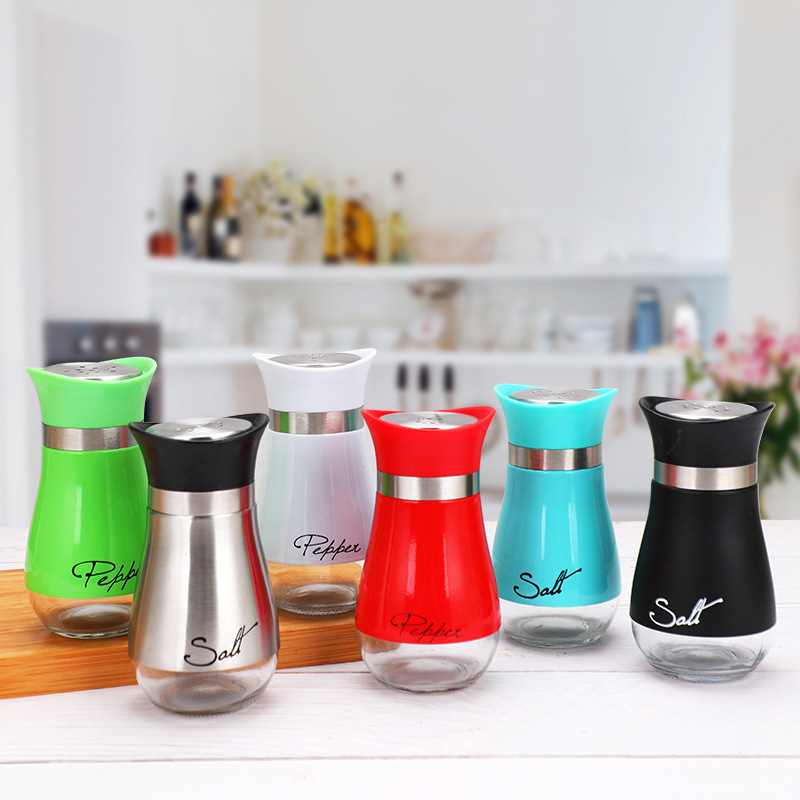 Salt And Pepper Shakers Set - Containers For Gifts, Kitchen Decor, Home, RV, Camp, BBQ, 4 Oz Farmhouse Spice Dispenser With Glass Bottom, Set Of 2$15.99View on Mallflare
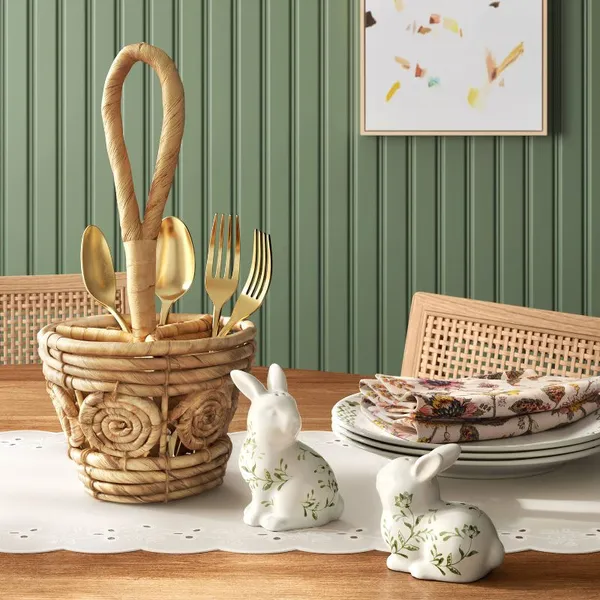 Easter Stoneware Bunny Salt And Pepper Shaker Set$26.99View on Mallflare
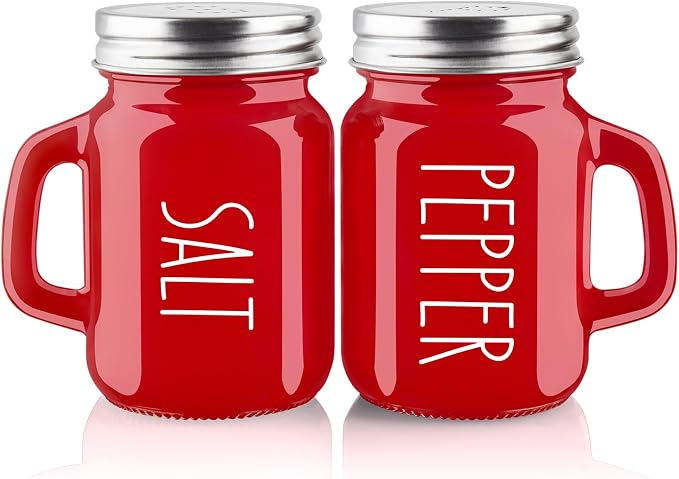 Red Salt And Pepper Shakers Set, 4 Oz Glass With Stainless Steel Lids, Cute Modern Kitchen Decor For Home And Dining$42.99View on Mallflare
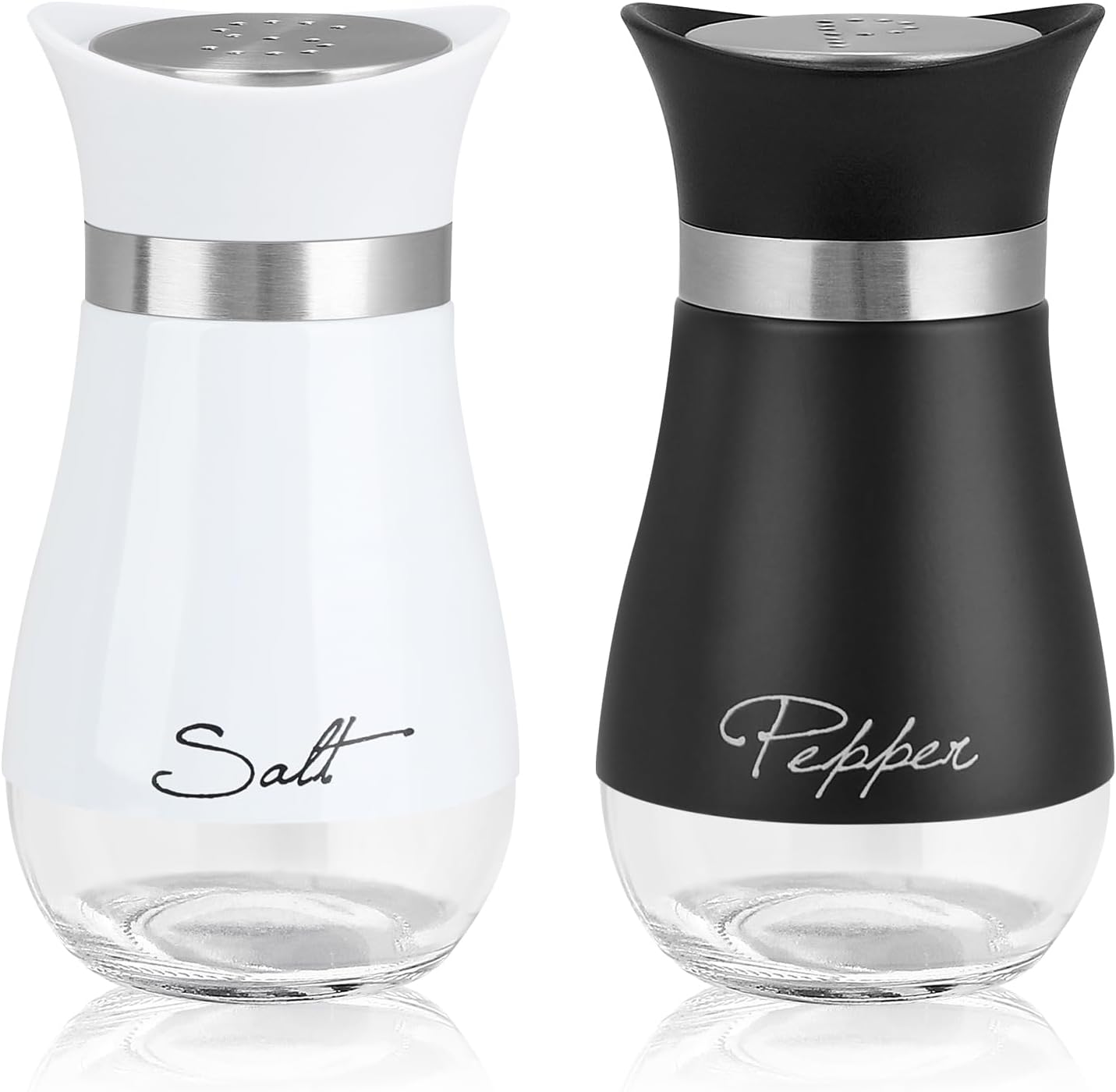 Salt And Pepper Shakers Set, 4 Oz Stainless Steel Containers With Glass Bottom For Kitchen, BBQ, Table, RV And Camp$44.99View on Mallflare
Highlights
- Borosilicate or soda-lime glass bodies resist salt corrosion and won't pit like mild steel or zinc-alloy shells.
- A silicone or EPDM gasket under the cap prevents humid air ingress—the single biggest cause of caking and clumping.
- Flow inserts with 1.5–2.5 mm holes suit fine table salt; coarse sea salt needs 3–5 mm or a grinder instead.
- Ceramic or 304 stainless steel flow inserts resist rust; chrome-plated zinc and painted mild steel flake and corrode at the holes.
Best use cases
- Humid kitchen or coastal home: pick a gasketed glass shaker with ceramic insert; skip open-top or wooden-bodied shakers that absorb moisture.
- Fine table salt for everyday cooking: choose 1.5–2.5 mm holes; skip coarse-grind dispensers that pour too slowly for measured seasoning.
- Coarse sea salt or kosher salt: use a 3–5 mm hole shaker or a salt grinder; a standard fine-hole shaker will jam and cake.
- Restaurant or high-turnover table service: select stainless or thick glass with replaceable caps; skip thin novelty ceramics that chip at the rim.
Buying tips
- Match hole diameter to salt grade: 1.5–2.5 mm for fine table salt, 3–5 mm for coarse kosher or sea salt—wrong size causes clogging or over-pour.
- Choose a body material that won't react: glass, ceramic, or 304 stainless; avoid mild steel, zinc alloy, and unlined copper.
- Prefer a screw-off cap with a silicone gasket over a snap-fit or magnetic cap for humidity resistance and easy refilling.
- Check capacity against use: 2–4 oz suits a two-person table; 6–8 oz reduces refills for families or frequent cooking.
Specs
| Body Material | Glass / Ceramic / 304 Stainless |
|---|---|
| Flow Hole Size | 1.5–2.5 mm fine; 3–5 mm coarse |
| Cap Seal | Silicone or EPDM gasket |
| Capacity Range | 2–8 oz (table to family) |
Related searches
What to check before buying
- Measure your salt granule size (fine table vs coarse kosher/sea) before selecting hole diameter—this determines flow and clogging.
- Confirm countertop or shelf clearance: tall novelty shakers may not fit under cabinets or on crowded tables.
- Check climate: in humid rooms, require a gasketed cap and desiccant-friendly design; skip open or wooden shakers.
- Verify the cap and insert are removable and dishwasher-safe or hand-washable without trapped moisture.
FAQ
Data sources: eBay / Amazon listings and product attribute feeds. Updated Nov 27, 2026.
Some links on this page are affiliate links. If you buy after clicking one, we may earn a commission at no extra cost to you. This does not change which products appear here or their order. Affiliate disclosure.