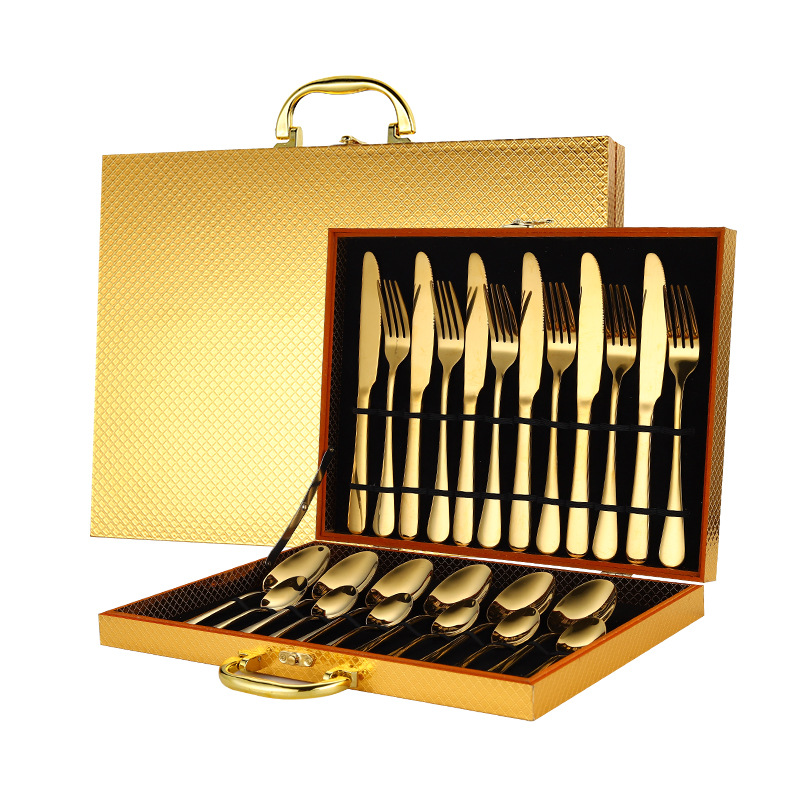

Photos from current listings. Actual item, color, and included accessories may vary.
Tableware Buying Guide
Tableware covers the full range of plates, bowls, cups, and flatware, where the core trade-off is between the durability and heat tolerance of ceramic/glass/metal and the shatter resistance and light weight of plastics and melamine. Ceramic and glass offer premium feel and microwave safety but chip or break; melamine and BPA-free plastics resist drops but often cannot handle high heat. The decision rule: buy ceramic or glass for daily indoor dining with oven/microwave use, and choose melamine, enamel, or wheat-straw plastic for outdoor, camping, RV, or kid-heavy use where impact resistance matters more than heat resistance.
Key takeaways
- Ceramic and glass are microwave- and oven-safe to typical limits (ceramic often 350°F/175°C for stoneware; glass to 450°F/230°C for tempered soda-lime), while most melamine is not microwave-safe above 160°F/70°C.
- Melamine is a thermoset plastic that resists drops and is dishwasher-safe on top rack, but it stains and scratches; BPA-free polypropylene and wheat-straw composites are lighter and cheaper but less heat-tolerant than melamine.
- Enamelware is porcelain enamel fused over steel, giving metal-core impact resistance with a glass-like surface; it is oven-safe and campfire-friendly but chips at rims and is not microwave-safe due to the metal core.
At a glance
- Category
- Tableware, Drinkware & Serving
- Last updated
- Nov 28, 2026
Current offers
Highlights
- Ceramic and glass are microwave- and oven-safe to typical limits (ceramic often 350°F/175°C for stoneware; glass to 450°F/230°C for tempered soda-lime), while most melamine is not microwave-safe above 160°F/70°C.
- Melamine is a thermoset plastic that resists drops and is dishwasher-safe on top rack, but it stains and scratches; BPA-free polypropylene and wheat-straw composites are lighter and cheaper but less heat-tolerant than melamine.
- Enamelware is porcelain enamel fused over steel, giving metal-core impact resistance with a glass-like surface; it is oven-safe and campfire-friendly but chips at rims and is not microwave-safe due to the metal core.
- Flatware grades separate durability tiers: 18/10 stainless steel (18% chromium, 10% nickel) resists corrosion and pitting better than 18/0 or 13/0, which are magnetic and more prone to rust in dishwashers.
Best use cases
- Daily indoor family dining with microwave reheating: choose ceramic stoneware or tempered glass sets; skip melamine and wheat-straw plastic because they degrade or warp under microwave heat.
- Camping, RV, patio, and kids’ tables: pick melamine or enamelware for drop resistance; skip ceramic and glass because they chip and shatter on hard surfaces and in transit.
- Formal or contemporary dining settings: select bone china or high-fired porcelain with 18/10 flatware for chip resistance and luster; skip plastic sets that scratch and stain over time.
- High-volume restaurant or catering use: choose commercial-grade 18/10 flatware and fully vitrified porcelain; skip lightweight home-grade melamine that scratches and absorbs oils under commercial dishwashing cycles.
Buying tips
- Match piece count to household size: a 12-piece set typically serves 4 (dinner plate, salad plate, bowl per person); a 24-piece set serves 8 with the same three-piece place setting, so check the piece breakdown before assuming service count.
- For flatware, insist on 18/10 stainless for daily dishwasher use; 18/0 is acceptable for budget sets but will show rust spots if left wet, and 13/0 is reserved for low-cost disposable-grade cutlery.
- Check microwave and oven safety explicitly: ceramic labeled microwave-safe and oven-safe to 350°F is the indoor standard; melamine is dishwasher-safe but not microwave-safe, and enamelware is oven-safe but never microwave-safe.
- For outdoor sets, prioritize shatter resistance and stackability: melamine and enamelware stack tighter and survive drops; wheat-straw plastic is lightest but warps at lower temperatures than melamine.
Specs
| Material Grade | Ceramic / Glass / Melamine / Enamel / 18-10 Steel |
|---|---|
| Microwave Safe | Ceramic & glass yes; melamine & enamel no |
| Dishwasher Safe | Most ceramic, glass, melamine, 18-10 |
| Set Service Count | 12-pc serves 4; 24-pc serves 8 (3-pc setting) |
Related searches
What to check before buying
- Measure your cabinet shelf height and plate diameter: standard dinner plates run 10.5–11 inches, and deep bowls need at least 3 inches of clearance; confirm the set’s largest piece fits your storage.
- Confirm your microwave and oven dimensions and wattage: ceramic and glass sets need interior clearance for plate rotation, and melamine should never enter a microwave regardless of size.
- Check dishwasher rack configuration: dinner plates over 11 inches may not fit standard lower racks, and enamelware rims chip against metal tines; verify rack spacing before buying large sets.
- For flatware, confirm handle weight and balance: 18/10 sets are heavier and better balanced for daily use, while lightweight 18/0 handles feel thin; check piece weights if you host frequently.
FAQ
Data sources: eBay / Amazon listings and product attribute feeds. Updated Nov 28, 2026.
Some links on this page are affiliate links. If you buy after clicking one, we may earn a commission at no extra cost to you. This does not change which products appear here or their order. Affiliate disclosure.