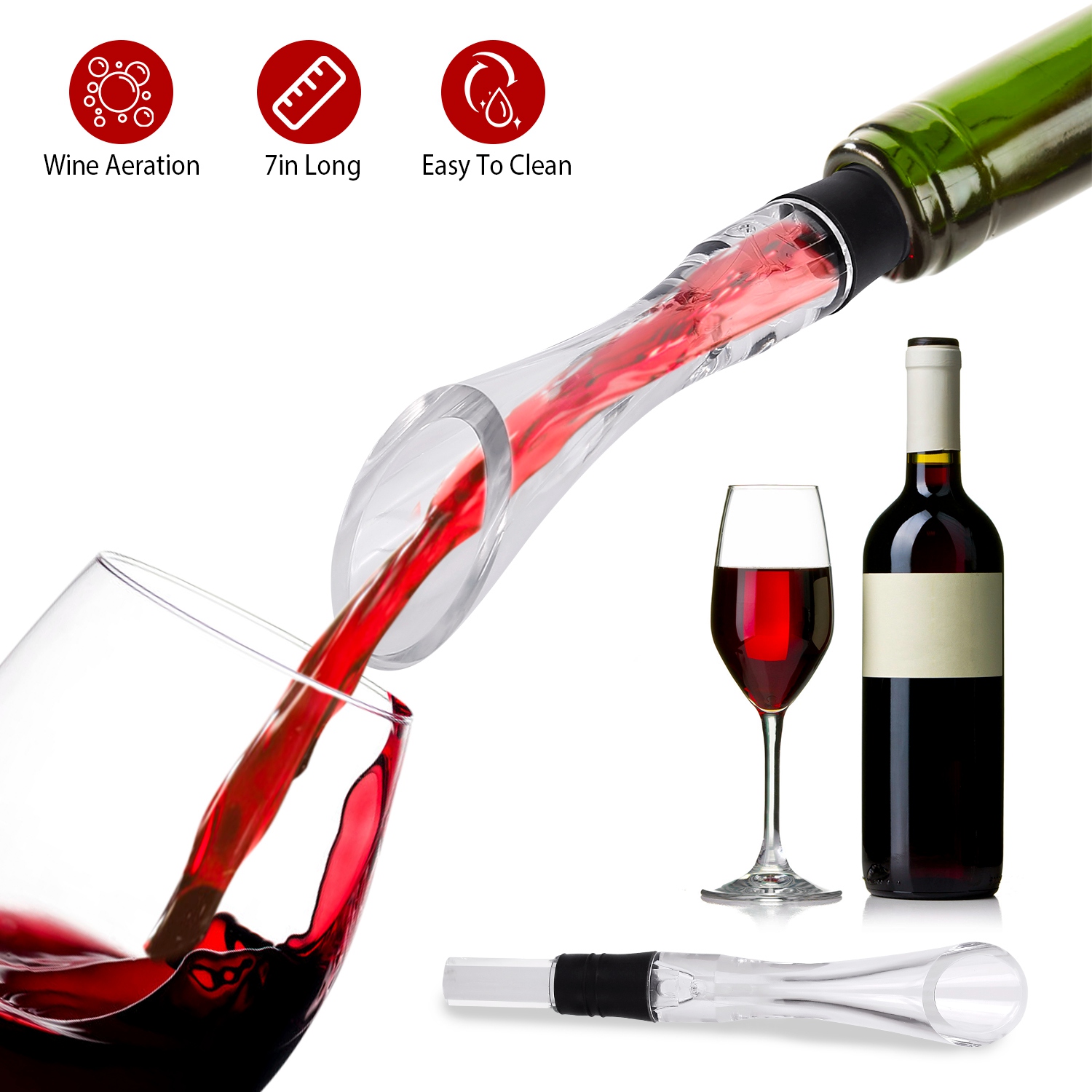

Photos from current listings. Actual item, color, and included accessories may vary.
Wine Stopper Buying Guide
A wine stopper is a reusable closure that seals an opened bottle to slow oxidation, and the segment splits into two engineering paths: elastomer-sealed plugs (silicone, cork, or hybrid) that prioritize airtightness, and decorative metal or plastic-topped stoppers that prioritize looks. The decisive rule is seal mechanism: buy a stopper with a compressible food-grade elastomer or natural cork core that contacts the bottle neck, and skip rigid all-metal or hollow decorative heads that seal only by friction or gravity.
Median $25.99
Key takeaways
- Seal quality is set by the compressible element, not the cap: food-grade silicone or natural cork cores create an airtight barrier; solid metal or hard plastic plugs rely on friction and leak as the neck wears.
- Tapered cork follows the standard bottleneck taper (roughly 18–22 mm at the mouth narrowing inward), so natural or agglomerated cork plugs self-seat across standard 750 ml still-wine bottles.
- Decorative animal-head and novelty metal stoppers use a metal shell over a small rubber O-ring or sleeve; the O-ring is the only sealing surface and is the part that degrades first.
At a glance
- Category
- Tableware, Drinkware & Serving
- Last updated
- Nov 28, 2026
Current offers
Highlights
- Seal quality is set by the compressible element, not the cap: food-grade silicone or natural cork cores create an airtight barrier; solid metal or hard plastic plugs rely on friction and leak as the neck wears.
- Tapered cork follows the standard bottleneck taper (roughly 18–22 mm at the mouth narrowing inward), so natural or agglomerated cork plugs self-seat across standard 750 ml still-wine bottles.
- Decorative animal-head and novelty metal stoppers use a metal shell over a small rubber O-ring or sleeve; the O-ring is the only sealing surface and is the part that degrades first.
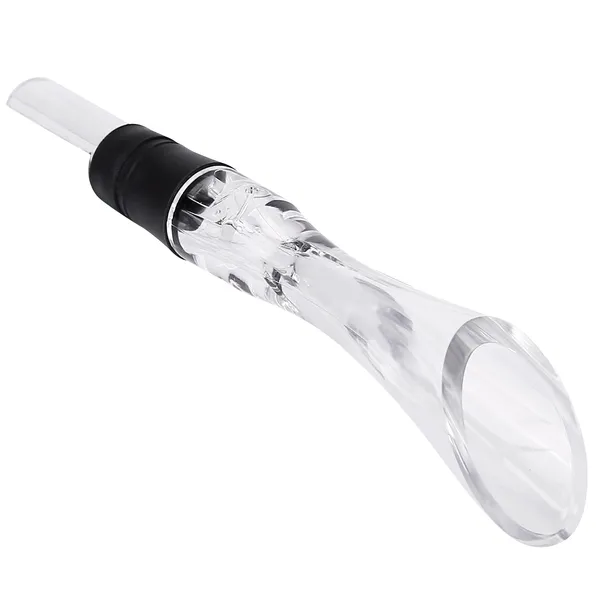
- Aerator-pourer spouts with an attached in-bottle stopper combine pouring and sealing in one unit; the stopper function depends on a silicone bung that must match the bottle mouth diameter to seal.
Best use cases
- Best fit for everyday open-bottle preservation: pick a silicone or cork-core stopper with a snug tapered plug; skip hollow decorative metal heads that seat loosely.
- Best fit for short-term serving and dinner tables: a decorative metal or animal-head stopper is fine for same-evening use; do not rely on it for multi-day preservation.
- Best fit for sparkling wine: choose a dedicated champagne stopper with a clamp or hinged lever that locks onto the bottle lip; a plain push-in still-wine stopper will not hold carbonation.
- Wrong fit: buying a tapered cork plug for screw-cap or oversized-mouth bottles; cork only seats in standard cork-finish necks, so match the closure type to the bottle.
Buying tips
- Measure the bottle mouth inner diameter: standard still-wine necks run about 18–20 mm; a stopper plug must be slightly larger to compress and seal, not smaller.
- Choose food-grade silicone or natural/agglomerated cork over recycled or unspecified plastic; these resist wine acidity and repeated washing without cracking or odor transfer.
- For sparkling wine, require a locking clamp or lever mechanism rated for internal pressure; friction-fit plugs cannot resist carbonation push-out.
- Prefer stoppers with a replaceable or thick O-ring/sleeve over thin decorative rubber; the seal is a wear part and thicker elastomer lasts more open/close cycles.
Specs
| Seal Material | Food-grade silicone / natural cork |
|---|---|
| Bottle Fit | Standard 18–20 mm still-wine neck |
| Sparkling Support | Clamp/lever lock required |
| Body Construction | Metal or plastic shell over elastomer |
Related searches
What to check before buying
- Confirm your bottle closure type: cork-finish necks accept tapered cork or plug stoppers; screw-cap bottles need a stopper sized for the threaded mouth.
- Measure the mouth inner diameter with calipers or a ruler; pick a plug 1–2 mm wider than the opening so it compresses for an airtight fit.
- Check whether the stopper is for still wine or sparkling; sparkling requires a pressure-locking clamp, not a push-in plug.
- Verify the sealing material is food-grade silicone or cork and that the elastomer part is thick enough to survive repeated washing and wine contact.
FAQ
Data sources: eBay / Amazon listings and product attribute feeds. Updated Nov 28, 2026.
Some links on this page are affiliate links. If you buy after clicking one, we may earn a commission at no extra cost to you. This does not change which products appear here or their order. Affiliate disclosure.