
Photos from current listings. Actual item, color, and included accessories may vary.
Countertop Oven Buying Guide
A countertop oven is a compact, freestanding electric oven that sits on a kitchen counter and handles baking, roasting, toasting, and broiling without the heat-up time or space of a full range. The core trade-off is between heating architecture and cavity size: convection fans and quartz or calrod elements determine baking evenness, while exterior footprint, interior rack dimensions, and wattage determine what actually fits and how fast it preheats. Buy a convection model rated at least 1,400 W with a stated interior dimension that clears your pans; skip low-wattage 1,000 W air-fryer style units if real baking is the priority.
Median $210.61 · New & pre-owned listings
Key takeaways
- Convection (fan-assisted) heating circulates air for even browning on multiple racks; non-convection units rely on radiant elements and brown unevenly on the top rack.
- Wattage tiers separate performance: 1,000-1,100 W units are compact air-fryer ovens, 1,400-1,800 W units preheat faster and hold temperature under load for real baking.
- Cavity volume ranges from roughly 11 QT (2-slice) to 22-26 QT roaster-style ovens; rack width and interior height, not quart ratings, decide whether a 12-inch pizza or 9x13 pan fits.
At a glance
- Category
- Toasters & Ovens
- Last updated
- Nov 27, 2026
Current offers
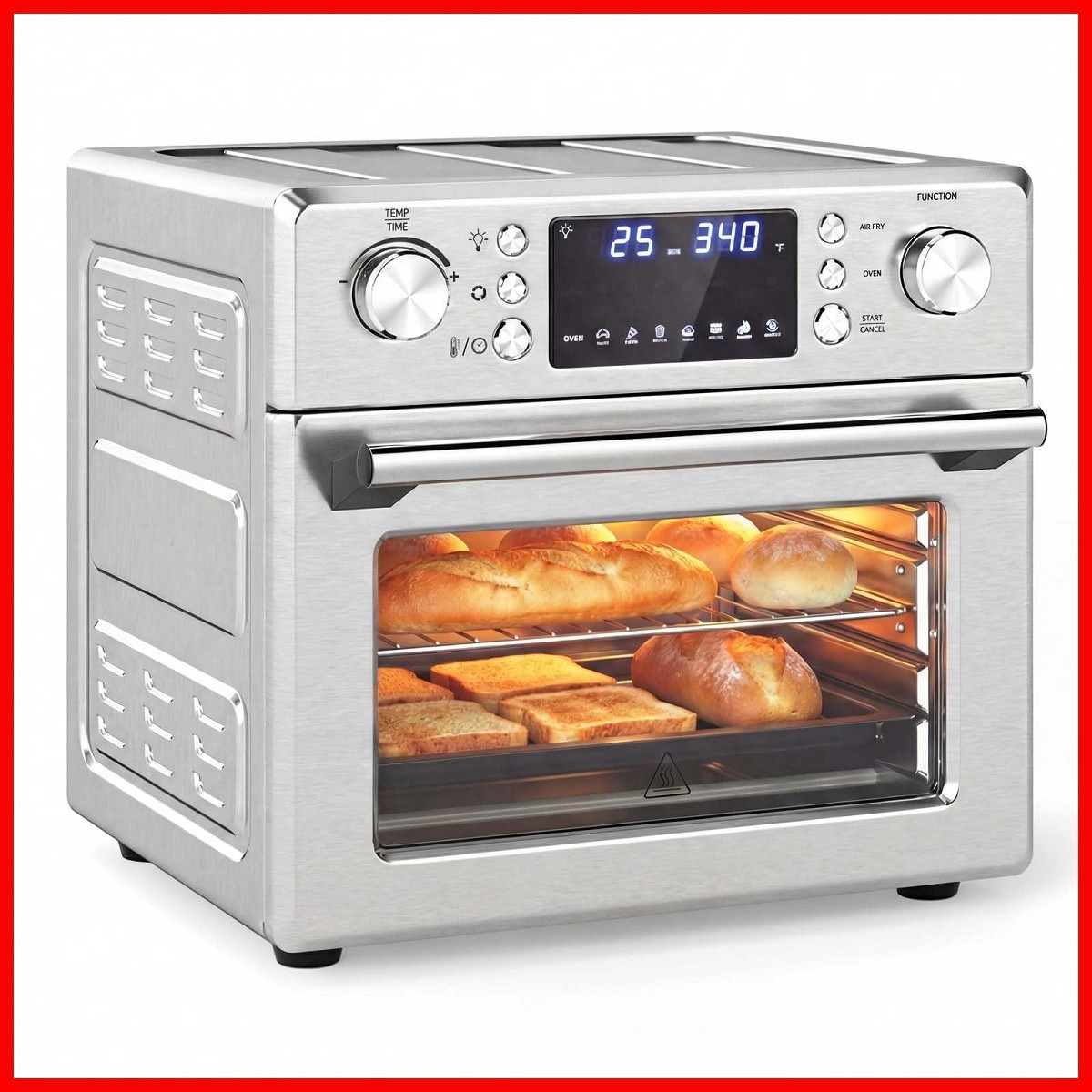 SIMOE 14-in-1 Air Fryer Toaster Oven, 26 QT Stainless Steel Countertop Oven$206.23New · Last checked Nov 16, 2026View on eBay
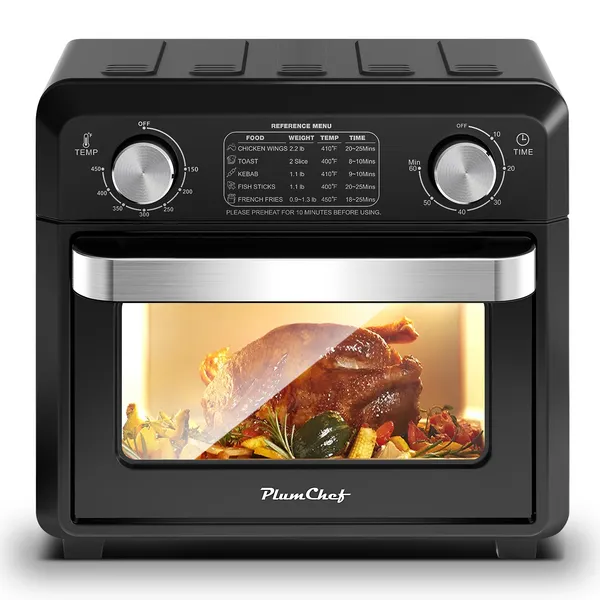 11QT Compact Air Fryer Toaster Oven, 1000W Convection Countertop With Reference Menus, 2-Slice Adjustable Time & Temperature, Ideal For Singles & Couples, Black$78.99View on Mallflare
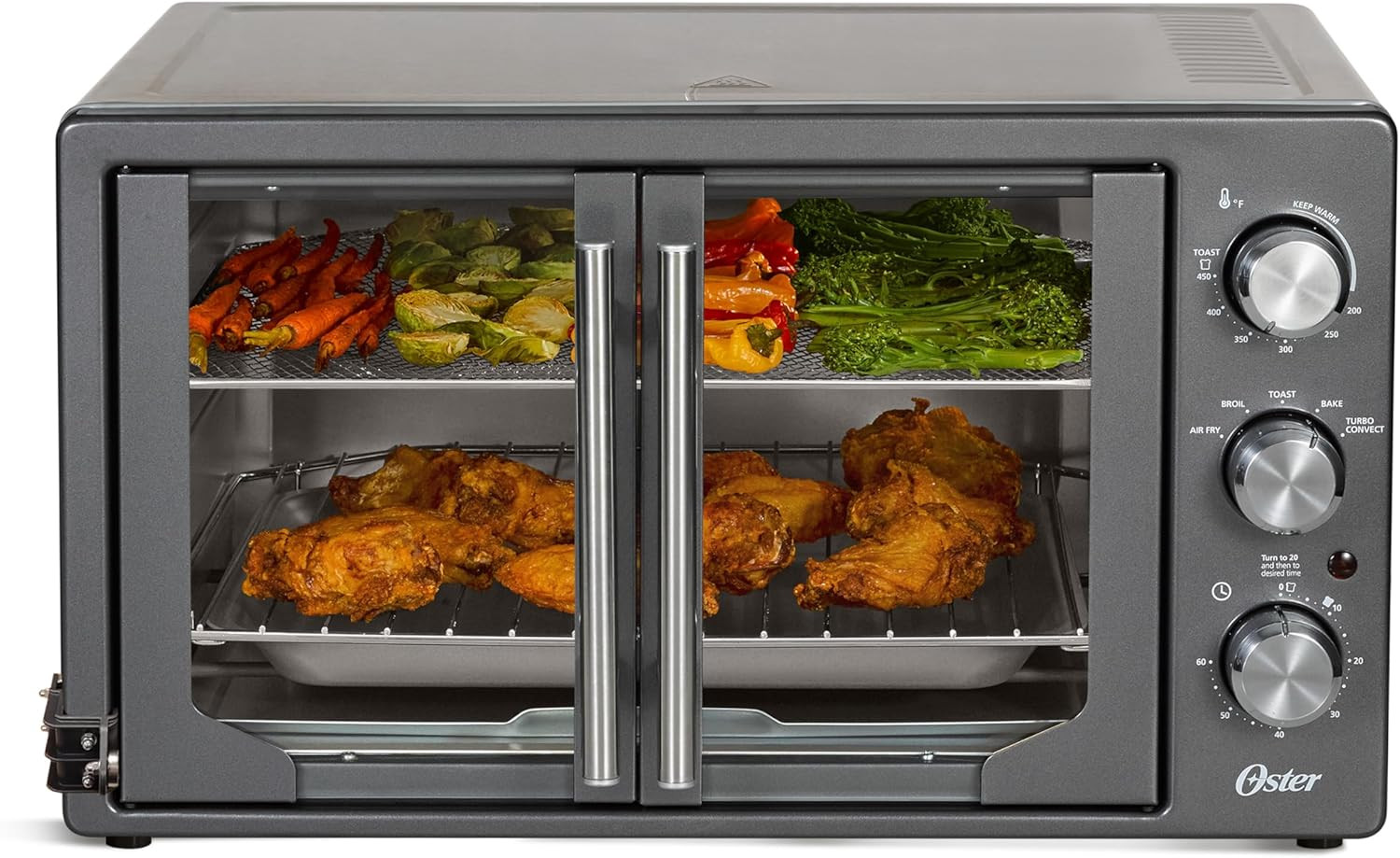 Oster Extra-Large 42L French Door Countertop Toaster Oven, 6-In-1 Air Fryer Oven$214.99New · Last checked Nov 16, 2026View on eBay
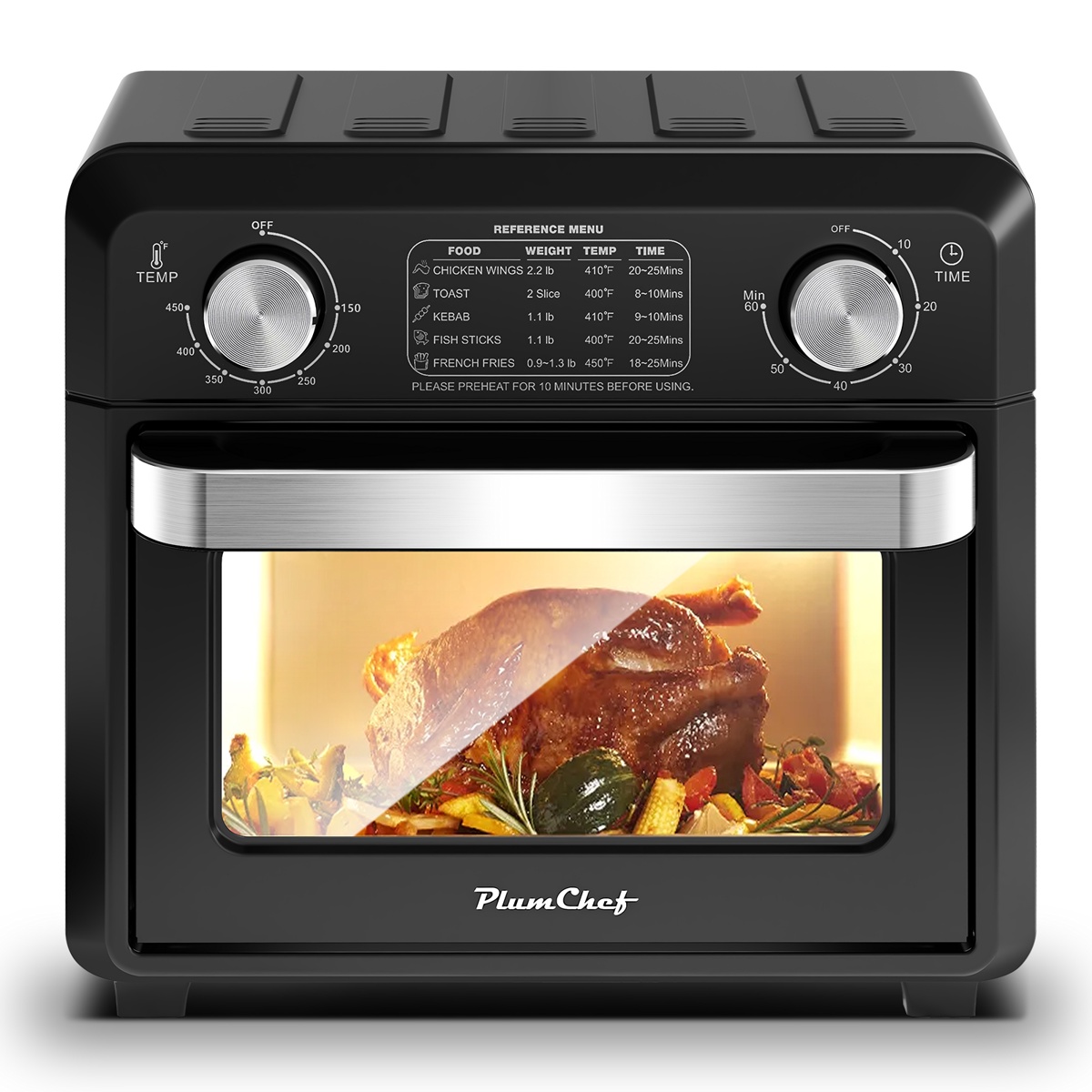 11QT Compact Air Fryer Toaster Oven, 1000W, Convection Countertop, With Reference Menus, 2-Slice Adjustable Time And Temperature, Black$94.99View on Mallflare
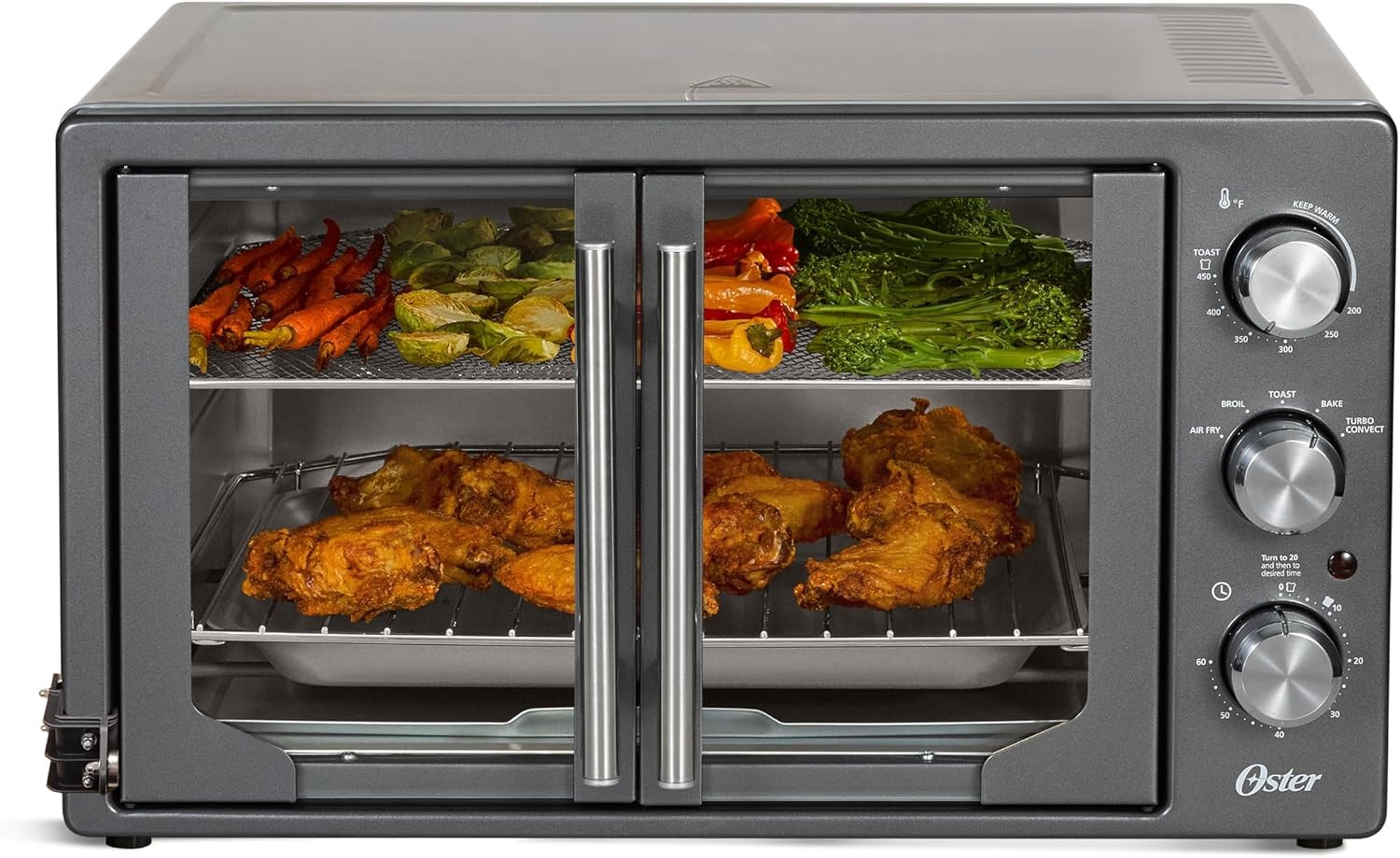 Extra-Large 42L French Door Countertop Toaster Oven, 6-in-1 Air Fryer Oven with$242.78New · Last checked Nov 16, 2026View on eBay
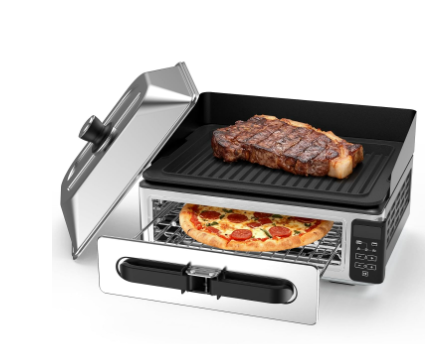 2-in-1 Countertop Grill And Oven Combination, Including Baking Trays-splash-proof Covers-breadcrumb Trays$140.99View on Mallflare
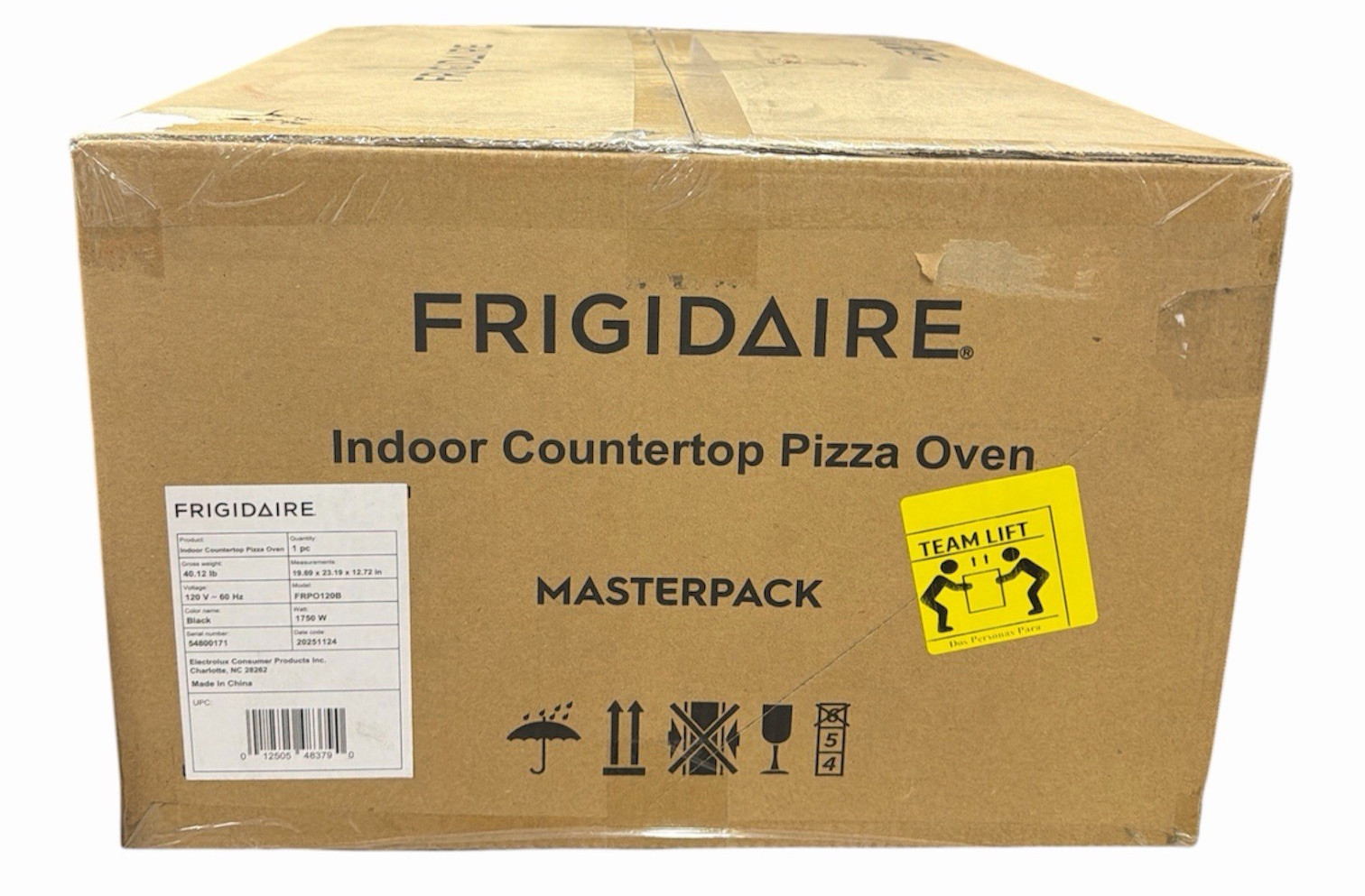 Frigidaire FRPO120B Black Indoor Countertop Pizza Oven w/ Air Fry & Oven Cooking$249.99New · Last checked Nov 18, 2026View on eBay
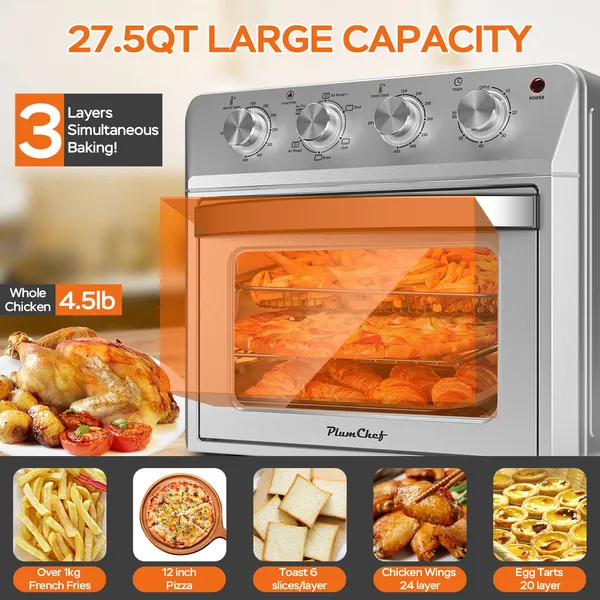 27.5QT 6-in-1 Air Fryer Toaster Oven Dropdown-Door 6-Slice Countertop Convection For Air Frying, Baking, Roasting, Broiling & Grilling, 1600W, Sliver$154.99View on Mallflare
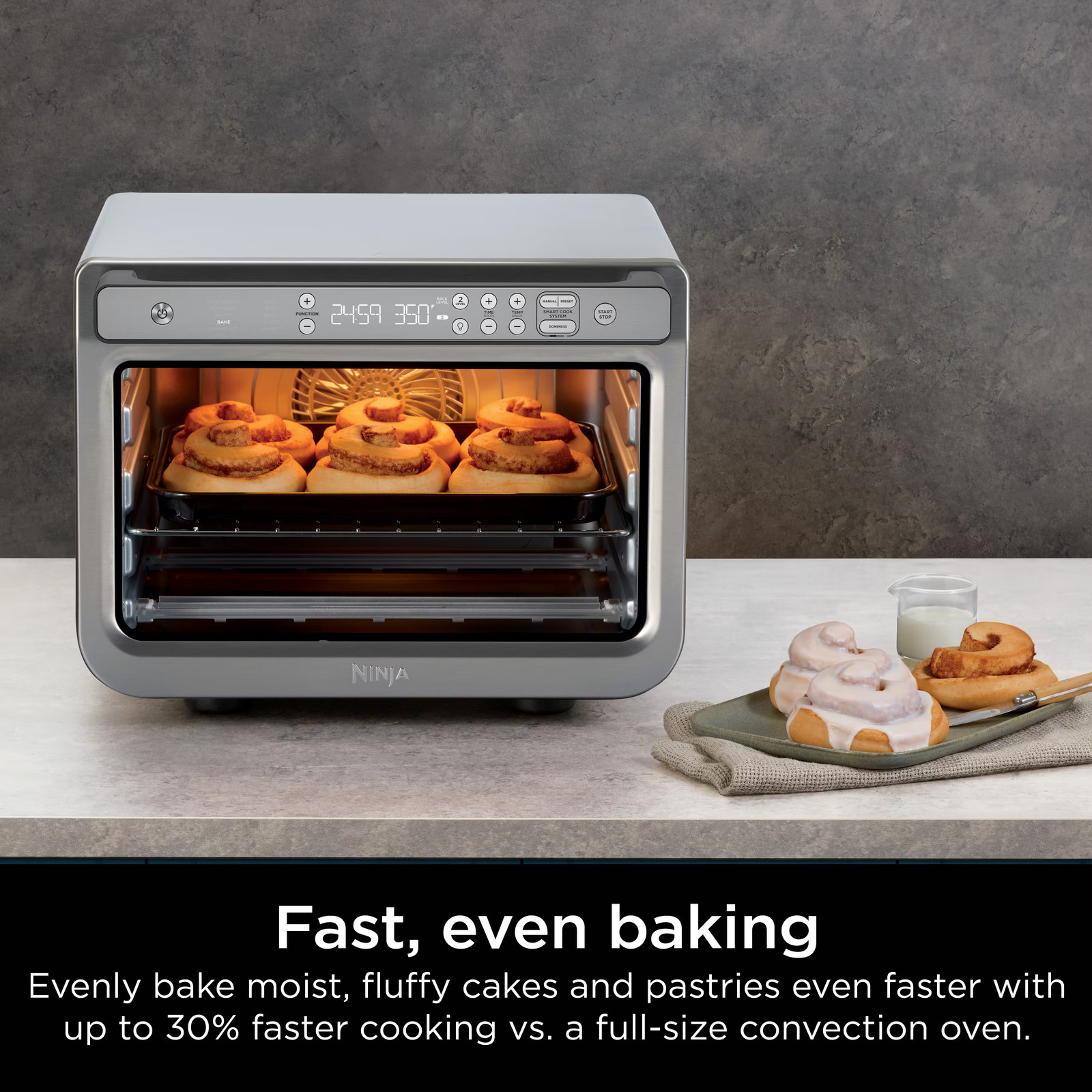 Ninja - Prestige Smart XL Air Fryer & Countertop Oven + Pro Cook - Stainless ...$249.99New · Last checked Nov 16, 2026View on eBay
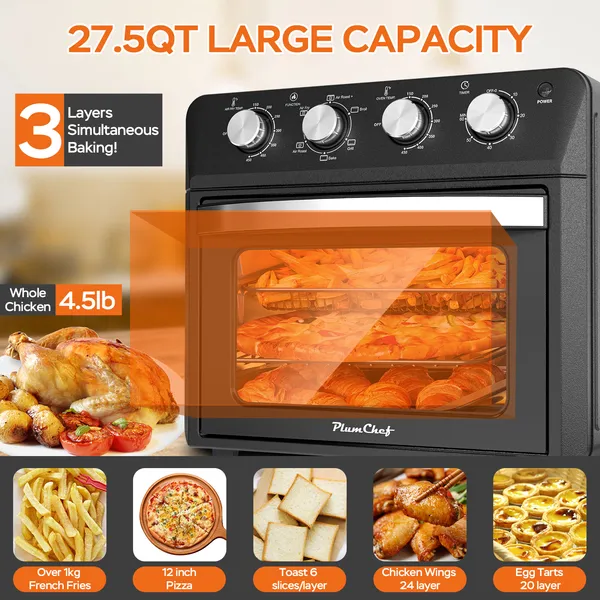 27.5QT 6-in-1 Air Fryer Toaster Oven Dropdown-Door 6-Slice Countertop Convection For Air Frying, Baking, Roasting, Broiling & Grilling, 1600W, Black$154.99View on Mallflare
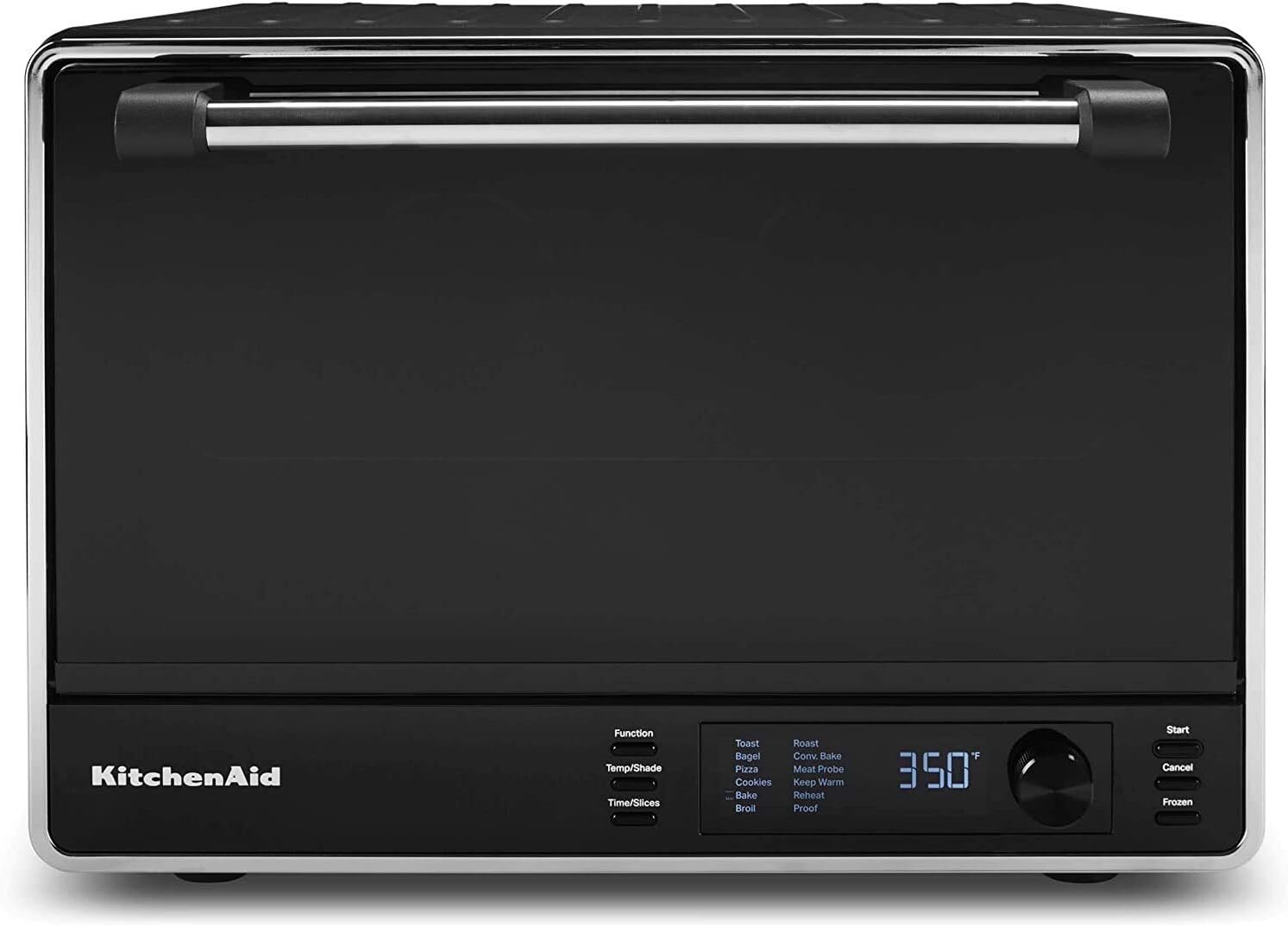 KitchenAid KCO255BM Dual Convection Countertop Toaster Oven Non-Stick, Black$299.87New · Last checked Nov 16, 2026View on eBay
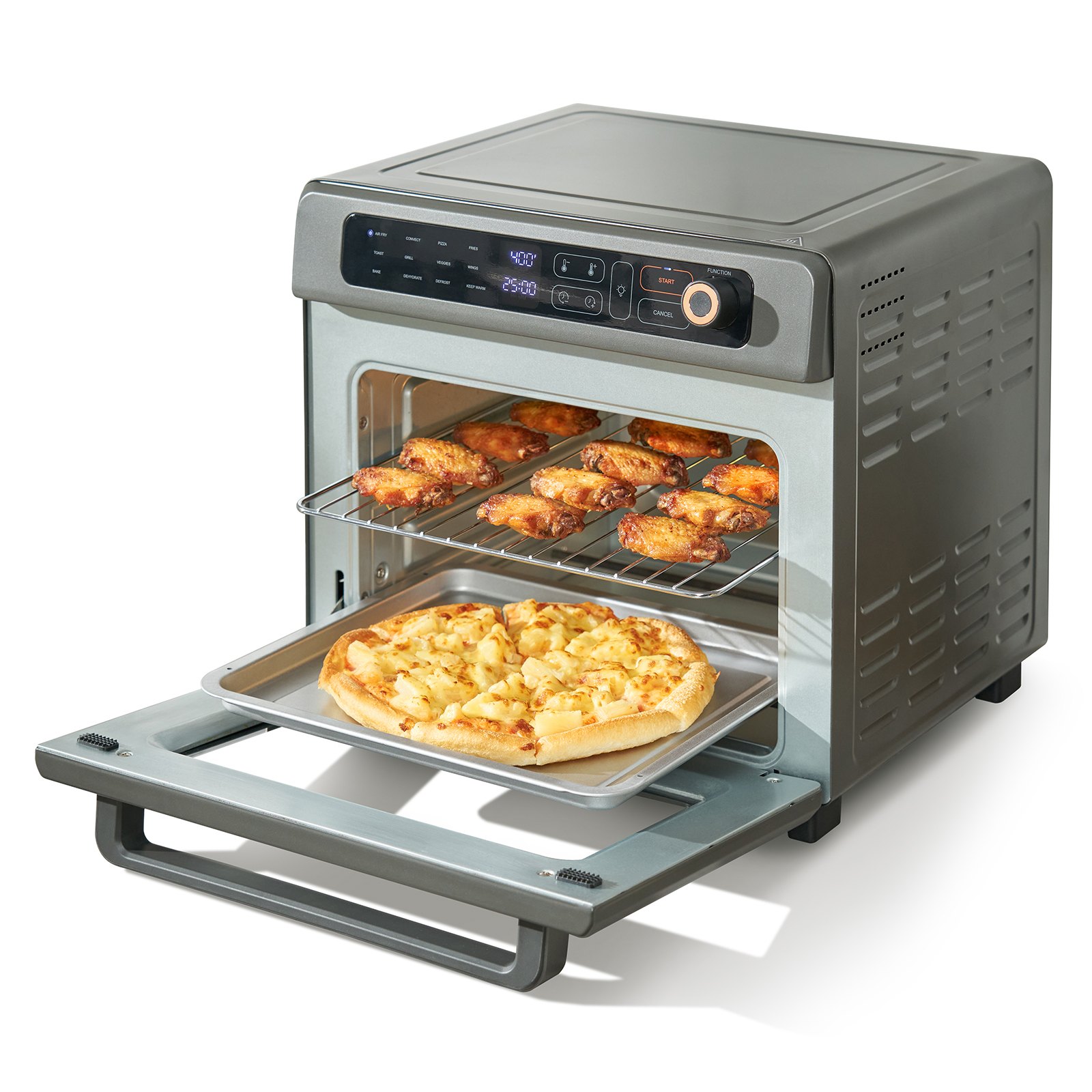 12-IN-1 Air Fryer Toaster Oven, 25L Convection 1700W Stainless Steel Ovens Countertop Combo With Grill, Pizza Pan, Gloves, 12 Slices Toast, 12-inch Home And Commercial Use$167.99View on Mallflare
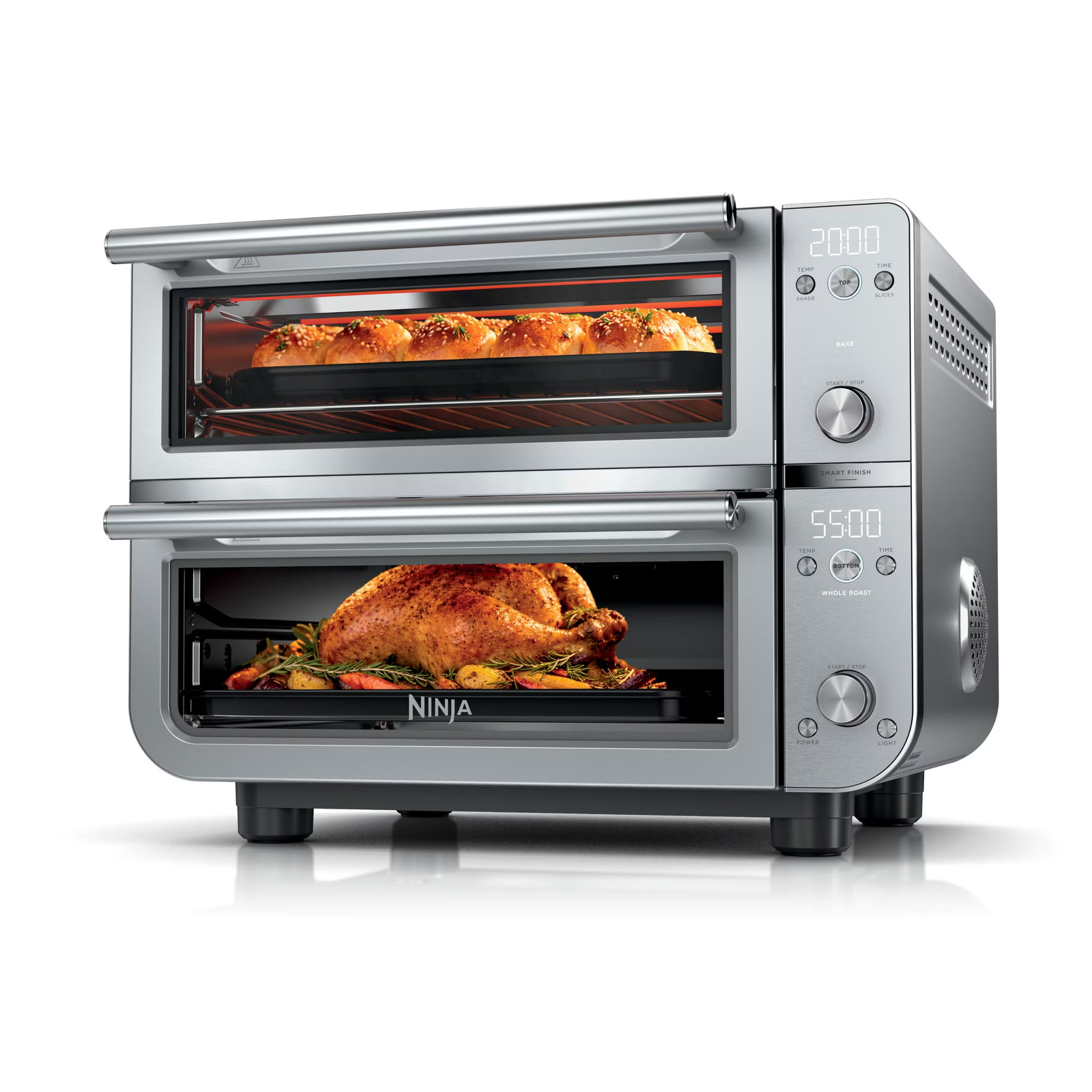 Ninja - Double Oven Pro Smart XL Countertop Oven & Air Fryer - Stainless Steel$299.99New · Last checked Nov 16, 2026View on eBay
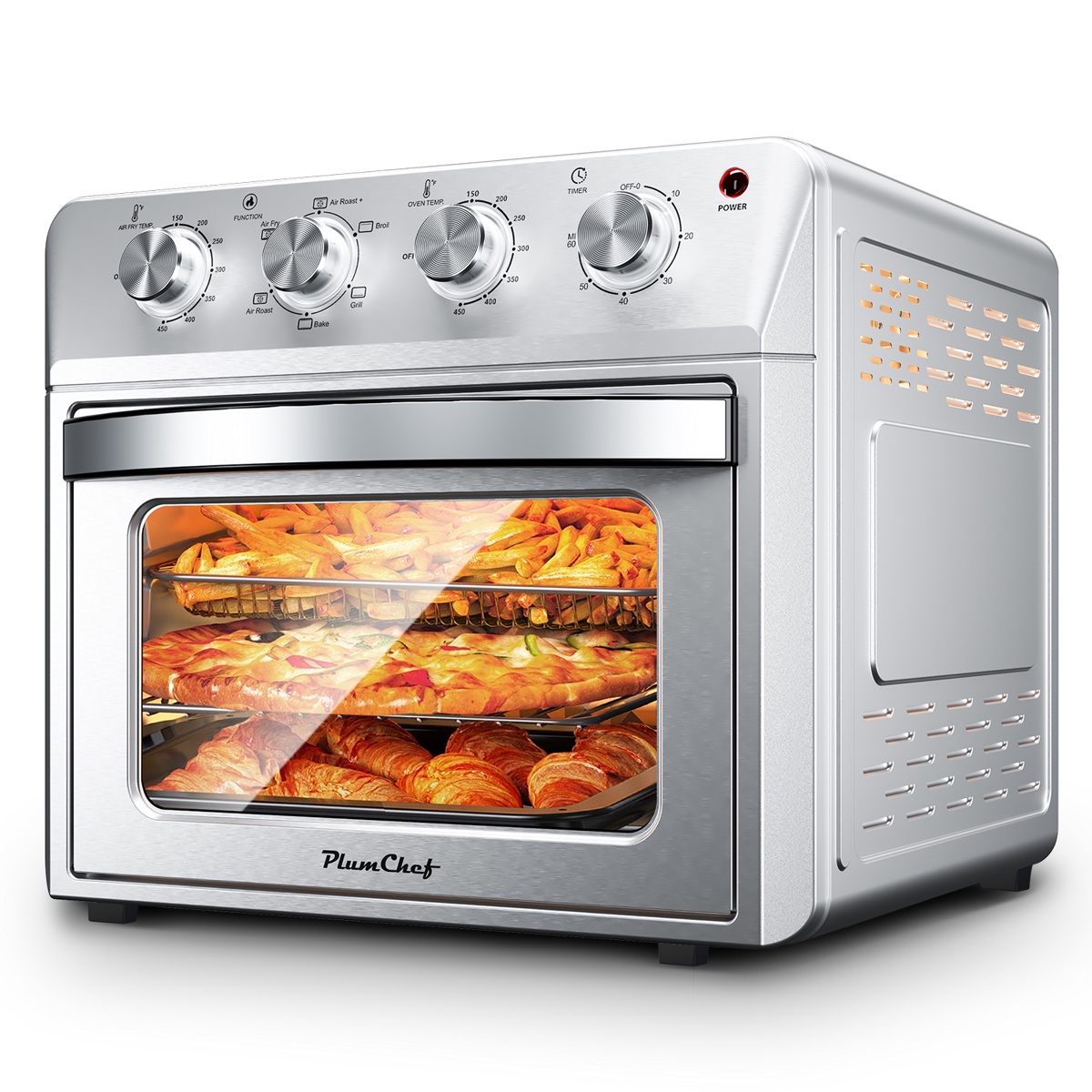 27.5QT 6-in-1 Air Fryer Toaster Oven, 6-Slice, Countertop Convection Air Frying, Baking, Roasting, Broiling & Grilling, 1600W, Sliver$168.99View on Mallflare
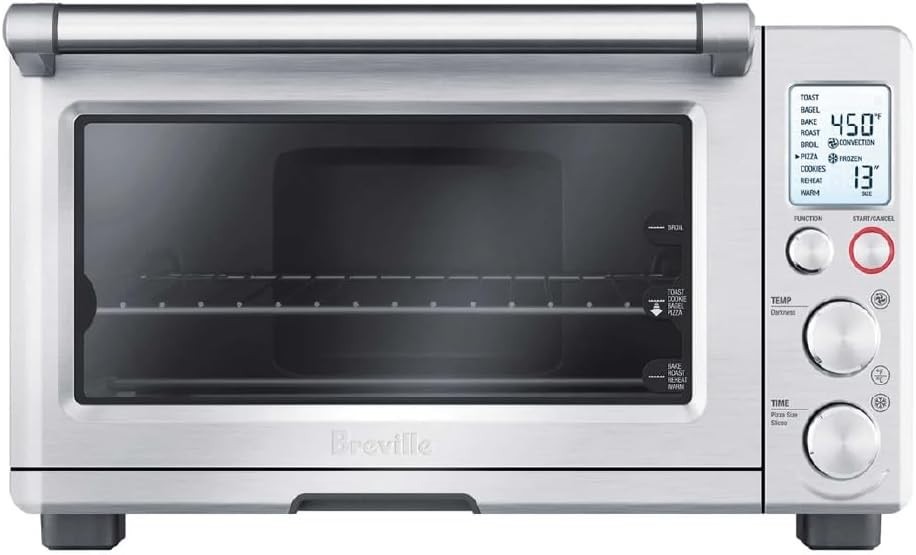 BOV800XL Smart Oven Countertop Convection, Brushed Stainless Steel$324.90New · Last checked Nov 16, 2026View on eBay
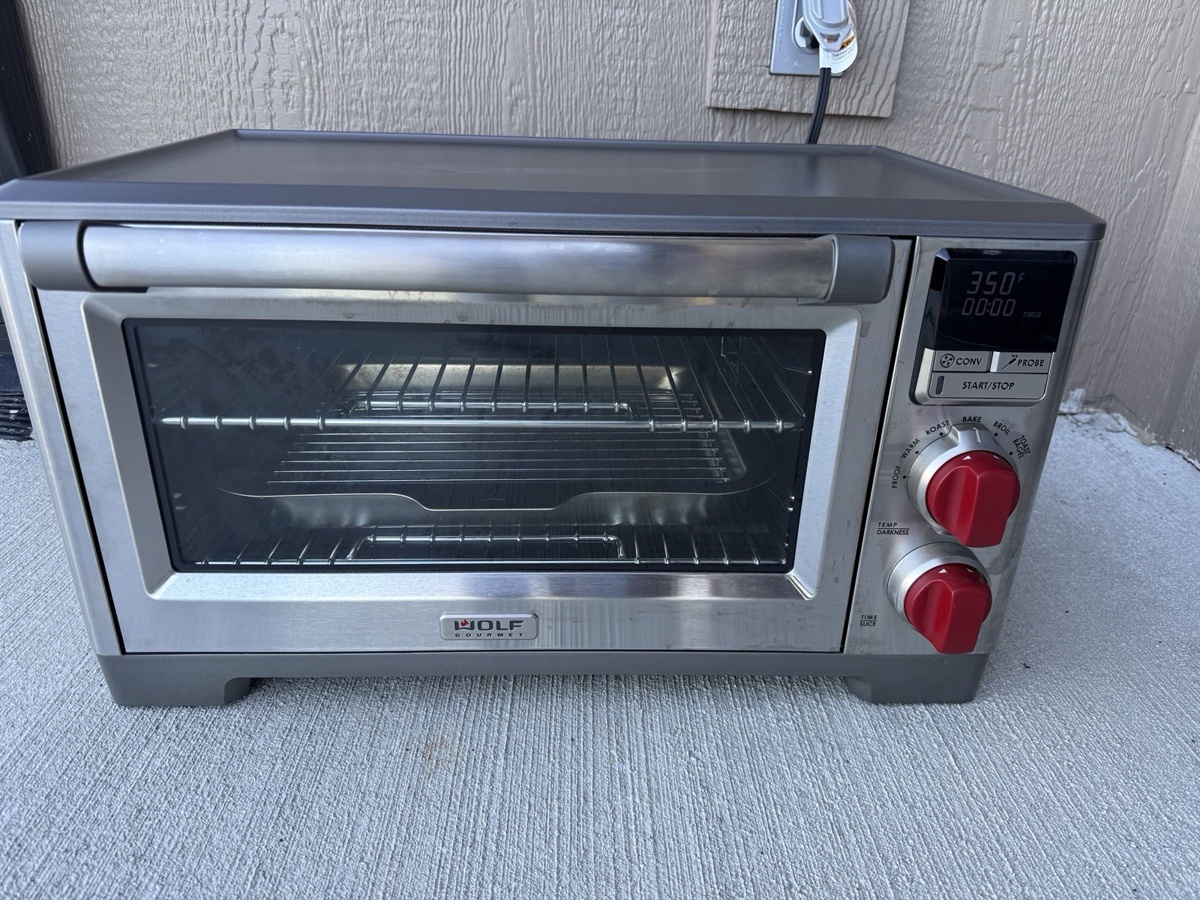 Wolf Gourmet Elite Countertop Convection Toaster Oven WGCO150S 1800W- EXCELLENT$475.88Used · Last checked Nov 26, 2026View on eBay
Highlights
- Convection (fan-assisted) heating circulates air for even browning on multiple racks; non-convection units rely on radiant elements and brown unevenly on the top rack.
- Wattage tiers separate performance: 1,000-1,100 W units are compact air-fryer ovens, 1,400-1,800 W units preheat faster and hold temperature under load for real baking.
- Cavity volume ranges from roughly 11 QT (2-slice) to 22-26 QT roaster-style ovens; rack width and interior height, not quart ratings, decide whether a 12-inch pizza or 9x13 pan fits.
- Element type matters: quartz or calrod tubes heat quickly and are replaceable; exposed tubular elements brown more aggressively than hidden lower elements, so pan placement must differ.
Best use cases
- Best for daily toast, bagels, and 2-person meals: pick an 11-14 QT convection toaster oven at 1,400 W+ with a 2-4 slice capacity and a removable crumb tray.
- Best for baking cakes, casseroles, and sheet-pan dinners: choose a 1,500 W+ convection oven with at least 12 inches of interior rack width and a lower hidden element to avoid scorched bottoms.
- Best for whole-bird roasting and large-batch entertaining: pick a 22-26 QT roaster oven at 1,450 W with a self-basting lid and removable pan; skip it if you mainly toast bread, since it is slow to preheat.
- Wrong fit: a 1,000 W compact air-fryer oven for true baking—it cycles heat and produces pale centers; use it only for reheating and air-frying small portions.
Buying tips
- Match interior rack width to your largest pan: a 9x13 inch baking pan needs at least 13 inches of interior width, so measure the cavity, not the exterior.
- Choose 1,400 W or higher for baking; below 1,200 W, recovery time after opening the door is slow and temperatures drop 25-50°F, causing uneven rise.
- Prefer mechanical dial or hybrid controls for durability; all-digital touch panels add convenience but are the most common failure point on budget ovens.
- For roaster ovens, size the quart capacity to the bird: 18 QT fits up to a 14-lb turkey, 22 QT up to 18 lb, and 26 QT up to 22 lb, with 1450 W holding 150-450°F.
Specs
| Heating Type | Convection fan vs radiant elements |
|---|---|
| Power Draw | 1,000-1,800 W / 120 V |
| Cavity Size | 11-26 QT; 12-18 in rack width |
| Temperature Range | 150-450°F typical; toast to broil |
Related searches
What to check before buying
- Measure counter depth and width plus 4 inches of rear clearance for the door swing and ventilation; most ovens are 16-20 inches deep and 18-24 inches wide.
- Check your wall outlet: most countertop ovens draw 12-15 A at 120 V and require a dedicated 15 A circuit; roaster ovens at 1,450 W approach the limit of a shared circuit.
- Confirm interior height clears your tallest bakeware, such as a 4-inch springform pan or a tall Dutch oven, and that racks are removable for cleaning.
- Verify the plug type and cord length for your region (NEMA 5-15 in North America) and that the unit includes a broil pan, rack, and crumb tray rather than selling them separately.
FAQ
Data sources: eBay / Amazon listings and product attribute feeds. Updated Nov 27, 2026.
Some links on this page are affiliate links. If you buy after clicking one, we may earn a commission at no extra cost to you. This does not change which products appear here or their order. Affiliate disclosure.