Choosing disposable cookware cutlery often comes down to a simple menu question: do guests need to spear and lift food, or scoop it? Eco-Products offers a close match in these Plantware white cutlery cartons. Both use PLA, a plant-based bioplastic, and both are new 1,000-count options. The decision is primarily fork versus spoon, with a narrow $0.57 spread in listed price.
Quick verdict
Pick the Eco-Products Plantware Fork for salads, entrée plates, pasta, and other foods that call for tines. Pick the Eco-Products Plantware Spoon for soups, yogurt, oatmeal, desserts, and other scoopable servings. Neither format replaces the other at a meal that requires both functions, so menu planning matters more here than the small listed-price difference.
At-a-glance comparison
| Detail | Eco-Products Plantware Fork | Eco-Products Plantware Spoon |
|---|---|---|
| Listed format | 6-inch white fork | 6-inch white spoon |
| Carton quantity | 1,000/CT | 1,000/CT |
| Material description | PLA, a plant-based bioplastic | PLA, a plant-based bioplastic |
| Condition | New | New |
| Listed price | USD 96.15 | USD 96.72 |
| Model | EP-S012-W | EP-S013-W |
Where each option wins
Choose the fork for plated foods
The fork format is the clearer fit when the meal involves picking up pieces, twirling, or separating food on a plate. The Eco-Products EPS012W designation identifies the fork version, so it is the focused selection for fork-forward service. At USD 96.15, it carries the lower listed price of the pair. Its limitation is equally direct: a fork does not provide the scoop shape called for by liquids, soft desserts, or bowl foods.
Choose the spoon for scoopable servings
The spoon version matches menus centered on foods that are eaten by scooping. Its EPS013W model designation distinguishes it from the fork carton while retaining the same white Plantware presentation and PLA material description. The limitation is format-specific: a spoon is not the natural utensil for food that needs to be pierced or held with tines. Its USD 96.72 listed price is $0.57 above the fork carton.
Product notes
Eco-Products EPS012W Plantware 6" Fork Compostable Cutlery - WHT (1,000/CT) New
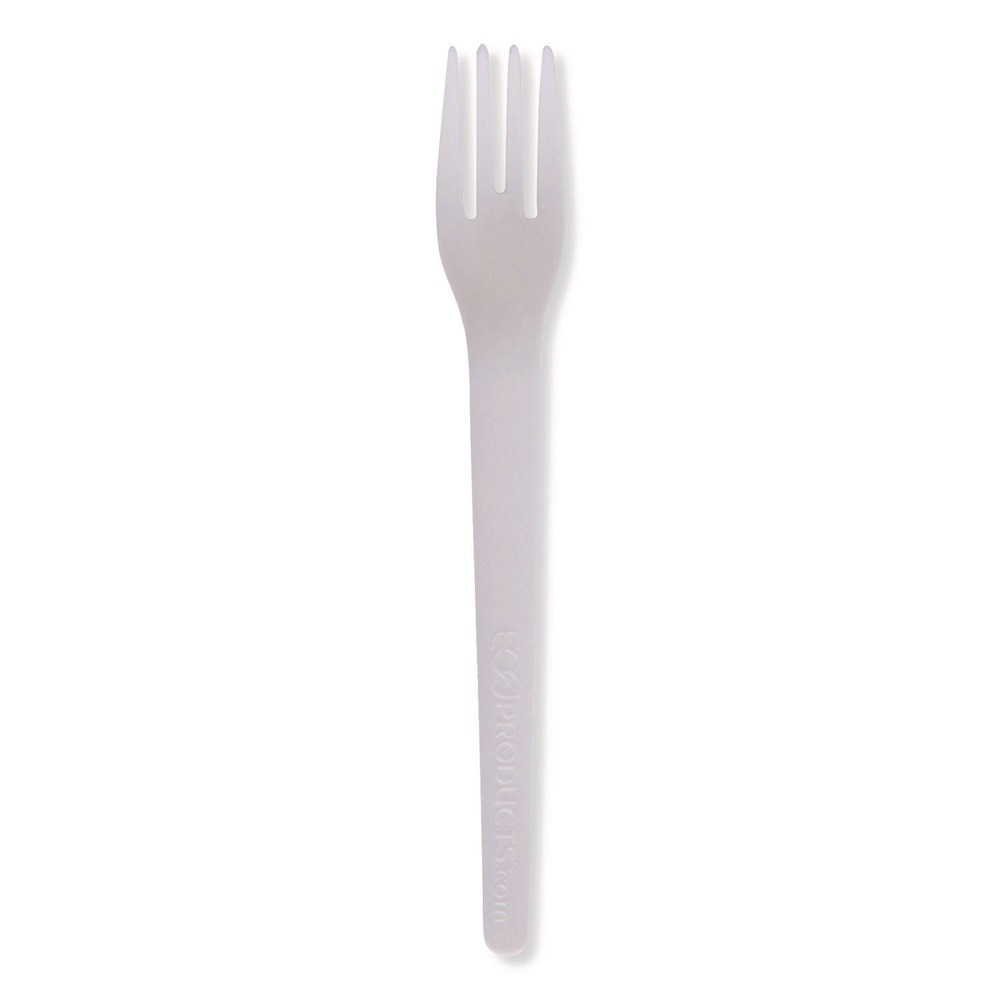
Choose this carton when fork function is the first priority. The title identifies a white Plantware fork, and the description specifies PLA, a plant-based bioplastic. That makes the EPS012W format a straightforward match for salad bars, plated lunches, noodle dishes, and meals with bite-sized components. The EP-S012-W model number also gives purchasers a clear identifier when keeping fork cartons distinct from spoon cartons. As the lower-priced option in this head-to-head, it is the logical pick when either utensil format would work but a fork better matches the food. The trade-off is the utensil shape itself: this is a fork-only carton, so it does not fill a spoon requirement for soups, cereals, or other foods intended to be scooped.
Eco-Products EPS013W Plantware 6" Spoon Compostable Cutlery - WHT (1,000/CT) New
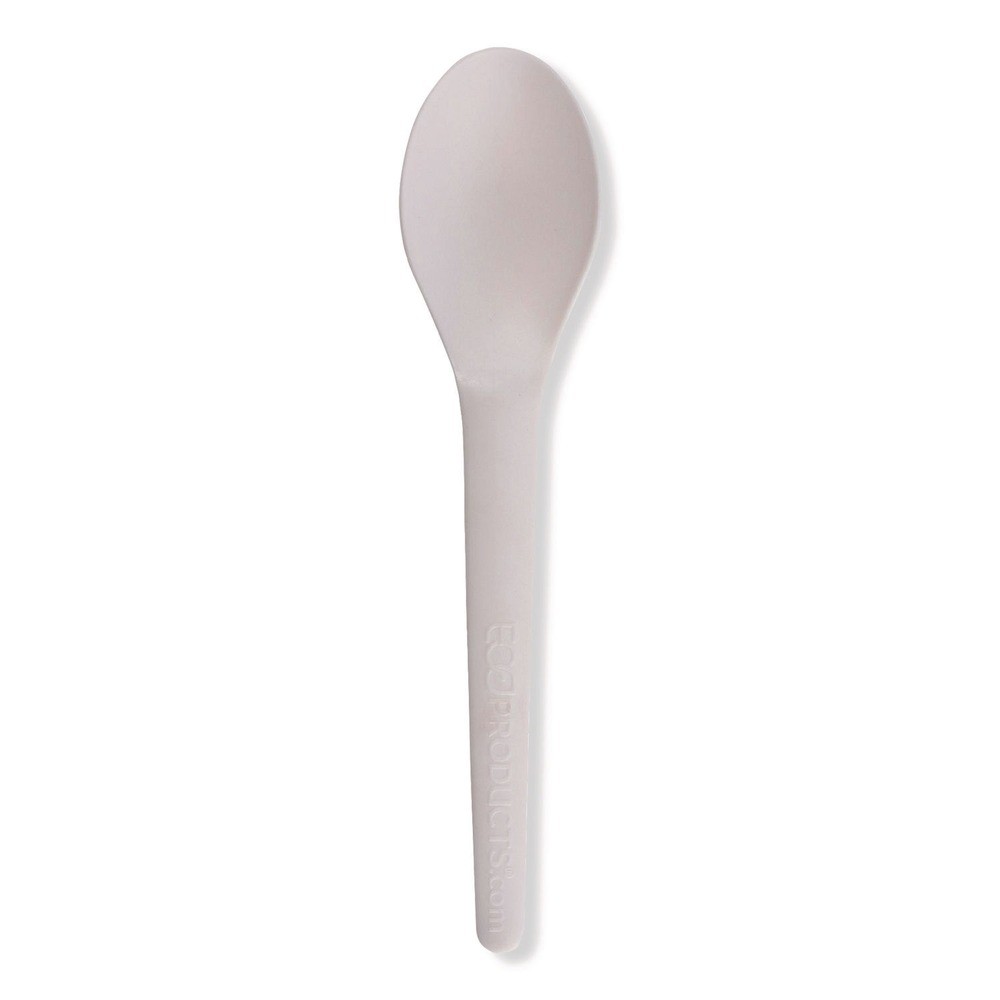
This selection is built around spoon service rather than general fork use. The white Plantware spoon format and PLA material description make the EPS013W carton an appropriate starting point for soup stations, breakfast service, pudding, yogurt, and similar menu items. Model EP-S013-W distinguishes the spoon carton from the matching fork option, which can help keep utensil choices organized around meal type. Choose it when the key action is scooping rather than piercing or lifting solid bites. Its limitation is that spoon functionality is specialized: meals that need tines will be better served by the fork carton. It also has the higher listed price in this comparison, though the difference is limited to $0.57.
Final choice by use case
For a plated lunch, salad, pasta, or food with pieces to spear, choose the Eco-Products EPS012W Plantware Fork. For soup, breakfast bowls, desserts, and other scoopable foods, choose the Eco-Products EPS013W Plantware Spoon. If your menu includes both kinds of food, the practical choice is to treat the two cartons as complementary utensils rather than substitutes.