Choosing a food prep book is less about finding one universal kitchen reference and more about matching the book's approach to your goal. A laboratory manual, an institutional cooking text, a nutrition-focused guide, and a raw-food recipe book can all fit under food prep, yet they serve very different readers. Start by deciding whether you want structured exercises, commercial cooking coverage, nutrition alongside preparation, or a focused collection of raw recipes.
Quick take
- For a structured, academic-style format: *Food Selection and Preparation: A Laboratory Manual* is the clearest fit. Its laboratory-manual framing suits readers who want food selection and preparation treated as a course subject.
- For commercial and institutional cooking topics: *Food Preparation for Hotels, Restaurants and Cafeterias Hardcover* has the widest kitchen-operation emphasis, spanning sanitation, cooking methods, menu making, and many major food categories.
- For nutrition paired with food preparation: *Guide to Good Food: Nutrition and Food Preparation* is the direct choice, especially for readers who want those two subjects together in one 2016 title.
- For recipe-led raw-food cooking: *Raw Food: Recipes & Preparation* is the most focused pick, with an illustrated hardcover format and a raw-food theme rather than broad culinary instruction.
Listed price comparison
The four books occupy a narrow USD 4.54 to USD 8.00 range, with the lowest price 43% below the highest.
| Book | Listed price | Relative price |
|---|---|---|
| Raw Food: Recipes & Preparation | USD 4.54 | |
| Food Selection and Preparation: A Laboratory Manual | USD 5.48 | |
| Guide to Good Food: Nutrition and Food Preparation | USD 7.02 | |
| Food Preparation for Hotels, Restaurants and Cafeterias Hardcover | USD 8.00 |
Decision matrix
Pick by learning style. The Frank D. Conforti title is explicitly a laboratory manual, making it the strongest match when exercises and a textbook-oriented approach matter more than recipe browsing. Deborah L. Bence's *Guide to Good Food* places nutrition in the title alongside preparation, so it makes more sense for a reader seeking that combined subject area.
Pick by kitchen setting. R. G. Haines's hardcover is directed at hotels, restaurants, and cafeterias. Its coverage includes safety, sanitation, breakfast preparation, soups, stocks, vegetables, meats, poultry, seafood, breads, cakes, desserts, and menu making. That breadth makes it the natural option for readers interested in food-service or institutional-cooking subject matter rather than a narrowly home-recipe format.
Pick by cooking focus. Saskia Fraser's *Raw Food: Recipes & Preparation* is the most specialized choice. The Recipes and Preparation series designation, cooking genre, and illustrated hardcover format point toward readers who want raw-food recipes as the center of the book.
Pick by condition and format. *Guide to Good Food* is marked Very Good, while the other three books are marked Good. The Conforti title is a trade paperback; the Haines and Fraser books are hardcovers. For the laboratory manual, supplemental items such as CDs or access codes may not be included, which matters if a course depends on add-ons.
Concise product notes
Food Selection and Preparation: A Laboratory Manual
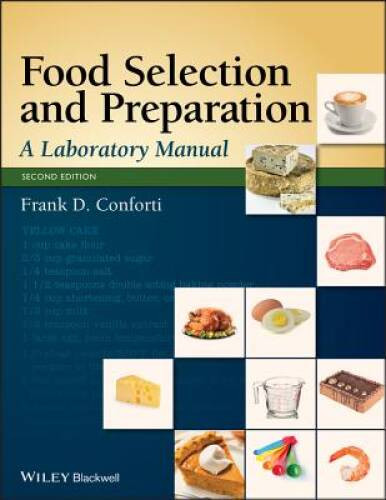
Frank D. Conforti's *Food Selection and Preparation: A Laboratory Manual* is the most purposeful choice for someone who wants food prep framed through laboratory work rather than through a general recipe collection. The trade paperback format and the title's focus on both selection and preparation give it a clear academic angle. It is also a sensible fit for readers building a small reference shelf around food-study coursework. Its limitation is equally specific: it is a used Good-condition textbook, and supplemental components such as CDs or access codes may not be included. Choose it for the laboratory-manual approach, not for a book centered on a single cuisine or restaurant operations.
Food Preparation for Hotels, Restaurants and Cafeterias Hardcover
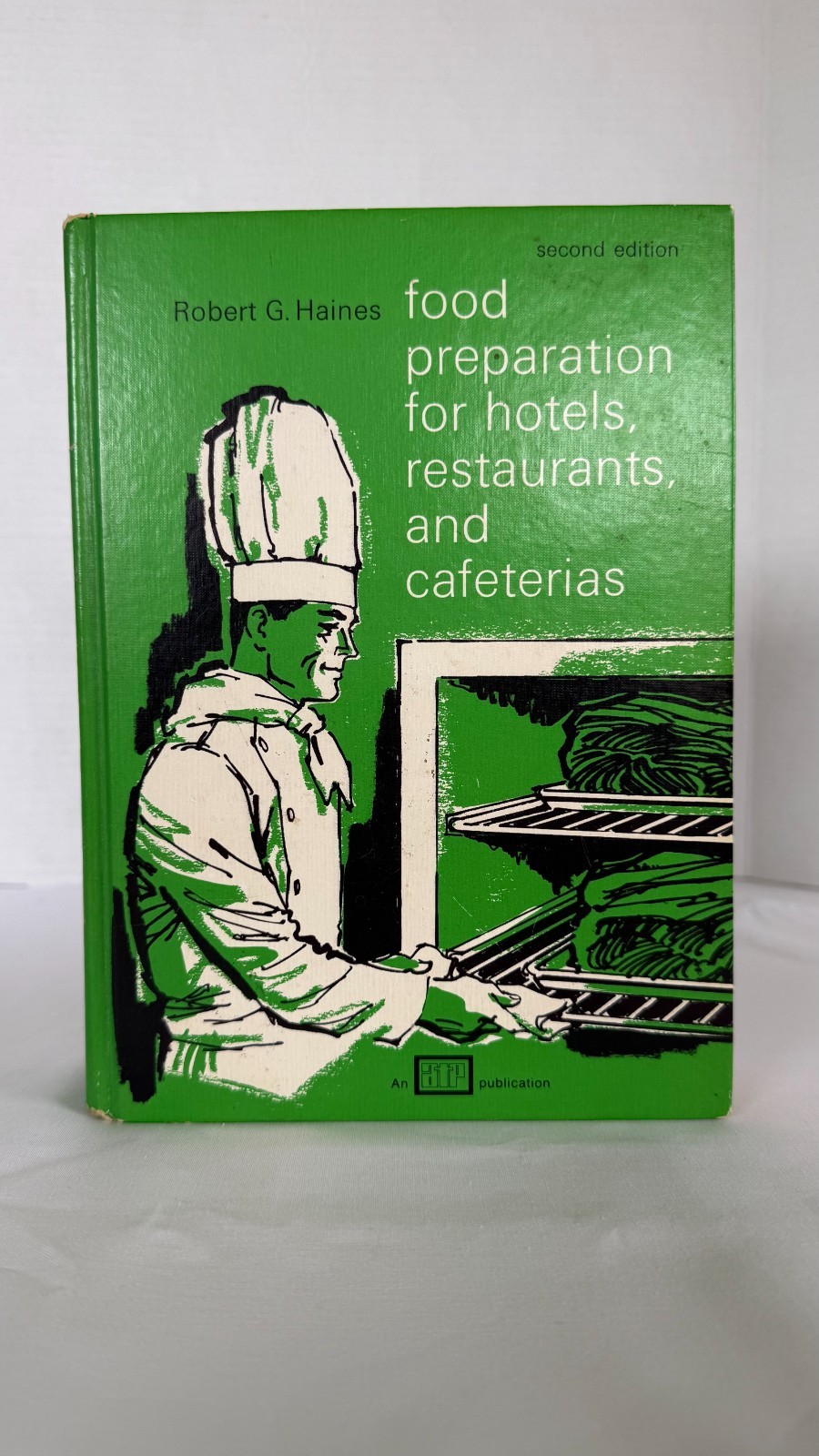
R. G. Haines's *Food Preparation for Hotels, Restaurants and Cafeterias Hardcover* stands out for its commercial and institutional cooking scope. Kitchen safety, sanitation, cooking methods, menu making, and a long list of food categories give it more operational range than the other titles. The hardcover format and vintage culinary-textbook character also make it appealing to readers interested in restaurant training manuals or commercial-kitchen history. The tradeoff is its setting: the hotels, restaurants, and cafeterias focus is more specialized than a modern general home-cooking guide. Select it when large-scale food-service topics and broad foundational coverage are the priority, rather than nutrition coursework or raw-food recipes.
Guide to Good Food: Nutrition and Food Preparation
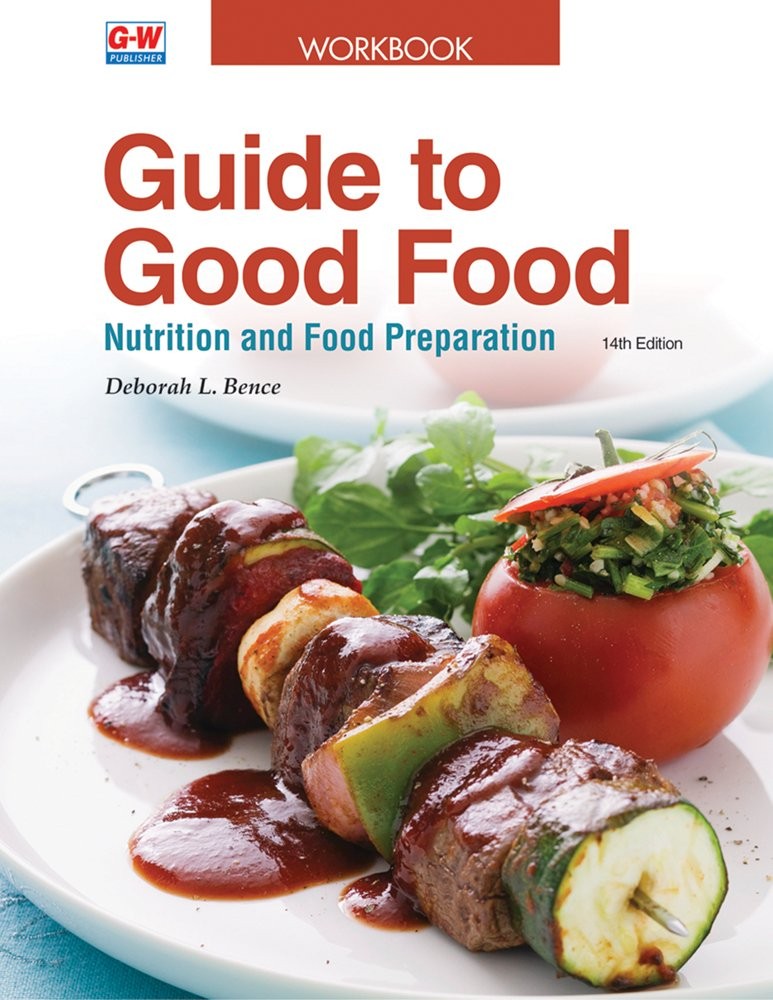
*Guide to Good Food: Nutrition and Food Preparation* by Deborah L. Bence is the straightforward choice for readers who want nutrition included in the food-preparation conversation. Its 2016 release year and English-language format give it a more recent course-book profile than the vintage food-service title, while its Very Good condition distinguishes it within this group. The emphasis is likely best for study or reference use where the relationship between nutrition and preparing food is central. Its limitation is focus: the title does not signal the institutional-kitchen detail of the Haines hardcover or the recipe-specific raw-food angle of Saskia Fraser's book. Choose it for the combined nutrition-and-preparation subject rather than a specialized culinary niche.
Raw Food: Recipes & Preparation
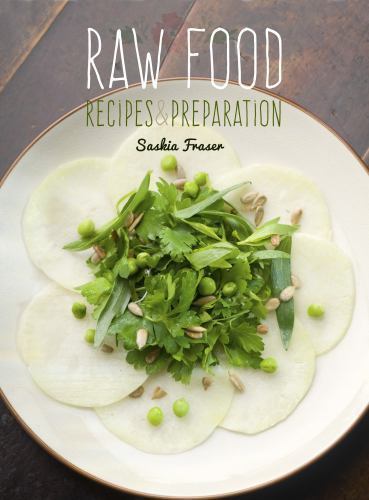
Saskia Fraser's *Raw Food: Recipes & Preparation* is the natural pick when the goal is a book devoted to raw-food cooking. It is an illustrated hardcover in the Recipes and Preparation series, and its New Edition feature gives it a clear identity as a focused cooking title. Readers looking for recipe inspiration within that theme will find a more direct match here than in a laboratory manual or institutional food-service textbook. The limitation is that its raw-food concentration makes it less broad for someone seeking coverage of conventional cooking methods, commercial kitchen operations, or nutrition coursework. Pick it when raw recipes are the main attraction, not when you need a sweeping general food-prep reference.
Final recommendation
For the lowest-cost entry into a recipe-focused niche, choose *Raw Food: Recipes & Preparation* at USD 4.54. Spend USD 5.48 on *Food Selection and Preparation: A Laboratory Manual* when the laboratory format is the deciding factor. *Guide to Good Food* at USD 7.02 is the most direct match for nutrition plus preparation, while the USD 8.00 Haines hardcover earns its place for its unusually broad hotels, restaurants, and cafeterias coverage. With only a USD 3.46 spread across all four, subject fit matters more than price.