Food prep can mean two very different things: building cooking knowledge with a reference book or speeding up a repetitive cutting task with a small kitchen tool. The four choices here divide neatly between three hardcover books and one manual slicer set, so the best pick depends first on what is slowing you down. Choose a book when you want recipes, technique, menu-oriented material, or a topic to study. Choose the compact slicer when the goal is cutting small produce items and boiled eggs for everyday dishes.
Quick take
- For commercial-kitchen subject matter: *Food Preparation for Hotels, Restaurants and Cafeterias Hardcover* has the broadest food-service focus, spanning sanitation, cooking methods, menu making, and categories from soups to desserts.
- For classroom-style food preparation study: *Guide to Good Food: Nutrition and Food Preparation* is the natural fit, with its 2016 release year and nutrition-focused title.
- For raw-food cooking inspiration: *Raw Food: Recipes & Preparation* is the dedicated recipe choice and is identified as an illustrated hardcover in the Recipes and Preparation series.
- For hands-on cutting rather than reading: the *Compact practical creative tool for daily kitchen food preparation* is a manual two-piece slicer set intended for fruit, garlic, tomatoes, mushrooms, and boiled eggs.
The listed range is $4.54 to $8.00, with the lowest price 43% below the highest. That relatively narrow spread means use case matters more than price alone: a specialized raw-food book, a broad institutional reference, and a small slicing gadget solve distinct kitchen needs.
Listed price comparison
| Choice | Listed price | Relative price | Best-matched purpose |
|---|---|---|---|
| Food Preparation for Hotels, Restaurants and Cafeterias Hardcover | USD 8.00 | Food-service and institutional cooking reference | |
| Guide to Good Food: Nutrition and Food Preparation | USD 7.02 | Nutrition and food-preparation study | |
| Raw Food: Recipes & Preparation by | USD 4.54 | Raw-food recipes and preparation | |
| Compact practical creative tool for daily kitchen food preparation | USD 6.49 | Manual slicing for selected produce and eggs |
Decision matrix
Pick by the kind of help you want
Choose a broad reference when you want coverage across many kitchen topics rather than a narrowly defined cuisine or technique. R. G. Haines' hardcover is the strongest match because its scope includes safety, sanitation, breakfast preparation, stocks, vegetables, meats, poultry, seafood, baking, desserts, and menu making. Its limitation is equally clear: it is a vintage food-service textbook, so it is aimed more at institutional and restaurant contexts than a compact home-cooking recipe collection.
Choose a nutrition-centered textbook when food preparation needs to sit alongside nutrition as a subject. Deborah L. Bence's *Guide to Good Food* makes that pairing explicit in its title and dates to 2016. The trade-off is that its stated focus is instructional; shoppers mainly seeking a cookbook organized around a particular cooking style may find the raw-food volume more direct.
Choose the raw-food book when a focused theme matters more than all-purpose coverage. Saskia Fraser's title is specifically about raw food and recipes, with illustration noted among its attributes. It is less suitable for someone looking for an institutional cooking manual or a physical cutting aid for daily prep.
Choose the manual slicer set when your immediate need is portioning rather than reading. TULOBI's navy blue and cyan set includes two cup slicers, and the description identifies pressing the cutter over the item to slice it. Its square blade shape and compact format point toward a dedicated task tool, not a replacement for a chef's knife, a recipe book, or a comprehensive cooking reference.
Concise product notes
Food Preparation for Hotels, Restaurants and Cafeterias Hardcover
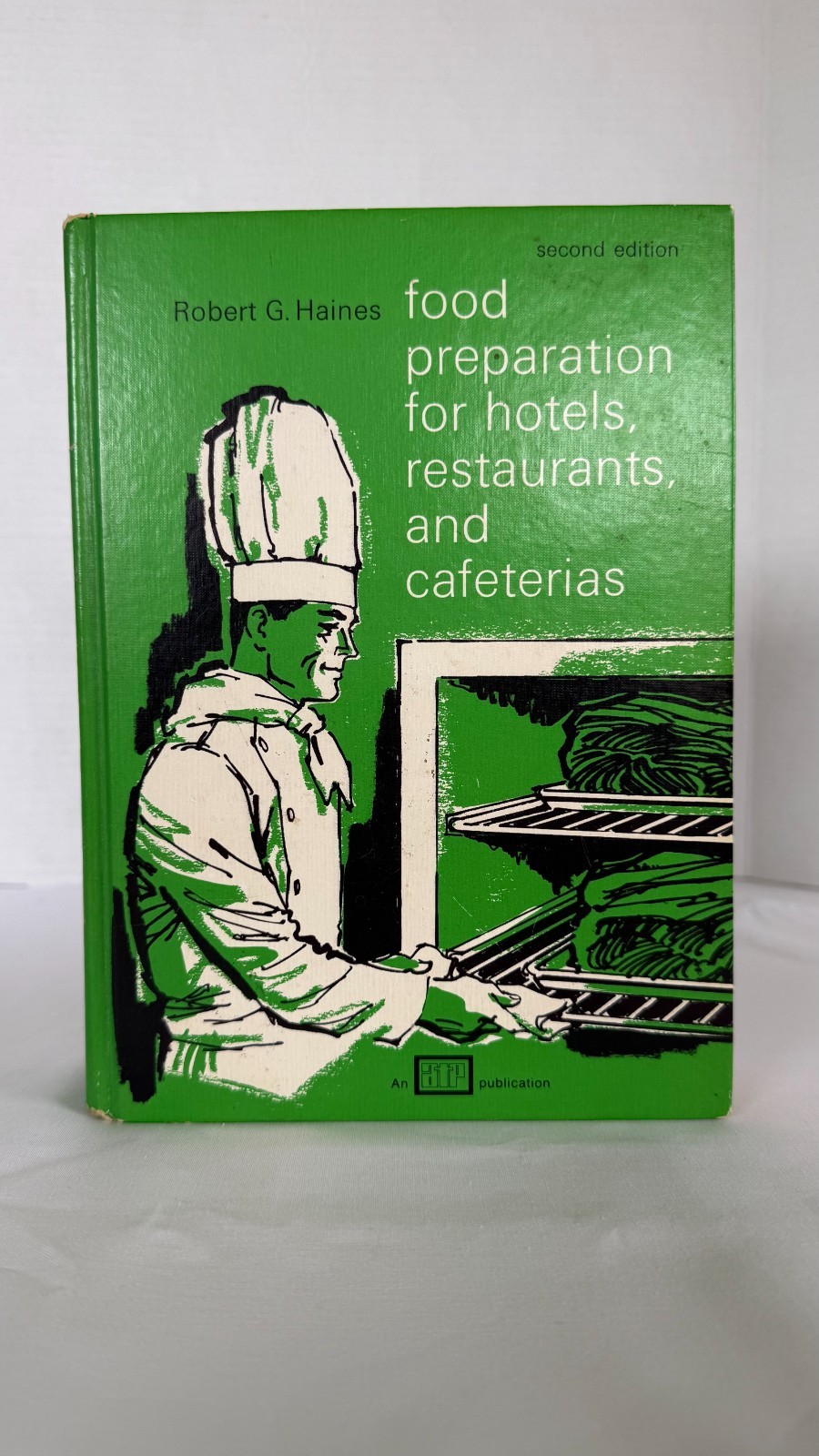
This hardcover makes sense for readers drawn to food-service education and the history of commercial kitchen instruction. Its stated contents reach from kitchen safety and sanitation through breakfast dishes, soups, meats, seafood, breads, cakes, desserts, and menu making, making it the most wide-ranging reference of the books. The Good condition and hardcover format suit a shopper seeking a physical vintage volume rather than a new-style guide. The limitation is its specialized setting: hotels, restaurants, and cafeterias are central to the title, so its perspective may feel more institutional than a book built solely for casual home meal planning.
Guide to Good Food: Nutrition and Food Preparation
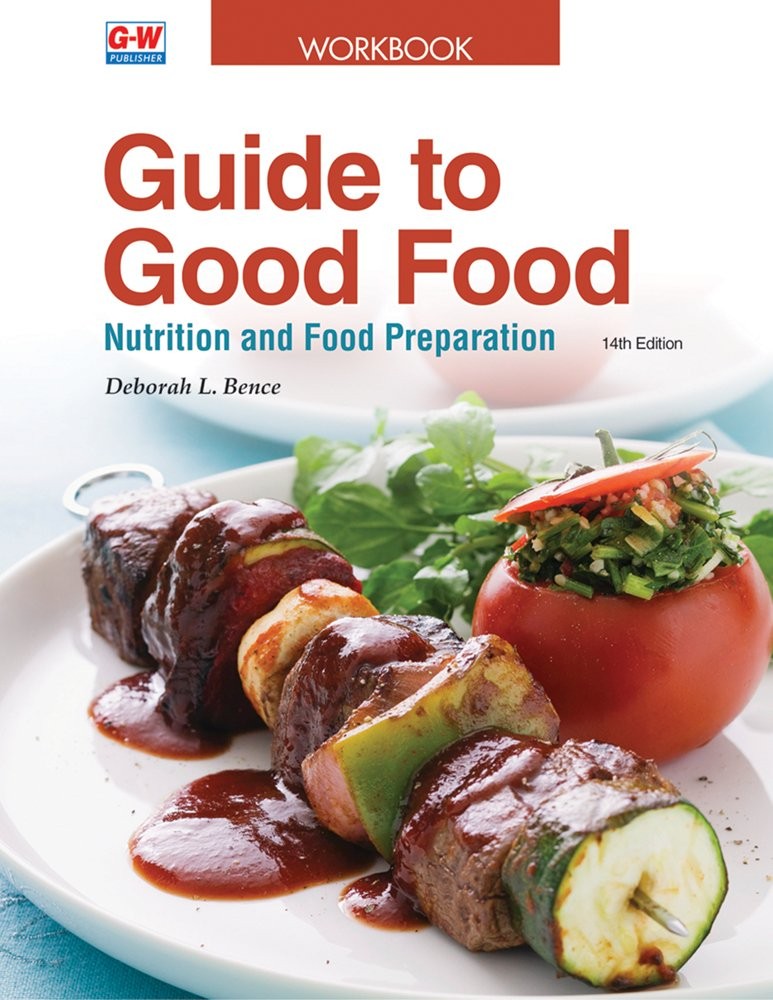
Pick Deborah L. Bence's *Guide to Good Food: Nutrition and Food Preparation* when you want food preparation framed as part of a broader nutrition subject. The Very Good condition distinguishes it among the used books, and the 2016 release year gives it a more recent position than the vintage institutional text. It is especially logical for readers who prefer a structured educational angle instead of a single-cuisine collection. Its limitation is the same focus that recommends it: the title foregrounds nutrition and food preparation, not raw-food recipes, restaurant operations, or a hands-on kitchen gadget for chopping ingredients.
Raw Food: Recipes & Preparation
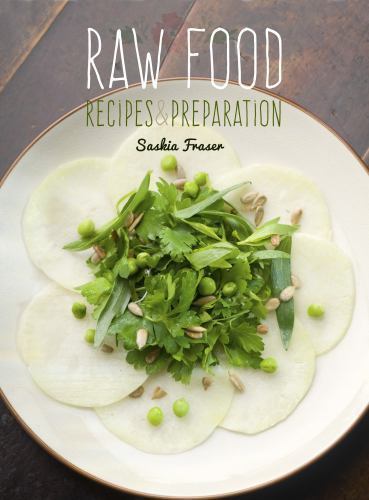
Saskia Fraser's *Raw Food: Recipes & Preparation* is the most targeted book for shoppers exploring raw-food dishes. It is an illustrated hardcover and part of the Recipes and Preparation series, giving it a recipe-oriented identity rather than the textbook emphasis of the other two books. At USD 4.54, it is the lowest-priced choice in the group, which leaves room to prioritize its specific theme without reaching the top of the range. The limitation is its narrower culinary lane: raw food is the subject, so it does not promise the broad restaurant, cafeteria, nutrition-course, or general cutting-tool coverage represented elsewhere.
Compact practical creative tool for daily kitchen food preparation
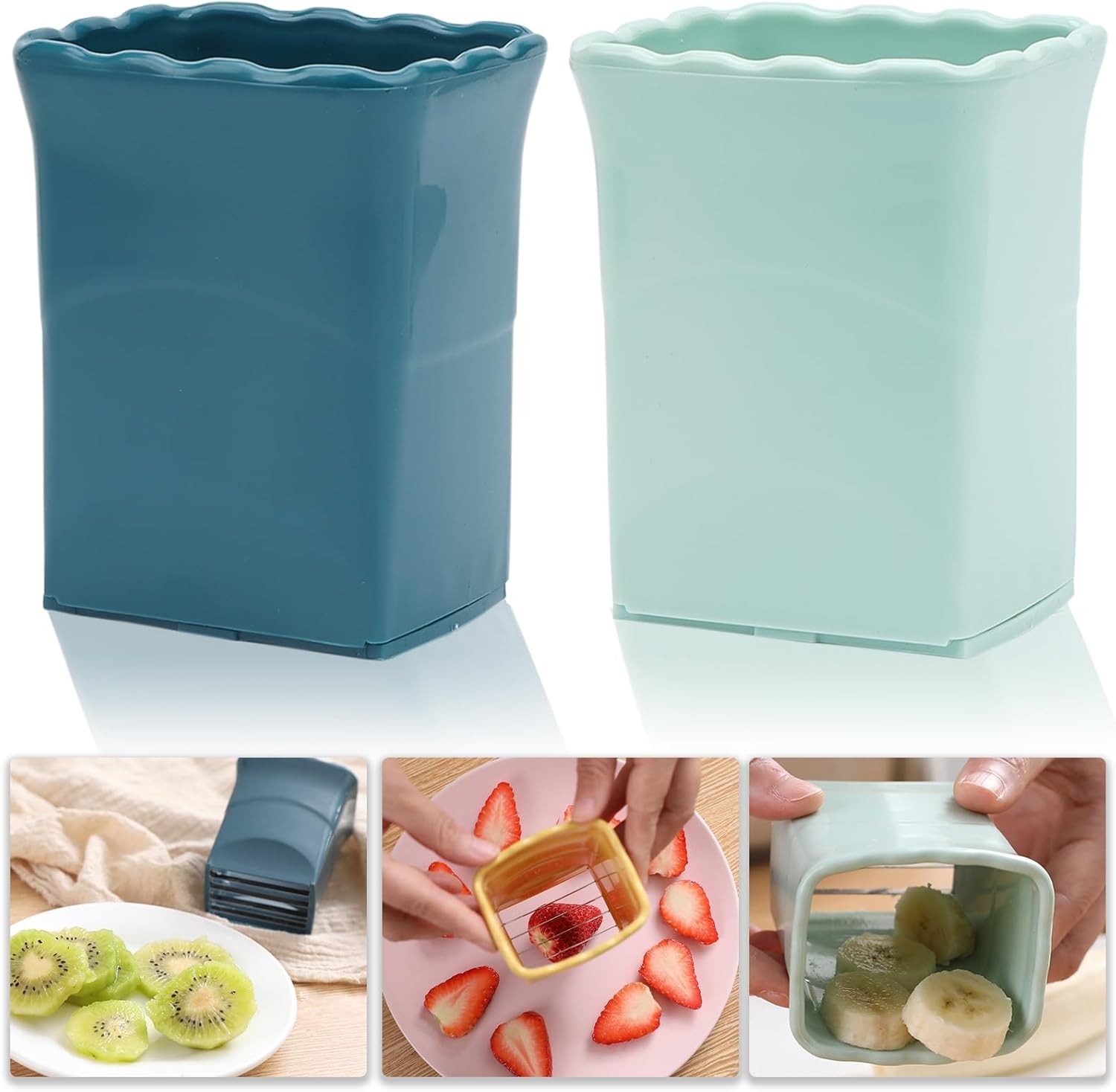
The TULOBI manual slicer set is the pick for a prep task that benefits from repeated, simple cuts. The package contains two slicers in navy blue and cyan, and the description names bananas, strawberries, dragon fruit, kiwi, garlic, tomatoes, mushrooms, and boiled eggs among its intended uses. Its compact 3.3 by 2.3 inch size makes the role easy to understand: it is designed for smaller ingredients rather than large-scale chopping. The limitation is that specialization; square-blade cup slicers are not a substitute for the breadth of a cooking book or for general knife work across varied ingredient sizes and shapes.
Final recommendation
Start with Raw Food: Recipes & Preparation if your priority is a focused recipe book at the group's lowest listed price of USD 4.54. Choose Food Preparation for Hotels, Restaurants and Cafeterias Hardcover instead when the appeal is its extensive food-service coverage, including menu making and commercial-kitchen topics. Guide to Good Food: Nutrition and Food Preparation is the better fit for an instructional nutrition-and-preparation focus. For someone who already has recipe guidance and simply wants a manual aid for fruit, garlic, tomatoes, mushrooms, or boiled eggs, select the Compact practical creative tool for daily kitchen food preparation.