When shopping for pizza flour, yeast & fermentation supplies, the key decision is simple: do you need the ingredient that helps pizza dough rise, or a container that helps you watch and cover dough while it ferments? Instant Self-Rising Dry Yeast and Acrylic Proofing Box sit at different stages of the process, so the better fit depends on the job-not on treating them as substitutes.
Quick verdict
Choose Instant Self-Rising Dry Yeast when the dough needs leavening and the priority is adding a baking ingredient. Choose Acrylic Proofing Box when the dough needs a covered place to ferment and observe. The $6 price spread is less important than the role difference: one is a baking ingredient, while the other is fermentation equipment. They work at different stages rather than competing on the same task.
Price and role at a glance
| Decision point | Instant Self-Rising Dry Yeast | Acrylic Proofing Box |
|---|---|---|
| Primary role | Dry yeast for pizza dough and other baking | Dough container for proofing and bread fermentation |
| Listed price | USD 23.99 | USD 29.99 |
Where each product wins
When Instant Self-Rising Dry Yeast makes more sense
It wins the ingredient decision. Its instant format can be mixed directly into ingredients without pre-hydration, and its name specifically includes pizza dough among the uses. That points to a straightforward choice when the recipe needs yeast on hand and the priority is moving from mixing toward baking. The tradeoff is scope: its role is leavening, while a proofing box handles a covered fermentation environment. Choose it for the former task; do not treat a bag of dry yeast packets as a substitute for a dough container.
When Acrylic Proofing Box makes more sense
It wins the containment decision. The clear acrylic body lets you observe the gluten network and air bubbles, while the locking lid is intended to retain internal humidity during fermentation. That makes it relevant when visibility and a covered setup matter more than adding an ingredient. The tradeoff runs the other way: it is a dough container, not pizza dough yeast. Choose it for the proofing stage; it cannot replace the leavening role of Instant Self-Rising Dry Yeast.
Product notes
Instant Self-Rising Dry Yeast

The practical case for this yeast is that it addresses leavening at the mixing stage. The name specifically includes pizza dough among its uses, and the instant format is positioned for quick baking without pre-hydration. That makes it a sensible choice for a baker whose immediate need is yeast rather than dough storage. The limitation is the format: it is a bag of dry yeast packets, so its role is to supply leavening, not to enclose dough during a rise or fermentation period. It also does not offer the observation setup associated with a clear proofing container. Choose it when a baking ingredient solves the immediate problem; choose Acrylic Proofing Box when the dough already has its yeast and needs a covered place to ferment.
Acrylic Proofing Box
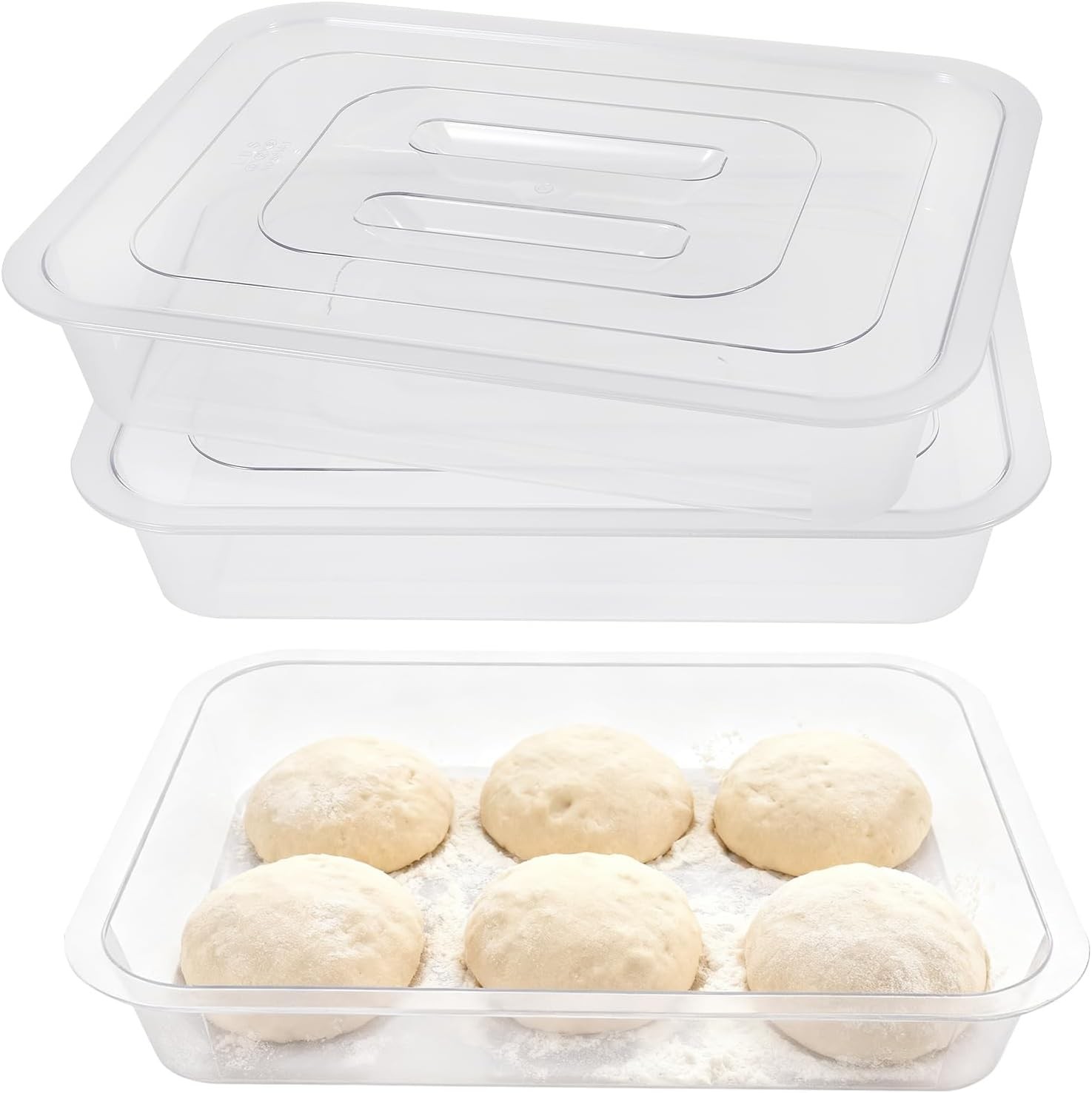
The strongest reason to choose this box is its focus on observing fermentation. Its transparent construction is intended to make the gluten network and air bubbles visible, while the locking lid creates a covered environment for the dough. That combination gives it a distinct role beside a yeast ingredient: it is about containing and watching dough, not adding leavening. The limitation is equally practical: the box cannot stand in for pizza dough yeast, so it suits a later process step rather than the recipe's leavening need. Pick it when you want the dedicated proofing step represented by its name; if your recipe still needs yeast, Instant Self-Rising Dry Yeast is the relevant choice.
Final choice by use case
- For the leavening step: Choose Instant Self-Rising Dry Yeast. Its pizza-dough wording and instant dry yeast role make the ingredient match clear.
- For the proofing step: Choose Acrylic Proofing Box. Its proofing-box and bread-fermentation wording identifies the container side of the workflow.
- For a process that needs both: Start with the item matching the missing stage. The yeast addresses leavening; the box addresses covered fermentation and observation. The $6 spread is secondary to that role distinction.