Choosing between pizza flour, yeast & fermentation gear starts with a practical fork: do you need an ingredient that makes dough rise, or a container that helps you manage the rise? These four choices split between one 12-pack of instant yeast and three two-pack proofing-box entries. The right buy depends on whether your next step is mixing dough or controlling its fermentation.
For a fast decision, use the yeast pack for leavening, either matching acrylic box for covered visual proofing, or the sealed fermentation container when its stated dough-ball capacity matters. The group spans a $14.00 listed-price gap, but the products serve different jobs.
Quick take
- Pizza dough yeast: Choose Instant Self-Rising Dry Yeast - Perfect for Bread, Cake, Pizza Dough - 12 Pack when the missing piece is a leavening ingredient.
- Covered fermentation: Choose either matching 2 Pack Acrylic Proofing Box entry when you want a dedicated dough container.
- Stated batch planning: Choose 2 Pack Pizza Dough Proofing Box - Clear Plastic Sealed Fermentation Container, S when the listed dough-ball capacity is central to your routine.
Listed-price comparison
| Product | Listed price | Price bar | Main job |
|---|---|---|---|
| 2 Pack Acrylic Proofing Box, Clear Plastic Pizza Dough Tray, Bread Fermentation | USD 29.99 | Proofing box | |
| 2 Pack Acrylic Proofing Box, Clear Plastic Pizza Dough Tray, Bread Fermentation | USD 29.99 | Proofing box | |
| 2 Pack Pizza Dough Proofing Box - Clear Plastic Sealed Fermentation Container, S | USD 37.99 | Proofing box | |
| Instant Self-Rising Dry Yeast - Perfect for Bread, Cake, Pizza Dough - 12 Pack | USD 23.99 | Yeast |
Decision matrix
- Ingredient or container: Instant Self-Rising Dry Yeast is the choice for adding yeast to pizza dough. The other three entries are containers for fermentation and proofing.
- Direct-mix workflow: The yeast description emphasizes rapid-rise granules that can be mixed directly into ingredients without pre-hydration.
- Clear observation: The two acrylic-box descriptions focus on transparent viewing of dough development. The sealed fermentation container also describes a transparent design, so visibility is shared across the box choices.
- Batch planning: The sealed fermentation container states that it holds 4-6 dough balls and gives dimensions of 13.8 x 10 x 3.1 inches.
- Sourdough context: The acrylic-box description specifically mentions sourdough and gluten dough, making that format relevant when watching fermentation around a sourdough pizza starter.
Product notes
2 Pack Acrylic Proofing Box, Clear Plastic Pizza Dough Tray, Bread Fermentation
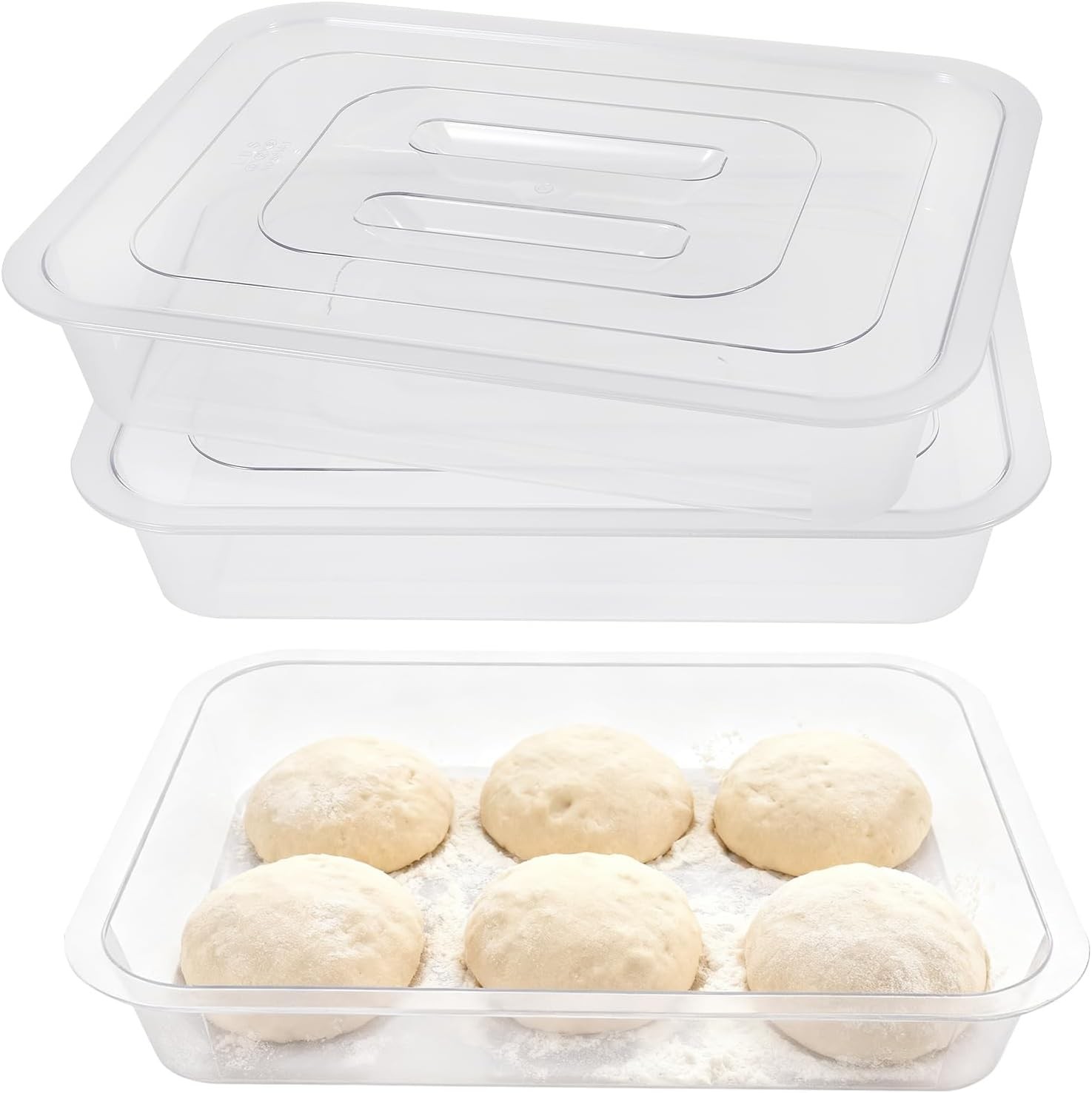
Choose the 2 Pack Acrylic Proofing Box, Clear Plastic Pizza Dough Tray, Bread Fermentation when the hands-on part of pizza dough proofing is watching what happens under a cover. The transparent acrylic construction lets you see the gluten network and air bubbles, while the description calls out a locking lid and material that does not absorb odors. That makes the box relevant to sourdough pizza starter work as well as regular dough fermentation. The limitation is functional: it is a proofing container, not yeast, so it cannot provide the leavening ingredient. It suits a dough routine built around observation and covered fermentation.
2 Pack Acrylic Proofing Box, Clear Plastic Pizza Dough Tray, Bread Fermentation
The matching 2 Pack Acrylic Proofing Box, Clear Plastic Pizza Dough Tray, Bread Fermentation offers the same clear, lidded approach for a shopper who wants another route to covered fermentation. Its title centers on acrylic, pizza dough trays, and bread fermentation, while the description adds visible bubble monitoring and a locking lid. The concrete drawback is that its job stops at holding dough during fermentation: it does not replace the yeast needed to make pizza dough rise. Use this choice when a transparent two-box setup is the priority, including dough work connected with sourdough, rather than when the pantry ingredient itself is missing.
2 Pack Pizza Dough Proofing Box - Clear Plastic Sealed Fermentation Container
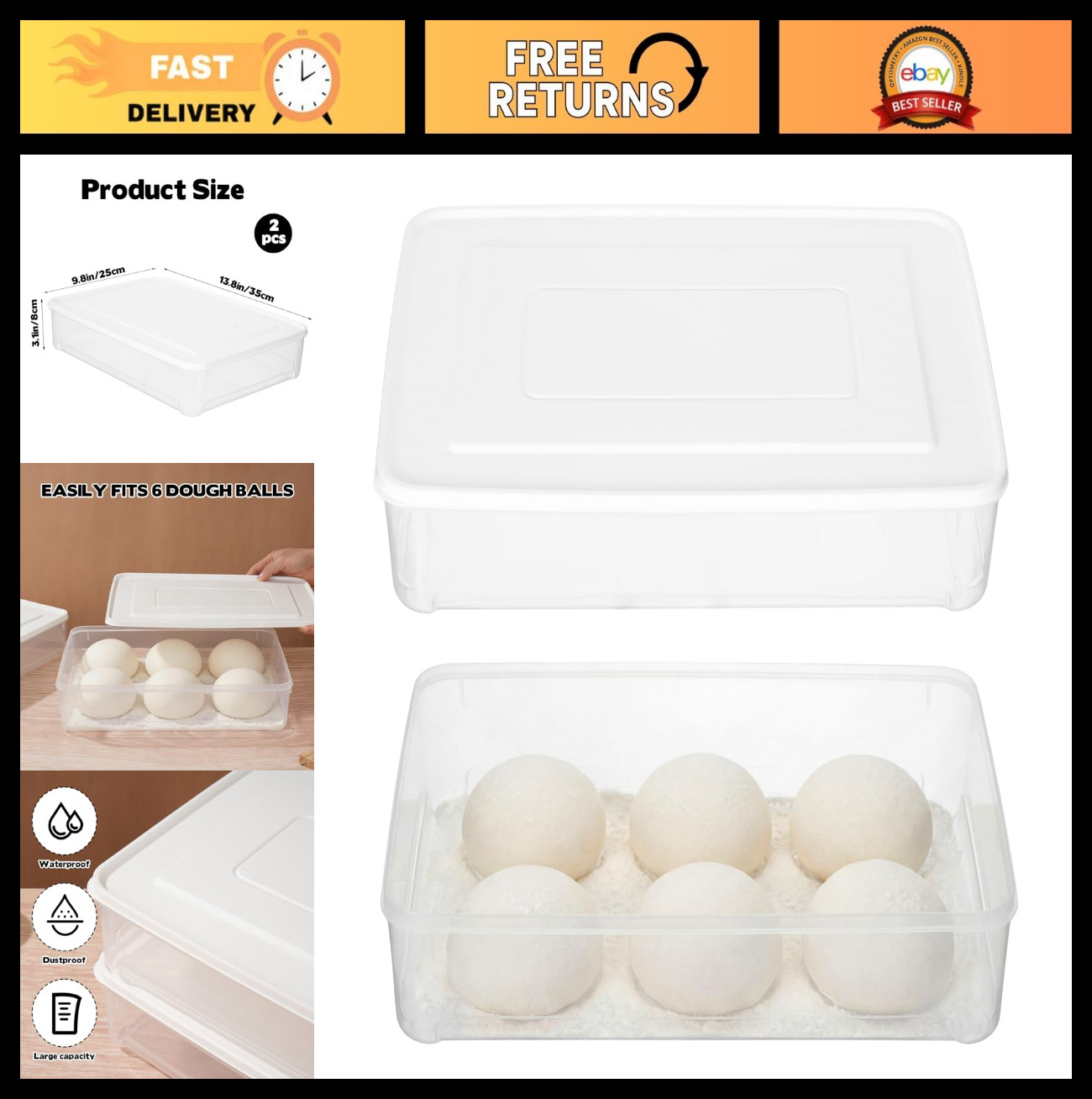
The 2 Pack Pizza Dough Proofing Box - Clear Plastic Sealed Fermentation Container, S is the container choice with the clearest batch-size information. Its description states that it holds 4-6 dough balls and gives dimensions of 13.8 x 10 x 3.1 inches; it also names transparent polypropylene, lidded storage, stackability, and compatibility with most household refrigerators and microwaves. Those specifics help when planning several pizza portions. The limitation is its role: it remains fermentation equipment rather than a yeast ingredient. Choose it when the stated capacity, measurements, and sealed-container format matter more than keeping the setup centered on an acrylic tray.
Instant Self-Rising Dry Yeast - Perfect for Bread, Cake, Pizza Dough - 12 Pack

Instant Self-Rising Dry Yeast - Perfect for Bread, Cake, Pizza Dough - 12 Pack is the ingredient-led choice. The description presents it as rapid-rise instant yeast that can be mixed directly into ingredients without pre-hydration, and it specifically names pizza dough alongside bread, cake, bagels, and croissants. The 12-pack format also addresses repeated dough-making sessions. Its limitation is scope: yeast contributes leavening, but it is not a proofing box, tray, lid, or fermentation container. Select it when the missing step is yeast and you already have a way to hold dough while it rises.
Final recommendation by use case
- For adding lift to pizza dough: Choose Instant Self-Rising Dry Yeast - Perfect for Bread, Cake, Pizza Dough - 12 Pack; its direct-mix, rapid-rise description and lowest listed price make the ingredient choice straightforward.
- For covered fermentation with an acrylic format: Either matching 2 Pack Acrylic Proofing Box entry fits the use case.
- For planning several dough balls: Choose 2 Pack Pizza Dough Proofing Box - Clear Plastic Sealed Fermentation Container, S for its stated 4-6-ball capacity and measurements.
- For a sourdough pizza starter routine: Choose one of the acrylic proofing-box entries, whose description explicitly addresses sourdough fermentation and visible dough development.