Choosing gear for pizza flour, yeast & fermentation often comes down to one practical fork: do you want compact containers that separate portions and clean easily, or a broad dough tray that takes more room? The Stackable Silicone Artisan Pizza Dough Proofing Proving Containers with Lids-2/3 and Pizza Dough Proofing Box with Lid - Dough Tray & Proofing Container for Lid approach that choice differently. The silicone format emphasizes divided storage and easy care, while the wood box emphasizes a larger tray format.
Quick verdict
Choose the silicone set when portioned dough storage, compact organization, and dishwasher-safe care are the priorities. Choose the wood box when a wide tray and a multipurpose food-storage role matter more than a compact footprint. The silicone set carries the lower listed price, while the acacia-wood box is the larger-format purchase.
Listed comparison
| Detail | Stackable Silicone Artisan Pizza Dough Proofing Proving Containers with Lids-2/3 | Pizza Dough Proofing Box with Lid - Dough Tray & Proofing Container for Lid |
|---|---|---|
| Listed price | USD 20.81 | USD 52.65 |
| Construction | Silicone | Acacia wood |
| Format | 2-pack containers with lids | Dough tray and proofing box with lid |
Where each one wins
- Silicone containers: Dishwasher-safe care, stackability, and listed airtight and leak-resistant features make this format a strong fit for organized, divided dough storage.
- Acacia-wood box: The broad tray format and described ability to hold pizza dough, fruits, vegetables, and other foods make it more suitable for multipurpose food storage.
Product notes
Stackable Silicone Artisan Pizza Dough Proofing Proving Containers with Lids-2/3
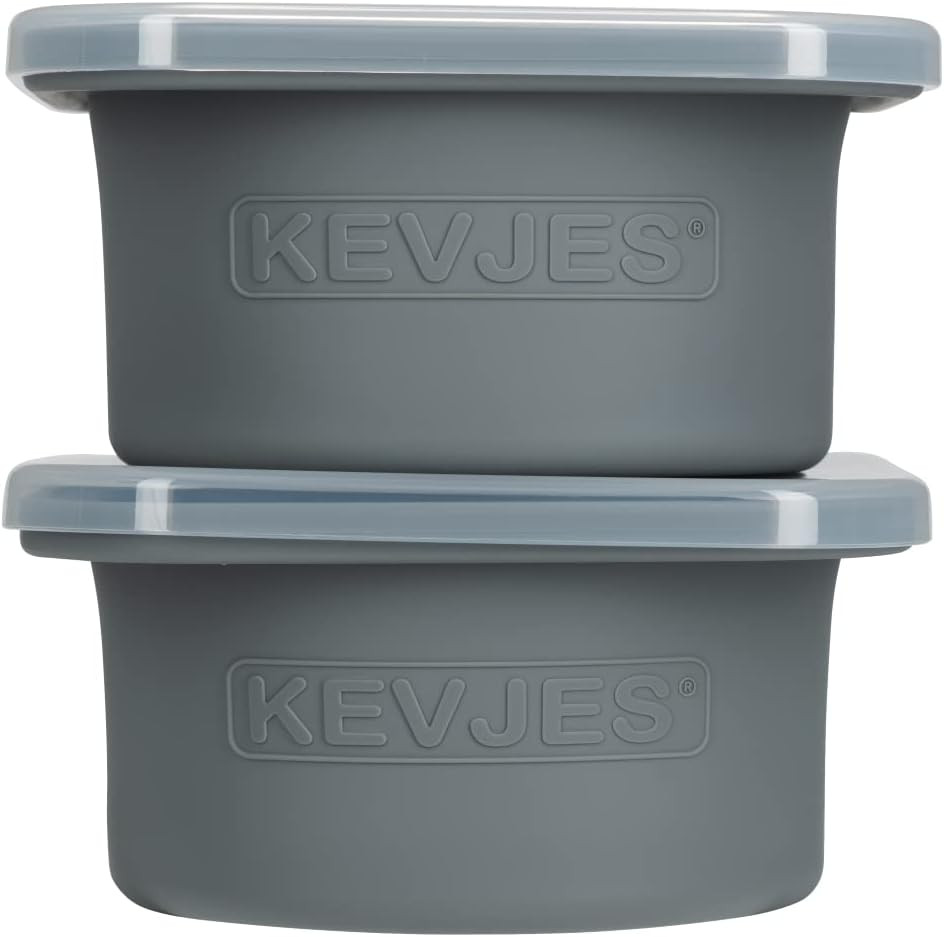
The Stackable Silicone Artisan Pizza Dough Proofing Proving Containers with Lids-2/3 suit a portion-focused setup. The listing specifies a two-pack and a 500-milliliter capacity, giving shoppers a concrete reason to choose the set when dough portions need separate containers rather than one shared tray. Its 5.3 x 5.3 x 2.6-inch dimensions reinforce a compact format that can fit neatly into a tighter storage area. The limitation is that 500 milliliters represents a smaller vessel size than a broad dough tray, so it may be less aligned with routines centered on one larger dough mass. The set's divided-container design also favors portion control over a single spacious proofing surface.
Pizza Dough Proofing Box with Lid - Dough Tray & Proofing Container for Lid
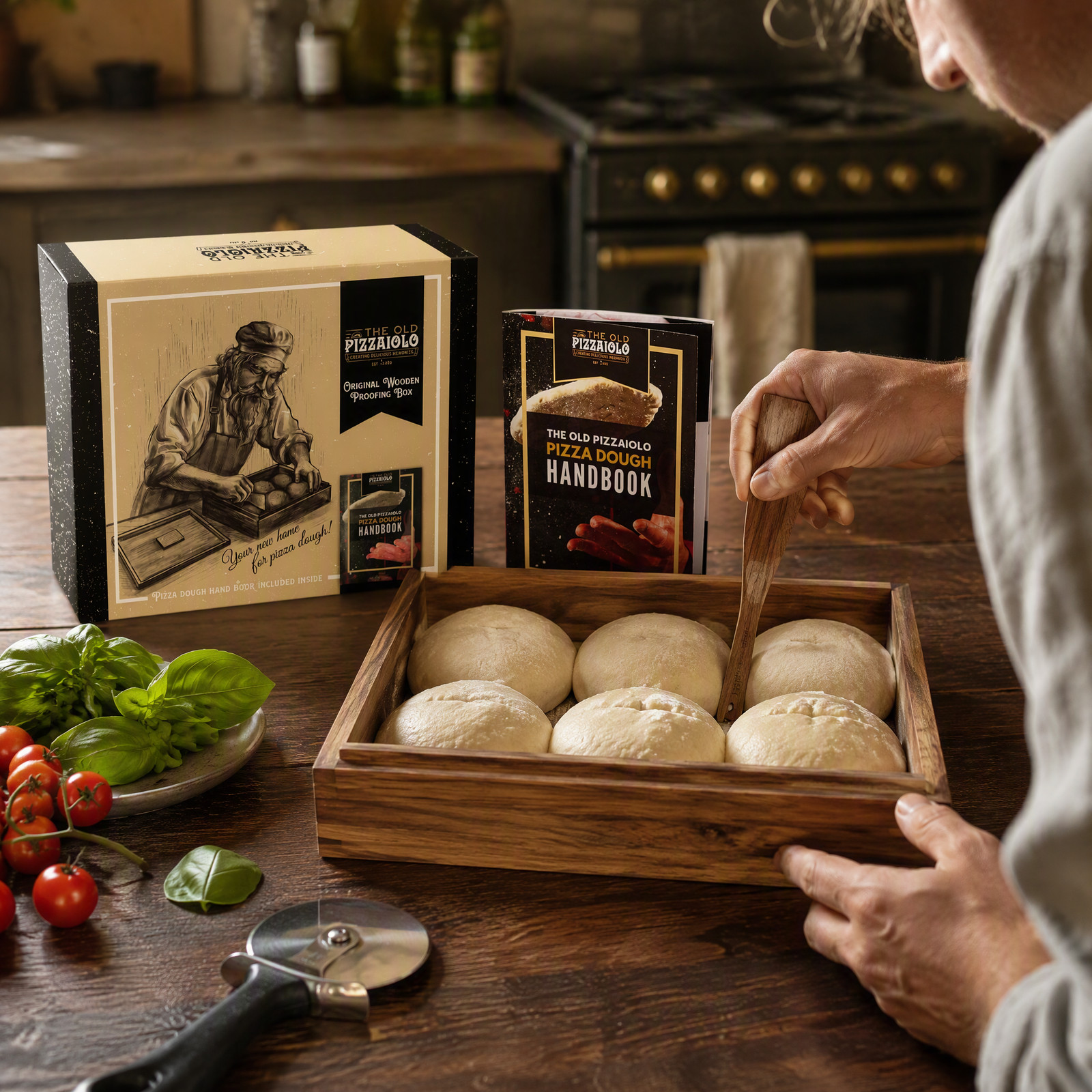
Pizza Dough Proofing Box with Lid - Dough Tray & Proofing Container for Lid suits shoppers who want a tray-centered approach to pizza dough proofing. Its listed 16 x 12 x 4.5-inch size provides a broad format, while the description names pizza dough, fruits, vegetables, and other foods as intended uses. That multipurpose role is the clearest reason to choose it when one container should serve beyond dough preparation. The limitation is the footprint: a 16 x 12-inch tray needs more counter or cabinet room than the compact silicone containers. Its listed price is also higher than the silicone set, making the larger format easier to justify for shoppers who expect to use the tray for several food-storage tasks.
Final choice by use case
Choose the silicone containers for divided portions, compact storage, and a cleanup routine built around dishwasher-safe care. Choose the acacia-wood box for a tray-centered workflow, a broad listed size, and food storage that extends beyond pizza dough. Neither format is a universal winner: the first favors compact organization, while the second favors scale and multipurpose use.