Kitchen Gear Wise

Kitchen Gear Wise

Kitchen Gear Reviews & Buying Guides

Compare kitchen gear by use case, features, trade-offs, price, returns, and seller terms before you buy.

Buying guides

Buying guide image
Toasters & Ovens

Wolf Gourmet WGCO150S

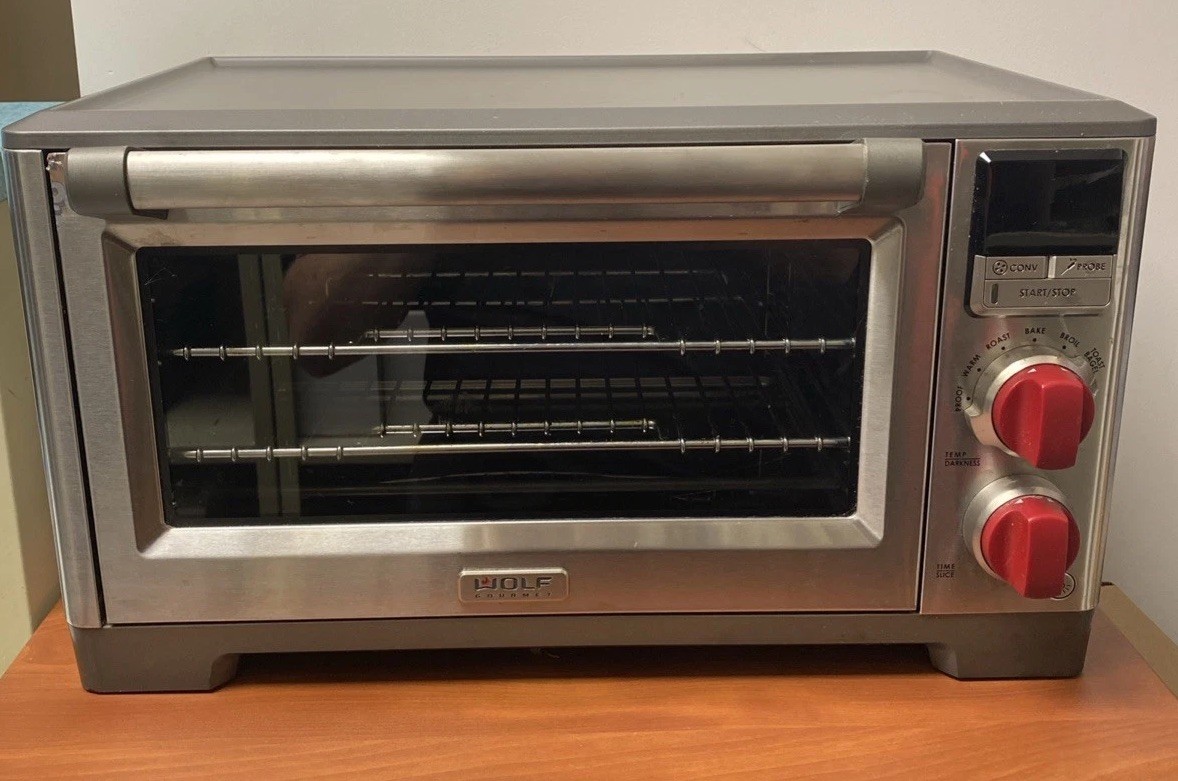
The Wolf Gourmet WGCO150S is a premium countertop convection oven built for cooks who want precise, probe-assisted roasting and broiling in a compact footprint. Its integrated temperature probe and convection fan set it apart from typical toaster ovens, but the large exterior and limited toast-specific controls mean you should size your counter space carefully. Buyers upgrading from a basic toaster oven should expect a learning curve for toast and broil settings.
Buying guide image
Pour-Over & Manual Brewing

Chemex CM-6A

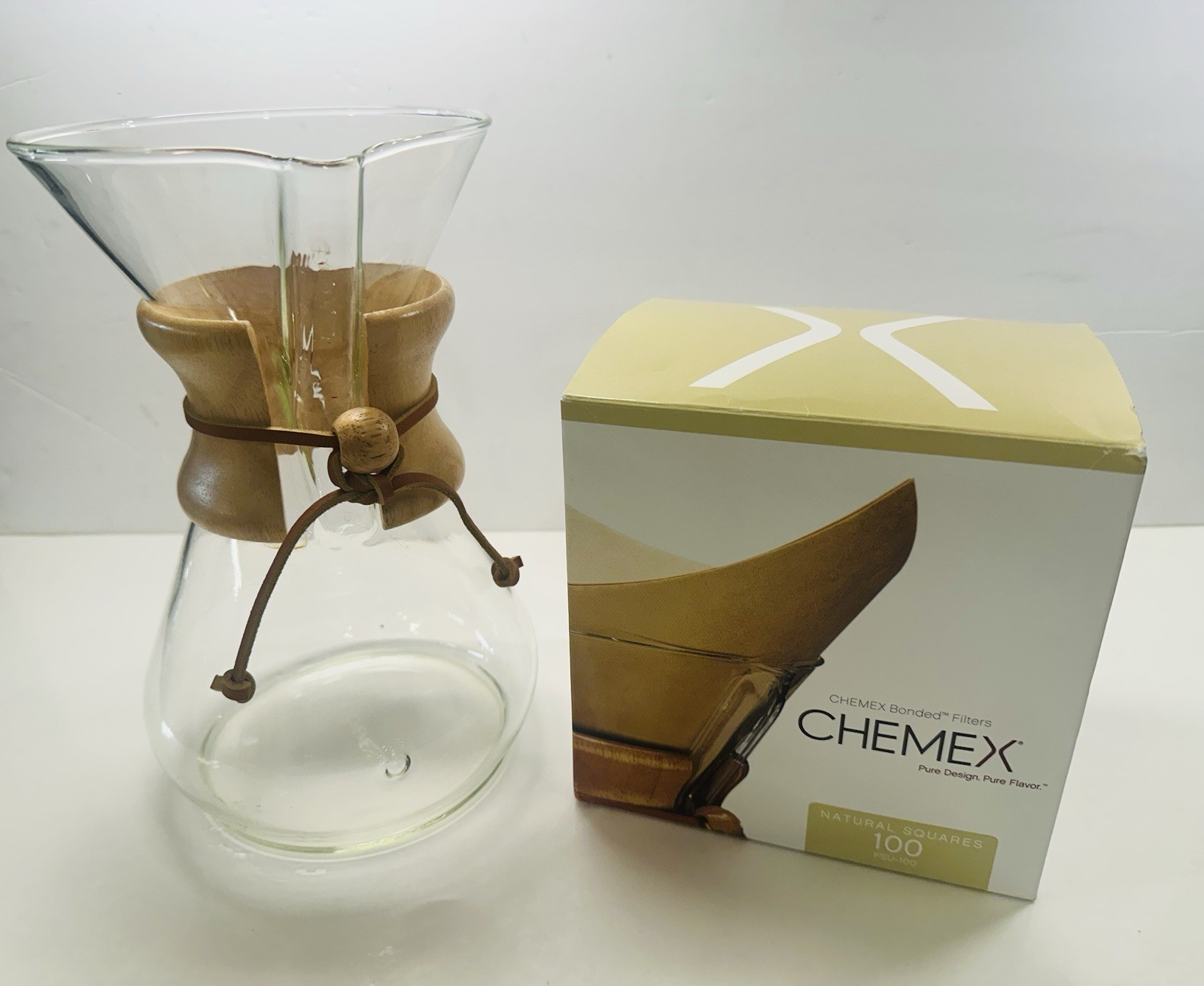
The Chemex CM-6A is the 6-cup (30 oz) pour-over brewer defined by its borosilicate glass body, wood collar, and leather tie. The key trade-off is glass purity and heat retention versus breakage risk; durable buying means confirming borosilicate glass, a thick collar, and the correct Chemex-bonded filter grade rather than accepting generic glass and thin paper.

Buying guide image
Pour-Over & Manual Brewing

J Schatz Chemex CM-6A

The J Schatz Chemex CM-6A is a 6-cup borosilicate glass pour-over brewer using thick proprietary filters and a wood collar with leather tie. The core trade-off is glass clarity and chemical inertness versus breakage risk, with paper-filter thickness driving body and sediment. Buy the CM-6A only if you want the classic 6-cup Chemex ratio and accept hand-wash glass care; skip it for metal-filter or large-batch brewing.

Buying guide image
Coffee Gear

Cool Gear Coffee Mug

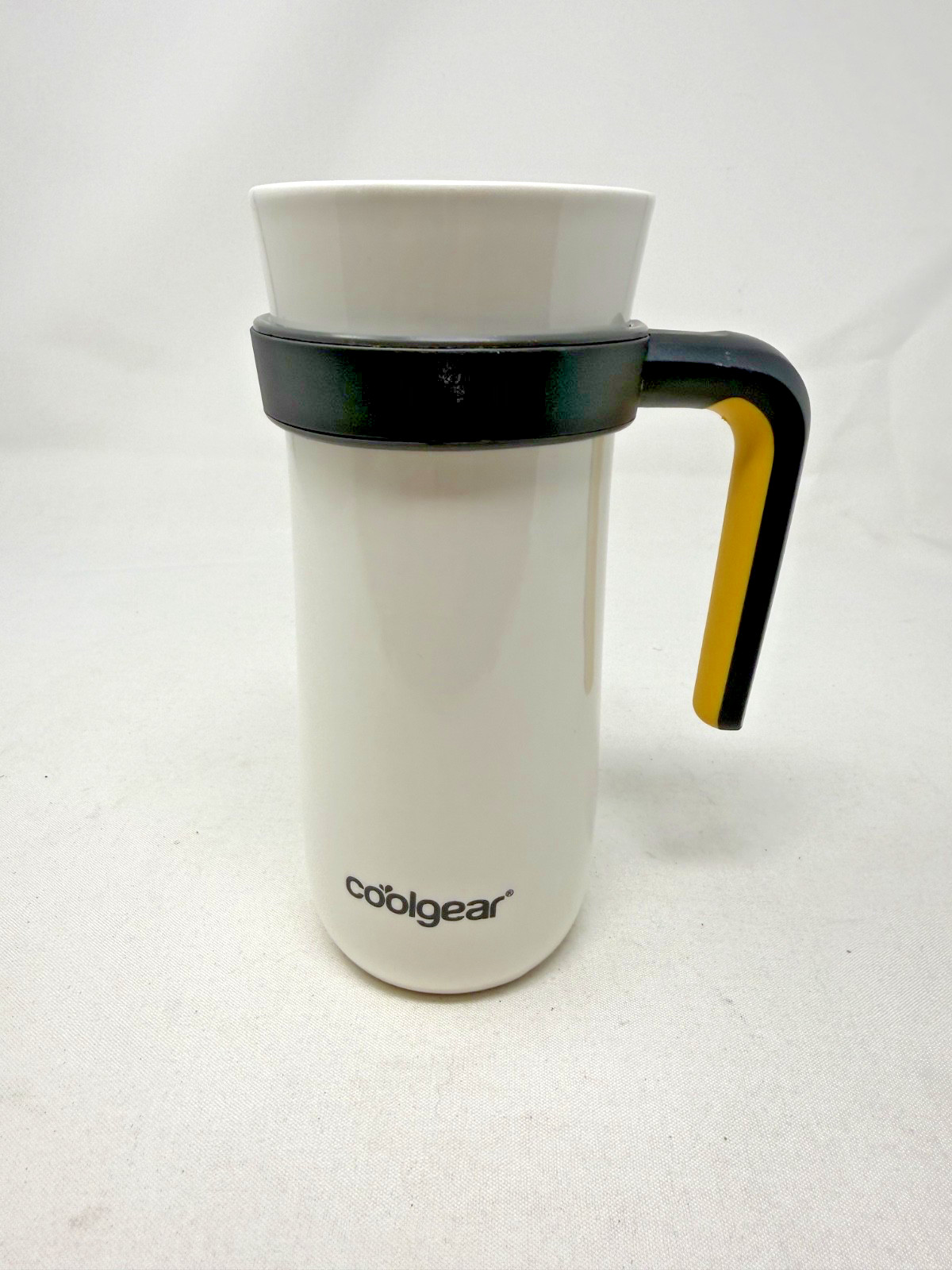
A "cool gear coffee mug" is typically an insulated travel mug or tumbler built for gearheads, outdoor enthusiasts, or anyone who wants rugged, technical-looking drinkware. The primary trade-off is between vacuum-insulated stainless steel (superior heat retention and durability) and lighter, cheaper plastic or single-wall designs that sweat, cool fast, and crack. Choose double-wall vacuum stainless with a sealed lid for true performance; skip anything uninsulated or with a friction-fit lid if you need leakproof transport.

Buying guide image
Slow & Pressure Cookers

Princess House

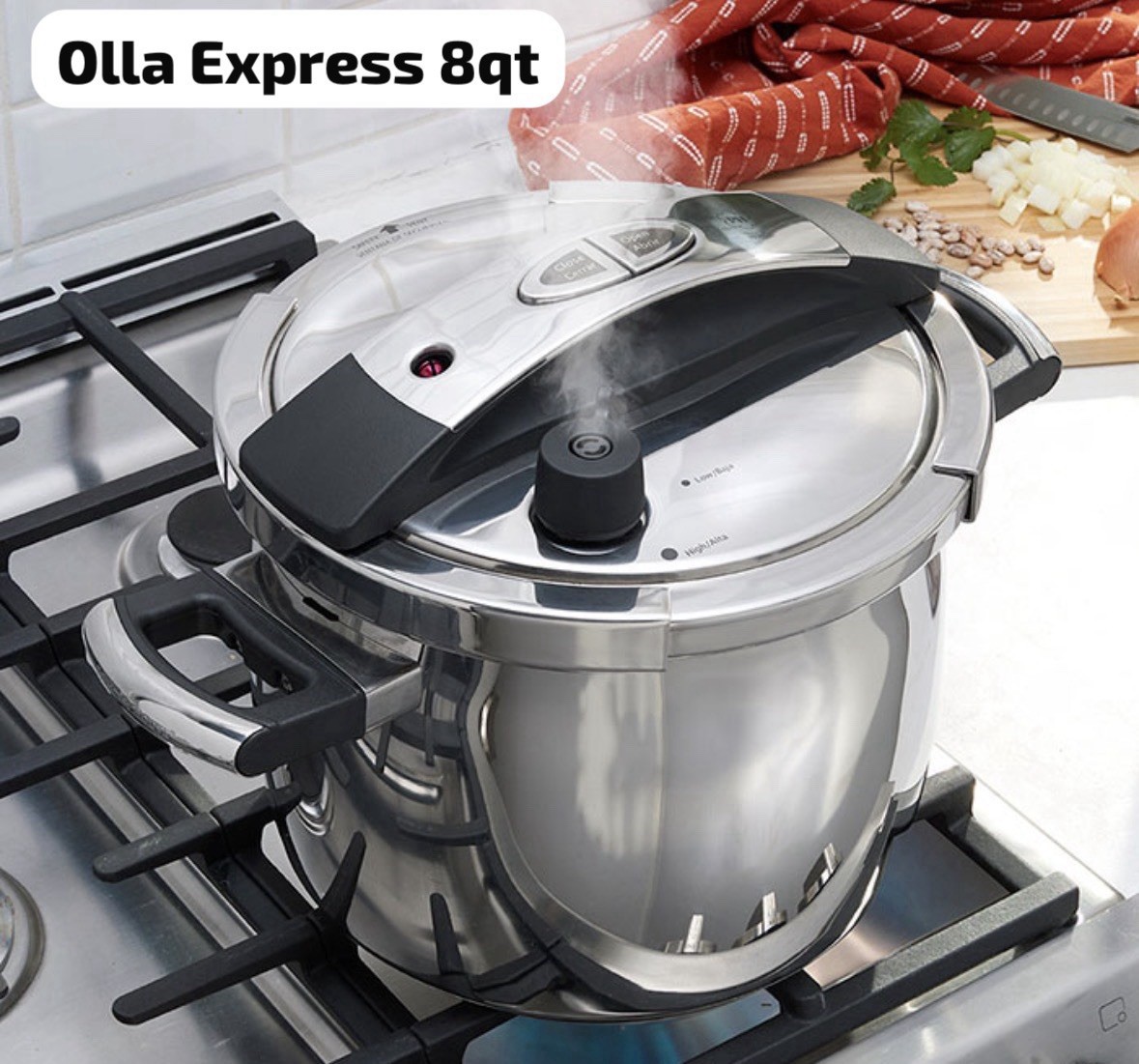
Princess House is a direct-sales brand known for its Classic 8-quart Easy-Close stove-top pressure cooker, a stainless-steel vessel using a stovetop jiggle-top regulator rather than electric PID control. The core trade-off is manual heat management and gasket maintenance versus the set-and-forget convenience of electric multi-cookers, and the decision rule is simple: buy Princess House only if you want a large-capacity stovetop pressure cooker and can verify current gasket and valve availability; otherwise choose a modern electric or stovetop model with a supported parts channel.

Food Preparation

Lunch Box

A lunch box is a portable food-storage system whose core job is holding temperature and surviving daily transport without leaks. The decisive trade-off is insulation architecture: soft foam bags are light and packable but hold cold for only 4–6 hours, while rigid PU coolers or vacuum-sealed steel bodies hold 8–12+ hours at the cost of bulk and weight. Buyers should treat capacity tier and inner-material grade as fixed requirements, not upsells: 0.7–1 L for kids, 1.5–2 L for adults, 2.5 L+ for heavy-tool or double-shift use.

Home Ranges, Ovens & Cooktops

Toaster Oven

A toaster oven is a countertop electric oven that combines toast, bake, broil, and often convection or air-fry functions in a footprint smaller than a full range. The core trade-off is between compact speed and cavity capacity: cheap models use exposed calrod elements and mechanical timers with uneven heat, while durable units use quartz or sheathed elements, true convection fans, and PID-style electronic thermostats. The decision rule is simple: pick a model with a 0.5–0.9 cu ft cavity, at least 1500W, and a mechanical or digital thermostat rated to 450°F or higher—skip anything under 1200W or with a 15-minute bell timer if you plan to bake.

Specialty Kitchen Appliances

Flattop Grill

A flattop grill is a broad, flat cooking surface—either gas-fired or electric—that delivers high-contact searing for smash burgers, breakfasts, and teppanyaki-style meals. The core trade-off is between raw BTU output and recovery speed (gas) versus convenience and indoor-safe operation (electric), with surface material and plate thickness determining heat stability. Buy gas only if you have outdoor ventilation and want restaurant-grade searing; buy electric only if you need indoor-safe, low-smoke cooking and can accept slower heat recovery.

Electric Hot Pots

Electric Kettle

An electric kettle is a countertop appliance that heats water via a concealed or exposed resistance element, with the main trade-off being speed/energy use versus build durability and safety features. The decisive split is between budget plastic kettles with basic thermostats and stainless-steel or glass kettles with proper boil-dry protection and temperature control. Buy based on material grade, wattage tier, and lid/filter construction, not marketing claims.

Slow & Pressure Cookers

Crock Pot

A Crock Pot is a brand-derived term for a slow cooker: a countertop electric cooker with a ceramic or nonstick stoneware insert, a fitted lid, and a low-wattage heating element that simmers food for hours. The core trade-off is capacity and insert material versus heating uniformity and programmable control, with basic dial models offering durability and simplicity while digital multi-function units add timers and searing modes. Buy a model whose insert matches your household size and whose controls match how often you actually cook.

Specialty Kitchen Appliances

Electric Can Opener

Electric can openers are countertop or handheld motorized devices that puncture and rotate a can lid off using a powered gear or blade, replacing manual crank effort. The core trade-off is between a stable, hands-free under-cabinet or countertop model with a replaceable cutting wheel versus a compact handheld or battery unit that saves space but demands more grip and alignment. The decision rule: choose a corded countertop or under-cabinet unit with a hardened steel cutting wheel and a built-in magnet for daily senior or arthritis-friendly use; choose a handheld or battery model only for occasional, small-can, or travel use.

Air Fryers

Ninja Af101 Air Fryer

The Ninja AF101 is a 4-quart, 1550-watt basket-style air fryer with a ceramic-coated nonstick basket and a single manual dial interface, positioned as a compact entry point into convection air frying. The key trade-off in this segment is basket capacity versus counter footprint and whether the nonstick coating and heating element are built to survive daily high-heat cycles. The decision rule: buy the AF101 for 2-3 person households doing 1-2 batches per meal; step up to a 5.5-quart or dual-zone model if you regularly cook for four or more or want preset programs.

Tableware, Drinkware & Serving

Electric Salt And Pepper Grinder

Electric salt and pepper grinders replace manual twist mechanisms with battery- or USB-rechargeable motors, trading the simplicity and silence of manual mills for one-handed operation and consistent grind at the touch of a button. The core trade-off is between ceramic burr grinders (durable, salt-safe, consistent particle size) and stainless-steel or plastic blade/rotor mechanisms (cheaper, faster wear, prone to corrosion with salt). Choose a paired set with independently adjustable ceramic burrs and a sealed battery compartment for daily cooking; skip single-unit novelty mills with fixed grind and exposed battery bays.

Food Preparation

Lunch Bag

A lunch bag is a portable insulated carrier that keeps food at safe temperatures between packing and eating, and the core trade-off is insulation thickness (foam or foil) versus leakproof construction and usable volume. Durable options use at least 5mm closed-cell PE foam or foil-lined welded seams, water-resistant 600D polyester or TPU-coated fabric, and a leakproof interior liner; compromises rely on thin 2–3mm padding, stitched (not welded) seams, and non-wipeable cloth interiors that absorb spills and odors.

Toasters & Ovens

Electric Stove

An electric stove is a freestanding or slide-in cooking range that pairs resistive or induction cooktop elements with a thermal oven, and the primary trade-off is coil versus smooth-top versus induction heat delivery against oven capacity and venting. Durable options use glass-ceramic or induction surfaces with convection ovens and welded steel frames; compromises show up as thin coil elements, non-convection ovens, and loose terminal blocks.

Coffee Scales

Digital Scale

A digital coffee scale is a battery-powered load-cell scale with 0.1 g resolution and an integrated brew timer, built to survive heat, moisture, and daily tare cycles on a drip tray. The core trade-off is resolution/speed versus sealing and thermal durability: budget units use single-point unsealed cells that drift when steam hits them, while brew-grade scales use sealed multi-point or temperature-compensated cells with fast refresh rates. Buy a sealed 0.1 g scale rated for at least 2 kg with a physical timer button if you brew daily; skip any unsealed 1 g kitchen scale if you weigh espresso shots or pour-over doses.

Electric Hot Pots

Electric Water Kettle

An electric water kettle is a countertop appliance that heats water via a concealed or exposed metal element, with the core trade-off being speed and temperature precision versus long-term durability of the heating element and housing. Buyers should prioritize stainless-steel or glass bodies with a concealed element and a thermostat that can hold a rolling boil, while avoiding plastic-bodied kettles with exposed coils or vague temperature dials. The clear decision rule: if the body is borosilicate glass or 304 stainless steel, the element is concealed, and the cordless base uses a standard 360-degree connector, it is a durable daily driver; if not, it is a compromise.

Electric Hot Pots

Electric Tea Kettle

Electric tea kettles are corded countertop appliances that boil water via a concealed heating element, with the core trade-off being speed and temperature precision versus build durability and safety. The decisive split is stainless-steel or glass bodies with a proper thermostat and auto-shutoff versus thin plastic shells and uncalibrated bimetal switches. Buy a kettle rated for your daily volume with a verifiable boil-dry cutoff; skip any unit that lacks a latching lid and a concealed element.

Dishwashers

Most Quiet Dishwasher

Quiet dishwashers are defined by sound pressure measured in decibels (dB), where each 3 dB drop halves perceived loudness. The primary trade-off is insulation mass and motor architecture versus interior capacity and cycle time, with premium tiers using brushless DC pumps, triple-layer sound blankets, and variable-speed compressors. The decision rule: buy 44 dB or lower for open-plan living, 45–49 dB for adjacent-room kitchens, and skip anything above 50 dB if the unit shares a wall with a bedroom or TV.

Sourdough Starters & Fermentation

Sourdough Bread Flour

Sourdough bread flour is a high-protein wheat flour milled for strong gluten development, the backbone of open-crumb, high-rising loaves. The core trade-off is protein content and wheat type: bread flour (12–13% protein) delivers structure, while all-purpose (10–11%) falls short for wet doughs. The decision rule: pick a flour with labeled protein at or above 12% and malted barley flour for enzyme activity, and avoid generic pastry or self-rising blends for naturally leavened bread.

You may also like

Finding more guides for you…