
Photos from current listings. Actual item, color, and included accessories may vary.
10 Juicer Buying Guide
A 10-juicer shortlist is not one product class but three distinct architectures: slow masticating (cold-press), high-speed centrifugal, and citrus-only press juicers. The core trade-off is extraction yield and oxidation versus speed, counter footprint, and cleanup effort. Decide first by produce type and daily volume: leafy greens and daily celery demand a masticating auger, hard fruit in bulk suits a centrifugal, and citrus-heavy households should buy a dedicated press and skip universal machines.
Median $77.99 · New listings
Key takeaways
- Masticating juicers run 40-100 RPM augers that crush rather than shred, preserving enzymes and yielding drier pulp; centrifugal models spin 6,000-14,000 RPM and oxidize faster.
- Vertical augers cut counter footprint versus horizontal twin-gear models but horizontal units typically handle leafy greens and wheatgrass with less clogging.
- Centrifugal feed chutes of 3 inches or more swallow whole apples, while masticating chutes are usually 1.5-2 inches and require pre-cutting.
At a glance
- Category
- Blenders & Juicers
- Last updated
- Nov 27, 2026
Current offers
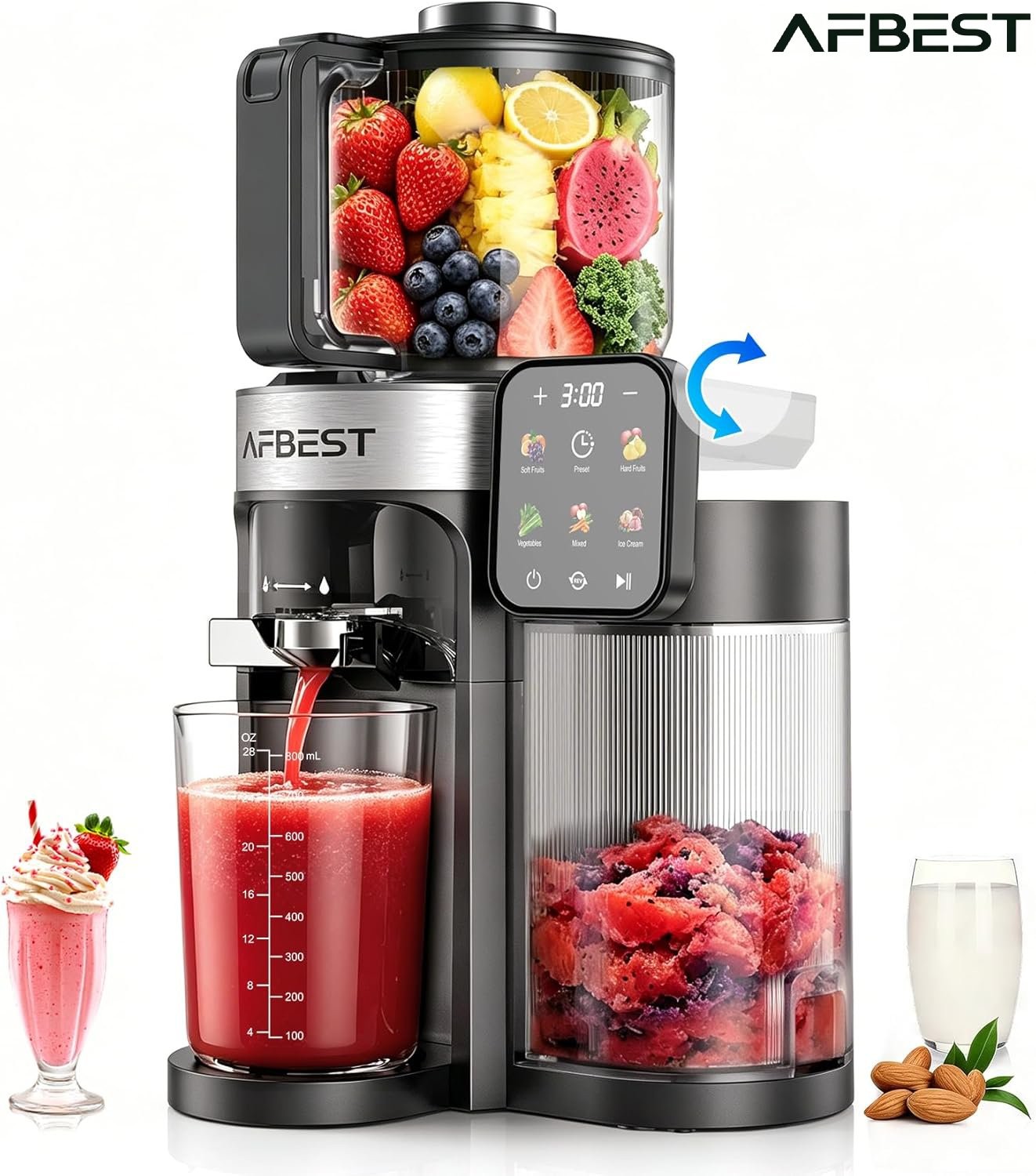 3in1 Cold Press Slow Juicer Machine 6.5" Extra Wide Chute Smart Touch High Yield$144.99View on eBay
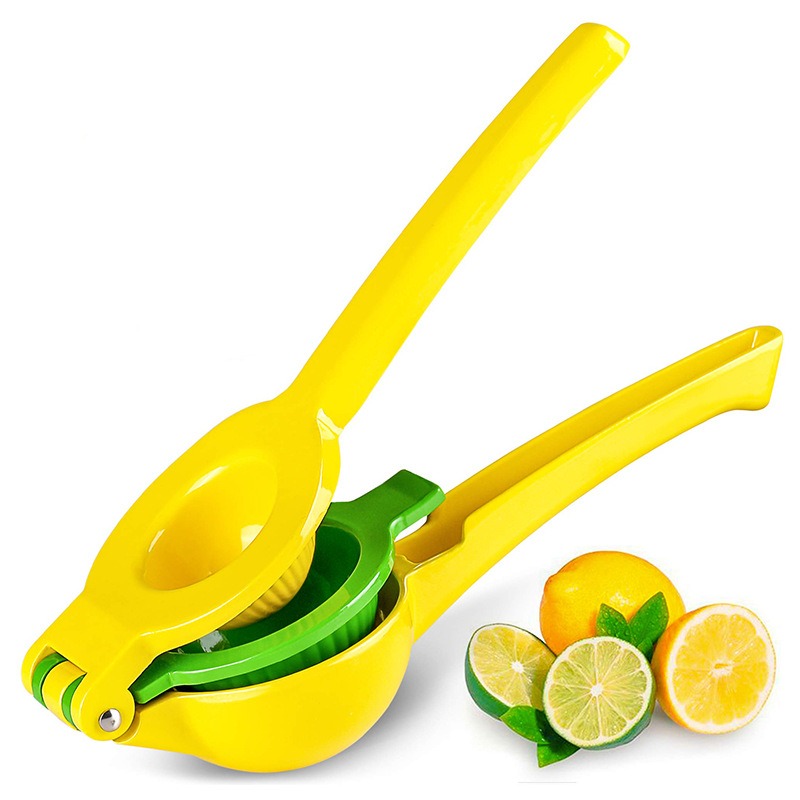 Juicer -- OPP$15.99View on Mallflare
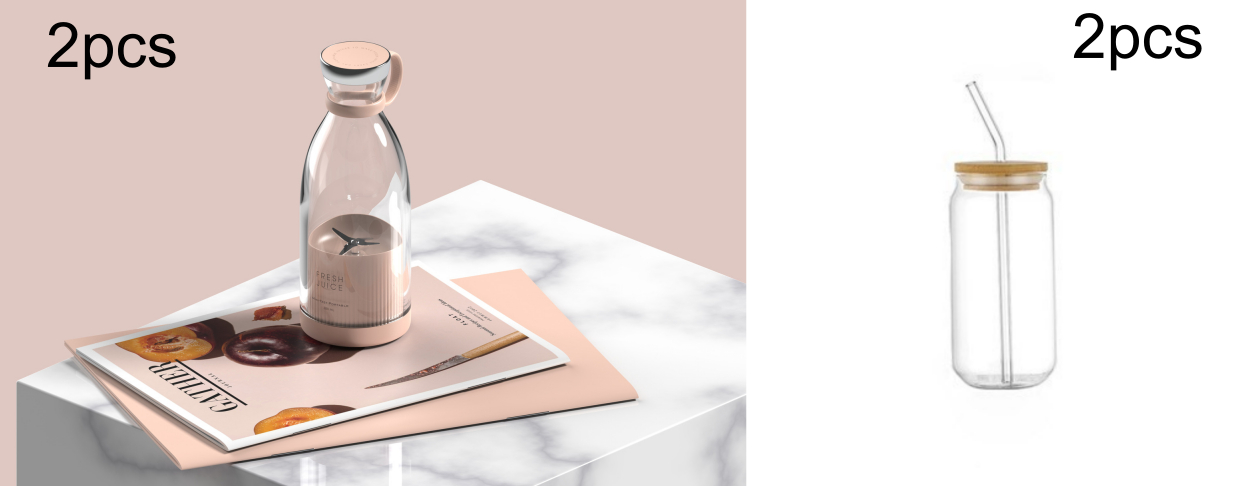 350ML Electric Juicer Blender Mixer USB Rechargeable Machine Household Portable$206.31New · Last checked Nov 26, 2026View on eBay
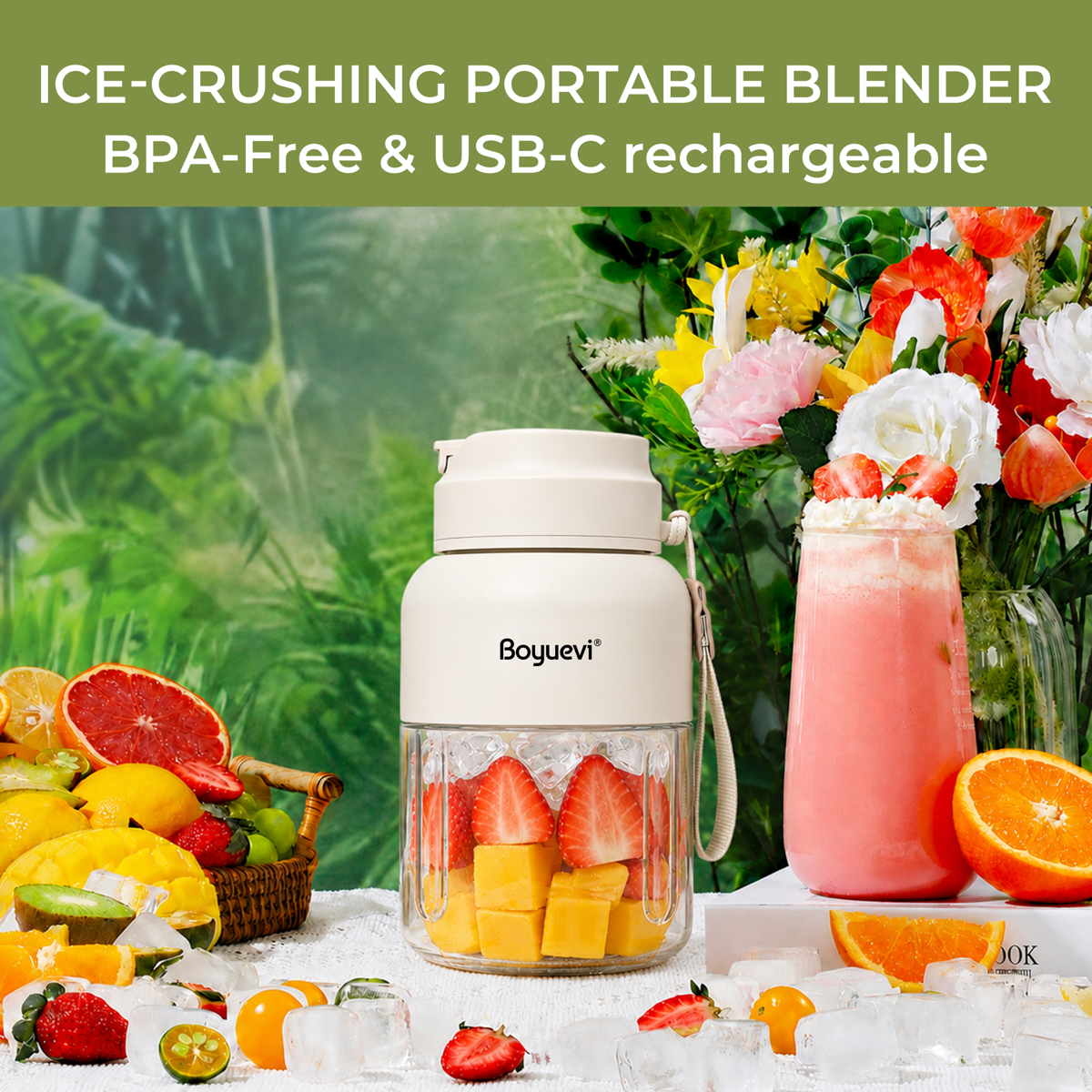 Cordless Portable Juicer - USB RechargeablePortable Blender with USB Port, 1350ml, Reusable, Ice-Crushing, BPA-Free for ProteinShakes, Frozen Drinks, Gym Use$38.99View on Mallflare
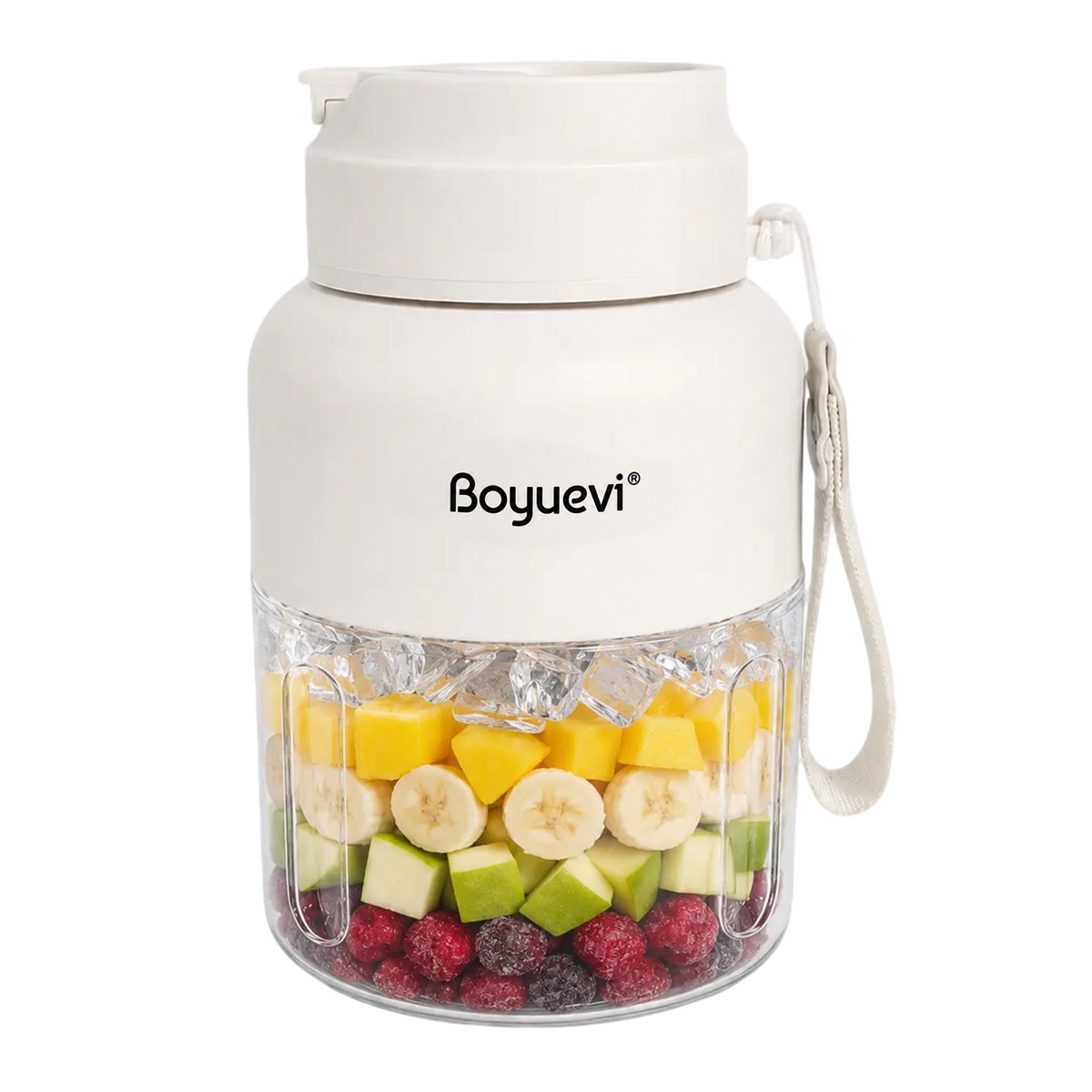 Cordless Portable Juicer - USB RechargeablePortable Blender with USB Port, 950ml+550ml, Reusable, Ice-Crushing, BPA-Free for ProteinShakes, Frozen Drinks, Gym Use$39.99View on Mallflare
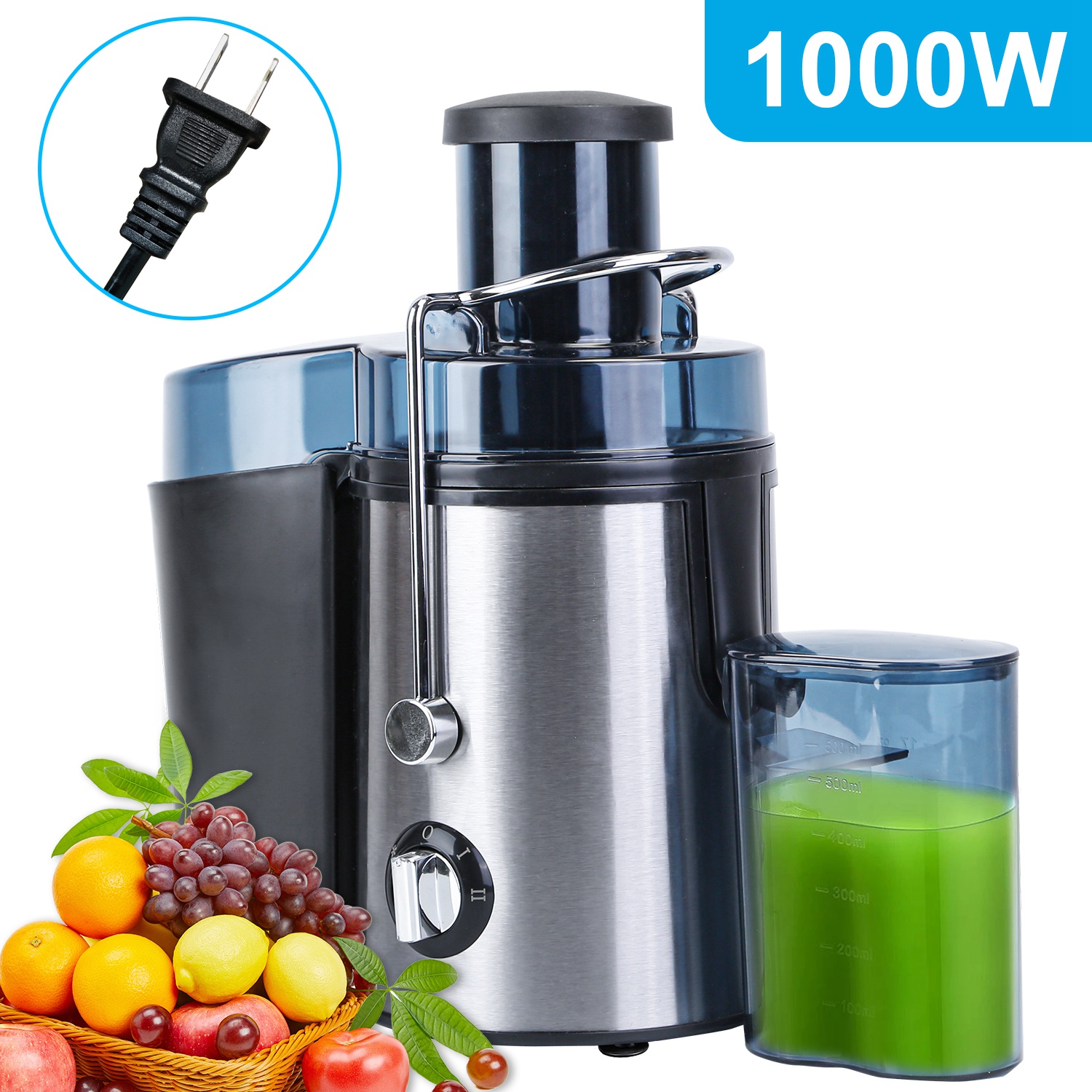 1Pc Centrifugal Juicer Juice Extractor With 2 Speeds 2.6in Wide Feed Chute 17Oz Cup 54Oz Pulp Collector Electric For Fruits Vegetables$67.99View on Mallflare
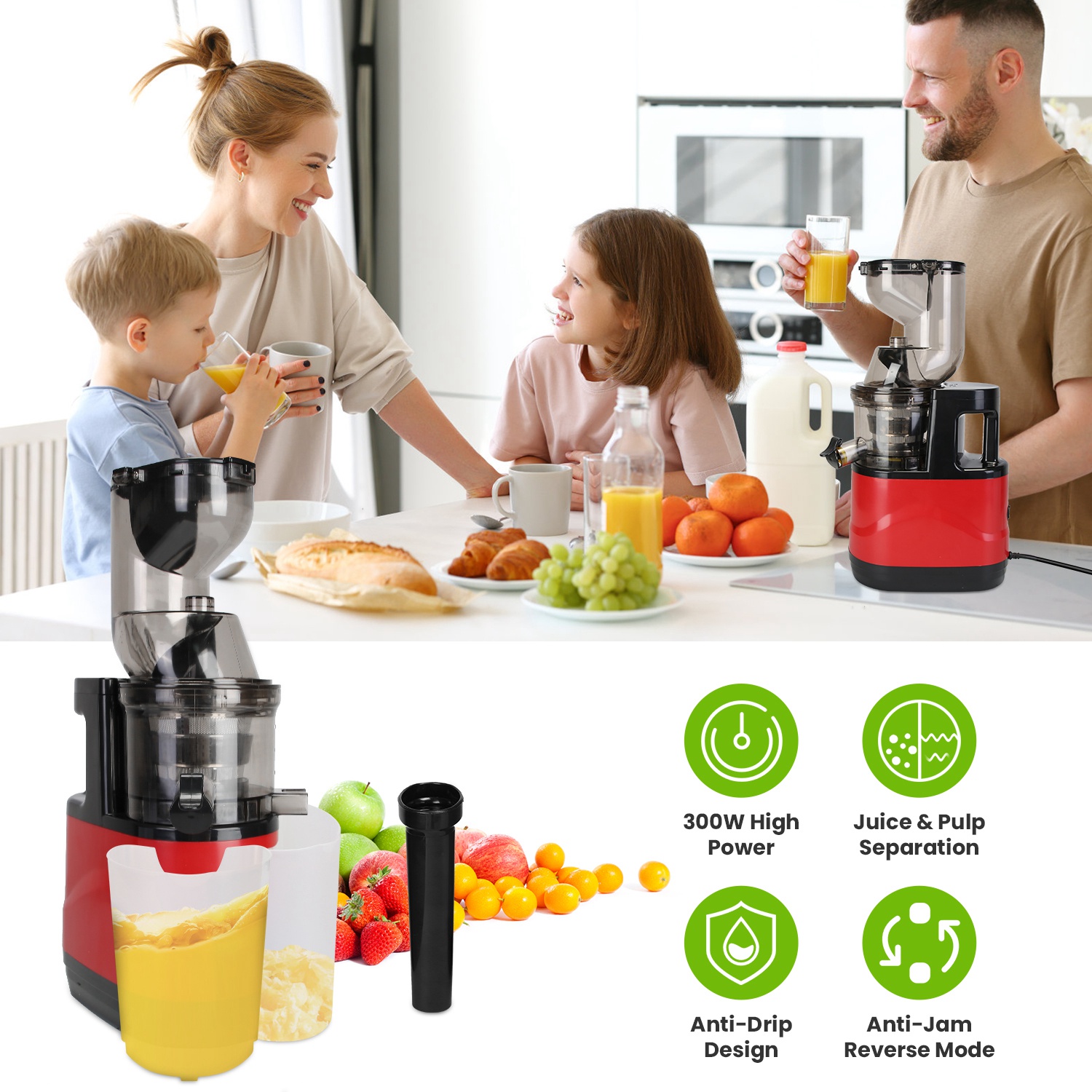 1Pc Cold Press Juicer Machine 300W Electric Slow Masticating For Whole Vegetable And Fruit With Reverse Function 2 Containers Cleaning Brush Clear Marks Easy Fedex Shipping$68.99View on Mallflare
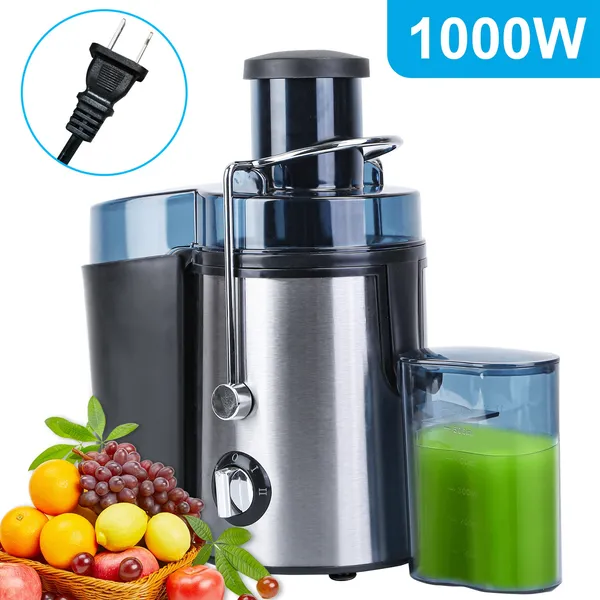 1000W Centrifugal Juicer Juice Extractor With 2 Speeds 3.6in Wide Feed Chute 17Oz Cup 54Oz Pulp Collector Electric For Fruits Vegetables$71.99View on Mallflare
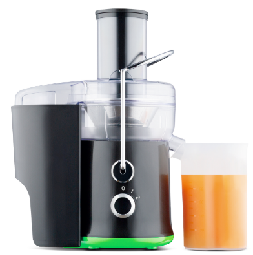 Juicer, 480W Centrifugal 2.6-inch Wide Mouth, Suitable For Vegetables And Fruits$83.99View on Mallflare
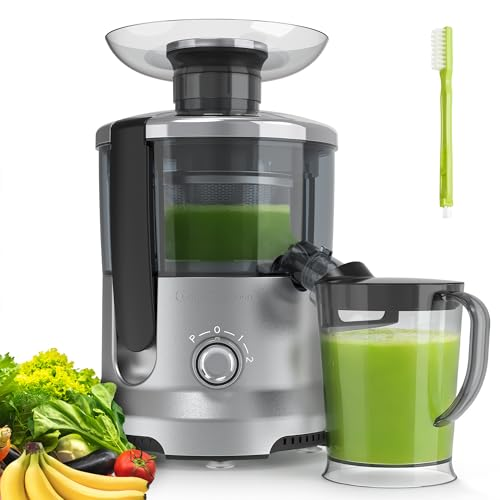 Centrifugal Juicer, 500-watt Equipped With A 2-inch Feed Opening And Trays For Vegetables And Fruits, Featuring 3-speed Rapid Juicing Function$87.99View on Mallflare
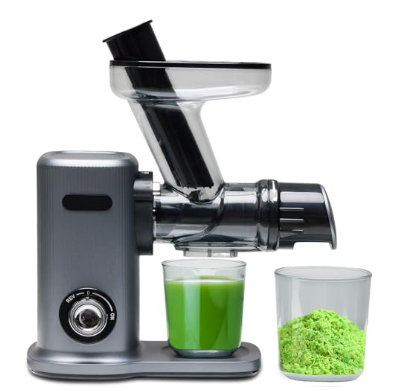 Cold-press Juicer, Slow-rotation Equipped With An Ultra-wide Feed Opening, Easy To Clean$90.99View on Mallflare
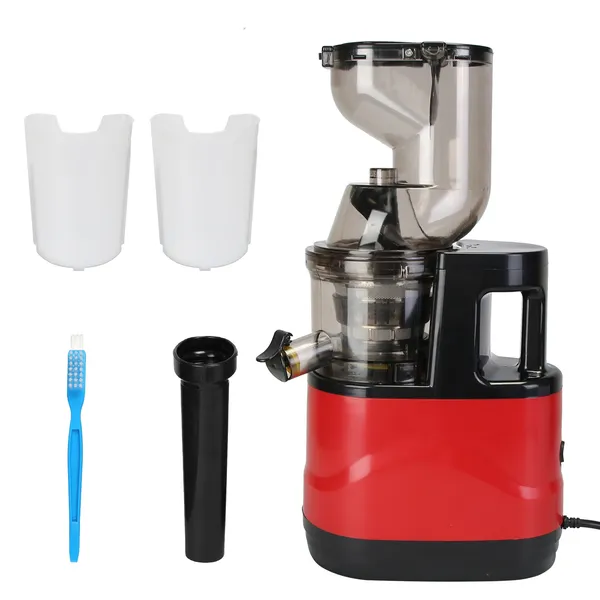 Cold Press Juicer Machine 300W Electric Slow Masticating For Whole Vegetable And Fruit With Reverse Function 2 Containers Cleaning Brush Clear Marks Easy$99.99View on Mallflare
Highlights
- Masticating juicers run 40-100 RPM augers that crush rather than shred, preserving enzymes and yielding drier pulp; centrifugal models spin 6,000-14,000 RPM and oxidize faster.
- Vertical augers cut counter footprint versus horizontal twin-gear models but horizontal units typically handle leafy greens and wheatgrass with less clogging.
- Centrifugal feed chutes of 3 inches or more swallow whole apples, while masticating chutes are usually 1.5-2 inches and require pre-cutting.
- Citrus presses are dedicated 40-80W reamer or lever machines; universal masticating juicers include citrus nozzles but are slower for high-volume orange juicing.
Best use cases
- Daily green juice with kale, spinach, celery, and wheatgrass: choose a horizontal or vertical slow masticating juicer at 40-100 RPM and skip centrifugal models that leave wet pulp.
- Family citrus juicing for orange and grapefruit juice: pick a dedicated electric citrus press with a lever or reamer; skip universal auger units that strain under rind oils and volume.
- Hard produce batches like apples, carrots, and beets for weekly meal prep: a 700W+ centrifugal with a wide feed chute is faster; skip low-wattage centrifugal units that bog down on dense roots.
- Occasional light juicing or small kitchens: a compact vertical masticating juicer under 6 inches wide fits tight counters; skip twin-gear horizontals that need 18+ inches of depth.
Buying tips
- Match auger speed to produce: 40-80 RPM for wheatgrass and greens, 80-100 RPM for general masticating use; anything above 100 RPM behaves closer to a centrifugal.
- Size the feed chute to your prep patience: 3-inch-plus chutes accept whole apples and halved lemons, 1.5-2-inch chutes require knife prep on every item.
- Check motor wattage against duty cycle: centrifugal units need 700-1,000W for continuous hard produce, while masticating motors run 150-400W but must rest after 15-20 minutes of continuous use.
- Confirm BPA-free Tritan or stainless-steel augers and housings; acidic citrus and greens degrade cheap polycarbonate over time and stain clear plastic parts.
Specs
| Juicer Type | Masticating / Centrifugal / Citrus press |
|---|---|
| Auger Speed | 40-100 RPM cold-press vs 6k-14k RPM |
| Feed Chute | 1.5-2 in masticating / 3 in+ centrifugal |
| Motor Power | 150-400W slow / 700-1,000W centrifugal |
Related searches
What to check before buying
- Measure counter depth and cabinet clearance: horizontal masticating juicers need 16-19 inches of depth plus 12+ inches overhead for the feed chute.
- Verify outlet and voltage: 120V US models draw 6-10A on centrifugal startup; do not pair a high-wattage centrifugal with a shared kitchen circuit.
- Check pulp container and juice pitcher capacity against your batch size: 1-1.5L pulp bins fill fast with greens; 0.5L juice pitchers require mid-batch pouring.
- Confirm dishwasher-safe parts and included brushes: removable augers, screens, and pulp bins should be top-rack safe; fine-mesh screens need a dedicated brush for pulp fibers.
FAQ
Data sources: eBay / Amazon listings and product attribute feeds. Updated Nov 27, 2026.
Some links on this page are affiliate links. If you buy after clicking one, we may earn a commission at no extra cost to you. This does not change which products appear here or their order. Affiliate disclosure.