
Photos from current listings. Actual item, color, and included accessories may vary.
Blender With Ice Buying Guide
A blender with ice capability is defined by its ability to crush frozen cubes into snow-like texture without stalling, which demands a high-torque motor, hardened blade geometry, and a jar that tolerates thermal shock. The core trade-off is between cordless portability (lower power, smaller ice loads) and corded countertop power (higher wattage, continuous crushing duty). Choose a corded model with at least 1000W and a thermal-shock-rated jar for regular ice crushing; treat USB-rechargeable personal blenders as light-duty units for soft frozen fruit and small ice amounts only.
Median $218.70 · New listings
Key takeaways
- Ice-crushing performance hinges on motor torque and blade tip speed: corded countertop units deliver 1000–2200W and 20,000–26,000 RPM, while USB personal blenders typically run far lower and are rated for small ice quantities.
- Jar material determines durability under ice: glass tolerates scratching and thermal shock but adds weight; Tritan copolyester resists cracking and is BPA-free; thin polycarbonate jars can craze over time.
- Blade design matters more than raw wattage: 4- to 6-blade assemblies with a dedicated ice or pulse mode create the vortex needed to pull cubes down; dull or 2-blade setups bounce ice and stall.
At a glance
- Category
- Blenders & Juicers
- Last updated
- Nov 29, 2026
Current offers
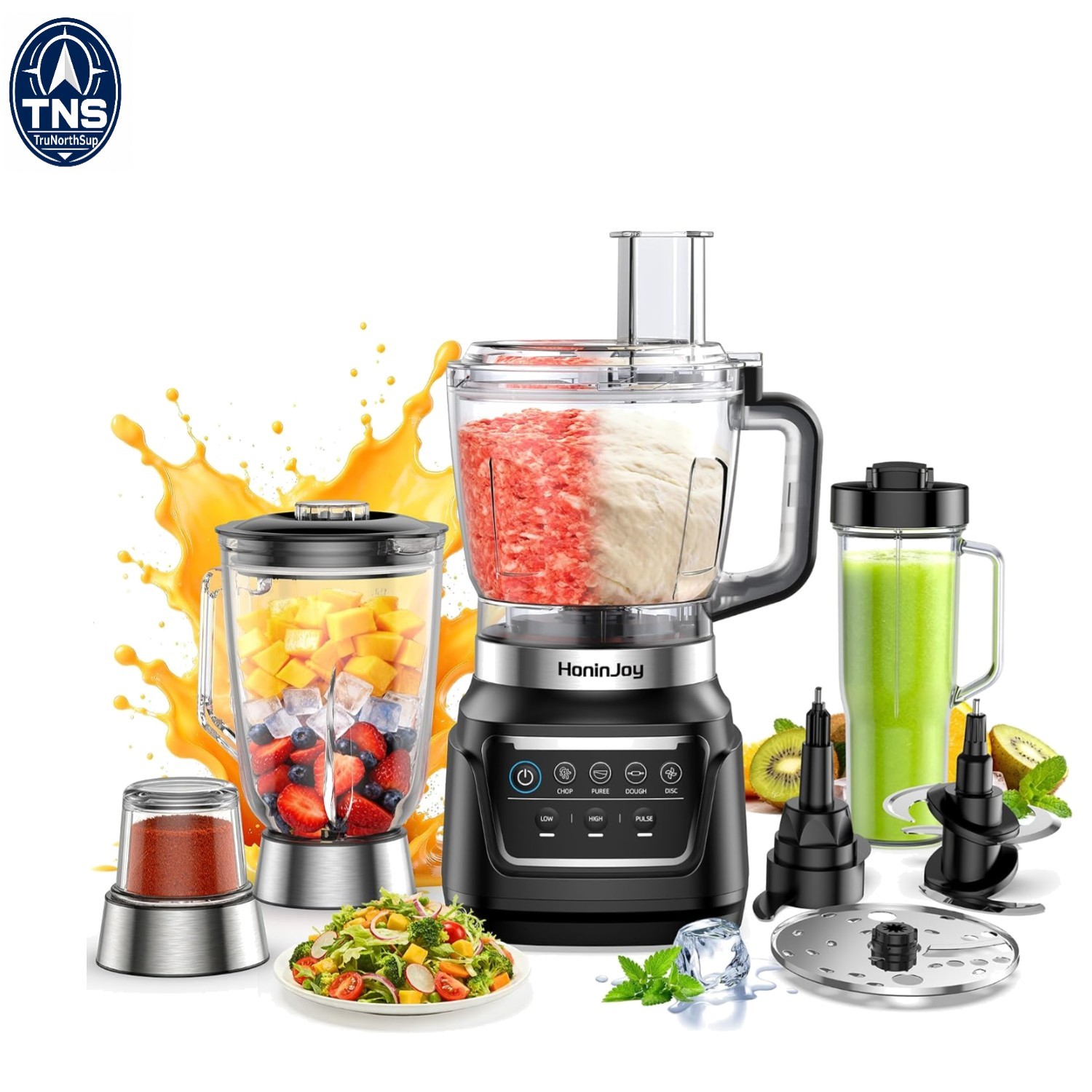 All-in-One Blender Food Processor 1300W 10-in-1 Kitchen Mixer Smoothies Ice$207.69New · Last checked Nov 26, 2026View on eBay
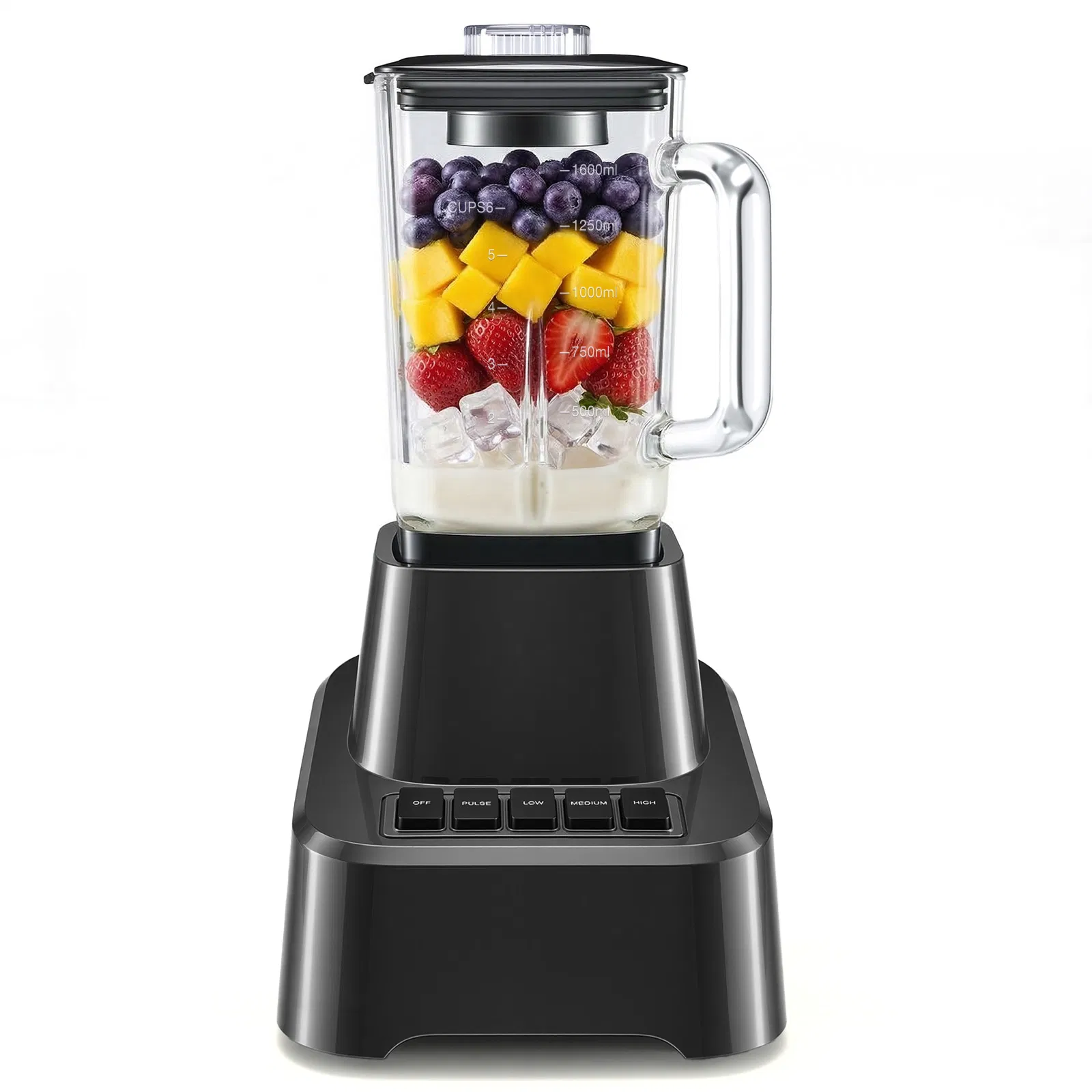 Professional ice cream blender, full-size household equipped with a 54-ounce large-capacity glass cup$84.99View on Mallflare
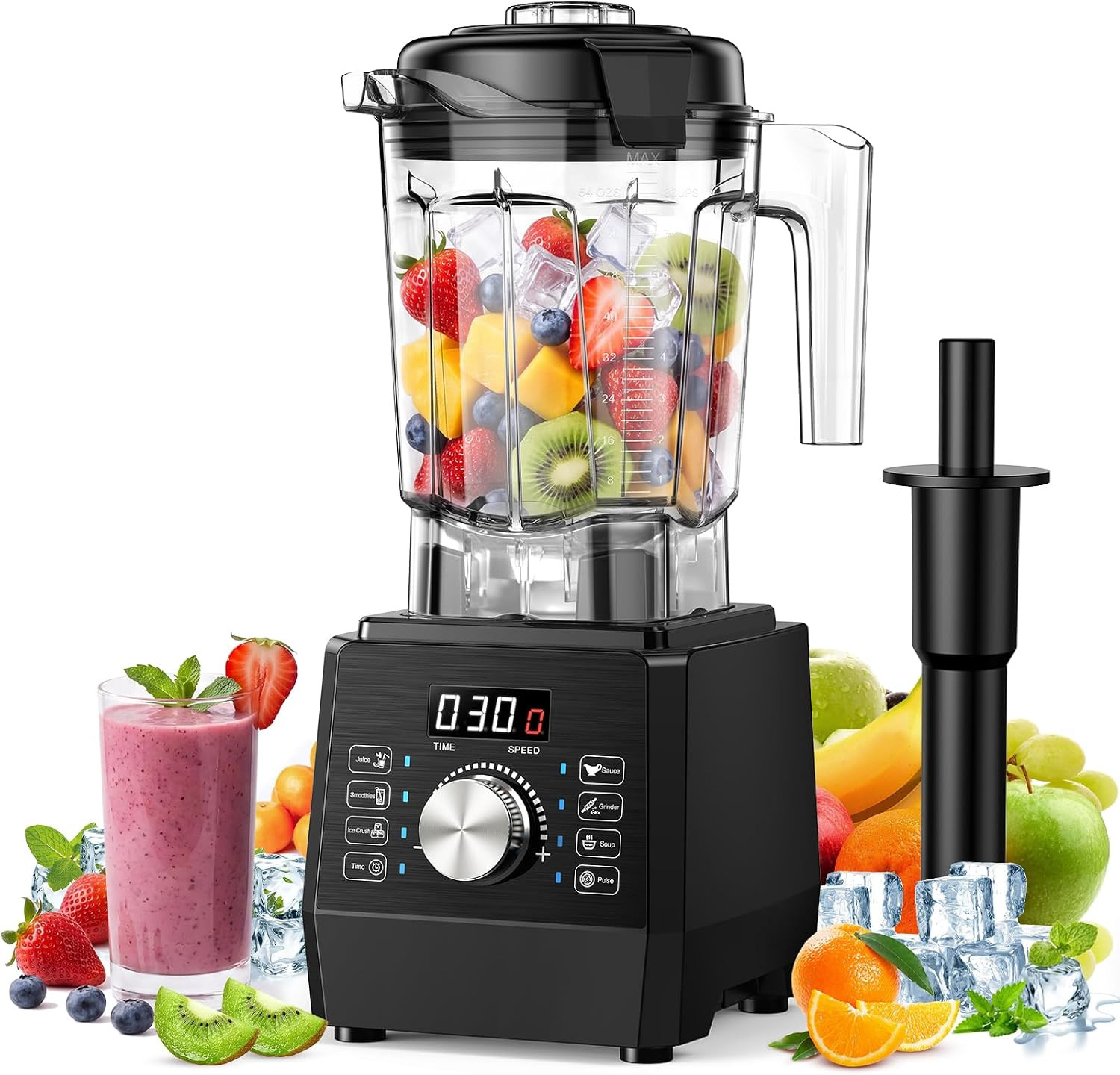 1800W Countertop Blenders for Kitchen, Blender for Smoothie with 70 Oz Bpa-Free$213.49New · Last checked Nov 26, 2026View on eBay
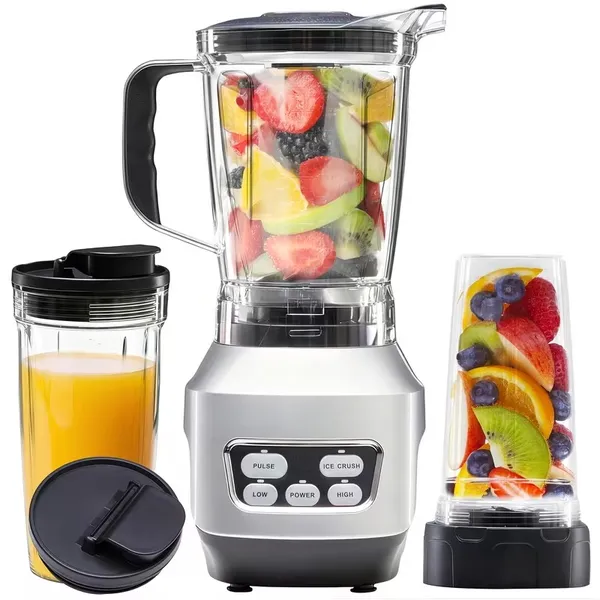 Moothie Blender, Countertop Blenders For Kitchen With 23 34 60oz BPA-Free Portable Cups, Professional Smoothie Maker Four Programs For Shakes, Sauces, Juice And Ice Crushing$104.99View on Mallflare
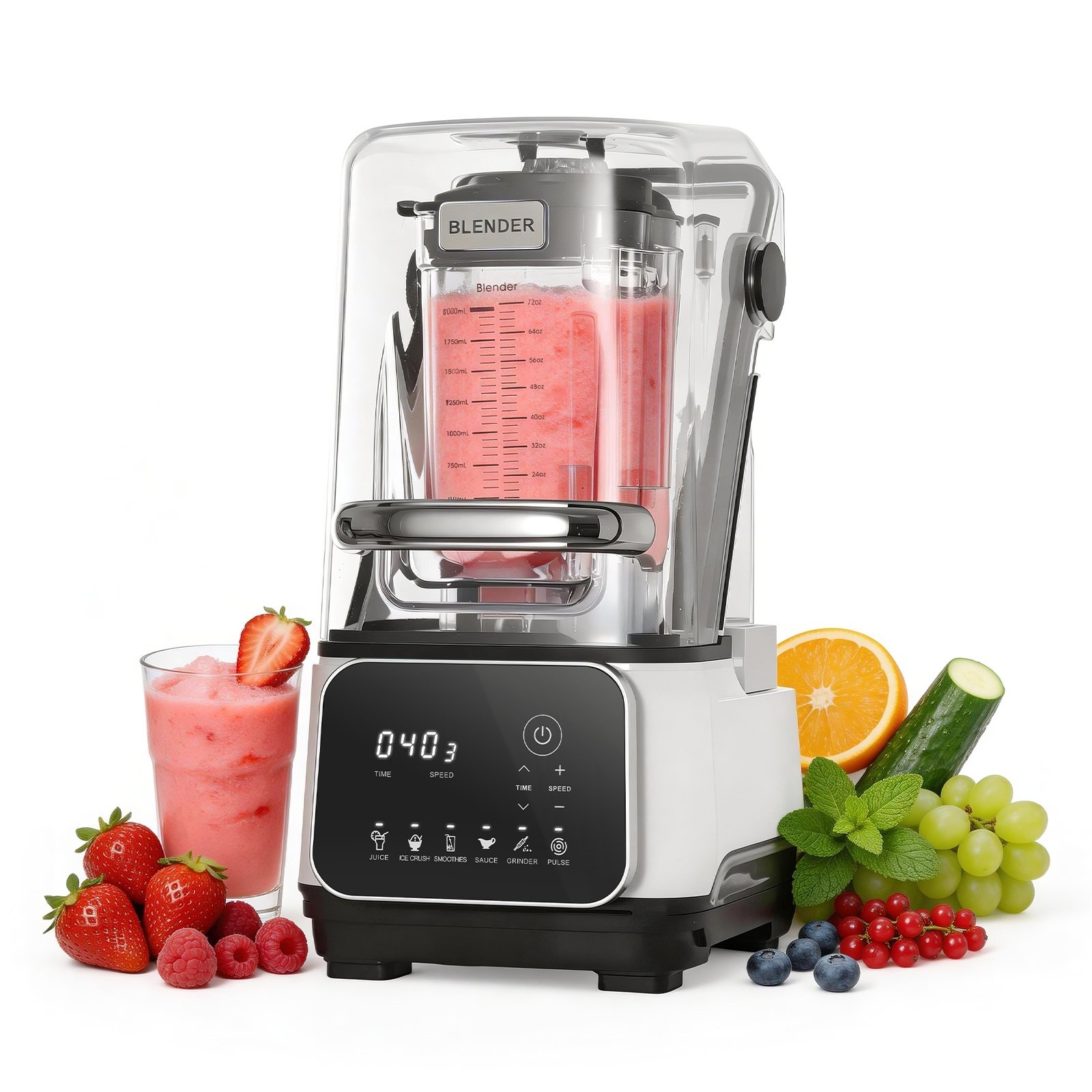 68 oz Professional Countertop Blender 2200W Self-Cleaning White$217.54New · Last checked Nov 26, 2026View on eBay
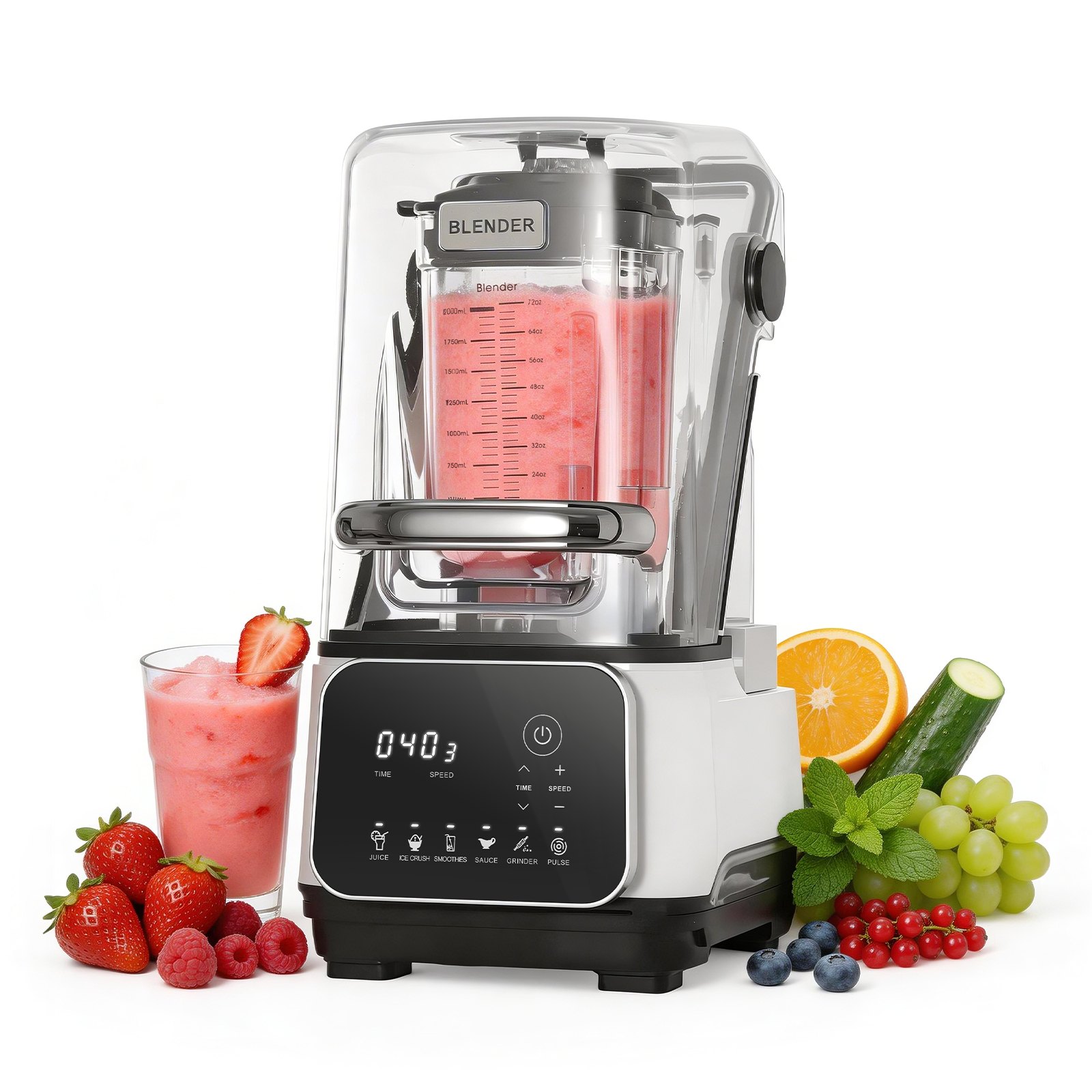 Blender, 68 Oz Professional Countertop Blenders With Shield, 2200W 26000RPM Kitchen Food Processor Combo, Self-Cleaning, Speed Adjustable, 6 Preset Menu For Smoothies, Ice Crushing, Puree, White$180.99View on Mallflare
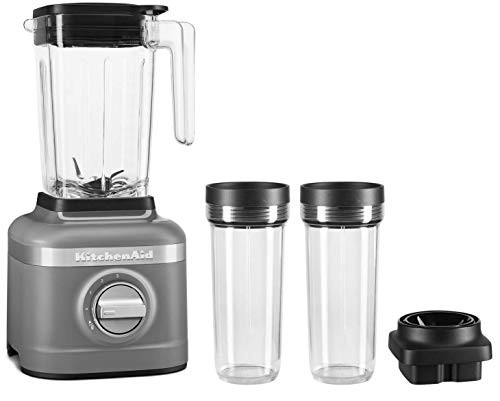 KitchenAid KSB1332DG 48oz, 3 Speed Ice Crushing Blender with 2 x 16oz Persona...$219.87New · Last checked Nov 16, 2026View on eBay
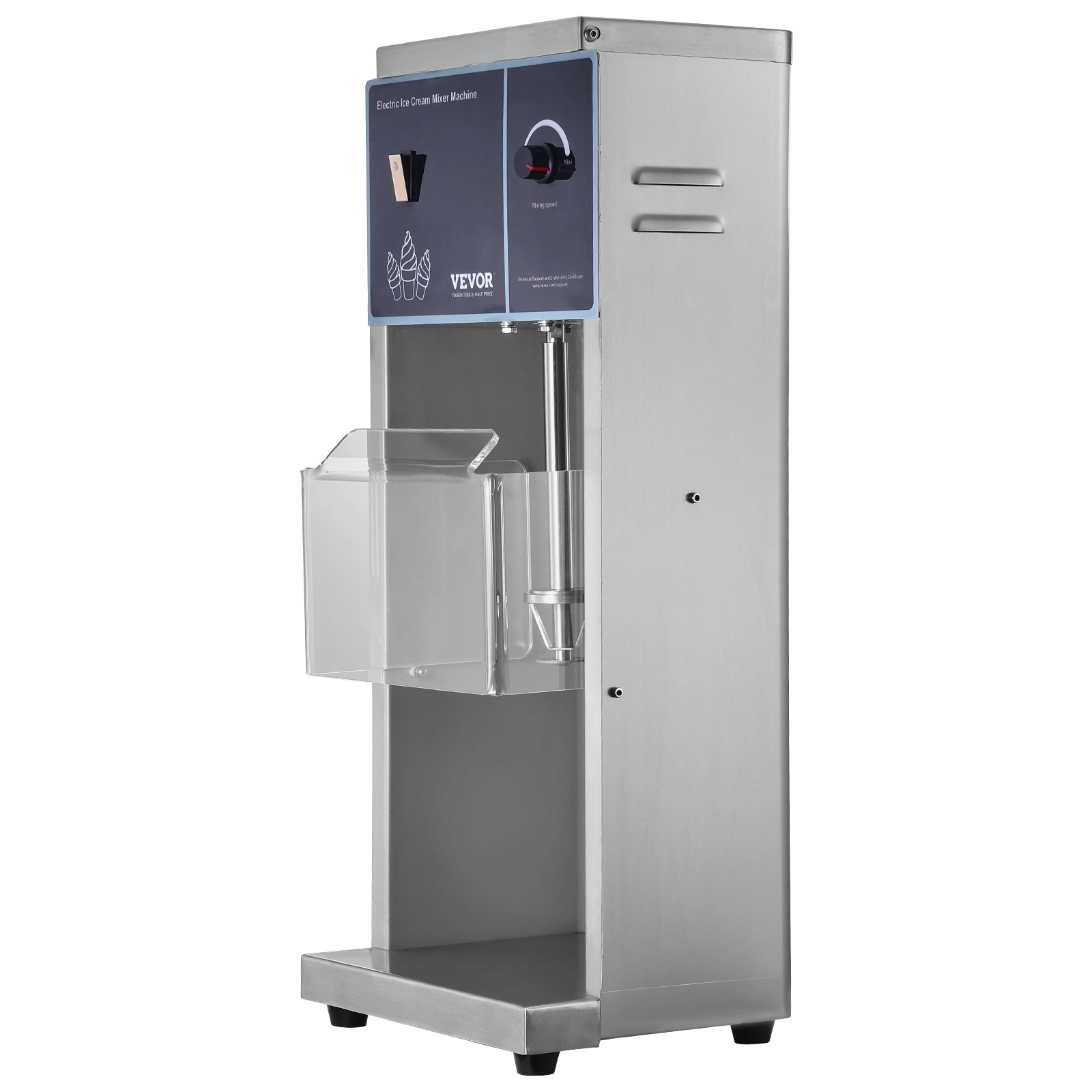 Ice Cream Blender 400W Ice Mixer Stir Machine 304 Stainless Steel$326.99View on Mallflare
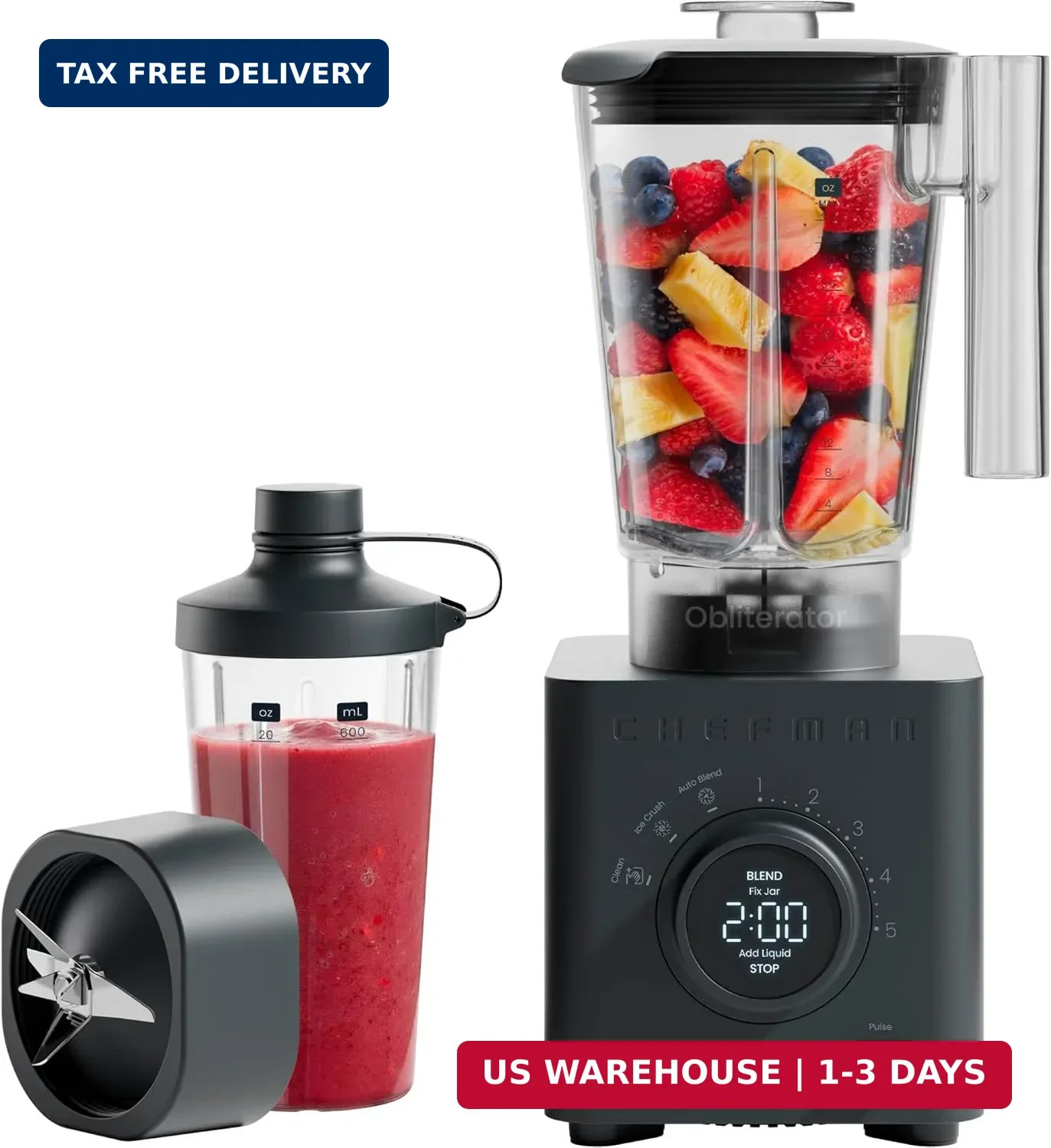 Chefman Obliterator 48 oz Countertop Blender for Smoothies, 1380W Motor to Crush$226.18New · Last checked Nov 26, 2026View on eBay
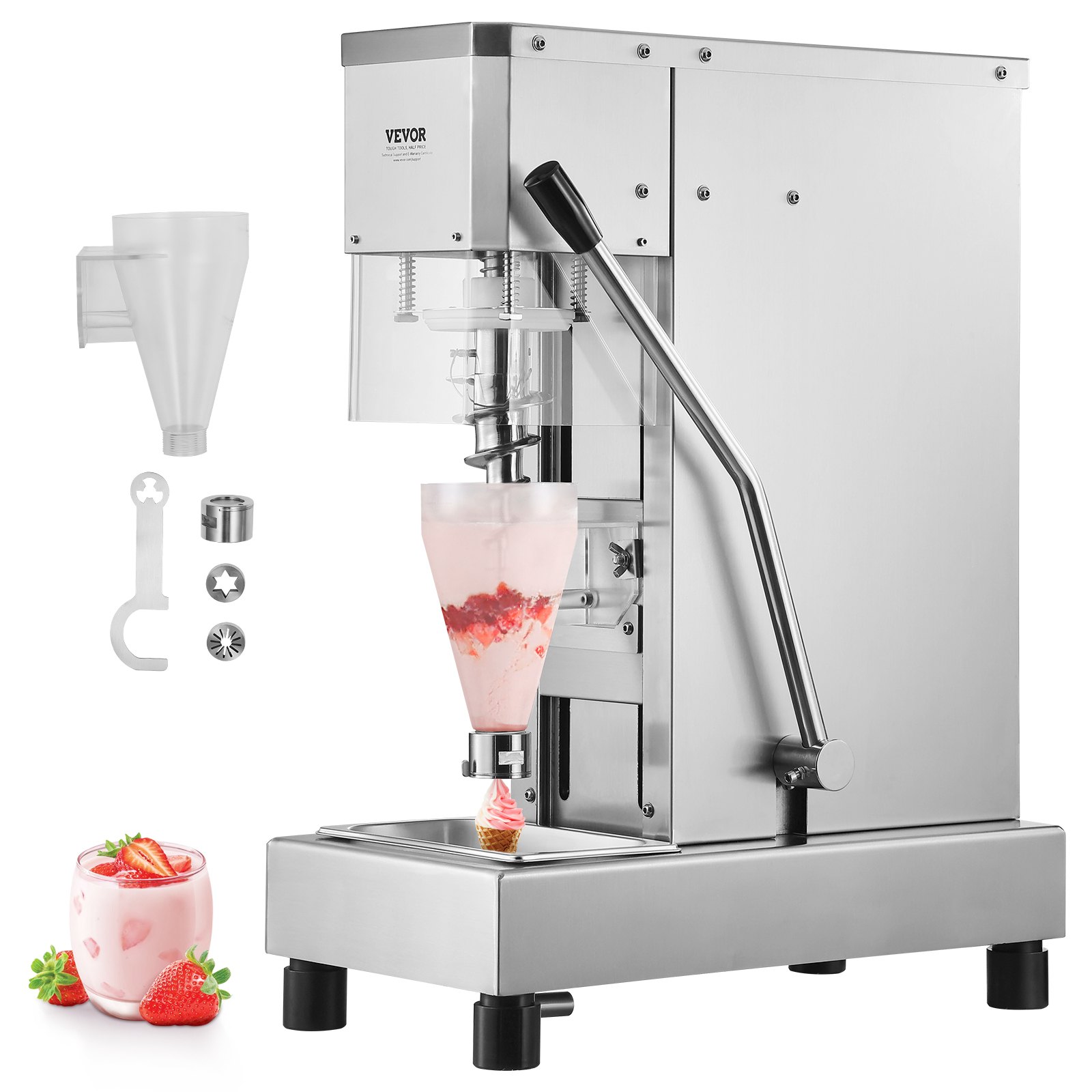 Ice Cream Blender 750W Ice Mixer Stir Machine 304 Stainless Steel$1,117.99View on Mallflare
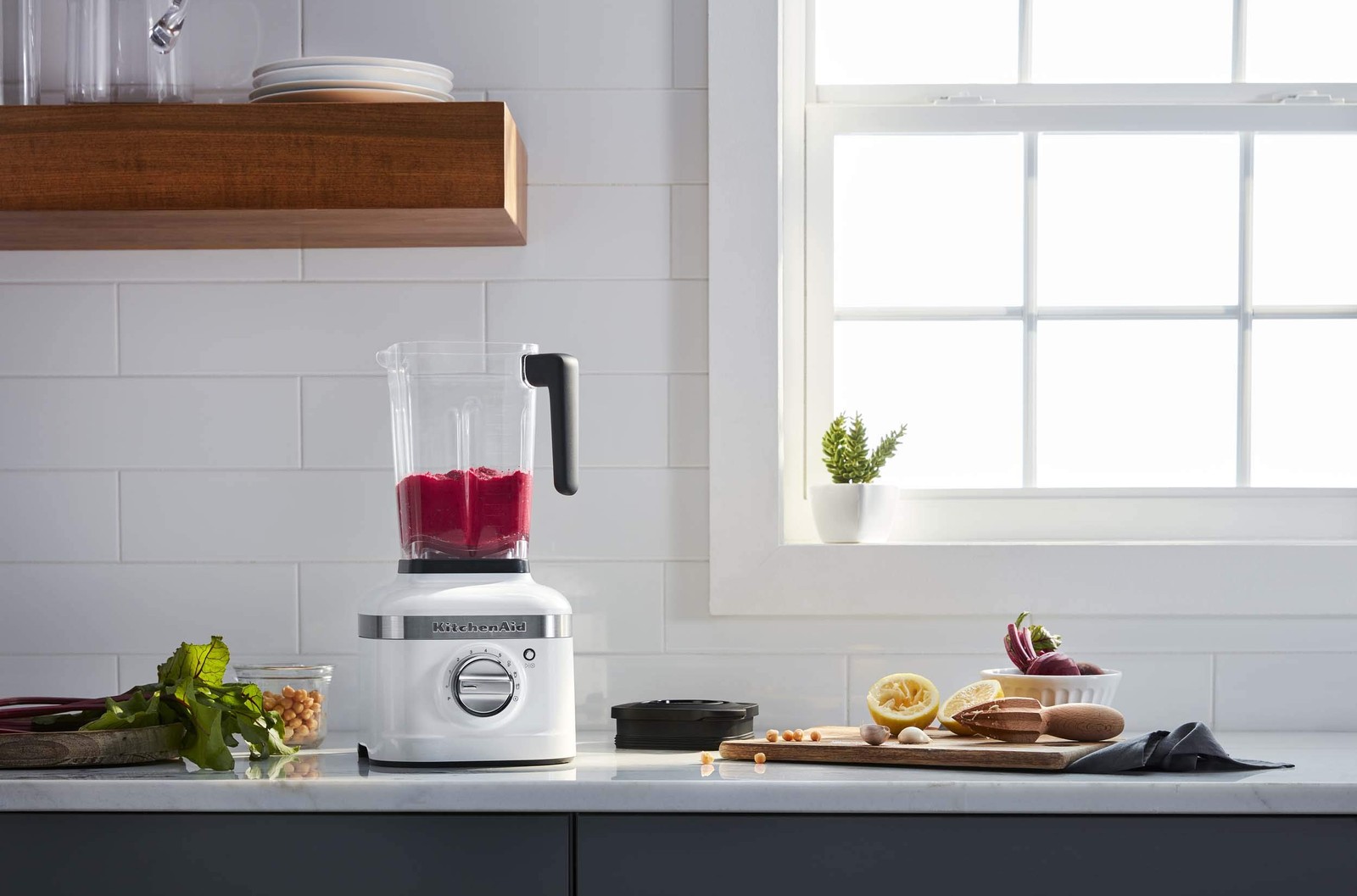 KitchenAid KSB4027WH K400 Countertop Blender, 56 Ounce, White$299.99New · Last checked Nov 16, 2026View on eBay
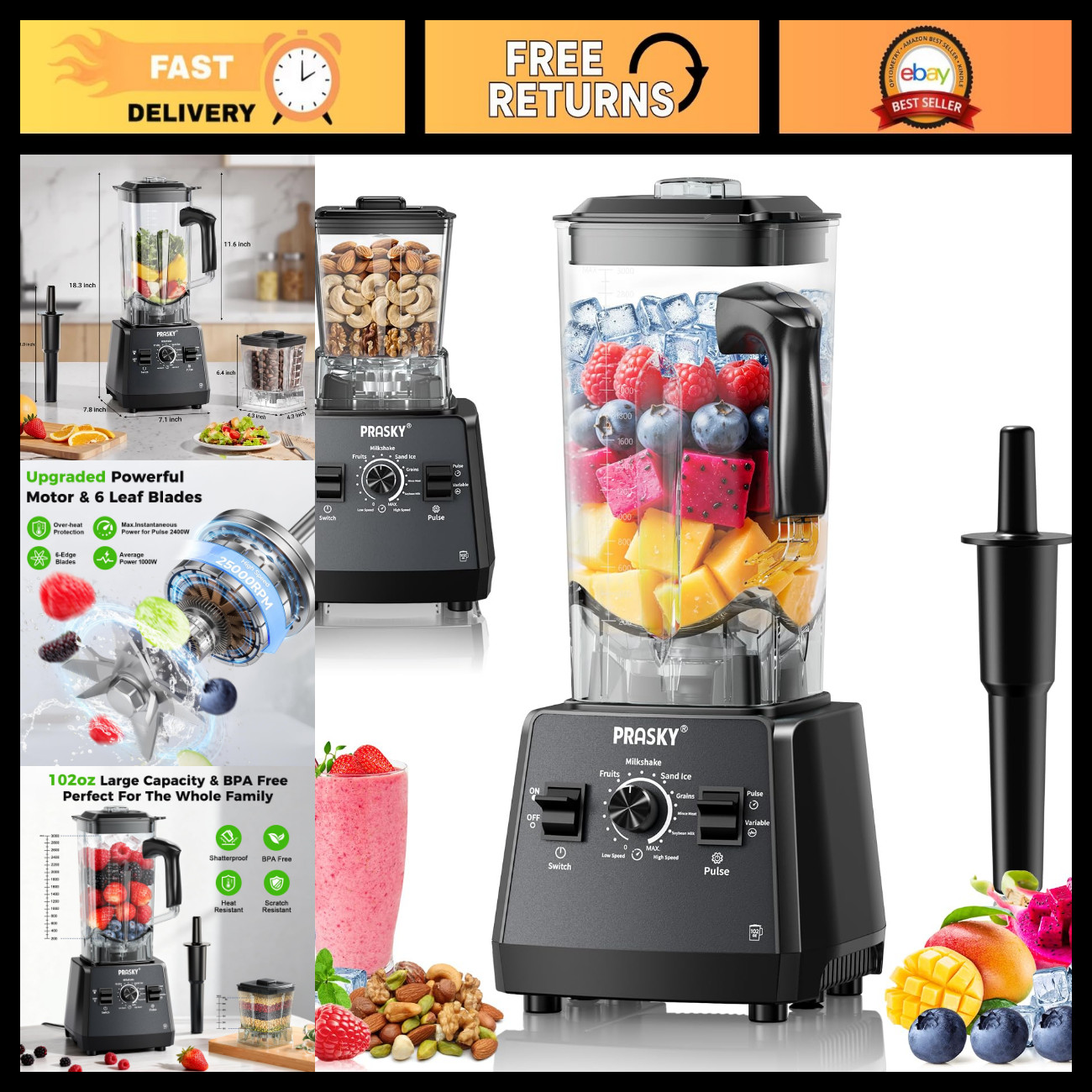 High-Power 2400W Countertop Blender, 101oz Large Capacity for Smoothies - Pack o$319.19New · Last checked Nov 26, 2026View on eBay
Highlights
- Ice-crushing performance hinges on motor torque and blade tip speed: corded countertop units deliver 1000–2200W and 20,000–26,000 RPM, while USB personal blenders typically run far lower and are rated for small ice quantities.
- Jar material determines durability under ice: glass tolerates scratching and thermal shock but adds weight; Tritan copolyester resists cracking and is BPA-free; thin polycarbonate jars can craze over time.
- Blade design matters more than raw wattage: 4- to 6-blade assemblies with a dedicated ice or pulse mode create the vortex needed to pull cubes down; dull or 2-blade setups bounce ice and stall.
- Control architecture separates tiers: preset ice-crush programs with auto-pulse (e.g., KitchenAid K400/K1332 class) outperform single-speed units because they modulate torque instead of running flat-out.
Best use cases
- Buy a corded 1000W+ countertop blender with a glass or Tritan jar and a dedicated ice/pulse program if you crush a full tray of cubes for frozen drinks or smoothies several times a week.
- Choose a USB-rechargeable personal blender only for gym shakes, protein drinks, and small handfuls of soft frozen fruit—skip it for whole-cube crushing or large batches.
- Pick a full-size 48–68 oz model with preset programs if you blend for a household and want one machine for smoothies, sauces, and ice; skip compact personal units for family volume.
- Avoid low-wattage single-speed blenders for ice entirely; they stall, wear blades, and leave cube chunks—reserve them for soft ingredients only.
Buying tips
- Match jar size to batch: 16–24 oz personal cups suit single servings; 48–68 oz full-size jars handle family batches and full ice trays without overfilling.
- Require a thermal-shock-rated jar (glass or Tritan) and a blade assembly rated for ice; avoid thin polycarbonate jars for frequent cube crushing.
- Check that the unit has an ice-crush or pulse mode—continuous single-speed operation overheats motors and produces uneven crush.
- For cordless units, confirm the battery capacity supports the number of ice-crush cycles you need; small cells deplete quickly under frozen loads.
Specs
| Motor Power | Corded 1000–2200W / USB <300W |
|---|---|
| Jar Material | Glass / Tritan / Polycarbonate |
| Ice Mode | Preset crush / Pulse / None |
| Jar Capacity | Personal 16–24 oz / Full 48–68 oz |
Related searches
What to check before buying
- Measure your counter height and cabinet clearance: full-size blenders with 54–68 oz jars often exceed 16–17 inches tall and may not fit under upper cabinets.
- Confirm your outlet voltage and plug standard matches the blender’s rating (US 120V vs EU 220–240V) before buying an imported model.
- Check jar and blade compatibility if replacing parts—KitchenAid K400 and K1332 jars and blades are model-specific and not interchangeable across lines.
- Verify the base footprint fits your counter depth and that the cord length reaches your outlet without an extension cord.
FAQ
Data sources: eBay / Amazon listings and product attribute feeds. Updated Nov 29, 2026.
Some links on this page are affiliate links. If you buy after clicking one, we may earn a commission at no extra cost to you. This does not change which products appear here or their order. Affiliate disclosure.