
Photos from current listings. Actual item, color, and included accessories may vary.
Compact Centrifugal Juicer Buying Guide
A compact centrifugal juicer is a small-footprint, high-speed shredding machine that separates juice from pulp using a spinning basket and centrifugal force. The core trade-off is between a narrow feed chute that demands produce prep and a wider chute that saves time but increases counter depth and motor load. Choose a model with a stainless-steel micro-mesh basket and at least 400 W if you juice daily; treat sub-300 W units with plastic baskets as occasional-use compromises.
Median $77.99
Key takeaways
- Centrifugal juicers spin a shredding disc and basket at 6,000–14,000 RPM; higher RPM extracts faster but aerates juice and speeds oxidation.
- Feed chute diameter determines prep time: 2–3 in chutes require chopping apples and carrots; 3.5–4.5 in wide-mouth chutes accept whole small produce.
- Basket material separates durable from disposable: stainless-steel micro-mesh resists wear and stains; plastic baskets crack and cloud with heat and acidic juices.
At a glance
- Category
- Blenders & Juicers
- Last updated
- Nov 27, 2026
Current offers
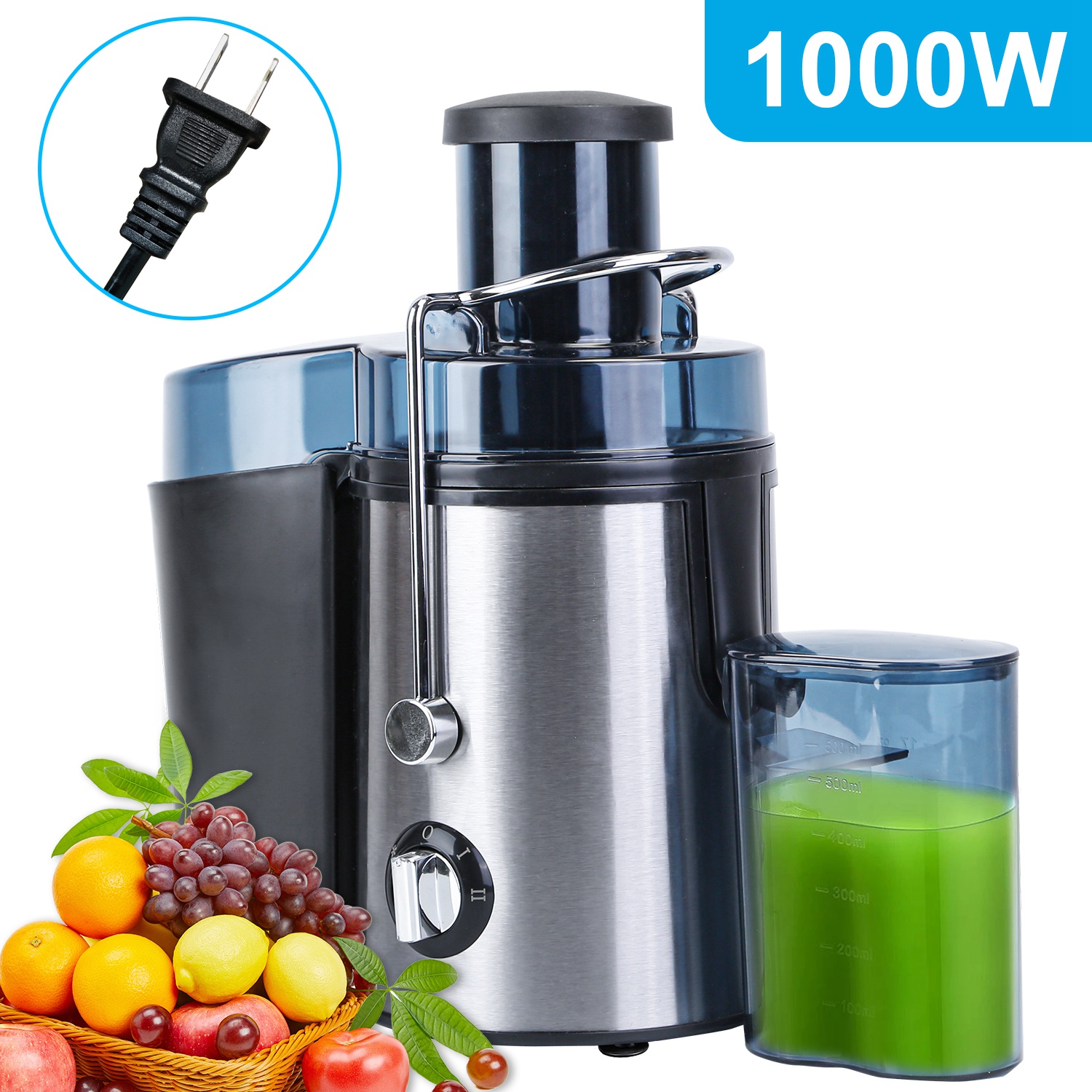 1Pc Centrifugal Juicer Juice Extractor With 2 Speeds 2.6in Wide Feed Chute 17Oz Cup 54Oz Pulp Collector Electric For Fruits Vegetables$67.99View on Mallflare
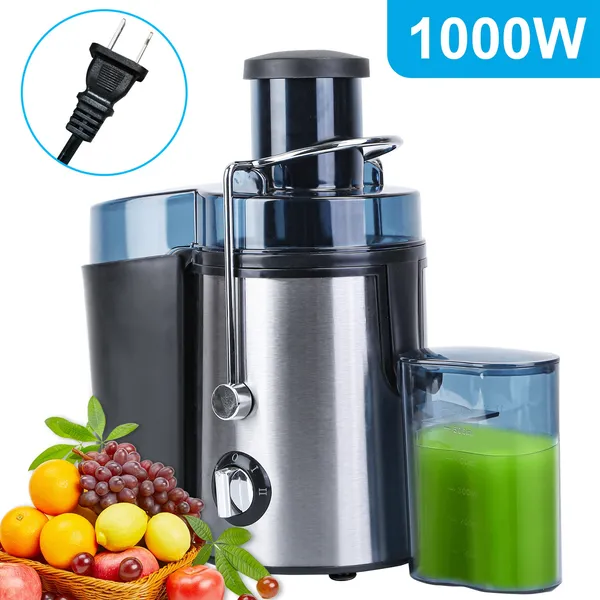 1000W Centrifugal Juicer Juice Extractor With 2 Speeds 3.6in Wide Feed Chute 17Oz Cup 54Oz Pulp Collector Electric For Fruits Vegetables$71.99View on Mallflare
 Juicer, 480W Centrifugal 2.6-inch Wide Mouth, Suitable For Vegetables And Fruits$83.99View on Mallflare
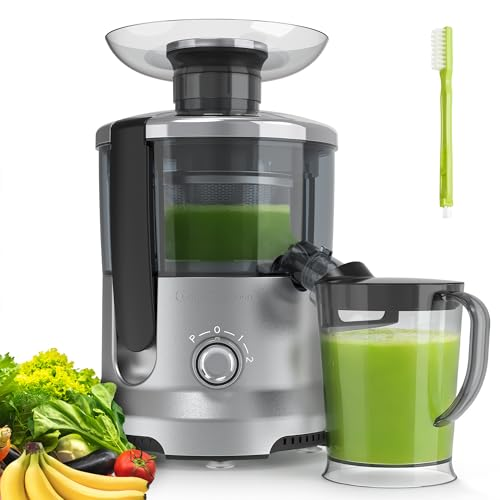 Centrifugal Juicer, 500-watt Equipped With A 2-inch Feed Opening And Trays For Vegetables And Fruits, Featuring 3-speed Rapid Juicing Function$87.99View on Mallflare
Highlights
- Centrifugal juicers spin a shredding disc and basket at 6,000–14,000 RPM; higher RPM extracts faster but aerates juice and speeds oxidation.
- Feed chute diameter determines prep time: 2–3 in chutes require chopping apples and carrots; 3.5–4.5 in wide-mouth chutes accept whole small produce.
- Basket material separates durable from disposable: stainless-steel micro-mesh resists wear and stains; plastic baskets crack and cloud with heat and acidic juices.
- Compact units typically run 400–800 W with 1–2 L pulp capacity; lower-wattage motors stall on dense carrots and overheat during continuous runs beyond 60–90 seconds.
Best use cases
- Best fit: a 400–600 W compact centrifugal juicer with a 3-in chute and stainless basket for daily single-serve citrus, apple, and cucumber juice in a small kitchen.
- Best fit: a wide-mouth 3.5-in+ chute model if you juice whole apples and large carrots and have 10–12 in of counter depth plus overhead cabinet clearance.
- Wrong fit: skip compact centrifugal juicers for leafy greens, wheatgrass, or nut milks—low yield and foam make a masticating or cold-press model the correct choice.
- Wrong fit: avoid sub-300 W plastic-basket units for daily juicing of dense produce; they are occasional-use appliances that stall and wear prematurely.
Buying tips
- Match motor wattage to produce density: 400–600 W handles citrus and soft fruit; 700–800 W is needed for whole carrots and beets in compact frames.
- Measure your counter depth and overhead clearance before choosing chute size: wide-mouth models need 10–12 in depth and 16–18 in height clearance.
- Prioritize a stainless-steel micro-mesh basket and dishwasher-safe removable parts; plastic baskets and non-removable cutters shorten lifespan.
- Check pulp-container capacity relative to your juicing volume: 1–1.5 L suits 1–2 glasses; 2 L+ reduces mid-session emptying for family batches.
Specs
| Motor Power | 400–800 W compact class |
|---|---|
| Feed Chute | 2–3 in standard / 3.5–4.5 in wide |
| Basket Material | Stainless micro-mesh vs plastic |
| Pulp Capacity | 1–2 L removable container |
Related searches
What to check before buying
- Counter footprint: confirm at least 7–9 in width and 10–12 in depth, plus 16–18 in overhead clearance for feed chute and lid.
- Electrical: verify 120 V/60 Hz for North America or 220–240 V for EU/UK/AU; compact juicers are not dual-voltage.
- Produce prep station: ensure sink and cutting board within arm’s reach; narrow-chute models require pre-cutting apples, carrots, and beets.
- Companion parts: confirm a juice pitcher with froth separator and a cleaning brush are included; these are frequently missing on budget tiers.
FAQ
Data sources: eBay / Amazon listings and product attribute feeds. Updated Nov 27, 2026.
Some links on this page are affiliate links. If you buy after clicking one, we may earn a commission at no extra cost to you. This does not change which products appear here or their order. Affiliate disclosure.