
Photos from current listings. Actual item, color, and included accessories may vary.
Electric Juicer Machine Buying Guide
Electric juicer machines split into two architectures: high-speed centrifugal models that pulverize produce with 800–1000W motors, and slow masticating (cold-press) models that crush at 300W or less. The core trade-off is speed and whole-fruit convenience versus juice yield, nutrient retention, and low-noise operation. Choose centrifugal for fast daily citrus and hard produce; choose masticating for leafy greens, wheatgrass, and batch juicing where yield matters.
Median $99.99 · New listings
Key takeaways
- Centrifugal juicers spin a shredding disc at 6,000–12,000 RPM; motor wattage (800W–1000W) determines how well they handle dense carrots and beets without stalling.
- Masticating juicers run a single auger at 40–80 RPM, generating minimal heat and oxidation — critical for leafy greens and wheatgrass where centrifugal machines waste yield.
- Feed chute diameter is the real convenience metric: 2.6–3 inch chutes require produce pre-cutting, while 3.5–3.6 inch chutes accept whole apples and cucumbers.
At a glance
- Category
- Blenders & Juicers
- Last updated
- Nov 27, 2026
Current offers
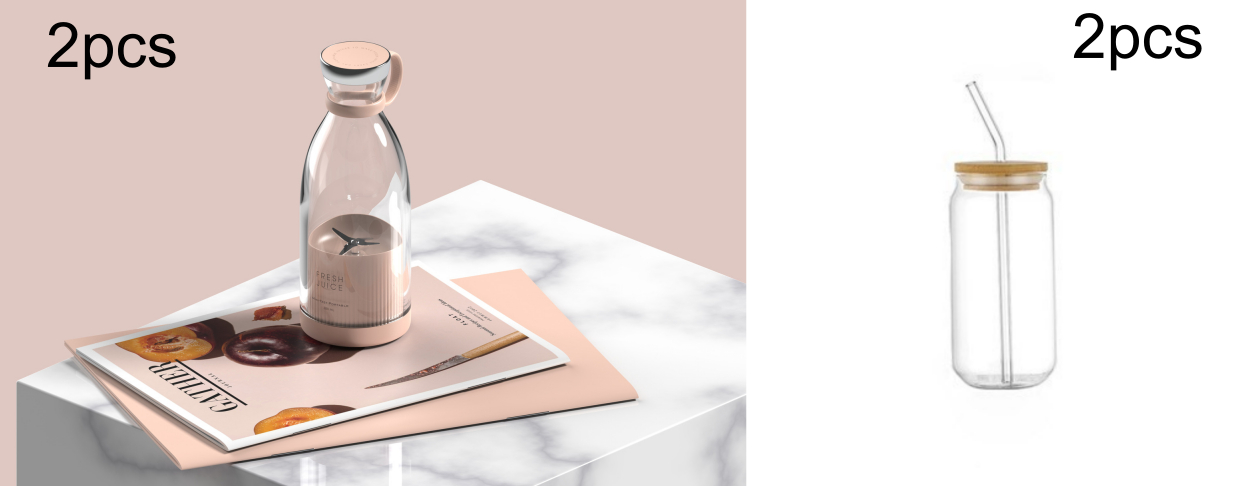 350ML Electric Juicer Blender Mixer USB Rechargeable Machine Household Portable$206.31New · Last checked Nov 26, 2026View on eBay
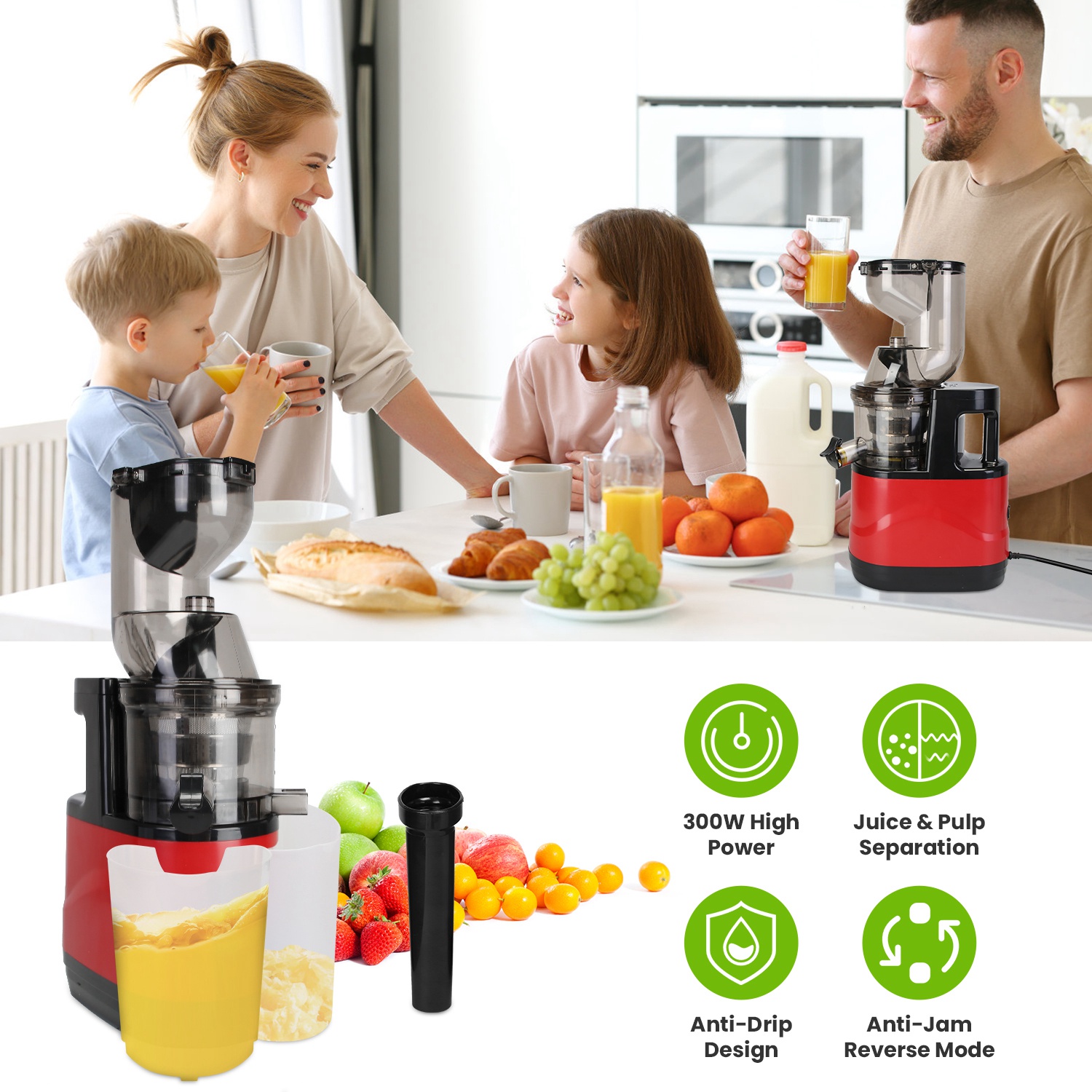 1Pc Cold Press Juicer Machine 300W Electric Slow Masticating For Whole Vegetable And Fruit With Reverse Function 2 Containers Cleaning Brush Clear Marks Easy Fedex Shipping$68.99View on Mallflare
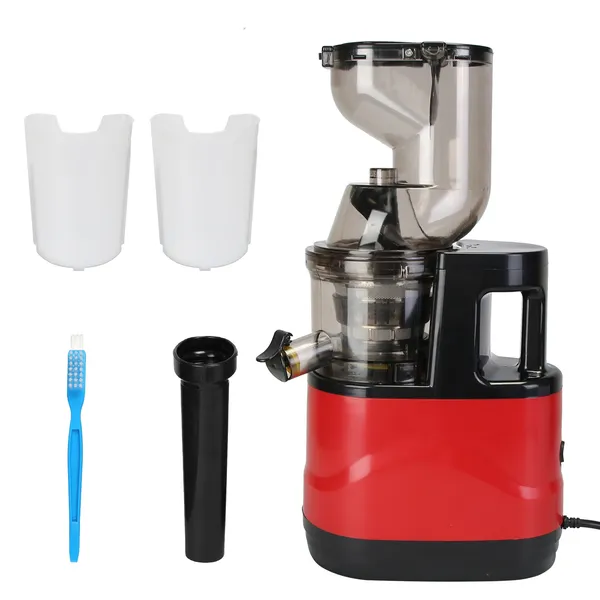 Cold Press Juicer Machine 300W Electric Slow Masticating For Whole Vegetable And Fruit With Reverse Function 2 Containers Cleaning Brush Clear Marks Easy$99.99View on Mallflare
Highlights
- Centrifugal juicers spin a shredding disc at 6,000–12,000 RPM; motor wattage (800W–1000W) determines how well they handle dense carrots and beets without stalling.
- Masticating juicers run a single auger at 40–80 RPM, generating minimal heat and oxidation — critical for leafy greens and wheatgrass where centrifugal machines waste yield.
- Feed chute diameter is the real convenience metric: 2.6–3 inch chutes require produce pre-cutting, while 3.5–3.6 inch chutes accept whole apples and cucumbers.
- Pulp capacity (typically 54 oz centrifugal vs. dual-container masticating setups) and juice jug volume (17–30 oz) dictate how many servings you can process before stopping to empty.
Best use cases
- Buy a 1000W centrifugal juicer with a 3.6-inch chute if you juice whole apples, carrots, and citrus daily and want the fastest clean-up — skip narrow 2.6-inch chutes that require chopping.
- Buy a 300W masticating juicer if you juice leafy greens, wheatgrass, or nut milks and want maximum yield with minimal oxidation — accept the slower feed rate.
- Buy an 800W centrifugal model with a 3-inch chute for a balance of whole-fruit convenience and lower power draw — best for small kitchens and occasional juicing.
- Skip cold-press models if your primary produce is citrus and hard roots; centrifugal machines finish those in seconds with comparable yield and far less prep.
Buying tips
- Match motor wattage to produce: 800W handles carrots and apples; 1000W sustains dense beets and continuous batch juicing without overheating.
- Choose a feed chute of at least 3 inches to accept whole fruits; 2.6-inch chutes force pre-cutting and add minutes of prep per batch.
- For greens and wheatgrass, select a masticating auger at 40–80 RPM — centrifugal shredding disc machines leave leafy yield in the pulp.
- Check pulp container capacity: 54 oz centrifugal bins process roughly 2–3 lbs of produce before emptying; dual-container masticating setups allow continuous pulp separation.
Specs
| Juicer Type | Centrifugal vs. Masticating (Cold Press) |
|---|---|
| Motor Power | 800–1000W centrifugal / ~300W masticating |
| Feed Chute Width | 2.6–3.6 in (3+ in = whole fruit) |
| Pulp / Juice Capacity | 54 oz pulp bin / 17–30 oz juice jug |
Related searches
What to check before buying
- Measure your counter clearance and cabinet height: centrifugal juicers with tall feed chutes often exceed 16 inches and won't fit under upper cabinets.
- Confirm your kitchen electrical circuit supports the motor draw — 1000W models pull ~8.3A at 120V and should run on a dedicated countertop outlet, not a shared strip.
- Verify the juicer's feed chute width against your typical produce: whole apples need 3+ inches; 2.6-inch chutes require quartering.
- Check whether the model includes a juice jug and pulp container — masticating models often ship with two containers, while some centrifugal units sell the pulp bin separately.
FAQ
Data sources: eBay / Amazon listings and product attribute feeds. Updated Nov 27, 2026.
Some links on this page are affiliate links. If you buy after clicking one, we may earn a commission at no extra cost to you. This does not change which products appear here or their order. Affiliate disclosure.