
Photos from current listings. Actual item, color, and included accessories may vary.
Juicer Buying Guide
Juicers split into two architectures: high-speed centrifugal models that shred and spin produce through a mesh basket, and slow masticating cold-press models that crush and squeeze at low RPM. Centrifugal units are faster and cheaper but aerate juice and struggle with leafy greens and wheatgrass; masticating units extract more yield, preserve enzymes, and handle greens but are slower and pricier. The decision rule: buy centrifugal only for hard fruit and daily citrus-style volume on a budget; buy masticating for leafy greens, nut milks, sorbets, and juice you plan to store more than a day.
Median $77.99 · New listings
Key takeaways
- Centrifugal juicers run 400–1000W motors with 2–3.6 in feed chutes; wider chutes cut prep but reduce extraction pressure on fibrous produce.
- Masticating juicers run 150–300W at 40–80 RPM with reverse functions; low RPM limits oxidation and lets you process wheatgrass and leafy greens.
- Feed chute diameter is the real convenience metric: under 2.6 in requires chopping apples and carrots; 3 in+ accepts whole small fruit.
At a glance
- Category
- Blenders & Juicers
- Last updated
- Nov 27, 2026
Current offers
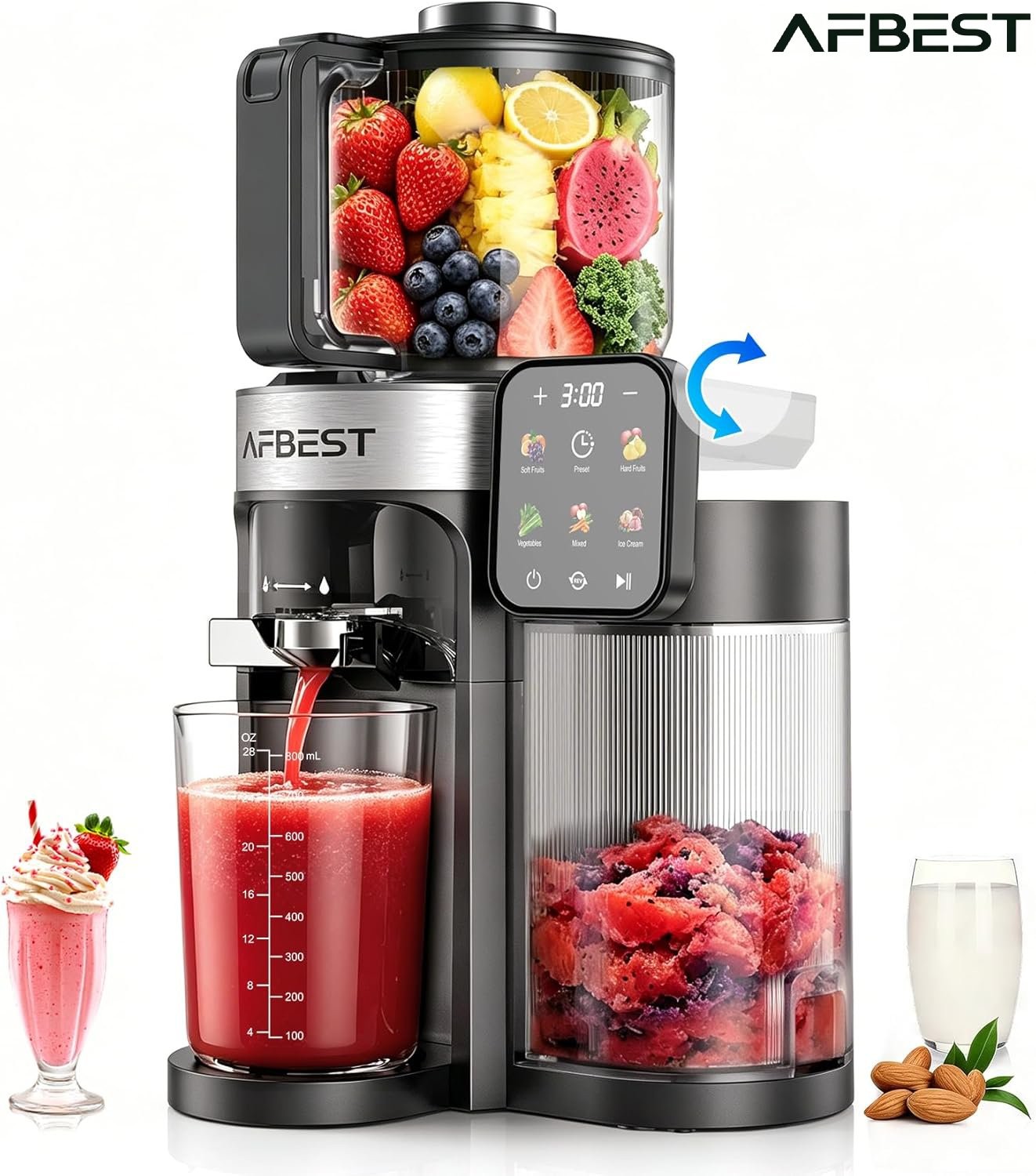 3in1 Cold Press Slow Juicer Machine 6.5" Extra Wide Chute Smart Touch High Yield$144.99View on eBay
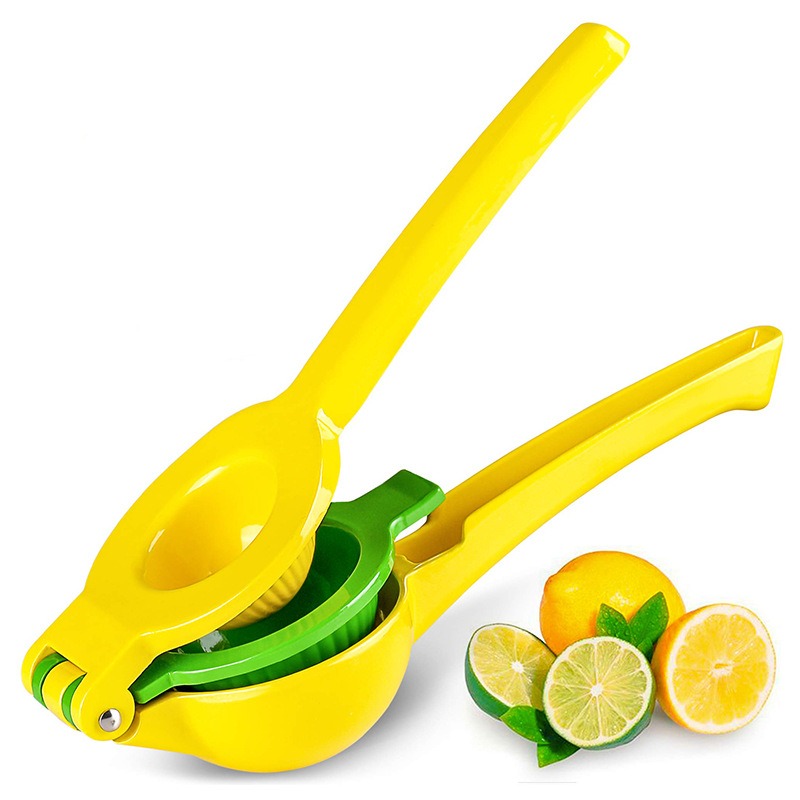 Juicer -- OPP$15.99View on Mallflare
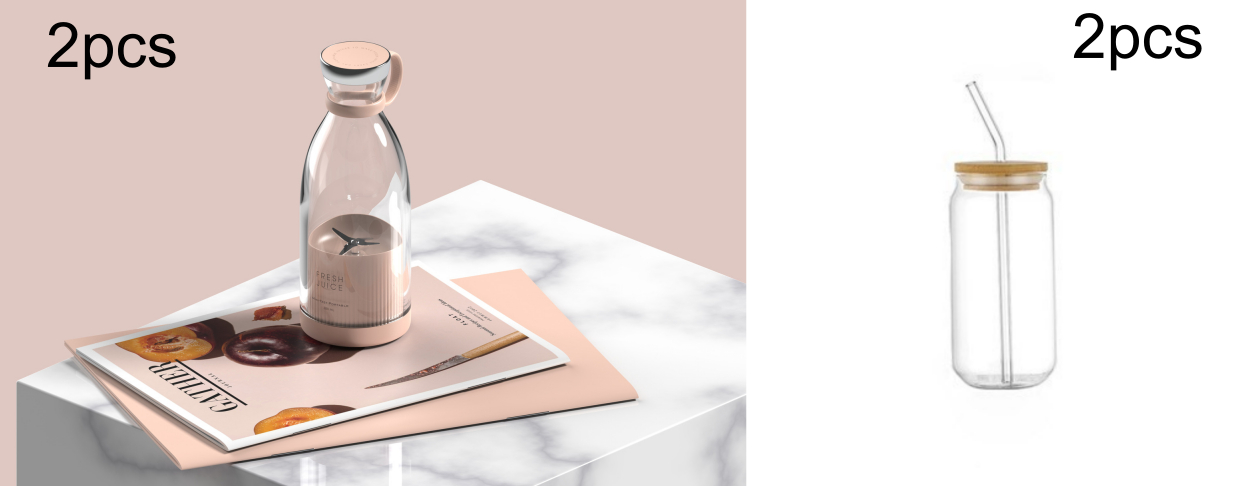 350ML Electric Juicer Blender Mixer USB Rechargeable Machine Household Portable$206.31New · Last checked Nov 26, 2026View on eBay
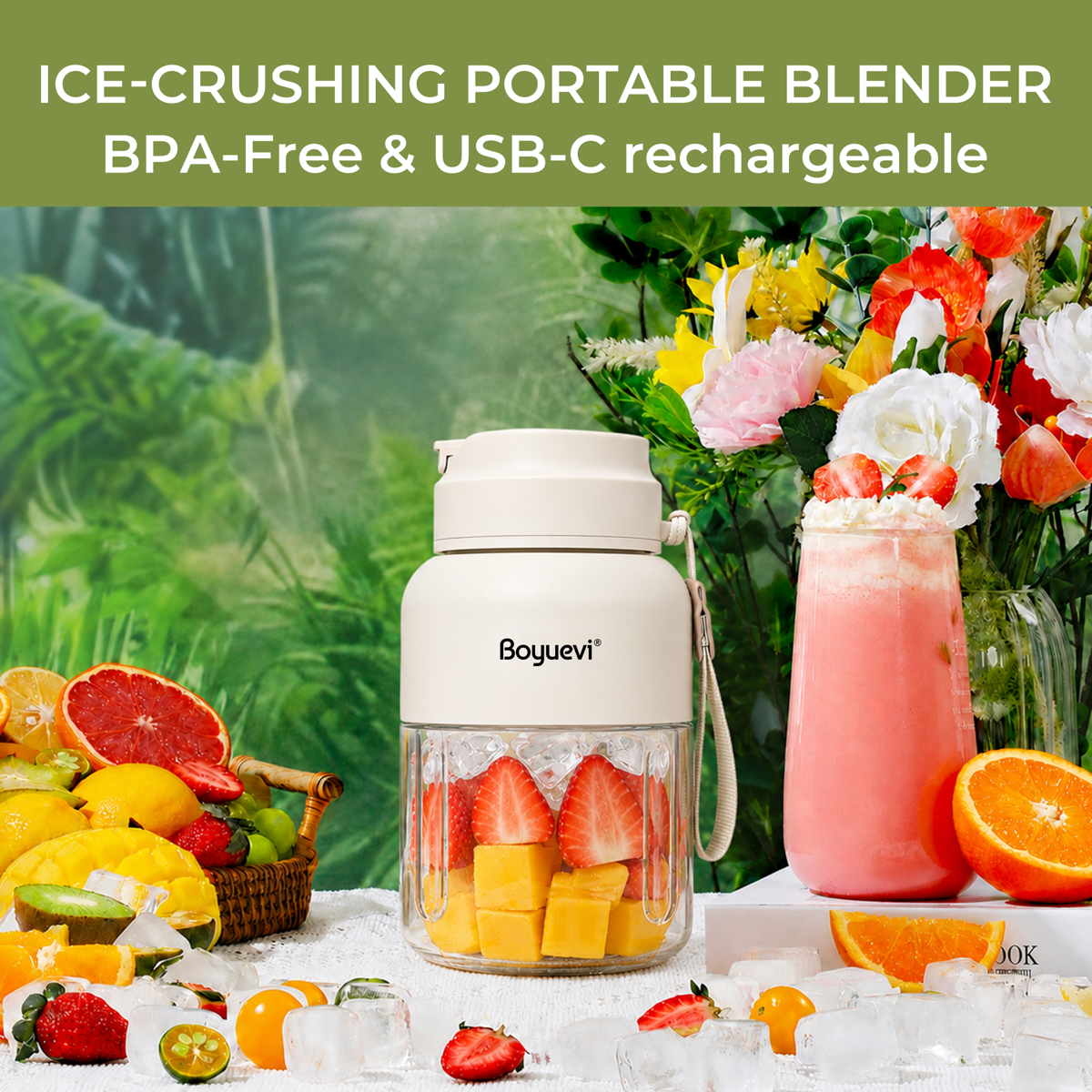 Cordless Portable Juicer - USB RechargeablePortable Blender with USB Port, 1350ml, Reusable, Ice-Crushing, BPA-Free for ProteinShakes, Frozen Drinks, Gym Use$38.99View on Mallflare
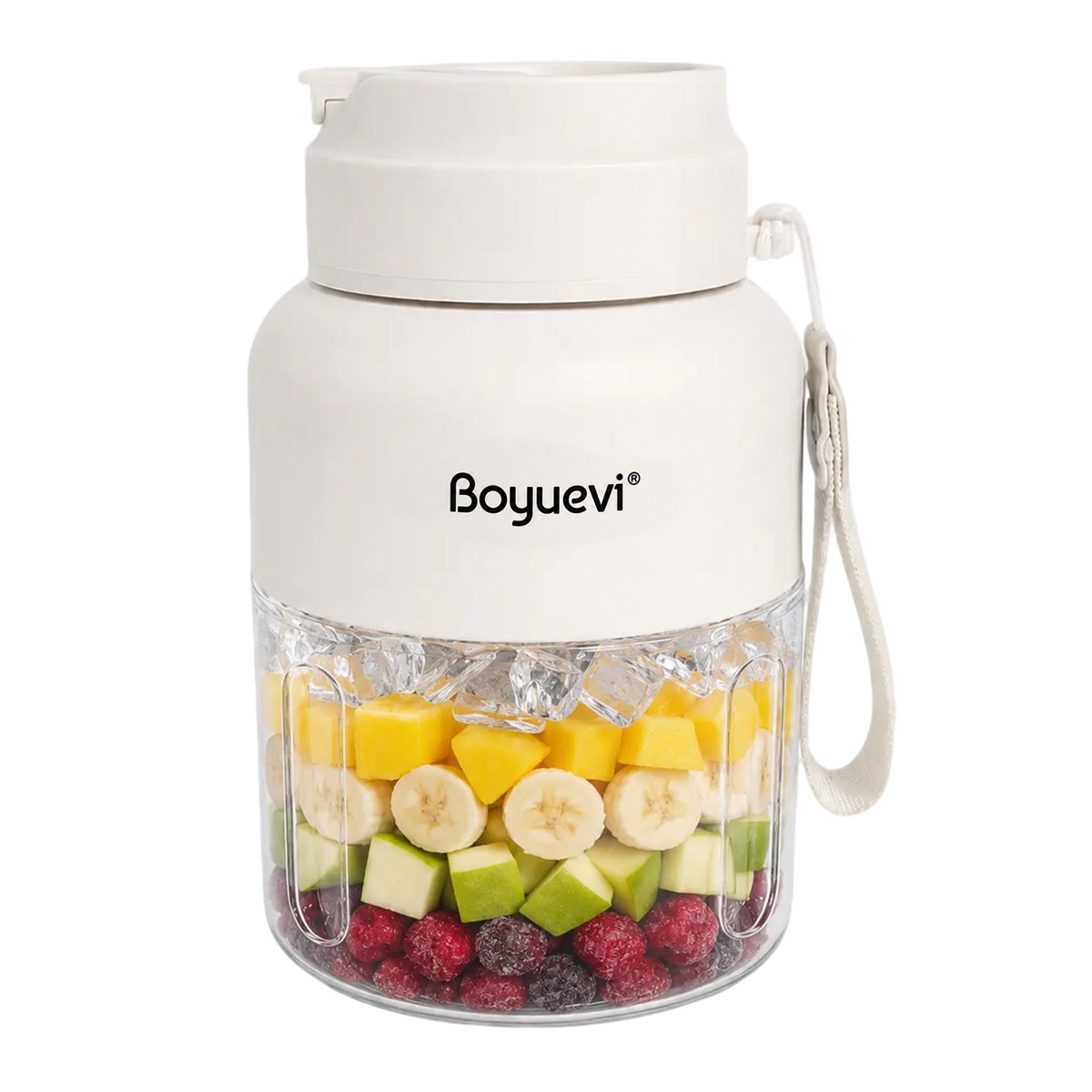 Cordless Portable Juicer - USB RechargeablePortable Blender with USB Port, 950ml+550ml, Reusable, Ice-Crushing, BPA-Free for ProteinShakes, Frozen Drinks, Gym Use$39.99View on Mallflare
 1Pc Centrifugal Juicer Juice Extractor With 2 Speeds 2.6in Wide Feed Chute 17Oz Cup 54Oz Pulp Collector Electric For Fruits Vegetables$67.99View on Mallflare
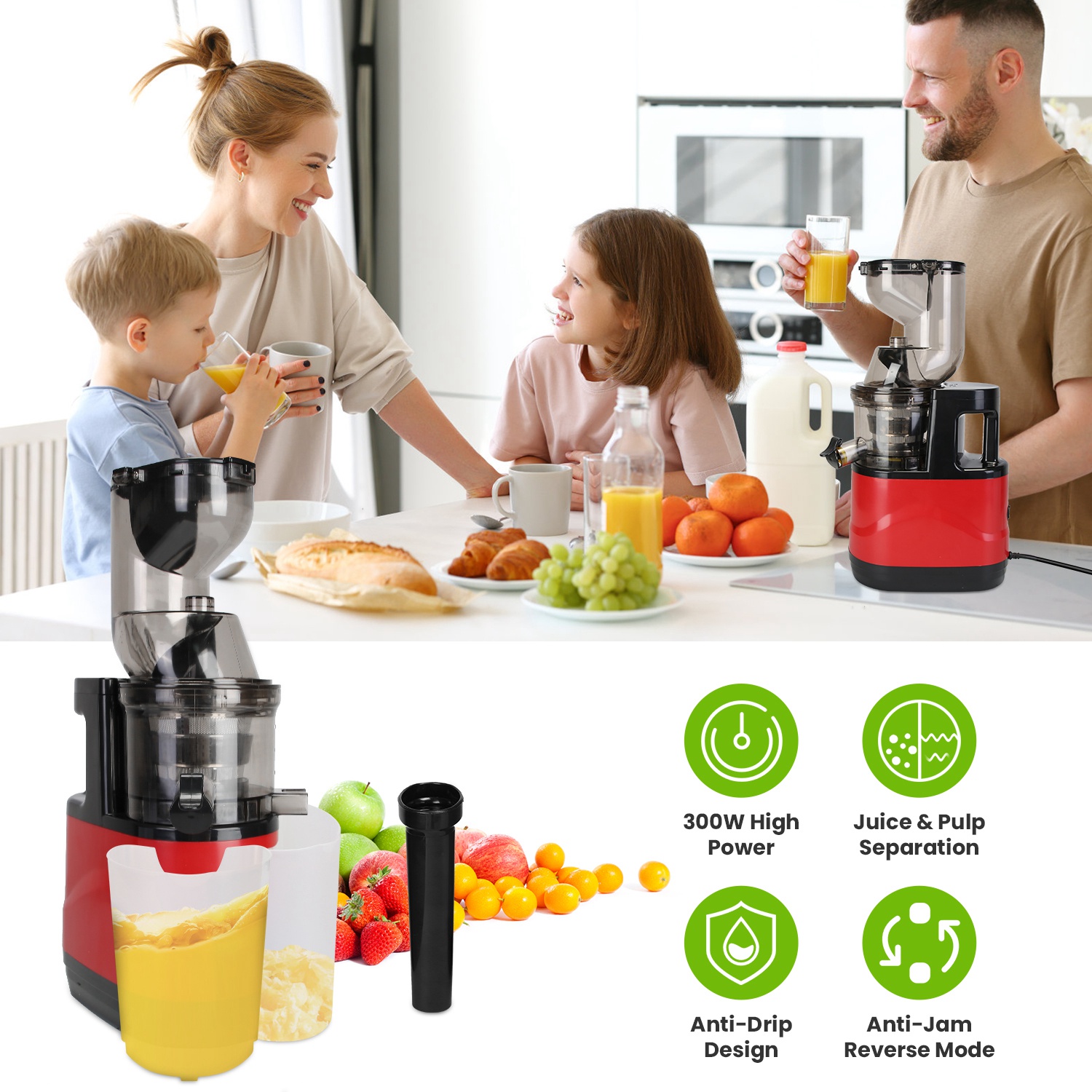 1Pc Cold Press Juicer Machine 300W Electric Slow Masticating For Whole Vegetable And Fruit With Reverse Function 2 Containers Cleaning Brush Clear Marks Easy Fedex Shipping$68.99View on Mallflare
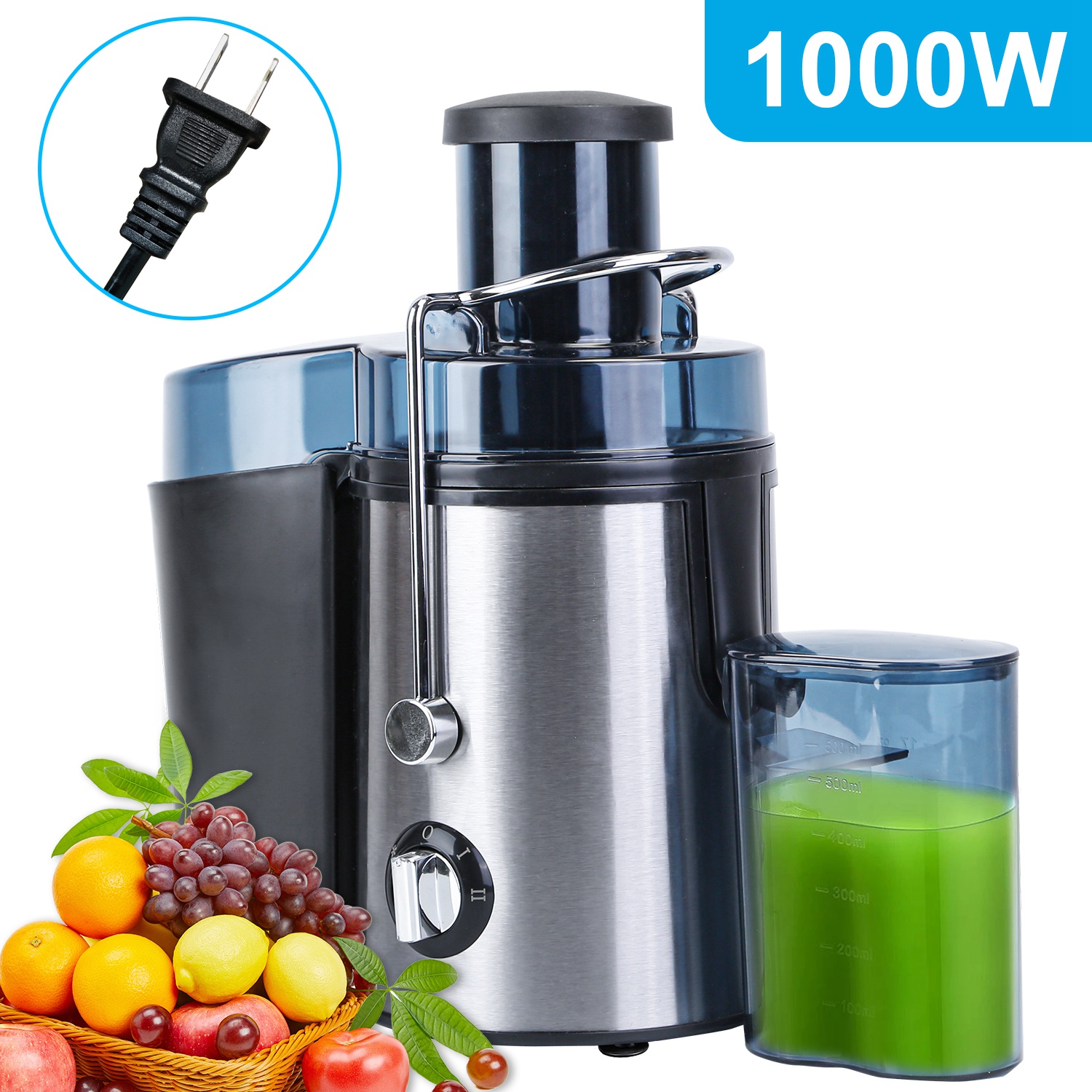
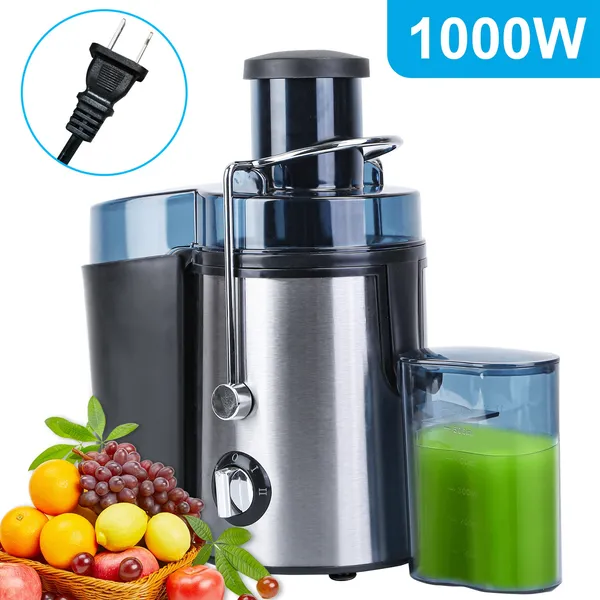 1000W Centrifugal Juicer Juice Extractor With 2 Speeds 3.6in Wide Feed Chute 17Oz Cup 54Oz Pulp Collector Electric For Fruits Vegetables$71.99View on Mallflare
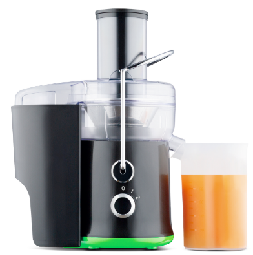 Juicer, 480W Centrifugal 2.6-inch Wide Mouth, Suitable For Vegetables And Fruits$83.99View on Mallflare
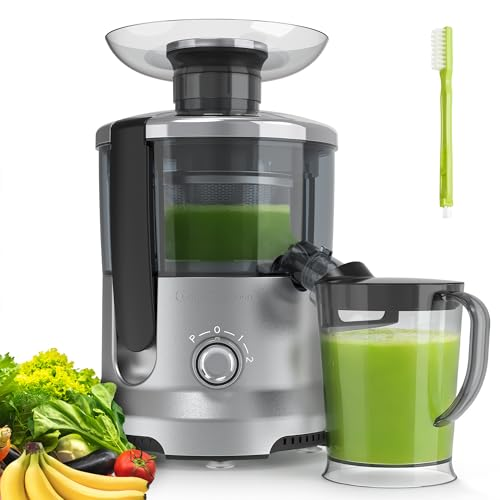 Centrifugal Juicer, 500-watt Equipped With A 2-inch Feed Opening And Trays For Vegetables And Fruits, Featuring 3-speed Rapid Juicing Function$87.99View on Mallflare
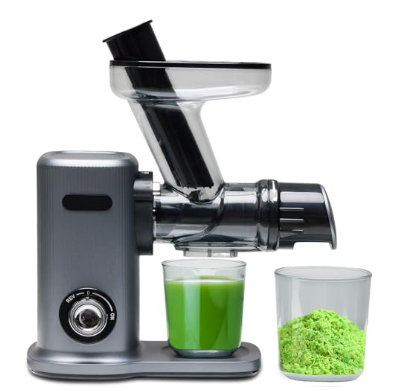 Cold-press Juicer, Slow-rotation Equipped With An Ultra-wide Feed Opening, Easy To Clean$90.99View on Mallflare
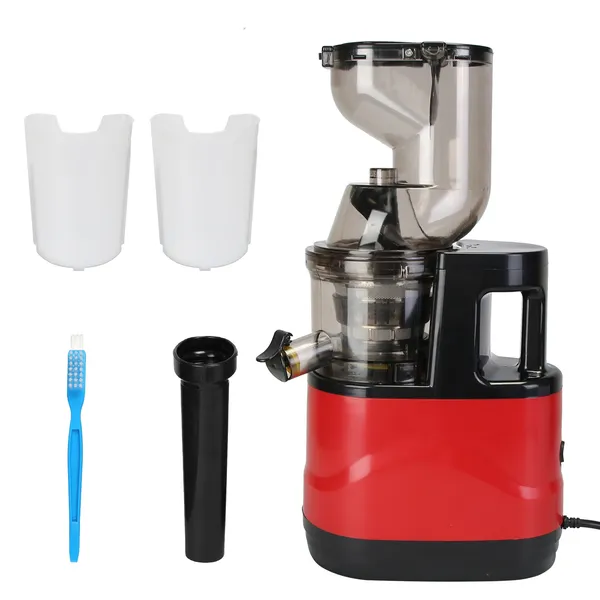 Cold Press Juicer Machine 300W Electric Slow Masticating For Whole Vegetable And Fruit With Reverse Function 2 Containers Cleaning Brush Clear Marks Easy$99.99View on Mallflare
Highlights
- Centrifugal juicers run 400–1000W motors with 2–3.6 in feed chutes; wider chutes cut prep but reduce extraction pressure on fibrous produce.
- Masticating juicers run 150–300W at 40–80 RPM with reverse functions; low RPM limits oxidation and lets you process wheatgrass and leafy greens.
- Feed chute diameter is the real convenience metric: under 2.6 in requires chopping apples and carrots; 3 in+ accepts whole small fruit.
- Pulp capacity (typically 54 oz on centrifugal, dual containers on masticating) dictates how often you stop to disassemble and rinse the basket.
Best use cases
- Daily leafy greens, wheatgrass, or ginger shots: pick a masticating cold-press unit with reverse and a fine screen — centrifugal baskets clog and waste greens.
- High-volume hard fruit and carrot juice for family breakfasts: choose a 800–1000W centrifugal with a 3 in+ chute and 54 oz pulp collector for speed.
- Nut milks, sorbets, and baby food: only a masticating juicer with a blank/ homogenizing screen handles these; skip centrifugal entirely.
- Occasional citrus-only pressing: a dedicated citrus press is faster and cleaner than either full juicer; do not buy a 1000W centrifugal just for oranges.
Buying tips
- Match chute to produce: under 2.6 in means pre-cutting apples and beets; 3 in+ handles whole small apples but check the motor is 800W+ to keep torque.
- For greens and wheatgrass, prioritize low RPM (under 100) and a reverse function over wattage — high-speed centrifugal baskets blind quickly on fiber.
- Check pulp container volume against your batch: 54 oz pulp means roughly 2–3 L of juice before emptying; dual masticating containers let you juice continuously.
- Confirm BPA-free jugs and dishwasher-safe removable parts; baskets and augers that are not removable make daily cleaning impractical.
Specs
| Juicer Type | Centrifugal vs Masticating cold-press |
|---|---|
| Motor Power | Centrifugal 400–1000W / Masticating 150–300W |
| Feed Chute | 2–3.6 in (wider = less prep) |
| Pulp Capacity | 54 oz centrifugal / dual containers |
Related searches
What to check before buying
- Measure counter clearance under upper cabinets: tall masticating units with wide chutes often exceed 17 in and will not fit under standard 18 in clearance.
- Confirm your feed chute fits your sink opening for rinsing, and that the pulp container fits your compost or bin workflow.
- Verify voltage and plug standard matches your region (120V US vs 220–240V EU) — imported units need a step-up transformer and void warranties.
- Check whether a juice jug, cleaning brush, and reverse function are included; these are the parts that determine daily usability.
FAQ
Data sources: eBay / Amazon listings and product attribute feeds. Updated Nov 27, 2026.
Some links on this page are affiliate links. If you buy after clicking one, we may earn a commission at no extra cost to you. This does not change which products appear here or their order. Affiliate disclosure.