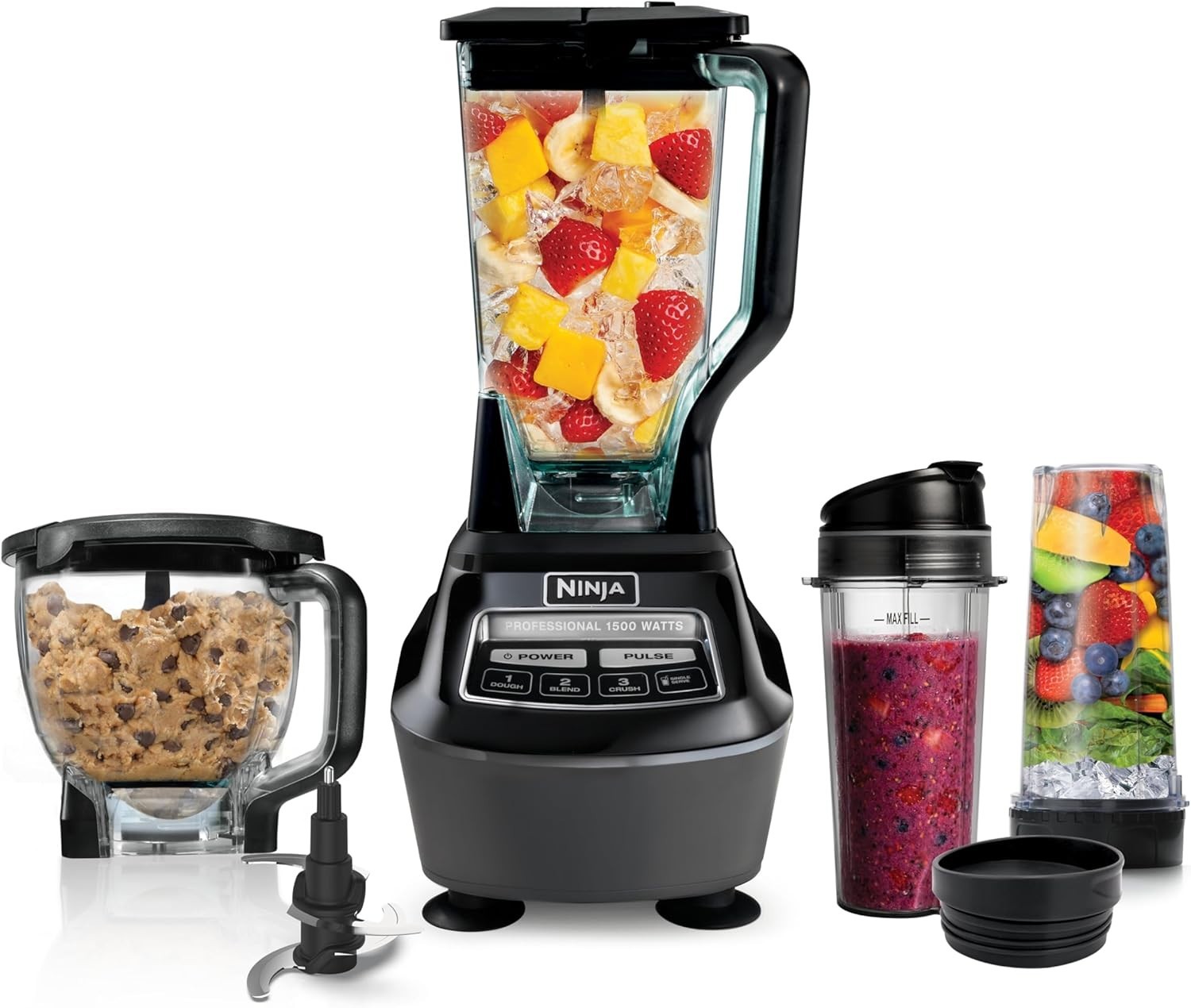

Photos from current listings. Actual item, color, and included accessories may vary.
Ninja Blender Food Processor Buying Guide
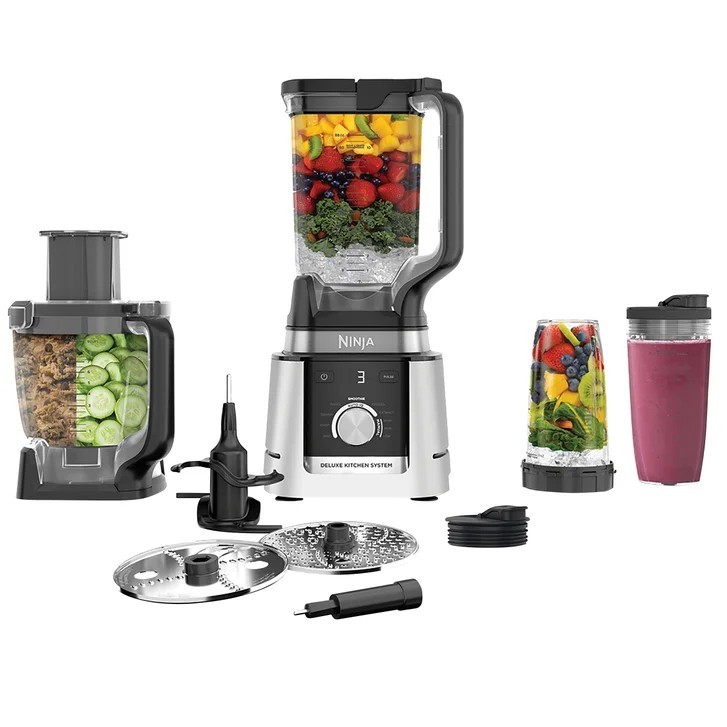
Ninja blender-food-processor combos pair a high-torque blender base with a food-processor bowl or processor attachment, letting one motor drive both wet blending and dry chopping/prep tasks. The core trade-off is motor architecture and jar/bowl material versus attachment interchangeability: models with a shared power head and dedicated processor bowl outperform combo units that rely on blender pitchers as makeshift processor bowls. The decision rule is simple—buy a unit with a true processor bowl (not a blender pitcher with a chopping blade) and at least 1000 watts if you regularly process dough, nuts, or fibrous vegetables; settle for lower wattage only if you blend smoothies and light chopping.
Median $241.99 · New listings
Key takeaways
- Motor wattage tiers separate real food-processor capability: 1200–1500W handles dough and nut butter; 700–1000W handles light chopping and smoothies.
- Processor bowl architecture matters more than blender jar size: a dedicated 3–5 cup processor bowl with S-blade and dough blade outperforms any blender pitcher with a chopping accessory.
- Ninja's Auto-iQ vs manual models differ in preset programs and blade-brake clutch; Auto-iQ adds timed pulsing for frozen blends and dough, while manual models rely on pulse and speed dials.
At a glance
- Category
- Blenders & Juicers
- Last updated
- Nov 29, 2026
Current offers
Highlights
- Motor wattage tiers separate real food-processor capability: 1200–1500W handles dough and nut butter; 700–1000W handles light chopping and smoothies.
- Processor bowl architecture matters more than blender jar size: a dedicated 3–5 cup processor bowl with S-blade and dough blade outperforms any blender pitcher with a chopping accessory.
- Ninja's Auto-iQ vs manual models differ in preset programs and blade-brake clutch; Auto-iQ adds timed pulsing for frozen blends and dough, while manual models rely on pulse and speed dials.
- Blade and bowl material grades determine durability: hardened stainless steel blades and BPA-free Tritan or polycarbonate bowls resist cracking; cheap styrene-acrylonitrile bowls craze and cloud over time.
Best use cases
- Best fit: a 1200W+ Ninja combo with a 3–5 cup processor bowl and dough blade for households that make smoothies, chop nuts, and mix dough weekly—skip low-wattage 'blender-only' combos.
- Best fit: a 1000–1200W model with a 72 oz blender pitcher and a separate chopping bowl for daily smoothies plus light veg prep—skip models where the processor bowl is under 3 cups if you cook for more than two people.
- Wrong fit: buying a Ninja combo primarily for dry grinding (coffee, spices) or heavy dough—dedicated grinders and stand mixers outperform any blender-processor combo; choose a combo only for blended and chopped prep tasks.
- Wrong fit: a high-wattage Ninja combo in a small kitchen with low counter clearance—measure the assembled height (blender pitcher on base often exceeds 17 inches) before buying.
Buying tips
- Match wattage to task: under 1000W for smoothies and light chopping; 1200W+ for frozen blends, nut butters, and dough. Wattage is the single best predictor of processor performance in this segment.
- Insist on a dedicated processor bowl of at least 3 cups with both an S-blade and a dough blade; combo units that only include a chopping blade inside the blender pitcher lack dough capacity and leak-prone seals.
- Check blade and bowl materials: hardened stainless steel blades and Tritan or polycarbonate bowls survive dishwasher cycles; unlabeled plastic bowls and coated blades chip and discolor.
- Confirm attachment compatibility within the Ninja line: processor bowls and blades are model-specific—replacement bowls from a different wattage tier often do not seat or lock.
Specs
| Motor Wattage | 700–1500W; 1200W+ for dough |
|---|---|
| Processor Bowl | 3–5 cup dedicated bowl with S-blade |
| Blender Capacity | 72 oz pitcher typical; 4–6 servings |
| Control Type | Auto-iQ presets vs manual pulse/dial |
Related searches
What to check before buying
- Measure your counter height and cabinet clearance: assembled Ninja blender bases with 72 oz pitchers commonly stand 16–18 inches tall; processor bowls add width, so verify both.
- Verify your electrical circuit: 1200W+ models draw 10+ amps at peak; a shared kitchen circuit with a microwave or kettle can trip breakers during heavy dough mixing.
- Check the bowl and pitcher capacity against your household: 72 oz pitcher suits 4–6 servings; 3–5 cup processor bowls suit 2–4 cups of chopped ingredients—size down if storage space is tight.
- Confirm the model includes the exact attachments you need (dough blade, chopping blade, shredding disc, or spiralizer) because Ninja sells many combos with the same base and different accessory bundles.
FAQ
Data sources: eBay / Amazon listings and product attribute feeds. Updated Nov 29, 2026.
Some links on this page are affiliate links. If you buy after clicking one, we may earn a commission at no extra cost to you. This does not change which products appear here or their order. Affiliate disclosure.