
Photos from current listings. Actual item, color, and included accessories may vary.
Portable Electric Juicer Buying Guide
A portable electric juicer is a compact, USB-rechargeable or corded appliance that extracts juice from citrus and soft produce without a full-size countertop machine. The core trade-off is motor torque and battery capacity versus true portability: high-torque cold-press augers handle leafy greens and fibrous fruit but add bulk, while small centrifugal or masticating cups excel on citrus and soft fruit only. The decision rule is simple: buy an auger-style unit with a brushless motor and at least 2,000 mAh if you want greens and hard produce; buy a compact centrifugal or screw-press cup for citrus and berries that fits in a bag.
Median $99.99 · New listings
Key takeaways
- Extraction mechanism drives performance: slow auger (masticating) at 50–80 RPM preserves nutrients and handles greens; centrifugal at 12,000+ RPM is faster but oxidizes and struggles with fibrous produce.
- Motor type is the durability dividing line: brushless DC motors deliver higher torque per watt and 3–5x the lifespan of brushed motors, which wear out carbon brushes in light portable use.
- Battery tier determines real yield per charge: 1,200–1,500 mAh units juice 3–5 citrus fruits per charge; 2,000–4,000 mAh units juice 10–15 fruits or several green juices before recharging via USB-C.
At a glance
- Category
- Blenders & Juicers
- Last updated
- Nov 27, 2026
Current offers
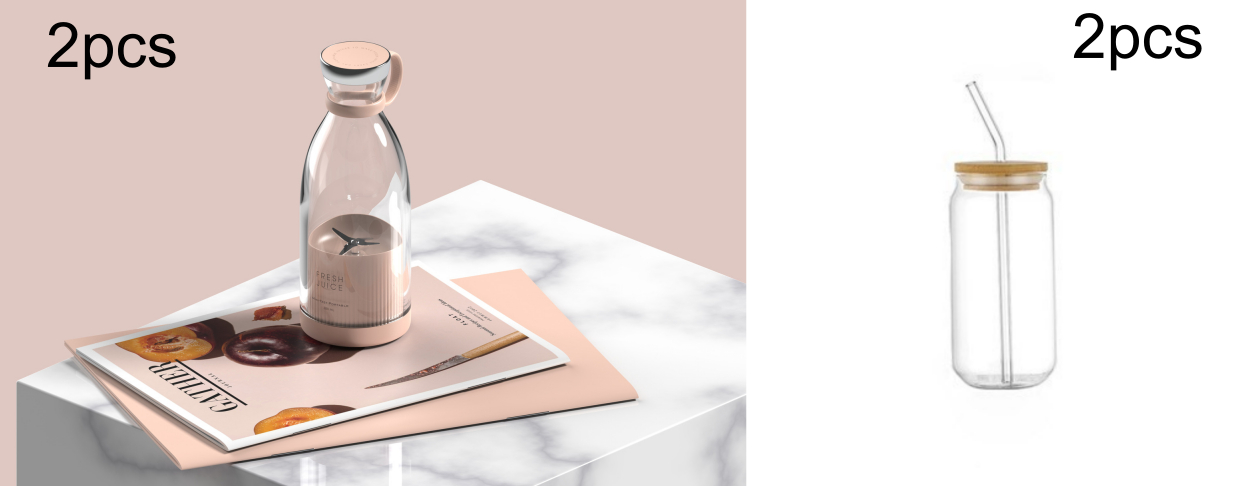 350ML Electric Juicer Blender Mixer USB Rechargeable Machine Household Portable$206.31New · Last checked Nov 26, 2026View on eBay
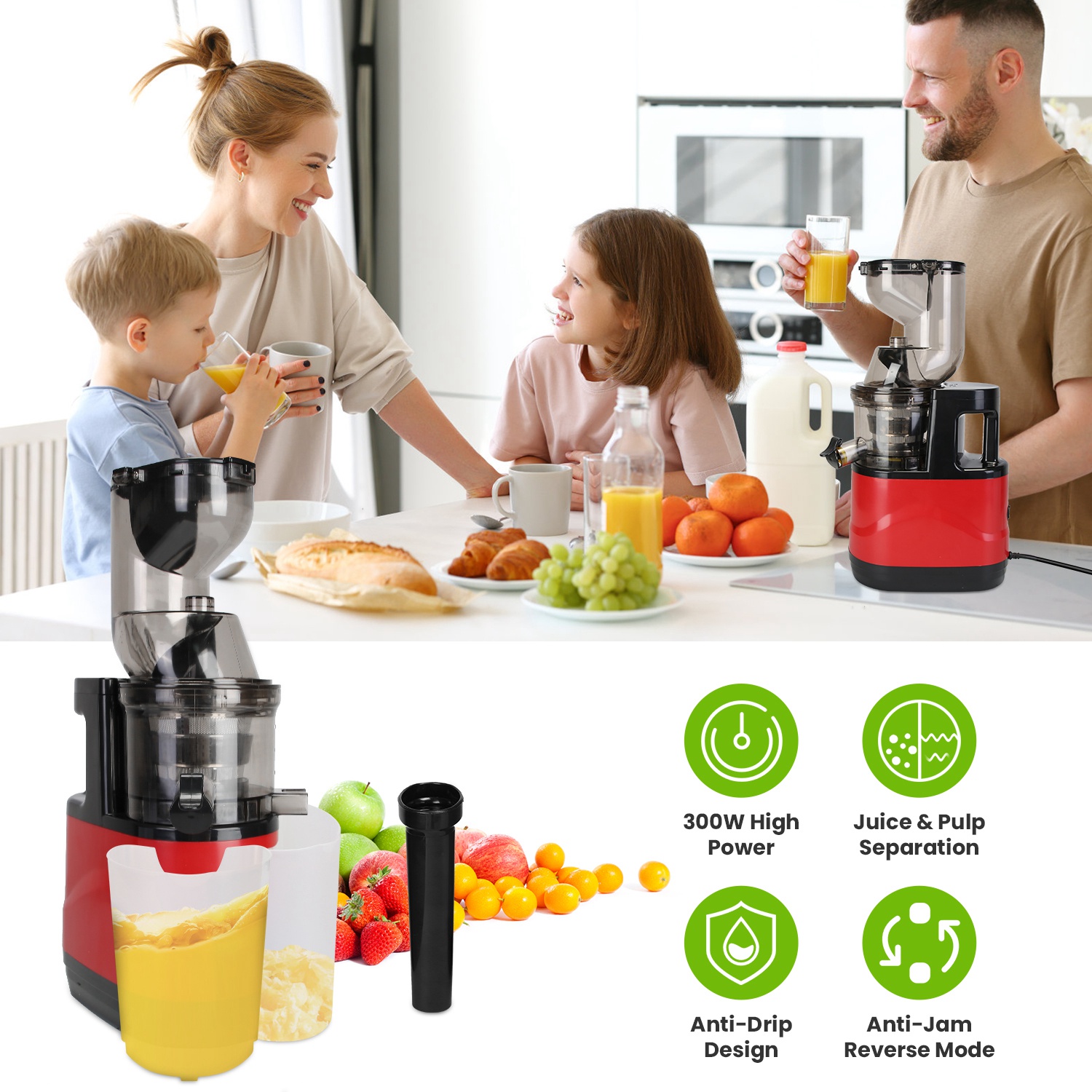 1Pc Cold Press Juicer Machine 300W Electric Slow Masticating For Whole Vegetable And Fruit With Reverse Function 2 Containers Cleaning Brush Clear Marks Easy Fedex Shipping$68.99View on Mallflare
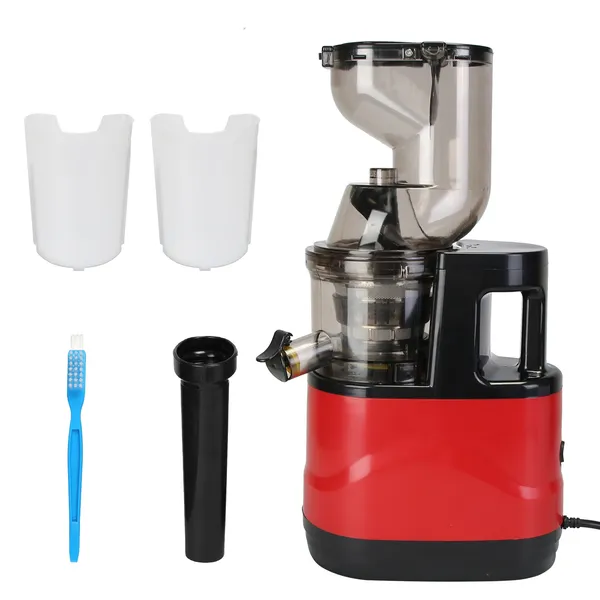 Cold Press Juicer Machine 300W Electric Slow Masticating For Whole Vegetable And Fruit With Reverse Function 2 Containers Cleaning Brush Clear Marks Easy$99.99View on Mallflare
Highlights
- Extraction mechanism drives performance: slow auger (masticating) at 50–80 RPM preserves nutrients and handles greens; centrifugal at 12,000+ RPM is faster but oxidizes and struggles with fibrous produce.
- Motor type is the durability dividing line: brushless DC motors deliver higher torque per watt and 3–5x the lifespan of brushed motors, which wear out carbon brushes in light portable use.
- Battery tier determines real yield per charge: 1,200–1,500 mAh units juice 3–5 citrus fruits per charge; 2,000–4,000 mAh units juice 10–15 fruits or several green juices before recharging via USB-C.
- Food-contact material and safety standards separate durable from disposable: BPA-free Tritan or 304 stainless steel contact parts with dishwasher-safe cups outlast polycarbonate and unsealed aluminum threads.
Best use cases
- Best fit for daily citrus juicing on the go: pick a 1,200–1,500 mAh USB-C screw-press cup under 1 lb; skip heavy auger units that exceed bag size.
- Best fit for green juices and fibrous produce: choose a slow auger unit at 50–80 RPM with a brushless motor and 2,000+ mAh battery; skip centrifugal cups that clog on kale and celery.
- Best fit for home countertop supplement to a full blender: a corded 150–300W masticating compact juicer gives continuous runtime; skip battery units if you juice more than 20 oz per session.
- Wrong fit for large-batch family juicing: portable units under 16 oz capacity require refilling; choose a full-size 800W+ countertop juicer instead.
Buying tips
- Match extraction type to produce: auger/screw-press for greens, wheatgrass, and hard fruit; centrifugal or citrus-cone for oranges and lemons only.
- Size the battery by yield: 1,500 mAh ≈ 5 citrus fruits; 2,500 mAh ≈ 10; 4,000 mAh ≈ 15–20 citrus fruits or 2–3 green juices per charge.
- Verify the motor rating in watts: portable units under 50W stall on carrots and beets; 100–200W brushless units handle hard produce reliably.
- Check the feed chute: wide 3–4 inch chutes accept whole small fruit and reduce prep; narrow 2-inch chutes require chopping everything first.
Specs
| Extraction Type | Slow auger vs centrifugal vs screw-press |
|---|---|
| Motor Type | Brushless DC vs brushed |
| Battery Capacity | 1,200–4,000 mAh (USB-C) |
| Food-Contact Material | BPA-free Tritan / 304 stainless |
Related searches
What to check before buying
- Measure your bag or cup holder: most portable juicers are 2.5–4 inches in diameter and 6–10 inches tall; confirm fit before choosing a large auger model.
- Confirm voltage and plug: USB-C 5V/2A charging works worldwide with a travel adapter; corded models need 120V/60Hz (US) or 220–240V/50Hz (EU) matching your outlet.
- Check food-contact material: BPA-free Tritan, 304 stainless steel, or glass—avoid unmarked polycarbonate and bare aluminum parts that pit with acidic citrus.
- Confirm companion parts: look for included cleaning brush, reverse function, and dishwasher-safe cups; sealed pulp containers prevent leaks in bags.
FAQ
Data sources: eBay / Amazon listings and product attribute feeds. Updated Nov 27, 2026.
Some links on this page are affiliate links. If you buy after clicking one, we may earn a commission at no extra cost to you. This does not change which products appear here or their order. Affiliate disclosure.