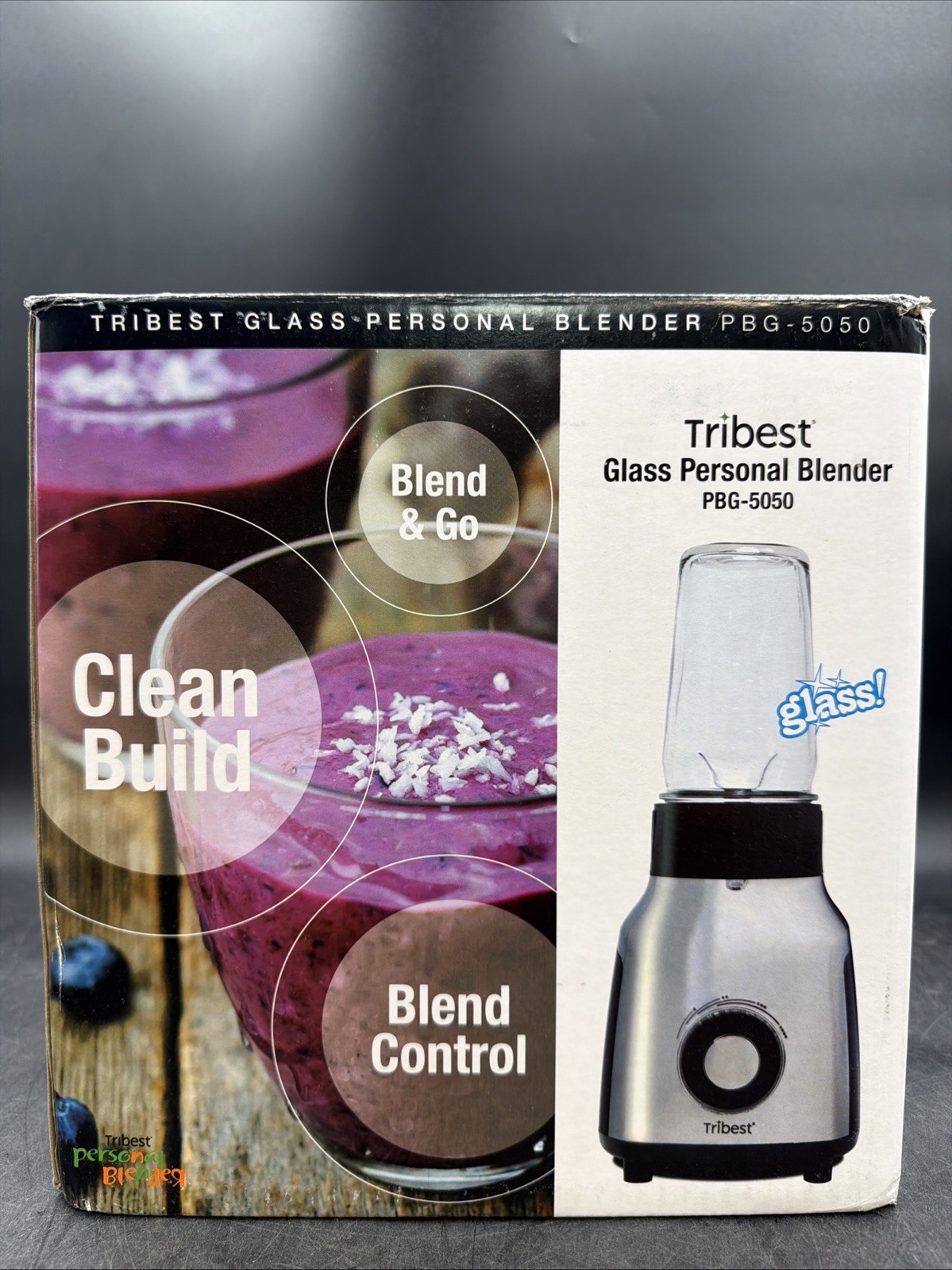

Photos from current listings. Actual item, color, and included accessories may vary.
Portable Shake Blender Buying Guide
Portable shake blenders are compact, rechargeable or USB-powered blenders designed for single-serve smoothies, protein shakes, and travel use. The core trade-off is motor power and blade geometry versus battery capacity and cup sealing—most budget units use weak brushed motors that stall on frozen fruit, while durable models use higher-torque motors and leak-proof BPA-free cups. The decision rule: buy a portable blender only if you blend soft ingredients and need cordless convenience; for ice or frozen fruit, choose a high-wattage countertop model instead.
Key takeaways
- Motor type determines real blending power: brushed DC motors (common in budget portables) stall on frozen fruit, while brushless or high-torque motors handle ice and fibrous greens.
- Battery capacity in mAh directly sets runtime: 2000–4000 mAh units deliver 10–20 blends per charge; sub-2000 mAh models often die mid-blend under load.
- Cup material and seal quality separate durable from leak-prone units: BPA-free Tritan or AS plastic with silicone gaskets resists cracking and leaking; cheap PP cups warp with hot liquids.
At a glance
- Category
- Blenders & Juicers
- Last updated
- Nov 29, 2026
Current offers
Highlights
- Motor type determines real blending power: brushed DC motors (common in budget portables) stall on frozen fruit, while brushless or high-torque motors handle ice and fibrous greens.
- Battery capacity in mAh directly sets runtime: 2000–4000 mAh units deliver 10–20 blends per charge; sub-2000 mAh models often die mid-blend under load.
- Cup material and seal quality separate durable from leak-prone units: BPA-free Tritan or AS plastic with silicone gaskets resists cracking and leaking; cheap PP cups warp with hot liquids.
- Blade count and geometry matter more than wattage claims: 4–6 stainless steel blades in a cross or offset pattern create a vortex that pulls ingredients down; 2-blade designs leave chunks.
Best use cases
- Best fit: office or gym users blending protein powder, soft fruit, and milk—pick a 300–500 mL BPA-free cup with 2000+ mAh battery and 4-blade stainless head; skip high-wattage claims under 200W.
- Wrong fit: daily ice crushing or frozen fruit smoothies—portable motors under 200W stall; choose a 1000W+ countertop blender with a tamper instead.
- Best fit: travel and camping with access to USB power—choose a USB-C rechargeable model with 4000 mAh and a leak-proof lid; skip models with proprietary chargers or micro-USB.
- Wrong fit: blending hot soups or large batches for families—portable cups max out at 600 mL and plastics warp; use a countertop blender with a glass or Tritan jar.
Buying tips
- Match cup size to use: 300–400 mL for single protein shakes, 500–600 mL for smoothies with greens; cups under 300 mL overflow when adding frozen fruit and liquid.
- Check motor wattage honestly: 150–200W handles soft fruit and powders; 250W+ with 4+ blades is needed for ice and fibrous kale; ignore 'peak wattage' marketing.
- Verify battery and charging: 2000–4000 mAh gives 10–20 blends; USB-C charging is standard and faster than micro-USB; models with 5000 mAh add weight but extend runtime.
- Require BPA-free Tritan or AS cups with silicone gaskets; PP plastic cups are cheaper but crack and retain odors; stainless steel cups resist staining but are heavier.
Specs
| Motor Power | 150-250W (portable) vs 1000W+ countertop |
|---|---|
| Battery Capacity | 2000-4000 mAh (10-30 blends) |
| Cup Material | BPA-free Tritan / AS / stainless |
| Blade Count | 4-6 stainless steel (2-blade = weak) |
Related searches
What to check before buying
- Measure your cup holder, gym bag pocket, or fridge door shelf: most portable blenders are 8–10 inches tall and 3–4 inches wide; confirm the base fits upright.
- Check voltage and plug standard: USB-powered models charge from any 5V USB port; models with AC adapters need the correct regional plug (US Type A/B, EU Type C/F).
- Confirm the cup is genuinely leak-proof for transport: look for a screw-on lid with a silicone O-ring and a locking mechanism; press-fit lids leak in bags.
- Verify replacement parts availability: blades and cups wear out; choose models with listed replacement cups or blade assemblies rather than sealed disposable units.
FAQ
Data sources: eBay / Amazon listings and product attribute feeds. Updated Nov 29, 2026.
Some links on this page are affiliate links. If you buy after clicking one, we may earn a commission at no extra cost to you. This does not change which products appear here or their order. Affiliate disclosure.