
Photos from current listings. Actual item, color, and included accessories may vary.
Coffee And Espresso Maker Buying Guide
A coffee and espresso maker is a countertop appliance that brews espresso shots and often steam-froths milk, ranging from pump-driven manual machines to automatic capsule and bean-to-cup systems. The core trade-off is between pressure stability and thermal control versus convenience and footprint, with build quality (metal vs. plastic internals) determining longevity. The clear decision rule: choose a machine with a known pump pressure (9–20 bar), a metal group or thermoblock, and a standard portafilter for repairability — skip sealed plastic capsule units with unlisted pressure if you want lasting results.
Median $73.99 · Pre-owned listings
Key takeaways
- Pump pressure defines extraction: 9 bar is the espresso standard; 15–20 bar units are common but only helpful if the basket and grind are matched — excess pressure causes channeling unless the machine is well-regulated.
- Thermal architecture matters: thermoblock/thermocoil units heat in seconds but have wider temperature swings; PID-controlled boilers (single or dual) hold ±1–2°C for repeatable shots and better milk steaming.
- Portafilter and group size determine accessory compatibility: 51 mm and 54 mm baskets are common on compact machines, while 58 mm commercial-standard groups accept the widest range of tampers, baskets, and bottomless portafilters.
At a glance
- Category
- Coffee Makers & Espresso
- Last updated
- Nov 27, 2026
Current offers
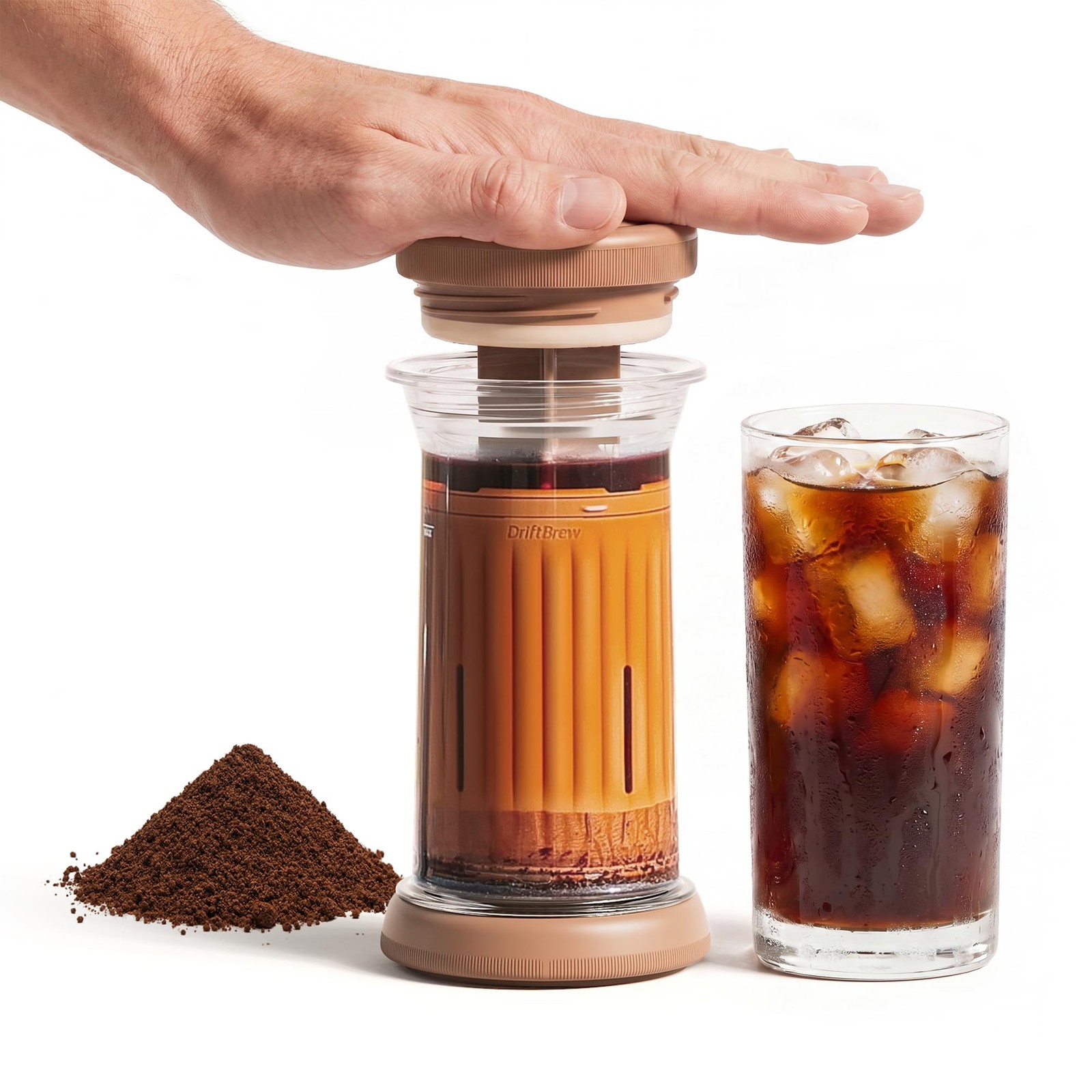 Camping Coffee Maker 8oz Portable Cold Brew & Espresso - Travel Brewing Gear$31.99View on eBay
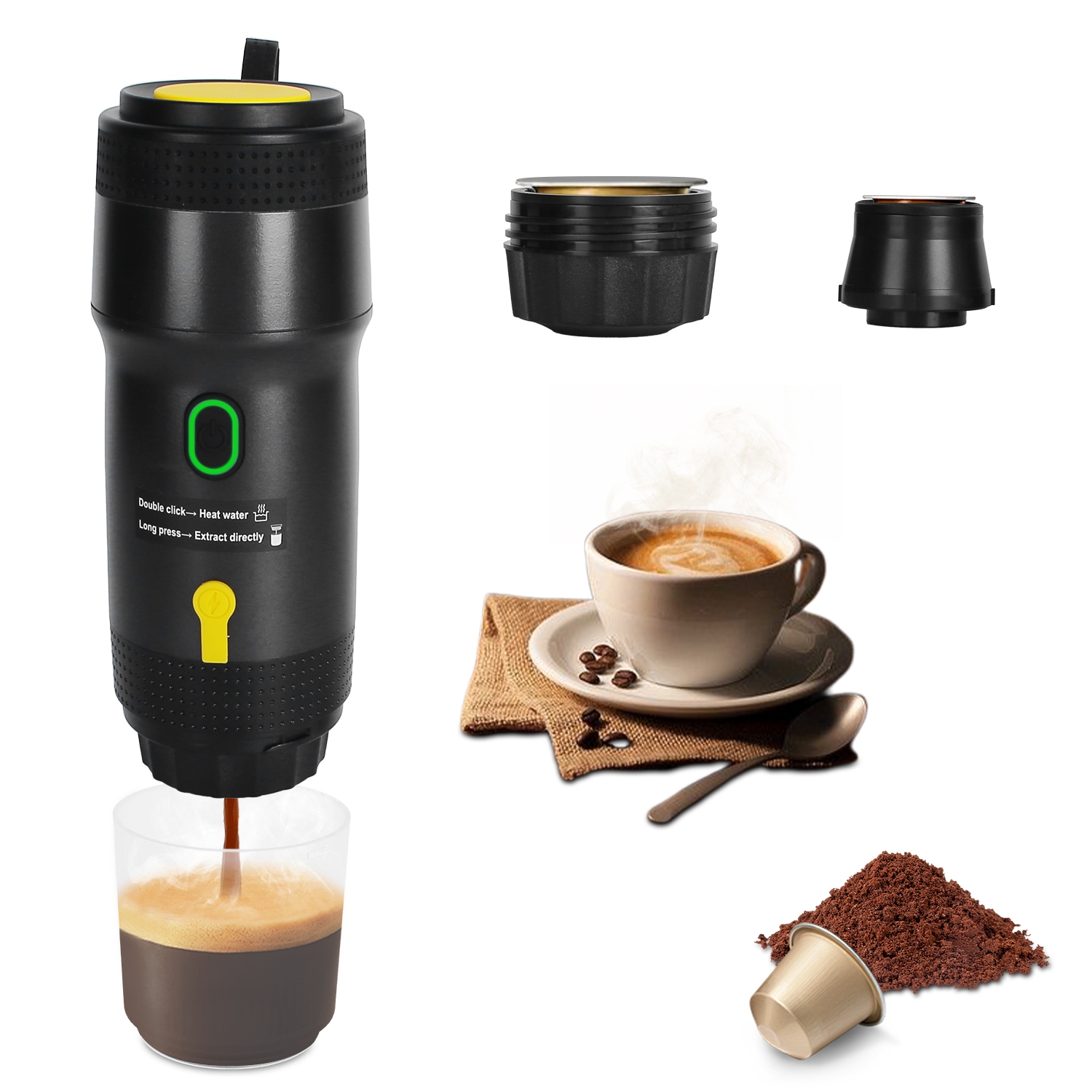 1Pc Portable Electric Espresso Machine Cordless Coffee Maker Self Heating Car With Anti Dry Burn Fit For Ground NS DG Capsules For Car Camping Hiking RV Home Office$55.99View on Mallflare
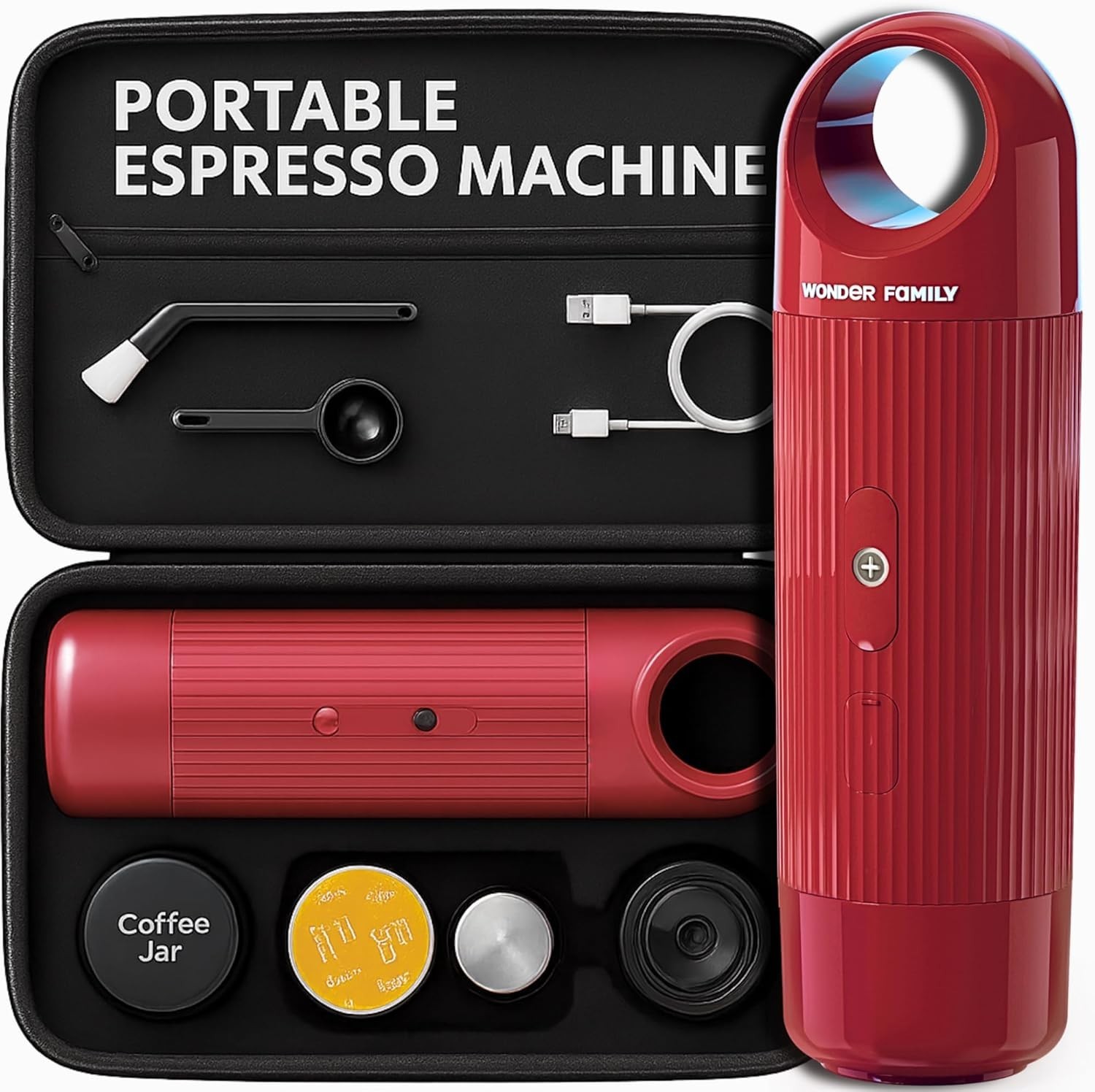 Portable Espresso Machine Travel Coffee Maker for Pods & Grounds Mini 5 Cup Make$34.99View on eBay
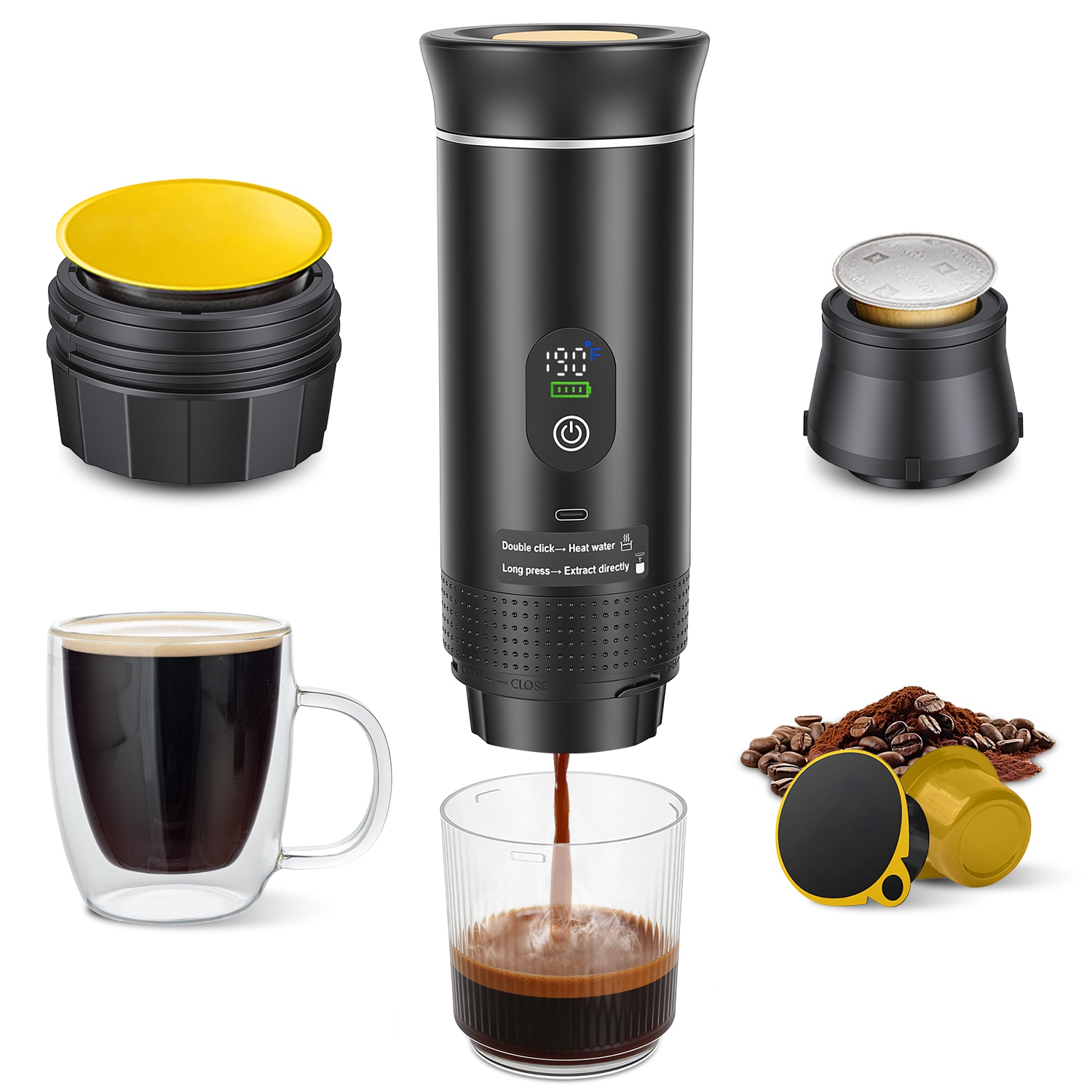 3 In 1 Portable Espresso Machine Cordless Mother Day Self Heating Coffee Maker With 7500mAh Battery 20Bar Pressure Anti Dry Burn Fit For Ground Capsules For Camping Hiking RV Home$73.99View on Mallflare
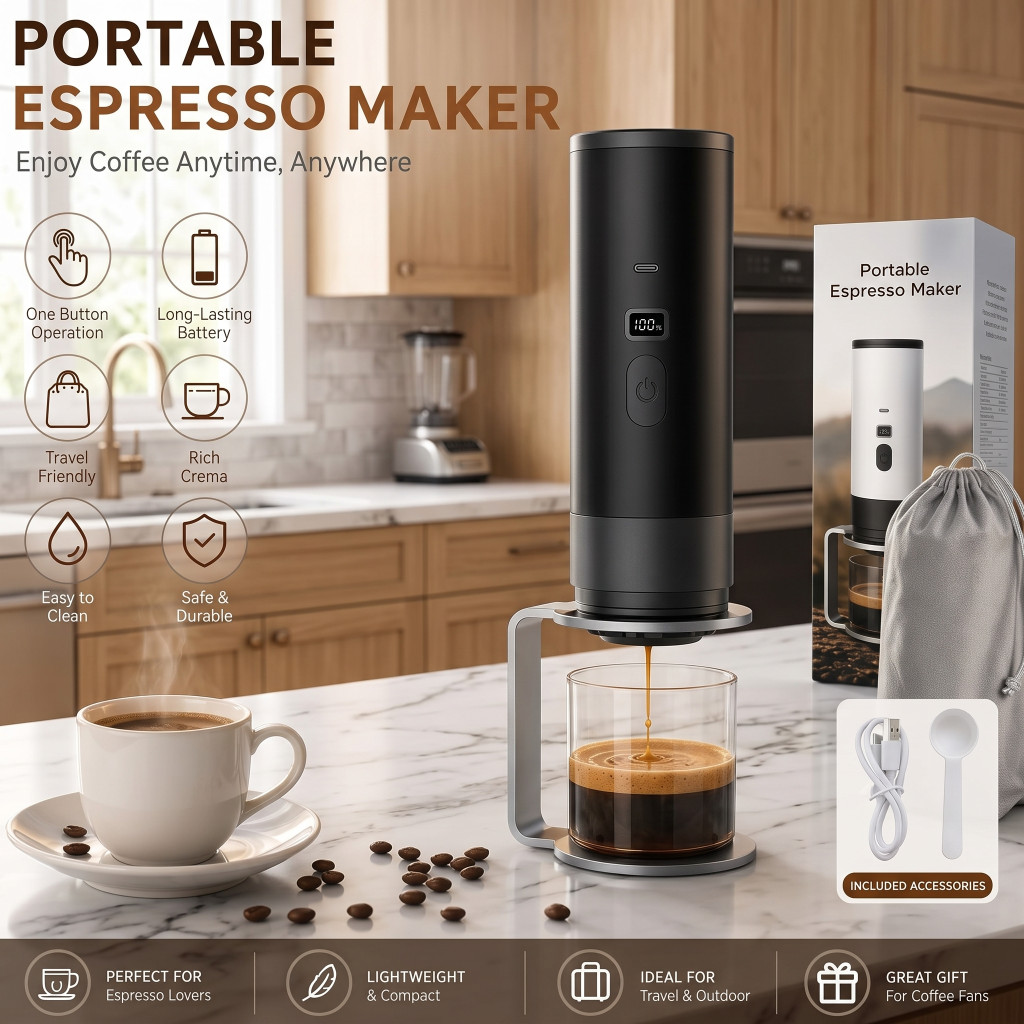 Portable Electric Espresso Maker - 3 in 1 Travel Coffee Machine for Camping US$45.58View on eBay
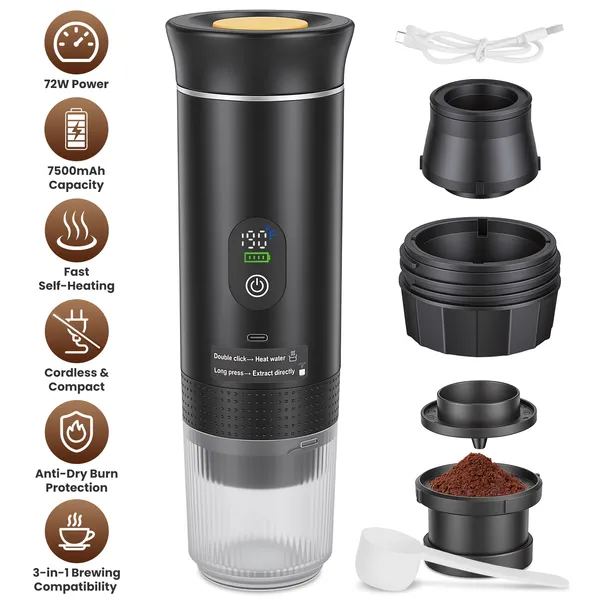 3-in-1 Portable Espresso Machine Cordless Self-Heating Coffee Maker With 7500mAh Battery 20Bar Pressure Anti-Dry Burn Fit For Ground Coffee&NS&DG Capsules For Camping Hiking RV Home Office$89.99View on Mallflare
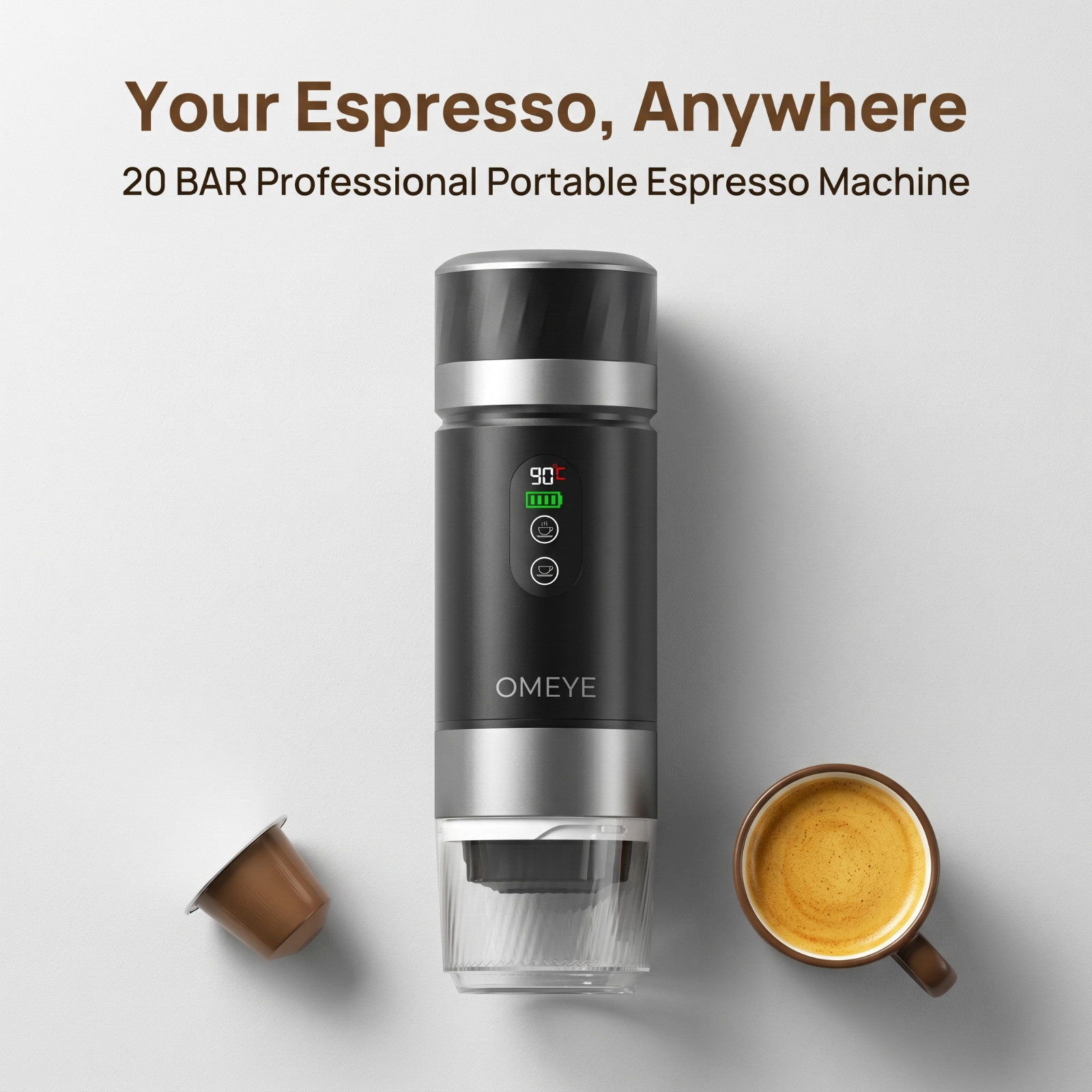 OMEYE Portable Espresso Maker 20 Bar Battery USB-C Capsule Ground Coffee$69.99View on eBay
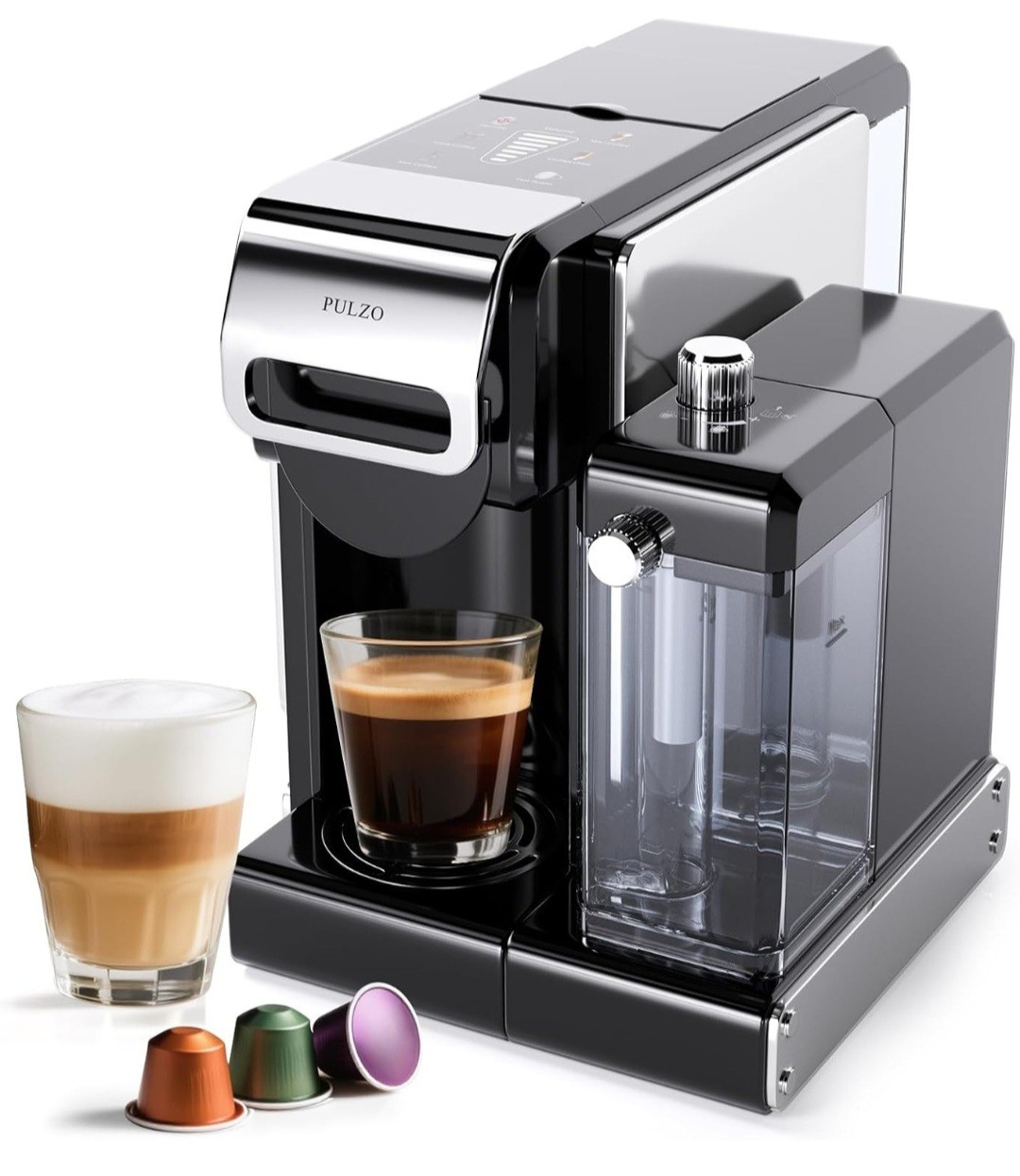 PULZO Espresso Machine Automatic Milk Frother Capsule Coffee Maker Latte Cappucc$113.90View on eBay
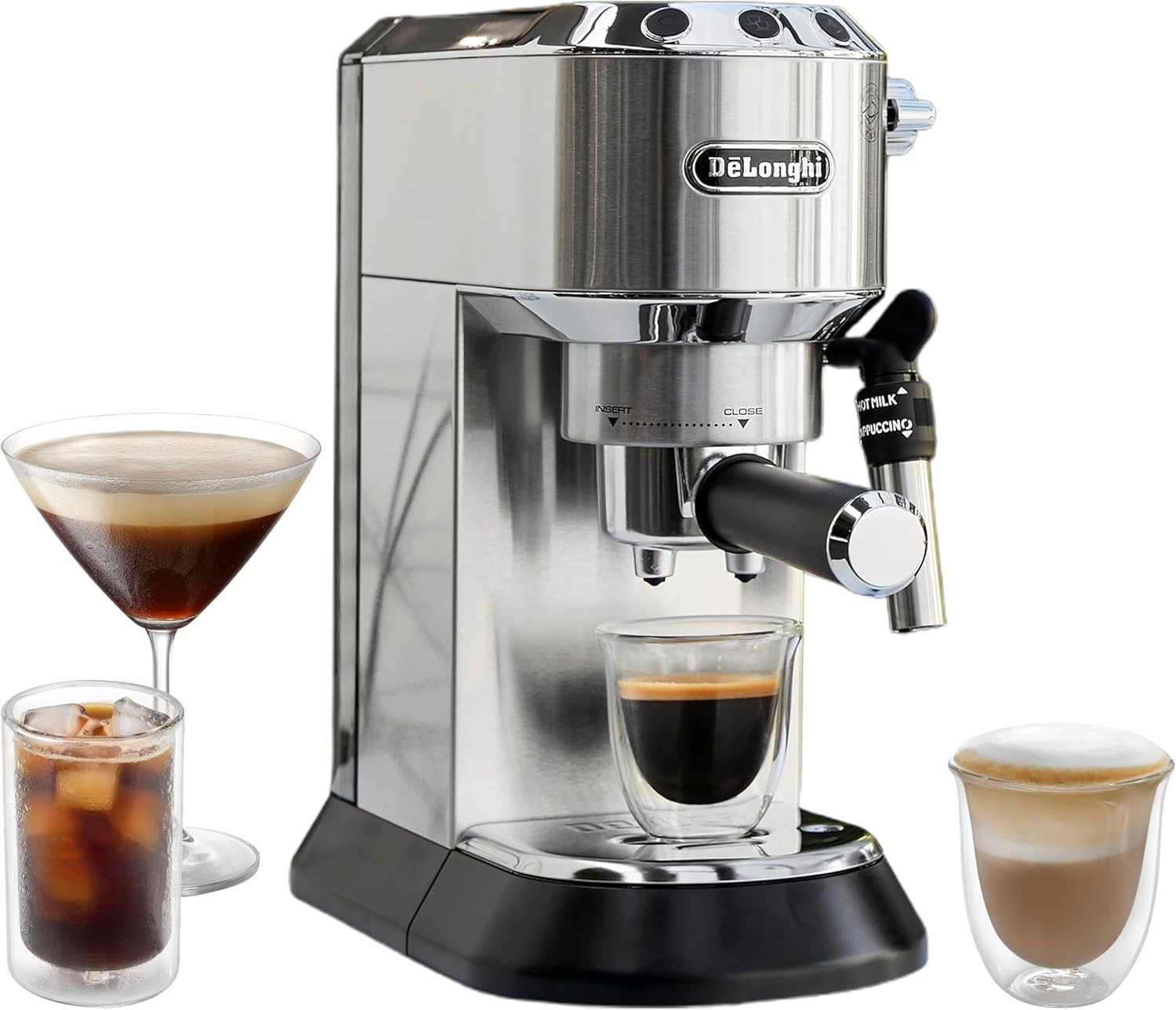 Delonghi EC685M Dedica Automatic Espresso Cappuccino Maker Machine 35oz Metallic$119.99View on eBay
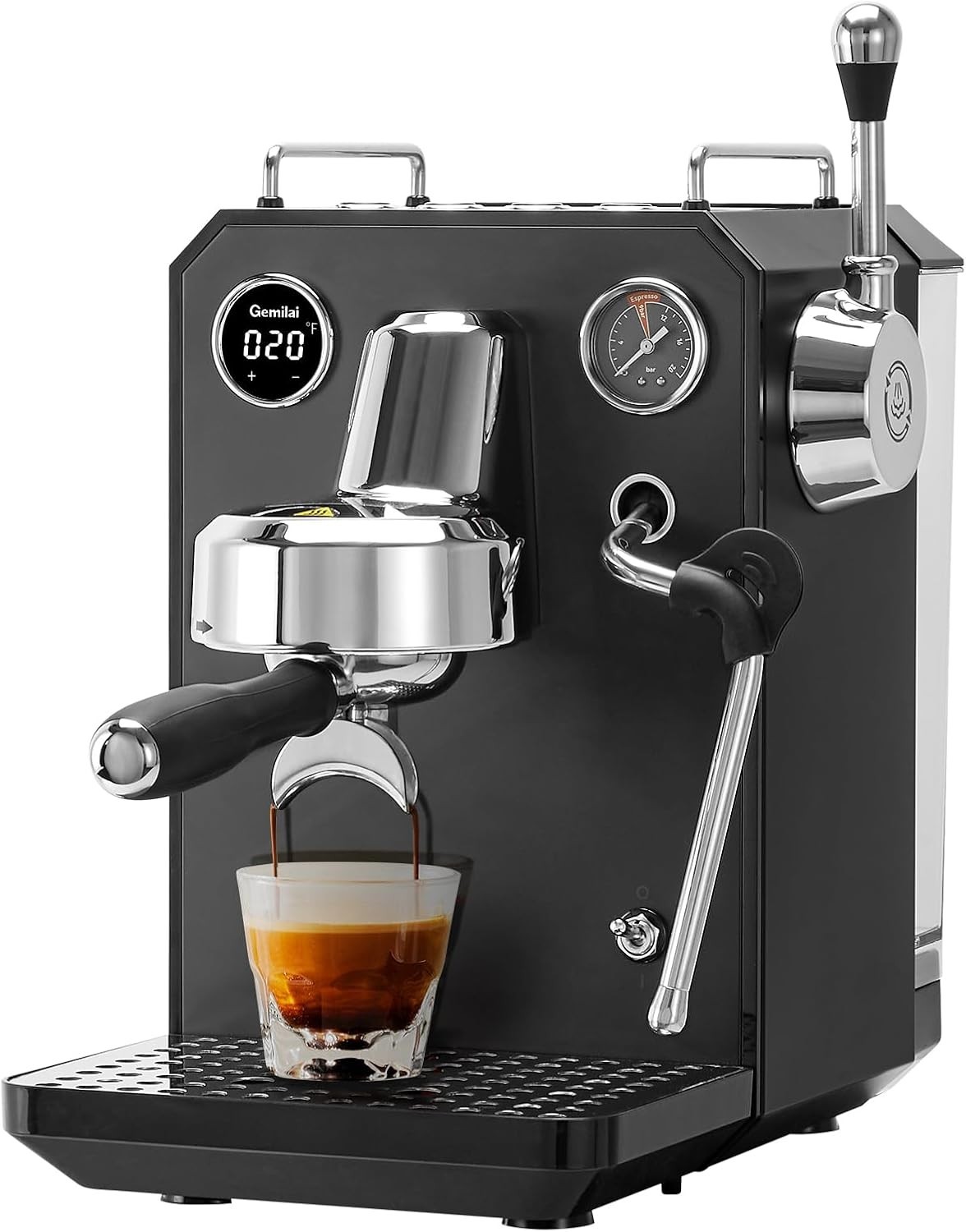 Gemilai Owl G3006 Espresso Machine 15 Bar Professional Coffee Maker Black$229.00Open box · Last checked Nov 21, 2026View on eBay
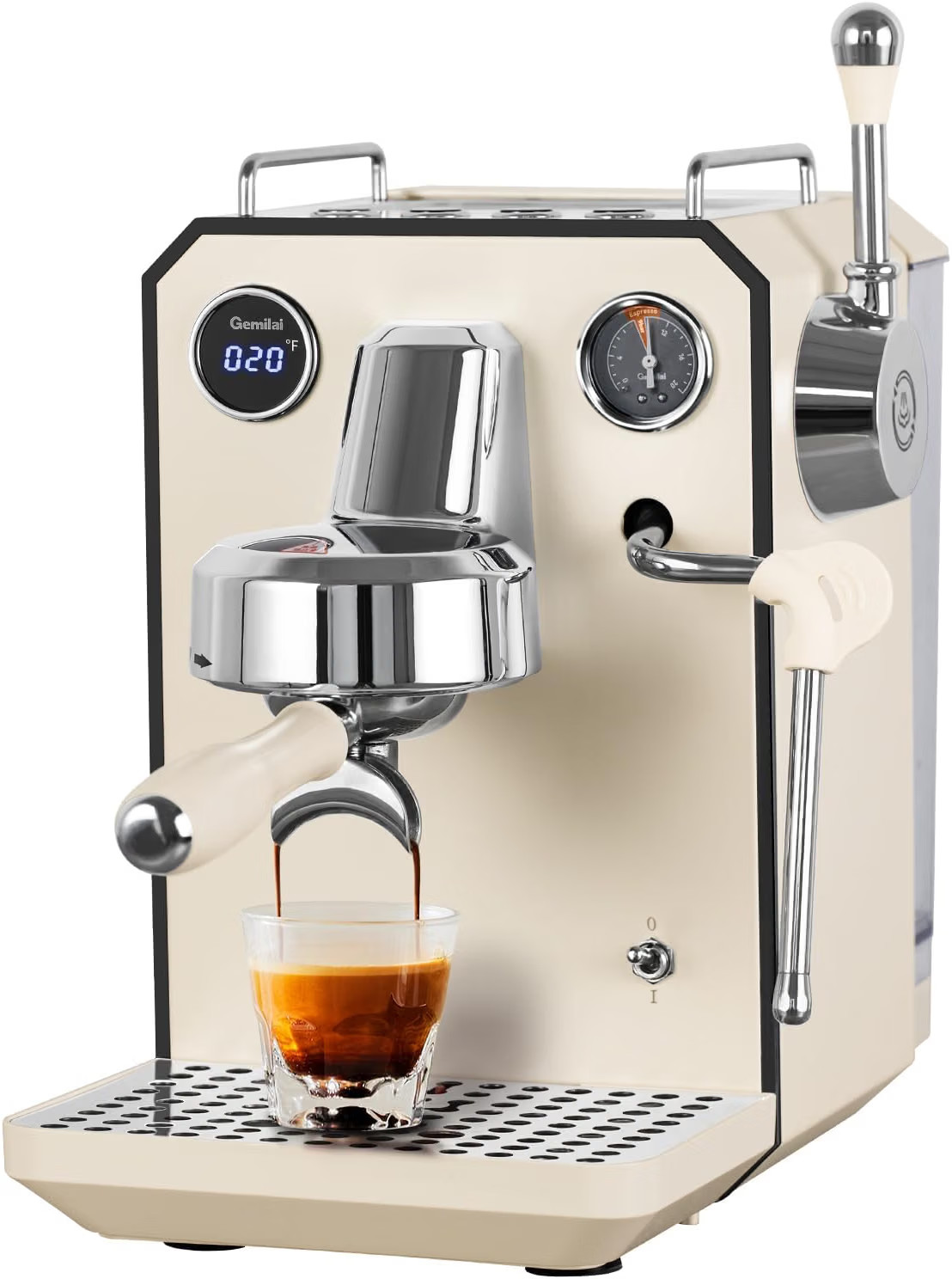 Gemilai Owl G3006 Espresso Machine 15 Bar Professional Coffee Maker White$229.00Open box · Last checked Nov 21, 2026View on eBay
Highlights
- Pump pressure defines extraction: 9 bar is the espresso standard; 15–20 bar units are common but only helpful if the basket and grind are matched — excess pressure causes channeling unless the machine is well-regulated.
- Thermal architecture matters: thermoblock/thermocoil units heat in seconds but have wider temperature swings; PID-controlled boilers (single or dual) hold ±1–2°C for repeatable shots and better milk steaming.
- Portafilter and group size determine accessory compatibility: 51 mm and 54 mm baskets are common on compact machines, while 58 mm commercial-standard groups accept the widest range of tampers, baskets, and bottomless portafilters.
- Build materials separate tiers: stainless-steel boilers and metal group heads resist scale and last for years, while aluminum thermoblocks and plastic housings are lighter and cheaper but degrade faster under daily use.
Best use cases
- Best fit for daily espresso-plus-milk drinks: a single-boiler or heat-exchanger machine with a steam wand and 58 mm group — skip capsule-only units because pod costs and limited pressure control cap long-term quality.
- Best fit for small kitchens or apartments: a compact thermoblock machine with a 51–54 mm portafilter and removable water tank; skip dual-boiler units, which need more counter depth and a dedicated circuit.
- Best fit for camping, RV, or travel: a hand-pump or battery-heated portable unit rated at 15–20 bar with capsule and ground compatibility — skip corded home machines, which need mains power and stable counter space.
- Wrong fit: buying a 20-bar machine expecting better espresso than a well-regulated 9-bar unit — pressure above 9 bar must be managed by the basket and grind, so prioritize temperature stability and a metal group instead.
Buying tips
- Match the portafilter size to your accessory plans: 58 mm is the commercial standard for tampers, baskets, and distribution tools; 51–54 mm is fine for compact machines but limits third-party upgrades.
- Choose a PID-controlled boiler over a simple thermostat if you drink straight espresso — temperature stability within ±2°C prevents sour or bitter swings between shots.
- For milk drinks, confirm a dedicated steam wand (not a panarello sleeve) and at least 1.2 L boiler or heat-exchanger capacity; single small thermoblocks struggle to steam and brew back-to-back.
- Check power draw: 1350–1500 W machines need a standard 15 A circuit; dual-boiler and high-wattage units may require a dedicated outlet to avoid tripping breakers alongside other kitchen appliances.
Specs
| Pump Pressure | 9 bar standard; 15-20 bar high-pressure |
|---|---|
| Thermal System | Thermoblock vs PID boiler |
| Portafilter Size | 51/54/58 mm groups |
| Power Draw | 1200-1500 W; 15 A circuit |
Related searches
What to check before buying
- Measure counter depth and height clearance: compact machines need roughly 30–35 cm depth and 35–40 cm height for the tank and cup clearance; dual boilers need more.
- Confirm your water hardness — if above 150 mg/L, plan for a descaling schedule or use filtered water; hard water scales metal boilers and clogs thermoblocks faster.
- Verify outlet and voltage: 120 V/60 Hz in the US, 15 A circuit; portable battery units charge via USB-C and should list battery capacity and heat-up time.
- Check included accessories and companion parts: portafilter baskets (single/double), tamper size, milk pitcher, and whether a bottomless portafilter or scale fits under the group.
FAQ
Data sources: eBay / Amazon listings and product attribute feeds. Updated Nov 27, 2026.
Some links on this page are affiliate links. If you buy after clicking one, we may earn a commission at no extra cost to you. This does not change which products appear here or their order. Affiliate disclosure.