
Photos from current listings. Actual item, color, and included accessories may vary.
Coffee Machine Buying Guide
Coffee machines split into drip batch brewers, pod/grounds single-serve units, and pump-driven espresso machines—each with a different durability and performance ceiling. The core trade-off is brew-pressure and thermal stability versus convenience and footprint: 15-bar pump espresso delivers café-grade extraction but demands grind and tamp discipline, while drip and pod systems trade pressure for repeatable volume. The decision rule: buy a machine whose brew architecture matches your daily volume and prep tolerance—not the one with the longest feature list.
Median $73.99 · New & pre-owned listings
Key takeaways
- Espresso extraction is defined by pump pressure: 15-bar pumps are the standard for true espresso, while 3-5 bar portable units approximate crema via pressure valve rather than full extraction.
- Drip brewers are rated by cup capacity and keep-warm time—8-12 cup carafes with 2-4 hour warming plates suit offices, while 4-hour shutoff is a safety baseline.
- Portable espresso makers split into self-heating battery units (1500-7500mAh) and manual pump models requiring pre-boiled water—battery units add weight but remove kettle dependency.
At a glance
- Category
- Coffee Makers & Espresso
- Last updated
- Nov 27, 2026
Current offers
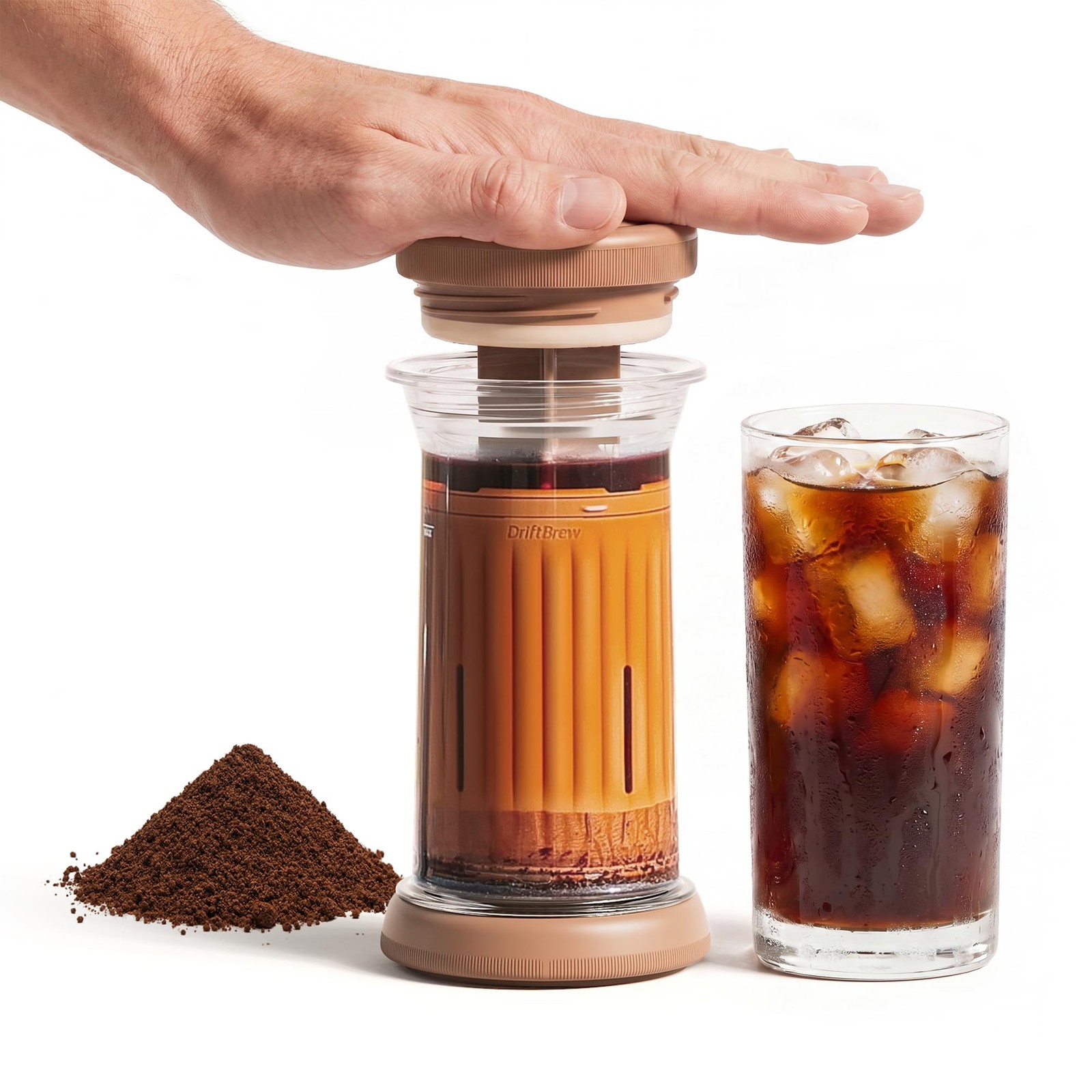 Camping Coffee Maker 8oz Portable Cold Brew & Espresso - Travel Brewing Gear$31.99View on eBay
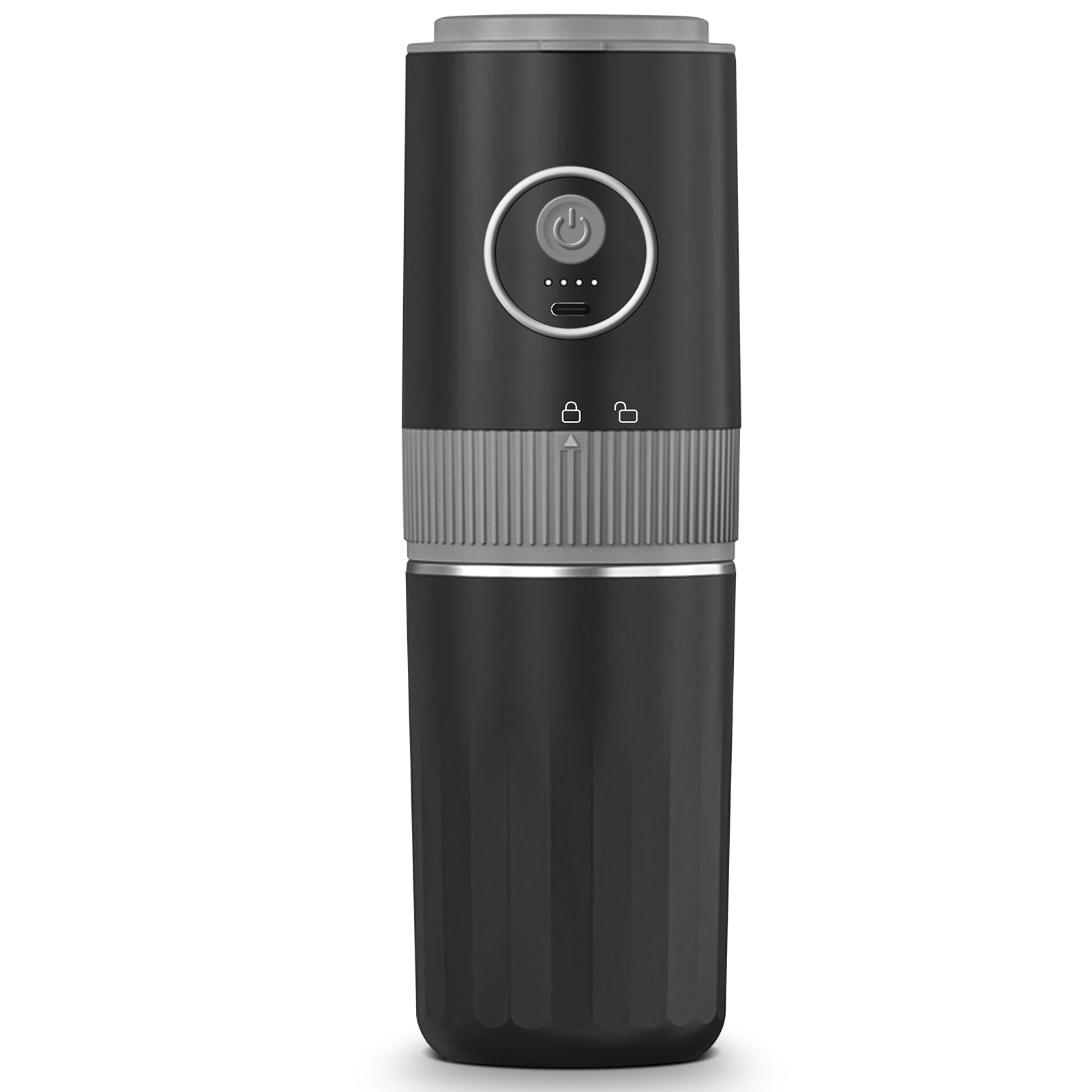 Plum Chef Portable Electric Coffee Grinder And Hand Brew Maker, 4 In 1 Wireless Travel Machine With 1500mAh Battery, Adjustable Burr 320ml Stainless Steel Cup$49.99View on Mallflare
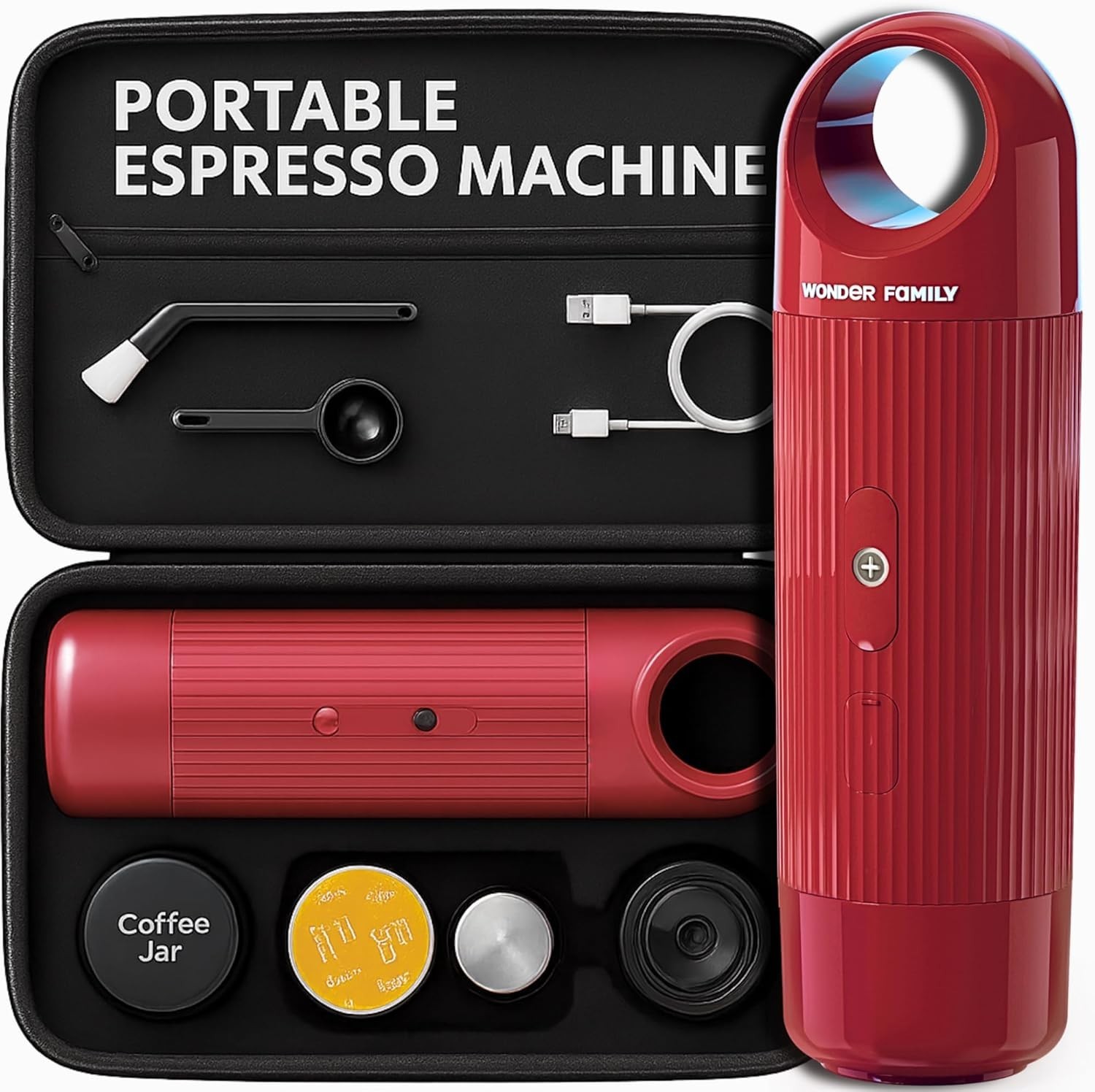 Portable Espresso Machine Travel Coffee Maker for Pods & Grounds Mini 5 Cup Make$34.99View on eBay
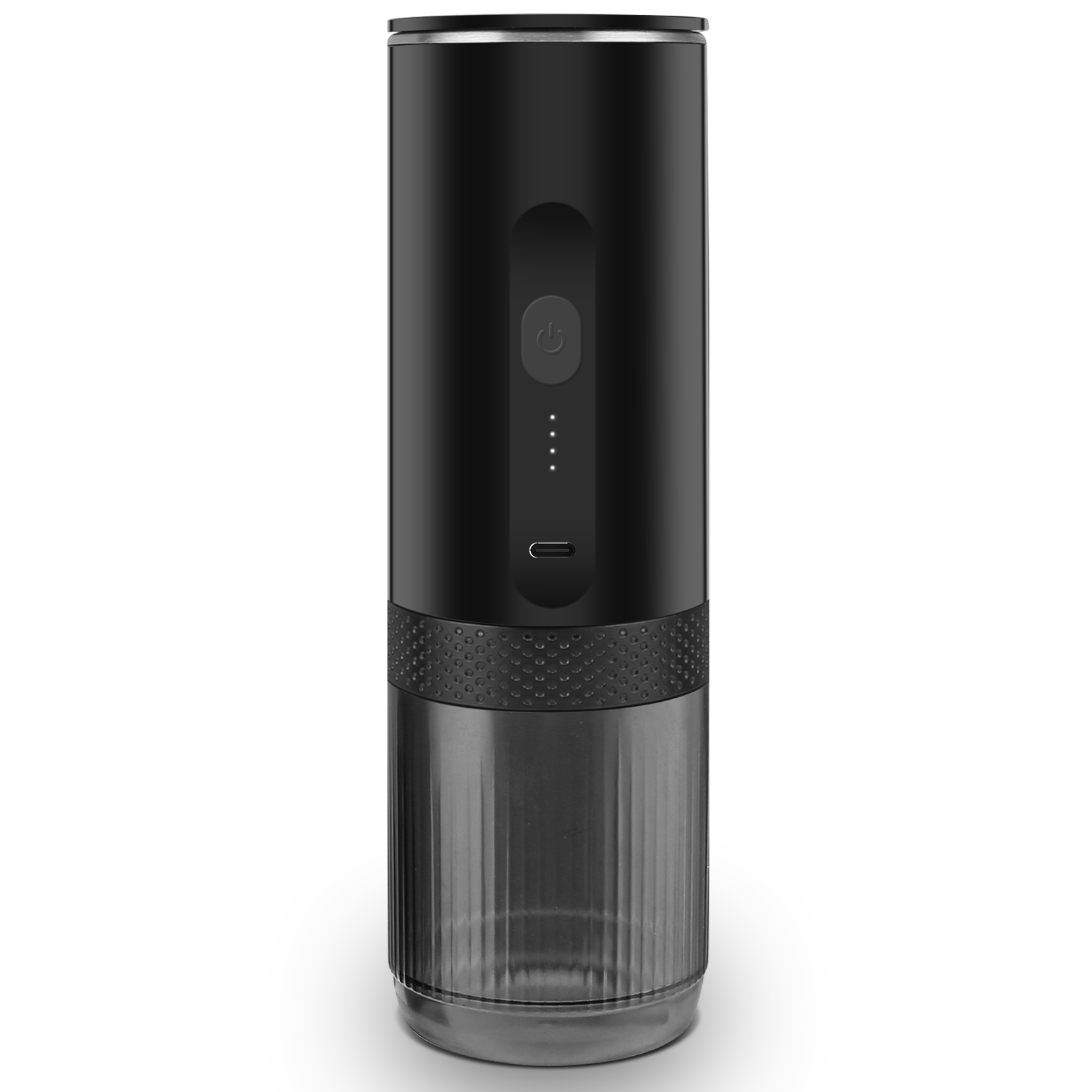 Plum Chef Portable Espresso Machine, 15Bar Pump Pressure Wireless Travel Coffee Maker With Self-Heating, 7500mAh Battery, 2-in-1 For Ground Nespresso Capsules, For Camping Car Home Office$54.99View on Mallflare
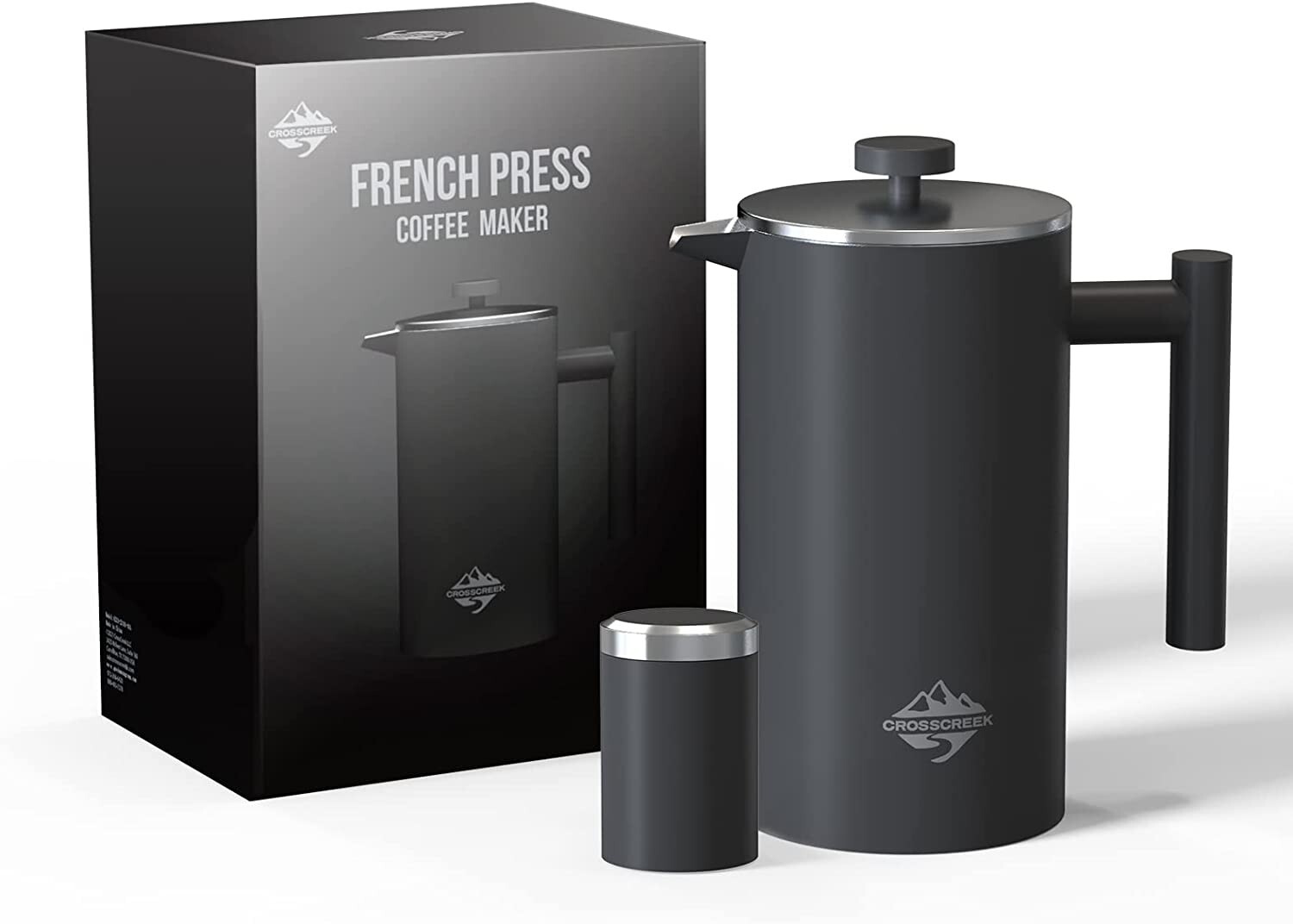 CrossCreek French Press Coffee Maker, 304 Stainless Steel Coffee Press 34oz$39.99View on eBay
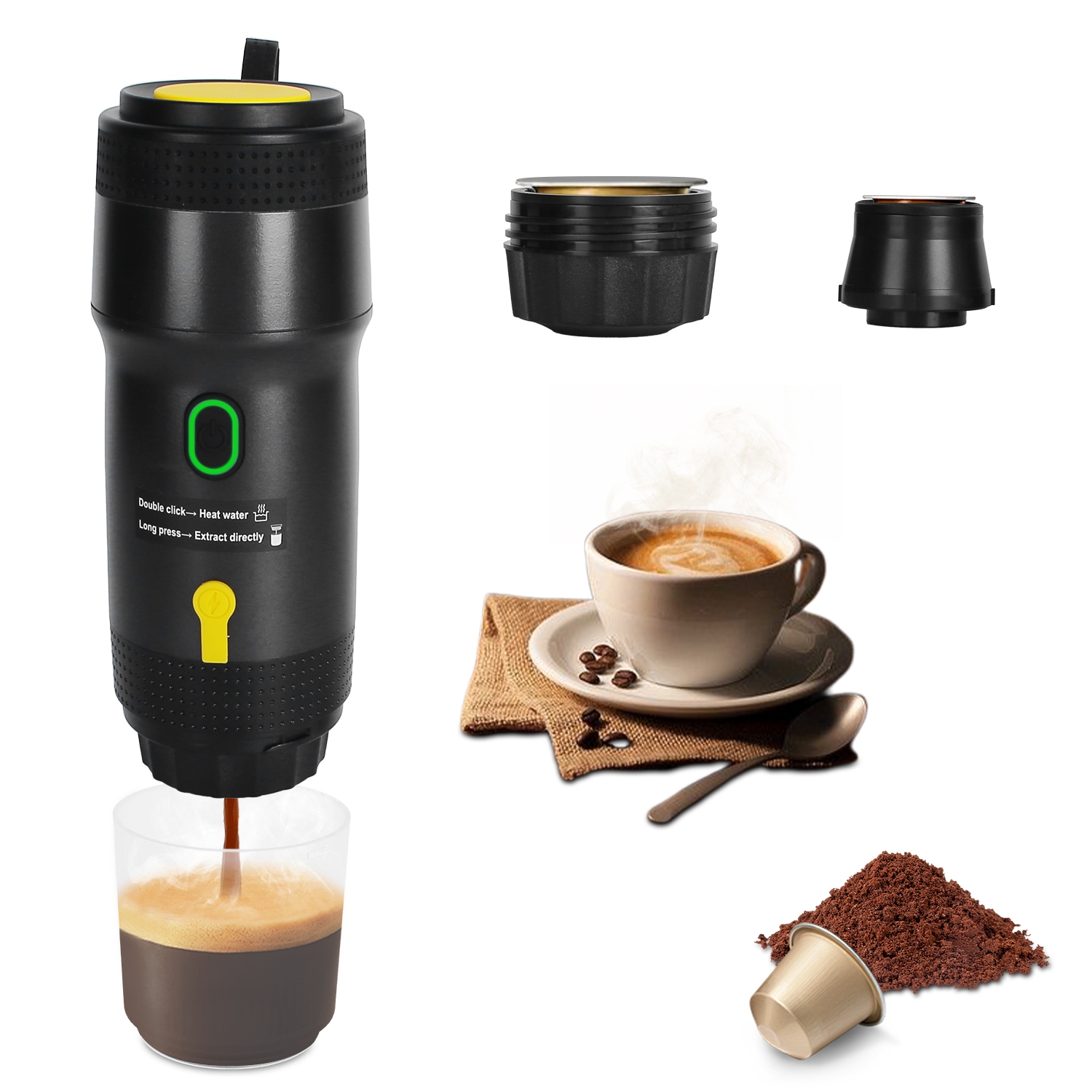 1Pc Portable Electric Espresso Machine Cordless Coffee Maker Self Heating Car With Anti Dry Burn Fit For Ground NS DG Capsules For Car Camping Hiking RV Home Office$55.99View on Mallflare
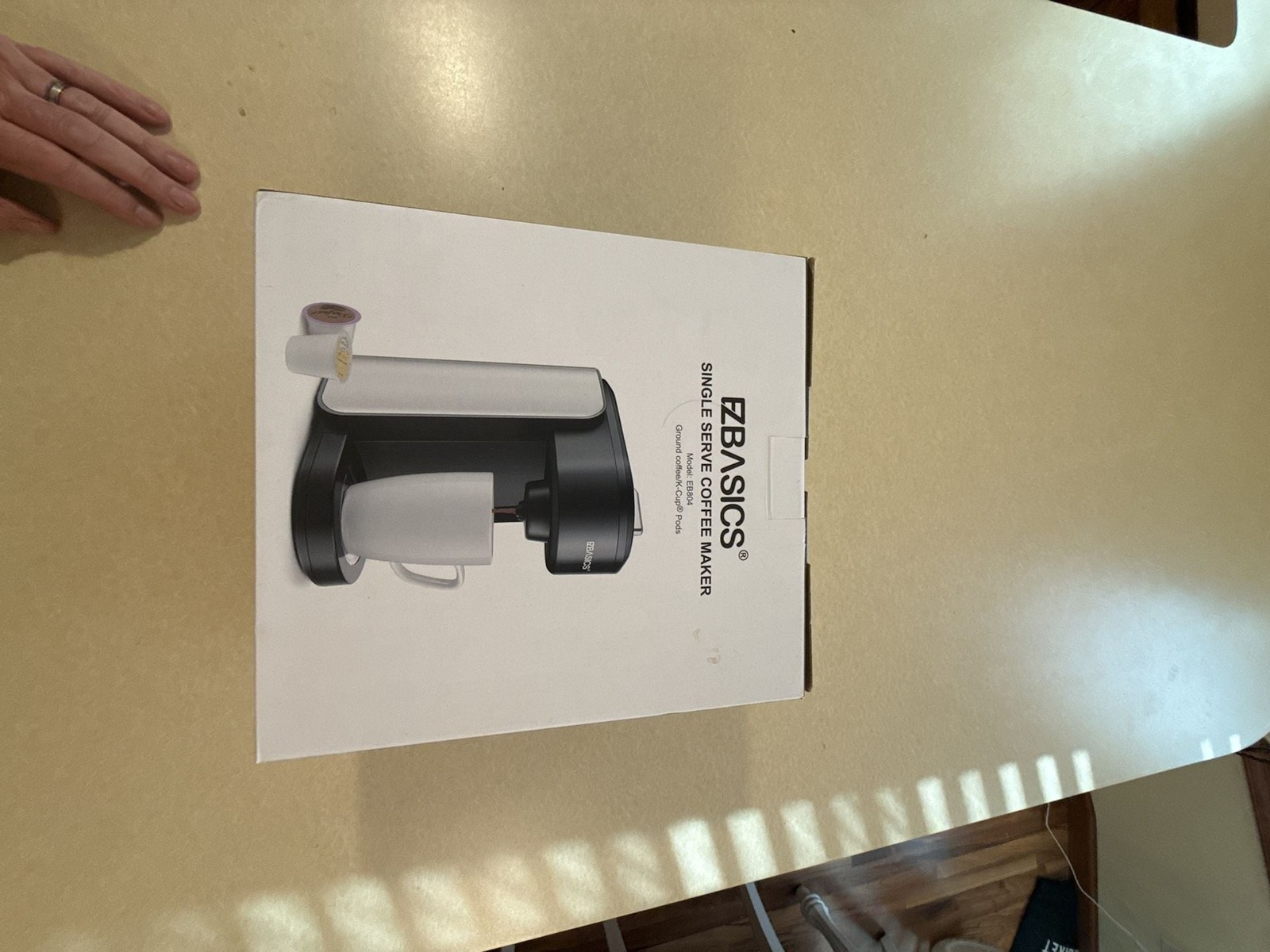 EZBASICS Single Serve Coffee Maker Model EB804 for Ground Coffee and K-Cup Pods$42.00View on eBay
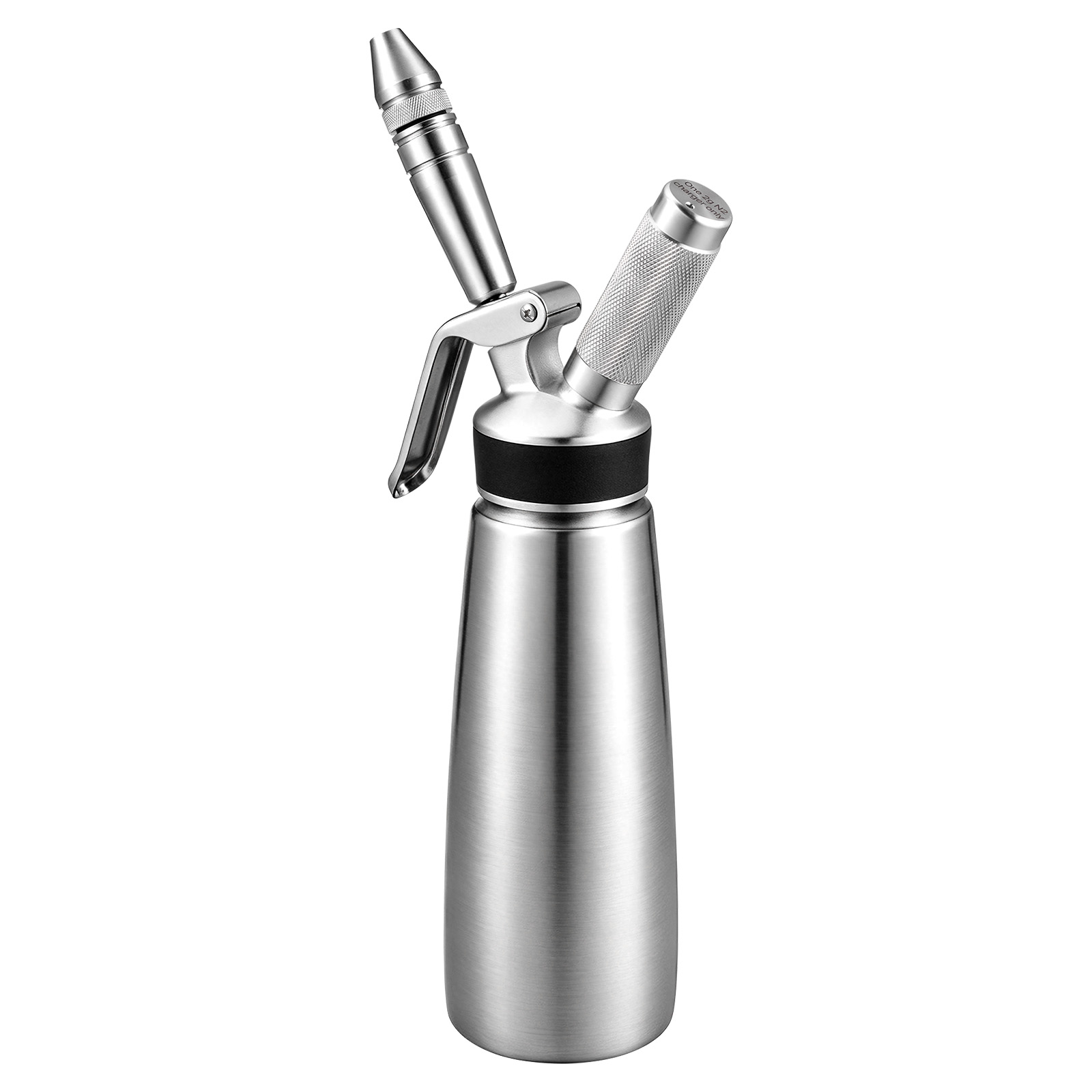 Nitro Cold Brew Coffee Maker 17 Oz Nitrogen Dispenser System, Home Keg, Portable Infuser With And Pressure Relieving Valve, Gift For Lovers$67.99View on Mallflare
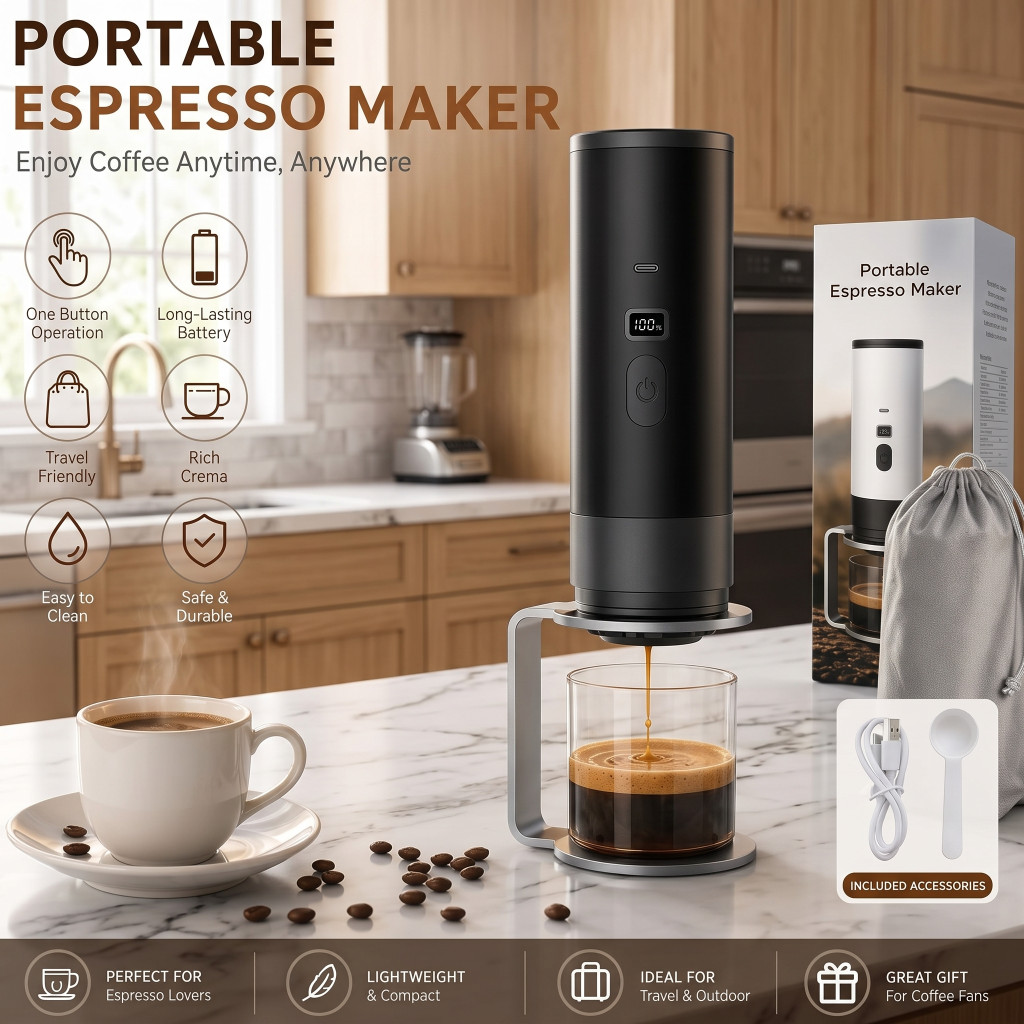 Portable Electric Espresso Maker - 3 in 1 Travel Coffee Machine for Camping US$45.58View on eBay
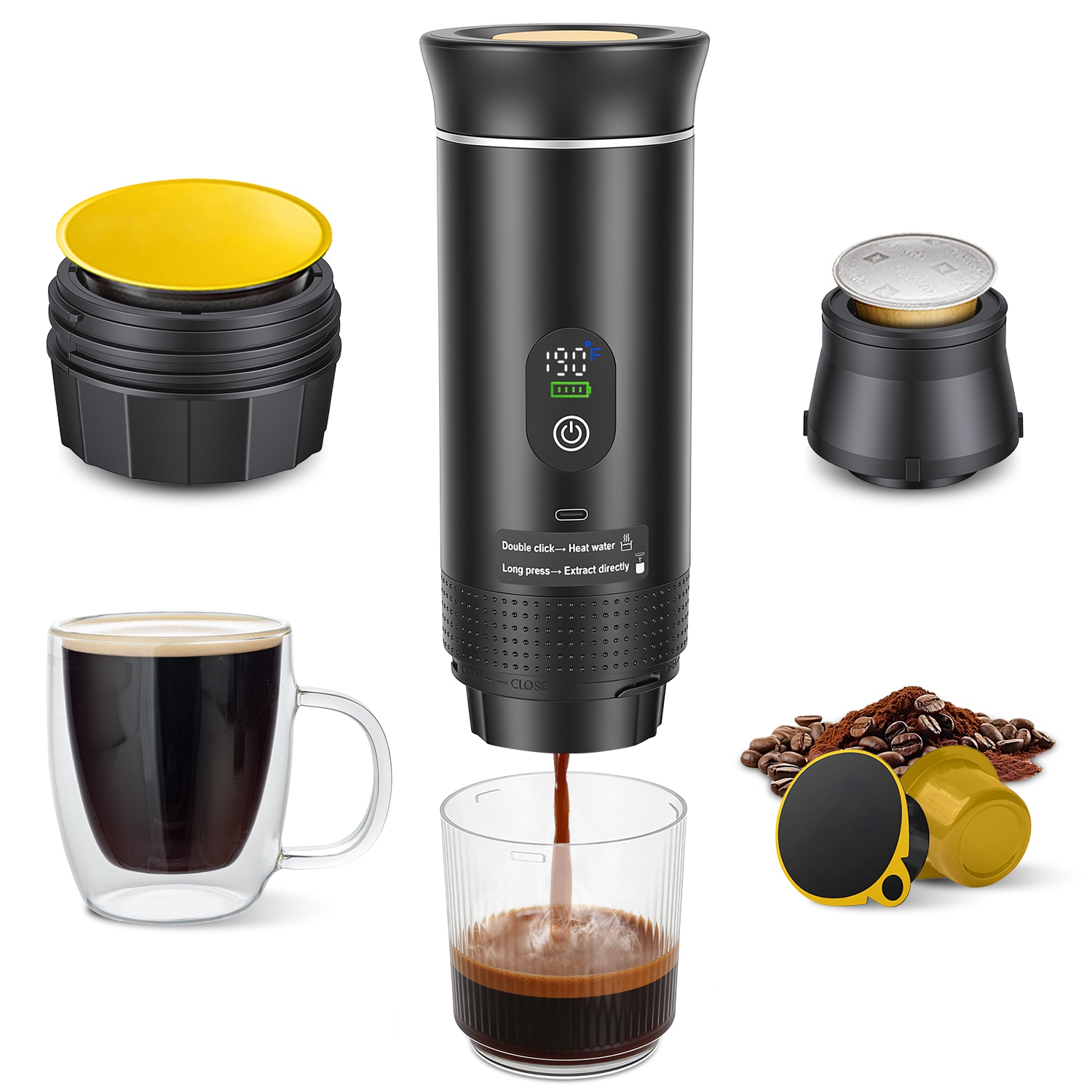 3 In 1 Portable Espresso Machine Cordless Mother Day Self Heating Coffee Maker With 7500mAh Battery 20Bar Pressure Anti Dry Burn Fit For Ground Capsules For Camping Hiking RV Home$73.99View on Mallflare
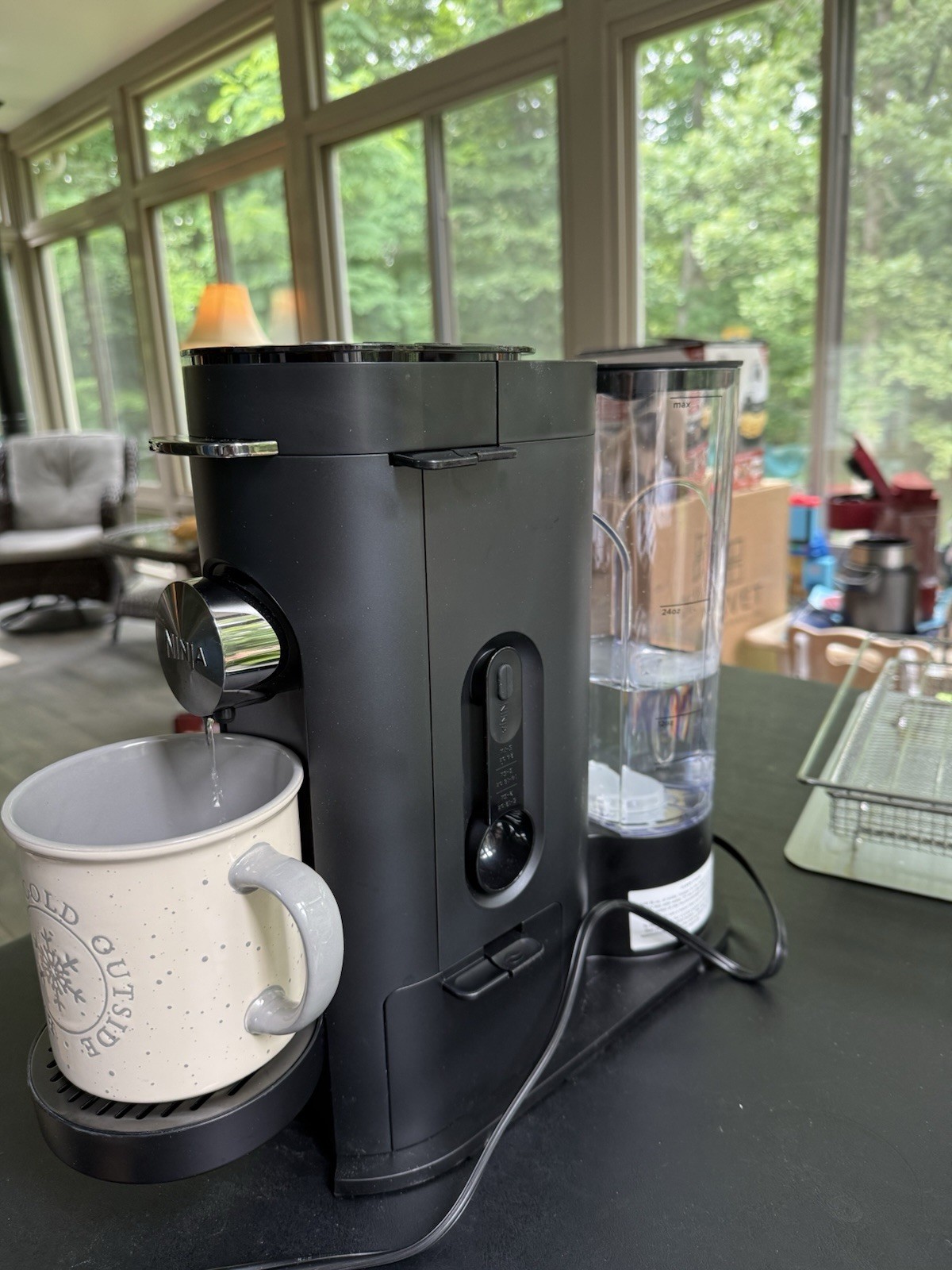 NINJA Pods and Grounds Single Serve Coffee Machine - Color: Black$50.00View on eBay
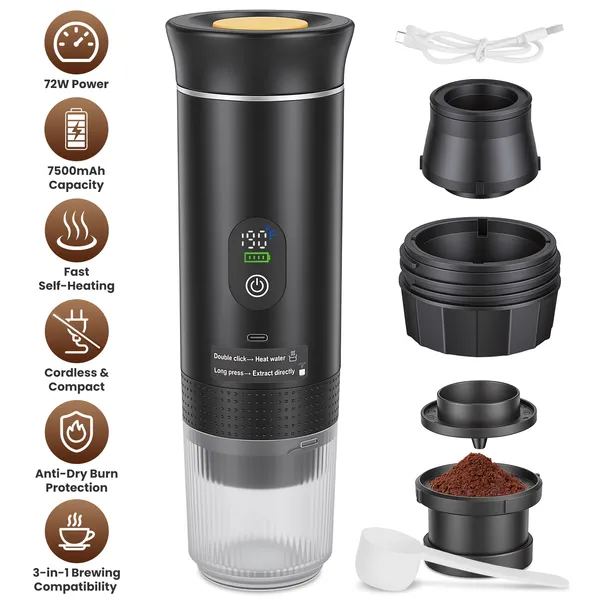 3-in-1 Portable Espresso Machine Cordless Self-Heating Coffee Maker With 7500mAh Battery 20Bar Pressure Anti-Dry Burn Fit For Ground Coffee&NS&DG Capsules For Camping Hiking RV Home Office$89.99View on Mallflare
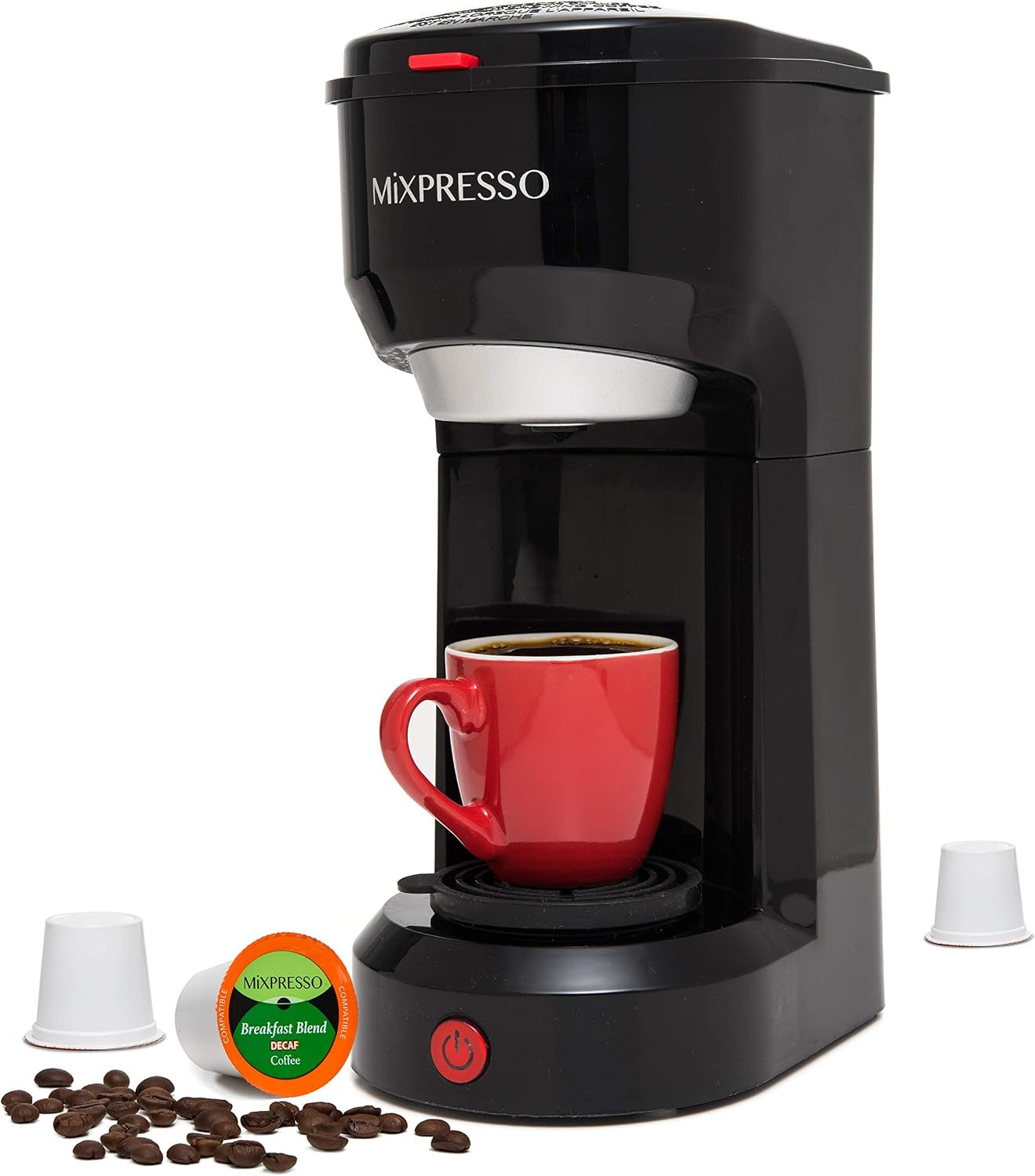 Single Serve K Cup Coffee Maker for Pods and Ground Coffee$53.01View on eBay
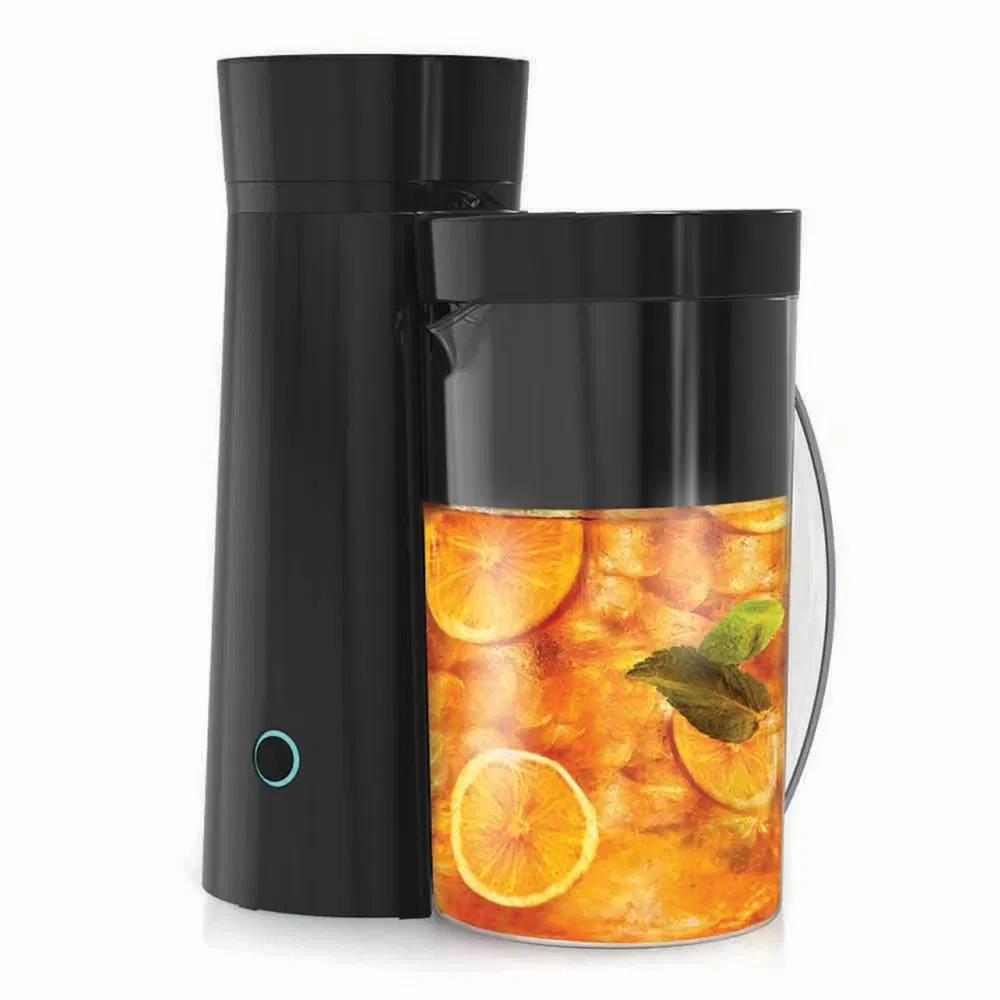 2-Quart Iced Tea and Coffee Maker, 8-Cup$89.99View on Mallflare
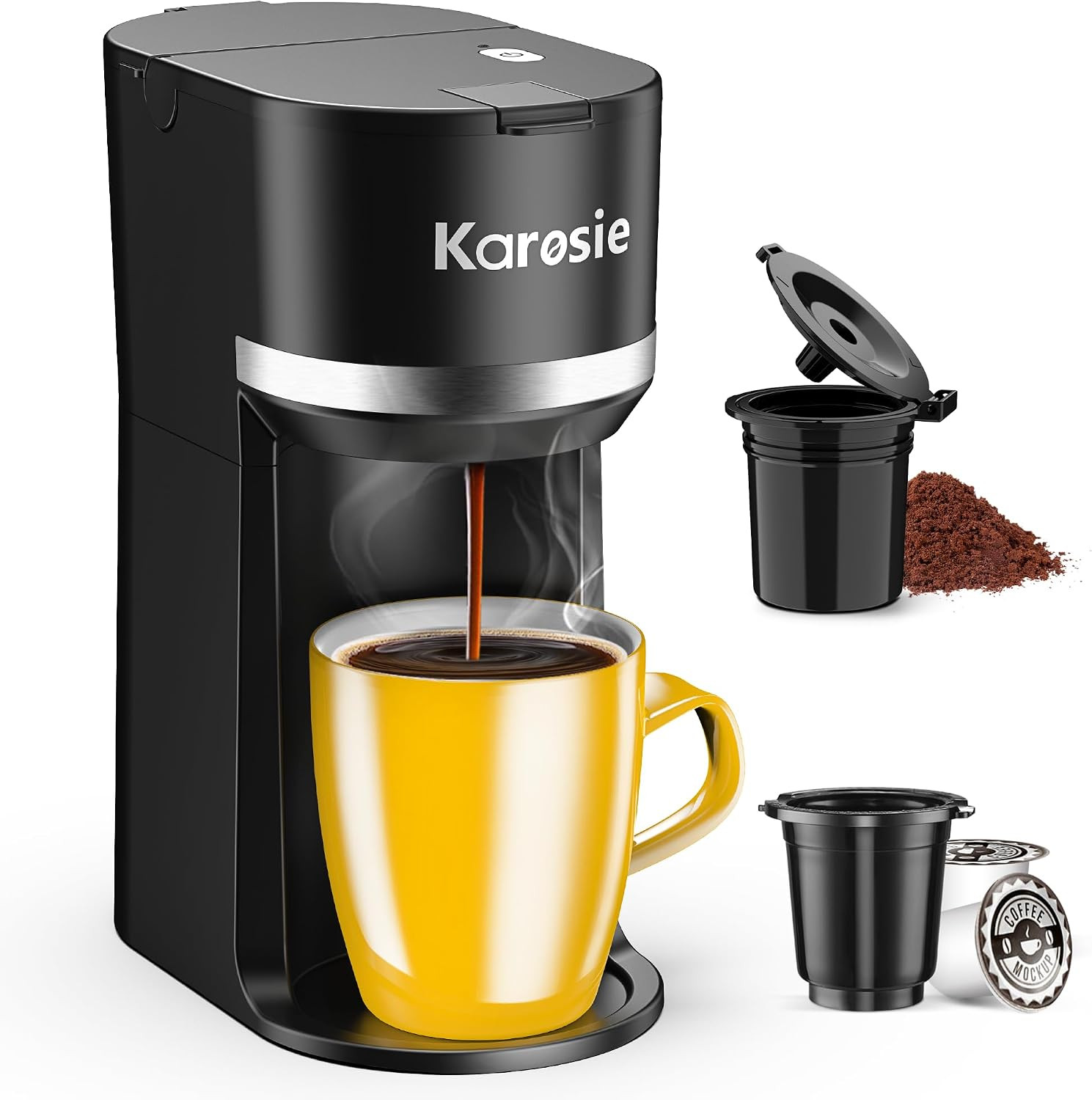 Single Serve Coffee Maker for Coffee Pods and Grounds,Fast Brew,6-12 Oz Brew Siz$61.52View on eBay
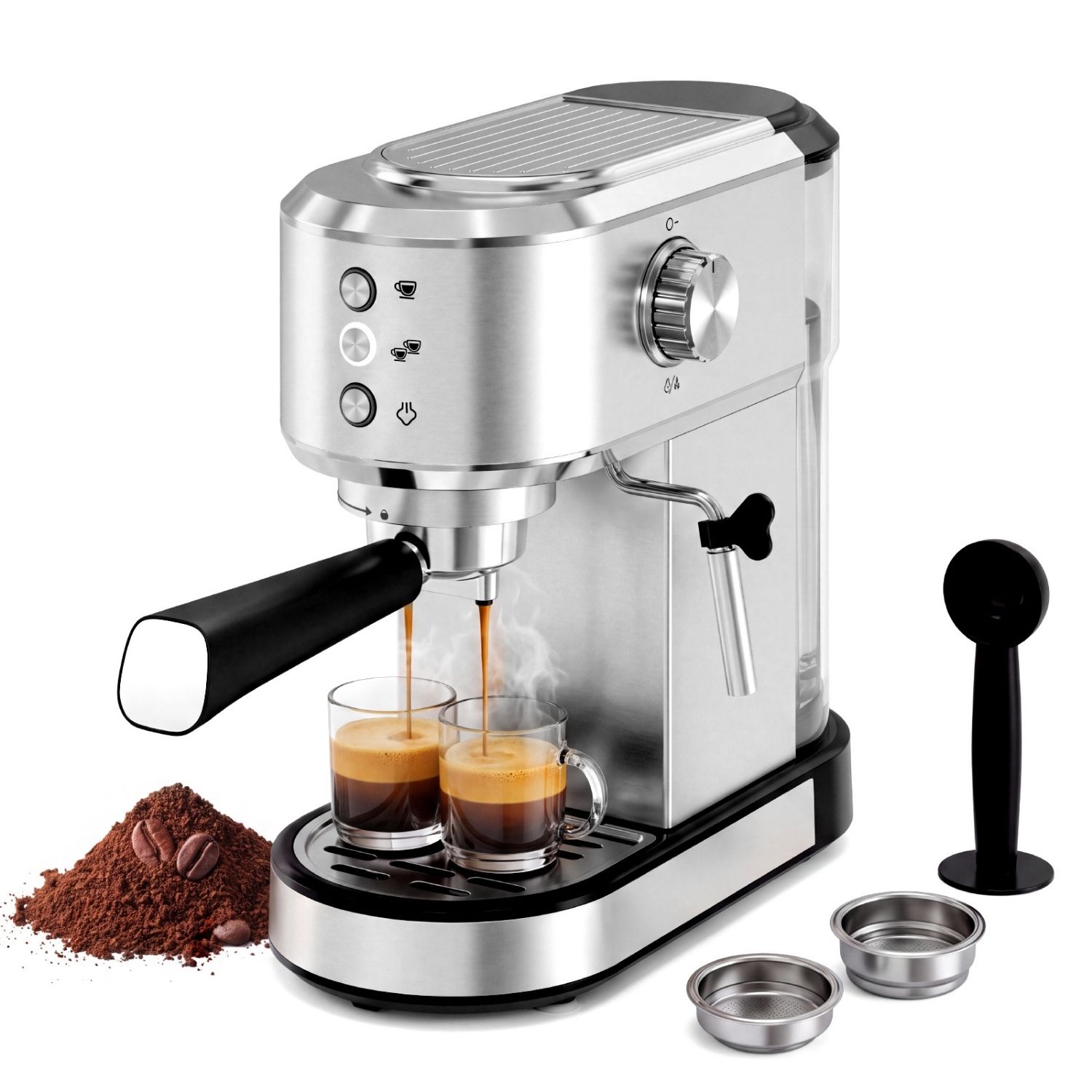 20 Bar Espresso Machine, 1350W Boiler, Steam Wand, Water Tank, Stainless Steel, Compact Coffee Maker For Home Barista$101.99View on Mallflare
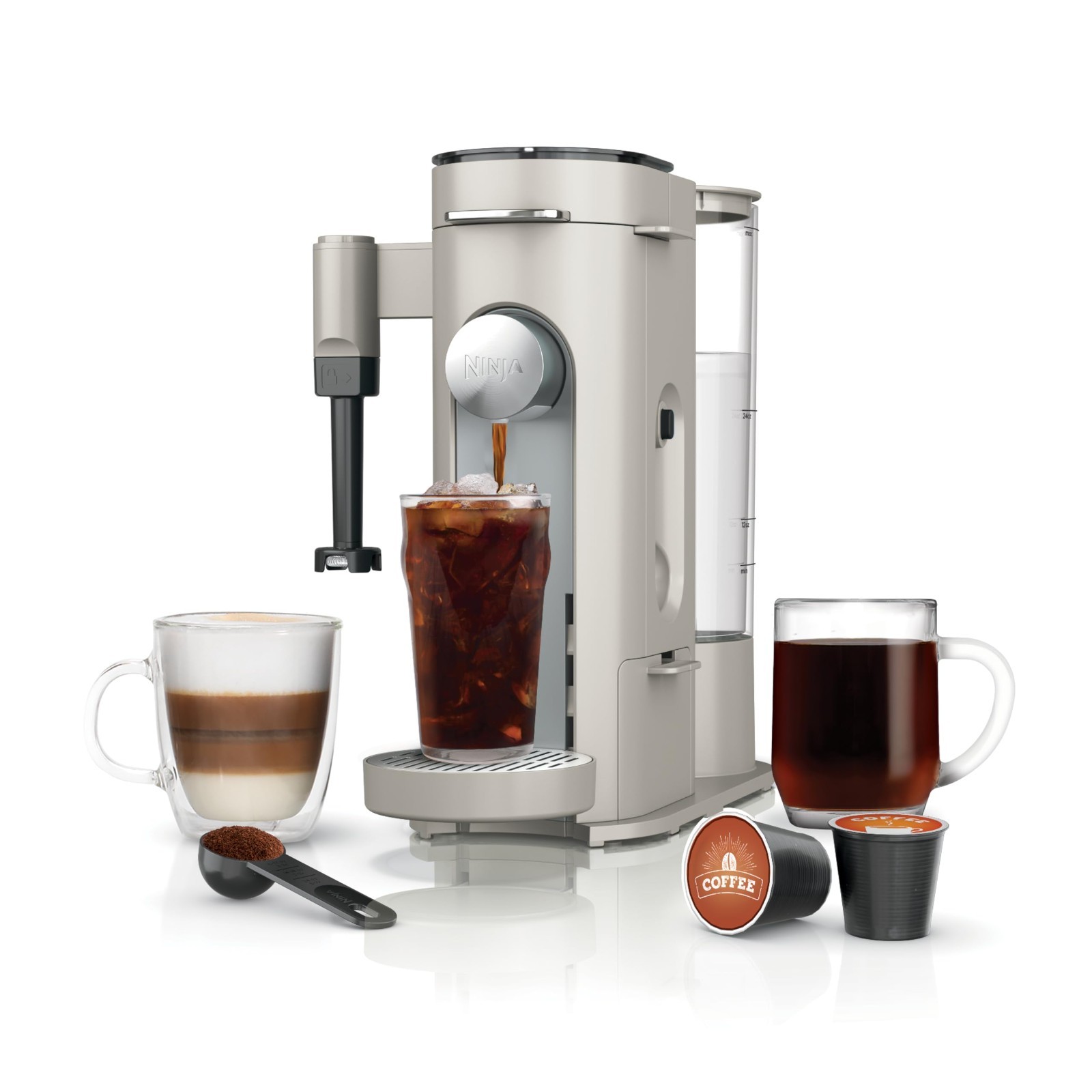 Ninja Pod and Grounds Coffee Maker, K-Cup Compatible, Stone, PB051ST$61.55View on eBay
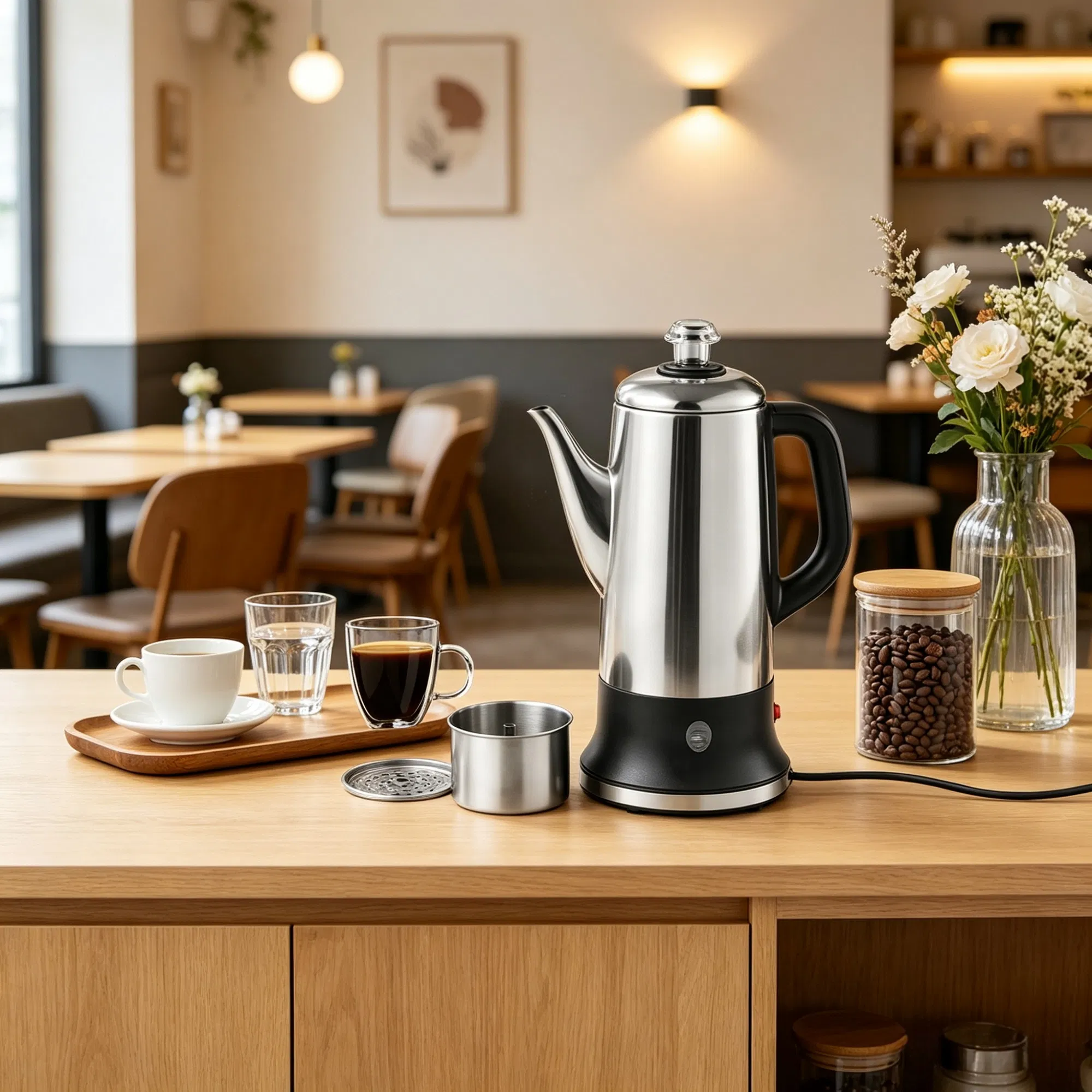 12-Cup Electric Percolator Coffee Pot, Maker with Keep Warm Function & Heat-Resistant Handle, Silver$109.99View on Mallflare
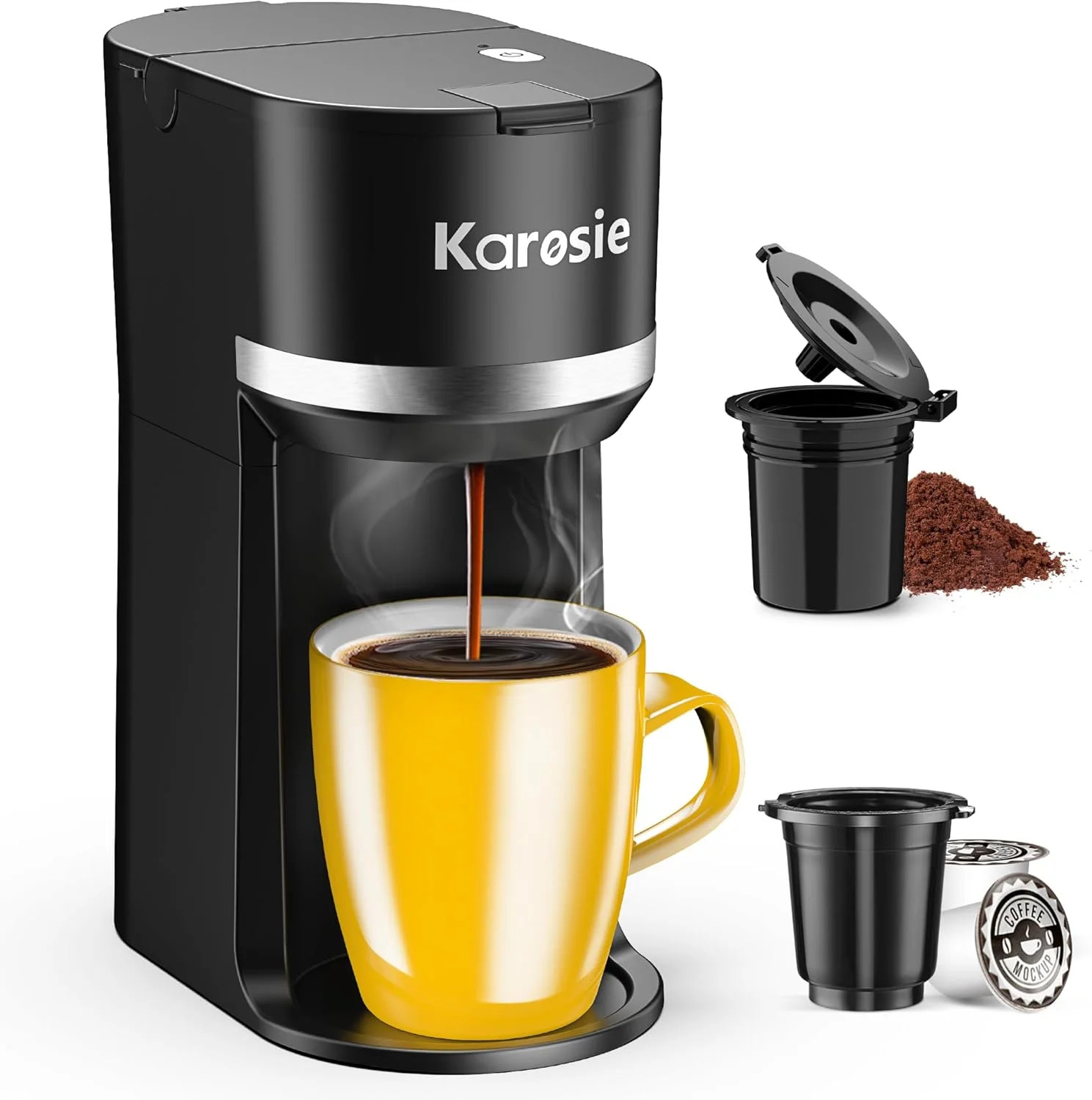 Single Serve Coffee Maker for Coffee Pods and Grounds,Fast Brew,6-12 oz Brew Siz$65.99View on eBay
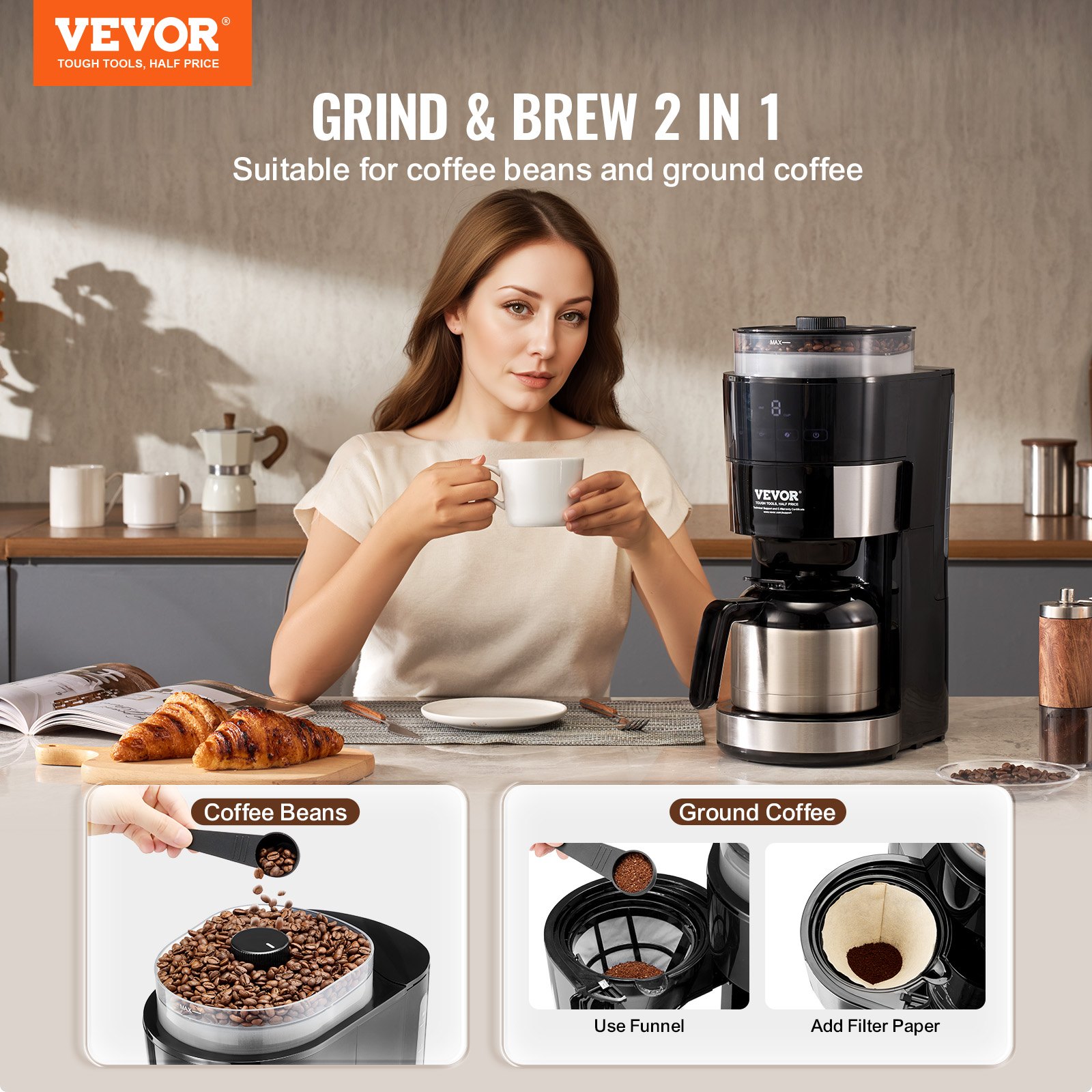 VEVOR 8-Cup Coffee Maker Drip Machine With 3 Brew Strength Control$119.99View on Mallflare
Highlights
- Espresso extraction is defined by pump pressure: 15-bar pumps are the standard for true espresso, while 3-5 bar portable units approximate crema via pressure valve rather than full extraction.
- Drip brewers are rated by cup capacity and keep-warm time—8-12 cup carafes with 2-4 hour warming plates suit offices, while 4-hour shutoff is a safety baseline.
- Portable espresso makers split into self-heating battery units (1500-7500mAh) and manual pump models requiring pre-boiled water—battery units add weight but remove kettle dependency.
- Build material drives longevity: stainless-steel boilers and metal portafilters resist scale and thermal cycling, while plastic housings and aluminum thermoblocks are lighter but degrade faster under daily use.
Best use cases
- Office or shared kitchen with 5+ daily drinkers: choose a 12-cup programmable drip brewer with keep-warm and brew-strength control; skip single-serve pods that bottleneck at one cup per cycle.
- Home espresso drinker making 1-2 milk drinks daily: pick a 15-bar pump machine with steam wand and 58mm portafilter; skip 3-in-1 portable units that cannot sustain back-to-back shots.
- Camper, RV, or frequent traveler: choose a self-heating battery portable espresso maker (1500mAh+ for multiple shots) or a manual pump unit; skip glass-carafe drip machines prone to breakage.
- Pod-loyalist who occasionally uses grounds: select a dual-compatibility single-serve machine accepting both pods and ground coffee; skip capsule-only units if you want grind flexibility.
Buying tips
- Match carafe capacity to headcount: allow 6 oz per cup; an 8-cup brewer serves 3-4 office drinkers, a 12-cup serves 6+ without refill cycles.
- For espresso, confirm a 58mm portafilter and 15-bar pump—smaller 51mm baskets limit dose and are harder to source accessories for.
- Portable units with 7500mAh batteries sustain roughly 2-3 self-heated shots per charge; 1500mAh models suit single-shot use or manual-pump backup.
- Choose stainless-steel or metal-lined boilers over aluminum thermoblocks for daily use—aluminum scales faster and imparts taste at high volume.
Specs
| Machine Type | Drip / Pod / Espresso / Portable |
|---|---|
| Pump Pressure | 3-5 bar portable / 15 bar espresso |
| Brew Capacity | 1-2 cups single / 8-12 cups drip |
| Build Material | Stainless steel vs plastic/aluminum |
Related searches
What to check before buying
- Measure counter depth and overhead clearance: drip brewers with carafe need 14-16 inches height clearance for lid removal and filling.
- Confirm electrical standard: US units require 120V grounded outlets; espresso machines with steam wands draw 1000-1500W and should not share a circuit with other high-draw appliances.
- Check water hardness: machines without removable tanks or descaling access need soft water or a cartridge filter to avoid boiler scale.
- For portable battery espresso makers, verify capsule compatibility (Nespresso original, DG, or ground) and whether self-heating requires a minimum water volume to avoid dry-burn shutoff.
FAQ
Data sources: eBay / Amazon listings and product attribute feeds. Updated Nov 27, 2026.
Some links on this page are affiliate links. If you buy after clicking one, we may earn a commission at no extra cost to you. This does not change which products appear here or their order. Affiliate disclosure.