
Photos from current listings. Actual item, color, and included accessories may vary.
Coffee Machine With Frother Buying Guide
A coffee machine with frother combines brewing and milk-texturizing in one unit, ranging from manual steam wands to automatic milk carafes. The core trade-off is frother automation versus steam power and cleanability: thermoblock steam wands deliver dry, powerful steam for microfoam but demand technique, while automatic carafes trade peak steam quality for push-button convenience and extra parts. Choose a steam-wand machine if you want latte-art control and durability; choose an automatic carafe only if repeatable one-touch milk drinks outweigh cleaning complexity.
Median $116.95 · Pre-owned listings
Key takeaways
- Frother types split into three architectures: panarello/steam wand (manual, technique-dependent), automatic milk carafe (one-touch, removable and dishwasher-safe), and integrated electric whisk frother (separate jug, no espresso steam).
- Steam power is governed by thermoblock wattage and boiler design: single thermoblock machines typically deliver 1000-1350W steam with recovery pauses, while dual-boiler or heat-exchange designs sustain continuous steam without brew-temperature drop.
- Portable espresso makers with frothing capability rely on 15-20 bar vibratory pumps and 7500mAh-class batteries with self-heating; they produce espresso but froth via separate whisk or limited steam, so milk texture is inferior to countertop steam wands.
At a glance
- Category
- Coffee Makers & Espresso
- Last updated
- Nov 27, 2026
Current offers
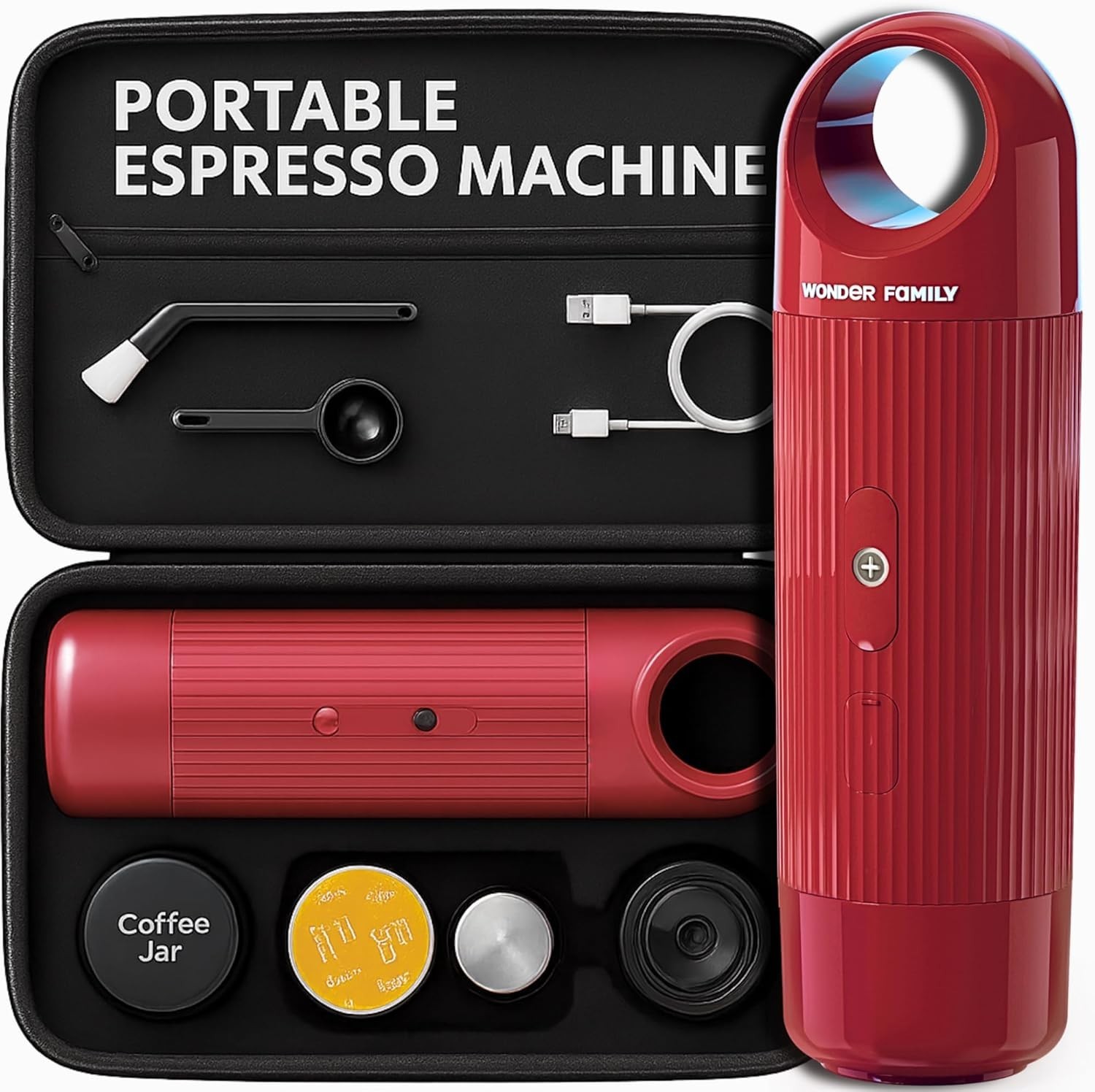 Portable Espresso Machine Travel Coffee Maker for Pods & Grounds Mini 5 Cup Make$34.99View on eBay
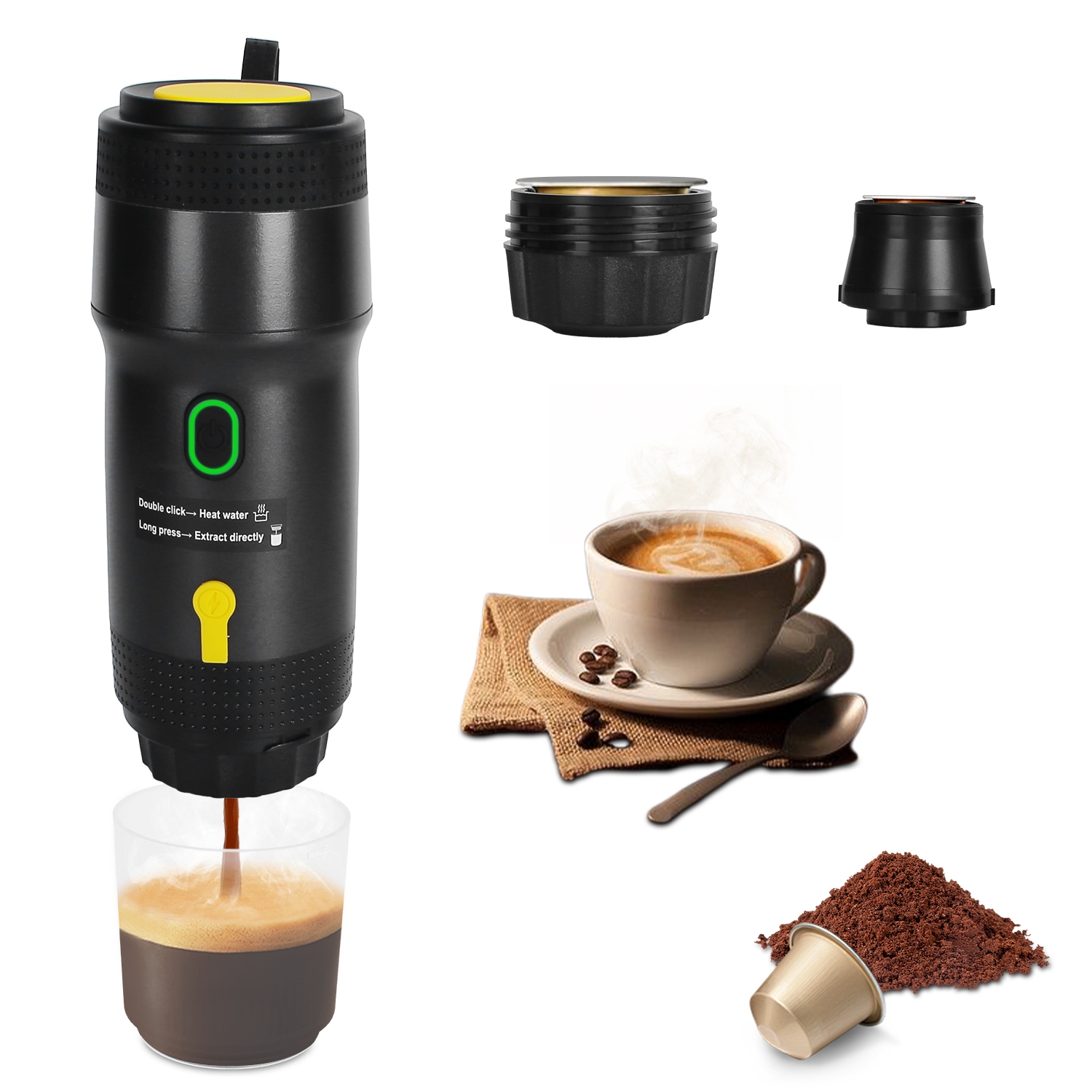 1Pc Portable Electric Espresso Machine Cordless Coffee Maker Self Heating Car With Anti Dry Burn Fit For Ground NS DG Capsules For Car Camping Hiking RV Home Office$55.99View on Mallflare
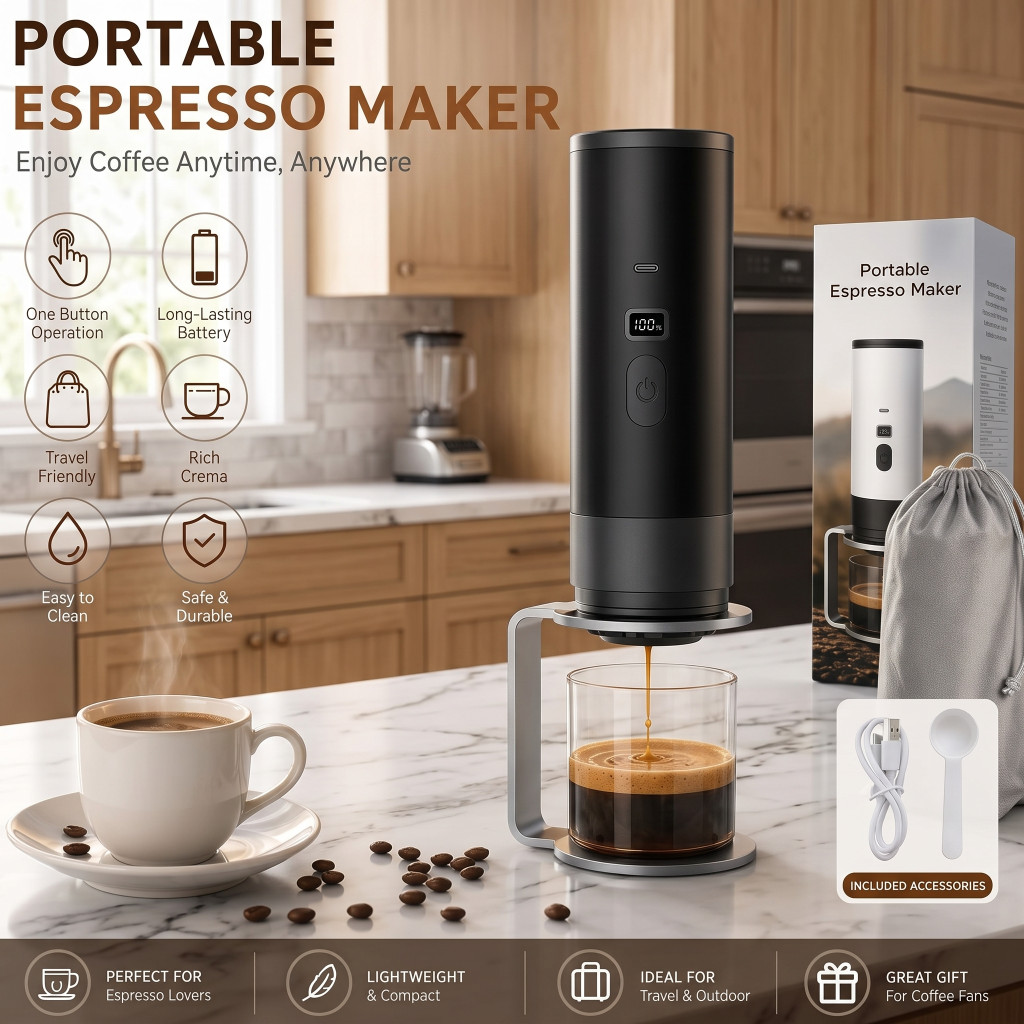 Portable Electric Espresso Maker - 3 in 1 Travel Coffee Machine for Camping US$45.58View on eBay
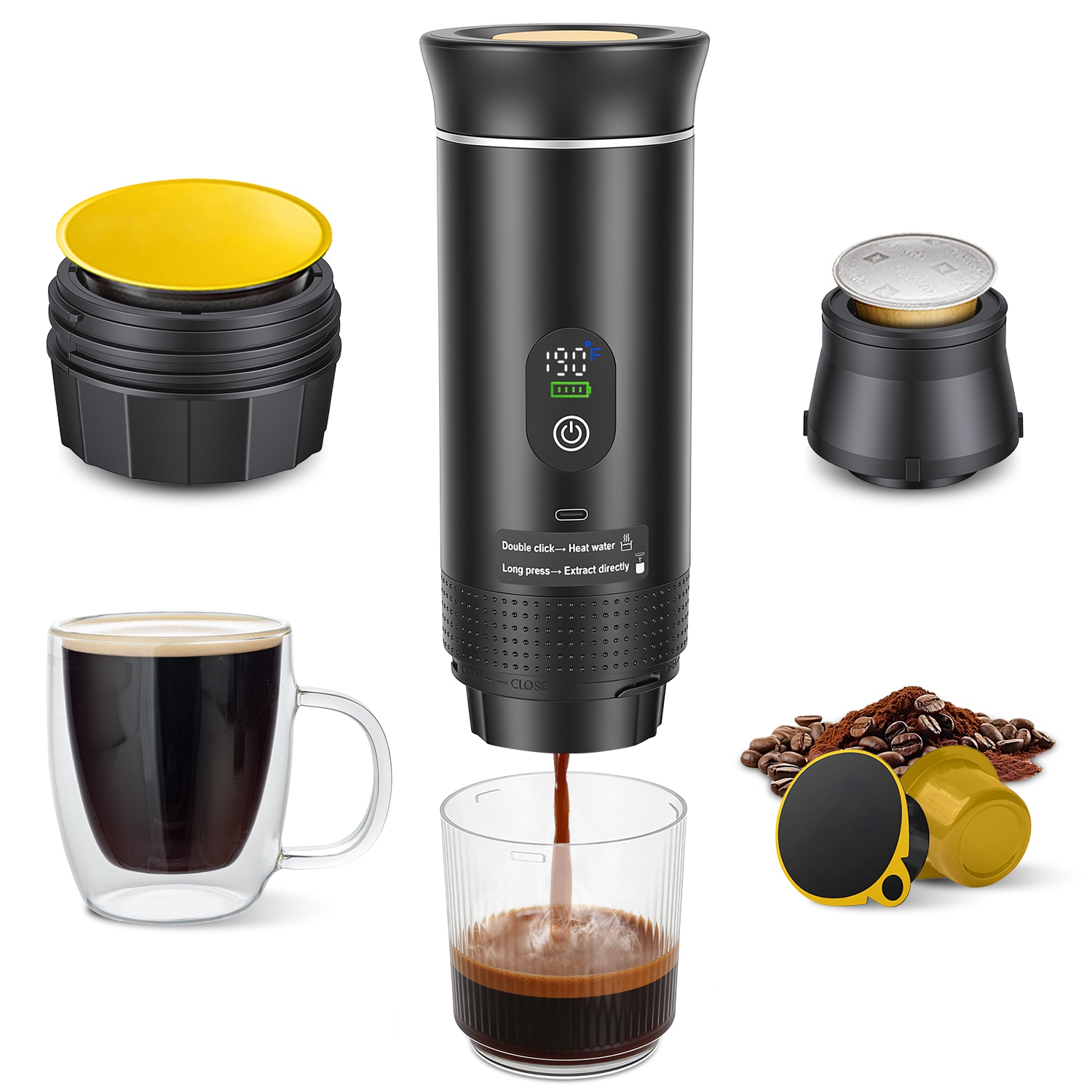 3 In 1 Portable Espresso Machine Cordless Mother Day Self Heating Coffee Maker With 7500mAh Battery 20Bar Pressure Anti Dry Burn Fit For Ground Capsules For Camping Hiking RV Home$73.99View on Mallflare
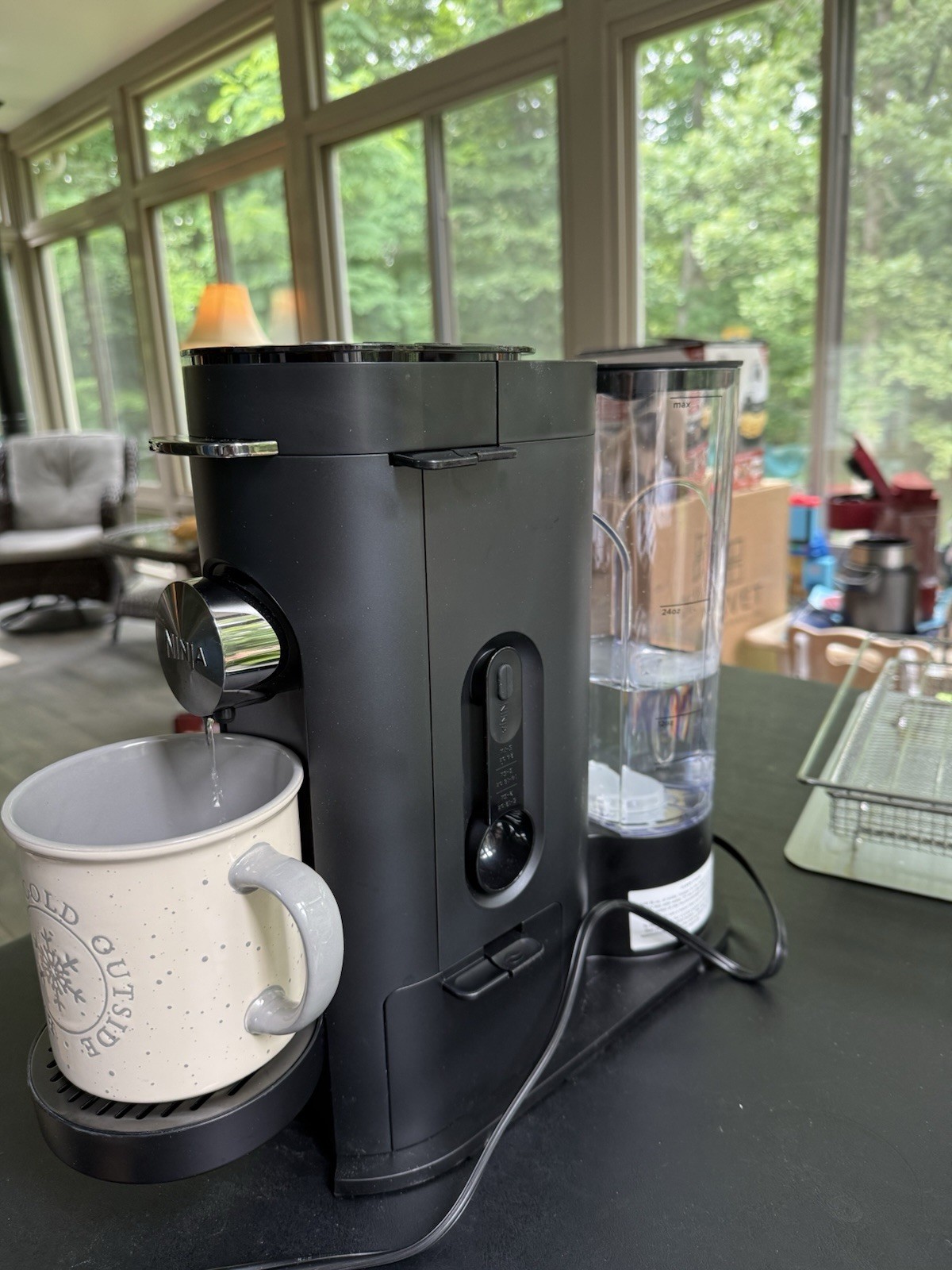 NINJA Pods and Grounds Single Serve Coffee Machine - Color: Black$50.00View on eBay
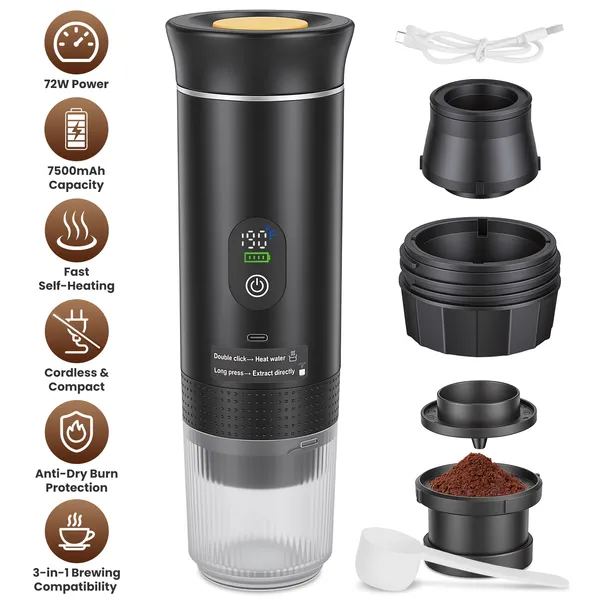 3-in-1 Portable Espresso Machine Cordless Self-Heating Coffee Maker With 7500mAh Battery 20Bar Pressure Anti-Dry Burn Fit For Ground Coffee&NS&DG Capsules For Camping Hiking RV Home Office$89.99View on Mallflare
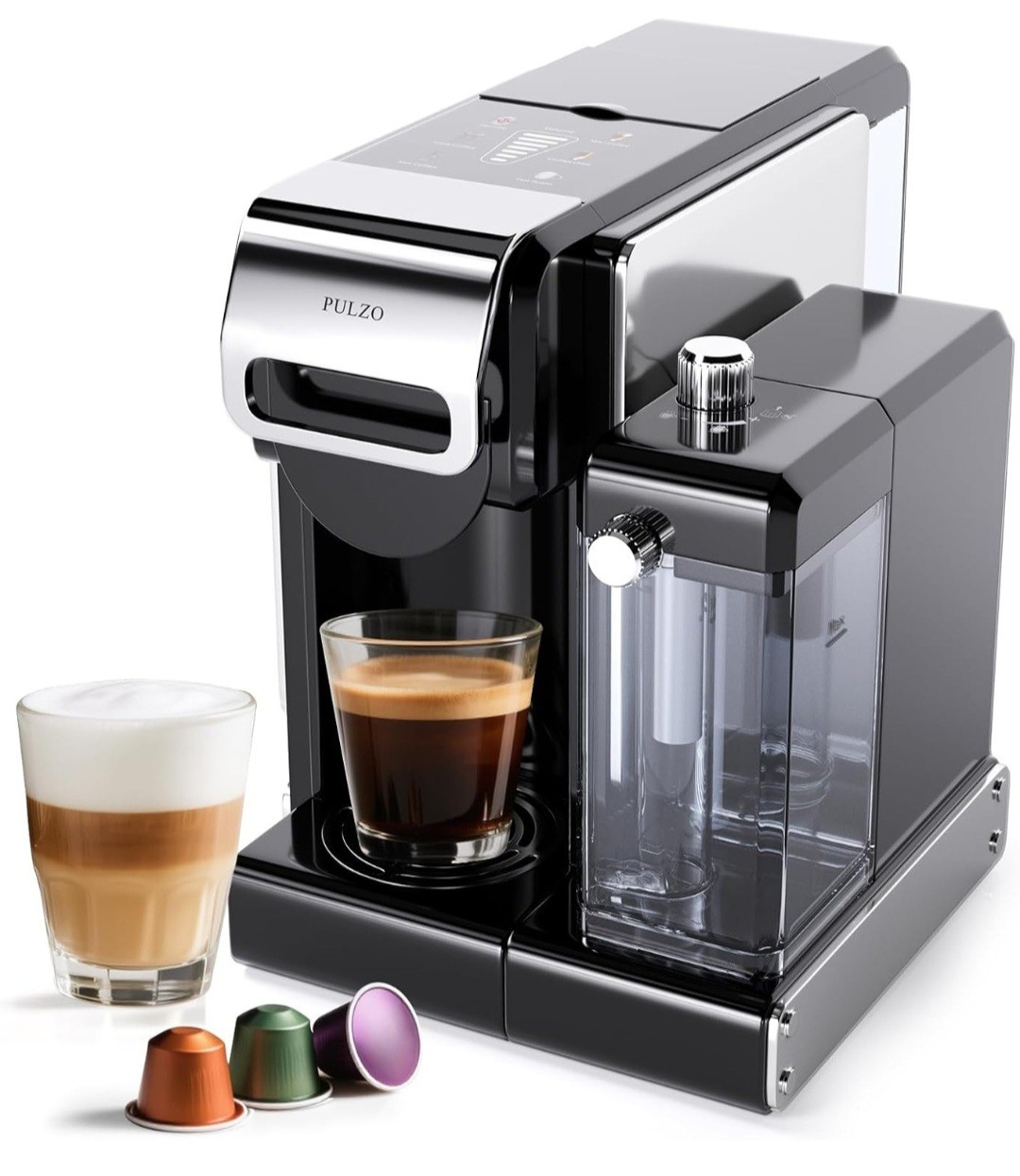 PULZO Espresso Machine Automatic Milk Frother Capsule Coffee Maker Latte Cappucc$113.90View on eBay
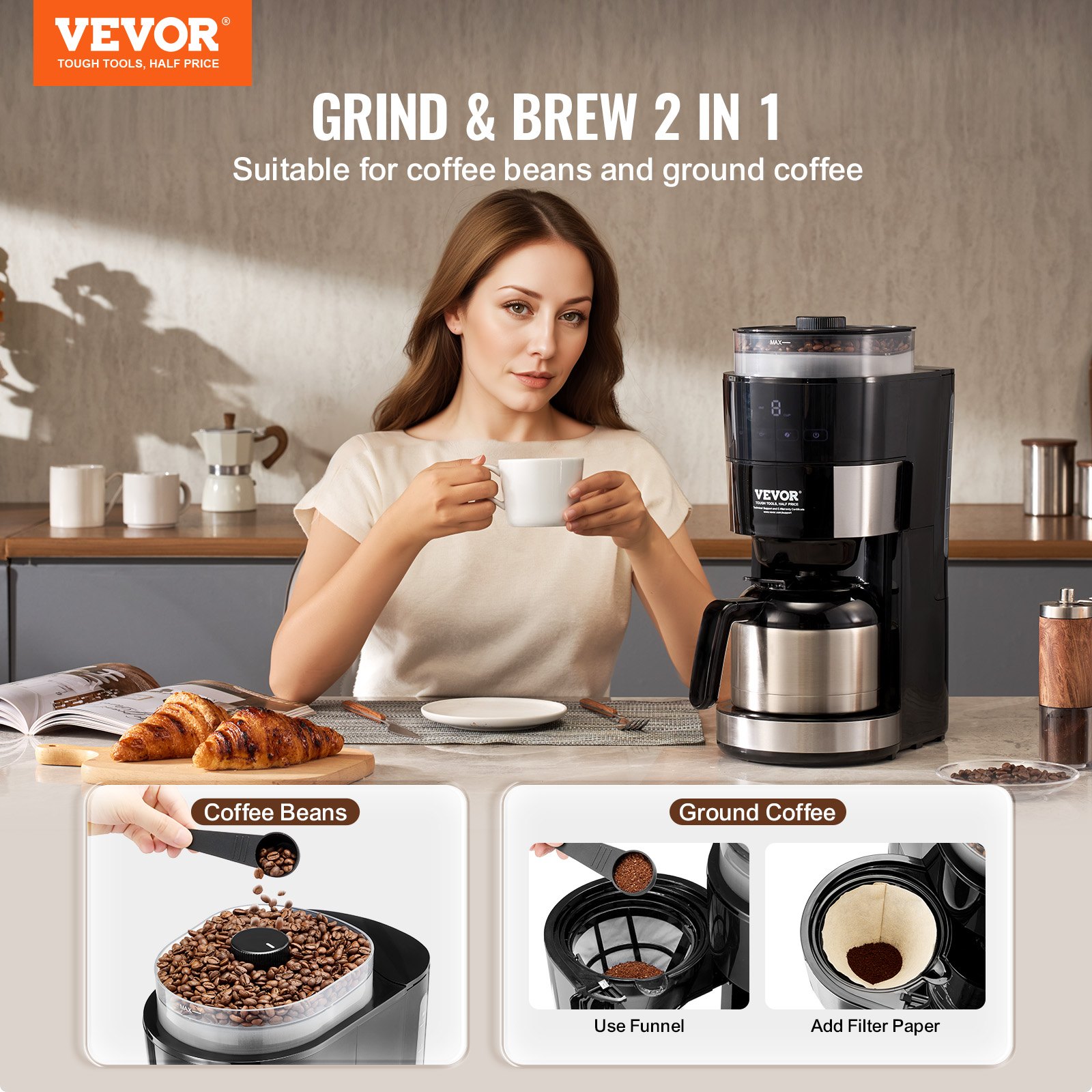 VEVOR 8-Cup Coffee Maker Drip Machine With 3 Brew Strength Control$119.99View on Mallflare
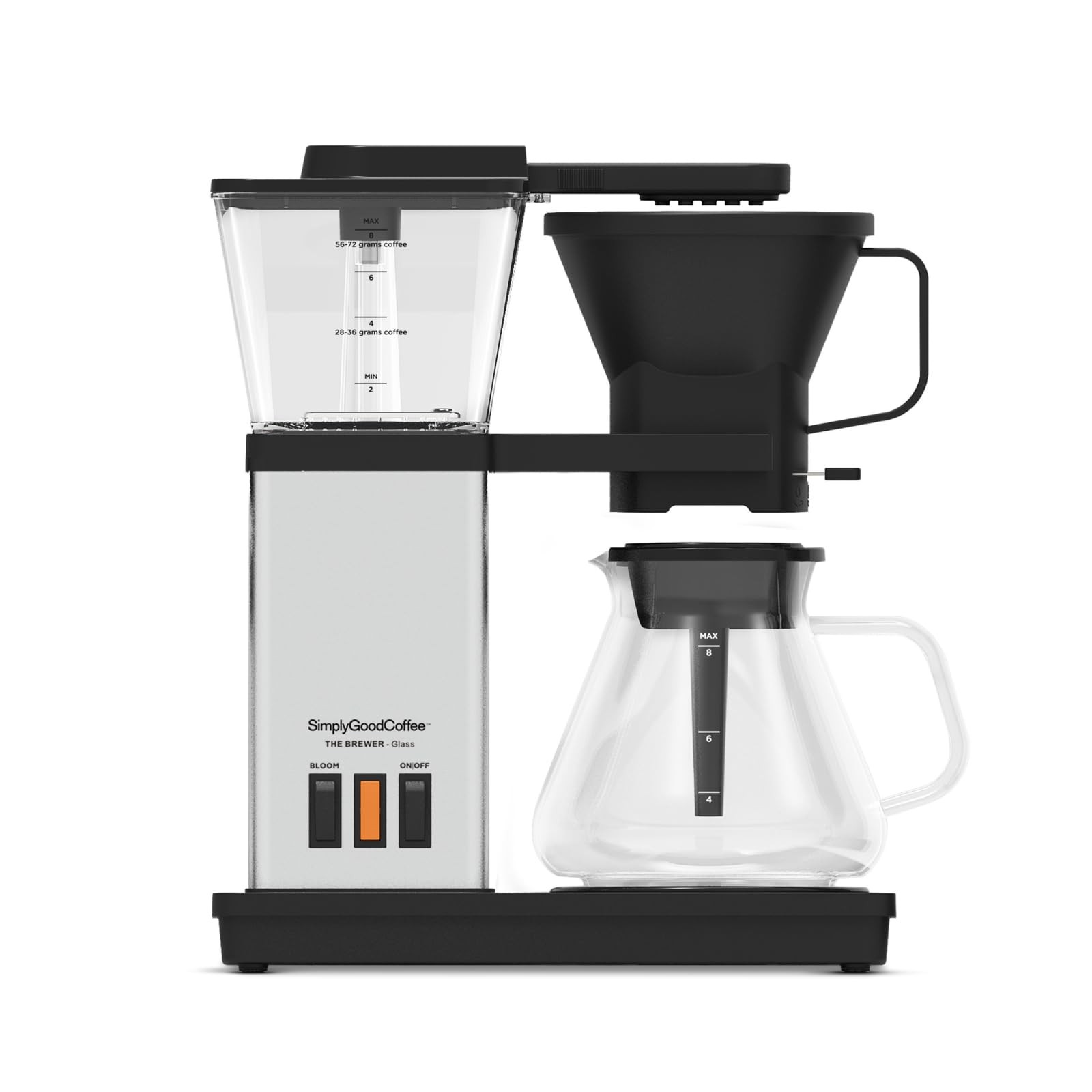 SimplyGoodCoffee Coffee Maker/Coffee Machine. 8 Cup Automatic Drip Pour Over by$199.99View on eBay
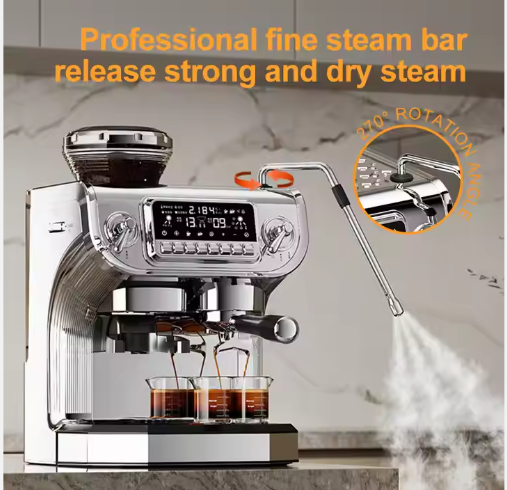 Cappuccino Express Espresso Coffee Machine With Steam Wand$600.99View on Mallflare
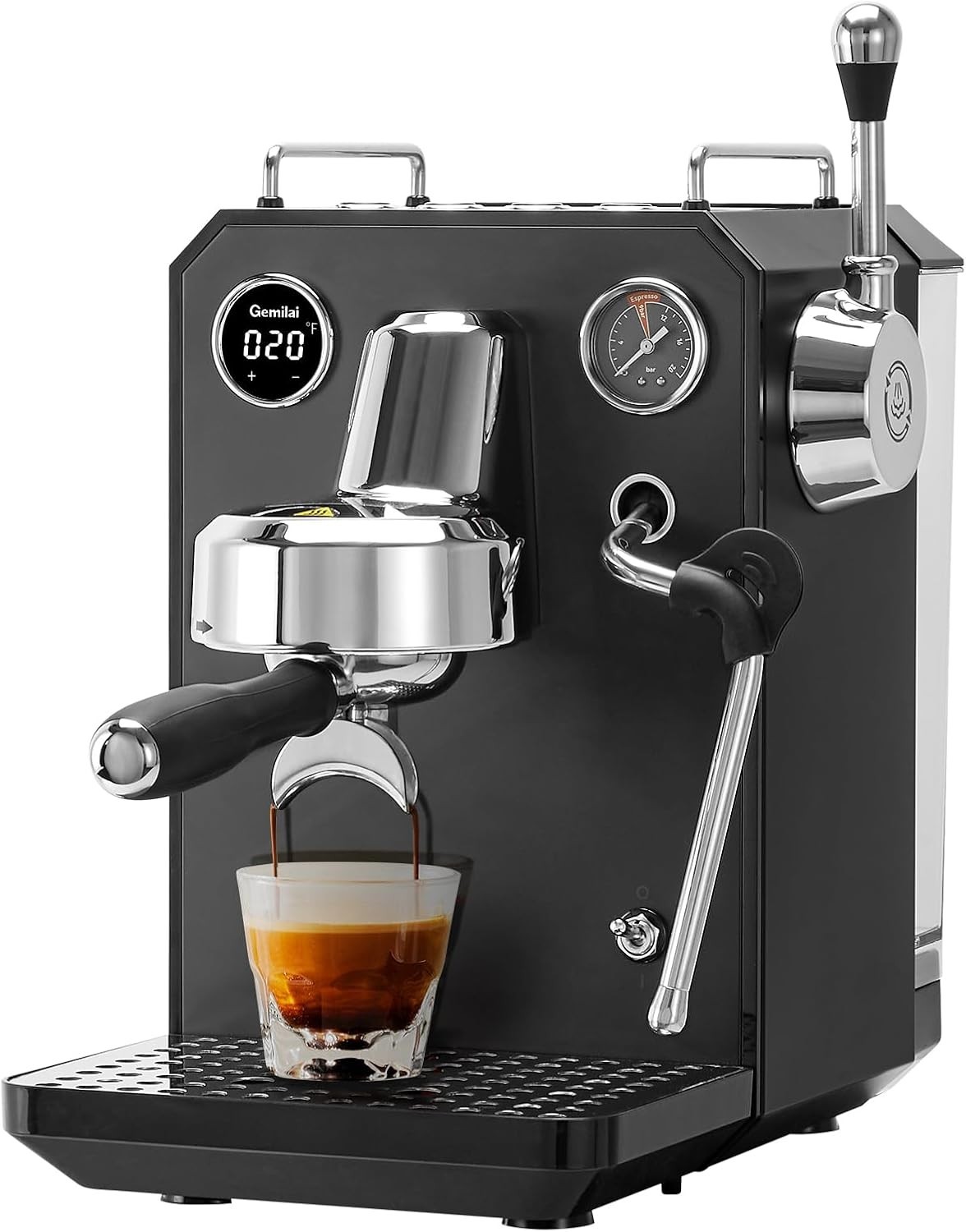 Gemilai Owl G3006 Espresso Machine 15 Bar Professional Coffee Maker Black$229.00Open box · Last checked Nov 21, 2026View on eBay
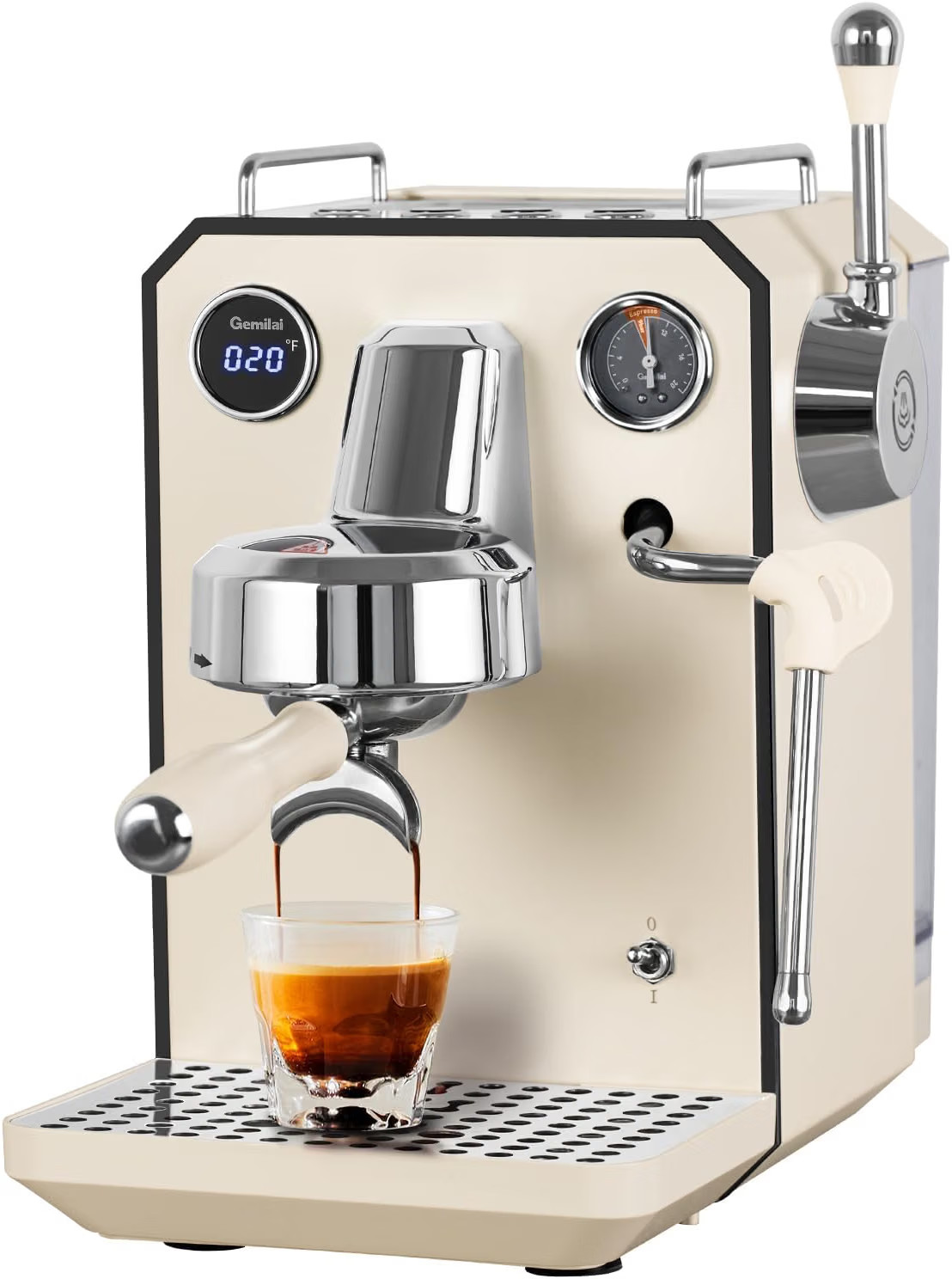 Gemilai Owl G3006 Espresso Machine 15 Bar Professional Coffee Maker White$229.00Open box · Last checked Nov 21, 2026View on eBay
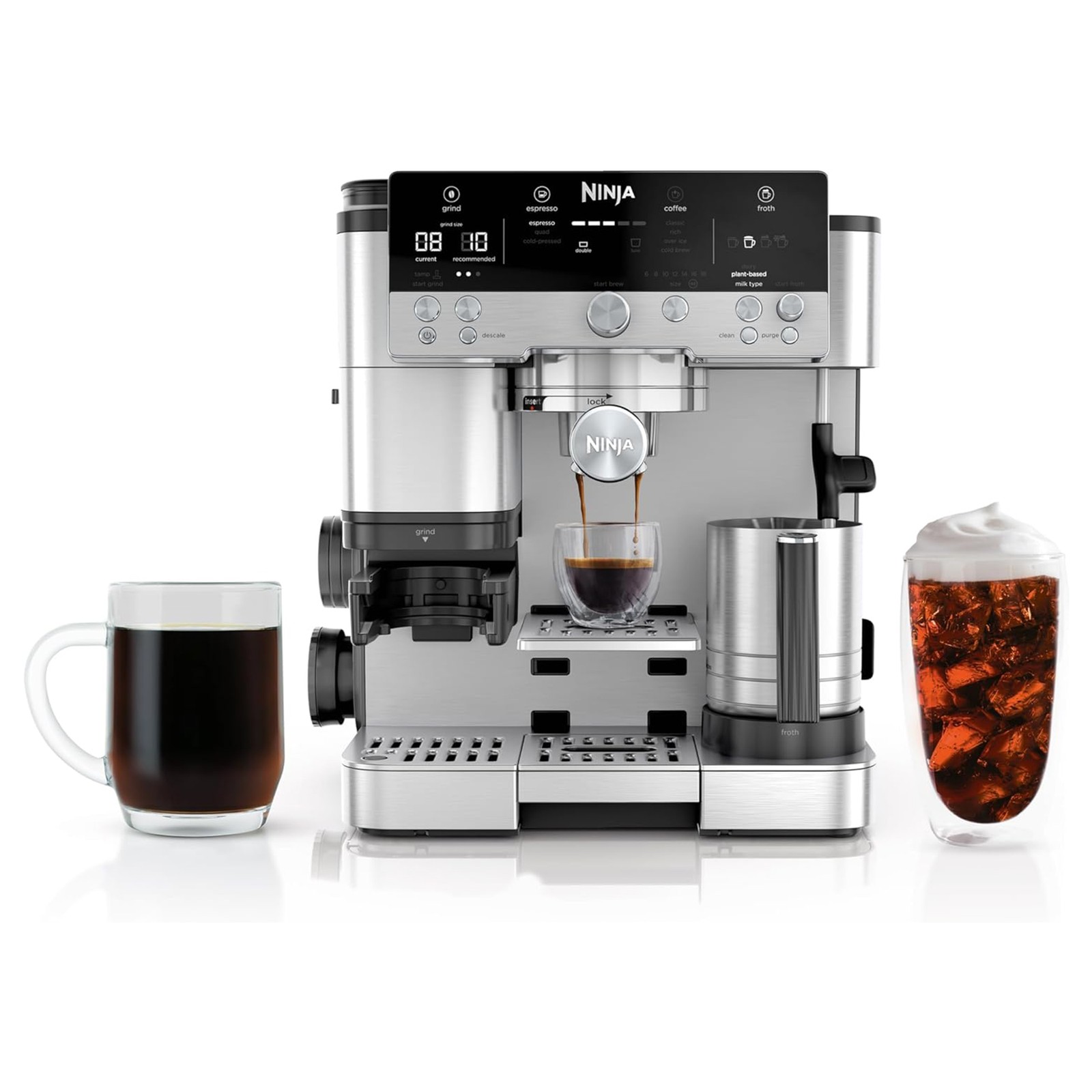 Ninja Luxe Café Premier Series Coffee Espresso Machine, Certified Refurbished$449.79Certified - Refurbished · Last checked Nov 21, 2026View on eBay
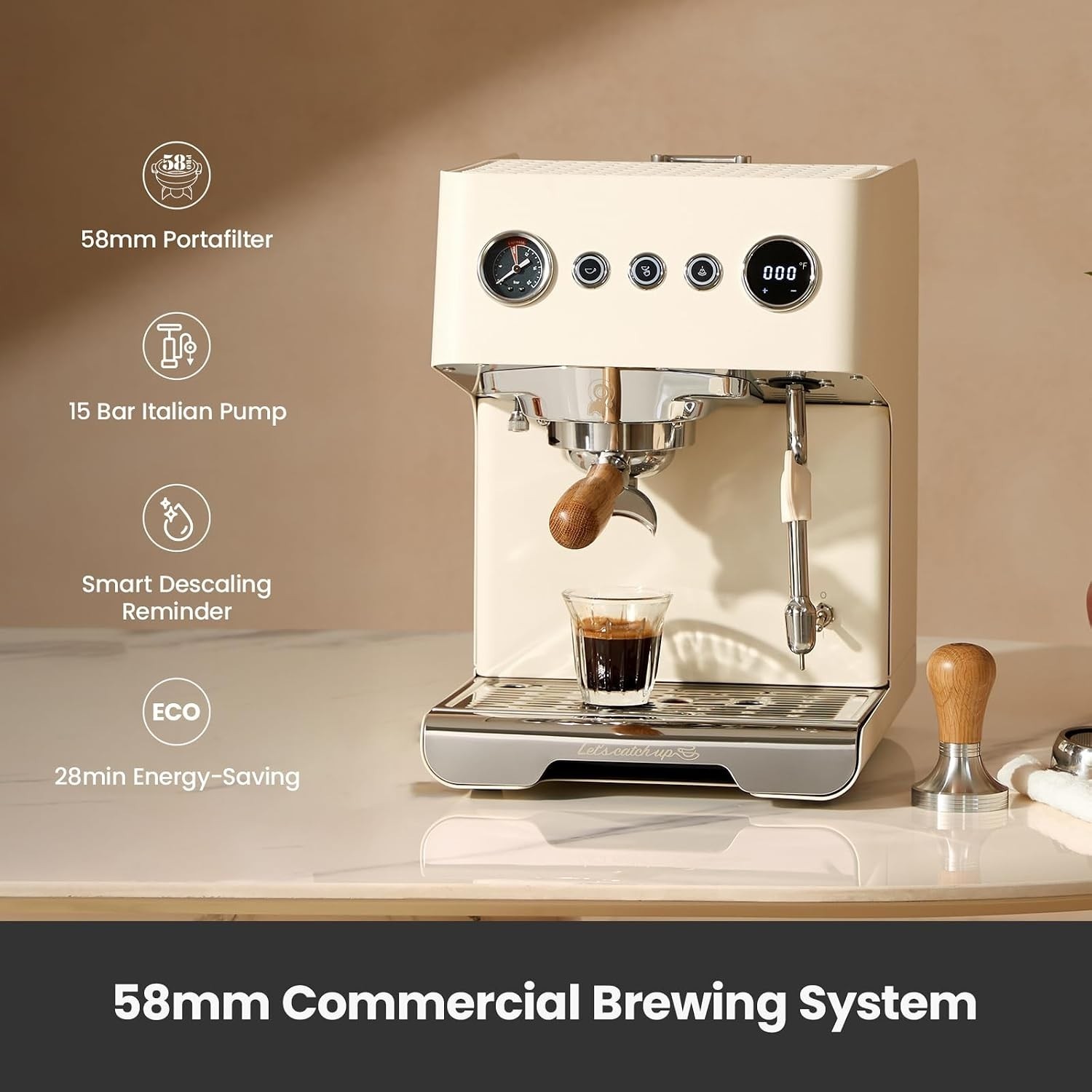 Gemilai G3028A Espresso Machine, 15 Bar Professional Coffee Maker with Adjustabl$499.00Open box · Last checked Nov 21, 2026View on eBay
Highlights
- Frother types split into three architectures: panarello/steam wand (manual, technique-dependent), automatic milk carafe (one-touch, removable and dishwasher-safe), and integrated electric whisk frother (separate jug, no espresso steam).
- Steam power is governed by thermoblock wattage and boiler design: single thermoblock machines typically deliver 1000-1350W steam with recovery pauses, while dual-boiler or heat-exchange designs sustain continuous steam without brew-temperature drop.
- Portable espresso makers with frothing capability rely on 15-20 bar vibratory pumps and 7500mAh-class batteries with self-heating; they produce espresso but froth via separate whisk or limited steam, so milk texture is inferior to countertop steam wands.
- Milk circuit hygiene determines longevity: automatic carafes require rinse cycles after every use and periodic descaling of the milk path, whereas stainless steam wands wipe clean in seconds and resist milk-fat buildup.
Best use cases
- Best fit: daily latte/cappuccino drinkers who want café-quality microfoam and are willing to learn wand technique — pick a single-boiler or heat-exchange espresso machine with a stainless steam wand and 58mm portafilter.
- Best fit: households wanting one-touch milk drinks with minimal effort — choose a super-automatic or bean-to-cup machine with a removable automatic milk carafe and auto-rinse program.
- Best fit: campers, RVers, and desk users with no counter space — select a portable 15-20 bar battery espresso maker plus a separate battery whisk frother; skip it if you expect true steamed microfoam.
- Wrong fit: buyers wanting drip-coffee volume plus froth — a 12-cup drip maker with a separate handheld frother is the correct pairing; integrated espresso frothers cannot brew full pots.
Buying tips
- Match frother to milk volume: steam wands froth 100-200ml in 20-40 seconds; automatic carafes handle 150-350ml but add rinse water waste and require fridge-cold milk for best foam.
- Check portafilter and basket standard: 58mm commercial-style baskets accept third-party tampers and distribution tools; 51mm and pressurized baskets limit upgradeability and produce weaker crema.
- For portable units, confirm pump pressure of at least 15 bar and a self-heating element; unheated battery models require pre-boiled water and cannot reach proper espresso extraction temperature.
- Verify steam recovery: single thermoblock machines need 30-60 seconds between brew and steam; if you make multiple milk drinks back-to-back, prioritize heat-exchange or dual-boiler designs.
Specs
| Frother Type | Steam wand / auto carafe / whisk |
|---|---|
| Pump Pressure | 15-20 bar vibratory; 9 bar at group |
| Portafilter Size | 51mm pressurized vs 58mm commercial |
| Power Draw | 1000-1600W; 120V 15A circuit |
Related searches
What to check before buying
- Measure counter depth and height clearance: most espresso machines with frothers need 30-40cm depth and 35-45cm overhead clearance for carafe removal and bean-hopper access.
- Confirm electrical circuit: 120V US models drawing 1350-1600W require a dedicated 15A outlet; avoid sharing with high-draw appliances to prevent breaker trips during simultaneous brew and steam.
- Check water hardness and filtration: machines with milk systems are descale-sensitive; plan for a softening filter or use low-hardness water to protect thermoblocks and steam circuits.
- Account for companion parts: espresso machines need a burr grinder (not blade), a tamper matching basket diameter, and a milk jug; automatic carafe machines need replacement carafe seals and rinse tablets.
FAQ
Data sources: eBay / Amazon listings and product attribute feeds. Updated Nov 27, 2026.
Some links on this page are affiliate links. If you buy after clicking one, we may earn a commission at no extra cost to you. This does not change which products appear here or their order. Affiliate disclosure.