
Photos from current listings. Actual item, color, and included accessories may vary.
Coffee Maker With Automatic Grinder Buying Guide
A coffee maker with an automatic grinder combines bean-to-brew convenience by integrating a burr or blade grinder directly into the brew cycle. The key trade-off is burr quality and grind consistency versus brew method compatibility—flat burrs excel for drip, conical for espresso, while blade grinders create uneven particles that ruin extraction. Choose a conical burr model with at least 15 grind settings for espresso or a flat burr with wide range for drip; skip any unit with a blade grinder or fewer than 10 settings—those are compromises that will limit your brew quality.
Median $69.99 · New & pre-owned listings
Key takeaways
- Burr type decides flavor clarity: conical burrs (e.g., stainless steel) suit espresso's fine, consistent grind; flat burrs produce uniform particles for drip and pour-over.
- Grind adjustment range: 15+ settings with micro-stepping allows dialing in espresso (fine) to French press (coarse); fewer than 10 settings locks you into limited brew styles.
- Integrated dual boiler (as in 20-bar semi-automatic espresso machines) enables simultaneous brewing and steaming, but requires a dedicated 15-amp circuit and plumbed or large reservoir.
At a glance
- Category
- Coffee Makers & Espresso
- Last updated
- Nov 27, 2026
Current offers
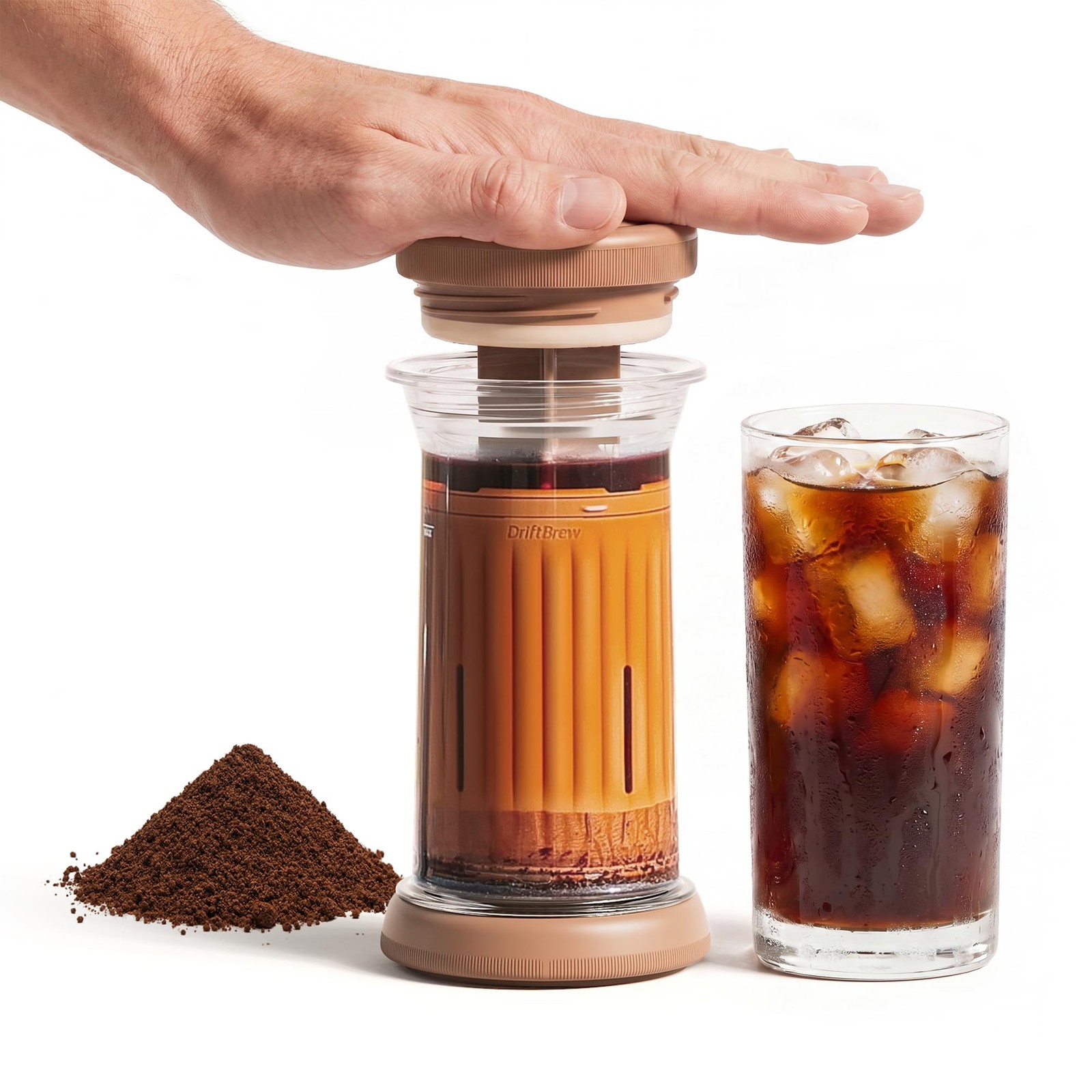 Camping Coffee Maker 8oz Portable Cold Brew & Espresso - Travel Brewing Gear$31.99View on eBay
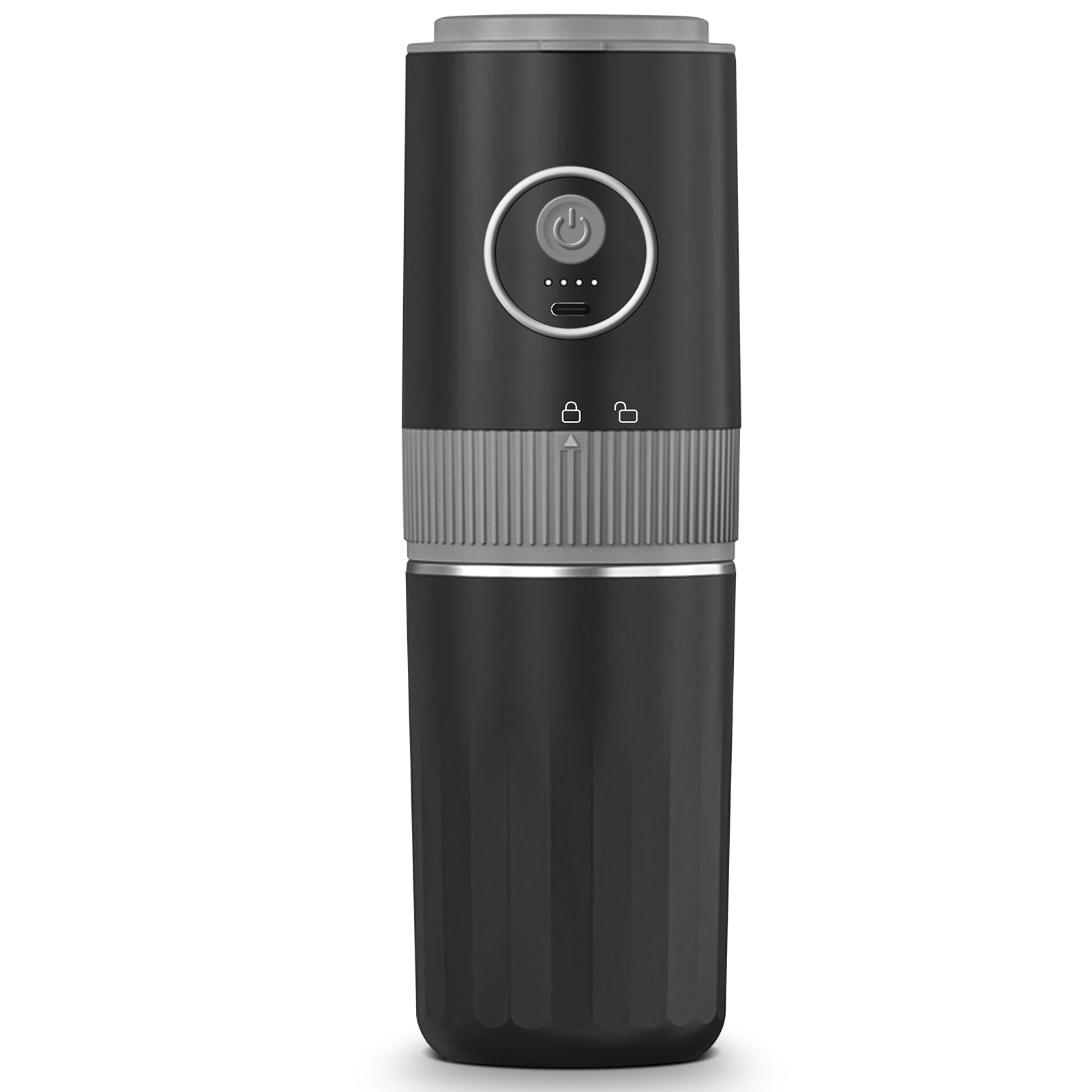 Plum Chef Portable Electric Coffee Grinder And Hand Brew Maker, 4 In 1 Wireless Travel Machine With 1500mAh Battery, Adjustable Burr 320ml Stainless Steel Cup$49.99View on Mallflare
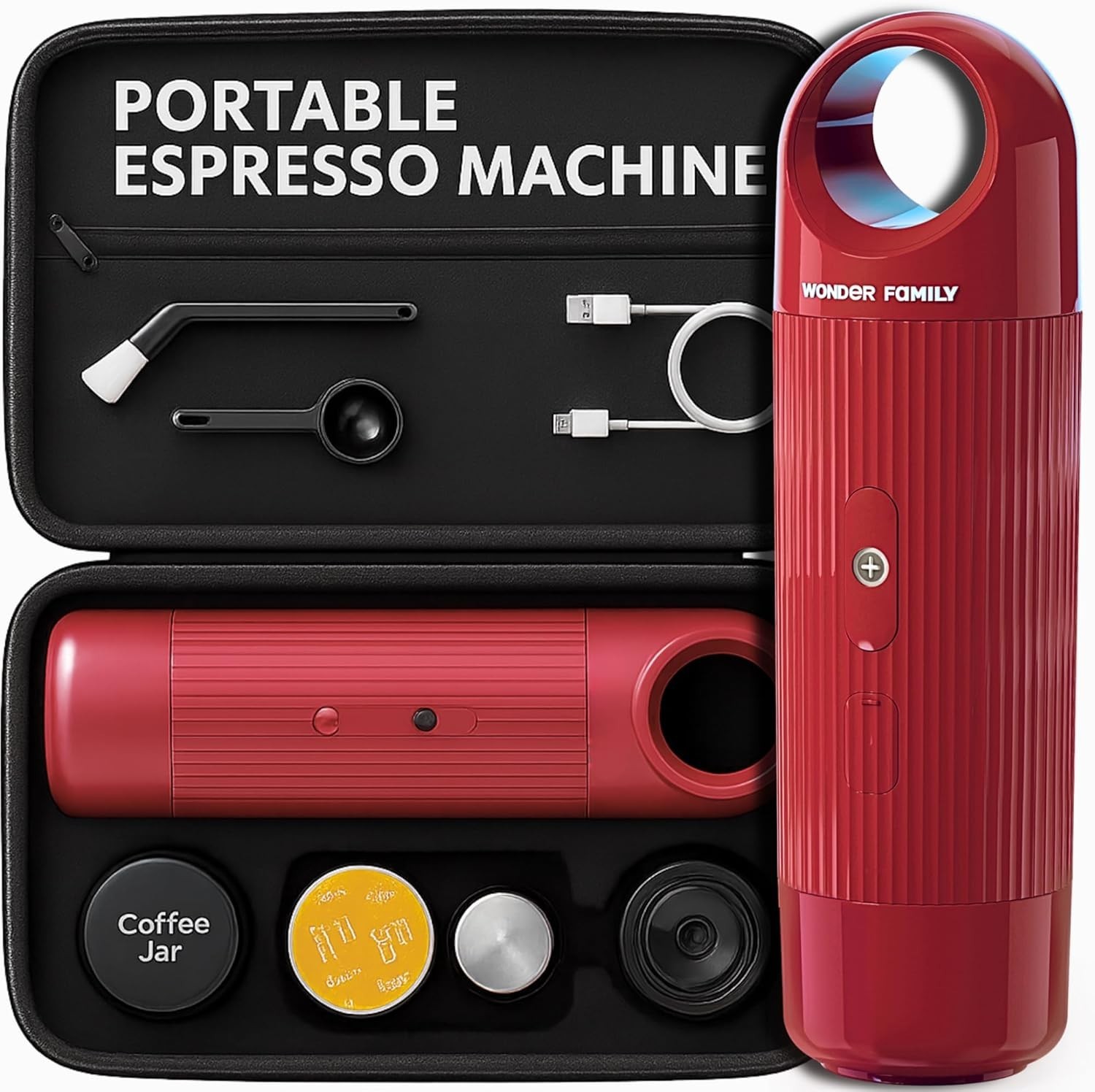 Portable Espresso Machine Travel Coffee Maker for Pods & Grounds Mini 5 Cup Make$34.99View on eBay
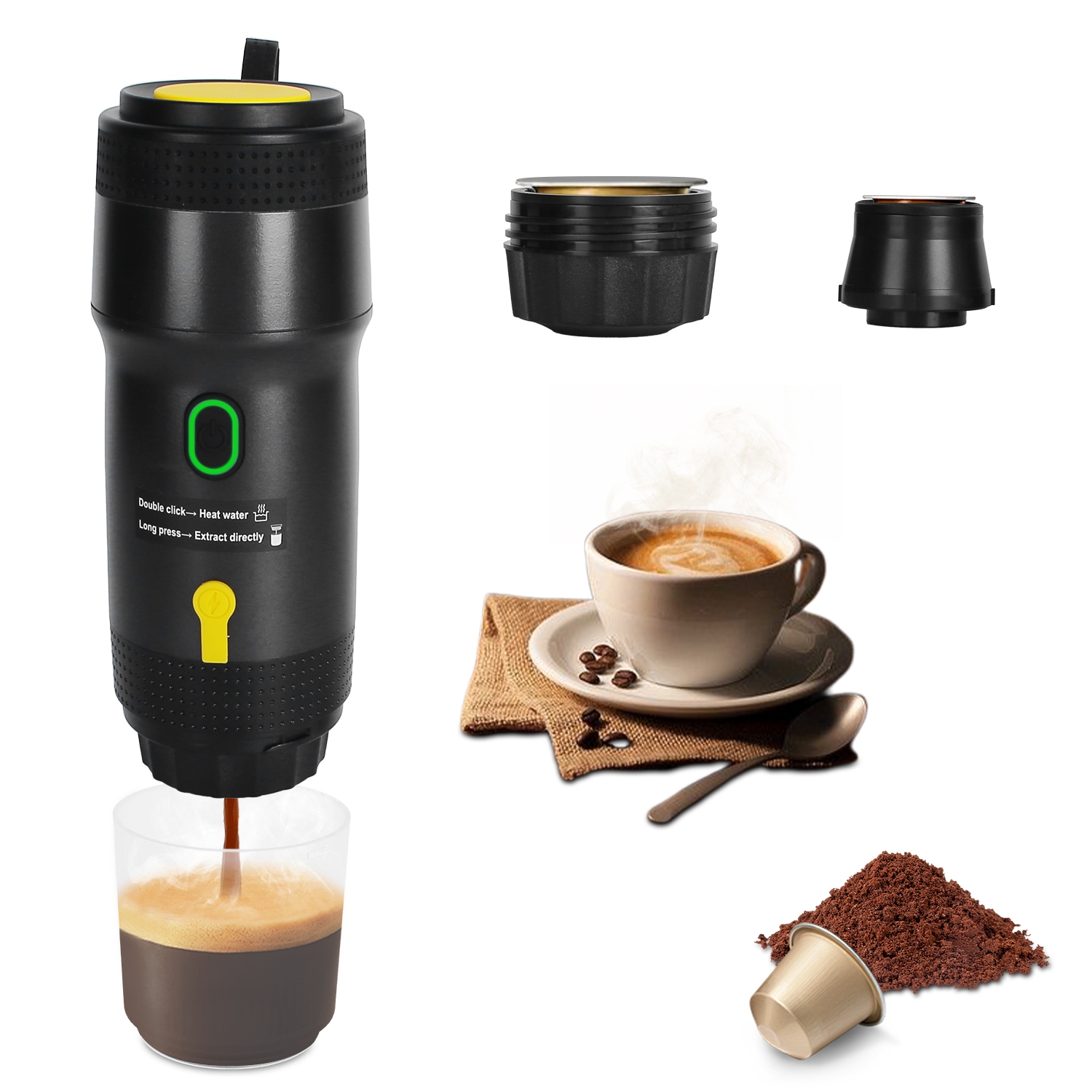 1Pc Portable Electric Espresso Machine Cordless Coffee Maker Self Heating Car With Anti Dry Burn Fit For Ground NS DG Capsules For Car Camping Hiking RV Home Office$55.99View on Mallflare
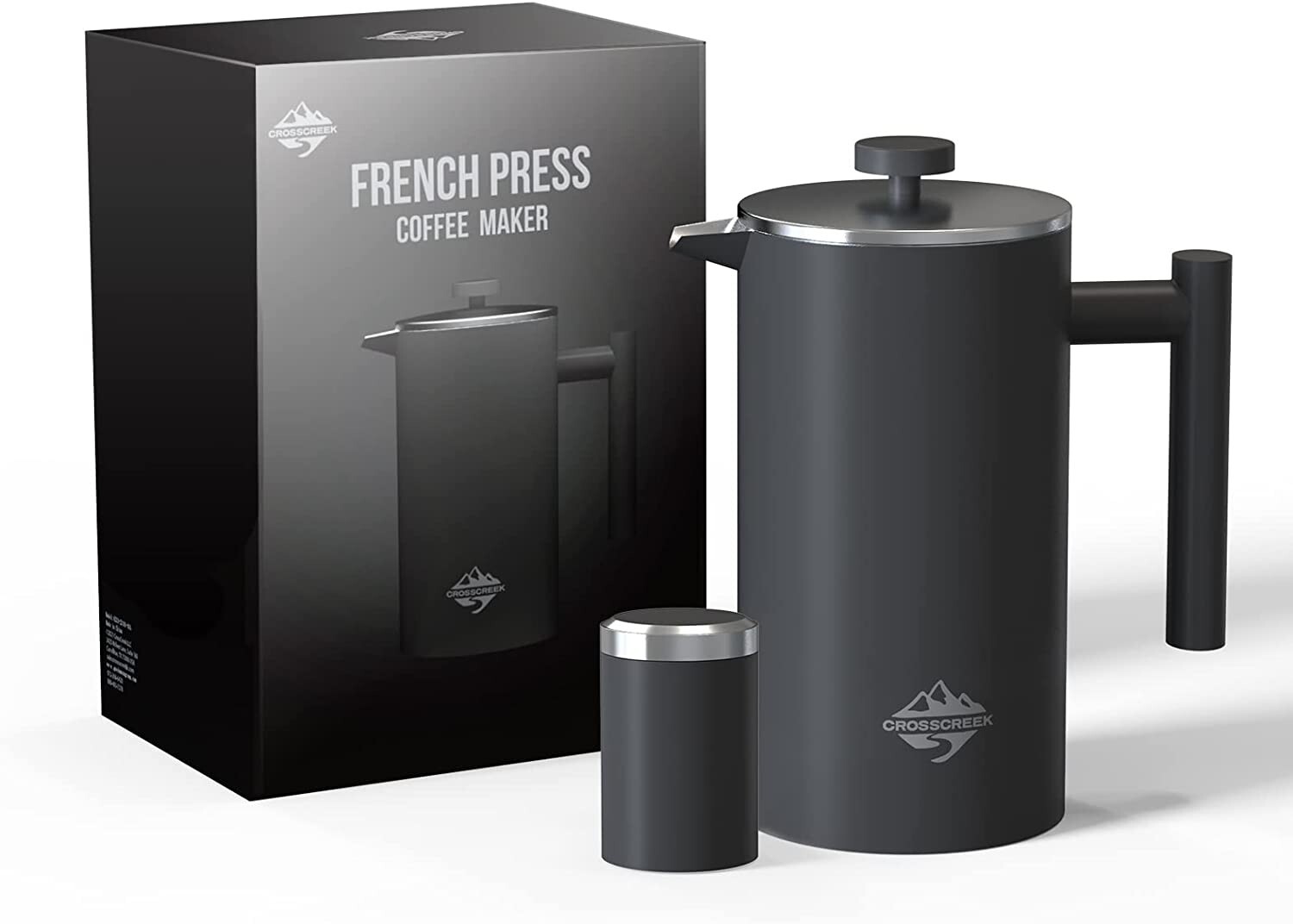 CrossCreek French Press Coffee Maker, 304 Stainless Steel Coffee Press 34oz$39.99View on eBay
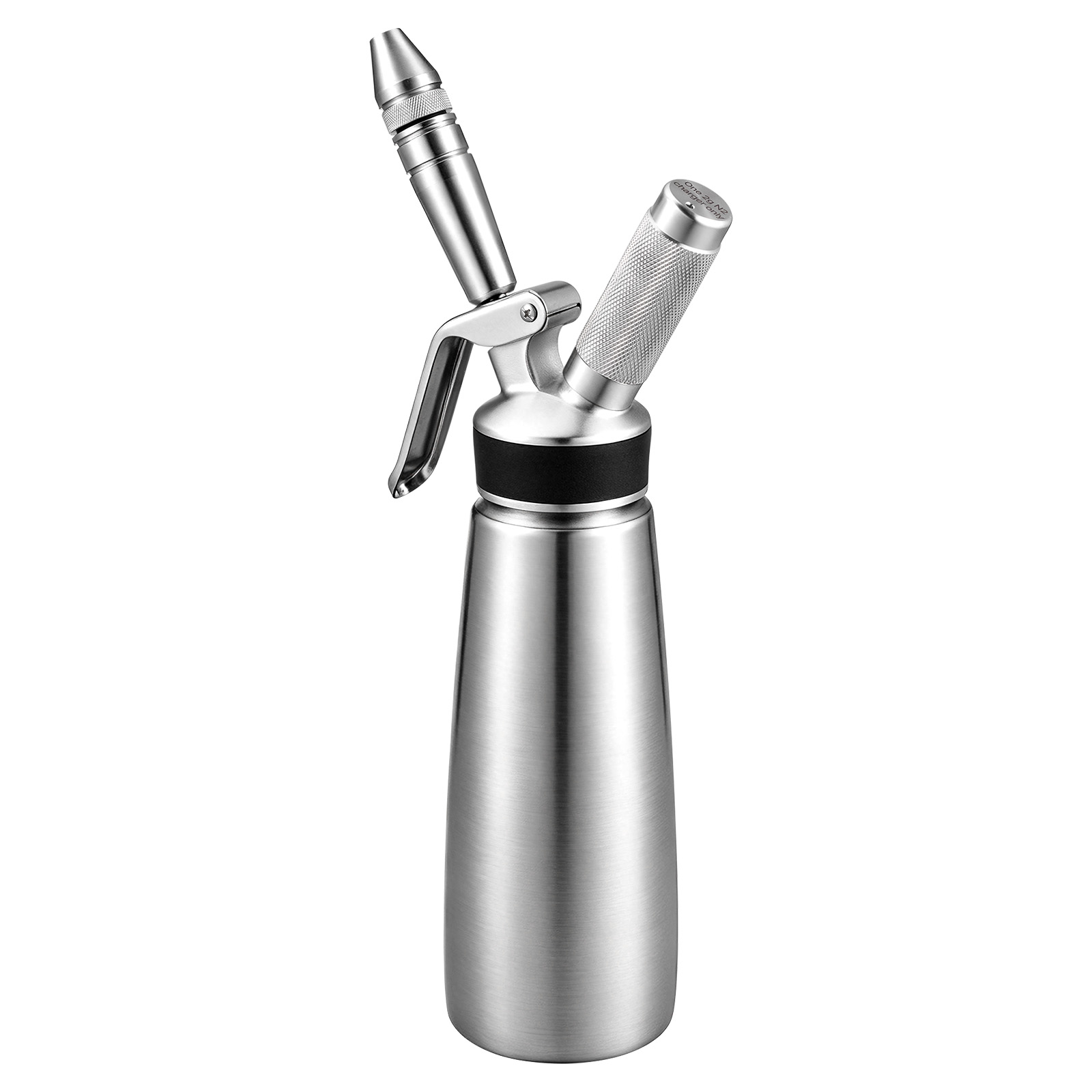 Nitro Cold Brew Coffee Maker 17 Oz Nitrogen Dispenser System, Home Keg, Portable Infuser With And Pressure Relieving Valve, Gift For Lovers$67.99View on Mallflare
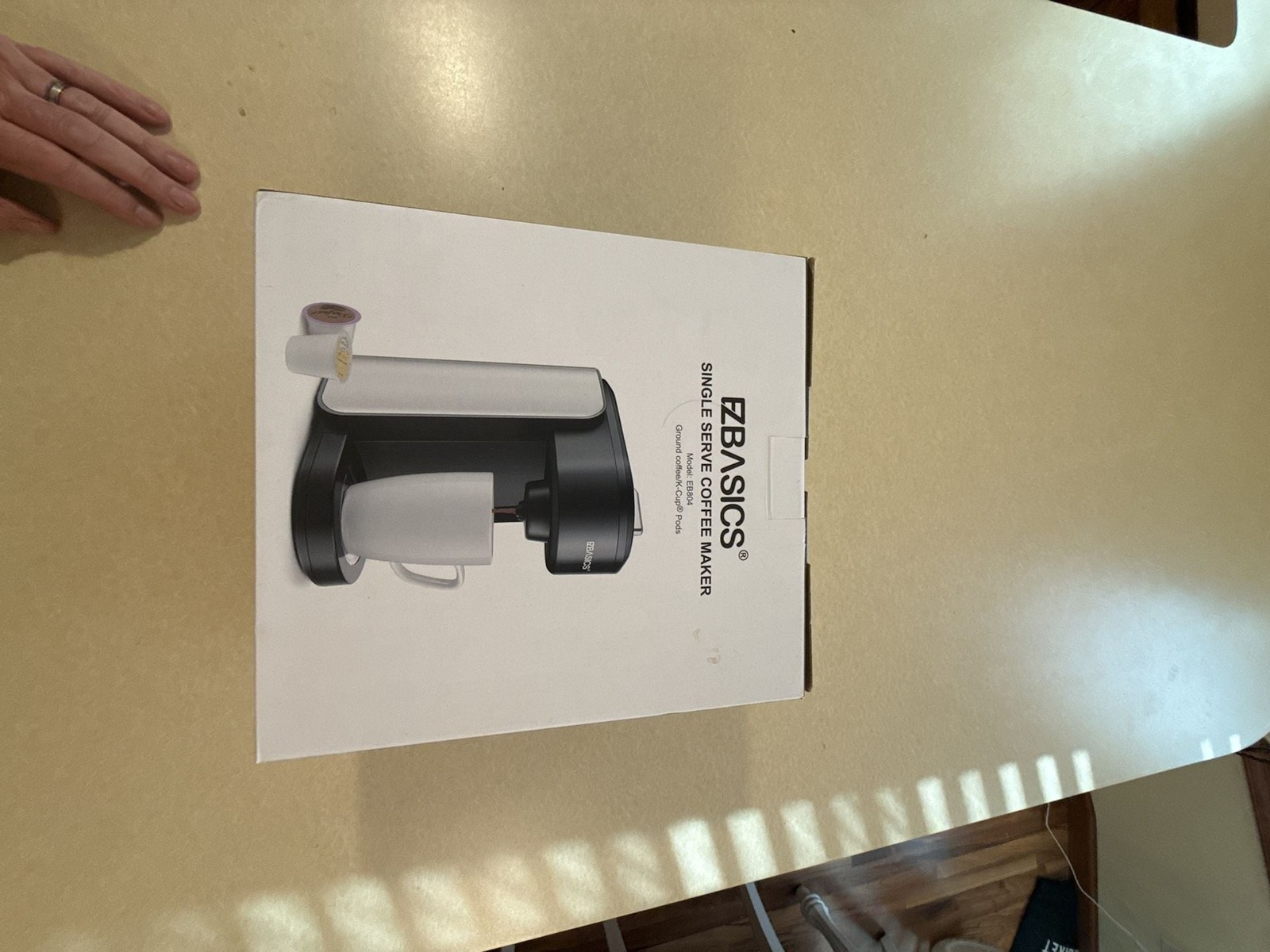 EZBASICS Single Serve Coffee Maker Model EB804 for Ground Coffee and K-Cup Pods$42.00View on eBay
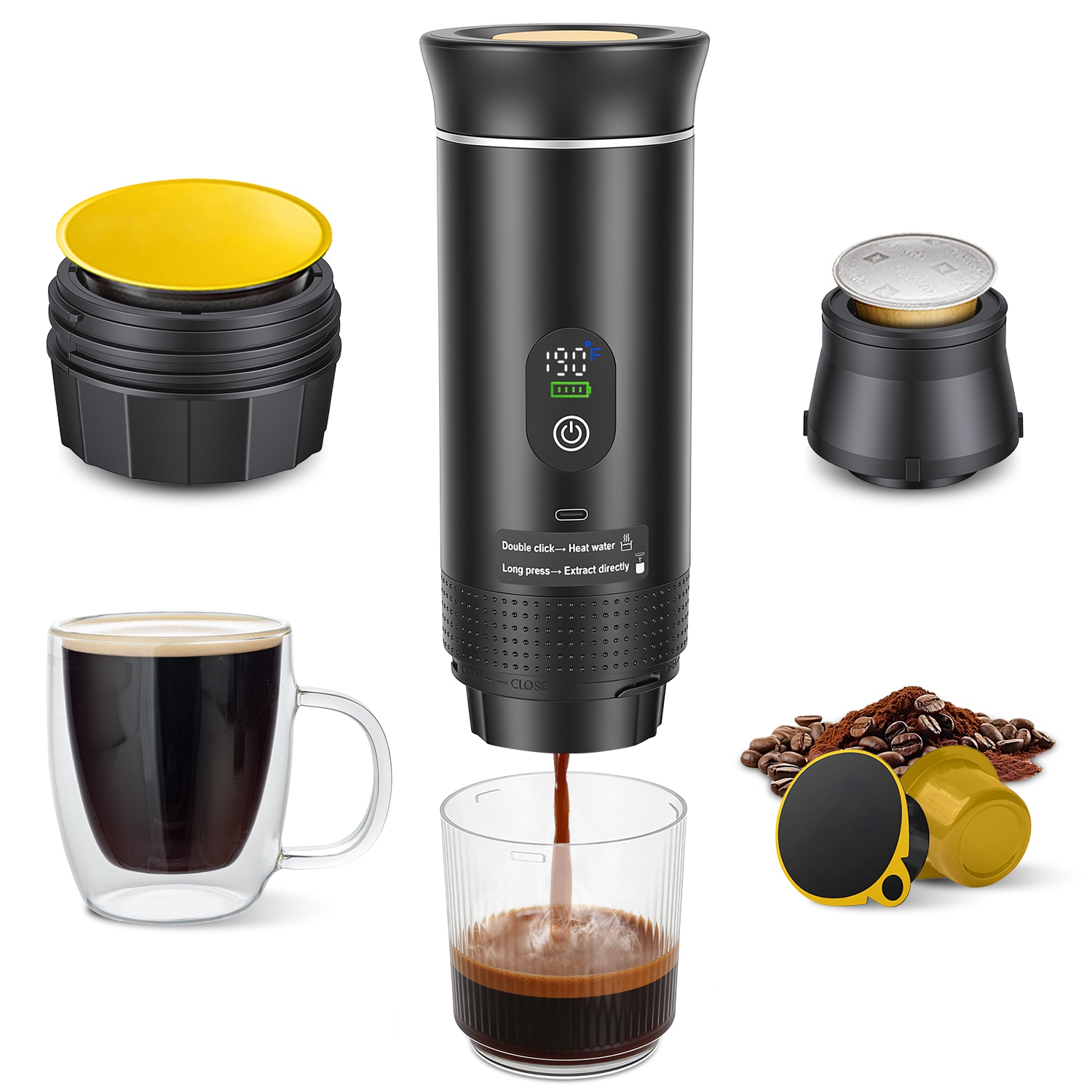 3 In 1 Portable Espresso Machine Cordless Mother Day Self Heating Coffee Maker With 7500mAh Battery 20Bar Pressure Anti Dry Burn Fit For Ground Capsules For Camping Hiking RV Home$73.99View on Mallflare
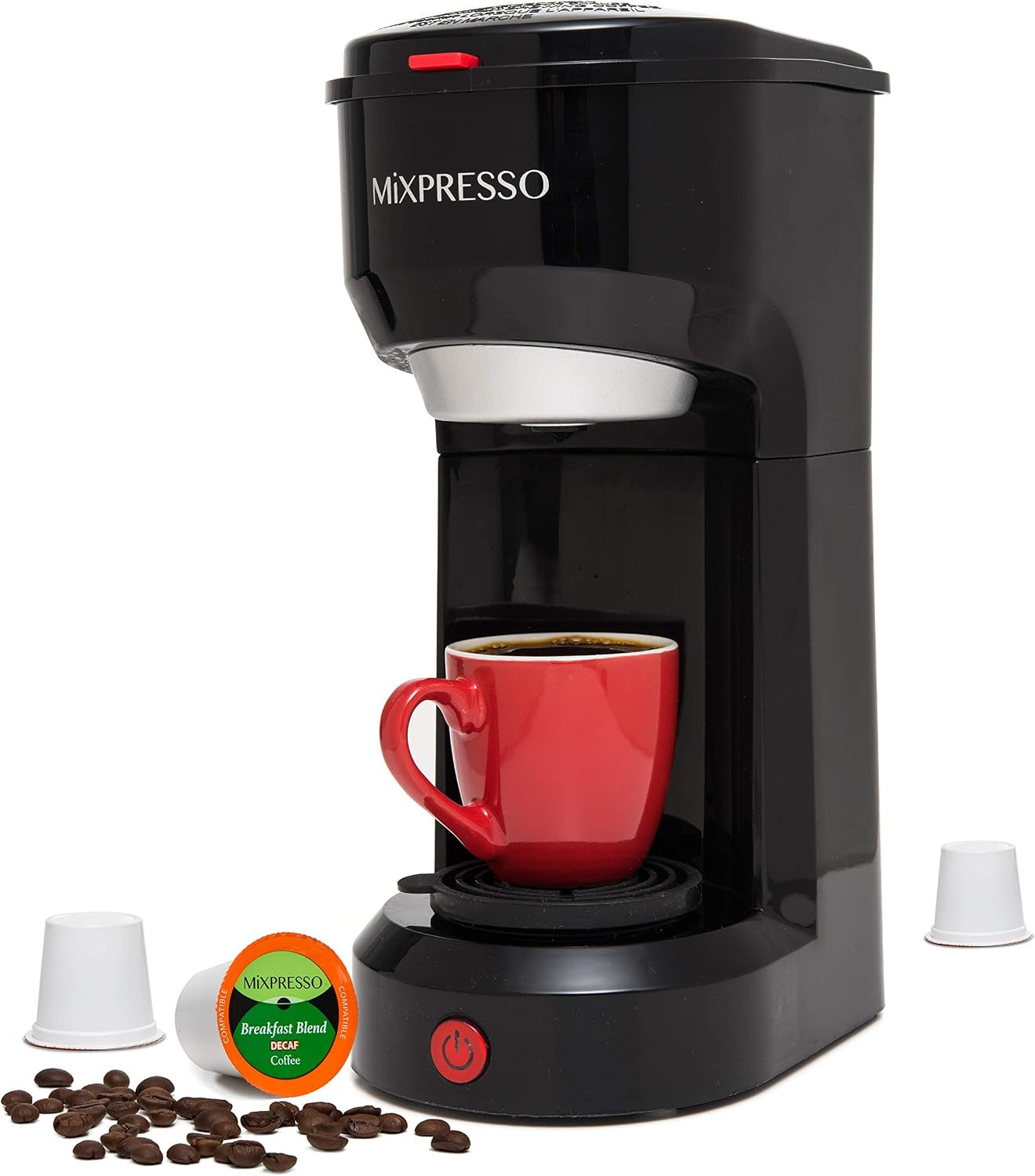 Single Serve K Cup Coffee Maker for Pods and Ground Coffee$53.01View on eBay
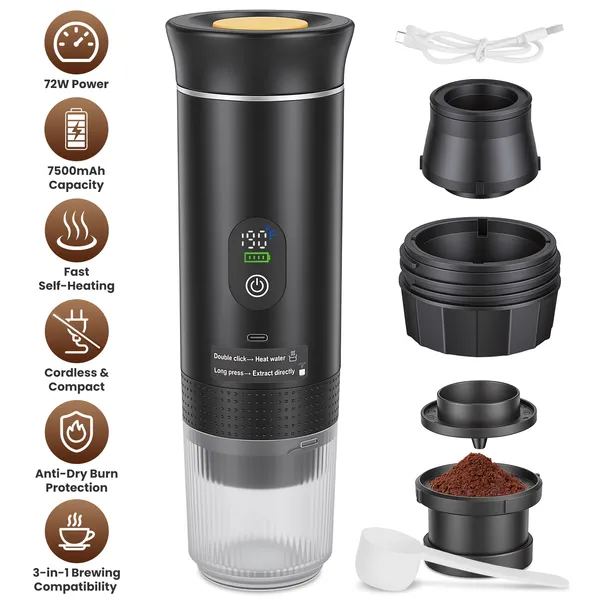 3-in-1 Portable Espresso Machine Cordless Self-Heating Coffee Maker With 7500mAh Battery 20Bar Pressure Anti-Dry Burn Fit For Ground Coffee&NS&DG Capsules For Camping Hiking RV Home Office$89.99View on Mallflare
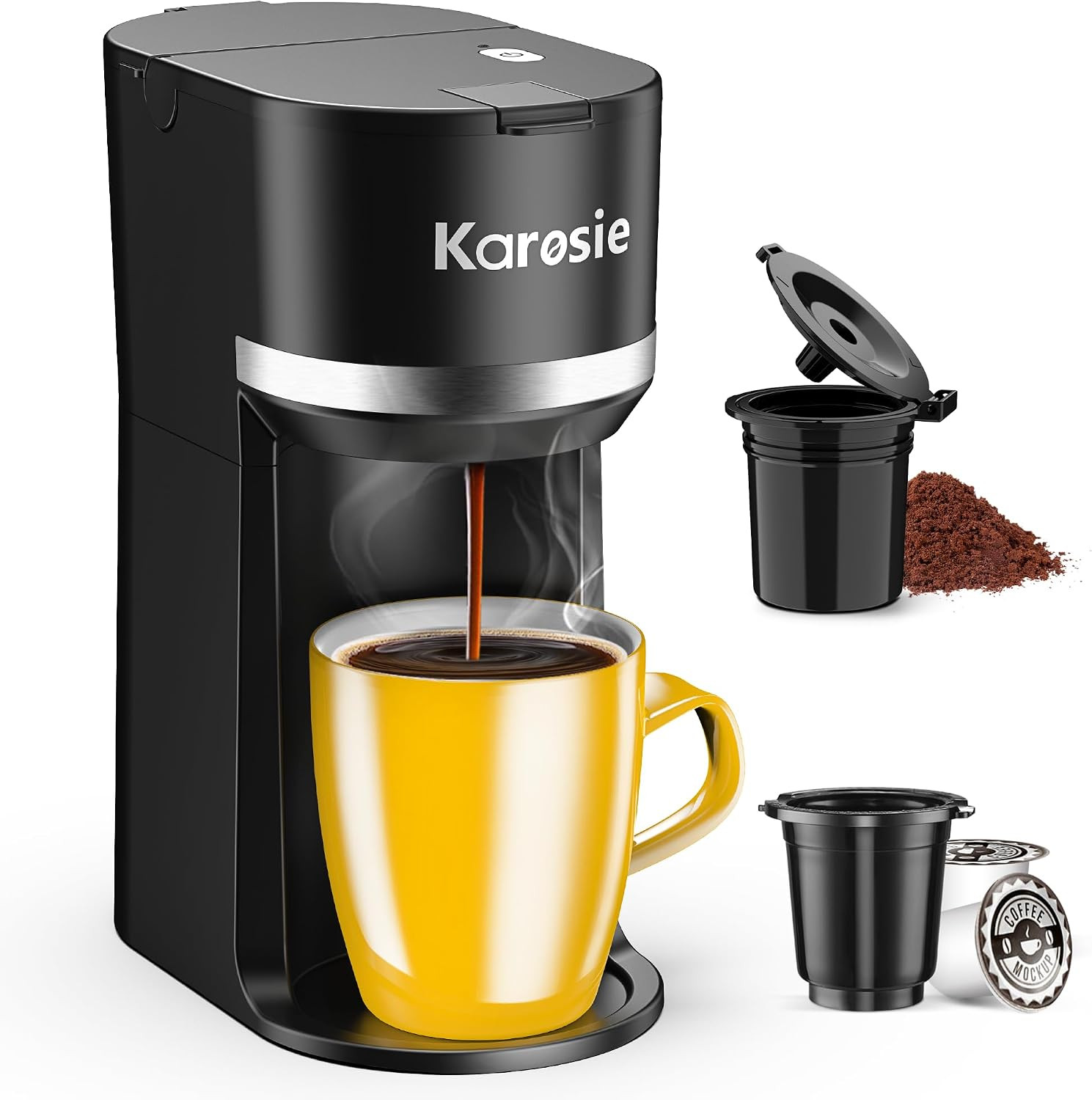 Single Serve Coffee Maker for Coffee Pods and Grounds,Fast Brew,6-12 Oz Brew Siz$61.52View on eBay
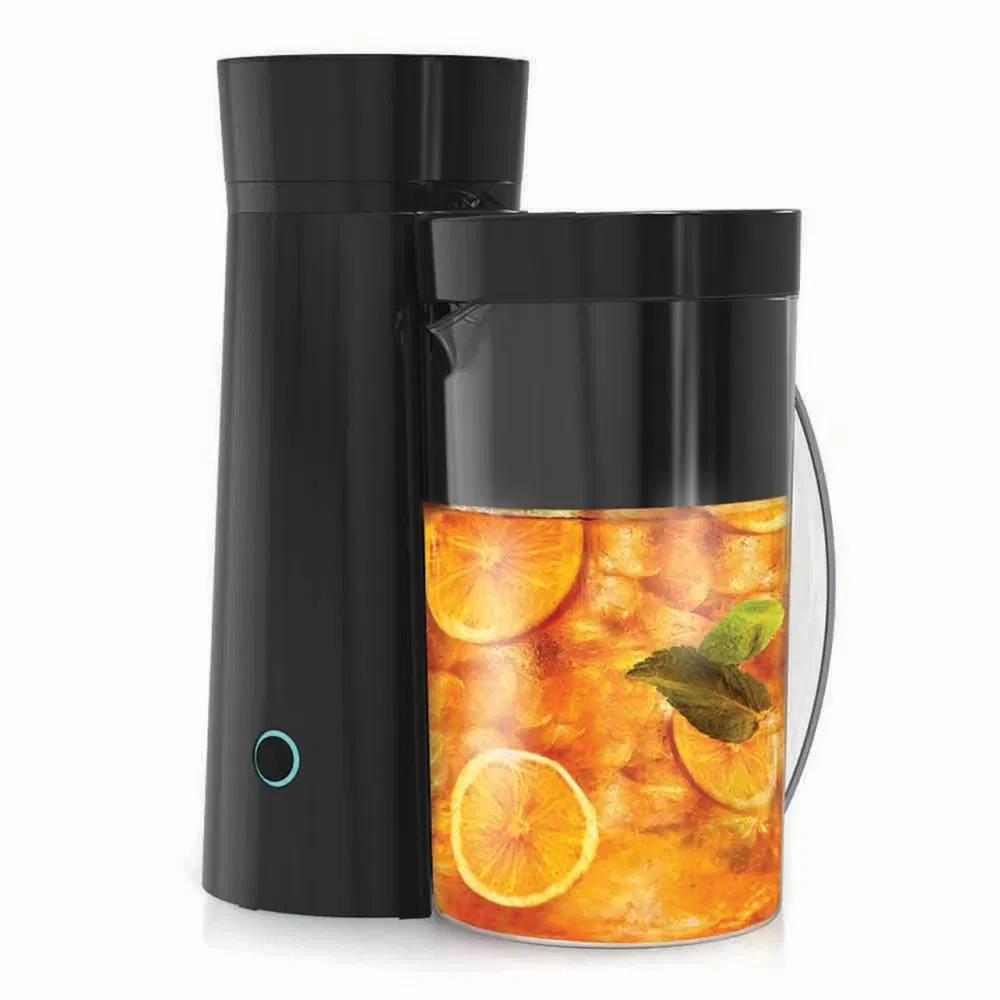 2-Quart Iced Tea and Coffee Maker, 8-Cup$89.99View on Mallflare
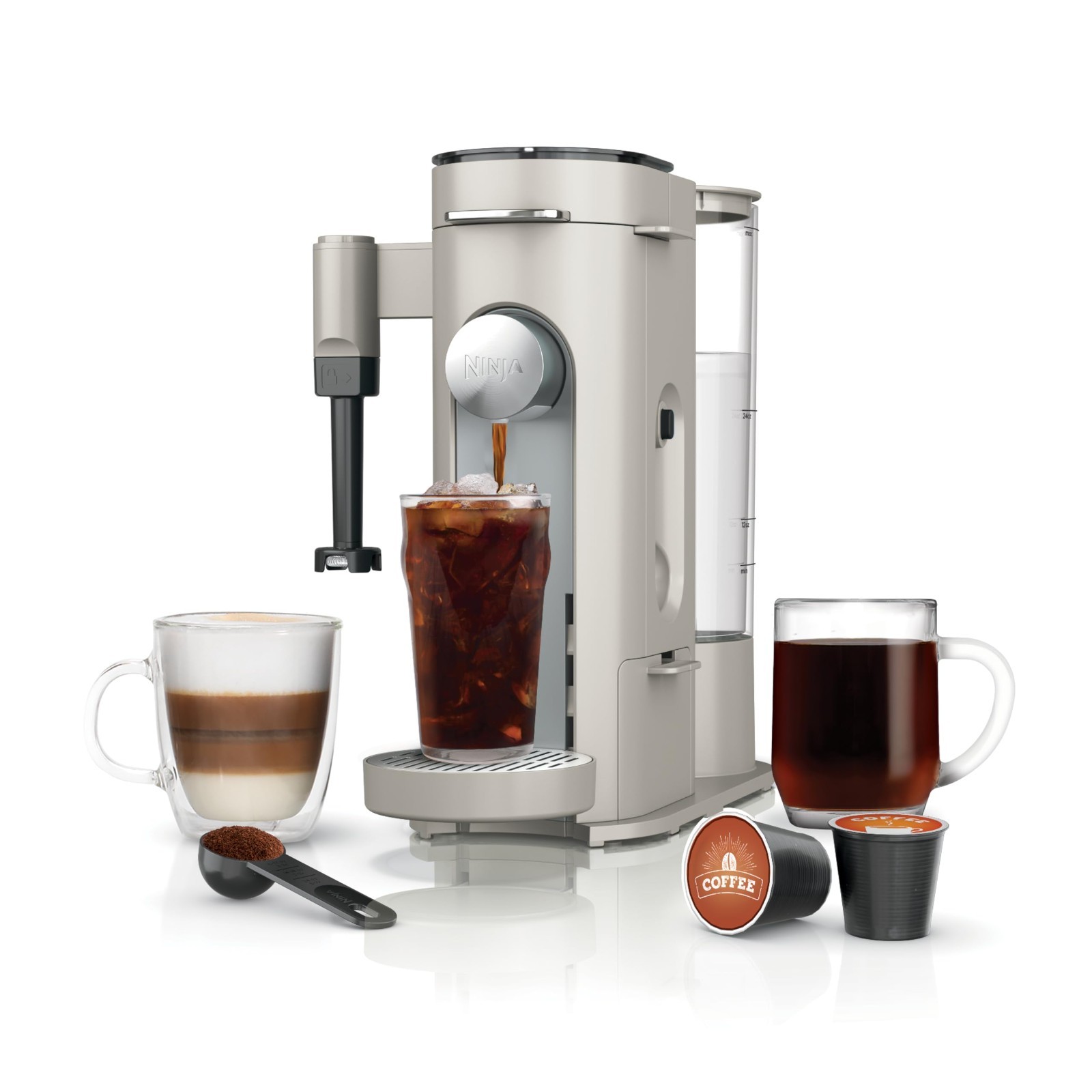 Ninja Pod and Grounds Coffee Maker, K-Cup Compatible, Stone, PB051ST$61.55View on eBay
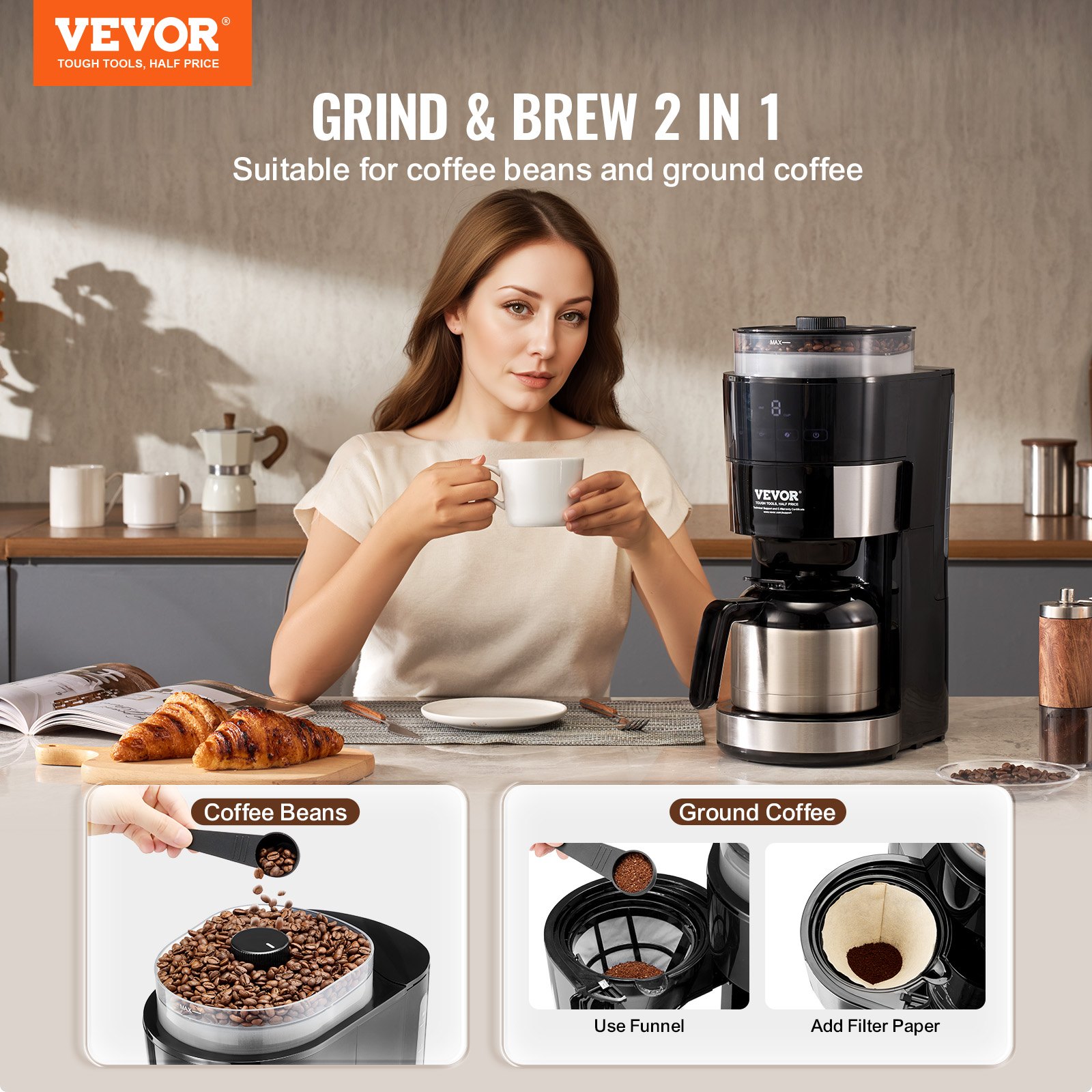 VEVOR 8-Cup Coffee Maker Drip Machine With 3 Brew Strength Control$119.99View on Mallflare
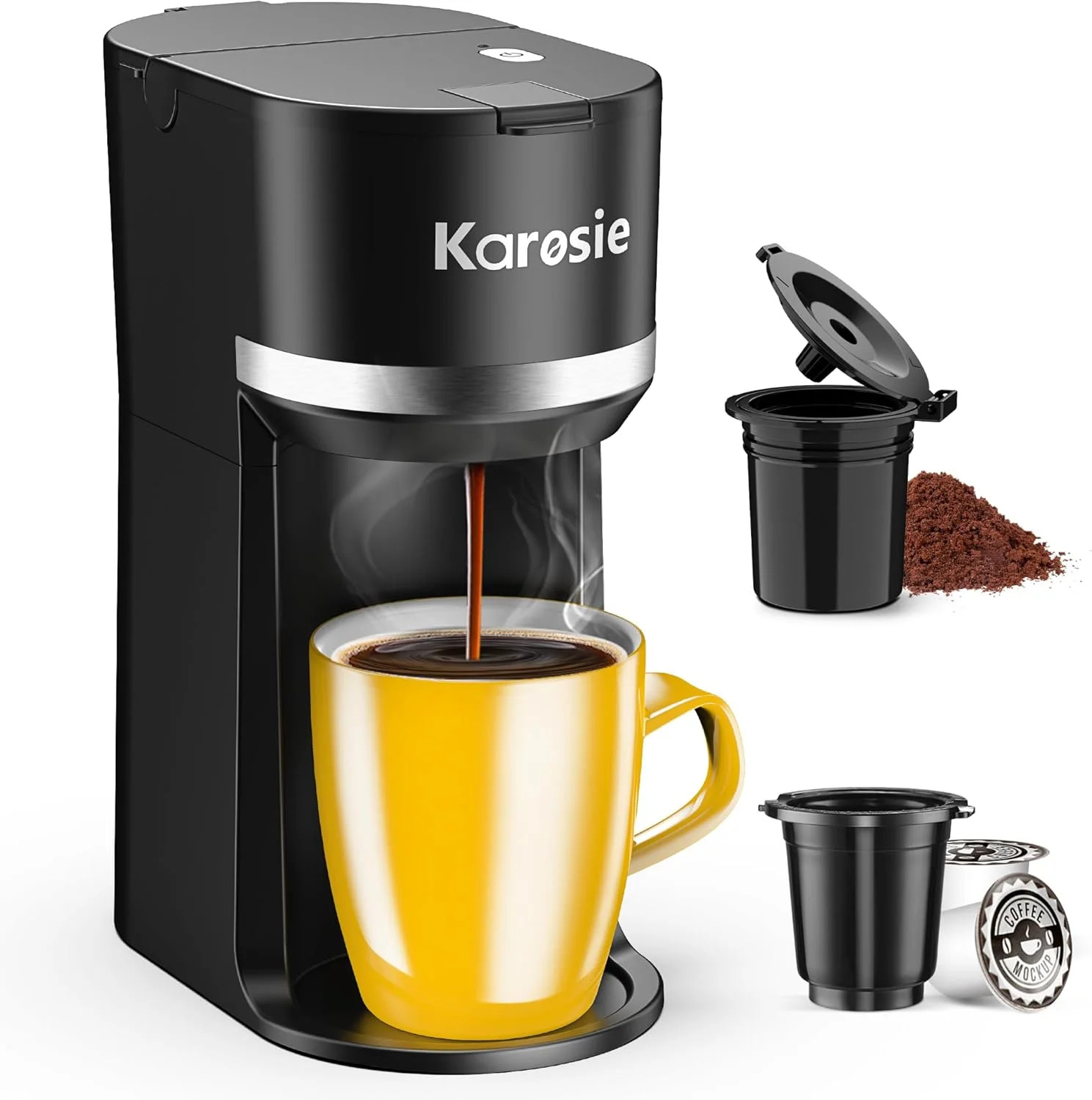 Single Serve Coffee Maker for Coffee Pods and Grounds,Fast Brew,6-12 oz Brew Siz$65.99View on eBay
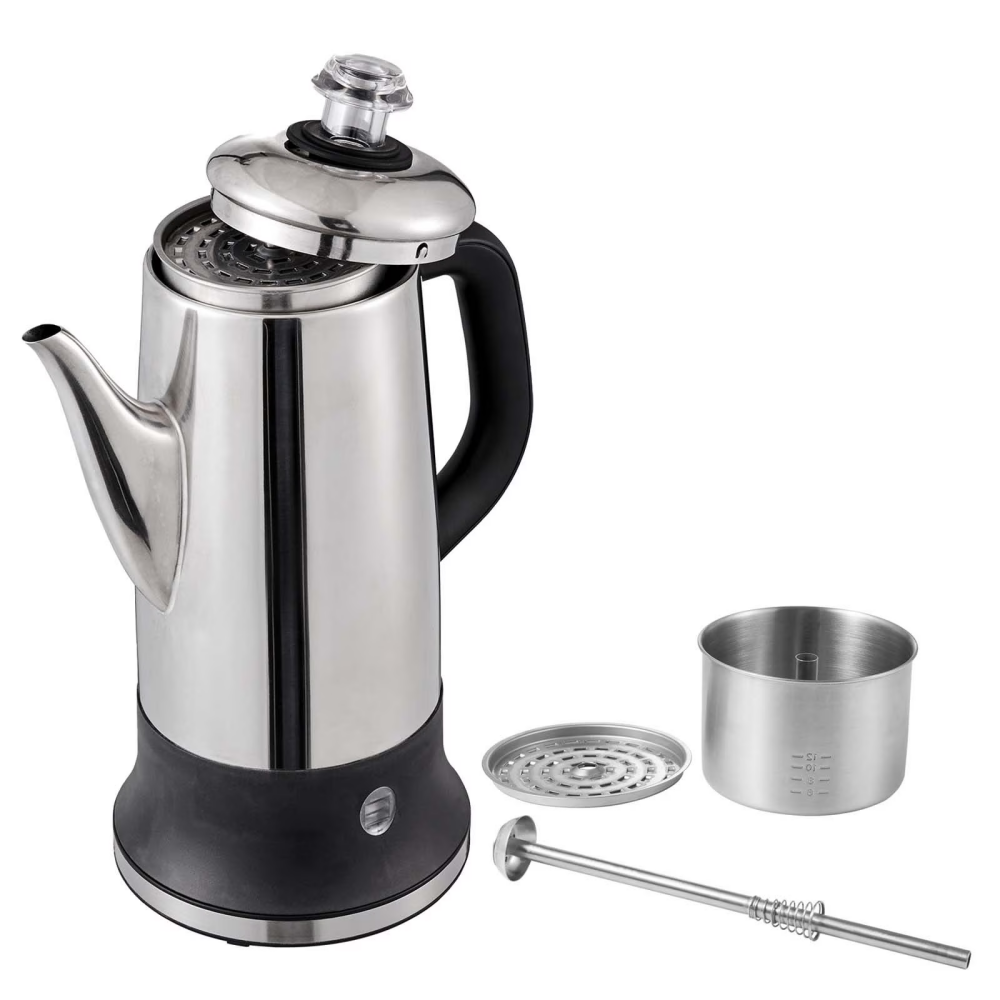 12-Cup Electric Percolator Coffee Pot Stainless Steel Maker Silver$123.99View on Mallflare
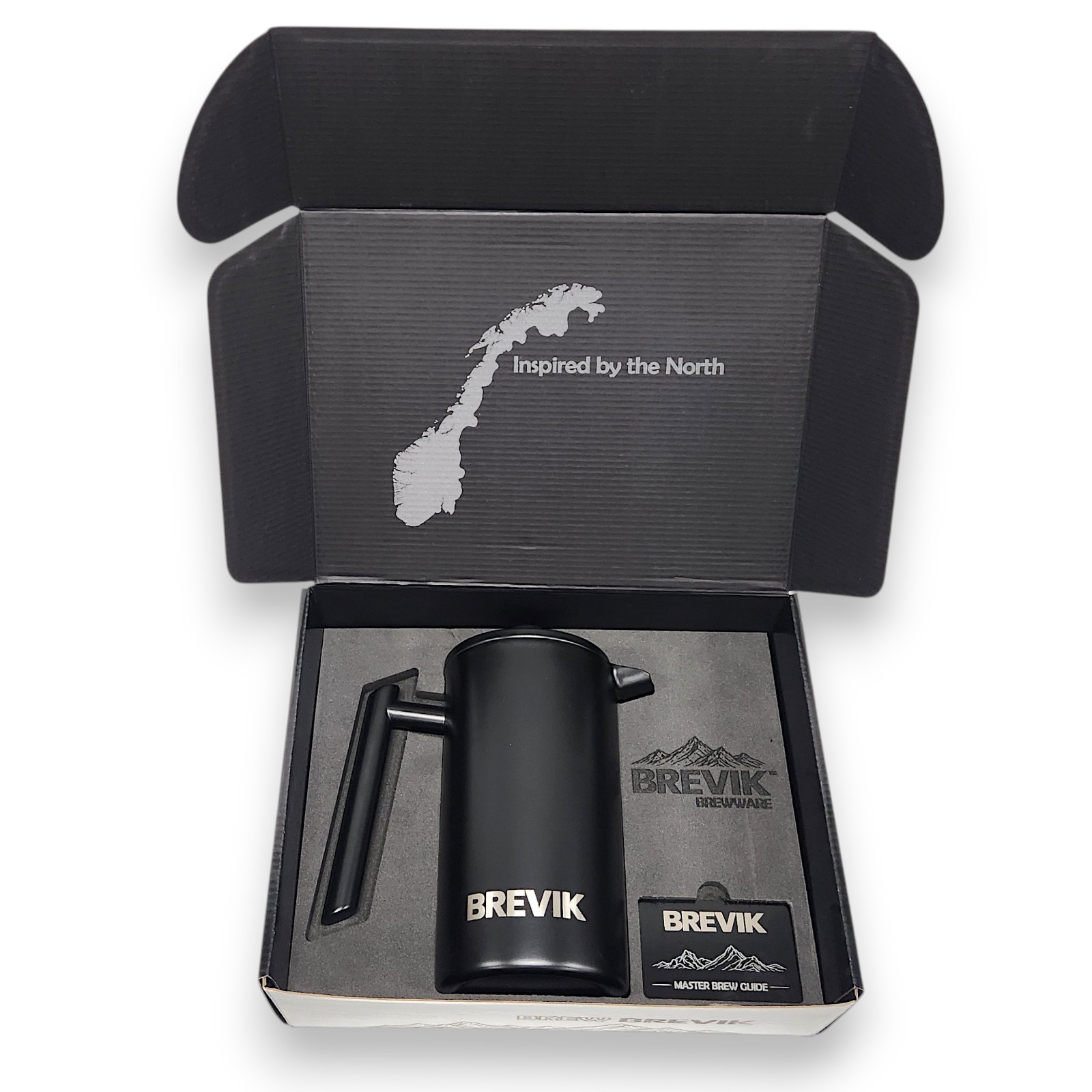 BREVIK 34oz Insulated Stainless Steel French Press Coffee Maker GIFT 1000ml$69.99View on eBay
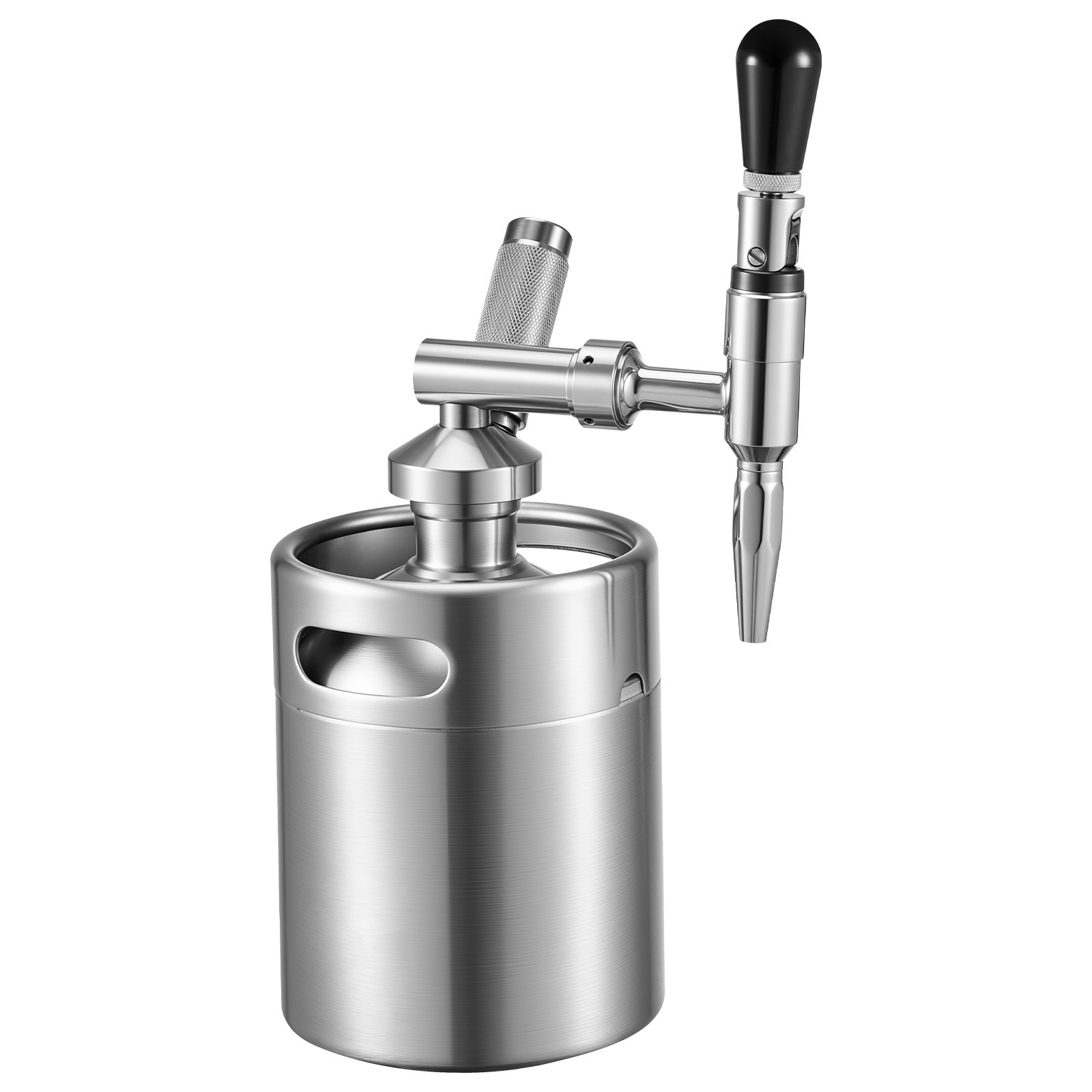 Nitro Cold Brew Coffee Maker 68 Oz Nitrogen Dispenser System, Home Keg, Portable Infuser With And Pressure Relieving Valve, Gift For Lovers$133.99View on Mallflare
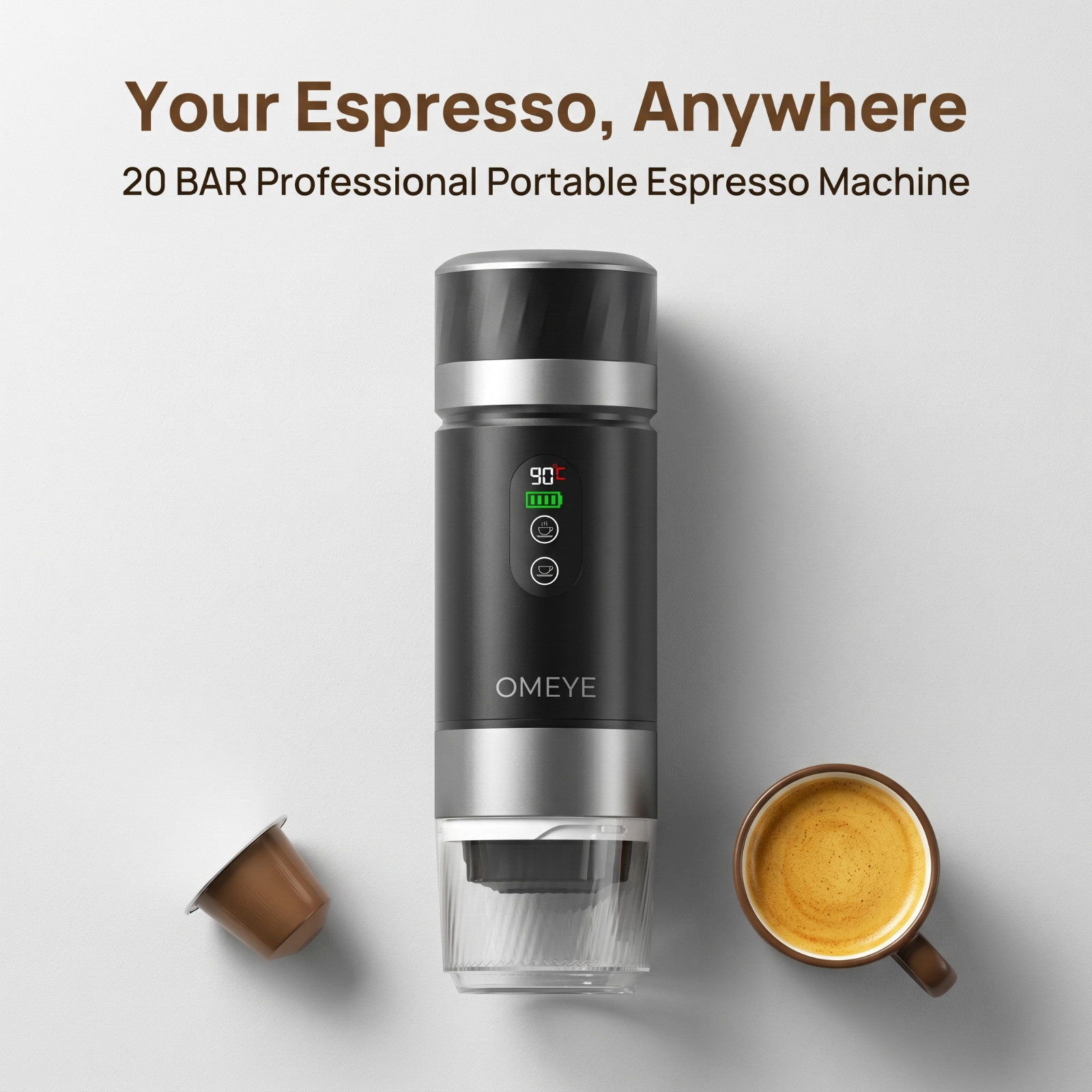 OMEYE Portable Espresso Maker 20 Bar Battery USB-C Capsule Ground Coffee$69.99View on eBay
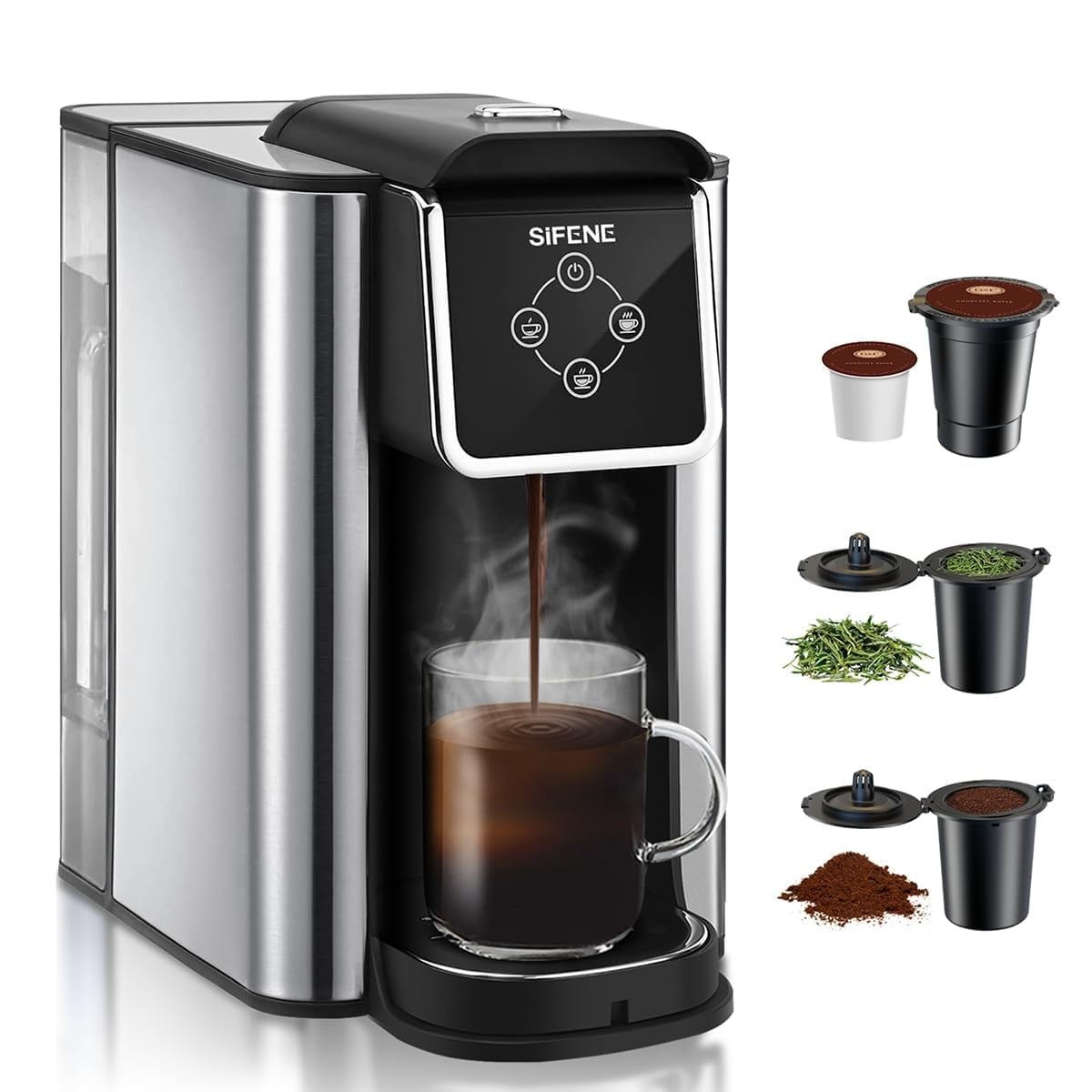 3-in-1 Single Serve Coffee Maker - Quick Brew for Coffee Pods, Ground Coffee$76.76View on eBay
Highlights
- Burr type decides flavor clarity: conical burrs (e.g., stainless steel) suit espresso's fine, consistent grind; flat burrs produce uniform particles for drip and pour-over.
- Grind adjustment range: 15+ settings with micro-stepping allows dialing in espresso (fine) to French press (coarse); fewer than 10 settings locks you into limited brew styles.
- Integrated dual boiler (as in 20-bar semi-automatic espresso machines) enables simultaneous brewing and steaming, but requires a dedicated 15-amp circuit and plumbed or large reservoir.
- Bean hopper capacity and burr material: 250g+ hopper with ceramic or hardened steel burrs resists wear and heat, maintaining grind consistency across hundreds of cycles.
Best use cases
- Best fit: daily espresso drinkers who want one machine to grind and brew—pick a conical burr model with 20-bar pump and dual boiler if you steam milk often; skip single-boiler units if you make back-to-back lattes.
- Best fit: drip coffee purists who value convenience—choose a flat burr grinder with 12+ settings and a thermal carafe; skip blade-grinder combo units because they produce fines that clog filters and cause bitterness.
- Wrong fit: households with multiple brew methods (espresso, drip, press)—a single integrated grinder often can't switch between fine and coarse without waste; buy a separate high-quality burr grinder and a dedicated brewer instead.
- Best fit: small kitchens with limited counter space—all-in-one units save footprint; but measure height clearance for hopper removal, and skip models with fixed water tanks that require moving the machine to refill.
Buying tips
- Match burr type to brew method: conical burrs for espresso (fine, consistent), flat burrs for drip (uniform particle size); avoid ceramic burrs if you grind oily dark roasts—they clog.
- Check grind settings count: 15 or more micro-adjustable steps are needed to dial in espresso; for drip-only, 10–12 steps suffice. Fewer than 10 limits you to coarse or fine only.
- Verify pump pressure for espresso: 15–20 bar is standard; 20 bar with dual boiler allows simultaneous brewing and steaming. For drip, pump pressure is irrelevant—gravity-fed is fine.
- Measure your space: integrated grinders add 30–40 cm height and 25–35 cm width; ensure clearance above for bean hopper removal and at least 10 cm behind for cord and water access.
Specs
| Burr Type | Conical vs Flat vs Blade |
|---|---|
| Grind Settings | 10-30+ micro steps |
| Pump Pressure | 9-20 bar (espresso) |
| Boiler Design | Single vs Dual vs Heat Exchange |
Related searches
What to check before buying
- Measure counter depth and height: allow 40 cm width, 35 cm depth, and 45 cm height for most bean-to-cup machines; confirm hopper fits under cabinets.
- Check electrical: espresso machines with dual boilers draw 1200–1500W; confirm a dedicated 15A circuit near the counter to avoid tripping breakers.
- Water access: if using a plumbed model, verify nearby water line and drain; otherwise, ensure removable reservoir is accessible without moving the machine.
- Grinder maintenance: confirm burrs are user-replaceable and hopper is removable for cleaning; avoid models with sealed grind chambers that require professional service.
FAQ
Data sources: eBay / Amazon listings and product attribute feeds. Updated Nov 27, 2026.
Some links on this page are affiliate links. If you buy after clicking one, we may earn a commission at no extra cost to you. This does not change which products appear here or their order. Affiliate disclosure.