
Photos from current listings. Actual item, color, and included accessories may vary.
Coffee Maker With Built In Grinder Buying Guide
A coffee maker with a built-in grinder combines bean-to-brew automation in one chassis, eliminating stale pre-ground coffee and separate grinding steps. The core trade-off is grinder quality versus brewer architecture: conical burr grinders with adjustable settings preserve aroma and allow true grind-to-brew matching, while cheap blade or fixed-burr units limit extraction control and durability. The decision rule is simple—choose a model with a conical burr grinder, at least 12 grind settings, and a removable brew basket; skip any unit that uses a blade grinder or pressurizes the brew path, as those compromise both flavor ceiling and serviceability.
Median $73.99 · New & pre-owned listings
Key takeaways
- Conical burr grinders (stainless steel) outlast ceramic flat burrs in home environments and produce fewer fines; look for at least 12 stepped settings to match grind size to brew method.
- Dual-zone thermal carafes with vacuum insulation hold coffee above 160°F for 2+ hours without a hot plate, preventing the burnt, stewed flavor caused by continuous warming plates.
- Pump-driven espresso models with built-in grinders need 15–19 bars of pressure and a 58mm or 54mm portafilter; superautomatic units use 13–15 bar brew circuits and integrated puck ejection.
At a glance
- Category
- Coffee Makers & Espresso
- Last updated
- Nov 27, 2026
Current offers
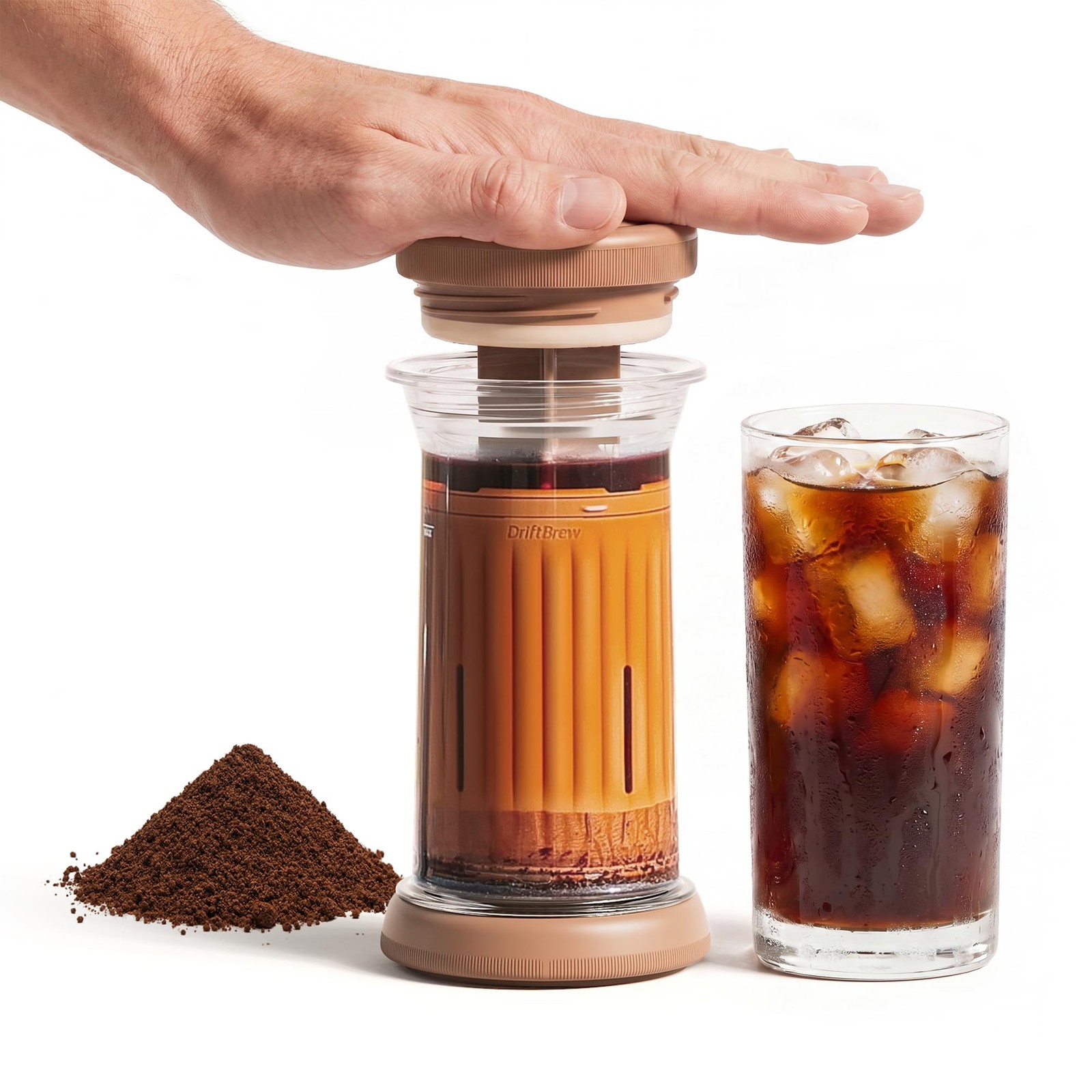 Camping Coffee Maker 8oz Portable Cold Brew & Espresso - Travel Brewing Gear$31.99View on eBay
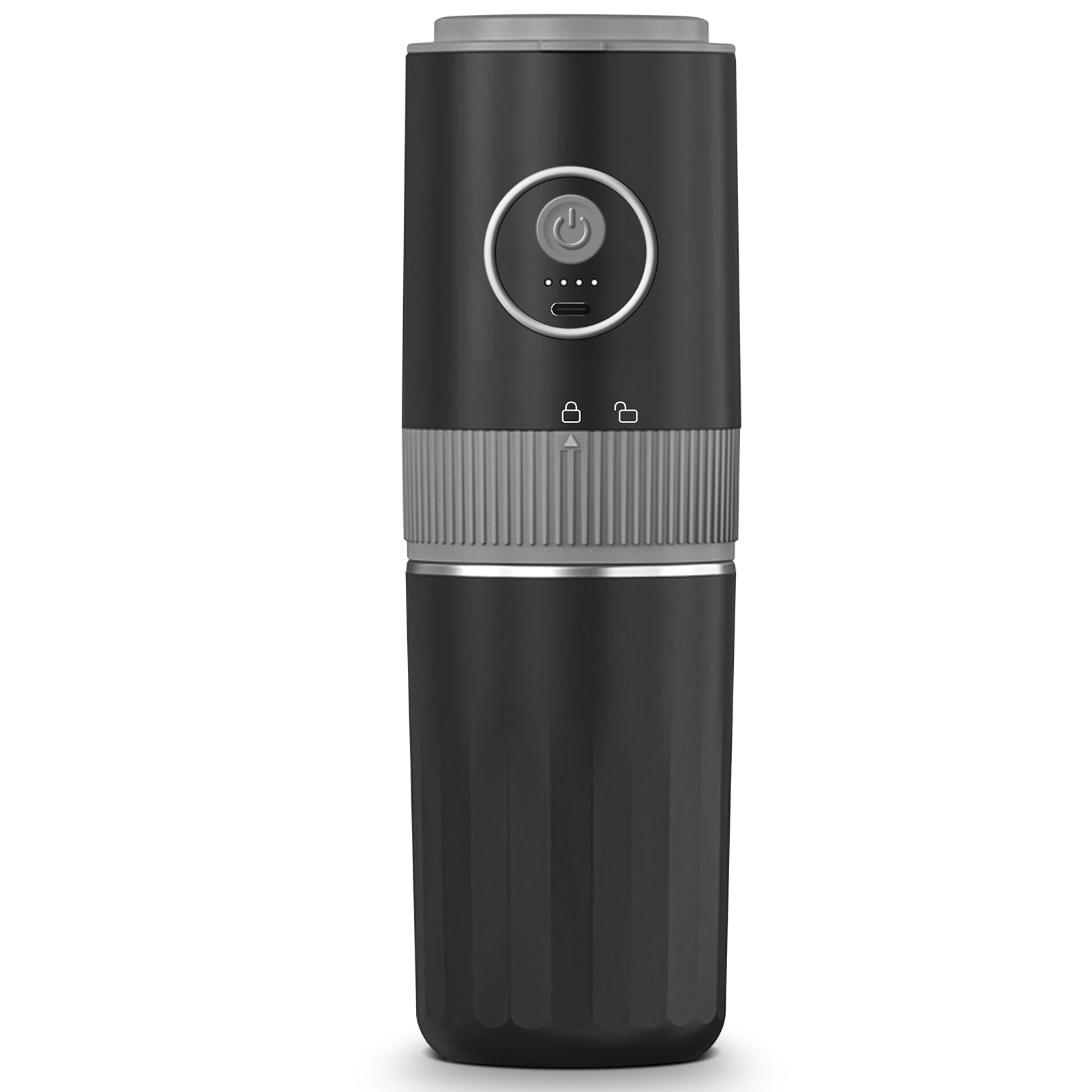 Plum Chef Portable Electric Coffee Grinder And Hand Brew Maker, 4 In 1 Wireless Travel Machine With 1500mAh Battery, Adjustable Burr 320ml Stainless Steel Cup$49.99View on Mallflare
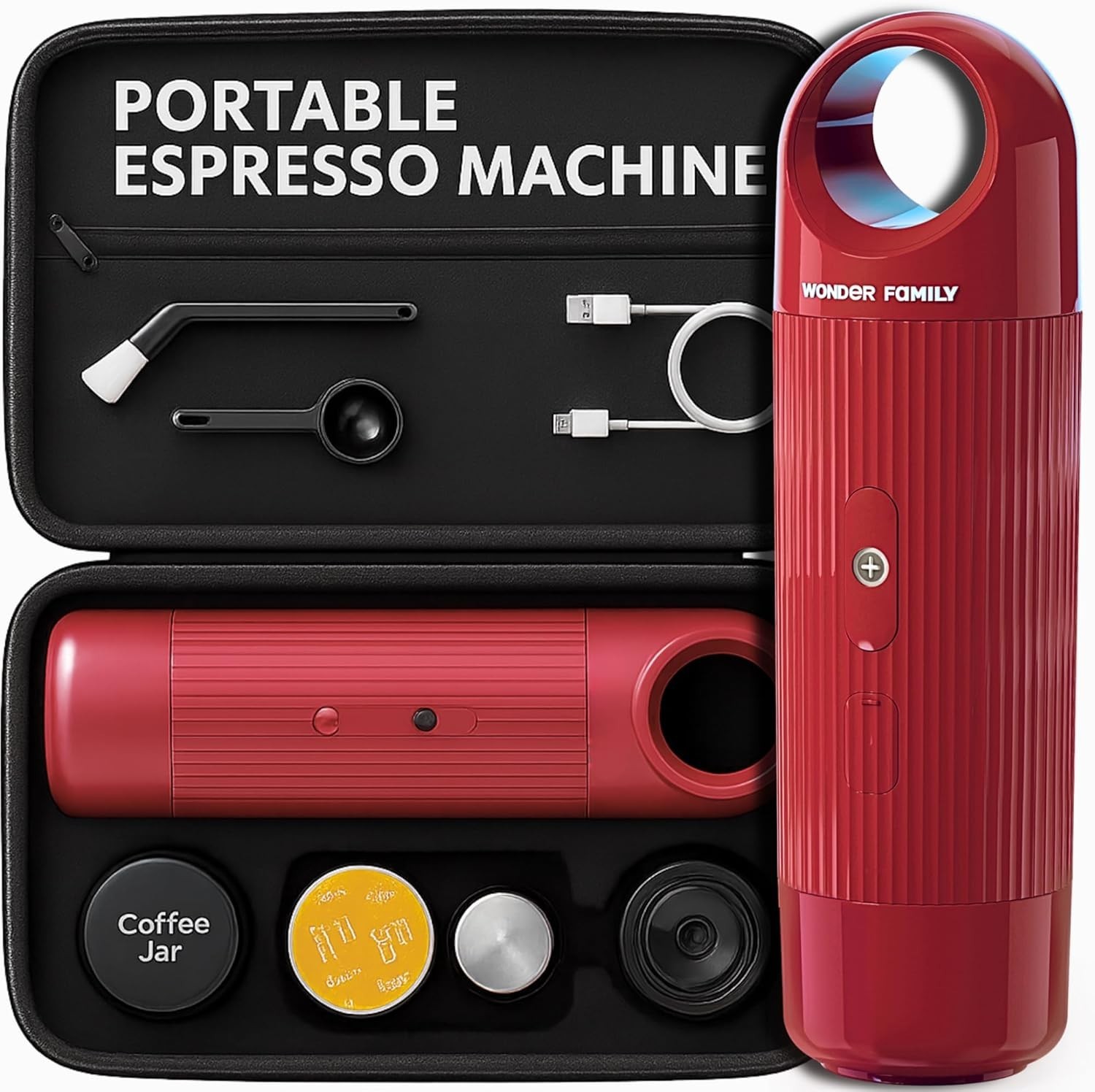 Portable Espresso Machine Travel Coffee Maker for Pods & Grounds Mini 5 Cup Make$34.99View on eBay
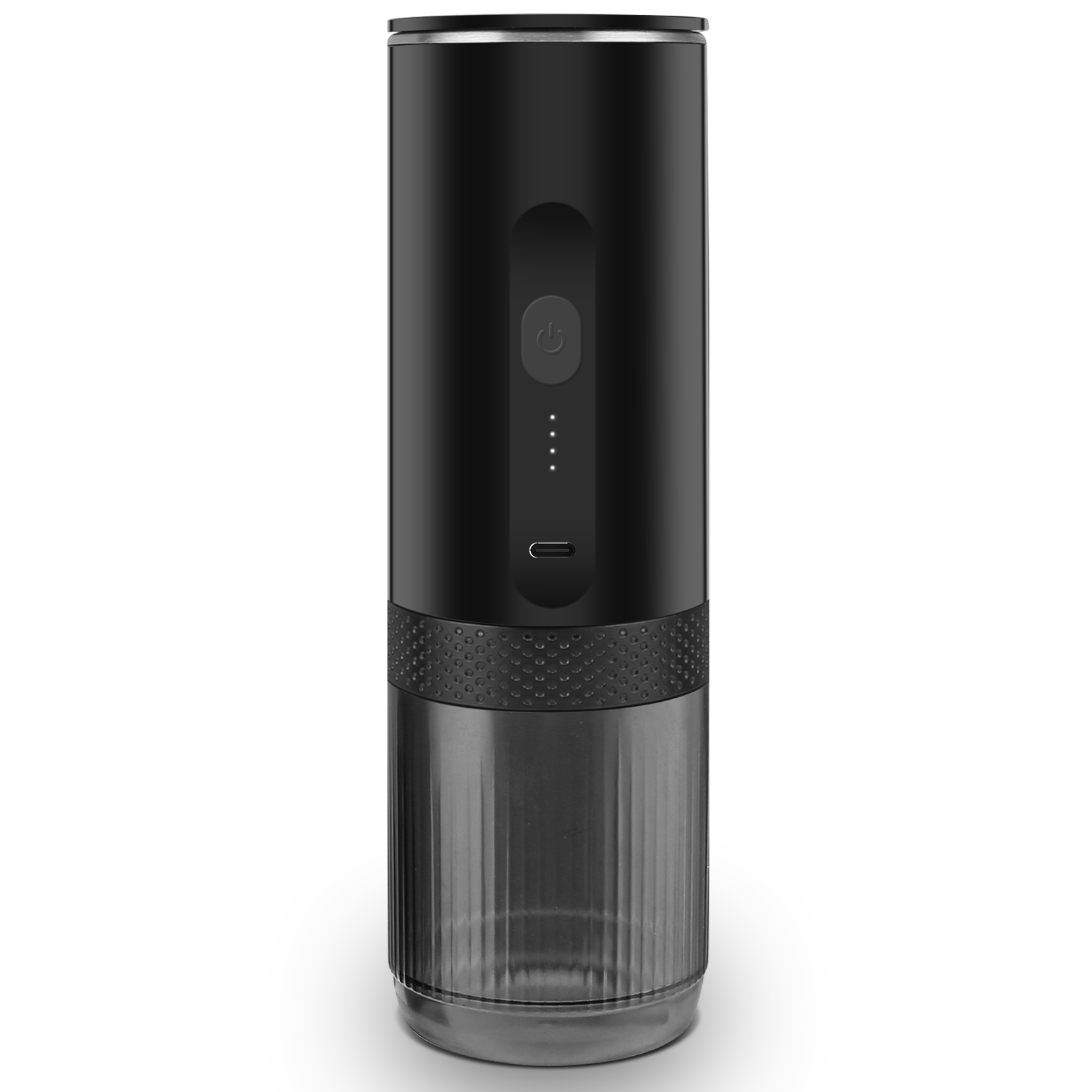 Plum Chef Portable Espresso Machine, 15Bar Pump Pressure Wireless Travel Coffee Maker With Self-Heating, 7500mAh Battery, 2-in-1 For Ground Nespresso Capsules, For Camping Car Home Office$54.99View on Mallflare
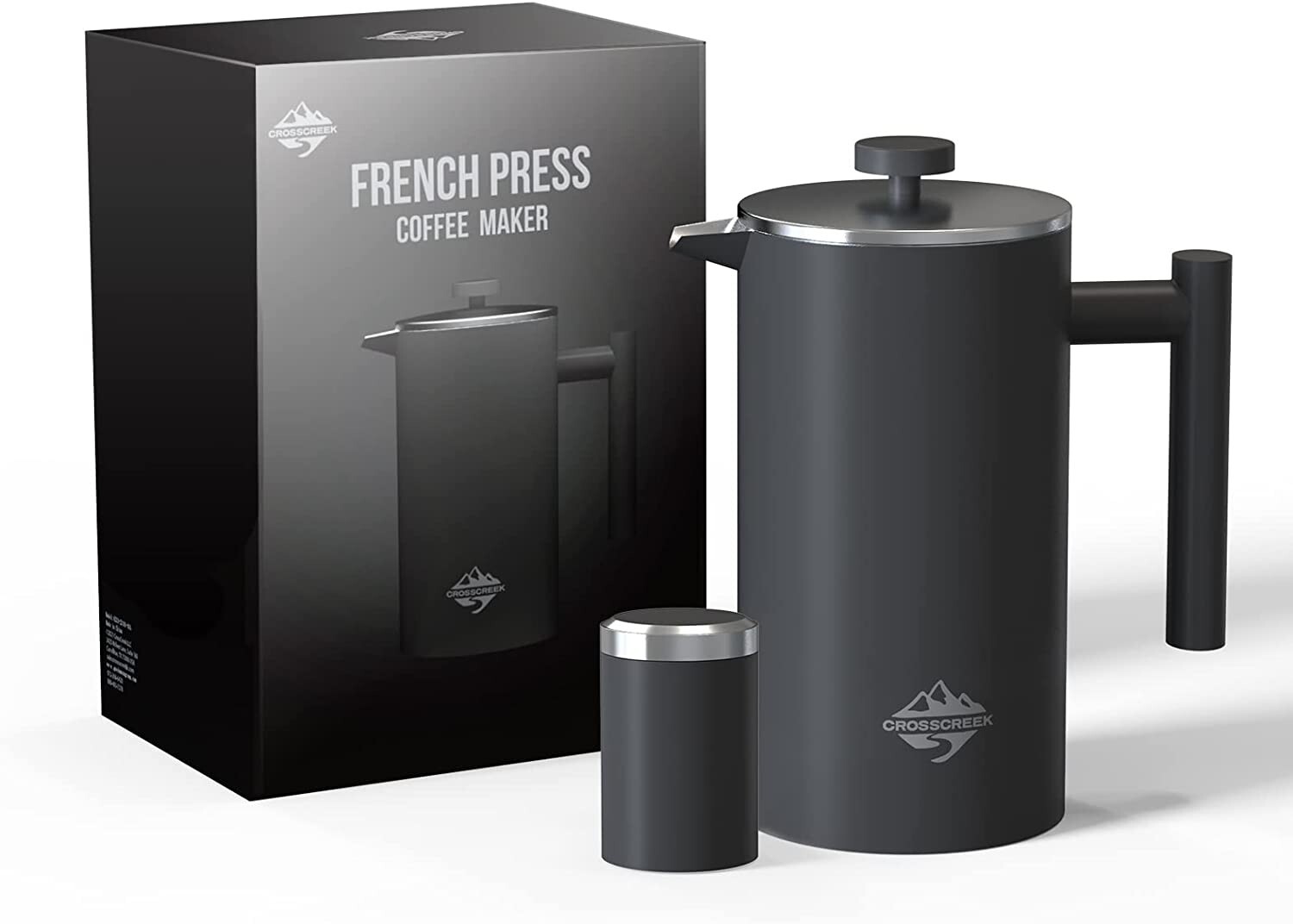 CrossCreek French Press Coffee Maker, 304 Stainless Steel Coffee Press 34oz$39.99View on eBay
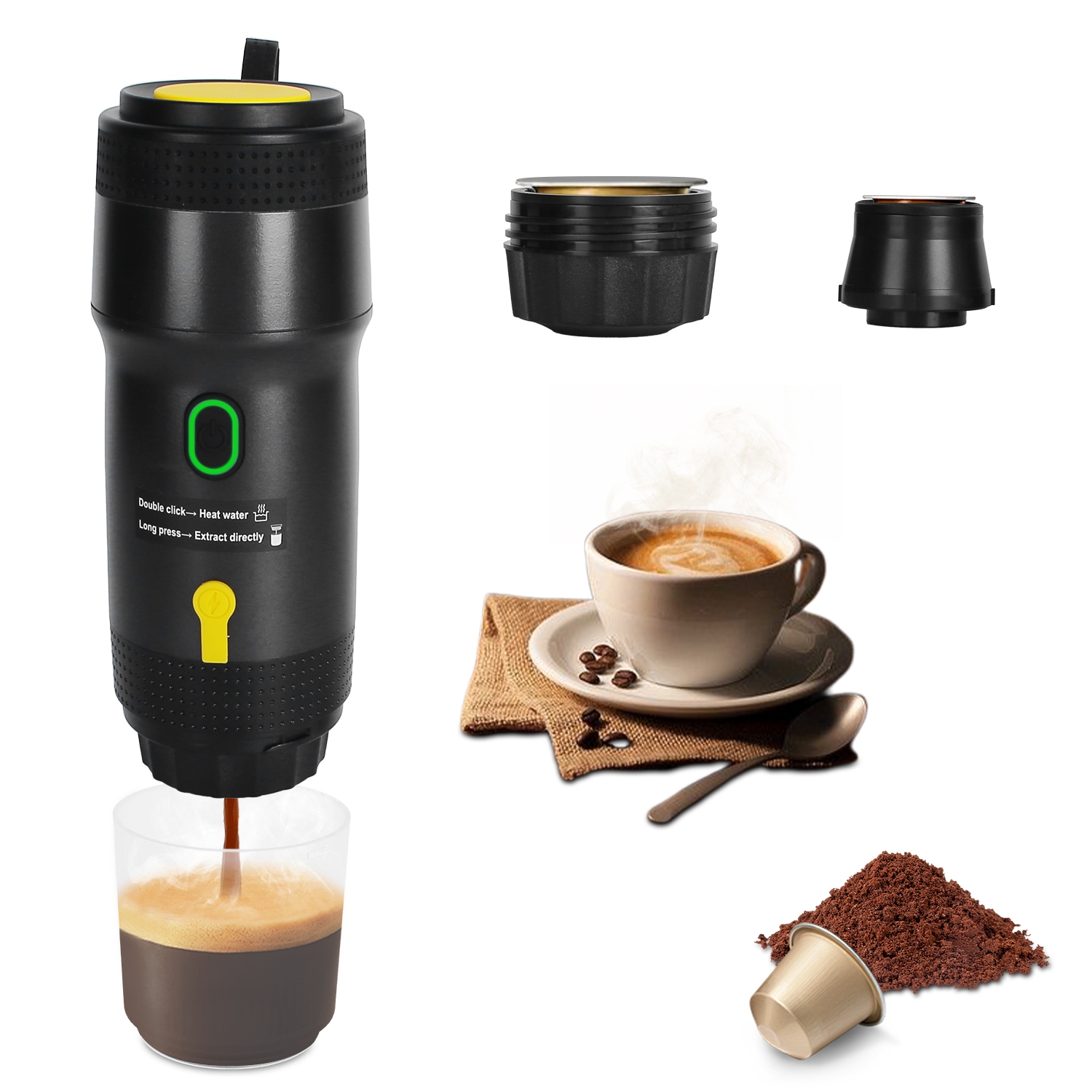 1Pc Portable Electric Espresso Machine Cordless Coffee Maker Self Heating Car With Anti Dry Burn Fit For Ground NS DG Capsules For Car Camping Hiking RV Home Office$55.99View on Mallflare
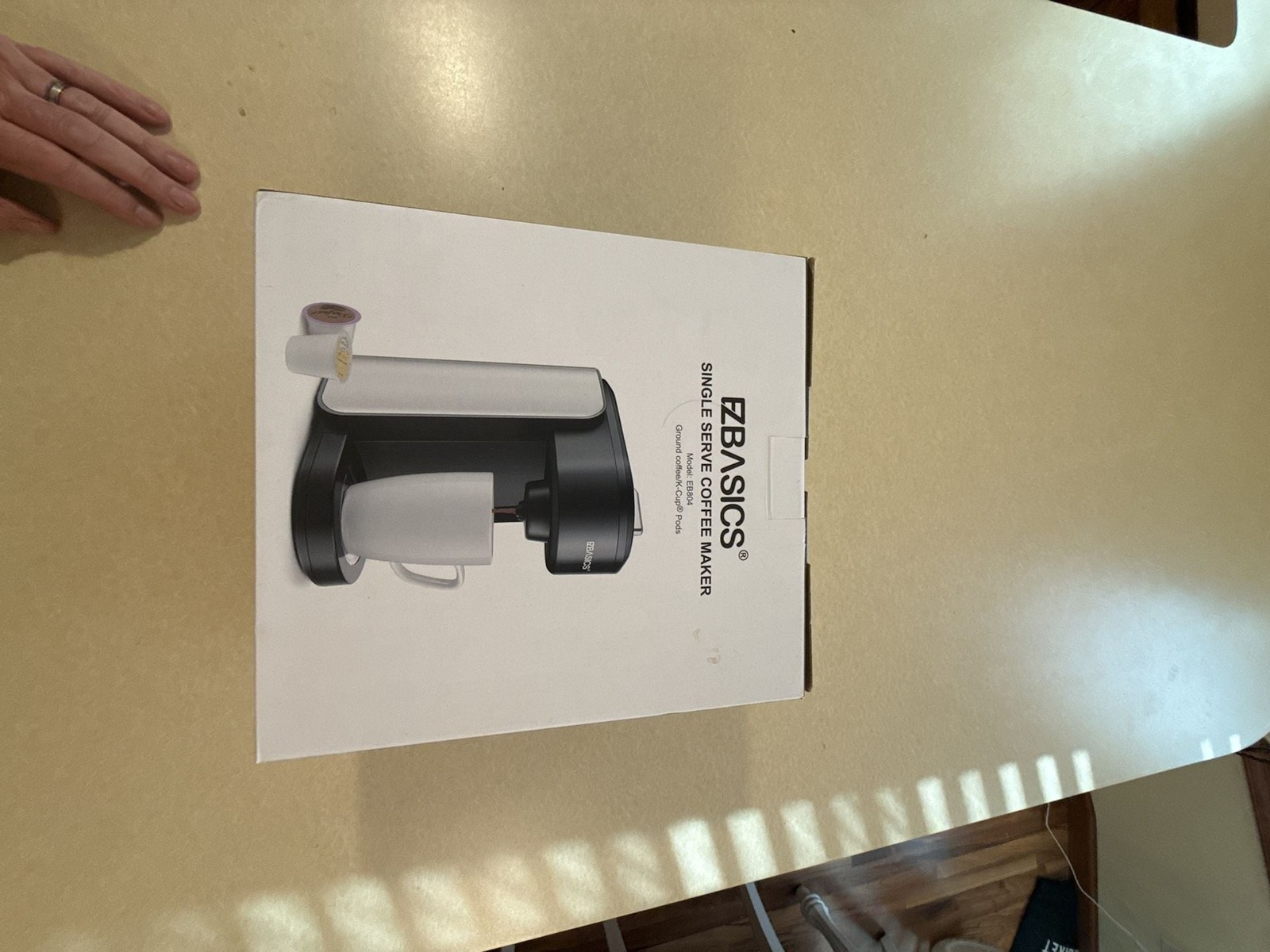 EZBASICS Single Serve Coffee Maker Model EB804 for Ground Coffee and K-Cup Pods$42.00View on eBay
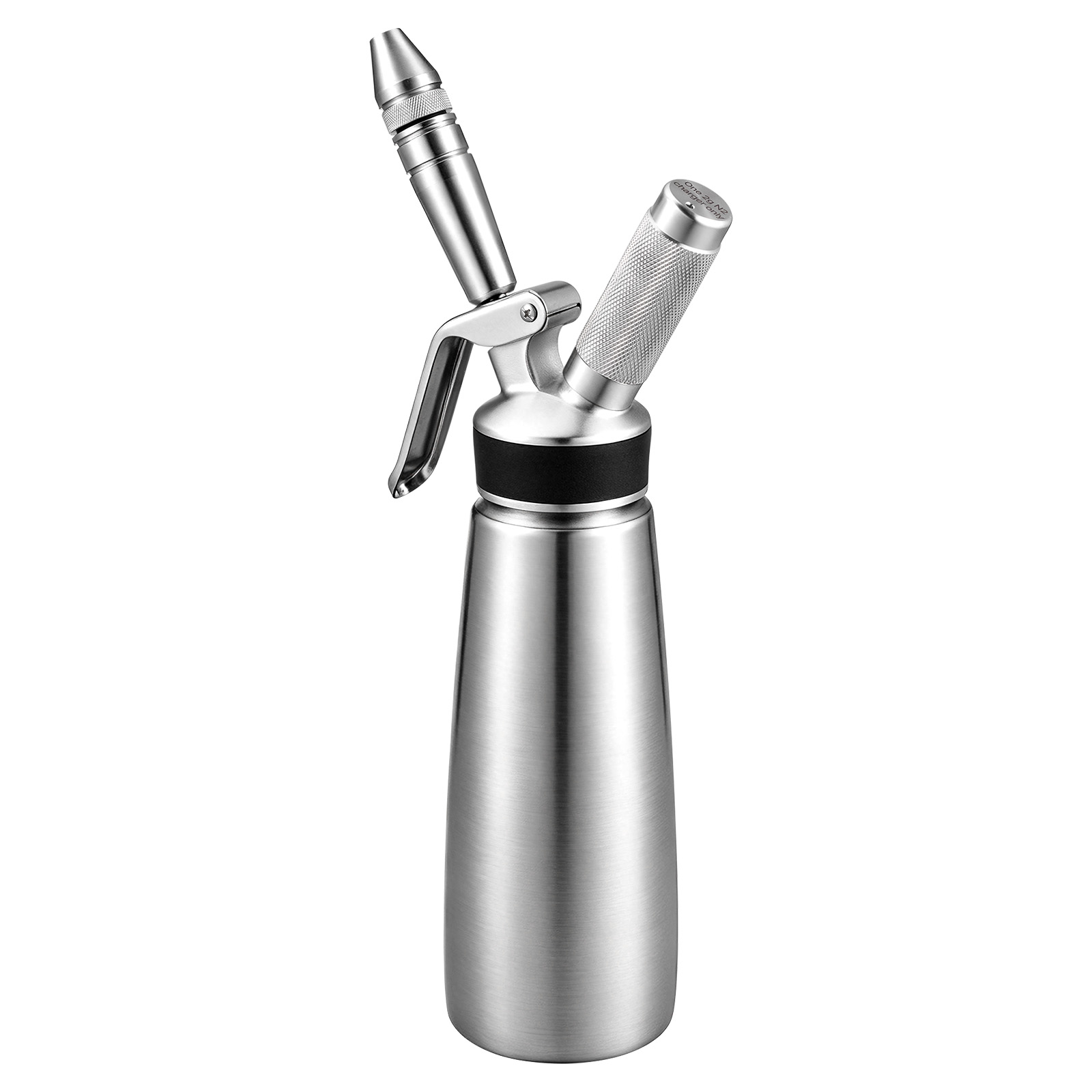 Nitro Cold Brew Coffee Maker 17 Oz Nitrogen Dispenser System, Home Keg, Portable Infuser With And Pressure Relieving Valve, Gift For Lovers$67.99View on Mallflare
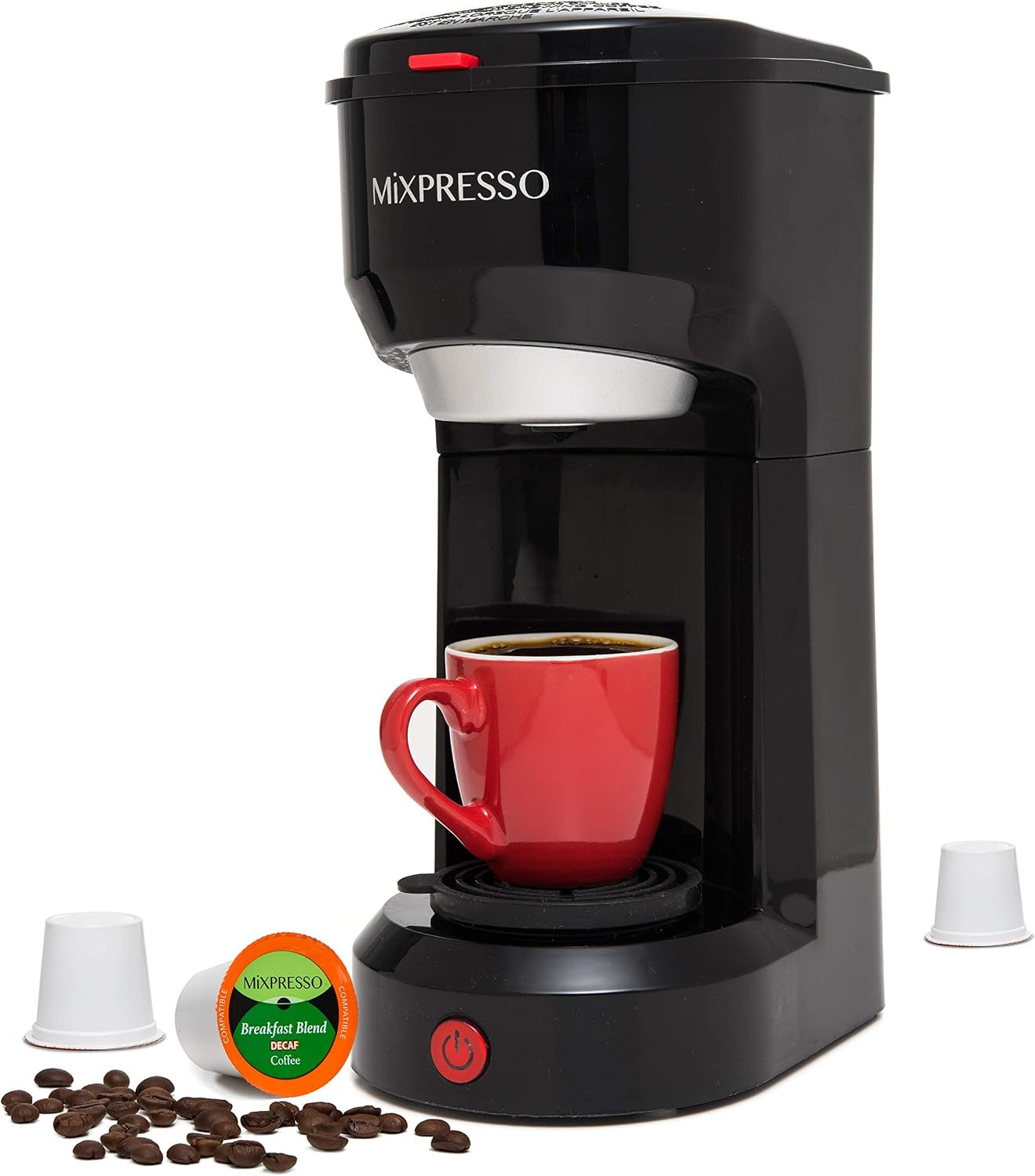 Single Serve K Cup Coffee Maker for Pods and Ground Coffee$53.01View on eBay
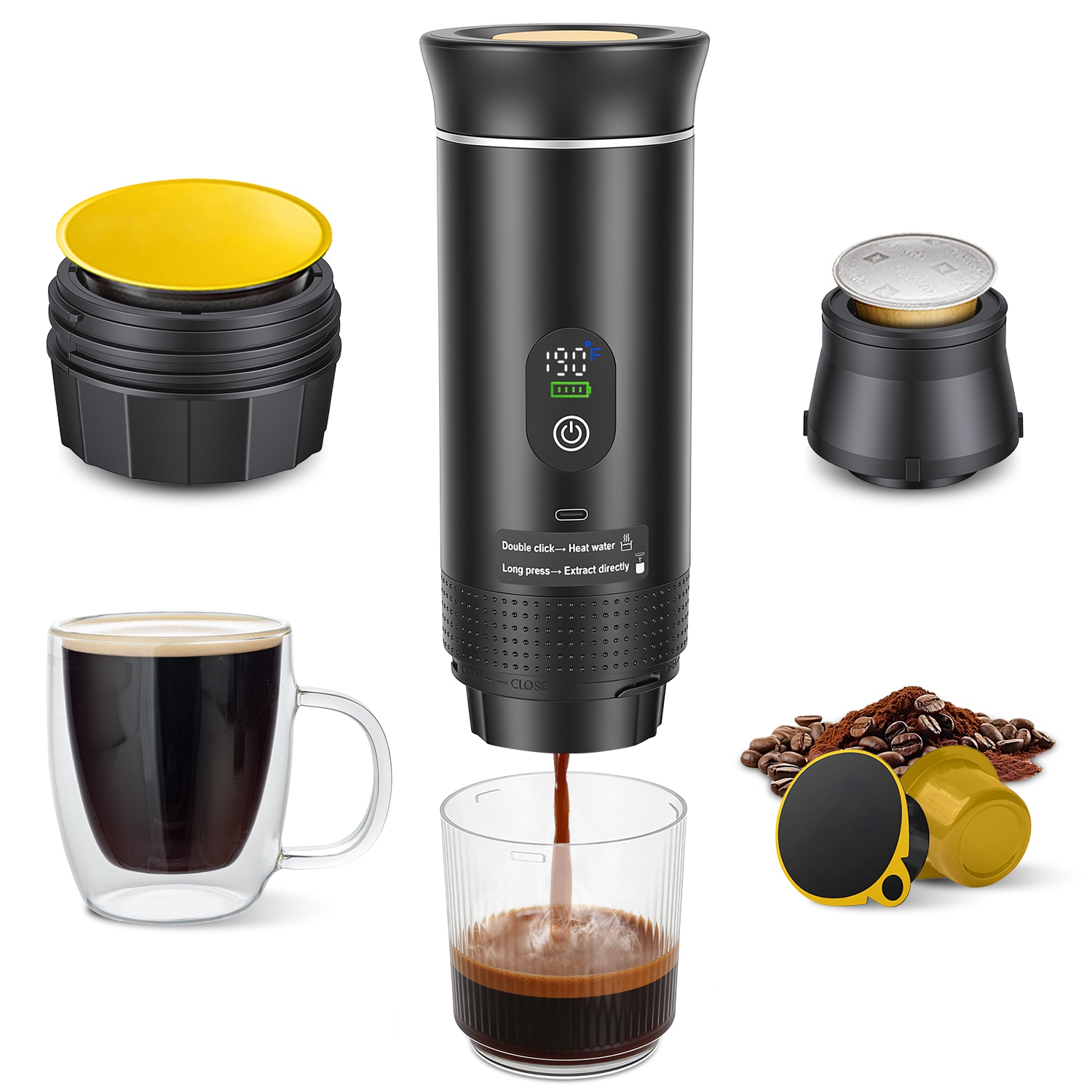 3 In 1 Portable Espresso Machine Cordless Mother Day Self Heating Coffee Maker With 7500mAh Battery 20Bar Pressure Anti Dry Burn Fit For Ground Capsules For Camping Hiking RV Home$73.99View on Mallflare
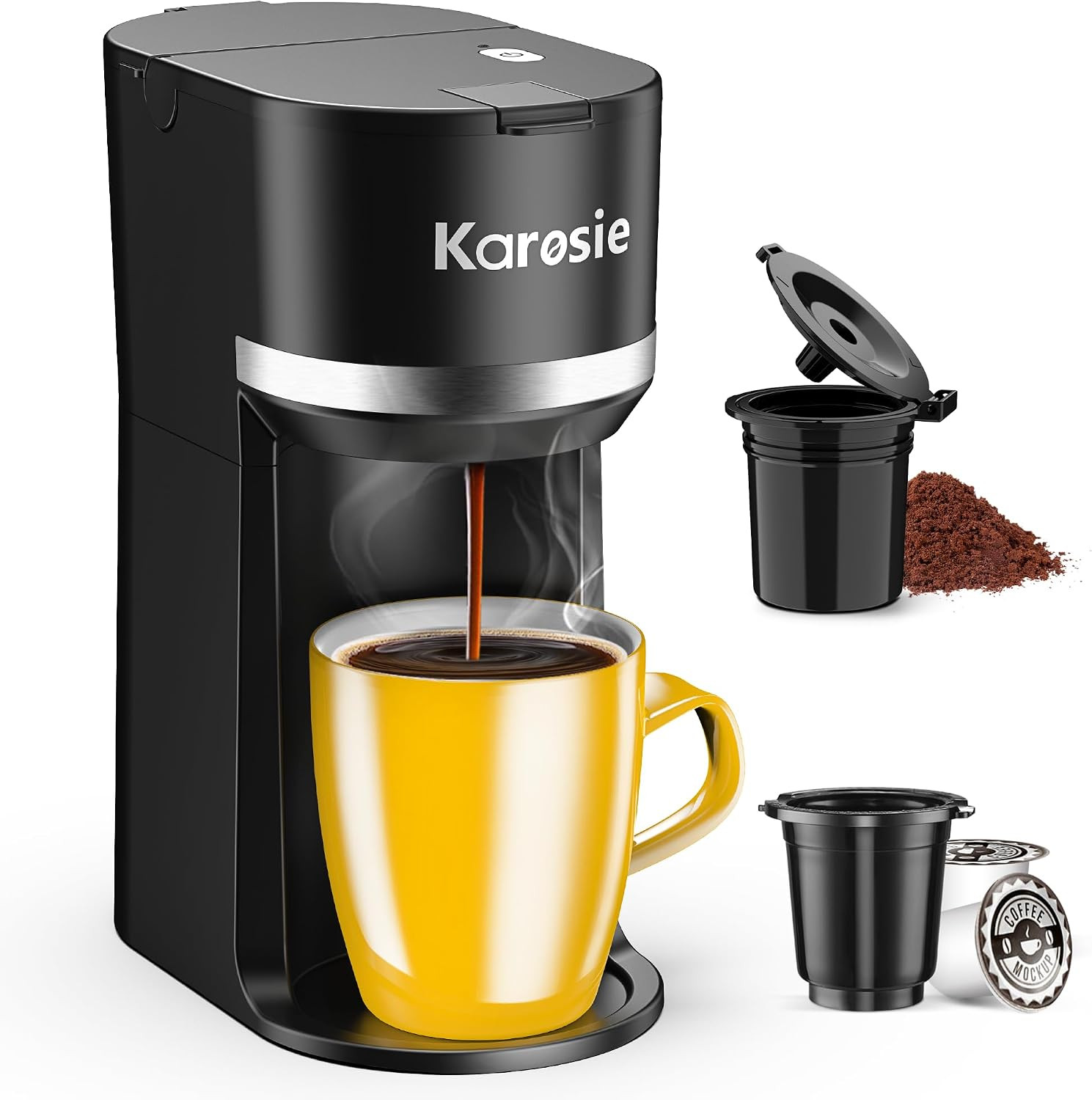 Single Serve Coffee Maker for Coffee Pods and Grounds,Fast Brew,6-12 Oz Brew Siz$61.52View on eBay
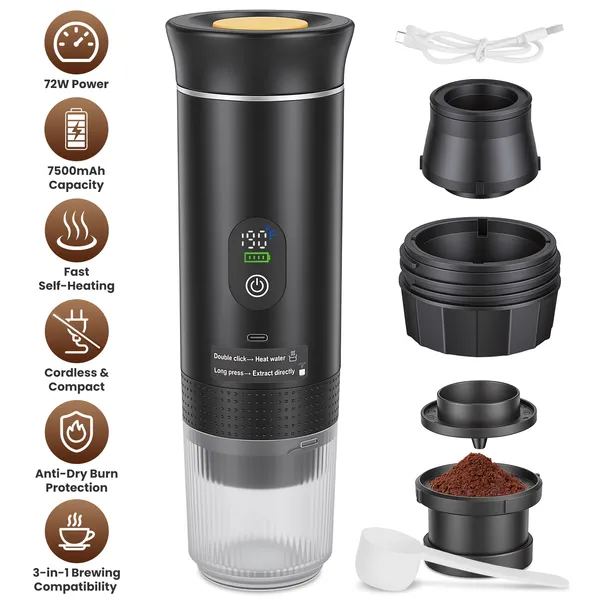 3-in-1 Portable Espresso Machine Cordless Self-Heating Coffee Maker With 7500mAh Battery 20Bar Pressure Anti-Dry Burn Fit For Ground Coffee&NS&DG Capsules For Camping Hiking RV Home Office$89.99View on Mallflare
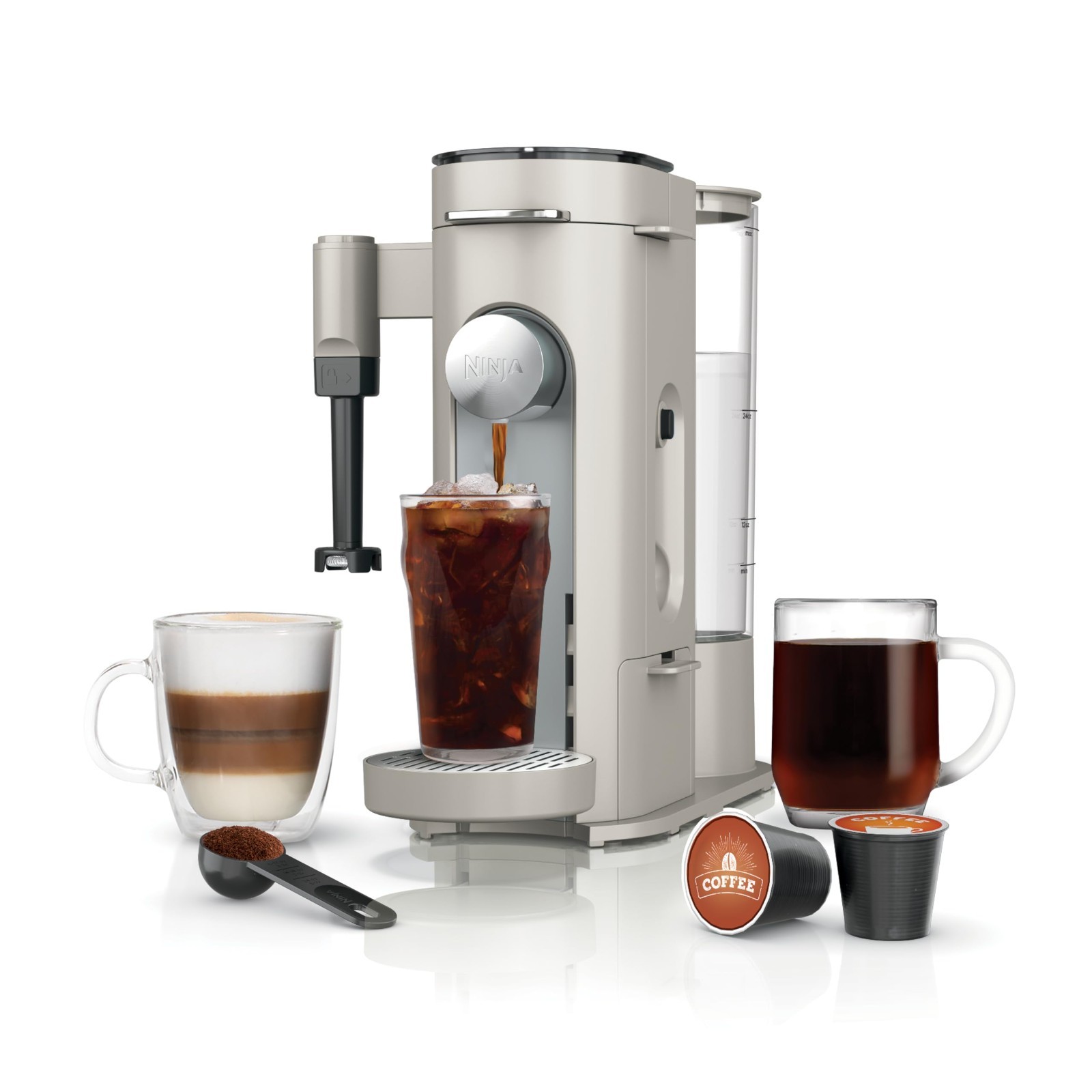 Ninja Pod and Grounds Coffee Maker, K-Cup Compatible, Stone, PB051ST$61.55View on eBay
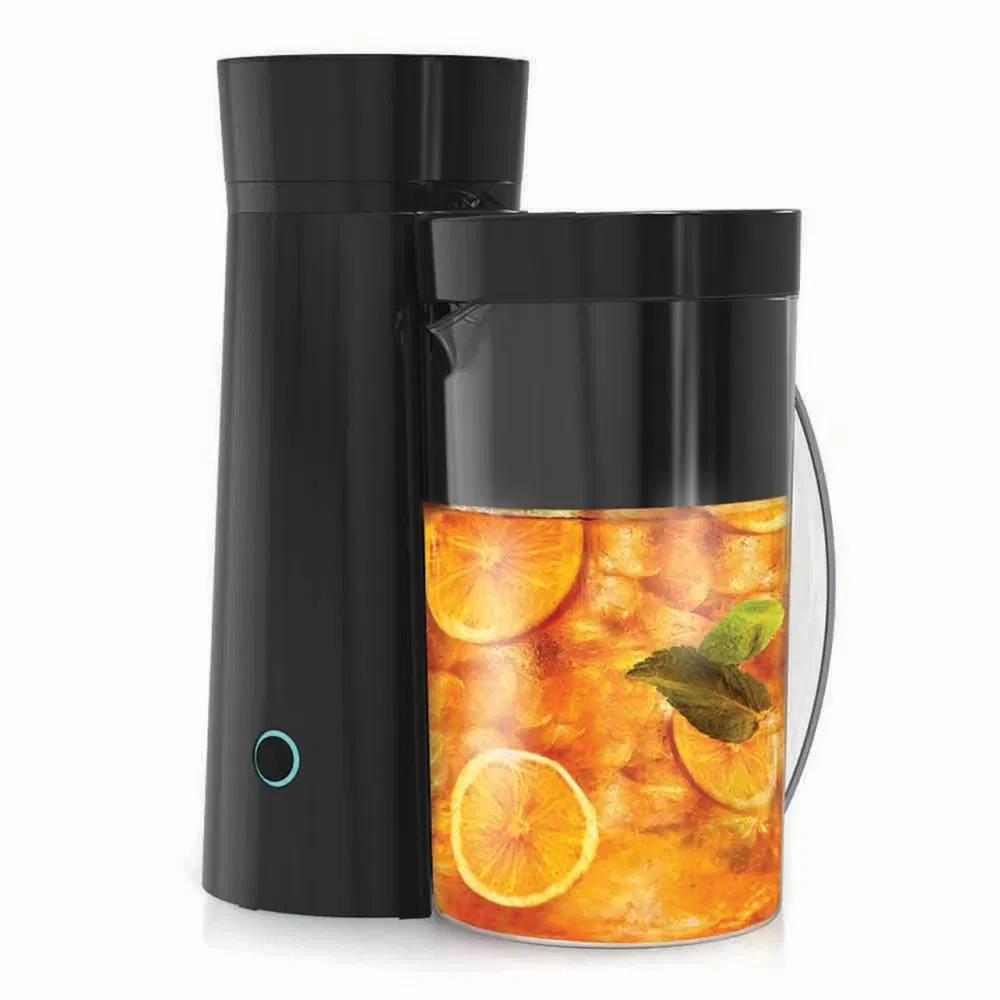 2-Quart Iced Tea and Coffee Maker, 8-Cup$89.99View on Mallflare
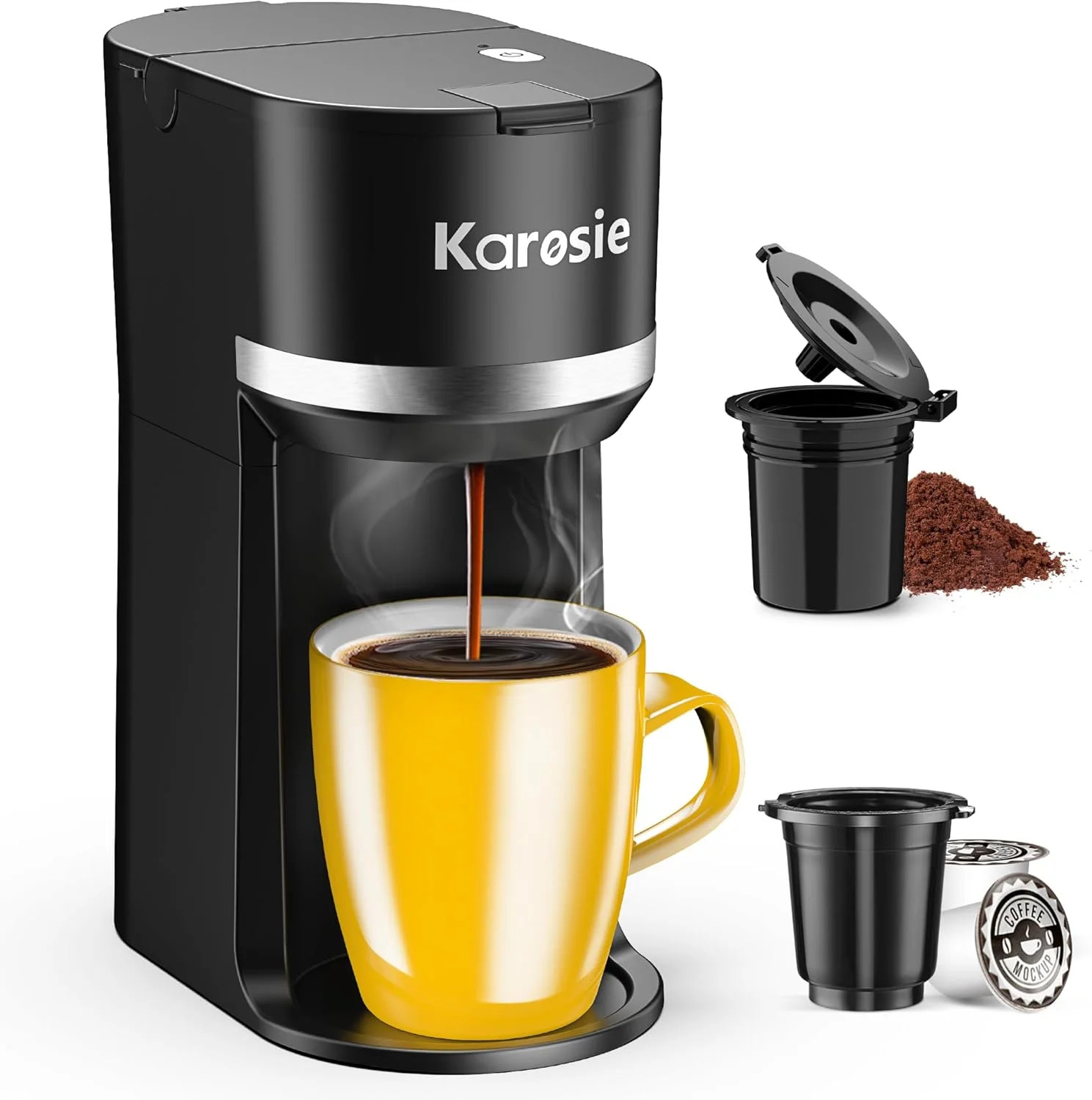 Single Serve Coffee Maker for Coffee Pods and Grounds,Fast Brew,6-12 oz Brew Siz$65.99View on eBay
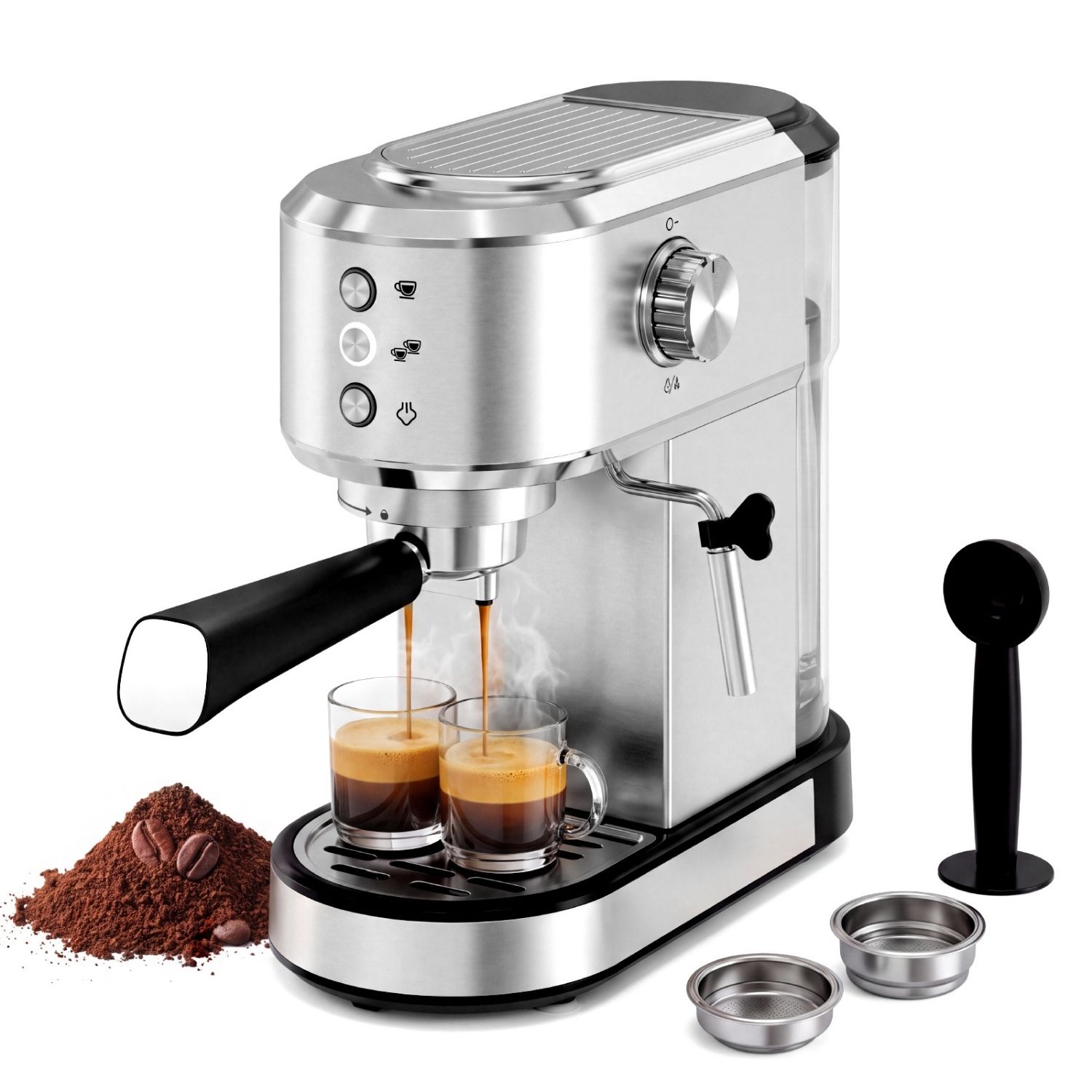 20 Bar Espresso Machine, 1350W Boiler, Steam Wand, Water Tank, Stainless Steel, Compact Coffee Maker For Home Barista$101.99View on Mallflare
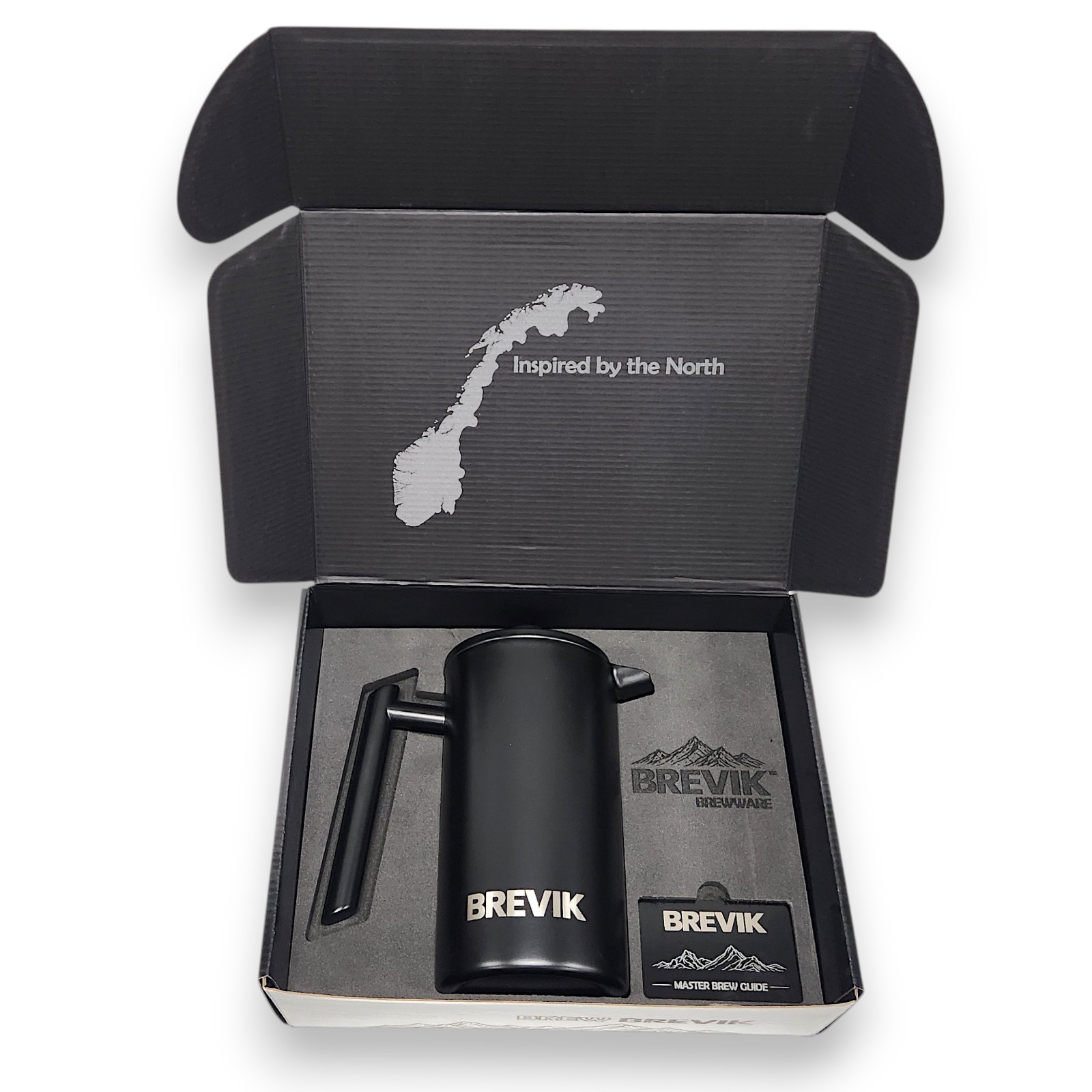 BREVIK 34oz Insulated Stainless Steel French Press Coffee Maker GIFT 1000ml$69.99View on eBay
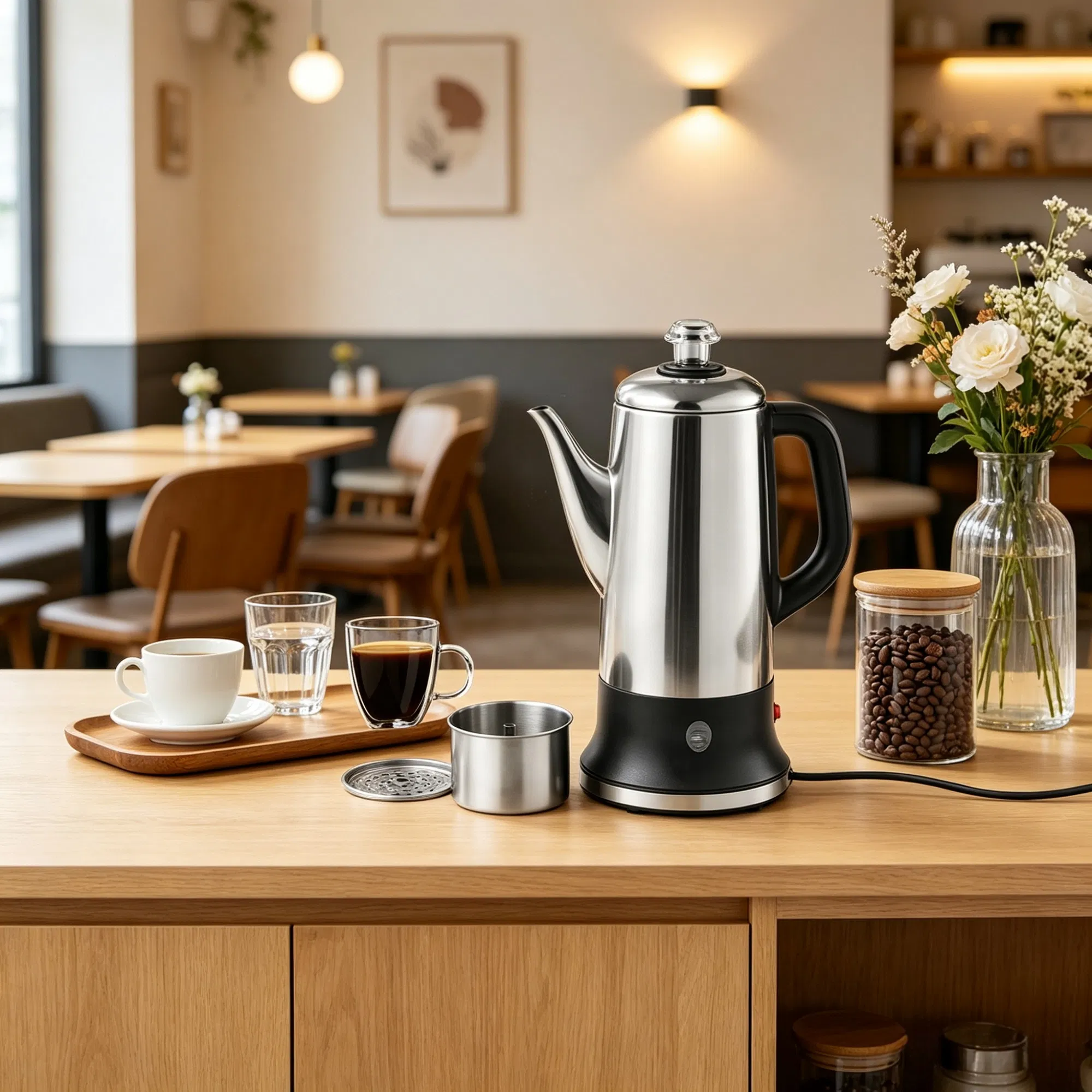 12-Cup Electric Percolator Coffee Pot, Maker with Keep Warm Function & Heat-Resistant Handle, Silver$109.99View on Mallflare
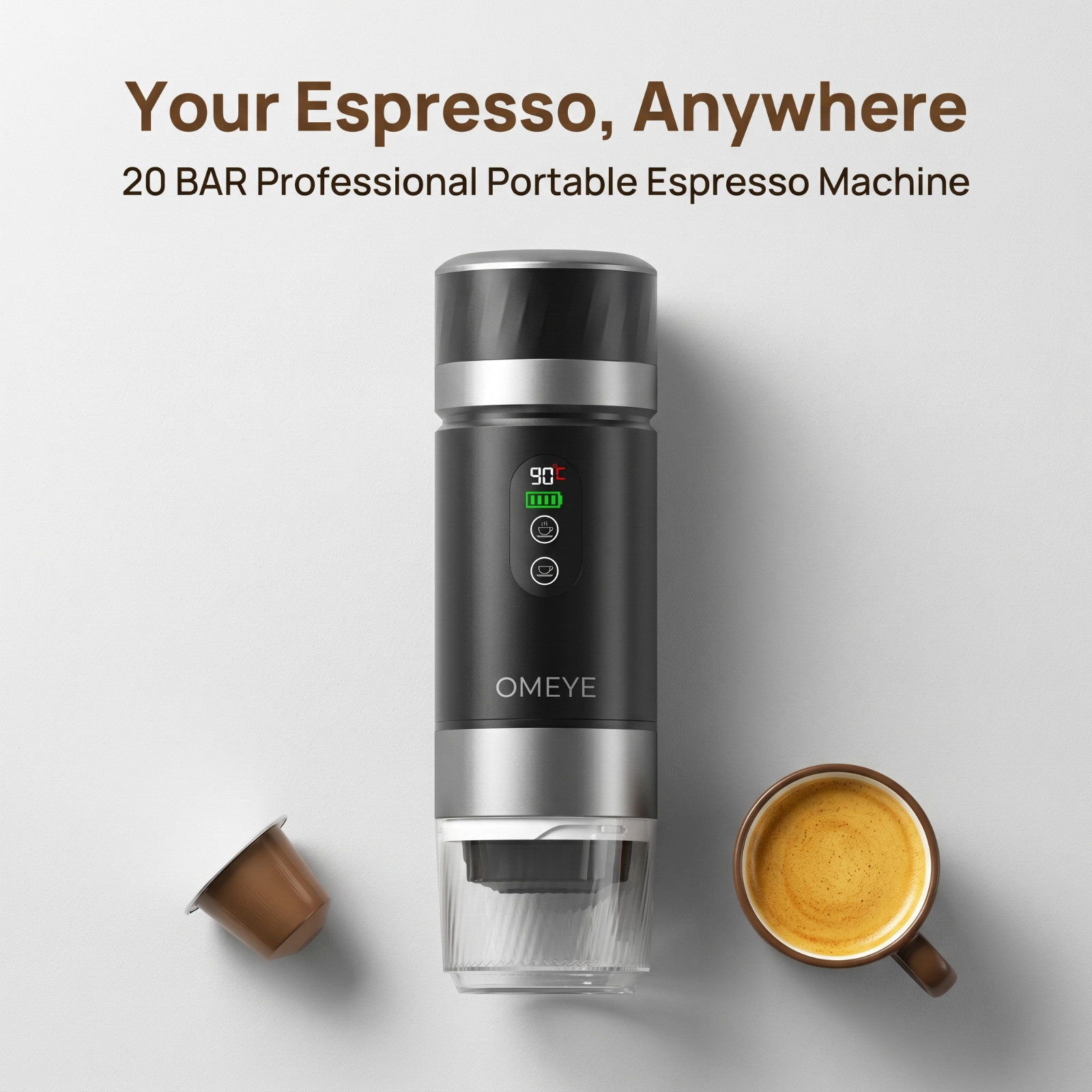 OMEYE Portable Espresso Maker 20 Bar Battery USB-C Capsule Ground Coffee$69.99View on eBay
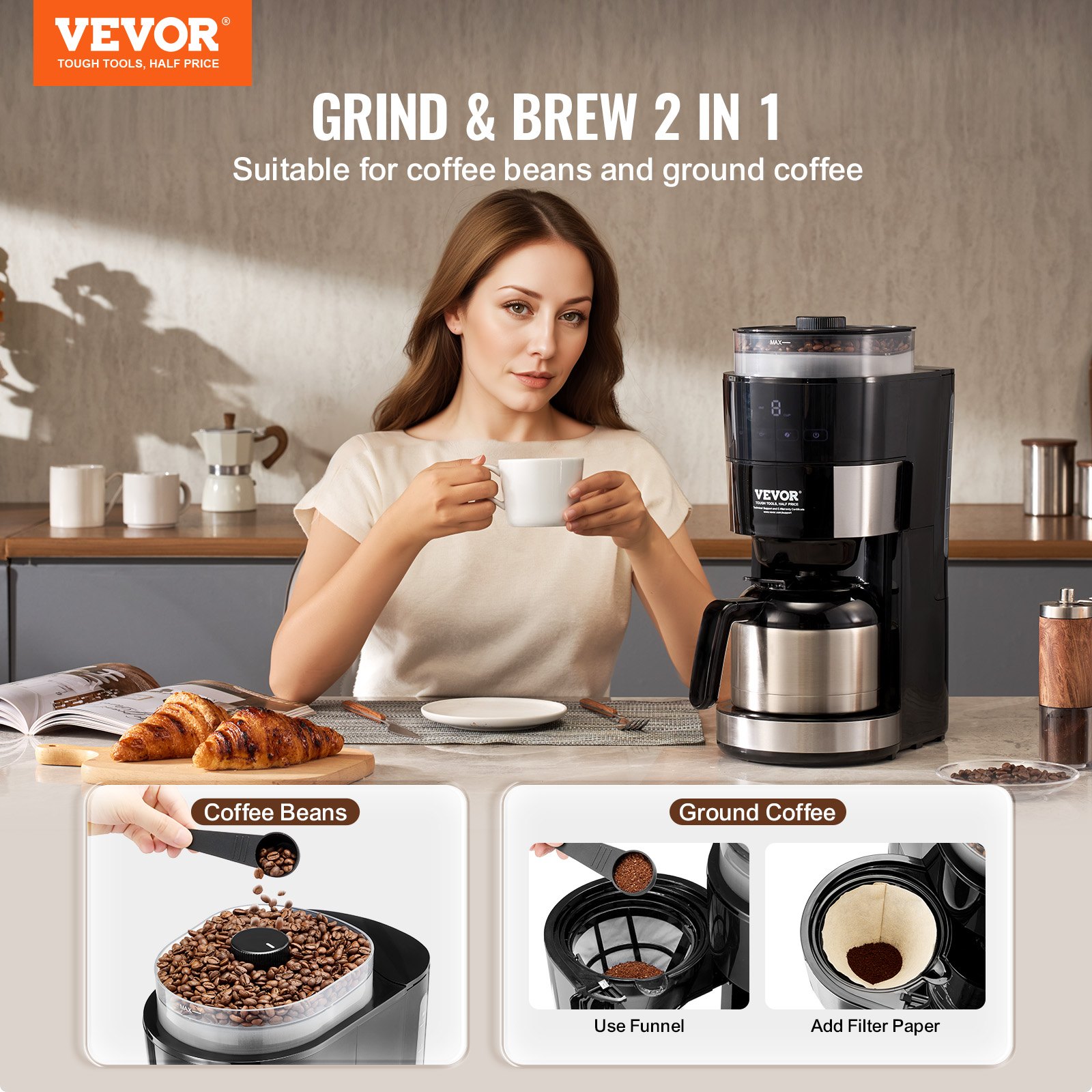 VEVOR 8-Cup Coffee Maker Drip Machine With 3 Brew Strength Control$119.99View on Mallflare
Highlights
- Conical burr grinders (stainless steel) outlast ceramic flat burrs in home environments and produce fewer fines; look for at least 12 stepped settings to match grind size to brew method.
- Dual-zone thermal carafes with vacuum insulation hold coffee above 160°F for 2+ hours without a hot plate, preventing the burnt, stewed flavor caused by continuous warming plates.
- Pump-driven espresso models with built-in grinders need 15–19 bars of pressure and a 58mm or 54mm portafilter; superautomatic units use 13–15 bar brew circuits and integrated puck ejection.
- Bean hopper capacity of 8–12 oz (250–350 g) suits 1–2 daily brewers; hoppers under 6 oz require frequent refills and expose beans to more oxygen cycling.
Best use cases
- Best fit: daily drip drinkers who want fresh ground coffee on a timer—pick a grind-and-brew drip machine with a thermal carafe and 12-cup capacity; skip superautomatic espresso units that add milk-frothing complexity and cost.
- Best fit: espresso-focused households wanting one-touch lattes—choose a superautomatic with integrated milk carafe and adjustable grind; skip drip-style grind-and-brew models that cannot produce true 9-bar espresso.
- Best fit: small kitchens or single drinkers—select a compact 5-cup grind-and-brew with a removable water tank; skip 12-cup or dual-boiler machines that occupy excessive counter depth and require more frequent bean replenishment.
- Wrong fit: buyers who switch between decaf and regular beans multiple times daily—built-in hopper models make single-dose swapping impractical; a separate burr grinder plus brewer is the better architecture.
Buying tips
- Match grind settings to brew type: drip requires medium grind (600–800 µm), espresso needs fine (200–300 µm), and cold brew coarse (800–1000 µm); a grinder with fewer than 12 steps cannot reliably hit all three.
- Check burr material and replacement availability: stainless steel conical burrs rated for 500+ lb of coffee before replacement are the durability baseline; plastic or ceramic burrs wear faster and often are not user-replaceable.
- Verify carafe and brew basket are dishwasher-safe and removable—built-in grinder machines accumulate chaff and oils, and sealed non-removable brew paths become rancid within months.
- For superautomatic espresso, confirm the brew group is removable without tools for weekly rinsing; fixed brew groups require descaler backflushing and are a long-term service liability.
Specs
| Grinder Type | Conical burr (steel) vs blade / flat |
|---|---|
| Brew Architecture | Drip filter / superautomatic espresso |
| Grind Settings | 12+ stepped / stepless (espresso) |
| Carafe / Hopper | Thermal vacuum / 8–12 oz opaque hopper |
Related searches
What to check before buying
- Measure counter depth and height clearance: grind-and-brew drip machines typically run 10–14 inches deep and 14–16 inches tall; superautomatics can exceed 16 inches tall with hopper lid open.
- Confirm electrical circuit: most built-in-grinder machines draw 1200–1500 W and require a dedicated 15 A outlet; sharing a circuit with a microwave or toaster risks tripping during simultaneous use.
- Check water hardness and filtration: built-in grinder machines with aluminum or brass boilers need softened or filtered water; hard water scales brew paths and grinders cannot fix mineral-compromised extraction.
- Verify bean hopper lid seal and UV opacity: clear hoppers expose beans to light degradation; opaque or tinted hoppers with silicone gaskets preserve freshness between refills.
FAQ
Data sources: eBay / Amazon listings and product attribute feeds. Updated Nov 27, 2026.
Some links on this page are affiliate links. If you buy after clicking one, we may earn a commission at no extra cost to you. This does not change which products appear here or their order. Affiliate disclosure.