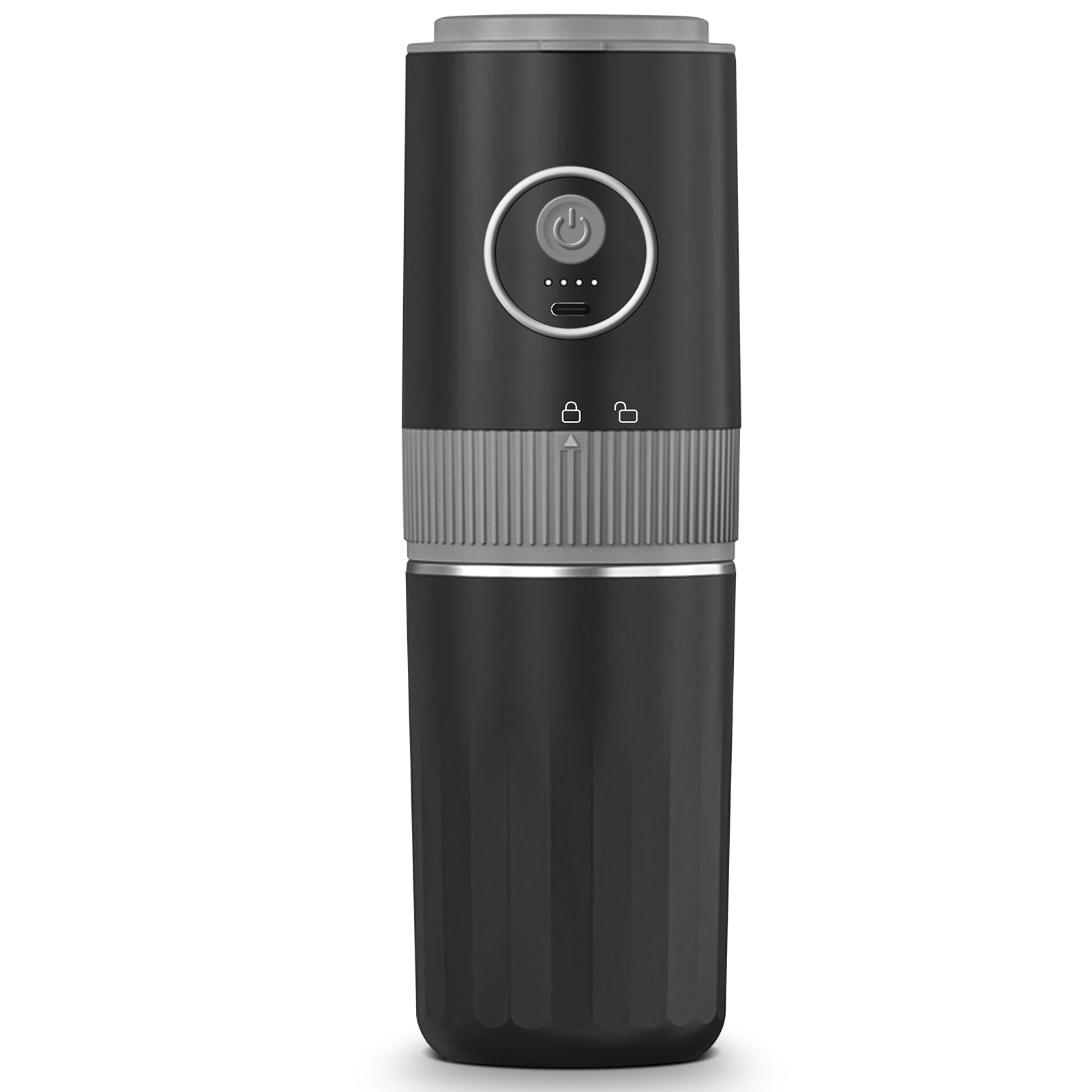

Photos from current listings. Actual item, color, and included accessories may vary.
Coffee Maker With Burr Grinder Buying Guide
A coffee maker with a burr grinder combines grinding and brewing in one appliance, but the primary trade-off is burr quality versus brewer temperature stability and capacity. Durable options use conical steel or ceramic burrs with clearly defined micron adjustments; compromises use false burrs or pressurized baskets that mask stale coffee. The decision rule: pick a machine whose burr set is serviceable and whose brew path meets a recognized standard (SCA or ECBC) for your batch size.
Key takeaways
- Conical steel burrs cut beans uniformly and hold adjustment; flat ceramic burrs resist heat but fracture if dropped, while false burrs (discs with nubs) produce excessive fines and boulders.
- Grind adjustment should offer at least 15 distinct steps or a stepless collar for dialing espresso versus drip; preset cup-count buttons alone do not change particle size.
- Brew temperature must hold 195–205°F (91–96°C) through the cycle; cheap thermoblock heaters swing below 190°F on the second consecutive cup.
At a glance
- Category
- Coffee Makers & Espresso
- Last updated
- Nov 28, 2026
Current offers
Highlights
- Conical steel burrs cut beans uniformly and hold adjustment; flat ceramic burrs resist heat but fracture if dropped, while false burrs (discs with nubs) produce excessive fines and boulders.
- Grind adjustment should offer at least 15 distinct steps or a stepless collar for dialing espresso versus drip; preset cup-count buttons alone do not change particle size.
- Brew temperature must hold 195–205°F (91–96°C) through the cycle; cheap thermoblock heaters swing below 190°F on the second consecutive cup.
- Integrated burr-to-brewer models fall into two architectures: grind-and-brew drip machines with removable brew baskets, and superautomatic espresso machines with internal brew groups that require regular rinse cycles.
Best use cases
- Best fit: a grind-and-brew drip machine with a removable conical burr assembly and thermal carafe for households brewing 6–10 cups daily who want fresh grounds without a separate grinder.
- Best fit: a superautomatic with ceramic or steel conical burrs and a bypass doser for espresso drinkers who want one-touch lattes and are willing to rinse the brew group weekly.
- Wrong fit: skip grind-and-brew if you single-dose specialty light roasts for pour-over; the built-in burr sets lack the fine adjustment and low retention of a dedicated espresso grinder.
- Wrong fit: skip superautomatics with pressurized portafilters or milk-reservoir-only steam wands if you need dry, textured microfoam for latte art; choose a model with a manual steam wand.
Buying tips
- Match hopper capacity to your workflow: 8–12 oz hoppers suit 1–2 drinkers; larger hoppers stale beans faster unless the lid seals and the machine has a low-retention grind path.
- For espresso, require a stepped or stepless burr adjustment with a documented micron range; espresso needs roughly 200–300 micron shifts between shots, which cup-count presets cannot deliver.
- Verify the brewer meets SCA Golden Cup or ECBC standards for temperature and extraction; these are the only third-party benchmarks that separate stable brewers from warm-plate drip machines.
- Choose a removable brew group or accessible brew basket for cleaning; integrated burr machines accumulate chaff and oils, and non-removable paths require proprietary cleaning tablets.
Specs
| Burr Type | Conical steel vs flat ceramic vs false burr |
|---|---|
| Grind Adjustment | 15+ steps or stepless / micron range |
| Brew Temp | 195–205°F (91–96°C) hold |
| Brew Group Access | Removable basket vs fixed superauto group |
Related searches
What to check before buying
- Measure your counter depth and overhead clearance: grind-and-brew units with tall bean hoppers often exceed 15 inches in height and need 4 inches of clearance to refill.
- Confirm your electrical circuit: superautomatics with 1200–1500W heaters should run on a dedicated 15A kitchen circuit; sharing with a microwave risks tripping the breaker.
- Check carafe or cup clearance: thermal carafes under 54 oz suit 1–2 drinkers, while 10-cup glass carafes need a warming plate that holds 185°F without scorching.
- Plan for water: integrated burr machines need soft water (below 150 ppm hardness) or a descaling schedule; hard water scales thermoblocks and burr chambers quickly.
FAQ
Data sources: eBay / Amazon listings and product attribute feeds. Updated Nov 28, 2026.
Some links on this page are affiliate links. If you buy after clicking one, we may earn a commission at no extra cost to you. This does not change which products appear here or their order. Affiliate disclosure.