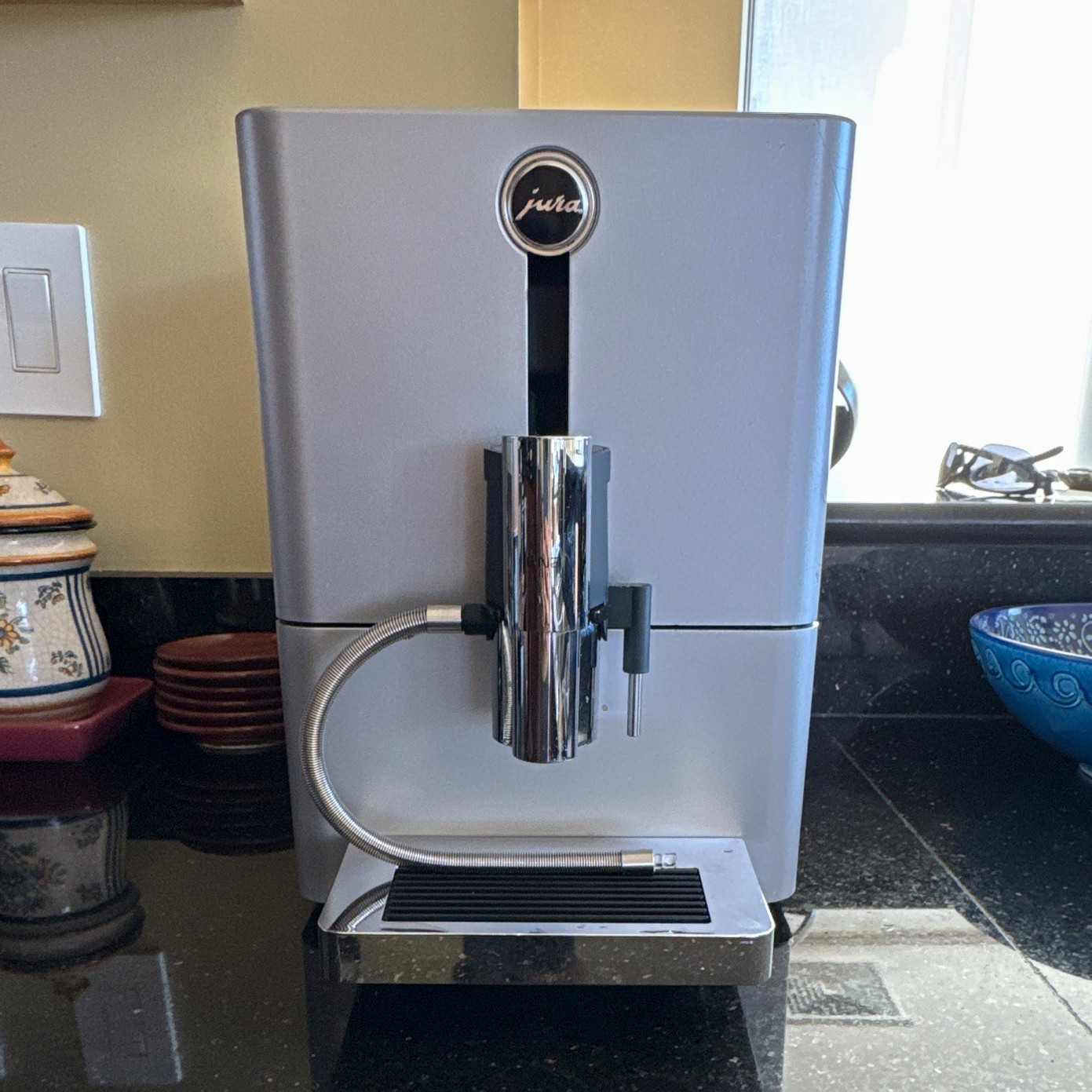

Photos from current listings. Actual item, color, and included accessories may vary.
Espresso Grinder Buying Guide
An espresso grinder is the single most important upgrade for consistent, cafe-quality shots, because particle uniformity and micro-adjustability matter more than the machine itself. The core trade-off is burr type and adjustment precision versus motor power and static control. Buy a stepless or fine-stepped burr grinder rated for espresso; skip any blade grinder or coarse-only stepped unit.
Key takeaways
- Conical burr grinders dominate home espresso for low retention and quiet operation; flat burrs deliver tighter particle distribution for light-roast clarity.
- Stepless adjustment or 30+ micro-steps per revolution is required for dialing in espresso; 15-step grinders are too coarse for repeatable shots.
- Burr diameter 38-64mm sets throughput and consistency; 64mm flat burrs grind 2-3x faster with less heat than 38mm conical at the same dose.
At a glance
- Category
- Coffee Makers & Espresso
- Last updated
- Nov 28, 2026
Current offers
Highlights
- Conical burr grinders dominate home espresso for low retention and quiet operation; flat burrs deliver tighter particle distribution for light-roast clarity.
- Stepless adjustment or 30+ micro-steps per revolution is required for dialing in espresso; 15-step grinders are too coarse for repeatable shots.
- Burr diameter 38-64mm sets throughput and consistency; 64mm flat burrs grind 2-3x faster with less heat than 38mm conical at the same dose.
- Anti-static and anti-clump systems (ionizers, de-clumping screens) prevent channeling in the basket; low-retention single-dose chutes preserve freshness.
Best use cases
- Pick a stepless conical burr grinder (38-50mm) for straight espresso and milk drinks on a semi-automatic machine; skip stepped blade or 15-step grinders.
- Pick a 64mm flat-burr single-doser for light-roast pour-over and espresso switching; skip it if you only brew dark-roast milk drinks and want low fuss.
- Pick a built-in grinder combo only for space-constrained kitchens and entry-level budgets; skip it if you plan to upgrade machines, since the grinder cannot be replaced independently.
- Pick a hand grinder with 48mm+ conical steel burrs for travel or low-volume espresso; skip hand grinders under 40mm burrs for daily double shots—too slow.
Buying tips
- Match burr size to dose volume: 38-48mm conical suits 1-2 drinks/day; 64mm flat burrs suit 3+ drinks/day or light-roast experimentation.
- Require stepless or at least 30 clicks per revolution; fewer steps make 1-2 second shot-time corrections impossible on non-pressurized baskets.
- Check voltage and plug standard (120V US NEMA 5-15 vs 230V EU) before importing; grinders are not dual-voltage and warranties are region-locked.
- Prefer burr sets with published replacement part numbers and RPM under 1,500; higher RPM raises heat and static without improving espresso grind quality.
Specs
| Burr Type | Conical vs Flat (steel) |
|---|---|
| Burr Diameter | 38-64mm espresso range |
| Adjustment | Stepless or 30+ micro-steps |
| Dose Style | Hopper vs Single-dose |
Related searches
What to check before buying
- Measure counter depth and height clearance: most espresso grinders need 8-12 inches of vertical space and 6-8 inches of depth.
- Confirm your machine uses a 51/54/58mm non-pressurized basket; pressurized baskets hide grind inconsistency and make grinder upgrades pointless.
- Check your home's outlet voltage and plug type matches the grinder's rating; a step-up transformer is not recommended for motorized grinders.
- Verify burr replacement availability and whether the hopper or single-dose cup fits under your cabinets without tipping.
FAQ
Data sources: eBay / Amazon listings and product attribute feeds. Updated Nov 28, 2026.
Some links on this page are affiliate links. If you buy after clicking one, we may earn a commission at no extra cost to you. This does not change which products appear here or their order. Affiliate disclosure.