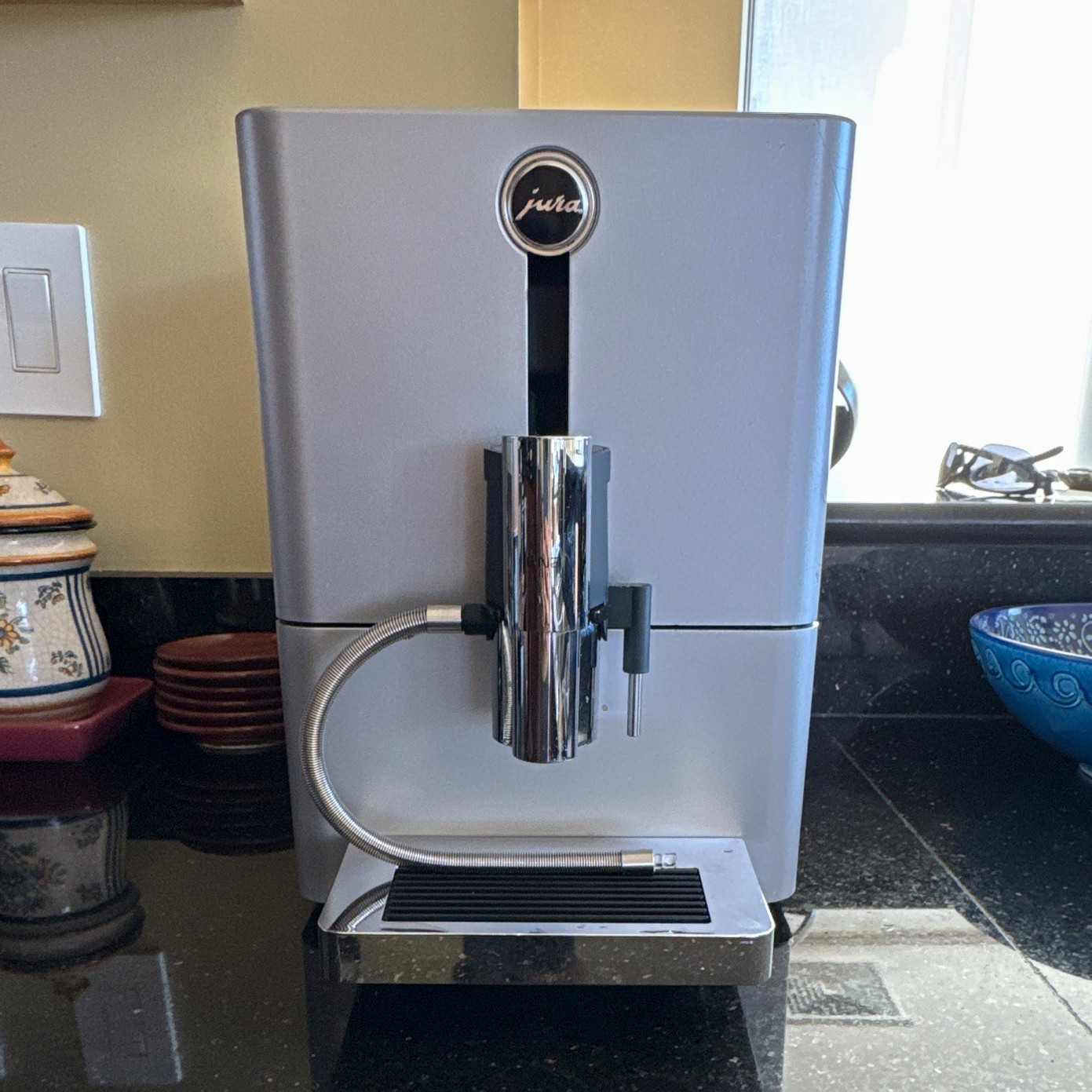

Photos from current listings. Actual item, color, and included accessories may vary.
Espresso Grinder And Maker Buying Guide
An espresso grinder and maker combo eliminates the guesswork of matching a separate grinder to a machine, but the integrated grinder is usually the weak link in budget all-in-ones. Buyers must weigh burr quality, boiler architecture, and pressure stability against the convenience of a single footprint. Focus on burr type and actual brew-head temperature control rather than marketing wattage or bar counts alone.
Key takeaways
- Integrated grinders almost always use conical burrs (steel or ceramic); flat burrs remain rare in combo units and typically deliver more consistent particle distribution at espresso fineness.
- A 20 bar pump rating is a marketing ceiling—actual espresso extraction requires 9 bar at the group head, so look for machines with an over-pressure valve (OPV) or PID-controlled pressure regulation.
- Dual boiler or dual thermoblock systems allow simultaneous brewing and steaming, while single-boiler units force a wait between pulling a shot and frothing milk.
At a glance
- Category
- Coffee Makers & Espresso
- Last updated
- Nov 28, 2026
Current offers
Highlights
- Integrated grinders almost always use conical burrs (steel or ceramic); flat burrs remain rare in combo units and typically deliver more consistent particle distribution at espresso fineness.
- A 20 bar pump rating is a marketing ceiling—actual espresso extraction requires 9 bar at the group head, so look for machines with an over-pressure valve (OPV) or PID-controlled pressure regulation.
- Dual boiler or dual thermoblock systems allow simultaneous brewing and steaming, while single-boiler units force a wait between pulling a shot and frothing milk.
- Built-in grinders with anti-clog or direct-to-portafilter chutes reduce retention and stale grounds, but most lack the stepless adjustment range found on standalone espresso grinders.
Best use cases
- Best fit: a compact kitchen with limited counter space and a daily milk-based drinker who wants one appliance—choose a dual thermoblock combo with a steel conical burr grinder and 58mm portafilter for easier accessory upgrades.
- Best fit: straight-espresso drinkers who rarely steam milk—a single-boiler combo with a ceramic burr grinder and PID temperature control delivers better shot consistency per dollar than dual-boiler designs.
- Wrong fit: buyers planning to grind for pour-over, French press, or decaf alongside espresso—integrated grinders usually lack the coarse adjustment range and low retention of a dedicated espresso grinder, so buy separates instead.
Buying tips
- Prioritize burr material and geometry: steel conical burrs outlast ceramic and resist chipping, while ceramic runs cooler but cracks under foreign objects—steel is the safer long-term choice for daily espresso.
- Check whether the grinder adjusts steplessly or in numbered steps; stepless adjustment lets you dial in espresso flow precisely, whereas stepped grinders may skip past the sweet spot for a given bean.
- Avoid single-boiler combos if you regularly make lattes or cappuccinos—the brew-to-steam transition takes 30–60 seconds and disrupts shot timing, so dual thermoblock or dual boiler is worth the extra footprint.
- Inspect portafilter diameter: 58mm commercial-standard baskets have broad aftermarket support for tampers, baskets, and distribution tools, while 51mm and 54mm sizes limit upgrades.
Specs
| Grinder Burr Type | Conical steel vs ceramic |
|---|---|
| Boiler Architecture | Single vs dual thermoblock/boiler |
| Pump Pressure (rated) | 15–20 bar peak, 9 bar extraction |
| Portafilter Size | 51mm / 54mm / 58mm commercial |
Related searches
What to check before buying
- Measure available counter depth and height clearance—combo units with top-mounted grinders often exceed 16 inches tall, which can collide with upper cabinets.
- Confirm your kitchen circuit can handle the machine's wattage; 1550W units draw near the limit of a standard 15A/120V North American outlet when the steam wand is active.
- Verify the machine includes both a portafilter and at least a single and double basket, since some budget combos ship with pressurized baskets only, which mask grind inconsistencies but limit fresh-bean performance.
- Check the water reservoir access direction—front-access reservoirs are refillable under cabinets, while rear-access tanks require pulling the machine out.
FAQ
Data sources: eBay / Amazon listings and product attribute feeds. Updated Nov 28, 2026.
Some links on this page are affiliate links. If you buy after clicking one, we may earn a commission at no extra cost to you. This does not change which products appear here or their order. Affiliate disclosure.