
Photos from current listings. Actual item, color, and included accessories may vary.
Espresso Machine With Frother Buying Guide
An espresso machine with frother combines a pressure pump (typically 15–20 bar) with a steam wand or automatic milk-frothing system to produce espresso and textured milk for lattes and cappuccinos. The core trade-off is thermal stability and froth quality versus footprint and warm-up time: single-boiler thermoblock machines heat fast but require a cooling flush between brewing and steaming, while dual-boiler or heat-exchanger units steam and brew simultaneously. The decision rule: buy a machine with a dedicated steam wand and a 58mm or 51mm pressurized/non-pressurized basket if you want daily milk drinks; skip pod-only or 3-bar-style portable units if real microfoam matters.
Median $259.36 · New & pre-owned listings
Key takeaways
- Pump pressure: 15 bar is the minimum for true espresso extraction; 20 bar units are common on budget thermoblock machines but basket quality and temperature stability matter more than peak pressure.
- Boiler architecture: single thermoblock heats in 30–45 seconds but needs a 10–15 second cooling flush before steaming; dual-boiler and heat-exchanger units hold brew temperature within ±1°C and steam concurrently.
- Frother type: a manual steam wand produces dry, glossy microfoam for latte art; automatic thermoblock frothers (e.g., De'Longhi Dedica EC685M style) are one-touch but give wetter, stiffer foam; pannarello-style wands are the least controllable.
At a glance
- Category
- Coffee Makers & Espresso
- Last updated
- Nov 28, 2026
Current offers
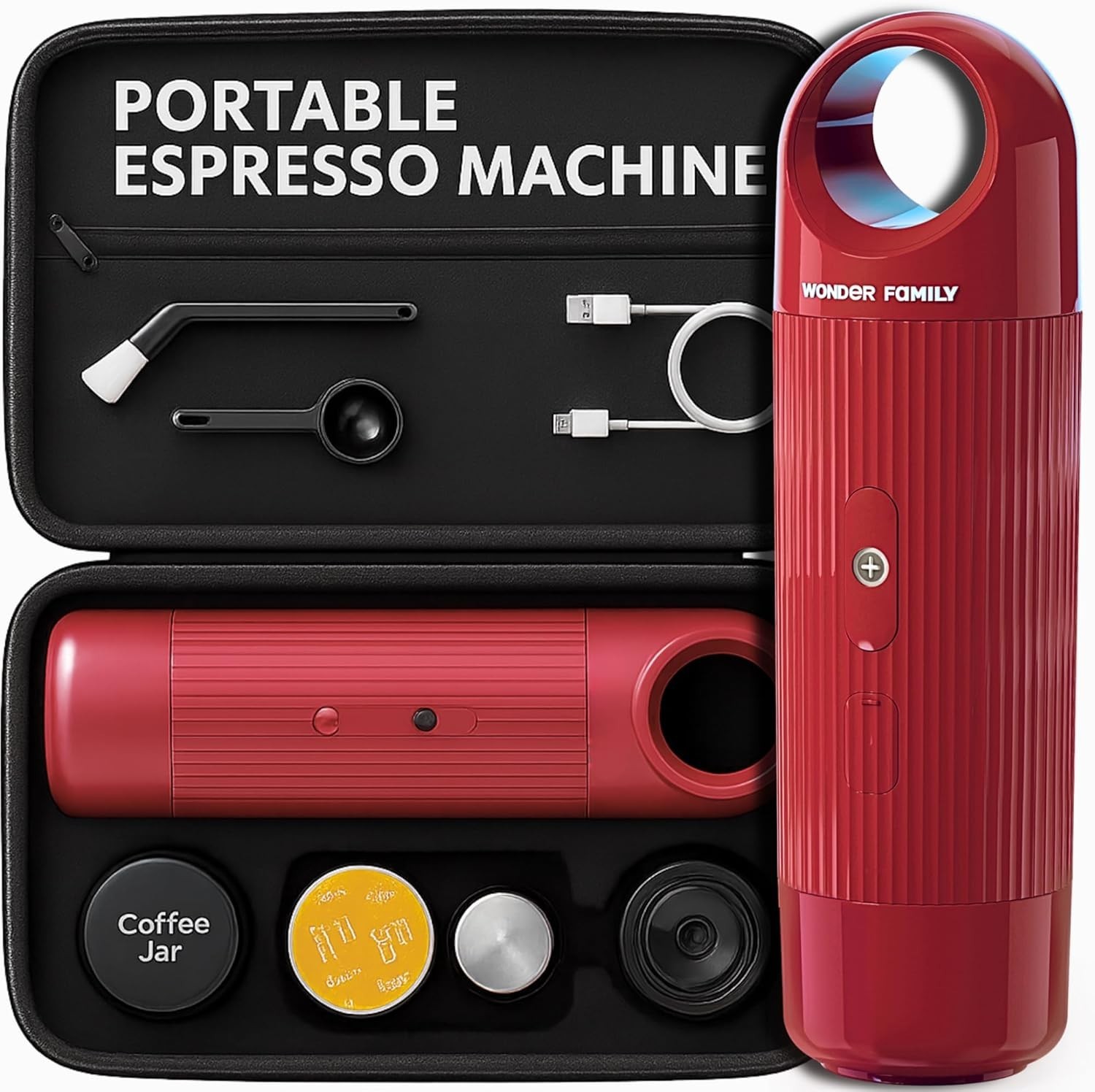 Portable Espresso Machine Travel Coffee Maker for Pods & Grounds Mini 5 Cup Make$34.99View on eBay
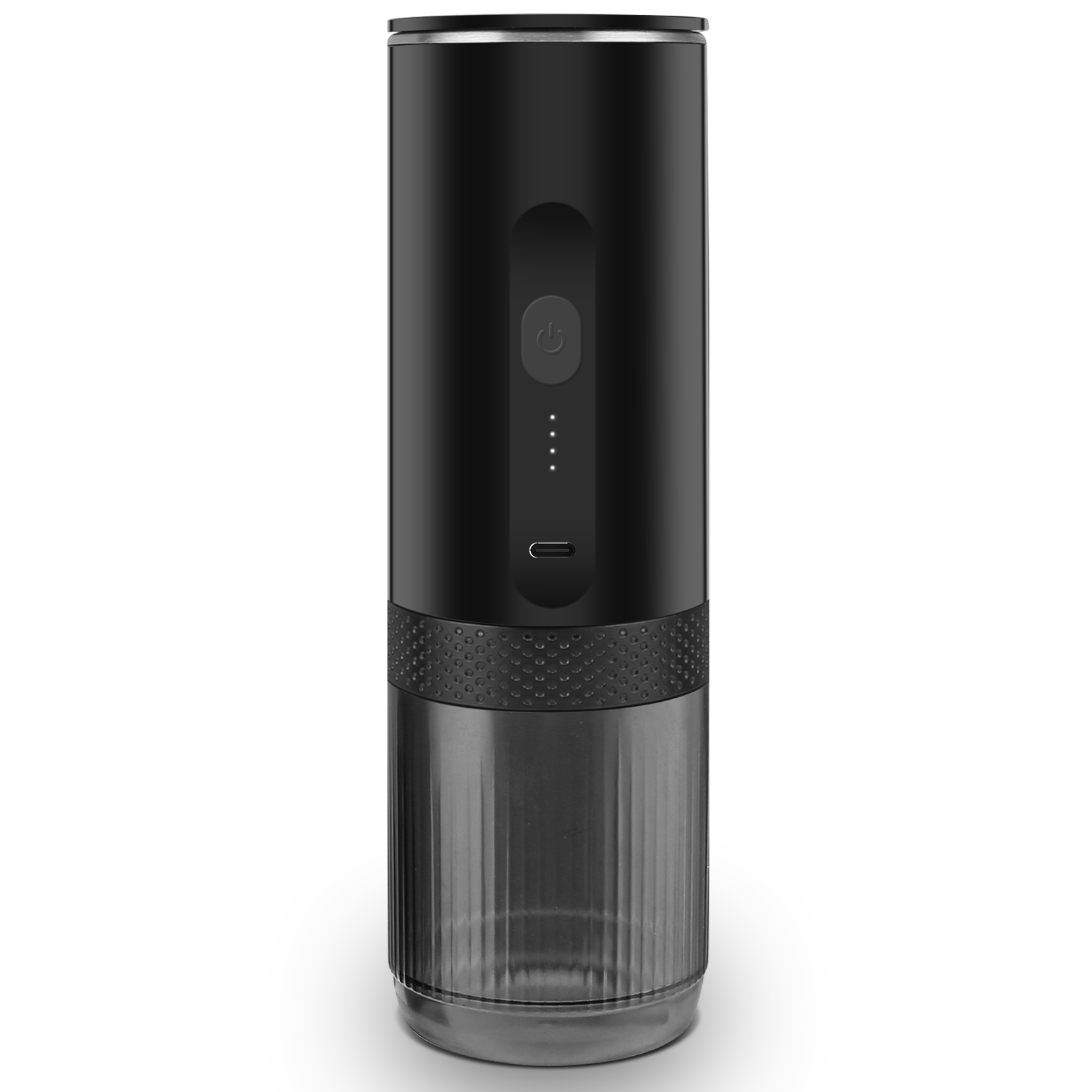 Plum Chef Portable Espresso Machine, 15Bar Pump Pressure Wireless Travel Coffee Maker With Self-Heating, 7500mAh Battery, 2-in-1 For Ground Nespresso Capsules, For Camping Car Home Office$54.99View on Mallflare
 CALPHALON COMPACT ESPRESSO MACHINE, HOME ESPRESSO MACHINE WITH MILK - STAINLESS$88.09View on eBay
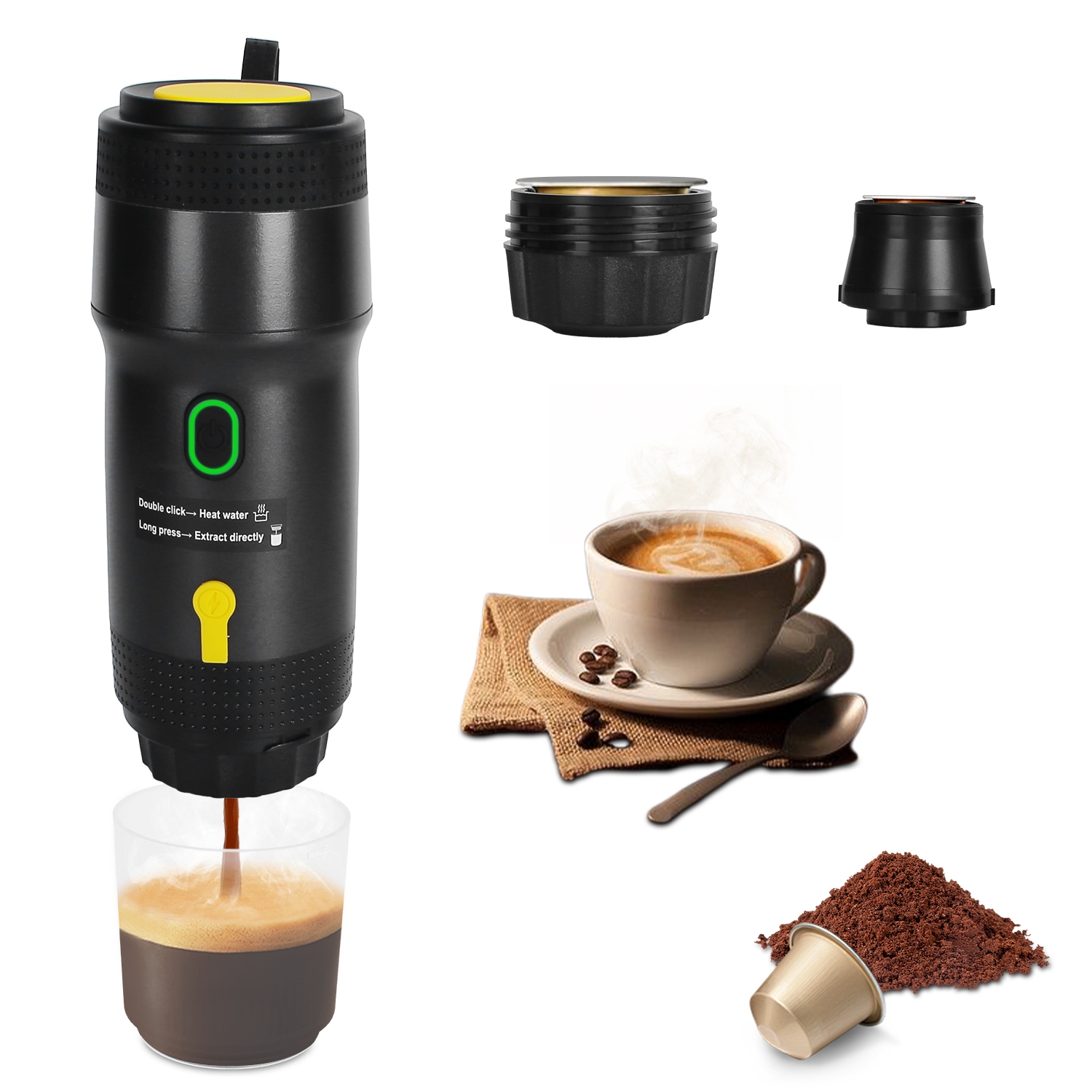 1Pc Portable Electric Espresso Machine Cordless Coffee Maker Self Heating Car With Anti Dry Burn Fit For Ground NS DG Capsules For Car Camping Hiking RV Home Office$55.99View on Mallflare
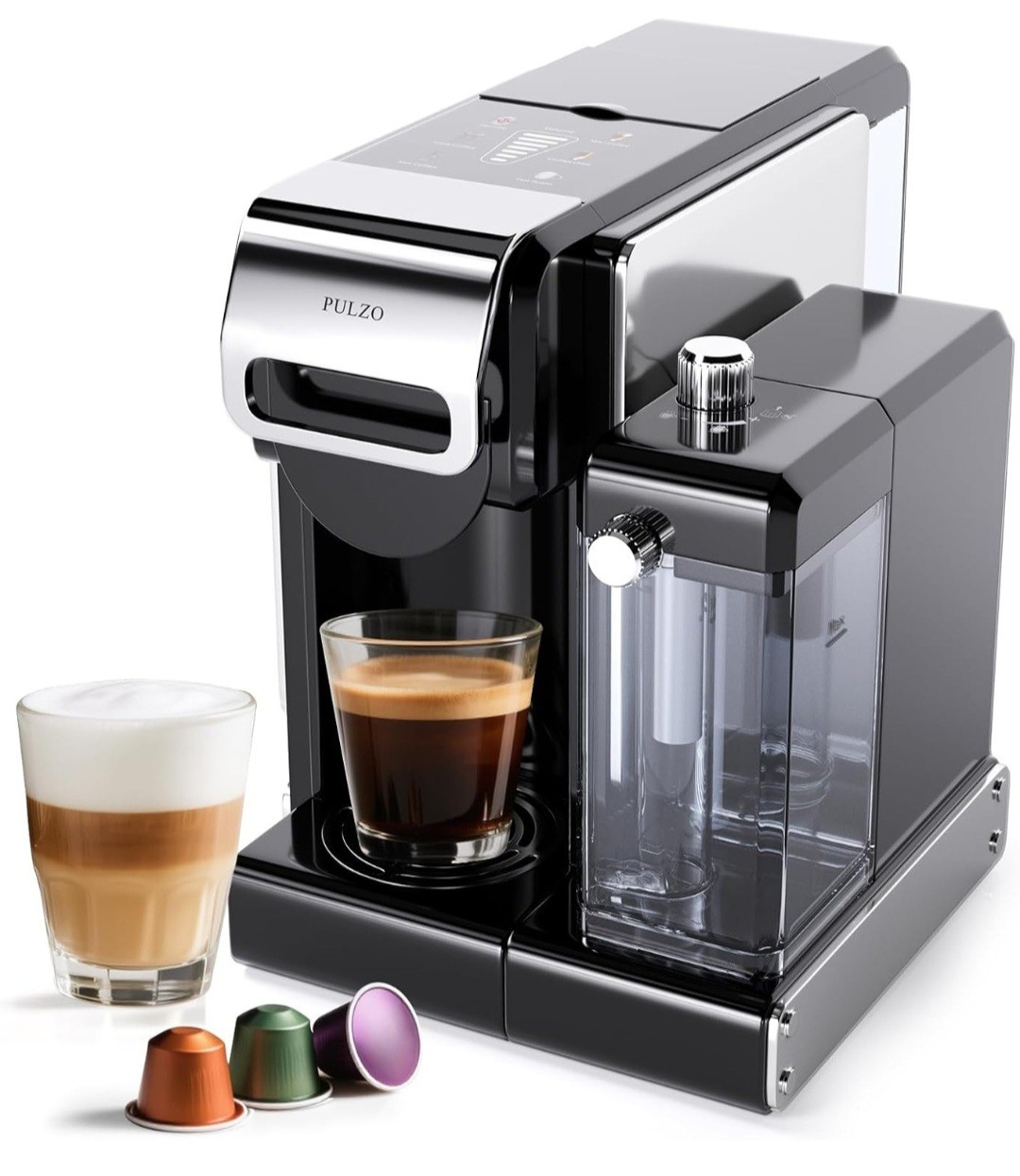 PULZO Espresso Machine Automatic Milk Frother Capsule Coffee Maker Latte Cappucc$113.90View on eBay
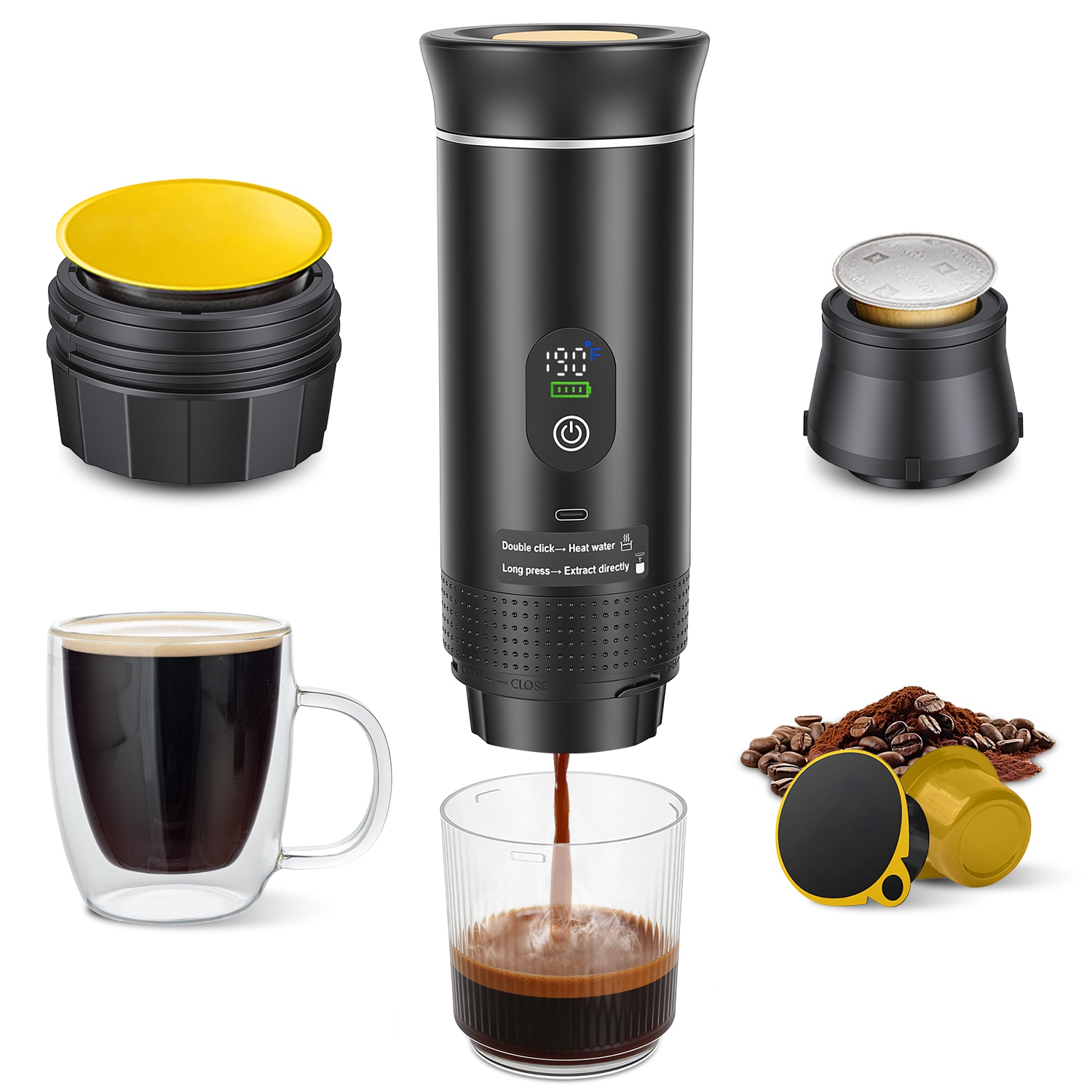 3 In 1 Portable Espresso Machine Cordless Mother Day Self Heating Coffee Maker With 7500mAh Battery 20Bar Pressure Anti Dry Burn Fit For Ground Capsules For Camping Hiking RV Home$73.99View on Mallflare
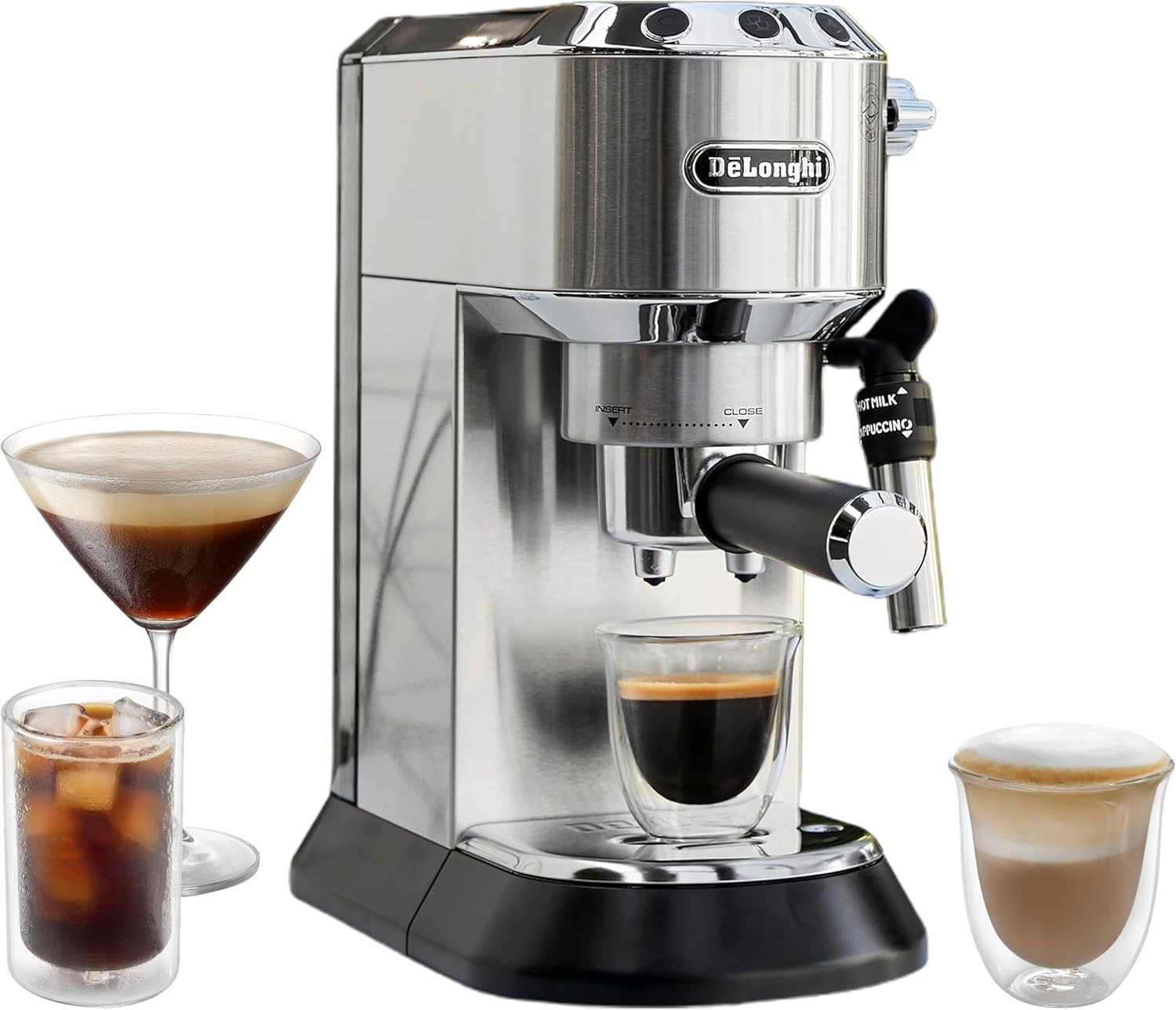 Delonghi EC685M Dedica Automatic Espresso Cappuccino Maker Machine 35oz Metallic$119.99View on eBay
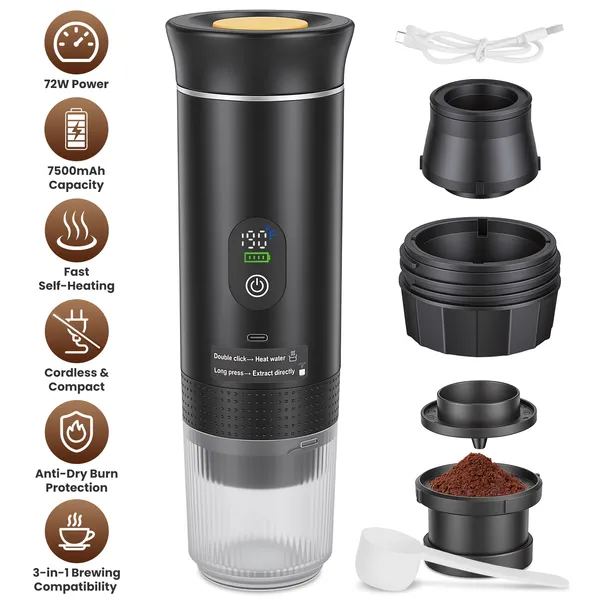 3-in-1 Portable Espresso Machine Cordless Self-Heating Coffee Maker With 7500mAh Battery 20Bar Pressure Anti-Dry Burn Fit For Ground Coffee&NS&DG Capsules For Camping Hiking RV Home Office$89.99View on Mallflare
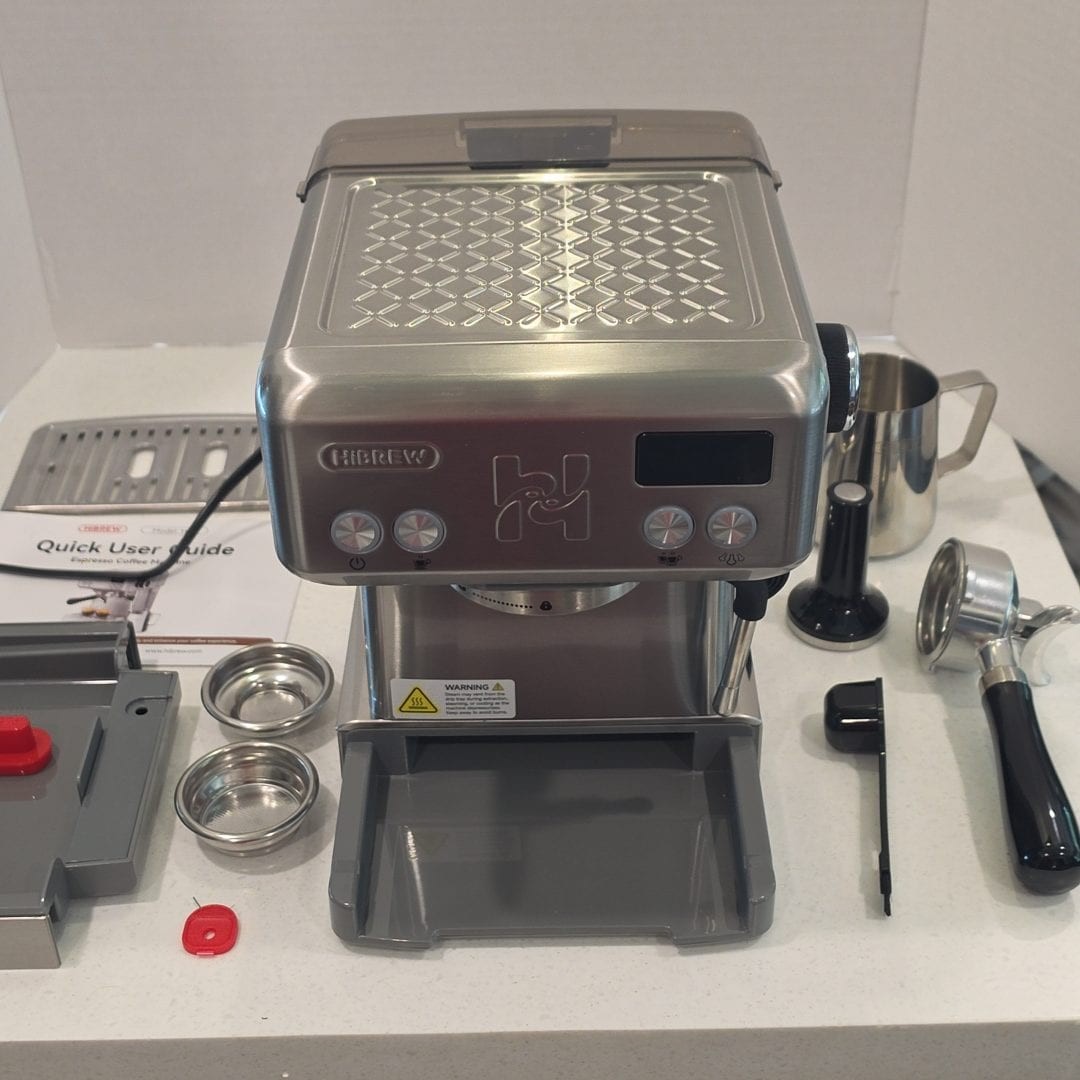 HIBREW H10 Espresso Machine 58mm Commercial Group Head Stainless Steel$147.00View on eBay
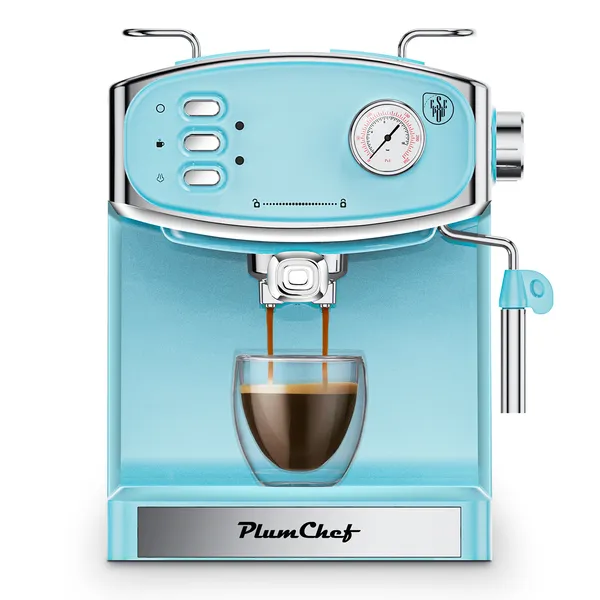 20 Bar Espresso Machine For Home- Professional Compact Maker With Milk Frother Steam Wand, Pressure Gauge & 54oz Large Water Tank, Low Noise Fast Brewing For Cappuccino, Latte$96.99View on Mallflare
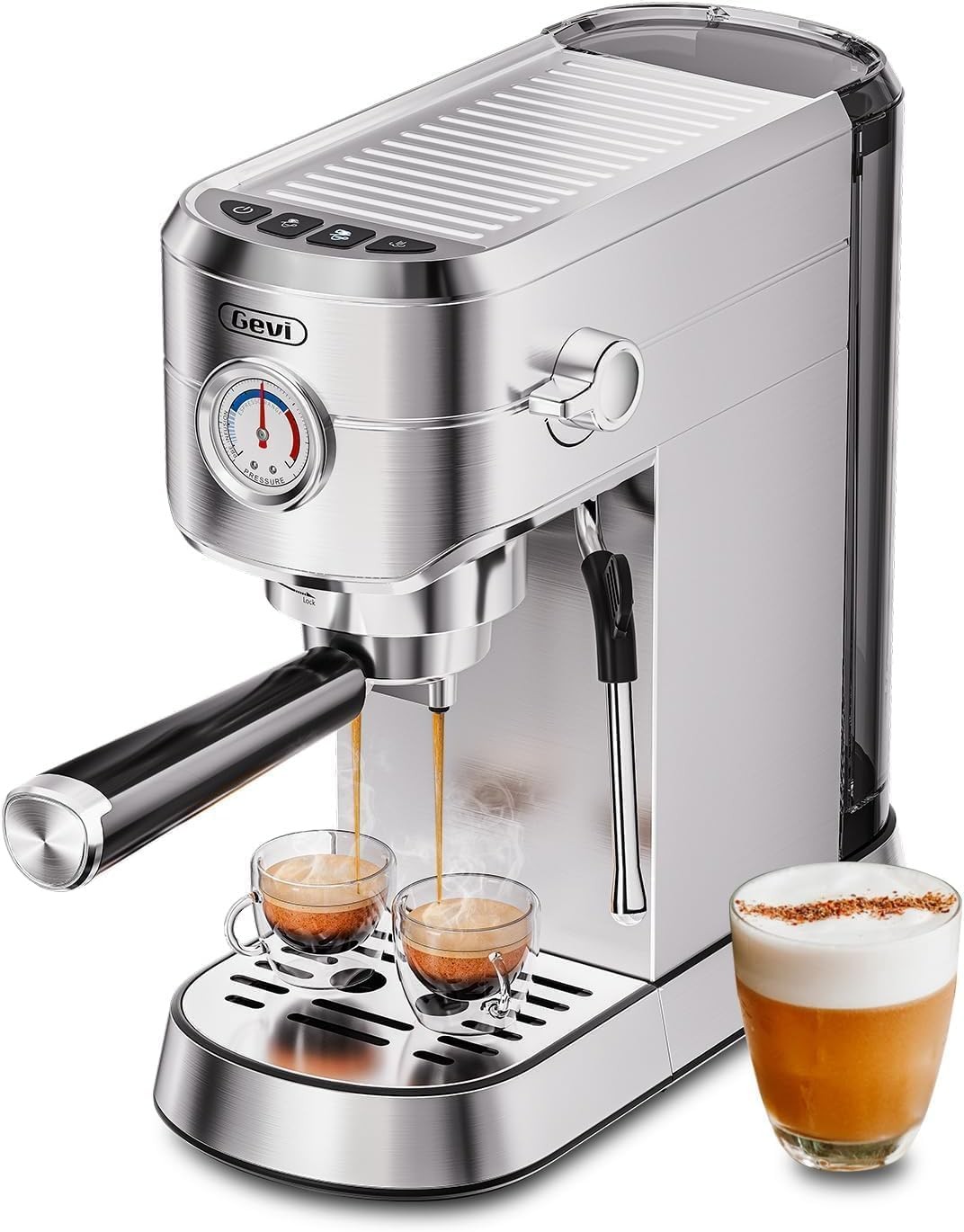 20 Bar Compact Espresso Machine For Home, Latte、cappuccino Coffee Maker$200.21New · Last checked Nov 23, 2026View on eBay
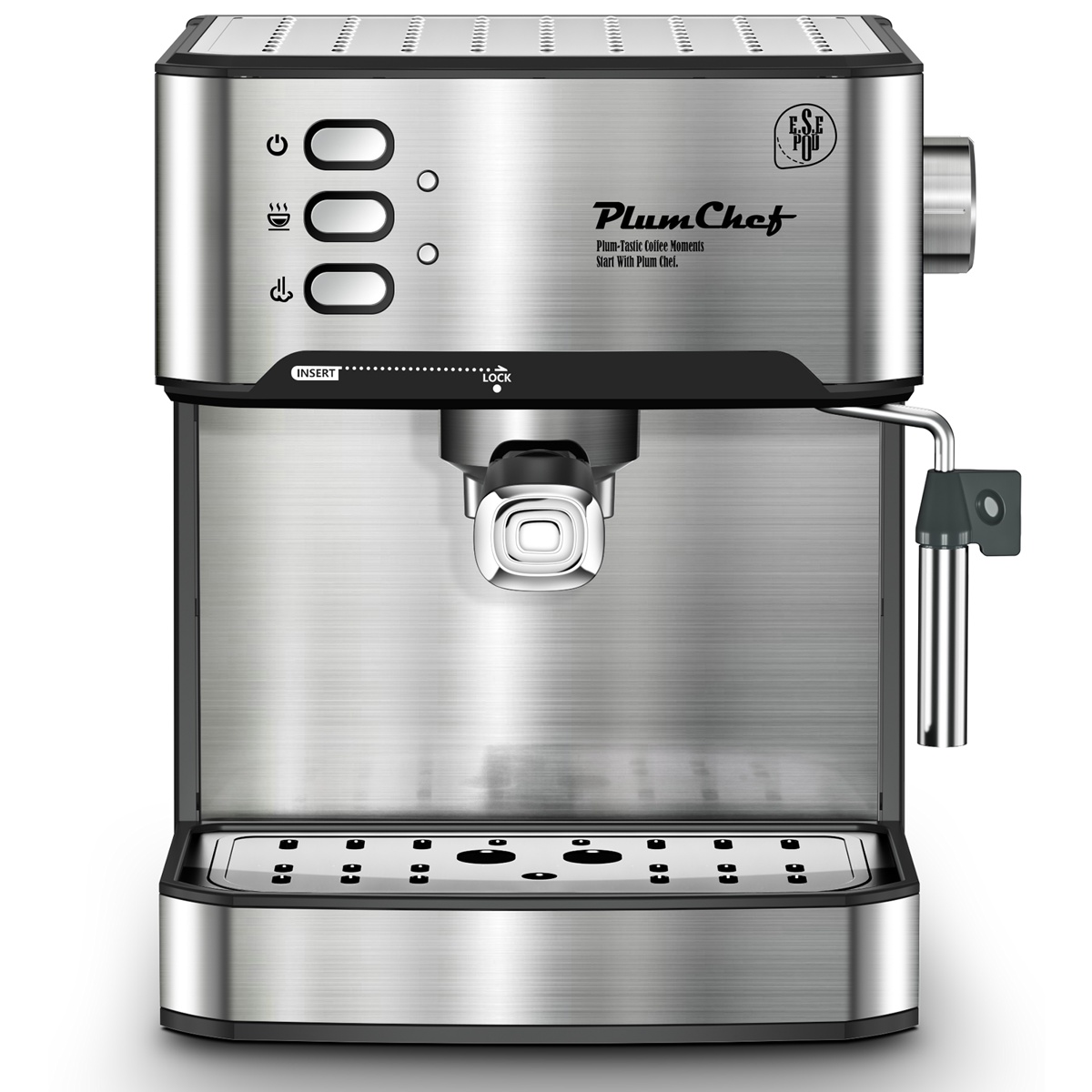 20 Bar Espresso Machine With Milk Frother, Single & Double Shot, ESE Pod Compatible, Visual Display Of Pressure, Removable Water Tank, Cappuccino, Latte, Machiato$98.99View on Mallflare
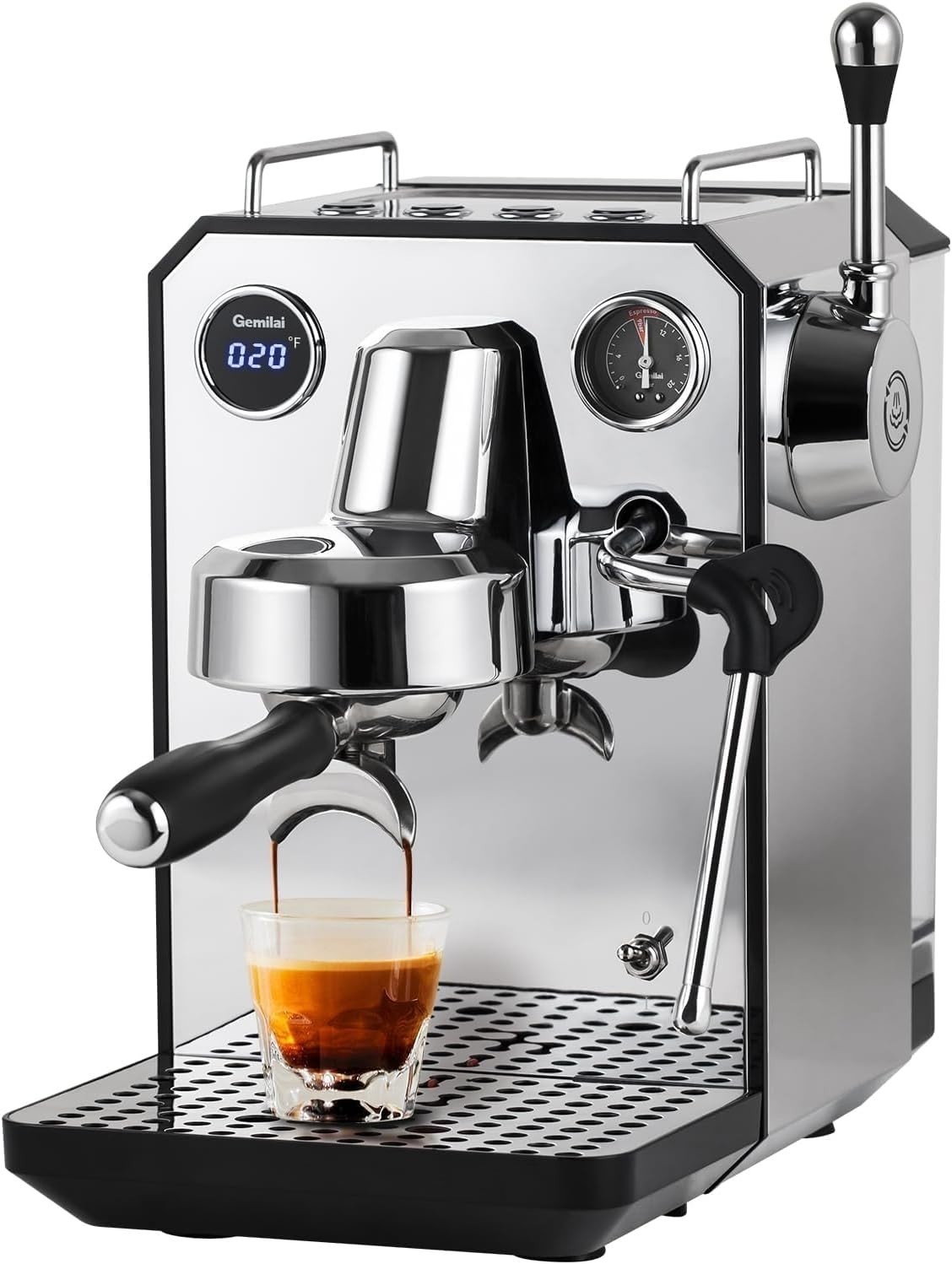 Gemilai Owl G3006 Espresso Machine 58Mm Commercial Group Head & PID Temp Control$219.00Open box · Last checked Nov 23, 2026View on eBay
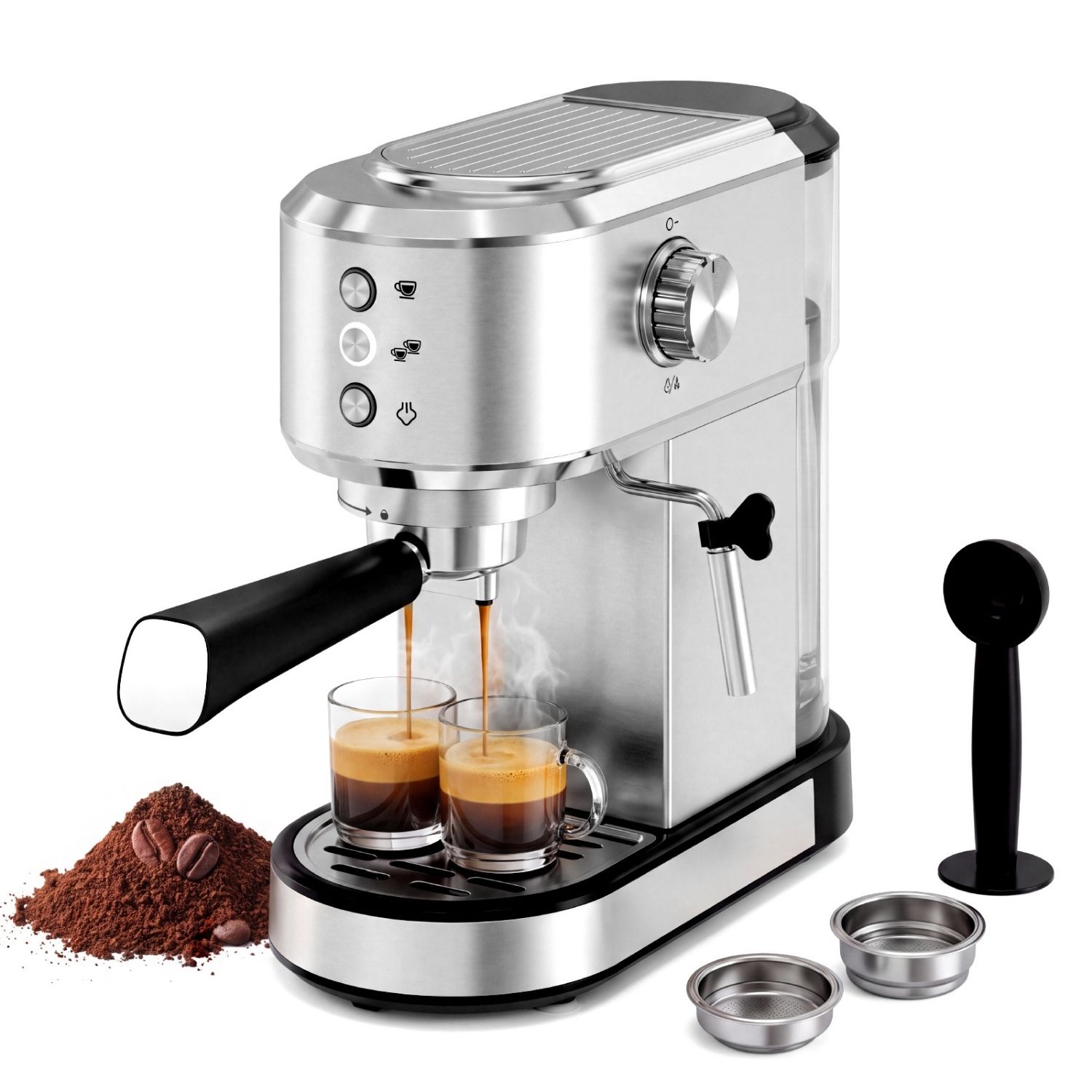 20 Bar Espresso Machine, 1350W Boiler, Steam Wand, Water Tank, Stainless Steel, Compact Coffee Maker For Home Barista$101.99View on Mallflare
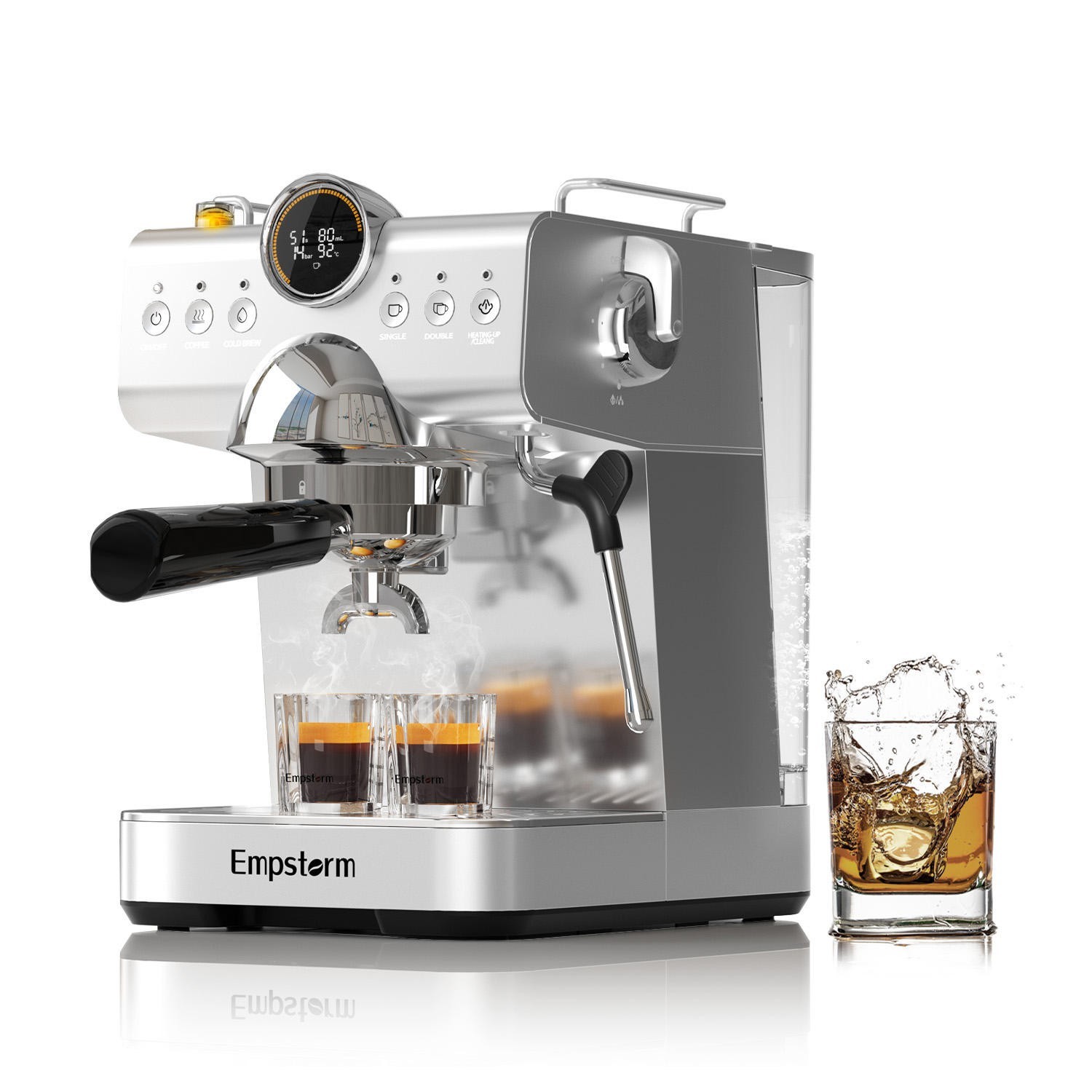 20 Bar Espresso Machine with Cold Brew, Professional Expresso Machines for home$220.00New · Last checked Nov 23, 2026View on eBay
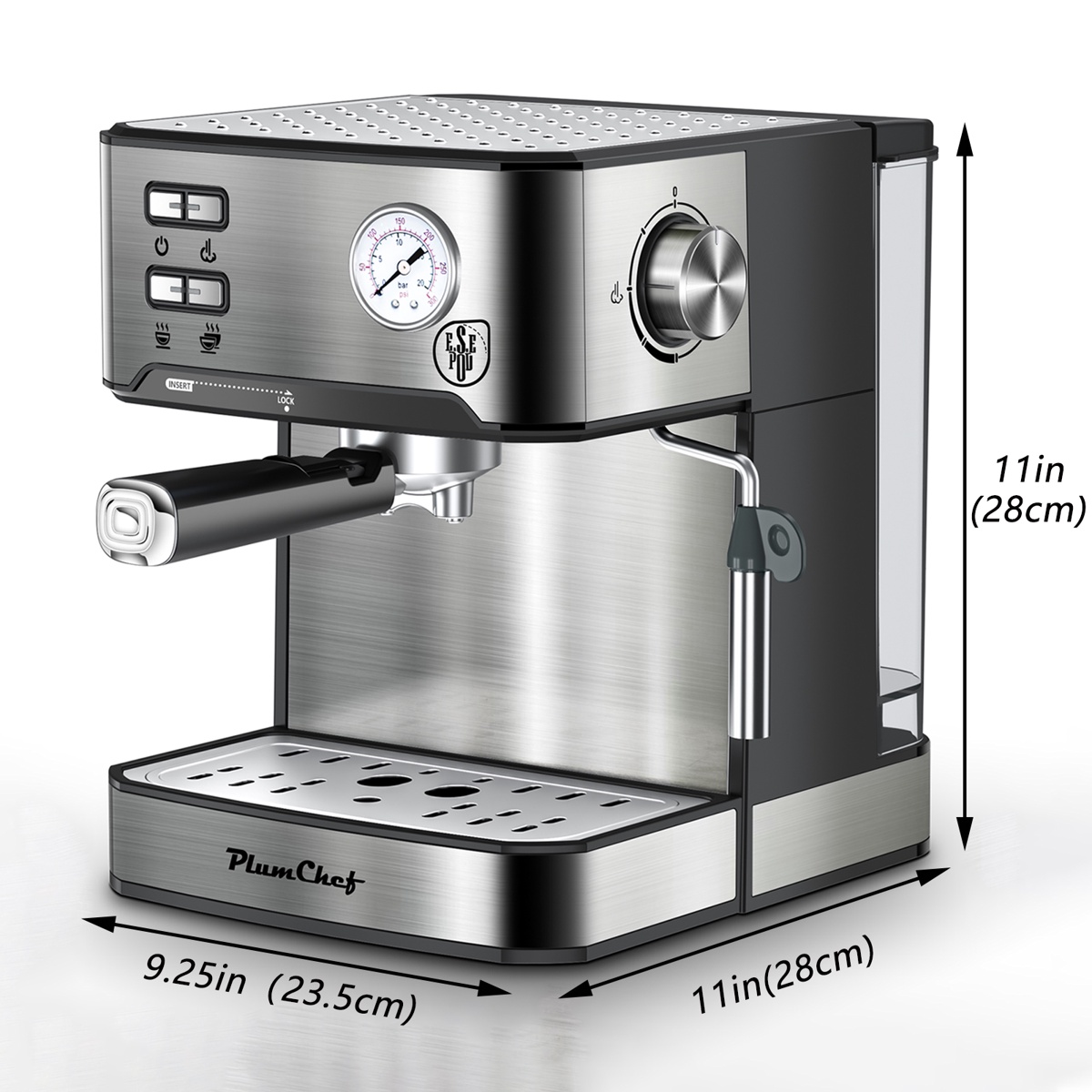 20 Bar Professional Espresso Machine With Milk Frother, Single Double Shot, ESE Pod Compatible, Visual Display Of Pressure, Removable Water Tank For Cappuccino, Latte, Machiato For Home Barista$104.99View on Mallflare
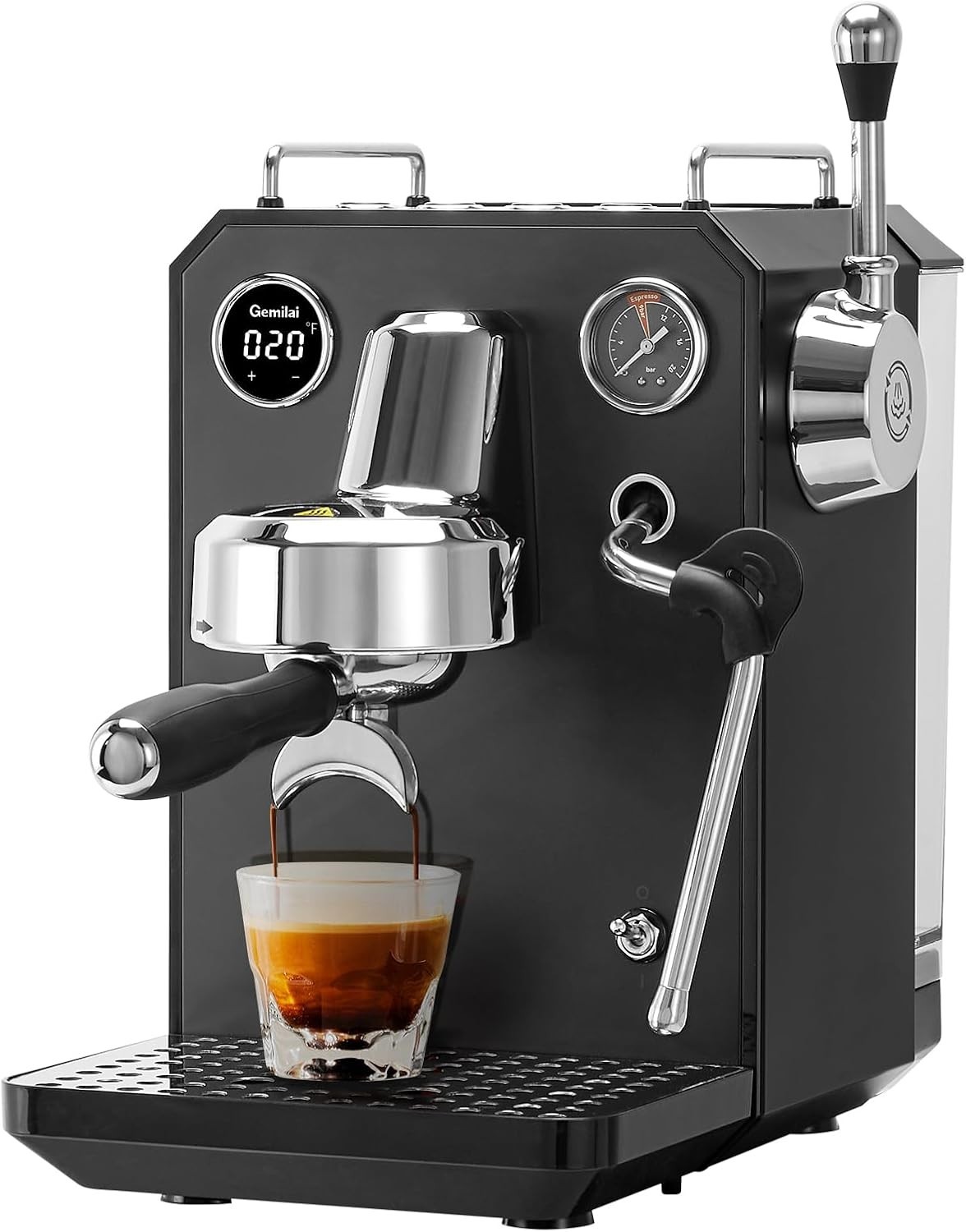 Gemilai Owl G3006 Espresso Machine 15 Bar Professional Coffee Maker Black$229.00Open box · Last checked Nov 21, 2026View on eBay
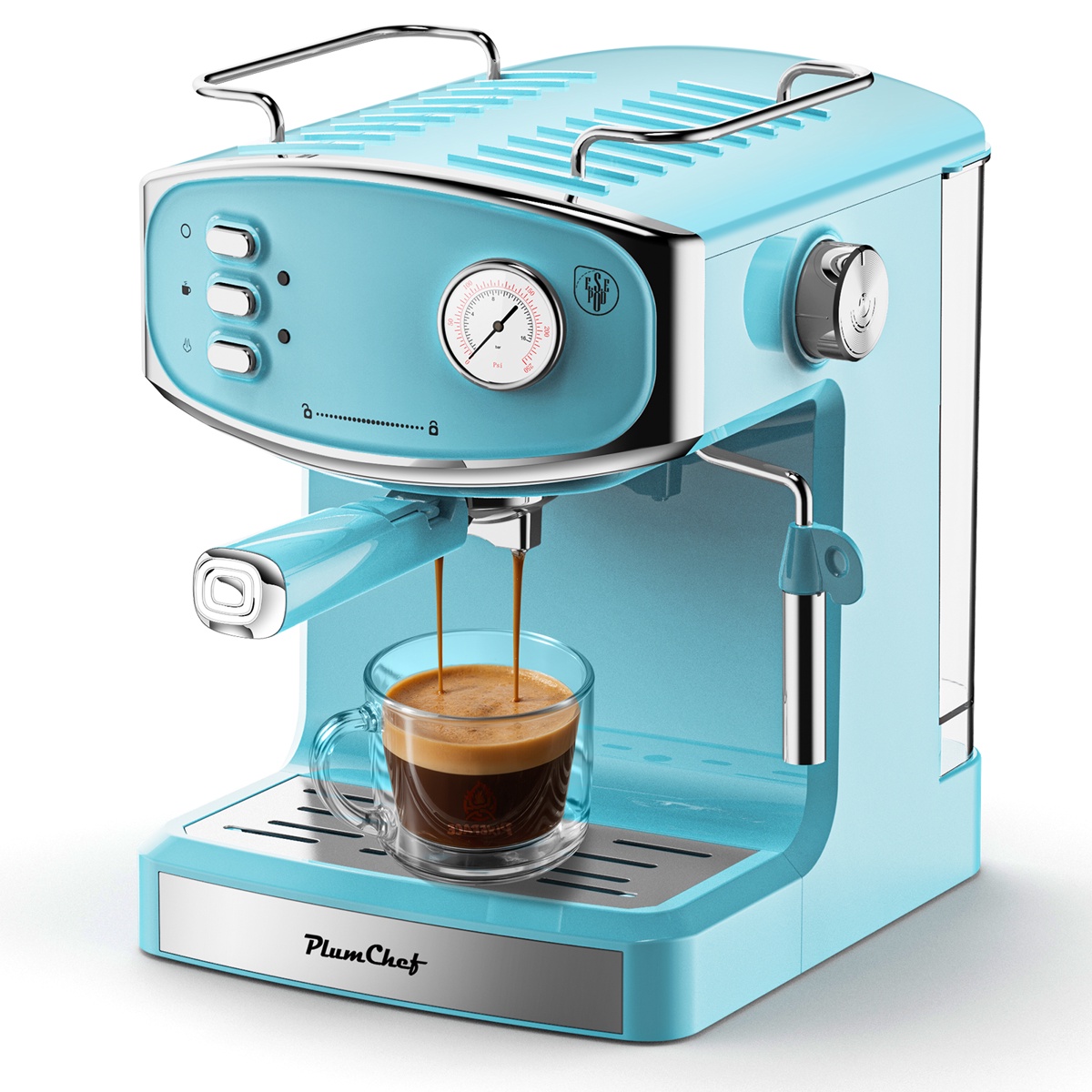 20 Bar Espresso Machine - Professional Compact Maker With Milk Frother, 54oz Large Water Tank, Low Noise, For Cappuccino, Latte, Blue$104.99View on Mallflare
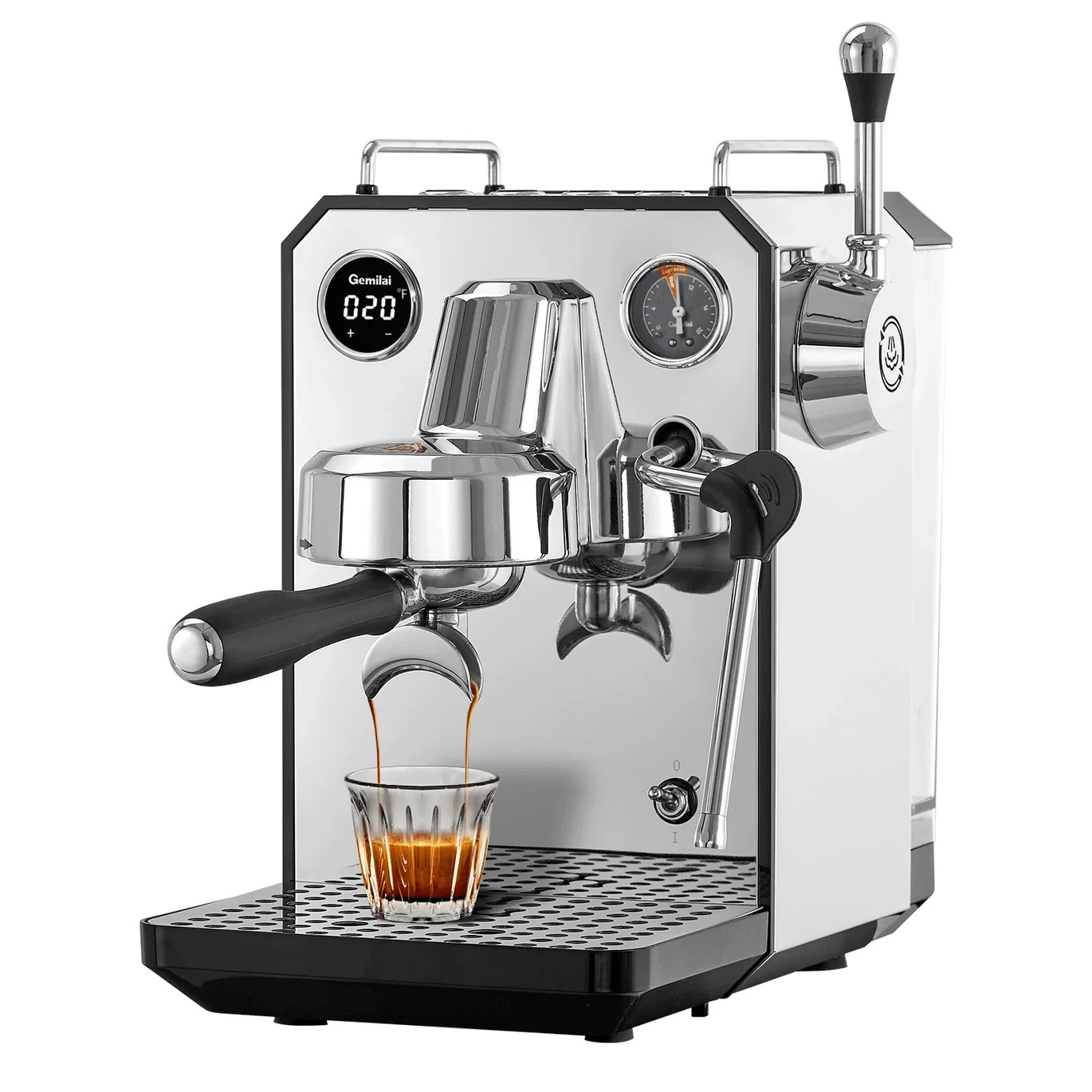 Gemilai Owl G3006 Espresso Machine 58Mm Commercial Group Head & PID Temp Control$229.00Open box · Last checked Nov 21, 2026View on eBay
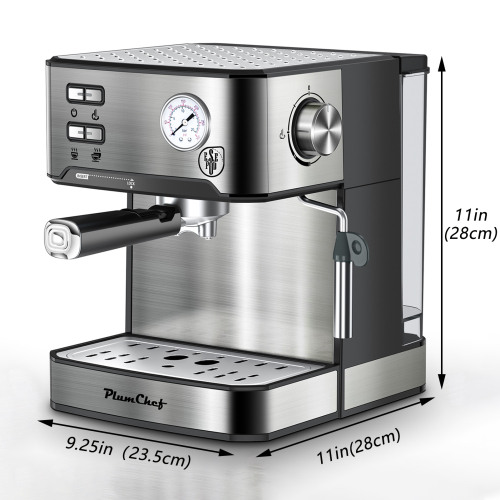 20 Bar Professional Espresso Machine With Milk Frother, Single & Double Shot, ESE Pod Compatible, Pressure Display, Removable Water Tank For Cappuccino, Latte, & Macchiato Home Barista Edition$130.99View on Mallflare
Highlights
- Pump pressure: 15 bar is the minimum for true espresso extraction; 20 bar units are common on budget thermoblock machines but basket quality and temperature stability matter more than peak pressure.
- Boiler architecture: single thermoblock heats in 30–45 seconds but needs a 10–15 second cooling flush before steaming; dual-boiler and heat-exchanger units hold brew temperature within ±1°C and steam concurrently.
- Frother type: a manual steam wand produces dry, glossy microfoam for latte art; automatic thermoblock frothers (e.g., De'Longhi Dedica EC685M style) are one-touch but give wetter, stiffer foam; pannarello-style wands are the least controllable.
- Portafilter and basket: 51mm pressurized baskets tolerate pre-ground coffee and cheap grinders; 58mm non-pressurized baskets demand a burr grinder and precise dose (typically 18–20g) for proper extraction.
Best use cases
- Best fit: daily latte or cappuccino drinkers who want one machine — choose a single-boiler thermoblock with a manual steam wand and 51mm non-pressurized basket for the best froth control per dollar.
- Best fit: small kitchens and quick morning routines — a compact 35oz-tank thermoblock unit (De'Longhi Dedica-class) fits under 6-inch counter overhangs and reaches brew temperature in under a minute.
- Wrong fit: camping, RV, or car use — cordless 12V/20-bar portable units with 7500mAh batteries brew one shot per charge and cannot sustain steam; choose a manual travel lever or pod capsule instead.
- Wrong fit: espresso purists chasing café-grade shots — skip single-thermoblock pod-compatible machines and buy a heat-exchanger or dual-boiler unit with a 58mm portafilter and PID temperature control.
Buying tips
- Match tank capacity to household size: 35–54oz tanks suit 1–3 drinks per day with one refill; 1.8L tanks suit 4+ drinks or back-to-back entertaining without mid-session refills.
- Choose 58mm portafilters for grinder upgrade paths and accessory availability; 51mm is fine for pressurized baskets but limits tamper and basket choices.
- Check steam wand material: stainless steel stays cleaner and resists milk-burn residue; plastic or coated wands degrade and impart off-flavors over time.
- Prefer machines with a removable drip tray and 1.8L or larger tank if counter depth allows; integrated water filters extend descaling intervals on hard-water areas above 150ppm.
Specs
| Pump Pressure | 15-20 bar (9 bar at group head ideal) |
|---|---|
| Boiler Type | Thermoblock vs Dual Boiler / HX |
| Frother Type | Manual steam wand vs auto frother |
| Portafilter Size | 51mm pressurized vs 58mm non-press. |
Related searches
What to check before buying
- Measure counter depth and height clearance: compact thermoblock units need about 12–13 inches of depth and 14–15 inches of height for cup clearance; dual-boiler units need 16+ inches of depth.
- Confirm voltage and plug standard (120V US vs 230V EU) — espresso machines draw 1200–1500W and are not dual-voltage; a voltage converter is not a safe substitute.
- Verify water hardness: above 150ppm, plan for descaling every 2–3 months or use filtered/bottled water; below 50ppm minimizes scale but can taste flat.
- Check portafilter and basket compatibility: confirm the machine includes both pressurized and non-pressurized baskets if you plan to upgrade to a burr grinder later.
FAQ
Data sources: eBay / Amazon listings and product attribute feeds. Updated Nov 28, 2026.
Some links on this page are affiliate links. If you buy after clicking one, we may earn a commission at no extra cost to you. This does not change which products appear here or their order. Affiliate disclosure.