
Photos from current listings. Actual item, color, and included accessories may vary.
Espresso Machine With Milk Frother Buying Guide
An espresso machine with a milk frother combines a pressurized brew head with a steam wand or automatic frothing system to produce espresso-based drinks like lattes and cappuccinos at home. The primary trade-off is between manual steam wands (more control, steeper learning curve) and automatic frothers (convenience, less control), while build quality hinges on pump pressure stability, boiler type, and wand material. Durable options use 15-20 bar pumps with stainless steel or thermoblock heating and metal steam wands; compromises typically use plastic wands, low-pressure pumps, or single-wall baskets that lack temperature consistency.
Median $130.99 · New listings
Key takeaways
- 20-bar pumps are standard for entry pressurized machines, but actual brew pressure is regulated to 9 bar via an overload valve; the higher rating indicates pump headroom for steaming, not brew pressure.
- Single boiler machines share one heating element for brew and steam, requiring a purge and wait between shots and frothing; double boiler or thermoblock designs allow simultaneous brewing and steaming.
- Steam wand material determines durability: stainless steel wands resist corrosion and are easier to clean, while plastic or coated wands degrade and impart off-flavors over time.
At a glance
- Category
- Coffee Makers & Espresso
- Last updated
- Nov 27, 2026
Current offers
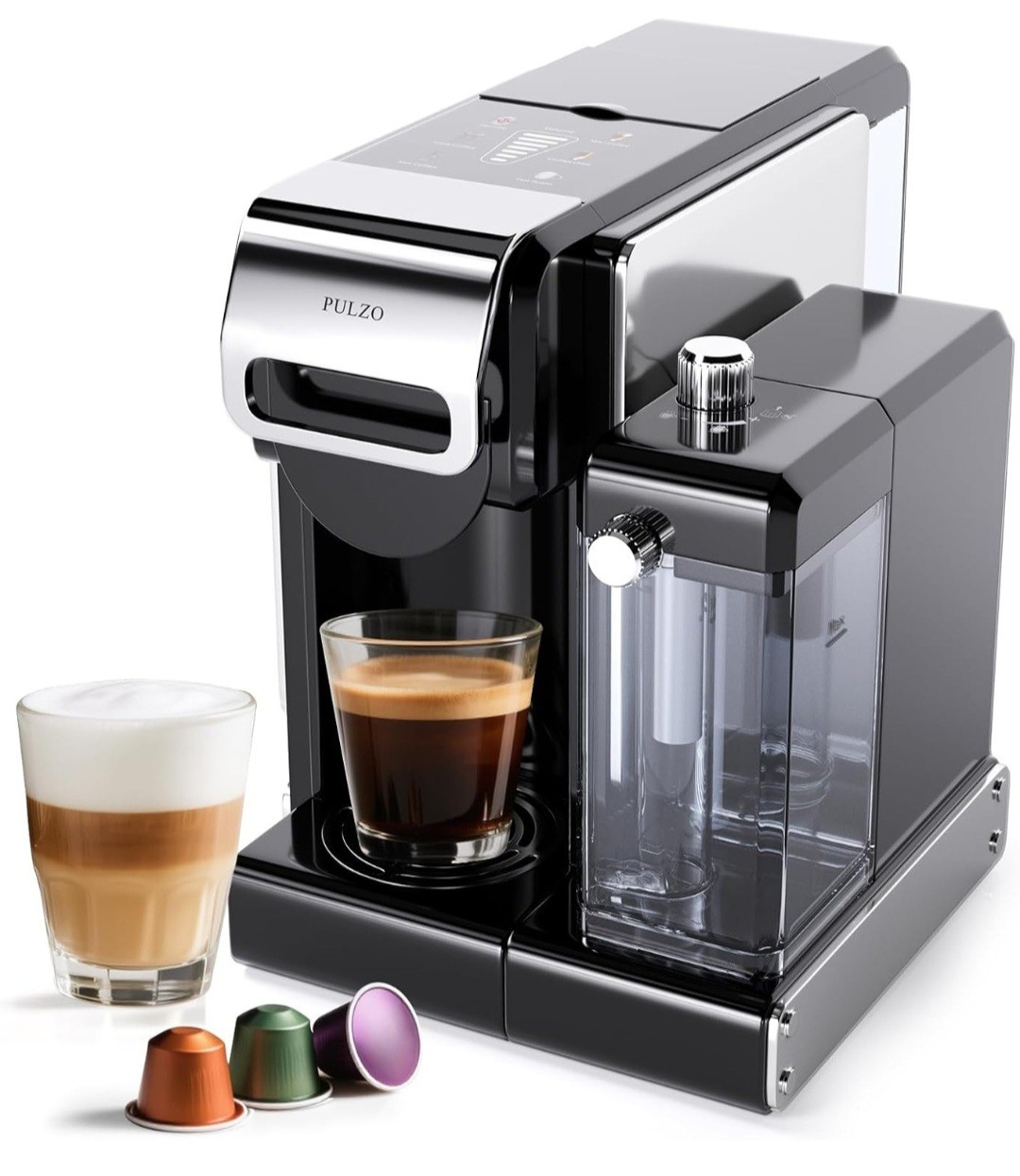 PULZO Espresso Machine Automatic Milk Frother Capsule Coffee Maker Latte Cappucc$113.90View on eBay
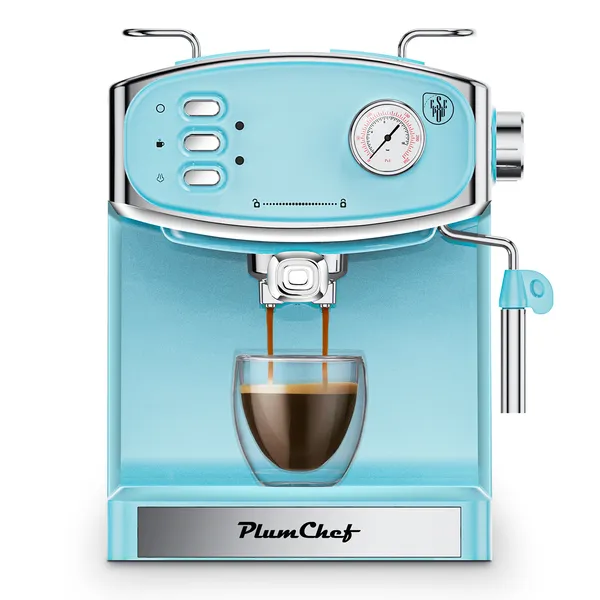 20 Bar Espresso Machine For Home- Professional Compact Maker With Milk Frother Steam Wand, Pressure Gauge & 54oz Large Water Tank, Low Noise Fast Brewing For Cappuccino, Latte$96.99View on Mallflare
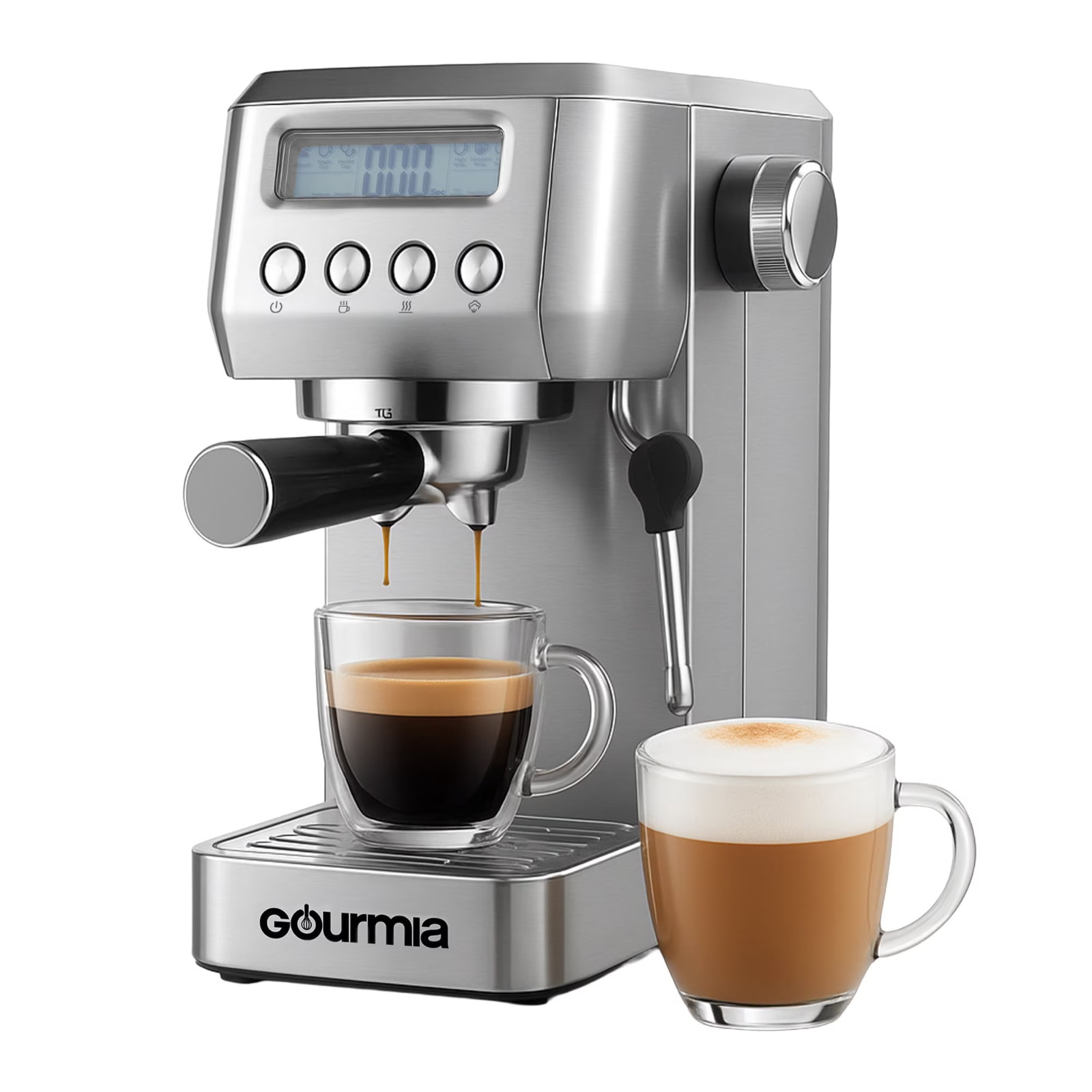 Slim Espresso Machine – 20-Bar Pump, LCD Display, Milk Frother, Adjustable Tempe$246.95New · Last checked Nov 21, 2026View on eBay
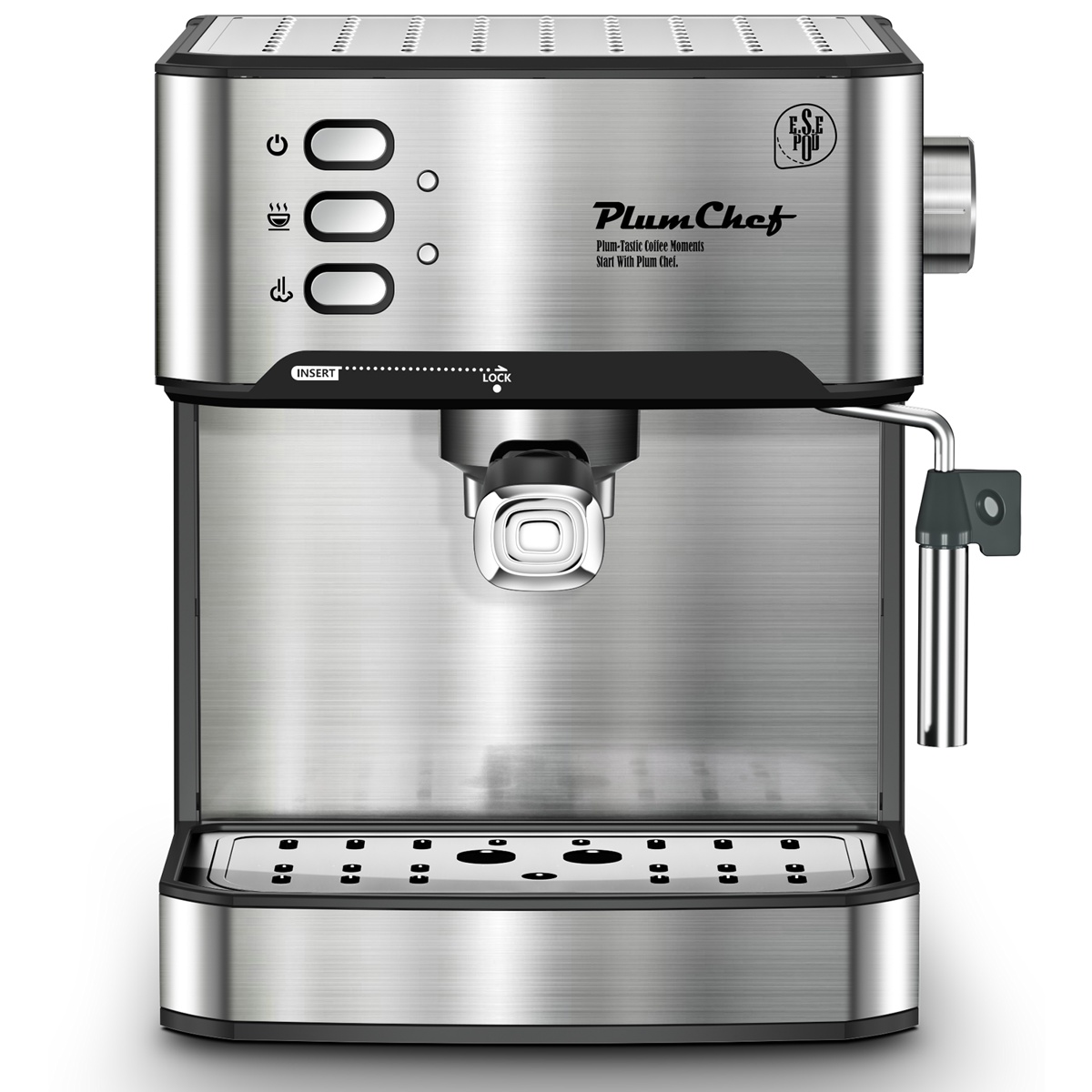 20 Bar Espresso Machine With Milk Frother, Single & Double Shot, ESE Pod Compatible, Visual Display Of Pressure, Removable Water Tank, Cappuccino, Latte, Machiato$98.99View on Mallflare
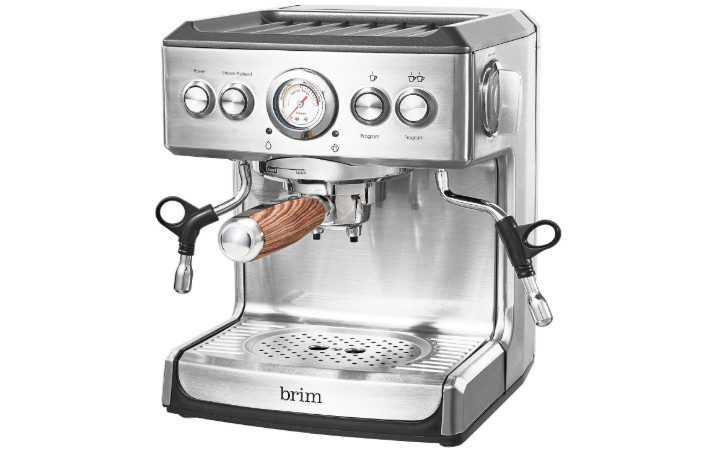 Brim 19 Bar Espresso Machine Maker 50019 Stainless Steel Milk Frother Steam Wand$249.99New · Last checked Nov 23, 2026View on eBay
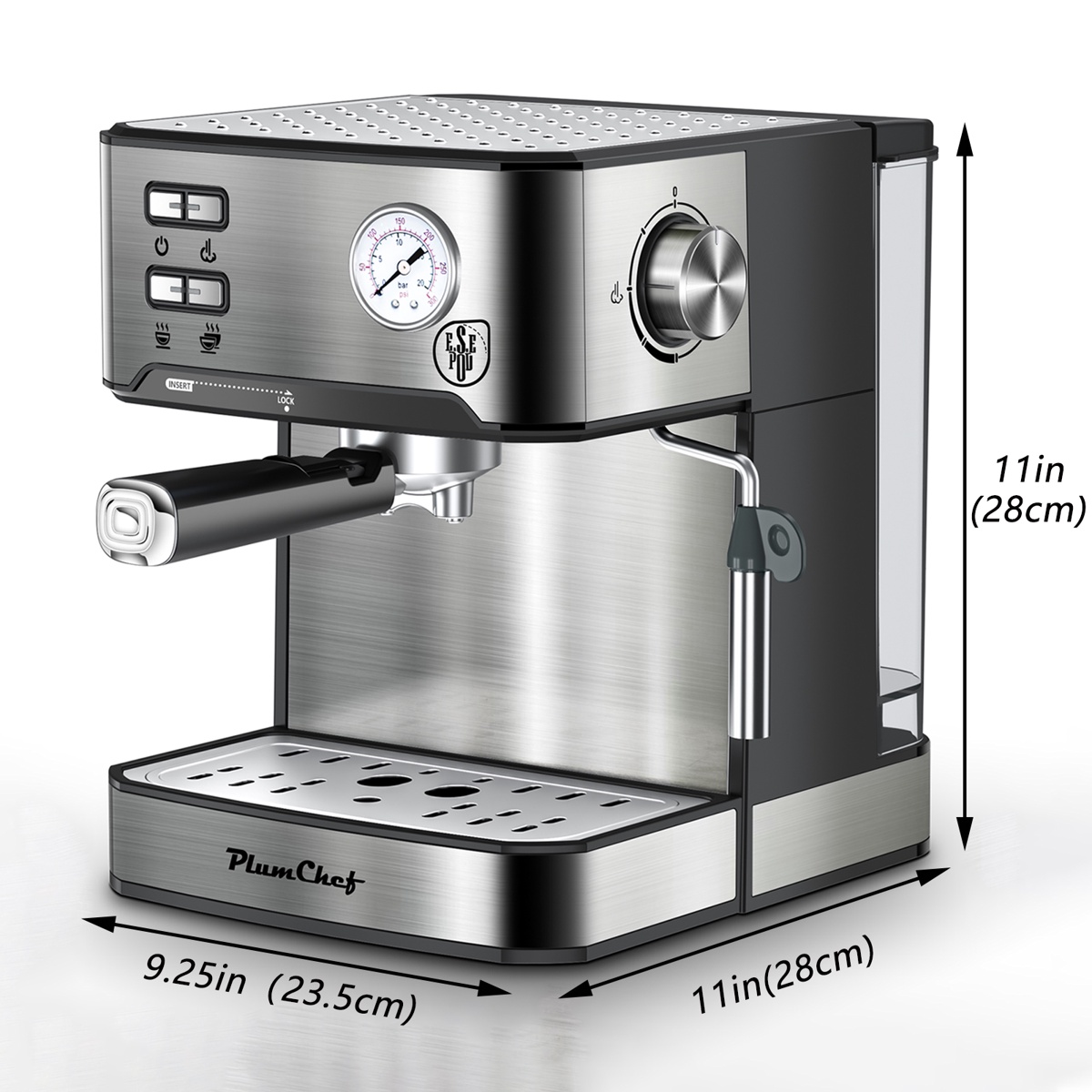 20 Bar Professional Espresso Machine With Milk Frother, Single Double Shot, ESE Pod Compatible, Visual Display Of Pressure, Removable Water Tank For Cappuccino, Latte, Machiato For Home Barista$104.99View on Mallflare
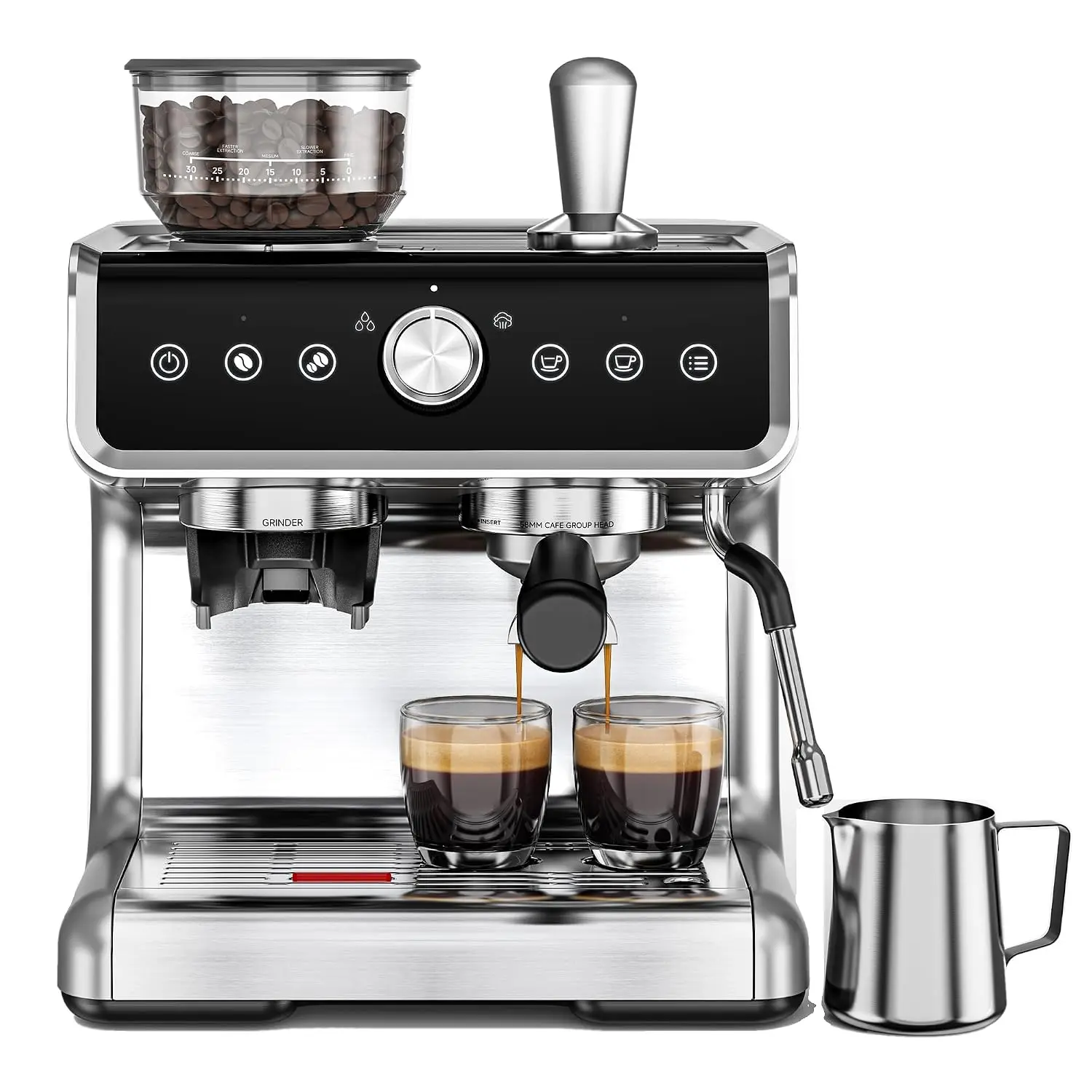 20 Bar Espresso Machine with Grinder & Milk Frother Home Coffee Maker Custom$295.99New · Last checked Nov 23, 2026View on eBay
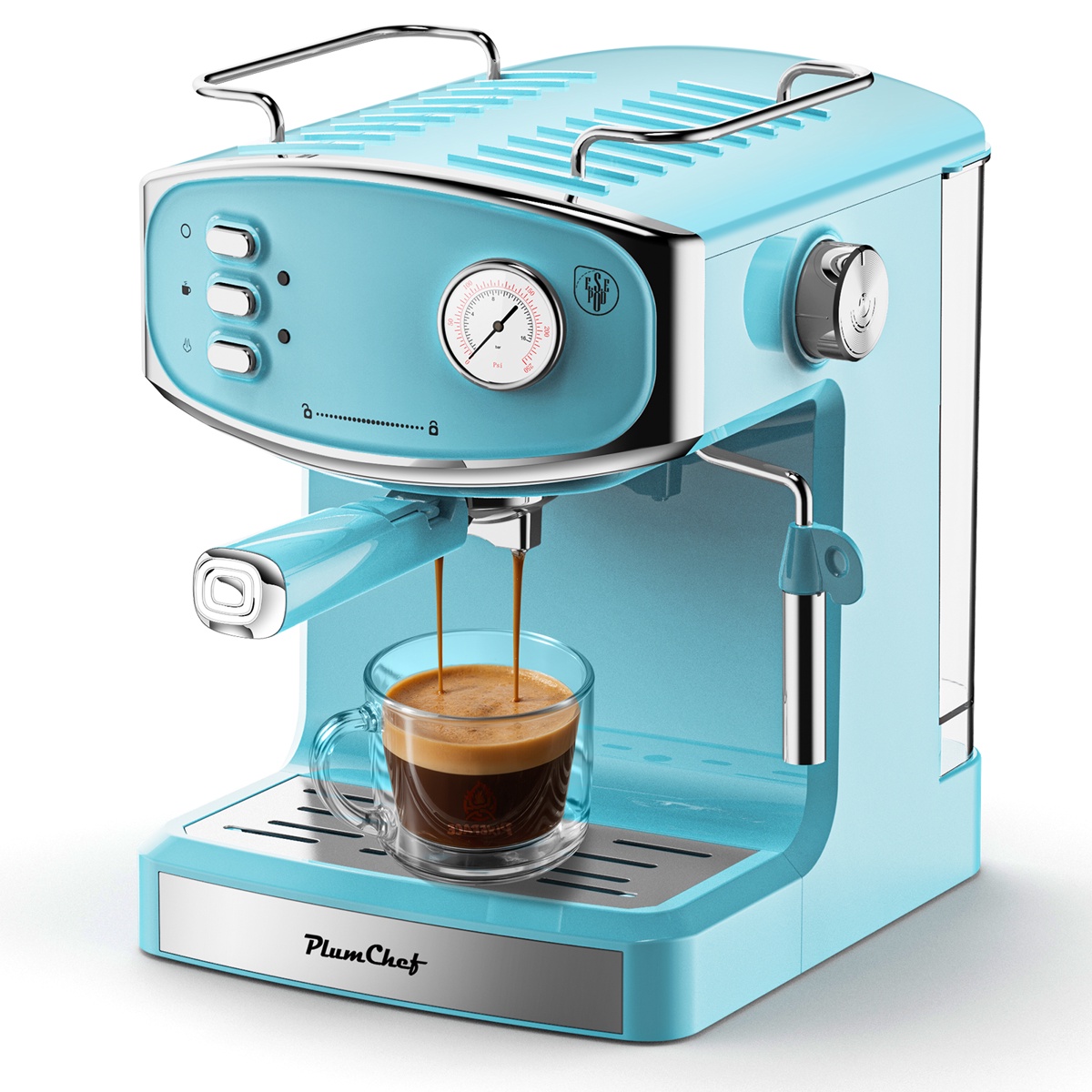 20 Bar Espresso Machine - Professional Compact Maker With Milk Frother, 54oz Large Water Tank, Low Noise, For Cappuccino, Latte, Blue$104.99View on Mallflare
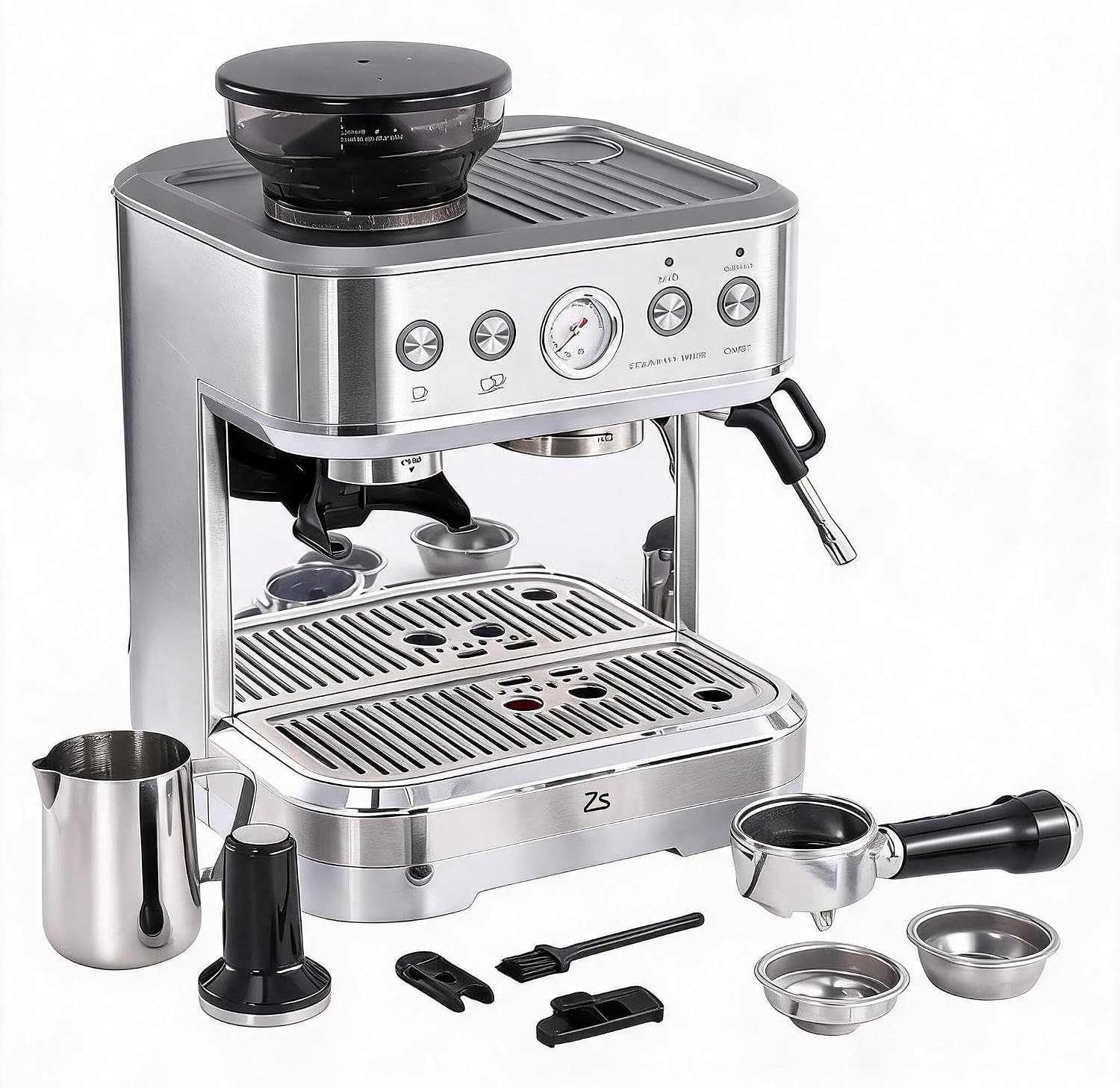 PID 15 Bar Espresso Machine W/ Built-in Grinder Milk Frother 2.5L Tank For Home$300.26New · Last checked Nov 23, 2026View on eBay
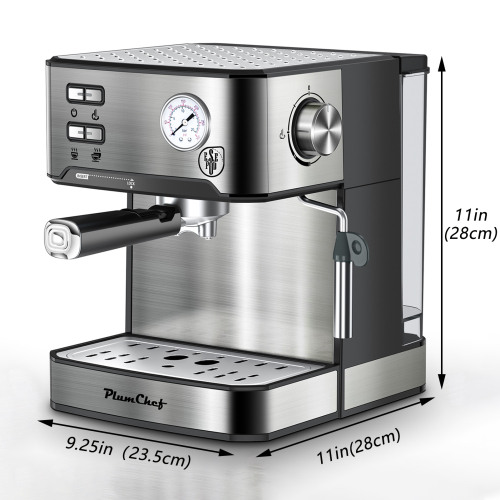 20 Bar Professional Espresso Machine With Milk Frother, Single & Double Shot, ESE Pod Compatible, Pressure Display, Removable Water Tank For Cappuccino, Latte, & Macchiato Home Barista Edition$130.99View on Mallflare
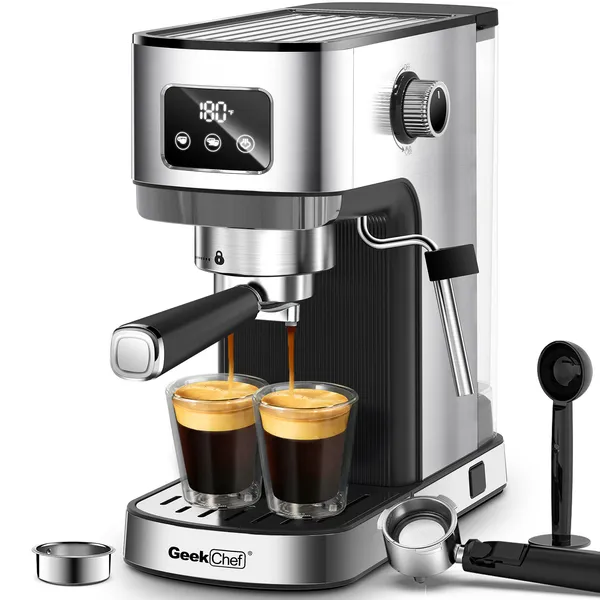 Geek Chef Espresso Machine, Cappuccino & Latte With ESE POD Filter & Milk Frother Steam Wand, Accurate Temperature & Time Control, Compact Coffee For Home,Stainless Steel$138.99View on Mallflare
Highlights
- 20-bar pumps are standard for entry pressurized machines, but actual brew pressure is regulated to 9 bar via an overload valve; the higher rating indicates pump headroom for steaming, not brew pressure.
- Single boiler machines share one heating element for brew and steam, requiring a purge and wait between shots and frothing; double boiler or thermoblock designs allow simultaneous brewing and steaming.
- Steam wand material determines durability: stainless steel wands resist corrosion and are easier to clean, while plastic or coated wands degrade and impart off-flavors over time.
- ESE pod compatibility (Easy Serving Espresso, 44mm pods) offers a consistent alternative to manual dosing, but limits you to pod grind freshness and adds per-shot cost.
Best use cases
- Best fit for daily latte drinkers: choose a machine with a stainless steel steam wand and a 54oz or larger removable tank to reduce refills; skip 43oz slim tanks if you make more than two milk drinks per session.
- Best fit for space-constrained kitchens: a slim vertical 20-bar model with a 43oz detachable tank fits under standard cabinets; avoid full-size double boilers if counter depth is under 18 inches.
- Best fit for beginners who want consistency: an automatic milk frother capsule machine (e.g., PULZO-style) removes wand technique, but skip it if you value fresh-ground espresso and long-term cost savings.
- Wrong fit: buying a single-boiler machine with a plastic panarello wand for high-volume entertaining; the recovery time between shots and milk will bottleneck you—step up to a double boiler or heat-exchange model.
Buying tips
- Match pump pressure to brew reality: 15-20 bar pumps are common, but ensure the machine includes a pressure gauge or OPV set to 9 bar; without regulation, higher pressure causes channeling and bitter shots.
- Check boiler type by drink volume: single boiler for 1-2 milk drinks per day, thermoblock for faster recovery, double boiler for back-to-back brewing and steaming without waiting.
- Verify portafilter size: 51mm or 54mm baskets are common on compact machines; 58mm professional baskets offer more third-party accessory compatibility and better thermal mass.
- For pod flexibility, confirm ESE compatibility (44mm pods) if you want a fallback to pre-ground pods; machines without ESE require a separate pressurized basket for pre-ground coffee.
Specs
| Pump Pressure | 15-20 bar rated / 9 bar brew |
|---|---|
| Boiler Type | Single / Thermoblock / Double |
| Steam Wand | Manual stainless / Auto frother |
| Water Tank | 43-54 oz removable |
Related searches
What to check before buying
- Measure counter depth and height: slim vertical models need about 8-10 inches width and 12-14 inches height clearance; full-size machines need 12-15 inches width and 15+ inches height under cabinets.
- Confirm electrical: most home espresso machines draw 1000-1500W and require a dedicated 15A circuit; avoid sharing a circuit with a microwave or air fryer to prevent tripping.
- Check water tank access: a removable tank (front or top) must fit under your faucet or be carryable; 43-54oz tanks need refilling every 4-8 shots depending on shot volume.
- Verify included accessories: a tamper (preferably metal), pressurized and non-pressurized baskets, and a milk pitcher are often not included—budget for these separately if not listed.
FAQ
Data sources: eBay / Amazon listings and product attribute feeds. Updated Nov 27, 2026.
Some links on this page are affiliate links. If you buy after clicking one, we may earn a commission at no extra cost to you. This does not change which products appear here or their order. Affiliate disclosure.