
Photos from current listings. Actual item, color, and included accessories may vary.
Fully Automatic Espresso Machine Buying Guide
A fully automatic espresso machine (super-automatic) grinds, doses, tamps, and brews espresso at the touch of a button, replacing the manual workflow of a semi-automatic setup. The core trade-off is convenience versus build quality: entry models use plastic brew groups and thermoblock heaters, while durable tiers use metal conical burrs, stainless steel brew groups, and dual boiler or thermojet systems for temperature stability. The clear decision rule: buy a machine with a removable metal brew group and at least a ceramic or steel grinder if you want years of service; skip any sealed plastic brew unit or pressurized-only basket design.
Median $449.00 · New & pre-owned listings
Key takeaways
- Brew group material is the durability gate: stainless steel or metal groups (e.g., Jura, Delonghi Eletta) survive years of daily cycles, while sealed plastic units in budget tiers crack and are not user-serviceable.
- Grinder burr type determines shot quality and longevity: conical steel or ceramic burrs (8-13 settings) outperform flat ceramic burrs in low-cost models; ceramic stays sharp longer but is brittle, steel is tougher.
- Heater architecture separates tiers: single thermoblock heats fast but swings temperature between shots; dual boiler or thermojet (e.g., Jura GIGA, Delonghi Primadonna) holds ±1°C for back-to-back milk drinks.
At a glance
- Category
- Coffee Makers & Espresso
- Last updated
- Nov 27, 2026
Current offers
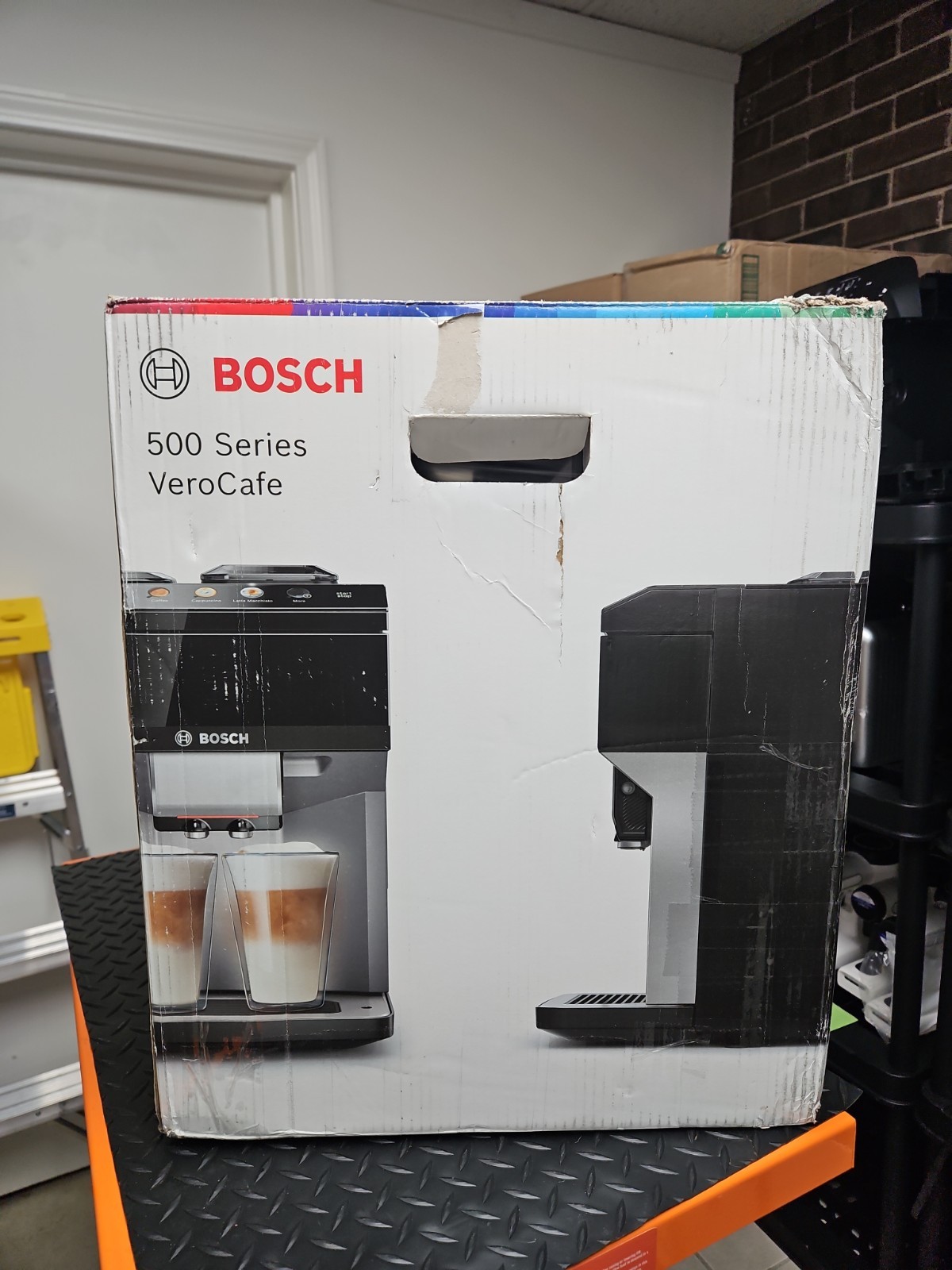 Bosch 500 Series VeroCafe TPU40508 Fully Automatic Espresso Machine Open Box$399.00Open box · Last checked Nov 21, 2026View on eBay
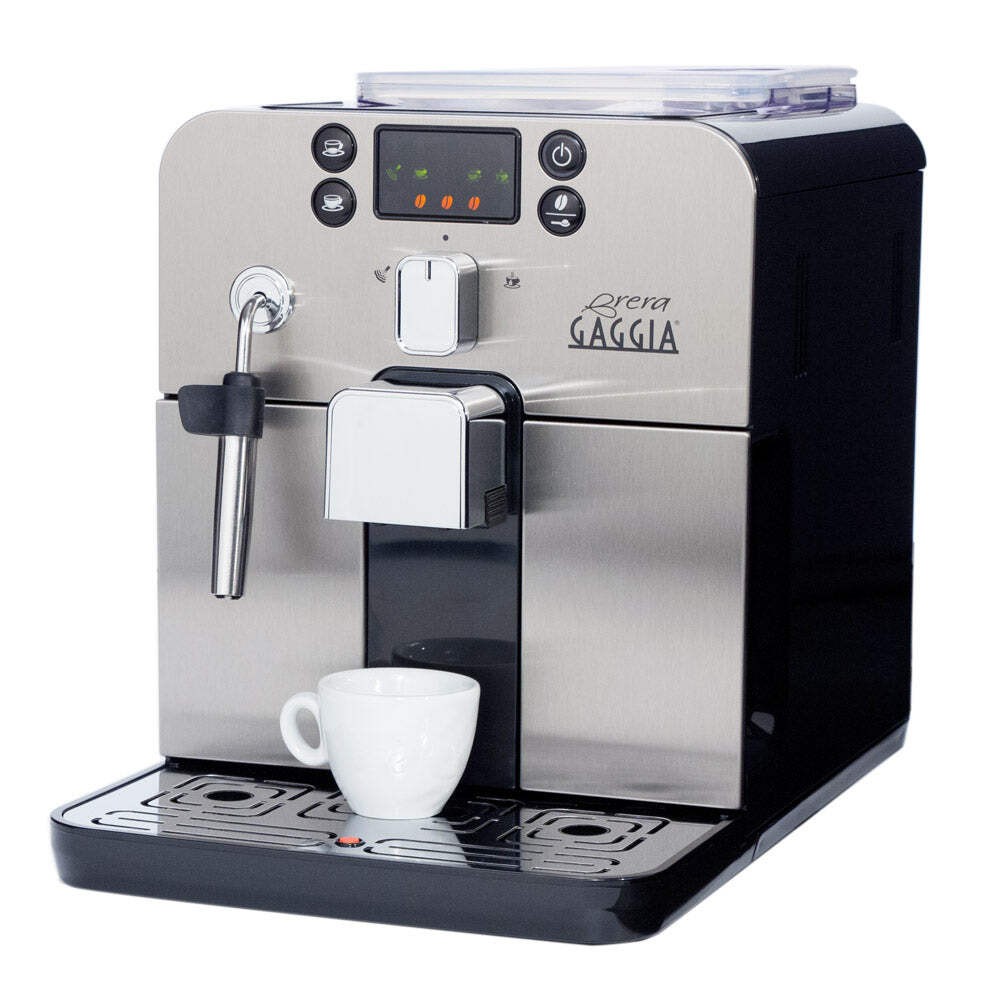 Italian- made Gaggia Brera Fully Super-Automatic Espresso Machine in Black$449.00New · Last checked Nov 23, 2026View on eBay
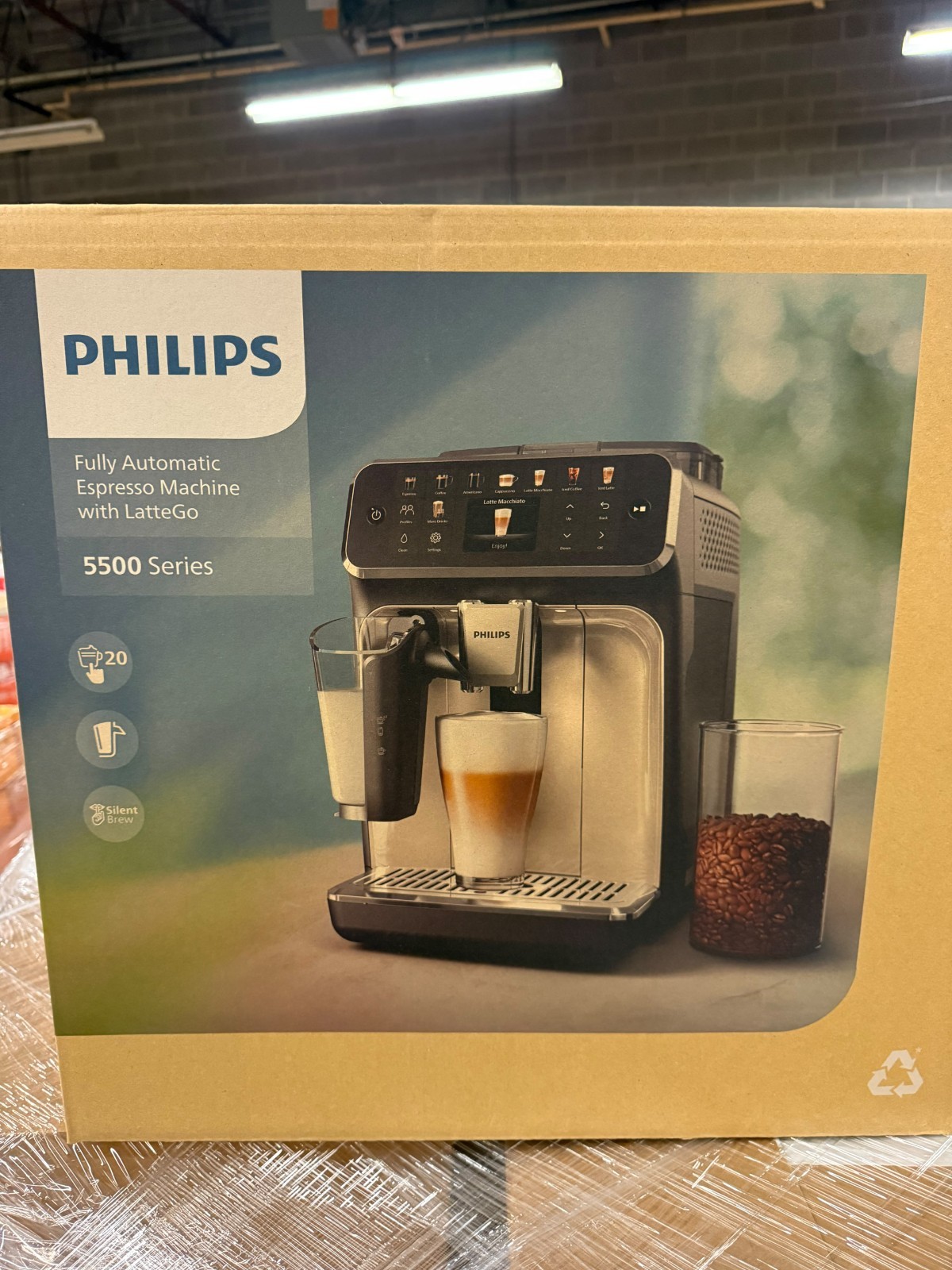 Philips 5500 LatteGo Fully Automatic Espresso Machine | 20 Beverages | EP5544/94$785.00New · Last checked Nov 23, 2026View on eBay
Highlights
- Brew group material is the durability gate: stainless steel or metal groups (e.g., Jura, Delonghi Eletta) survive years of daily cycles, while sealed plastic units in budget tiers crack and are not user-serviceable.
- Grinder burr type determines shot quality and longevity: conical steel or ceramic burrs (8-13 settings) outperform flat ceramic burrs in low-cost models; ceramic stays sharp longer but is brittle, steel is tougher.
- Heater architecture separates tiers: single thermoblock heats fast but swings temperature between shots; dual boiler or thermojet (e.g., Jura GIGA, Delonghi Primadonna) holds ±1°C for back-to-back milk drinks.
- Milk system is a major tier differentiator: integrated carafe with automatic steam cleaning (e.g., Philips LatteGo, Delonghi LatteCrema) versus manual wand or external pitcher; carafe systems add cleanup but deliver one-touch lattes.
Best use cases
- Best fit: busy households pulling 4+ espressos or milk drinks daily — pick a dual-boiler or thermojet model with a removable metal brew group and integrated milk carafe; skip single-thermoblock budget units that falter on back-to-back orders.
- Best fit: small kitchens or offices where counter space is tight — choose a compact super-automatic with a front-loading water tank and fold-down milk wand; skip large bean-to-cup units with side tanks and tall clearance.
- Best fit: buyers who want zero-fuss black coffee and occasional espresso — a mid-tier model with ceramic grinder and adjustable strength is enough; skip flagship dual-boiler machines with carafes you will rarely use.
- Wrong fit: buyers expecting cafe-grade single-origin clarity — super-automatics trade nuance for convenience; skip them if you want to experiment with dose, pressure profiling, and basket sizes.
Buying tips
- Measure your cabinet clearance: most super-automatics are 12–15 in wide and 13–17 in tall; allow 2 in above for bean hopper removal and 4 in front for cup clearance.
- Match brew group serviceability: only buy models where the brew group removes without tools (Jura, Delonghi, Philips) — sealed units require factory service and shorten machine life.
- Check water hardness and filter compatibility: hard water (above 150 mg/L CaCO3) demands an inline filter or descaling program; confirm the model supports a standard Claris or Intenza filter.
- Verify milk system cleaning: integrated carafes need daily rinse and weekly deep clean; auto-clean steam circuits (e.g., LatteGo) reduce labor but still require periodic disassembly.
Specs
| Brew Group | Removable metal vs sealed plastic |
|---|---|
| Grinder Burrs | Conical steel/ceramic vs flat ceramic |
| Heater Type | Thermoblock vs dual boiler/thermojet |
| Milk System | Integrated carafe vs manual wand |
Related searches
What to check before buying
- Counter depth and height: confirm machine dimensions plus 2 in rear clearance for the hopper and 4 in front for cup placement; measure your tallest mug against the spout height.
- Water access and hardness: test your tap water (hardness strips) and decide between inline filter or bottled water; ensure the tank is removable for refilling if not plumbed.
- Power and plug: super-automatics draw 1200–1600 W; confirm a dedicated 15 A circuit and that the plug type matches your outlet (NEMA 5-15 in North America, Schuko in Europe).
- Bean supply and hopper size: a 250 g hopper suits 1–2 drinkers daily; larger households should pick a 300–500 g hopper to avoid constant refills.
FAQ
Data sources: eBay / Amazon listings and product attribute feeds. Updated Nov 27, 2026.
Some links on this page are affiliate links. If you buy after clicking one, we may earn a commission at no extra cost to you. This does not change which products appear here or their order. Affiliate disclosure.