
Photos from current listings. Actual item, color, and included accessories may vary.
Fully Automatic Espresso Machine With Grinder Buying Guide
A fully automatic espresso machine with grinder combines a burr grinder, brew unit, and milk frother into one push-button system. The core trade-off is between ceramic vs steel burrs and plastic vs metal brew groups: metal internals and ceramic burrs last years, while plastic brew units and pressurized baskets are compromises. The clear decision rule is to buy a model with a removable metal brew group, ceramic burrs, and a bypass doser if you drink both espresso and drip-style coffee.
Median $449.00 · New & pre-owned listings
Key takeaways
- Ceramic burrs resist heat and wear better than steel, staying sharp for thousands of shots; steel burrs are more durable against stones but dull faster.
- A removable metal brew group (e.g., stainless steel) can be rinsed and relubricated; fixed plastic brew units are a sealed wear item that fails after a few thousand cycles.
- Bean-to-cup machines with a bypass doser let you use pre-ground coffee for decaf or drip-strength cups without emptying the hopper.
At a glance
- Category
- Coffee Makers & Espresso
- Last updated
- Nov 27, 2026
Current offers
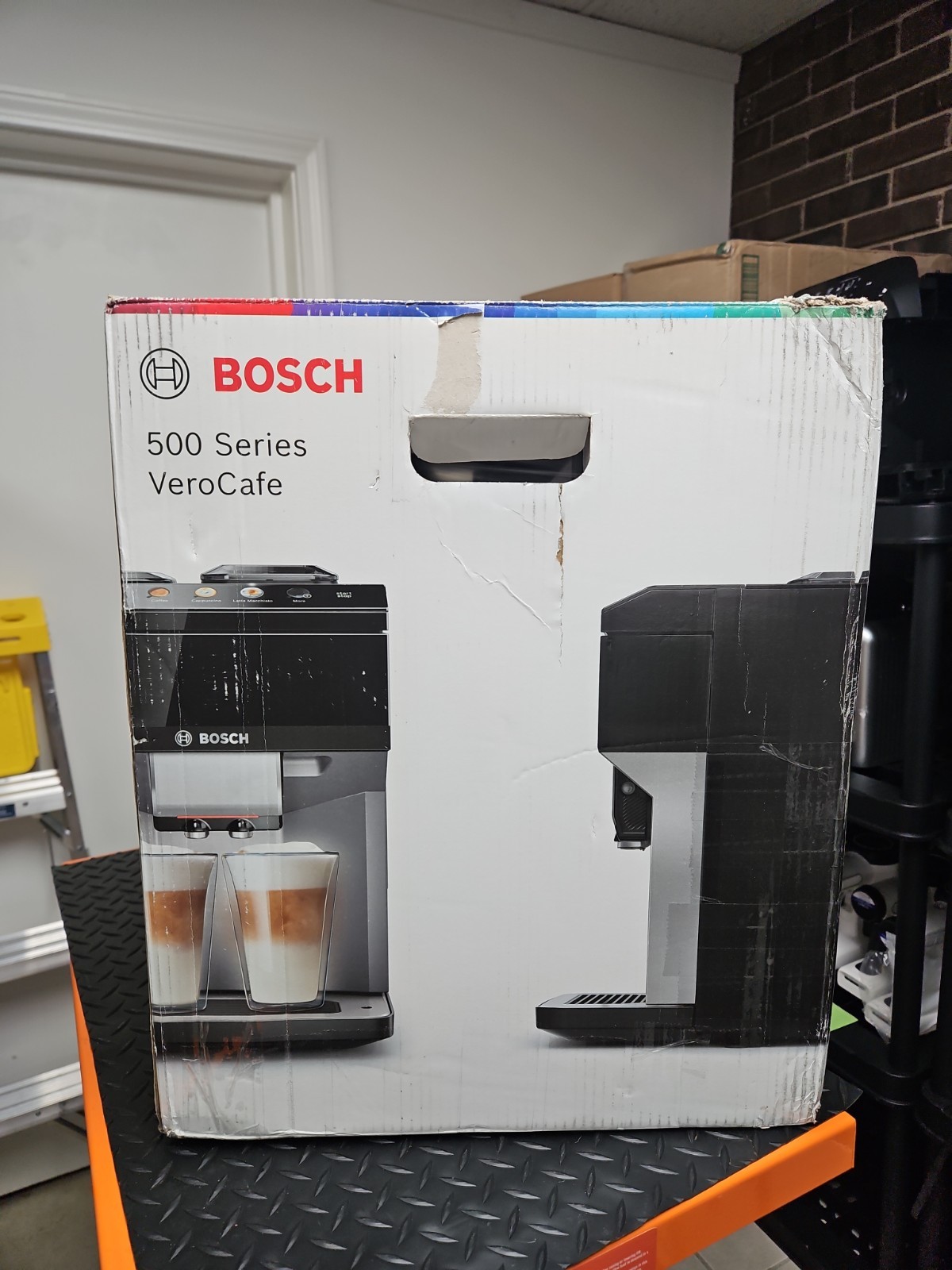 Bosch 500 Series VeroCafe TPU40508 Fully Automatic Espresso Machine Open Box$399.00Open box · Last checked Nov 21, 2026View on eBay
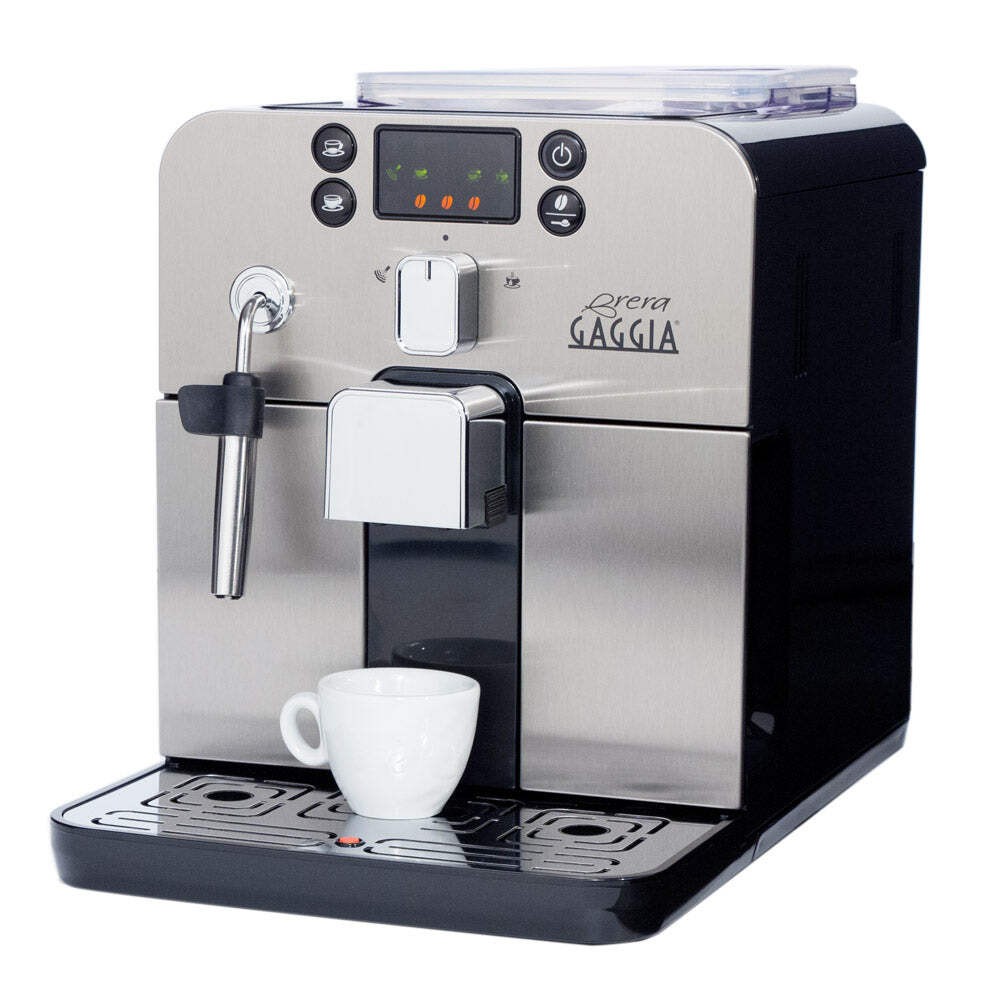 Italian- made Gaggia Brera Fully Super-Automatic Espresso Machine in Black$449.00New · Last checked Nov 23, 2026View on eBay
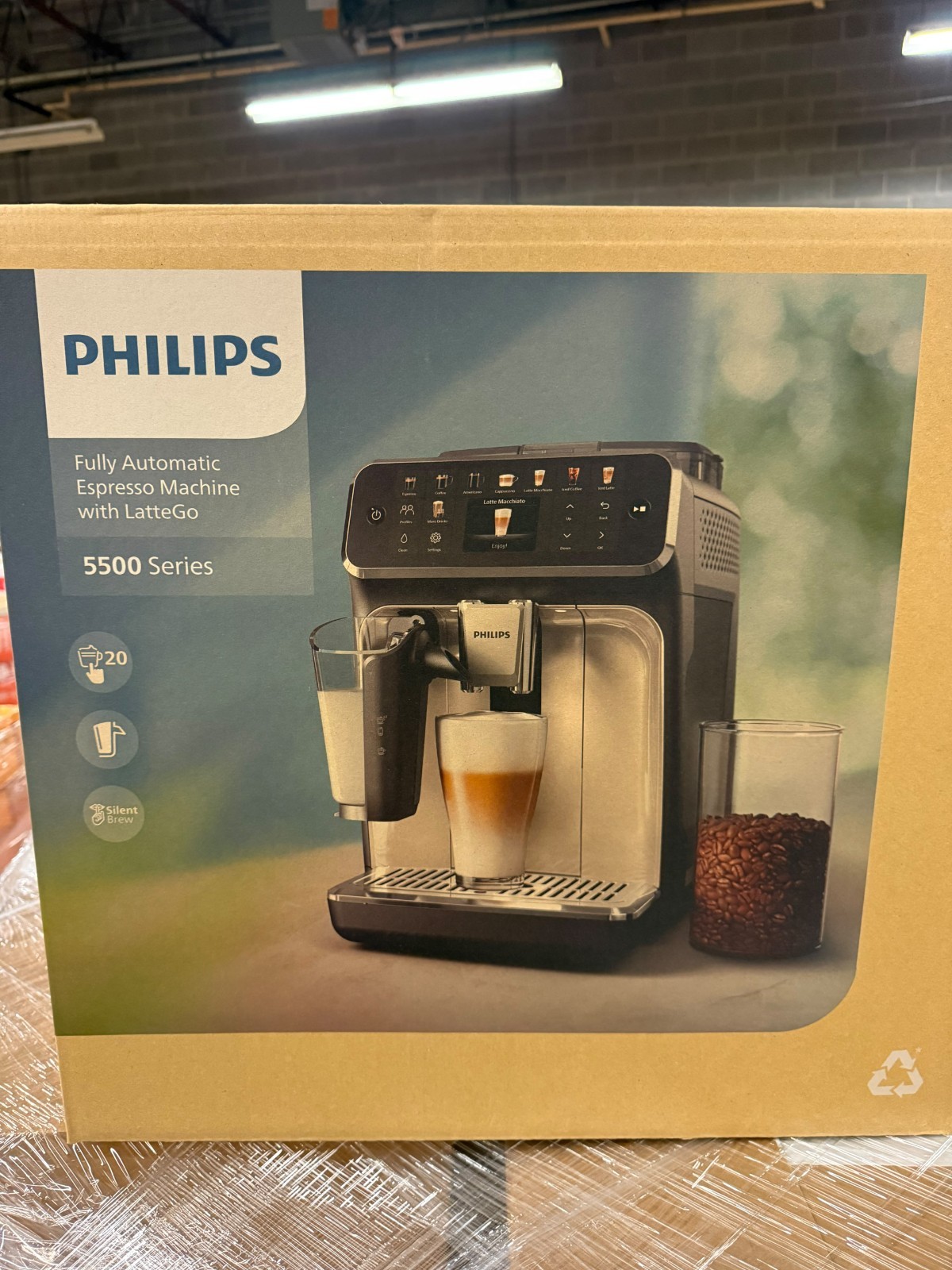 Philips 5500 LatteGo Fully Automatic Espresso Machine | 20 Beverages | EP5544/94$785.00New · Last checked Nov 23, 2026View on eBay
Highlights
- Ceramic burrs resist heat and wear better than steel, staying sharp for thousands of shots; steel burrs are more durable against stones but dull faster.
- A removable metal brew group (e.g., stainless steel) can be rinsed and relubricated; fixed plastic brew units are a sealed wear item that fails after a few thousand cycles.
- Bean-to-cup machines with a bypass doser let you use pre-ground coffee for decaf or drip-strength cups without emptying the hopper.
- Automatic milk systems fall into two tiers: a simple steam wand for manual frothing vs a carafe with dedicated milk-temperature sensors and clean cycles.
Best use cases
- Best fit: daily espresso drinkers who want one-button shots and automatic milk frothing — choose a model with a removable brew group and ceramic burrs.
- Wrong fit: buyers who only drink drip coffee — a fully automatic espresso machine wastes capacity; pick a grind-and-brew drip machine instead.
- Best fit: households with mixed decaf and regular drinkers — prioritize a bypass doser to avoid swapping beans constantly.
- Wrong fit: buyers who want to experiment with single-origin light roasts — skip super-automatic models and choose a semi-automatic with a dedicated grinder for pressure profiling.
Buying tips
- Check the brew group: metal removable units (often stainless steel) last longer than fixed plastic groups; confirm it can be removed without tools for rinsing.
- Verify burr material and diameter: ceramic burrs 40 mm+ resist wear and heat; steel burrs are tougher against foreign objects but require more frequent replacement.
- Match water hardness: use a machine with an adjustable or removable water filter; hard water scales boilers and kills thermoblocks faster than any other failure mode.
- Confirm milk system tier: a steam wand requires manual frothing skill; a carafe with auto-clean and temperature sensor saves time but adds cleaning cycles.
Specs
| Burr Type | Ceramic vs Steel (40–50 mm) |
|---|---|
| Brew Group | Removable metal vs fixed plastic |
| Milk System | Steam wand vs auto carafe |
| Bypass Doser | Yes / No (pre-ground chute) |
Related searches
What to check before buying
- Measure your counter depth and height clearance — super-automatics need 12–18 inches of vertical space above the bean hopper for refilling.
- Check your electrical outlet: most models draw 1200–1500 W and require a dedicated 15 A circuit; confirm plug type matches your region.
- Test water hardness with a strip; if above 150 ppm, budget for a descaling schedule or buy a model with an integrated water filter.
- Confirm the bean hopper capacity suits your household: 8–12 oz hoppers need weekly refills for 2–4 daily shots; smaller hoppers mean more frequent filling.
FAQ
Data sources: eBay / Amazon listings and product attribute feeds. Updated Nov 27, 2026.
Some links on this page are affiliate links. If you buy after clicking one, we may earn a commission at no extra cost to you. This does not change which products appear here or their order. Affiliate disclosure.