
Photos from current listings. Actual item, color, and included accessories may vary.
Portable Espresso Machine Buying Guide
Portable espresso machines are compact, travel-ready brewers that produce true 9-bar espresso without a kitchen outlet. The core trade-off is manual hand-pump versus battery-powered self-heating models: manual units are lighter and unlimited but require effort and a separate hot-water source, while electric models add weight, cost, and charge dependency in exchange for one-button convenience. The decision rule is simple: buy a manual pump if you already carry hot water and prioritize pack weight; buy a battery self-heating unit only if you need true cordless operation and accept a larger, heavier device.
Median $230.50 · New & pre-owned listings
Key takeaways
- Manual piston pumps reach 9–20 bar via hand leverage; battery models use electric pumps rated 15–20 bar with self-heating elements drawing from 7500mAh-class cells.
- Capsule compatibility splits into three ecosystems: Nespresso Original (NS), Dolce Gusto (DG), and ground coffee baskets; 3-in-1 units accept all three, 2-in-1 units drop one.
- Self-heating models need 2–4 minutes and significant battery draw to heat 60–80ml of water; manual units rely on externally heated water and brew in 30–60 seconds.
At a glance
- Category
- Coffee Makers & Espresso
- Last updated
- Nov 28, 2026
Current offers
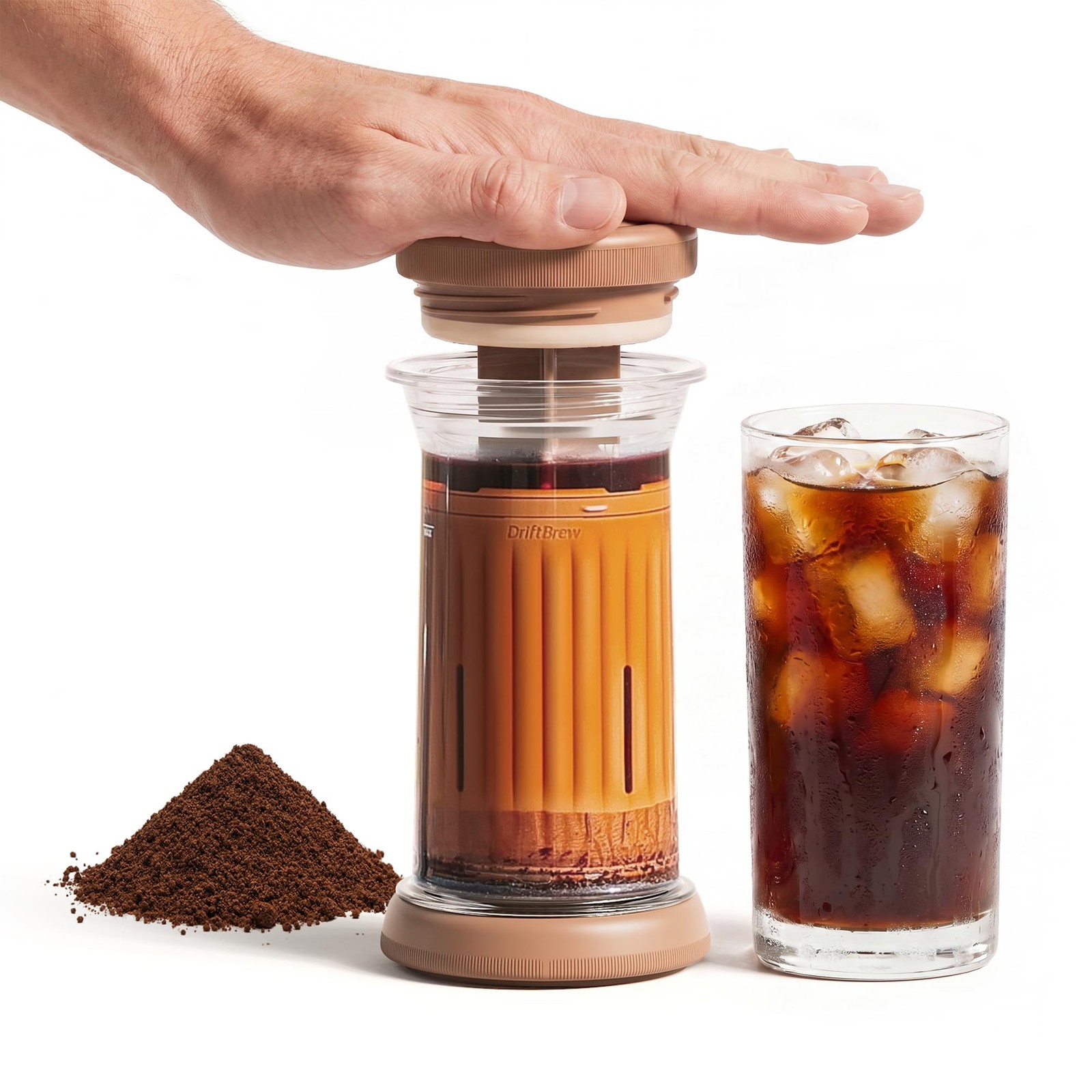 Camping Coffee Maker 8oz Portable Cold Brew & Espresso - Travel Brewing Gear$31.99View on eBay
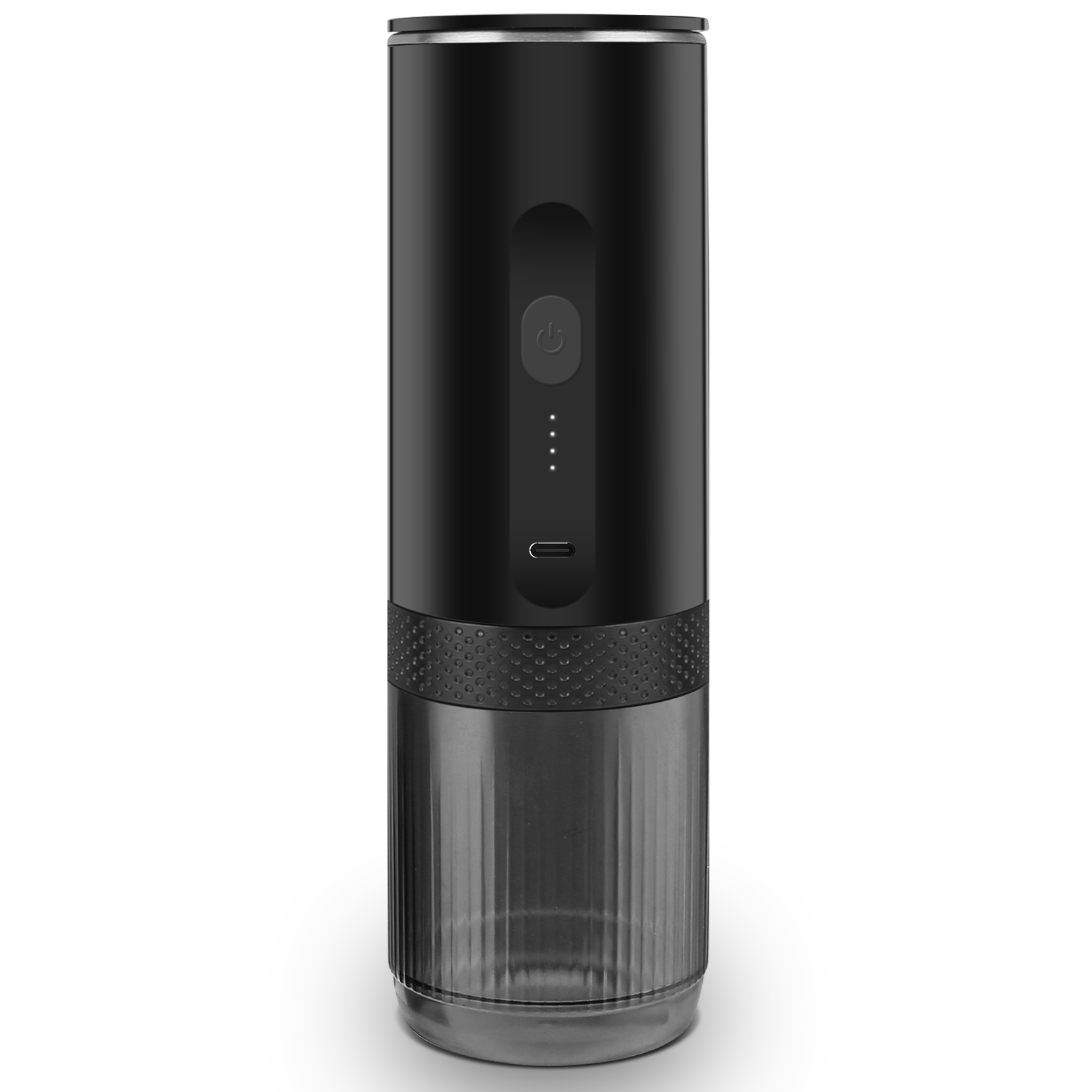 Plum Chef Portable Espresso Machine, 15Bar Pump Pressure Wireless Travel Coffee Maker With Self-Heating, 7500mAh Battery, 2-in-1 For Ground Nespresso Capsules, For Camping Car Home Office$54.99View on Mallflare
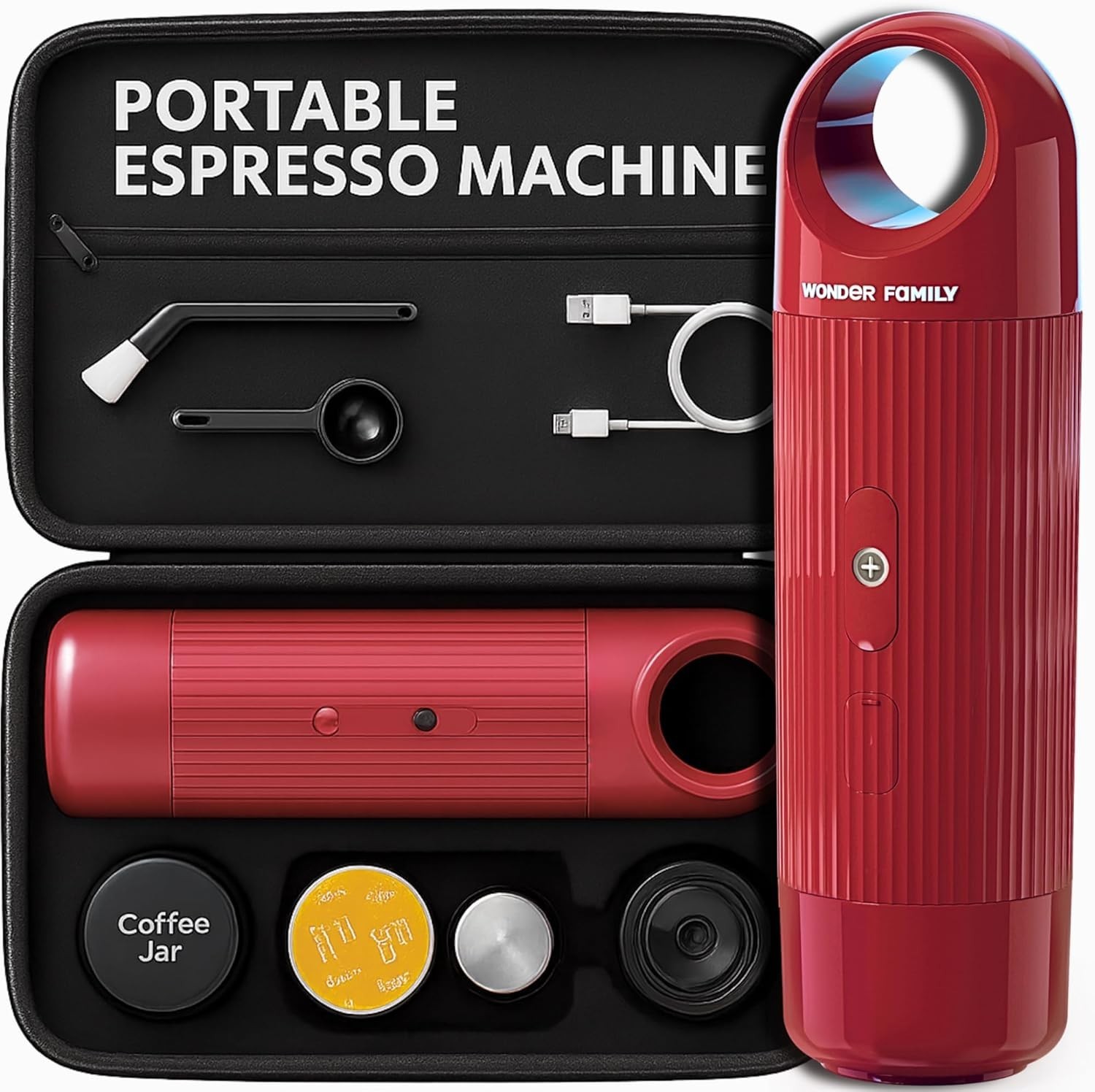 Portable Espresso Machine Travel Coffee Maker for Pods & Grounds Mini 5 Cup Make$34.99View on eBay
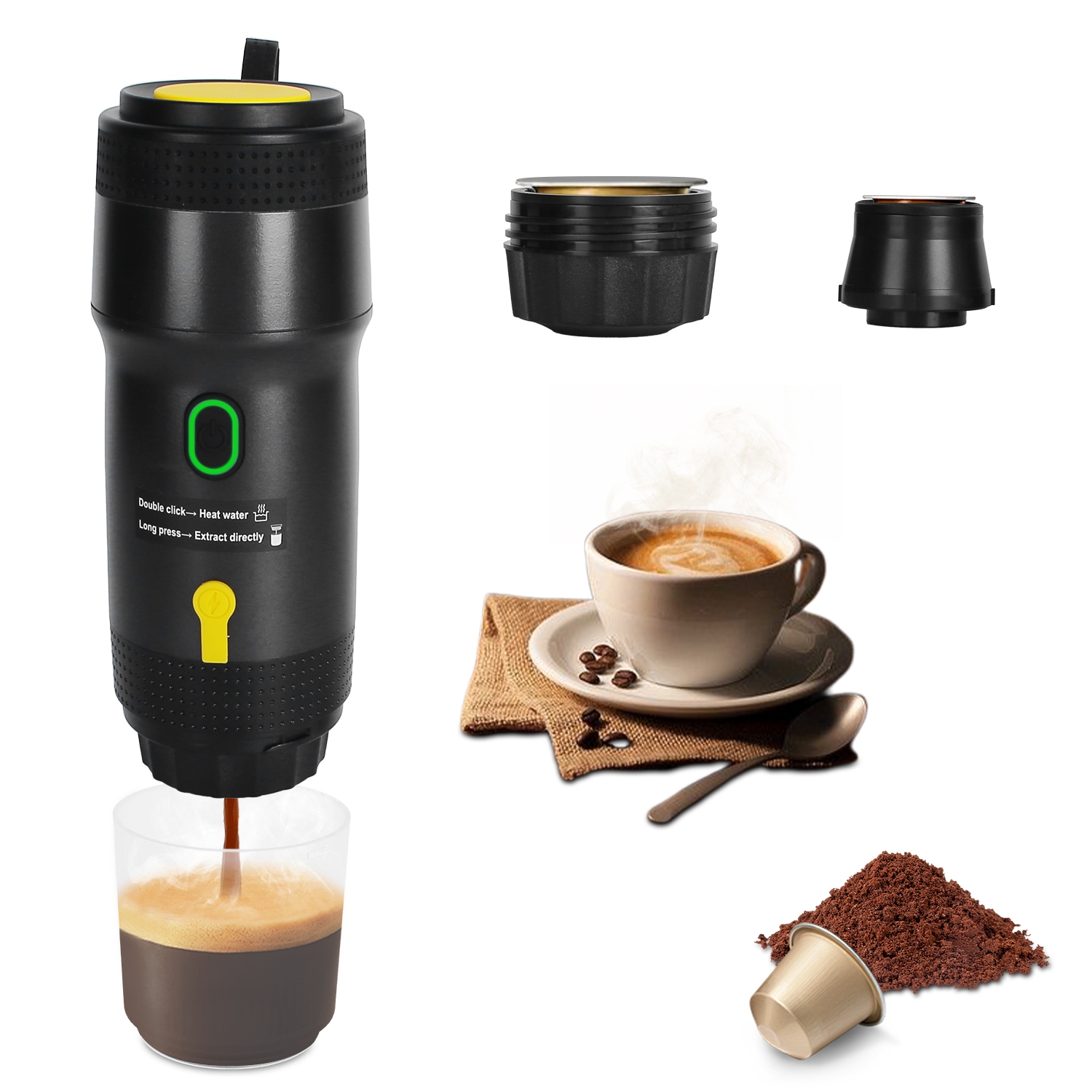 1Pc Portable Electric Espresso Machine Cordless Coffee Maker Self Heating Car With Anti Dry Burn Fit For Ground NS DG Capsules For Car Camping Hiking RV Home Office$55.99View on Mallflare
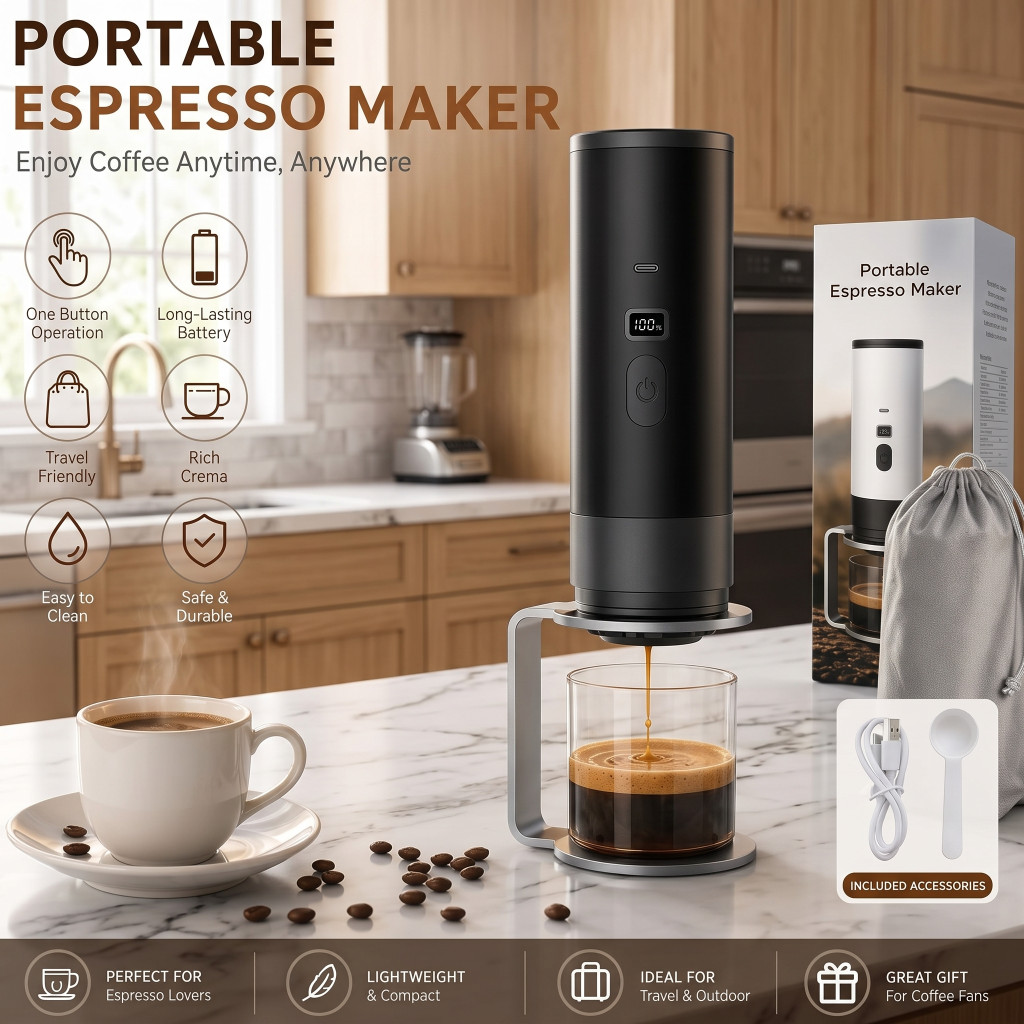 Portable Electric Espresso Maker - 3 in 1 Travel Coffee Machine for Camping US$45.58View on eBay
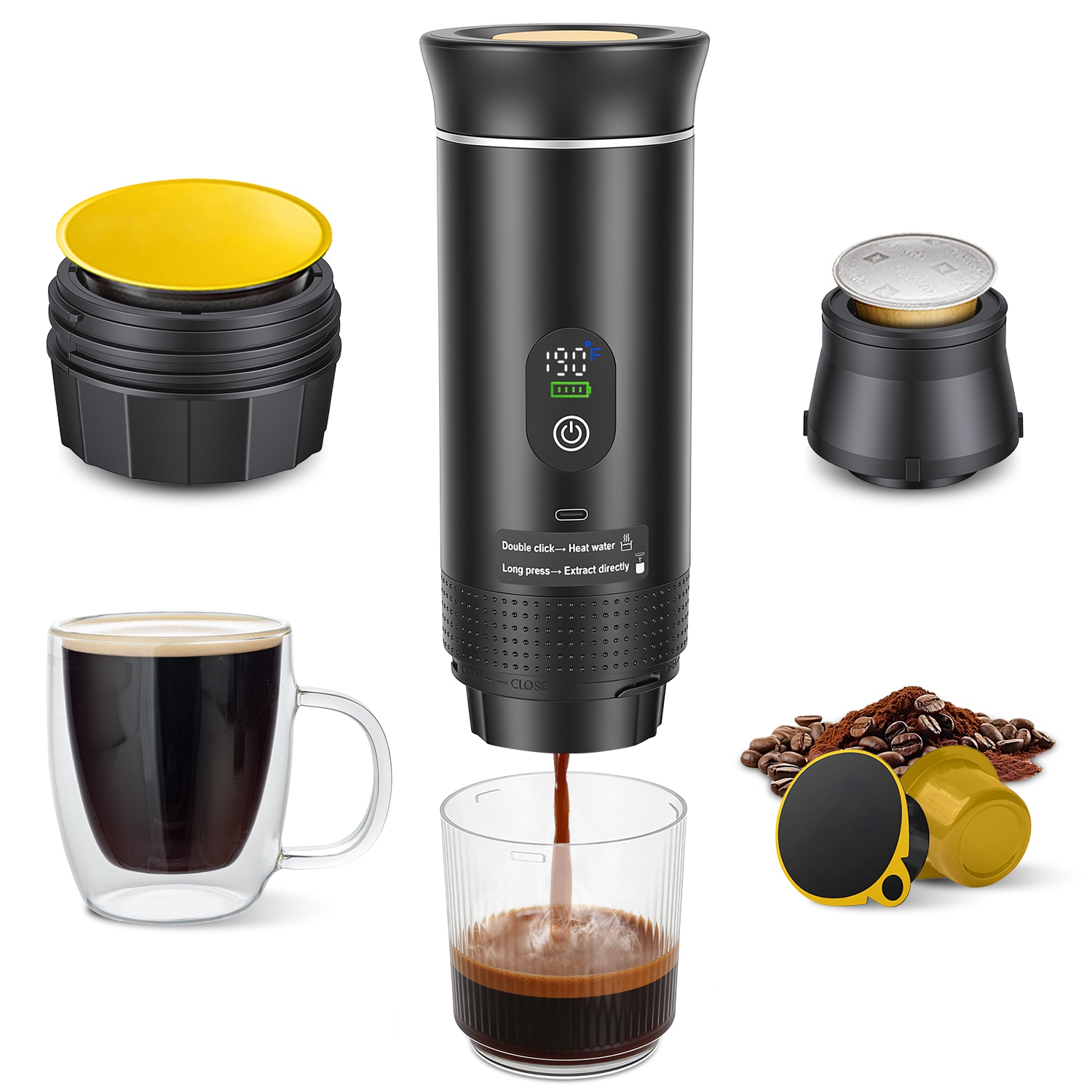 3 In 1 Portable Espresso Machine Cordless Mother Day Self Heating Coffee Maker With 7500mAh Battery 20Bar Pressure Anti Dry Burn Fit For Ground Capsules For Camping Hiking RV Home$73.99View on Mallflare
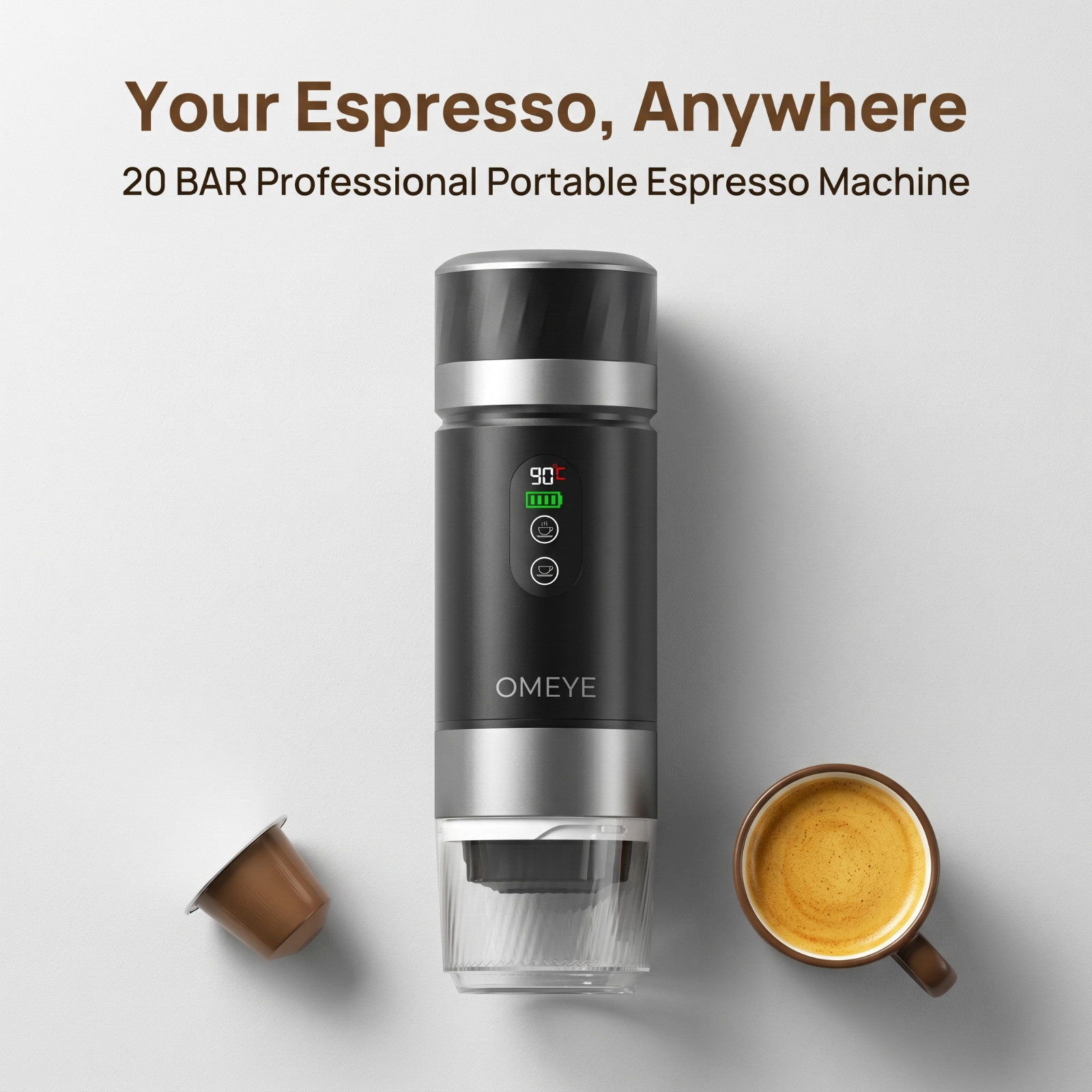 OMEYE Portable Espresso Maker 20 Bar Battery USB-C Capsule Ground Coffee$69.99View on eBay
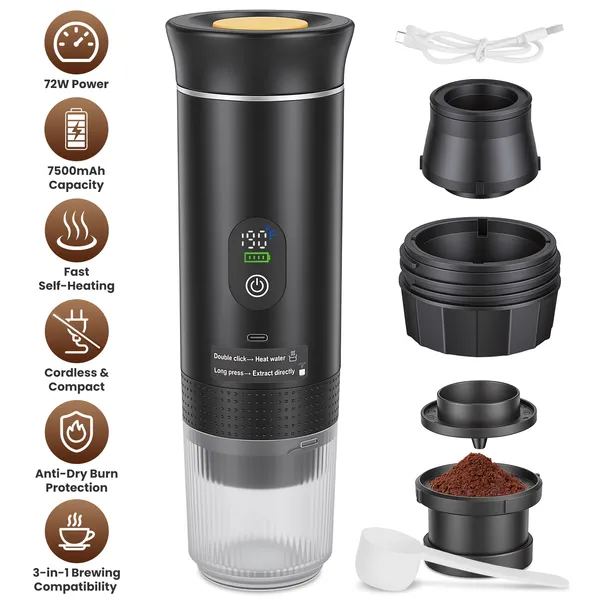 3-in-1 Portable Espresso Machine Cordless Self-Heating Coffee Maker With 7500mAh Battery 20Bar Pressure Anti-Dry Burn Fit For Ground Coffee&NS&DG Capsules For Camping Hiking RV Home Office$89.99View on Mallflare
 CALPHALON COMPACT ESPRESSO MACHINE, HOME ESPRESSO MACHINE WITH MILK - STAINLESS$88.09View on eBay
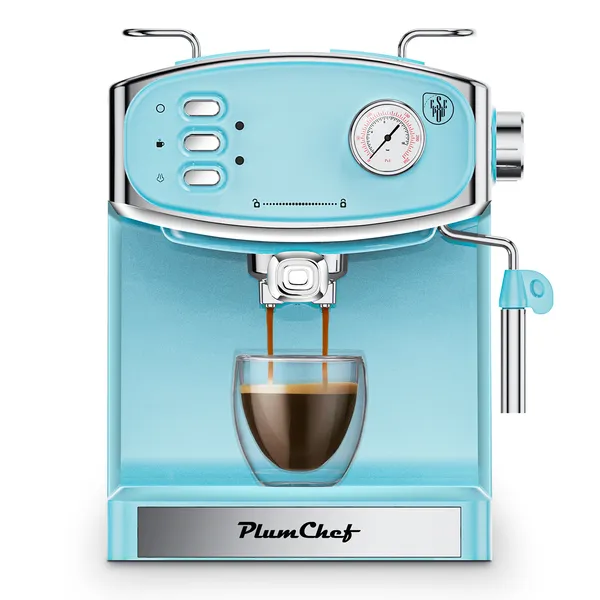 20 Bar Espresso Machine For Home- Professional Compact Maker With Milk Frother Steam Wand, Pressure Gauge & 54oz Large Water Tank, Low Noise Fast Brewing For Cappuccino, Latte$96.99View on Mallflare
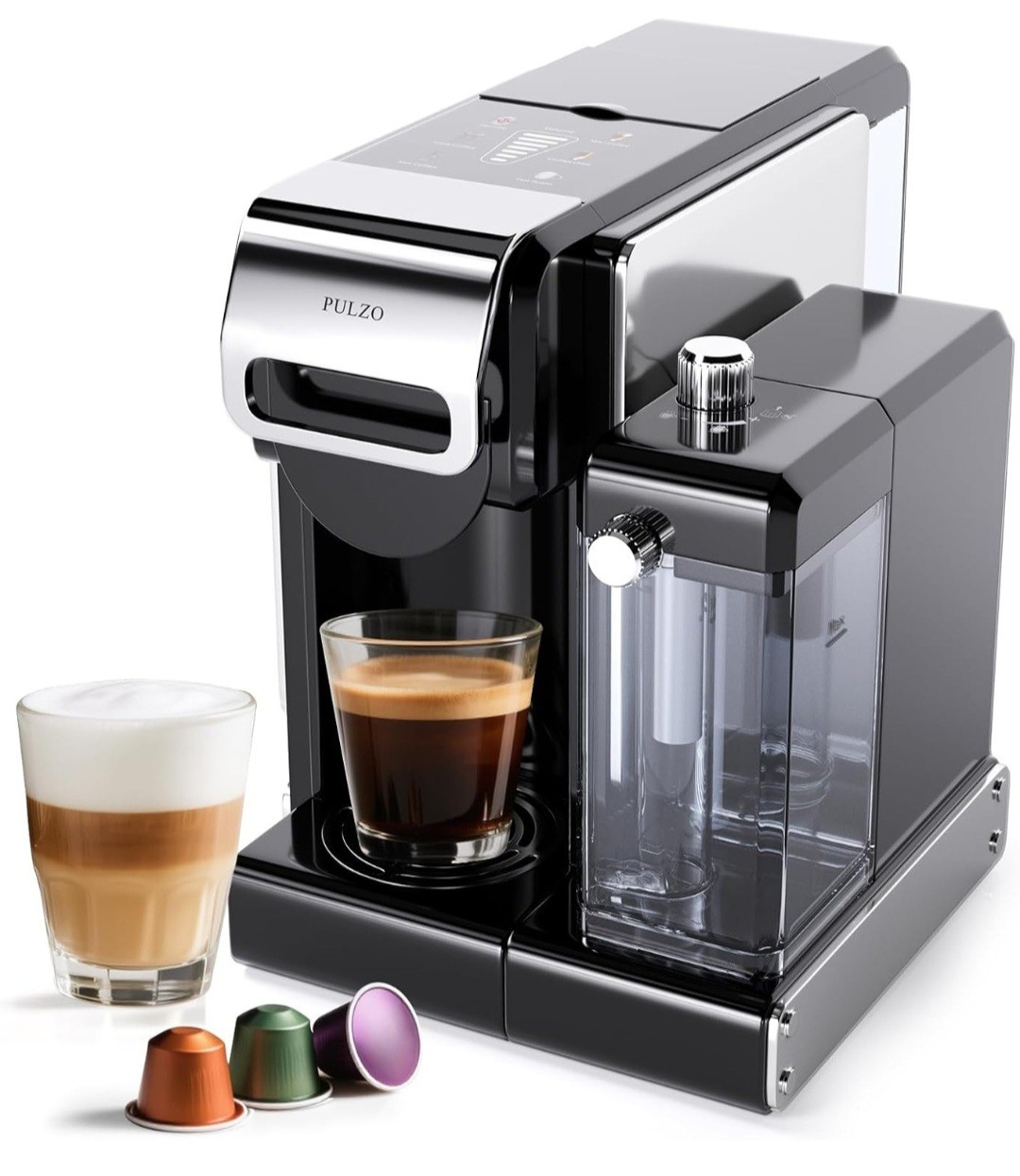 PULZO Espresso Machine Automatic Milk Frother Capsule Coffee Maker Latte Cappucc$113.90View on eBay
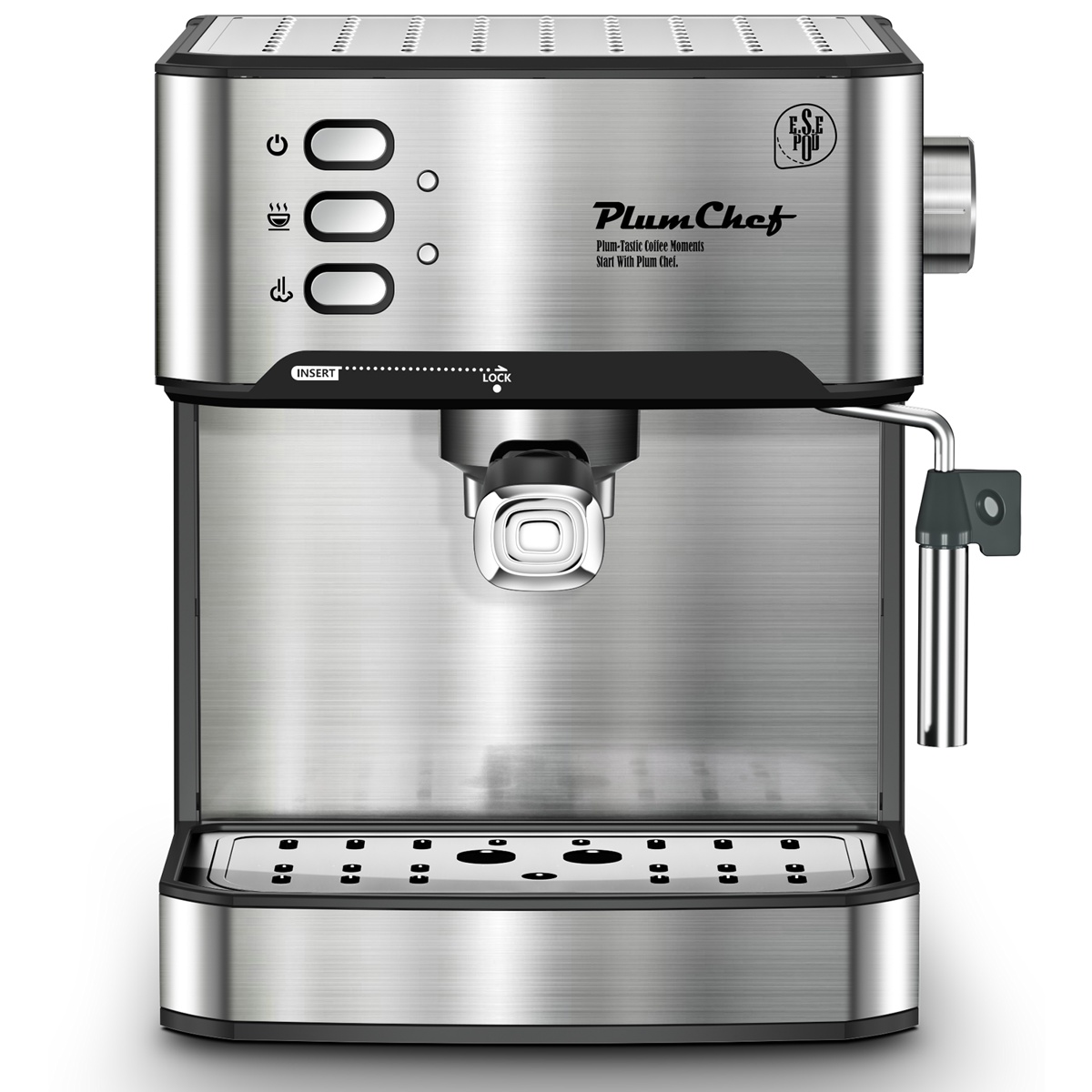 20 Bar Espresso Machine With Milk Frother, Single & Double Shot, ESE Pod Compatible, Visual Display Of Pressure, Removable Water Tank, Cappuccino, Latte, Machiato$98.99View on Mallflare
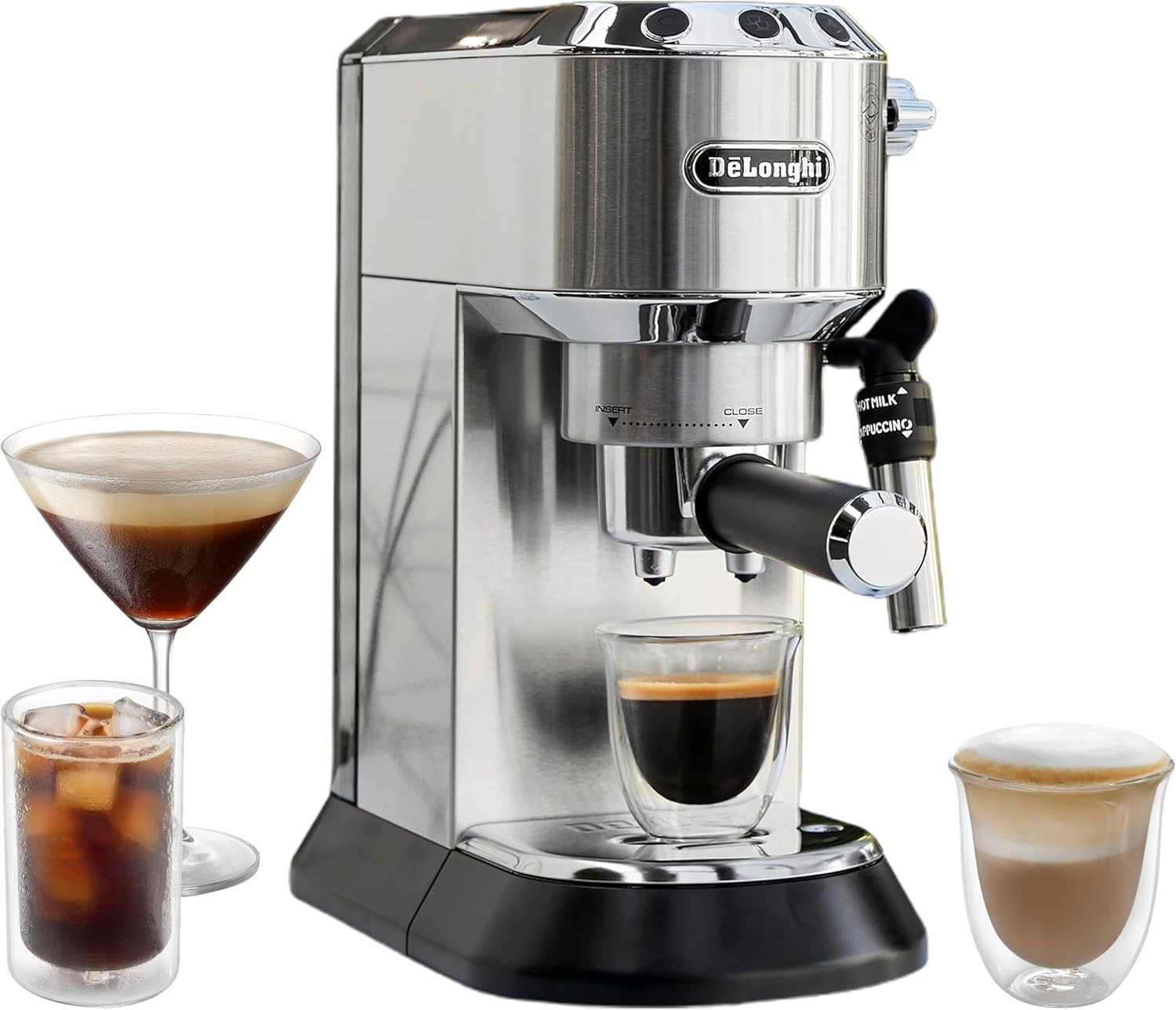 Delonghi EC685M Dedica Automatic Espresso Cappuccino Maker Machine 35oz Metallic$119.99View on eBay
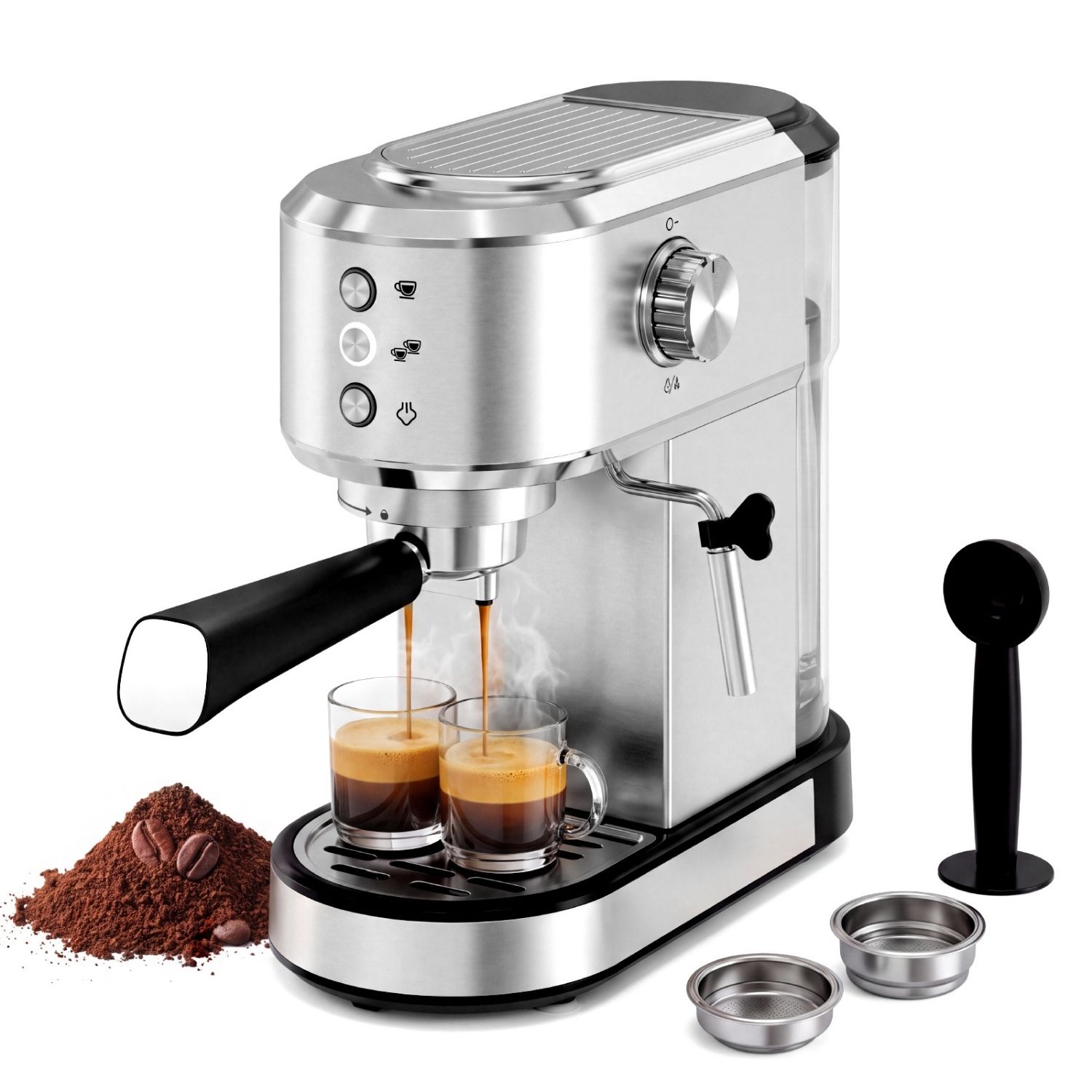 20 Bar Espresso Machine, 1350W Boiler, Steam Wand, Water Tank, Stainless Steel, Compact Coffee Maker For Home Barista$101.99View on Mallflare
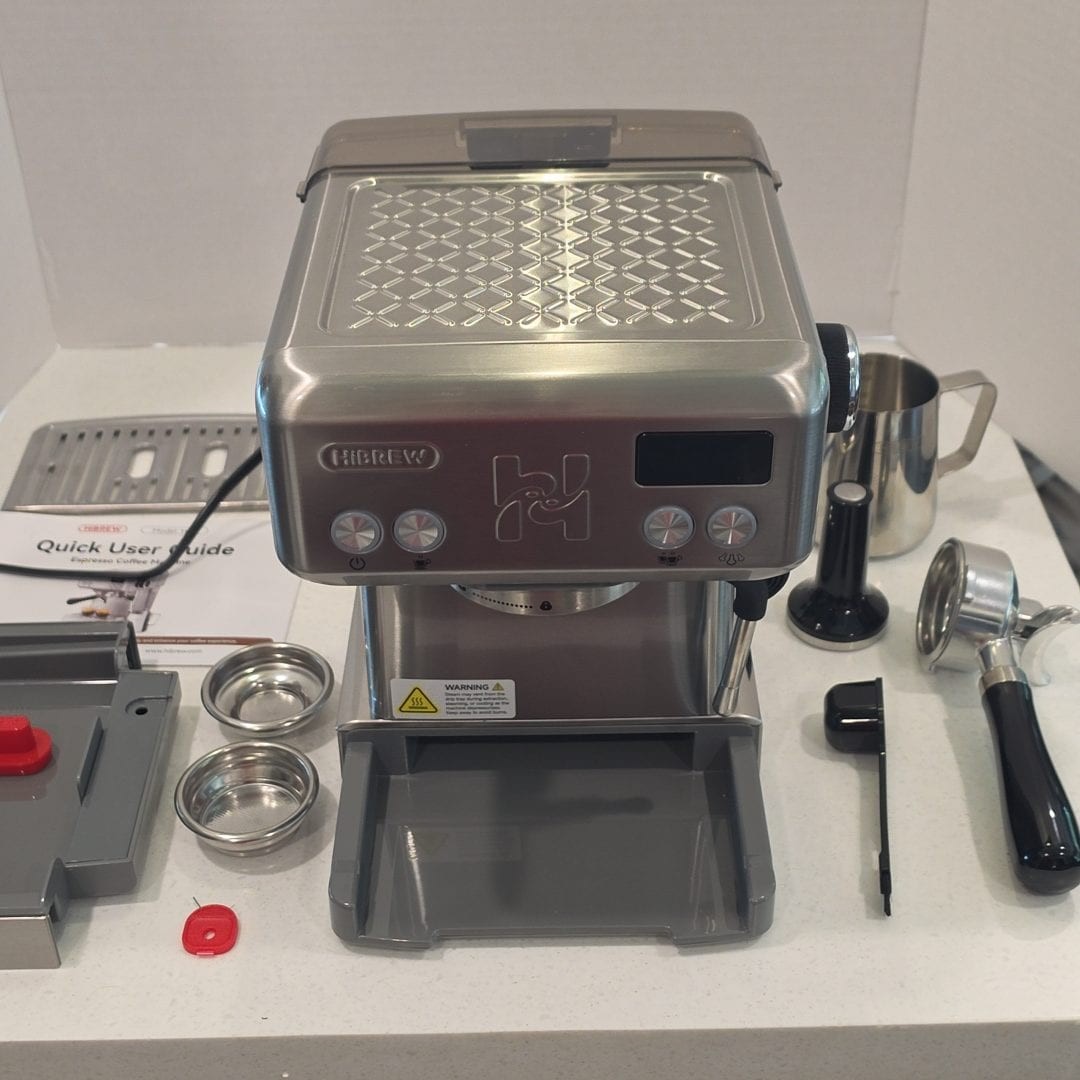 HIBREW H10 Espresso Machine 58mm Commercial Group Head Stainless Steel$147.00View on eBay
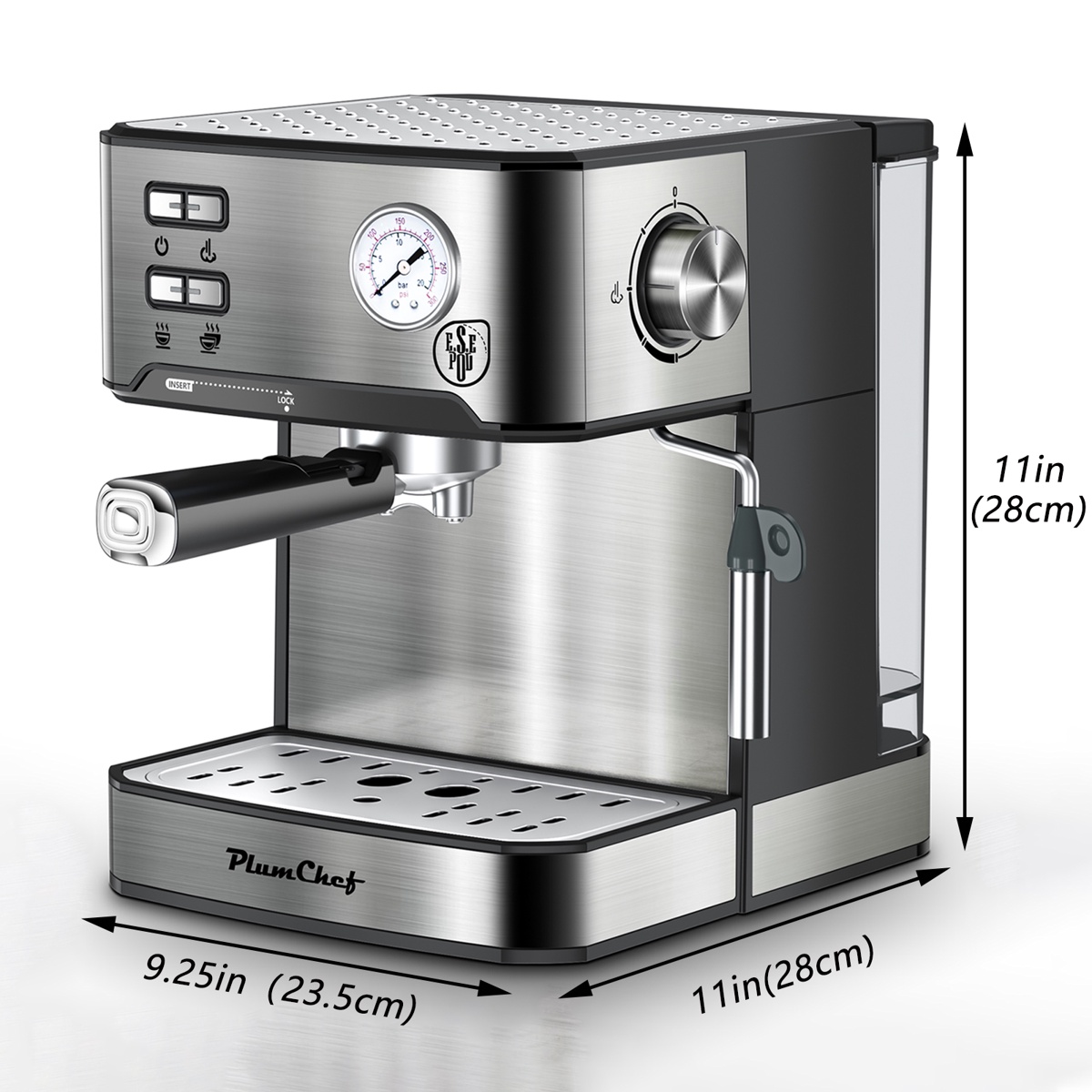 20 Bar Professional Espresso Machine With Milk Frother, Single Double Shot, ESE Pod Compatible, Visual Display Of Pressure, Removable Water Tank For Cappuccino, Latte, Machiato For Home Barista$104.99View on Mallflare
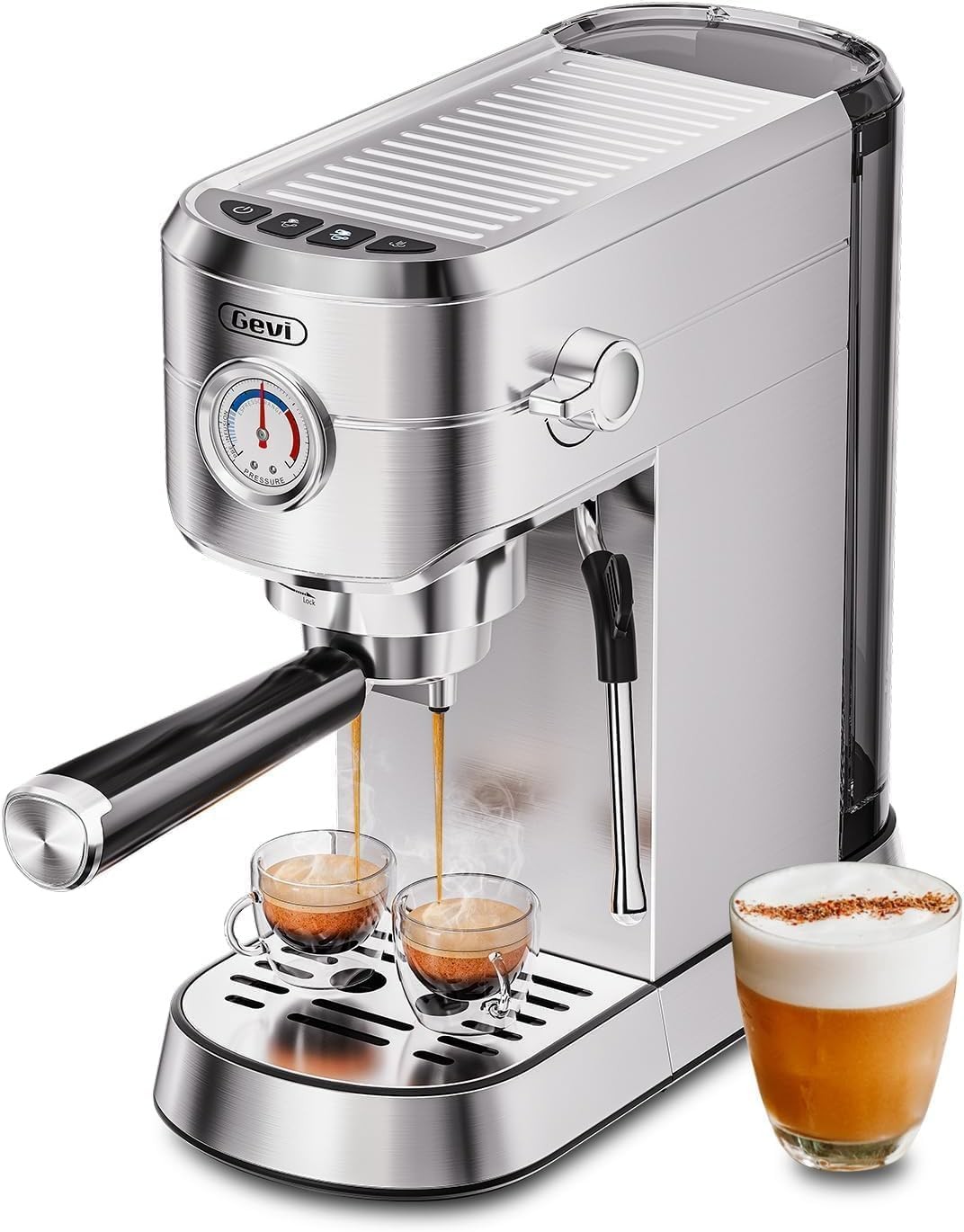 20 Bar Compact Espresso Machine For Home, Latte、cappuccino Coffee Maker$200.21New · Last checked Nov 23, 2026View on eBay
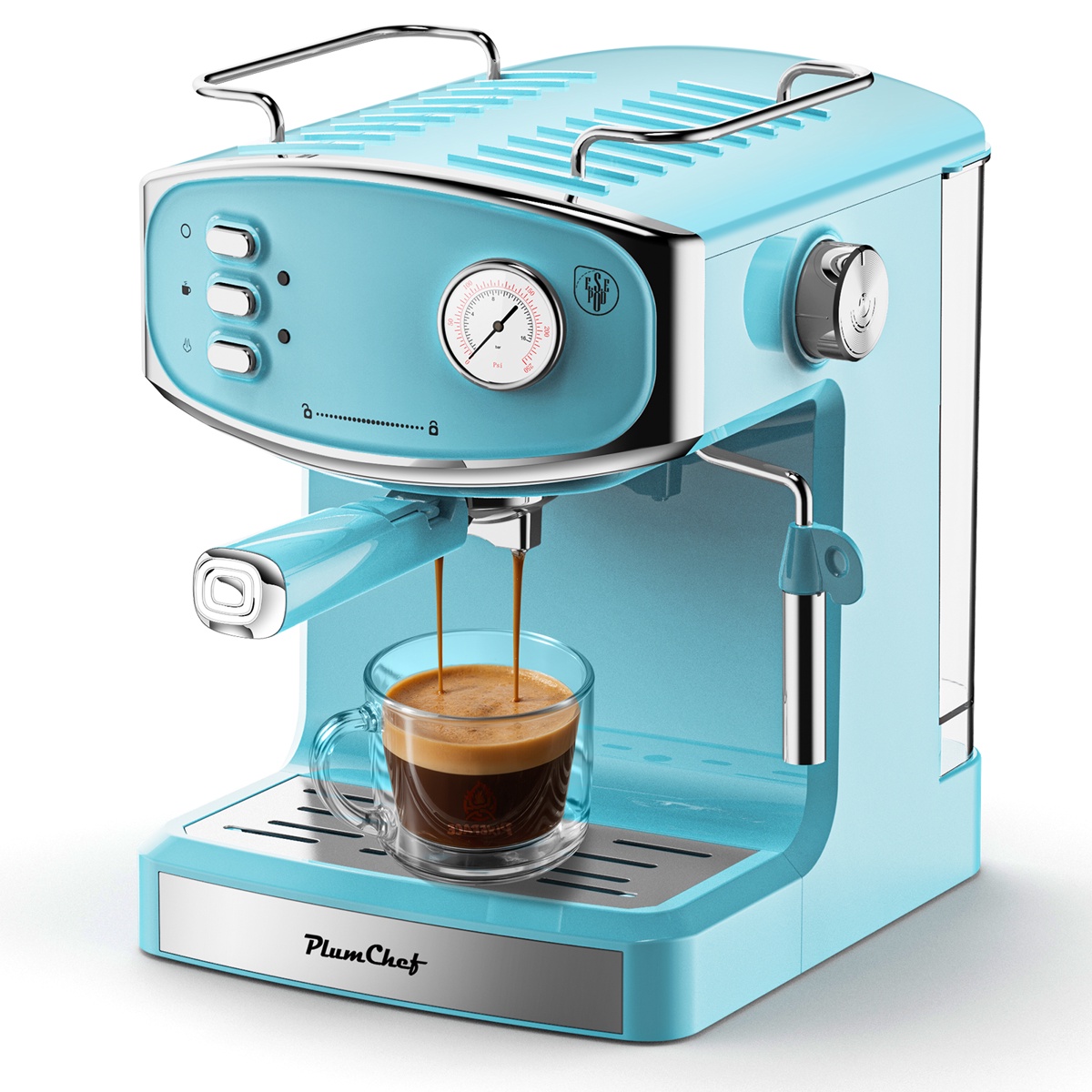 20 Bar Espresso Machine - Professional Compact Maker With Milk Frother, 54oz Large Water Tank, Low Noise, For Cappuccino, Latte, Blue$104.99View on Mallflare
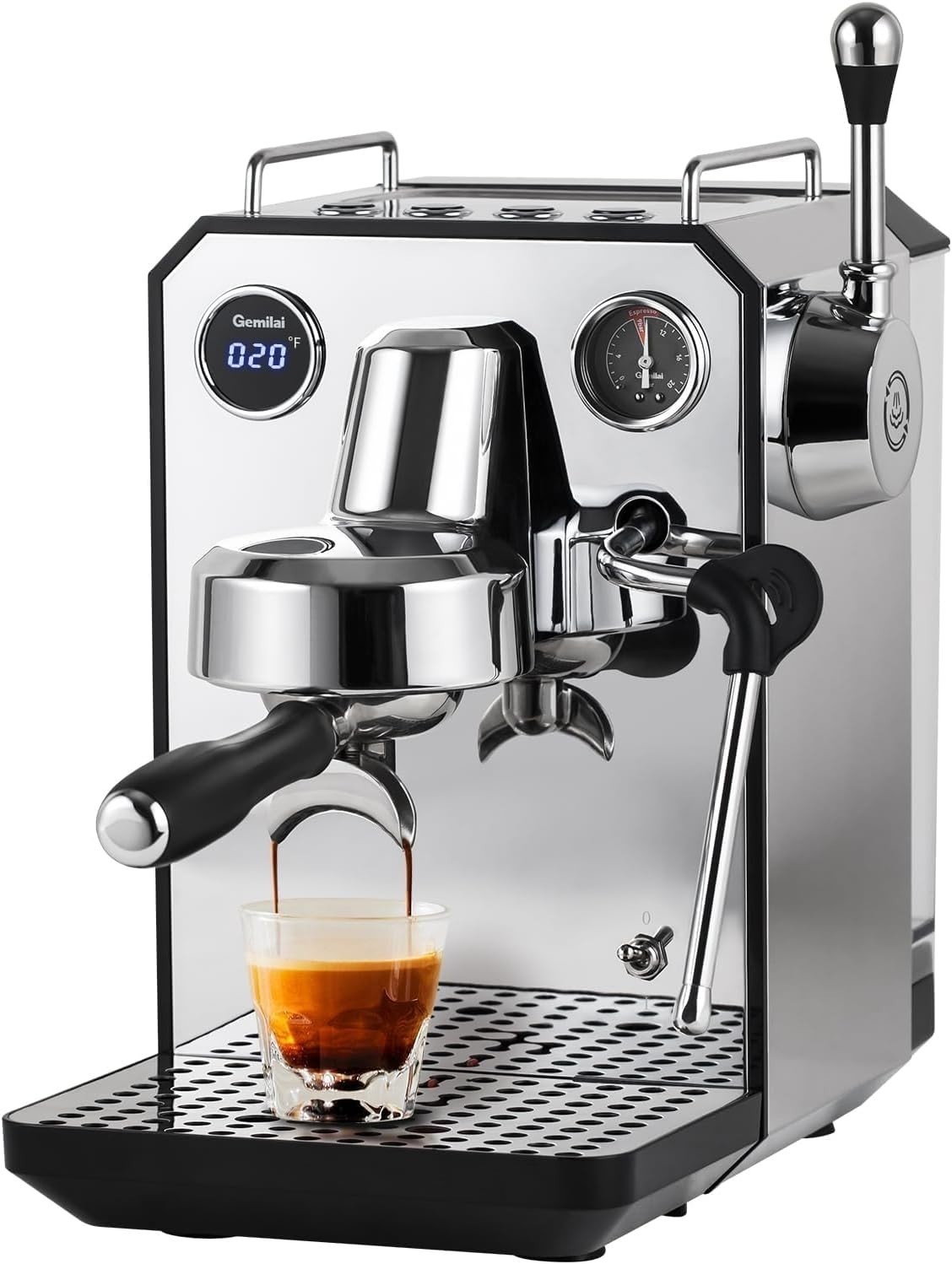 Gemilai Owl G3006 Espresso Machine 58Mm Commercial Group Head & PID Temp Control$219.00Open box · Last checked Nov 23, 2026View on eBay
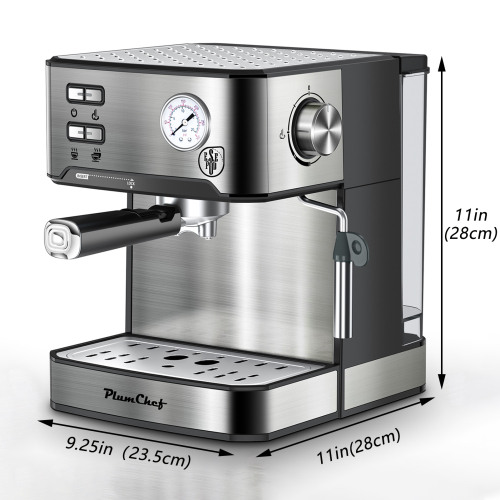 20 Bar Professional Espresso Machine With Milk Frother, Single & Double Shot, ESE Pod Compatible, Pressure Display, Removable Water Tank For Cappuccino, Latte, & Macchiato Home Barista Edition$130.99View on Mallflare
Highlights
- Manual piston pumps reach 9–20 bar via hand leverage; battery models use electric pumps rated 15–20 bar with self-heating elements drawing from 7500mAh-class cells.
- Capsule compatibility splits into three ecosystems: Nespresso Original (NS), Dolce Gusto (DG), and ground coffee baskets; 3-in-1 units accept all three, 2-in-1 units drop one.
- Self-heating models need 2–4 minutes and significant battery draw to heat 60–80ml of water; manual units rely on externally heated water and brew in 30–60 seconds.
- Construction materials separate durability tiers: stainless steel and aluminum bodies survive camp abuse; polycarbonate and ABS shells are lighter but crack-prone at pivot points.
Best use cases
- Best fit: car camping and RV travel with access to 12V/USB-C power — pick a 20-bar battery self-heating 3-in-1 unit for capsule and ground flexibility.
- Best fit: backpacking and ultralight hiking — choose a manual hand-pump model under 500g and carry preheated water in an insulated flask; skip battery units entirely.
- Wrong fit: daily kitchen use — a portable unit costs more per shot and has smaller water capacity than a countertop espresso machine; reserve it for travel only.
- Wrong fit: groups of three or more — most portable units brew 30–80ml per cycle; buy a multi-cup travel press or a larger 5-cup portable brewer instead.
Buying tips
- Match capsule format to your supply: NS capsules need Original-line machines; DG capsules need Dolce Gusto compatibility; ground coffee needs a pressurized basket that accepts fine espresso grind.
- For battery models, confirm USB-C PD input and a removable 7500mAh-class cell; sealed non-replaceable batteries shorten the machine's usable life to the cell's cycle count.
- Weigh the trade-off in grams: manual pumps run roughly 300–600g; battery self-heating units run 700–1200g — a 500g difference matters on multi-day hikes.
- Check brew pressure rating: 15 bar is the minimum for capsule espresso; 18–20 bar gives more headroom for ground coffee and cold or altitude conditions.
Specs
| Pump Type | Manual piston vs battery electric |
|---|---|
| Pressure Rating | 9–20 bar (15 bar min for capsules) |
| Capsule System | NS / DG / ground (2-in-1 vs 3-in-1) |
| Power & Heating | Manual (no power) vs USB-C self-heating |
Related searches
What to check before buying
- Measure your pack or glovebox space: battery units are typically 20–25cm tall and 7–9cm in diameter; confirm the footprint before buying.
- Confirm your power source: USB-C PD chargers or 12V car adapters are required for battery models; manual pumps need no power at all.
- Verify water capacity per shot: most units hold 60–80ml; if you drink double shots, look for a 120ml+ reservoir or plan two cycles.
- Check capsule availability locally: NS and DG capsules are widely stocked; uncommon formats may require online ordering before your trip.
FAQ
Data sources: eBay / Amazon listings and product attribute feeds. Updated Nov 28, 2026.
Some links on this page are affiliate links. If you buy after clicking one, we may earn a commission at no extra cost to you. This does not change which products appear here or their order. Affiliate disclosure.